Space Epoch
Overview
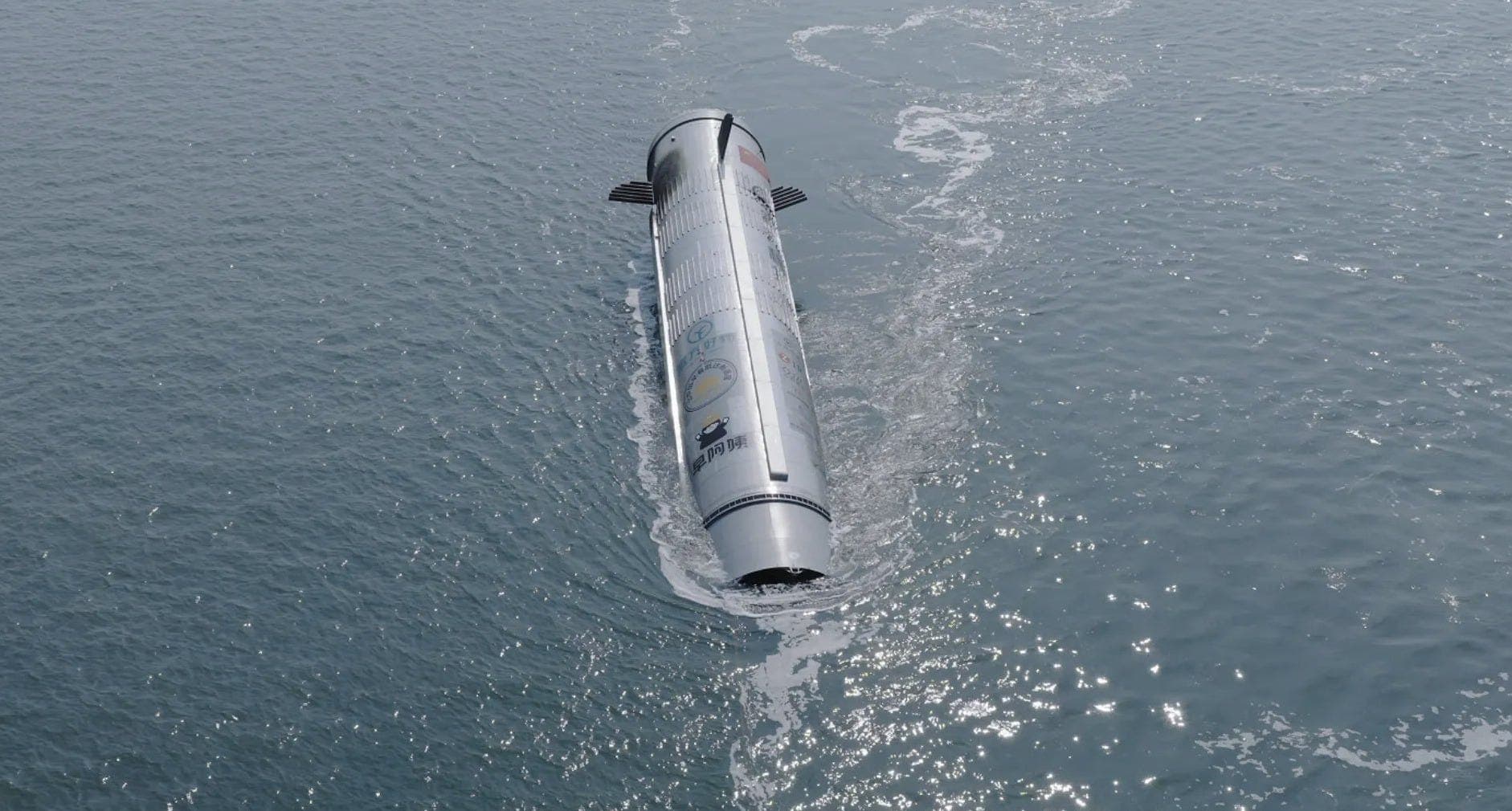
Space Epoch (箭元科技), legally Beijing Jianyuan Technology and branded 'Sepoch', is a Chinese commercial launch startup developing the Yuanxingzhe-1 ('Hiker-1') — a stainless-steel, methane–liquid oxygen, partially reusable medium-lift rocket whose sea-recovery, low-cost design draws frequent comparisons to a smaller SpaceX Starship. On May 29, 2025 it pulled off China's first sea-based vertical-takeoff/vertical-landing recovery test: a single-engine demonstrator flew a ~125-second suborbital hop to roughly 2.5 km and executed a controlled splashdown off Haiyang, Shandong, with the stainless stage recovered largely intact. Rather than build its own engines, Space Epoch buys methalox powerplants from engine maker Jiuzhou Yunjian. In January 2026 it broke ground on a 5.2 billion yuan (~$740M) sea-recovery rocket plant in Hangzhou sized for up to 25 vehicles a year, aiming to cut launch costs toward 20,000 yuan/kg. Three Yuanxingzhe-1 rockets are in production for a first orbital launch and recovery attempt targeted by the end of 2026. The company has also signed a headline-grabbing Taobao/Alibaba partnership exploring rocket-based parcel delivery and a cooperation toward a new MEO satellite constellation.

Main Products
What's Next
Operations & Revenue
Space Epoch has completed China's first sea-based VTVL recovery test (May 2025) but has not yet reached orbit. Three Yuanxingzhe-1 rockets are in production and undergoing ground testing for a debut orbital launch and recovery attempt targeted by the end of 2026, while a ~$740M sea-recovery production plant in Hangzhou begins construction in January 2026.
Key Metrics
Timeline
Space Epoch closes a Series B round (undisclosed amount) in February 2026, lifting total funding to roughly $42.8M, then breaks ground in January 2026 on a 5.2 billion yuan (~$740M) sea-recovery reusable-rocket plant in Hangzhou sized to build up to 25 medium-to-large rockets per year.
On May 29, 2025, a single-engine Yuanxingzhe-1 demonstrator lifts off off the coast of Haiyang, Shandong, flies a ~125-second suborbital hop to about 2.5 km, and performs a controlled vertical splashdown in the Yellow Sea — China's first sea-based vertical-takeoff/landing recovery — with the stage recovered largely intact.