Deep Blue Aerospace
Huo Liang
Overview
Deep Blue Aerospace (深蓝航天) is a Chinese commercial launch startup built around vertically landing, reusable kerosene–liquid oxygen rockets — positioning itself as one of China's closest analogs to early SpaceX. Founded in 2016 and headquartered in Nantong, it has flown a series of VTVL hop tests, most notably a September 2024 high-altitude flight that completed 10 of 11 objectives with ~0.5 m landing accuracy before an anomaly during the final engine shutdown damaged the stage on touchdown. The company is now preparing the maiden flight of its medium-lift Nebula-1, which can loft up to 2,000 kg to LEO on nine Thunder-R engines and is designed for first-stage recovery; the first Nebula-1A vehicle was rolled out to a new sea-recovery pad at Haiyang in March 2026 for a debut flight with a first-stage splashdown attempt. Deep Blue is also developing the much larger Nebula-2 (25,000+ kg to LEO) and has begun pre-selling suborbital space-tourism tickets for flights targeted in 2027. It has raised roughly $252M to date.
Main Products

Two-stage, partially reusable kerosene–liquid oxygen medium-lift rocket with a vertically landing first stage powered by nine Thunder-R engines. The Nebula-1A debut variant adds grid fins and sea-recovery capability for a first-stage splashdown.
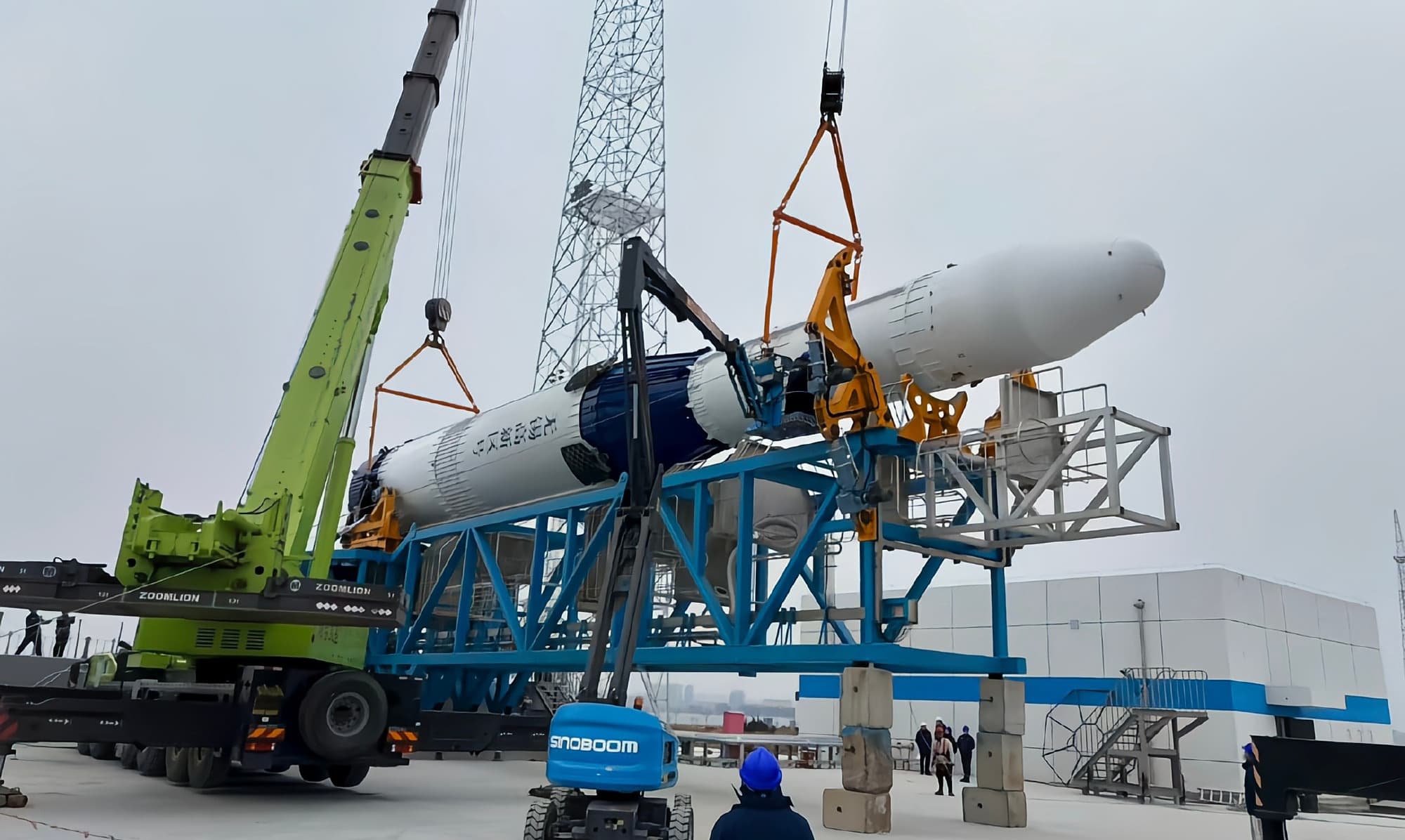
First Nebula-1A erected on a new Haiyang sea-recovery pad in March 2026 after second- and first-stage static fires in late 2025; the debut flight will attempt a first-stage splashdown, with a maiden orbital mission targeted for 2026.

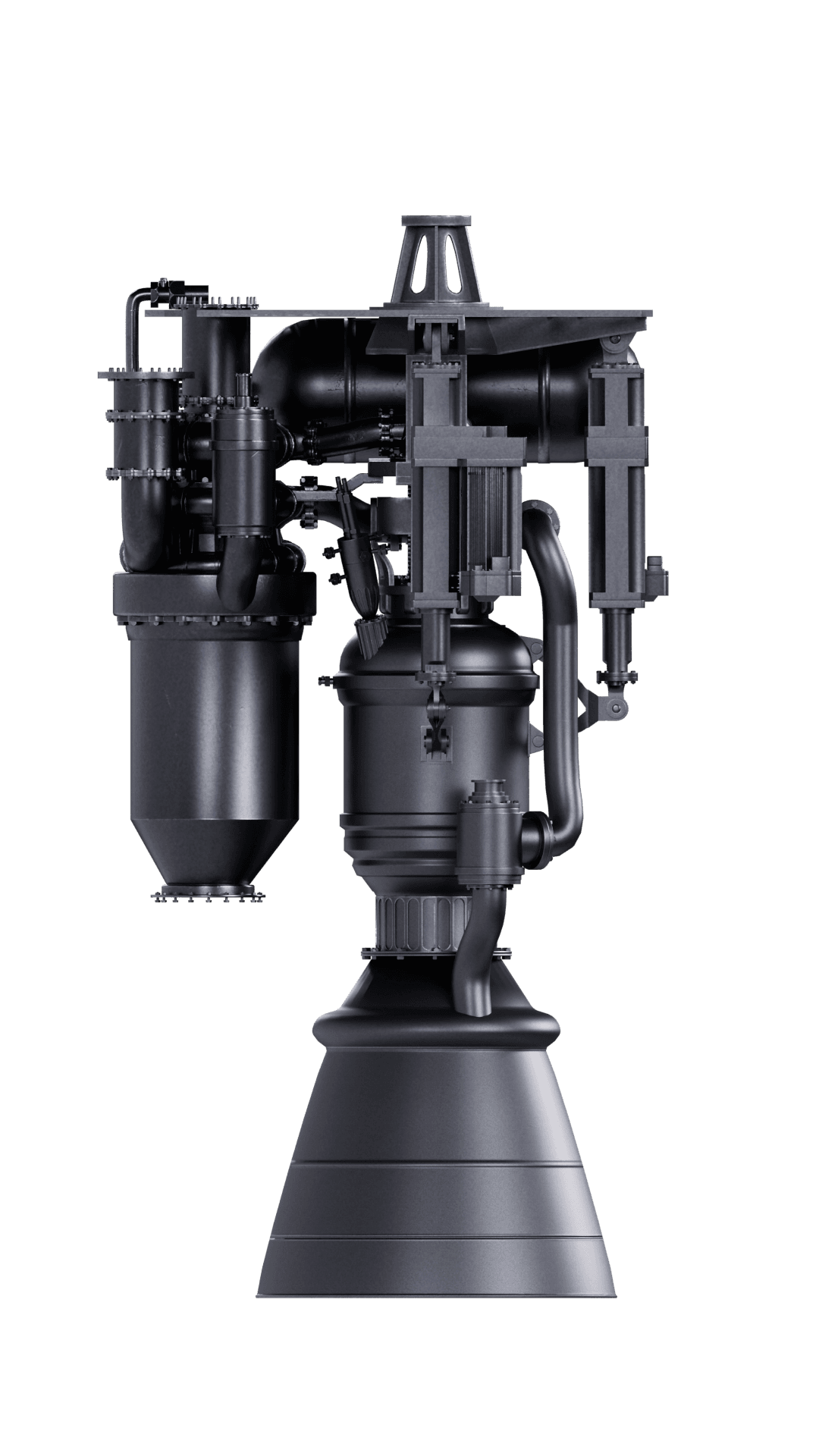
Reusable kerosene–liquid oxygen rocket engine in Deep Blue's Leiting (Thunder) family, generating about 22 tons of thrust. Nine Thunder-R engines power the Nebula-1 first stage.
Completed a nine-engine, full-system first-stage static fire under simulated flight conditions in November 2025, clearing a key milestone ahead of Nebula-1's debut.
What's Next
Operations & Revenue
Deep Blue has completed an extensive VTVL hop-test campaign but has not yet reached orbit. The first Nebula-1A was rolled out to a new sea-recovery pad at Haiyang in March 2026 for a debut flight that will attempt a first-stage splashdown, following second- and first-stage static fires in late 2025. The heavy-lift Nebula-2 and a crewed suborbital space-tourism vehicle remain in development.
Key Metrics
Timeline
On September 22, 2024, a Nebula-1 first stage flies a high-altitude VTVL test from the Ejin Banner site in Inner Mongolia, completing 10 of 11 verification objectives with ~0.5 m landing accuracy before an anomaly during the final engine shutdown causes a hard, damaging landing.