In Development
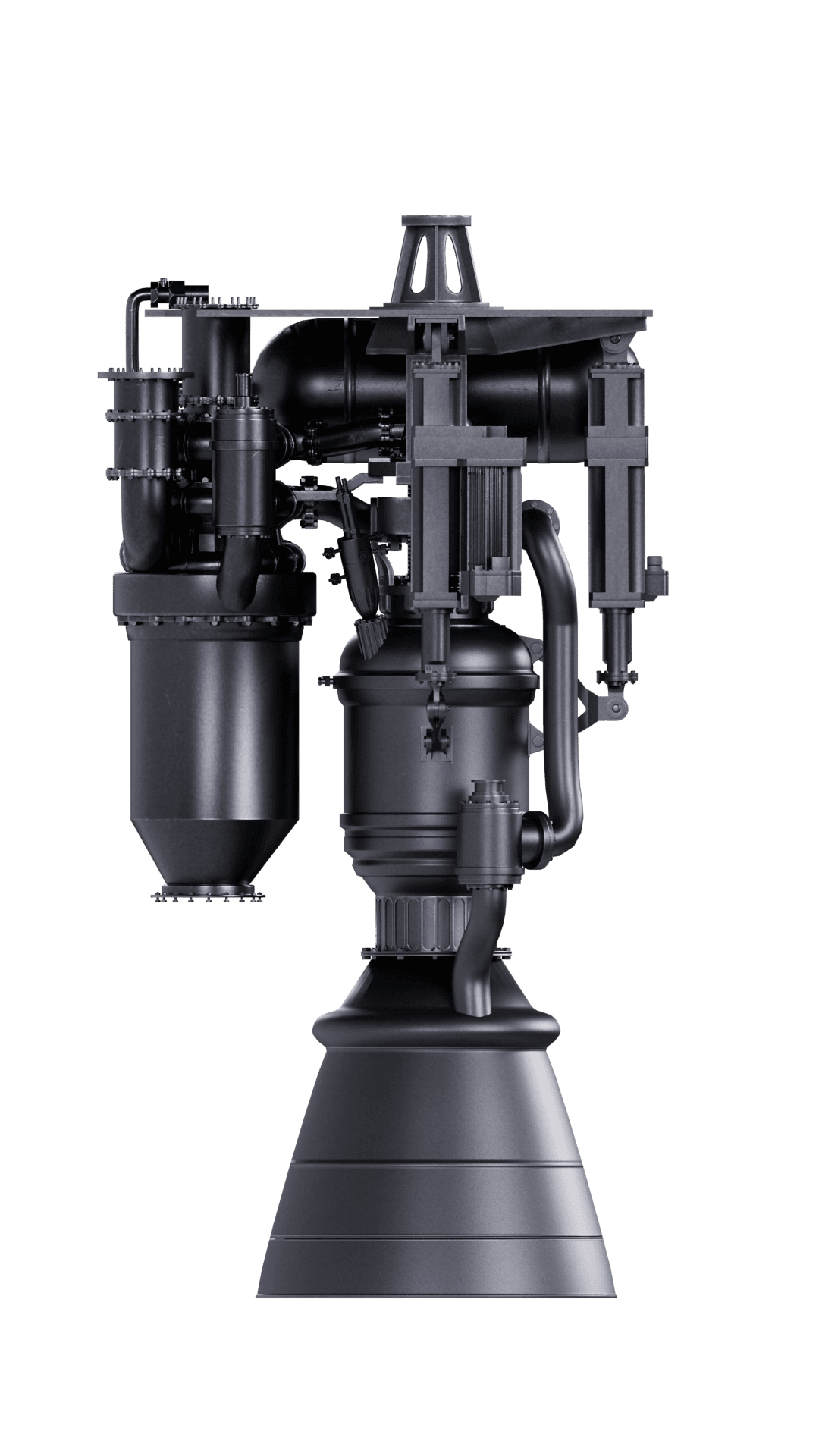
Thunder-R Engine
Reusable kerosene-liquid oxygen rocket engine in Deep Blue's Leiting (Thunder) family. Nine Thunder-R engines power the Nebula-1 first stage.
 Deep Blue Aerospace
In Development
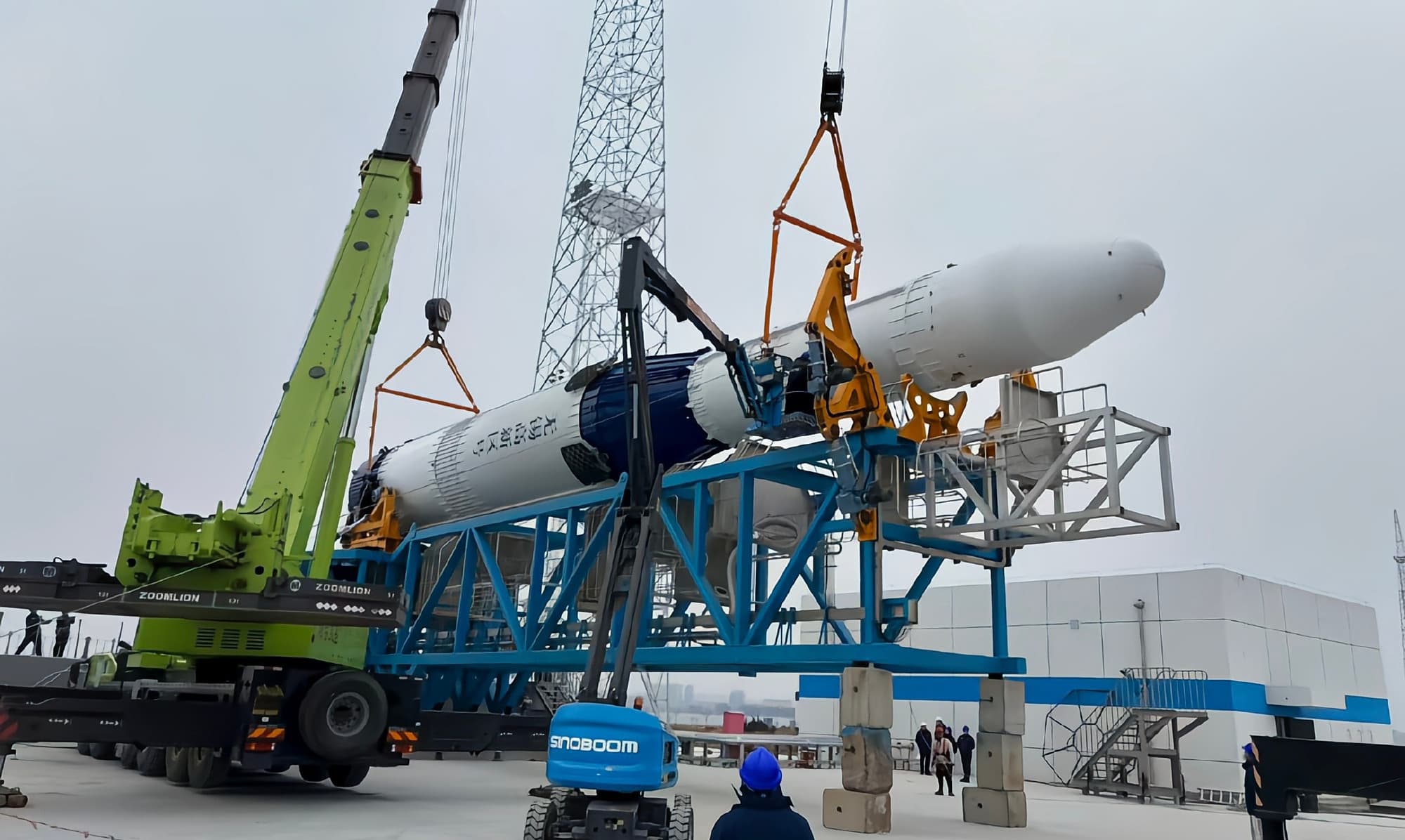
Two-stage, partially reusable kerosene–liquid oxygen medium-lift rocket with a vertically landing first stage powered by nine Thunder-R engines. The Nebula-1A debut variant adds grid fins and sea-recovery capability for a first-stage splashdown.
Latest update Sep 15, 2026
01
First Nebula-1A erected on a new Haiyang sea-recovery pad in March 2026 after second- and first-stage static fires in late 2025; the pad passed an integrated test mission on March 30-31, 2026. The originally targeted mid-2026 debut remains unflown as of 15 September 2026; launch trackers list the first test no earlier than December 2026 and describe the profile as suborbital, with a first-stage recovery attempt still planned.
02
03
Announced next steps from Deep Blue Aerospace that mention Nebula-1.
2026-2027
Turn a successful debut into first-stage reuse and recurring commercial small/medium launches for China's satellite-internet and Earth-observation constellations. Still gated on the Nebula-1 maiden flight, which remains unflown as of 15 September 2026.
Late 2026
Fly the first Nebula-1A from the now fully operational Haiyang sea pad and attempt a controlled first-stage recovery. As of 15 September 2026 the debut remains unflown; launch trackers still list it no earlier than 31 December 2026 and describe the first test profile as suborbital rather than a full orbital insertion.
04
Jiangsu Deep Blue Aerospace said on September 24 it had completed two financing rounds totaling nearly 20 billion yuan. Securities Times identified the rounds as B6 and B7 and listed returning shareholders including Wuxi High-tech Zone Investment Holding Group, Zhuoyuan Capital and Zhengyue Investment, alongside Addor Capital, Oceanpine, listed Boton Technology, Hongrun Construction and Youluoka. China Securities Journal reported the same company disclosure and said proceeds will fund Nebula-1 work and deeper development of the larger Nebula-2 reusable rocket. The company did not publish an exact combined figure, a post-money valuation, or a new Nebula-1 flight date.
Deep Blue Aerospace scheduled the debut test flight of its reusable Nebula-1 rocket for June 30 from a sea-launch pad at Haiyang's Oriental Spaceport. The 30.2-meter vehicle, powered by nine Thunder-R engines for about 198 tons of thrust and rated for 2,000 kg to low Earth orbit, was to fly a suborbital profile and attempt a controlled vertical landing at sea, supported by the company's newly readied recovery ship. The debut booster carries grid fins but no landing legs, framing the flight as a key reusability demonstration.
05
Reusable kerosene-liquid oxygen rocket engine in Deep Blue's Leiting (Thunder) family. Nine Thunder-R engines power the Nebula-1 first stage.
Larger, five-meter-diameter kerosene-liquid oxygen heavy-lift rocket stepping up from Nebula-1, designed to carry more than 25,000 kg to LEO on a cluster of up-rated Thunder-RS engines with planned first-stage recovery and reuse.
Up-rated, ~130-tonne-class kerosene-liquid oxygen engine in Deep Blue's Leiting (Thunder) family, using needle-valve injection and deep throttling, developed to power the Nebula-2 first stage with planned reuse.
06
SpaceX
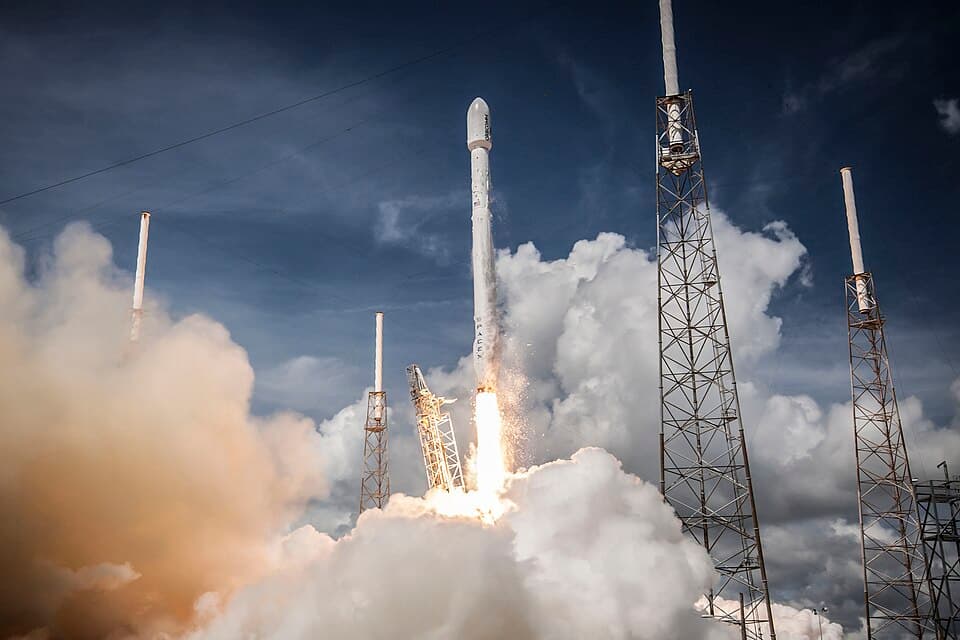
Partially reusable two-stage medium-lift launch vehicle. The world's most frequently launched orbital rocket.
SpaceX
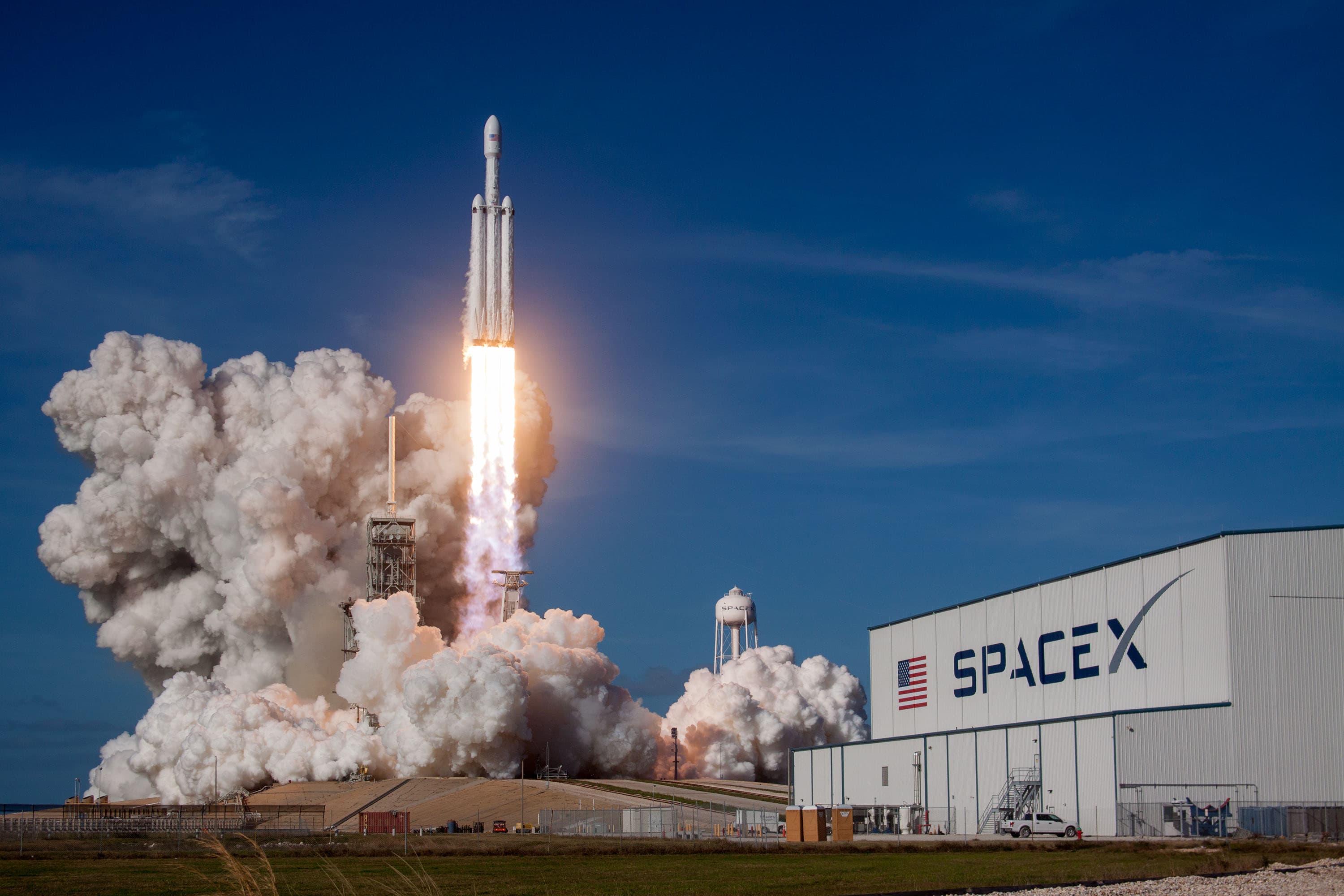
Heavy-lift launch vehicle consisting of a strengthened Falcon 9 core with two additional boosters.
SpaceX
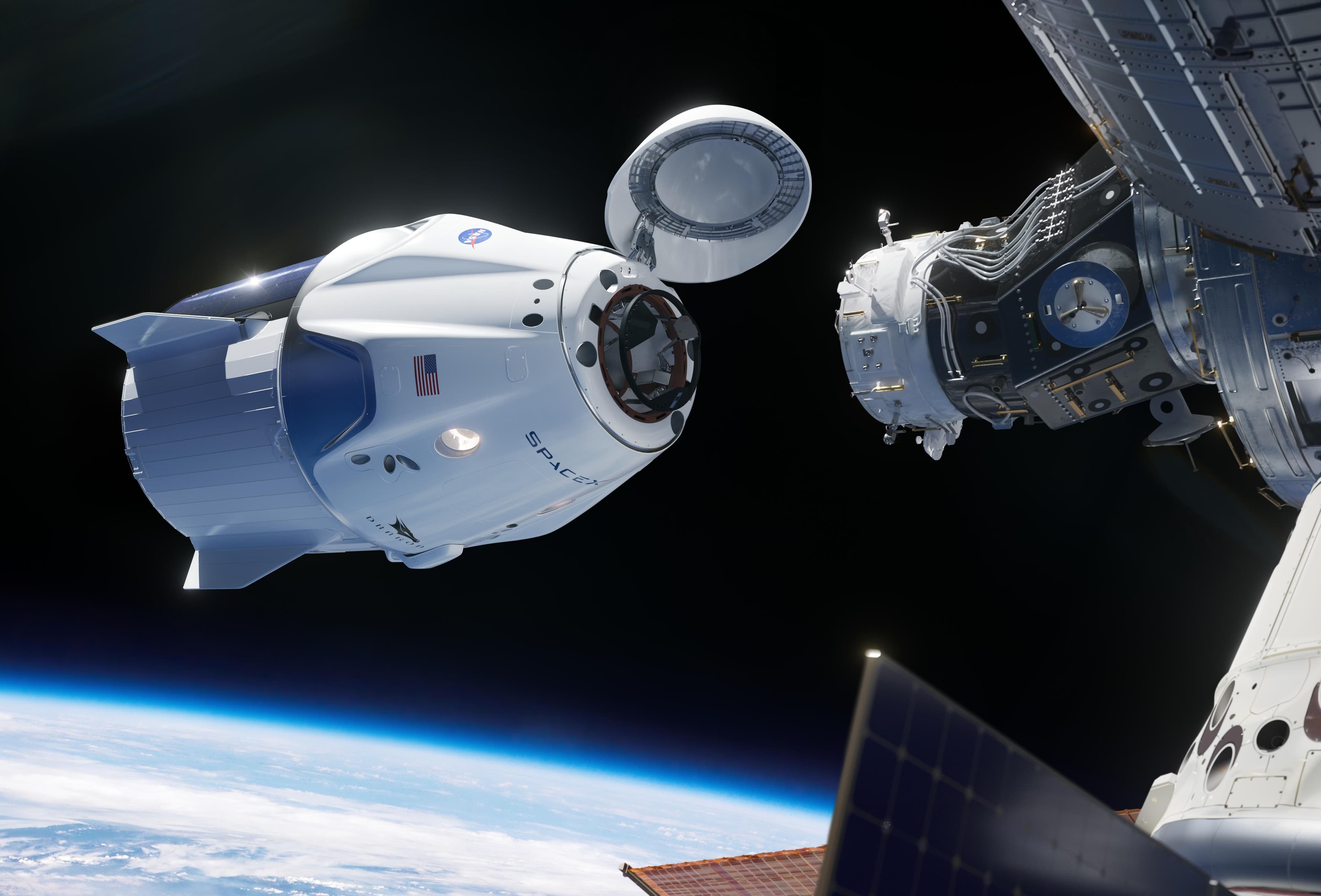
Reusable spacecraft for cargo and crew transport to the International Space Station.
SpaceX
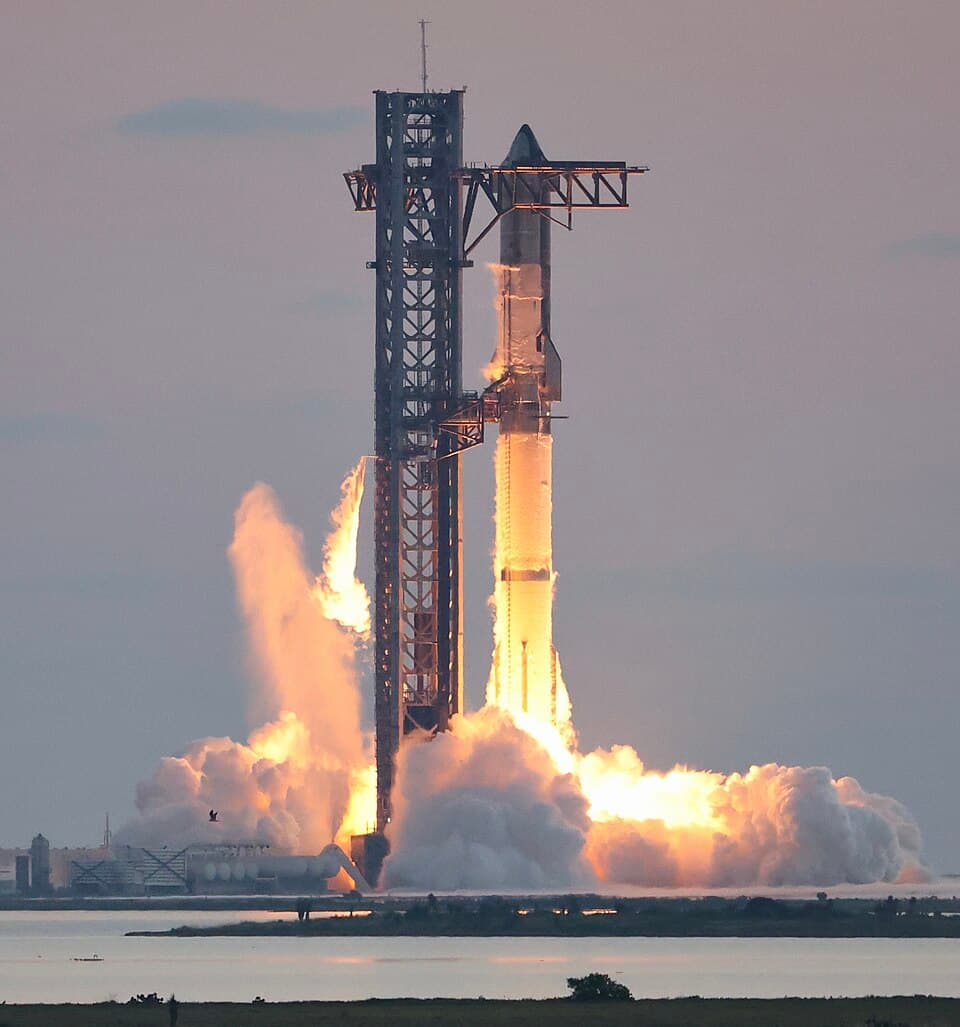
Fully reusable super-heavy-lift launch system designed for missions to the Moon, Mars, and beyond. V3 (Block 3) variant with Raptor 3 engines is the production version.