Active
Ceres-1 / Ceres-1S
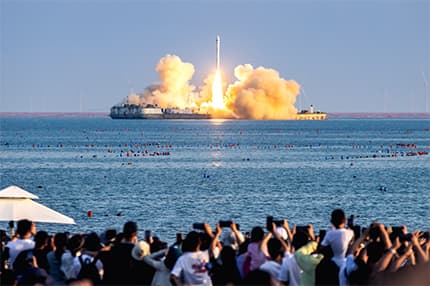
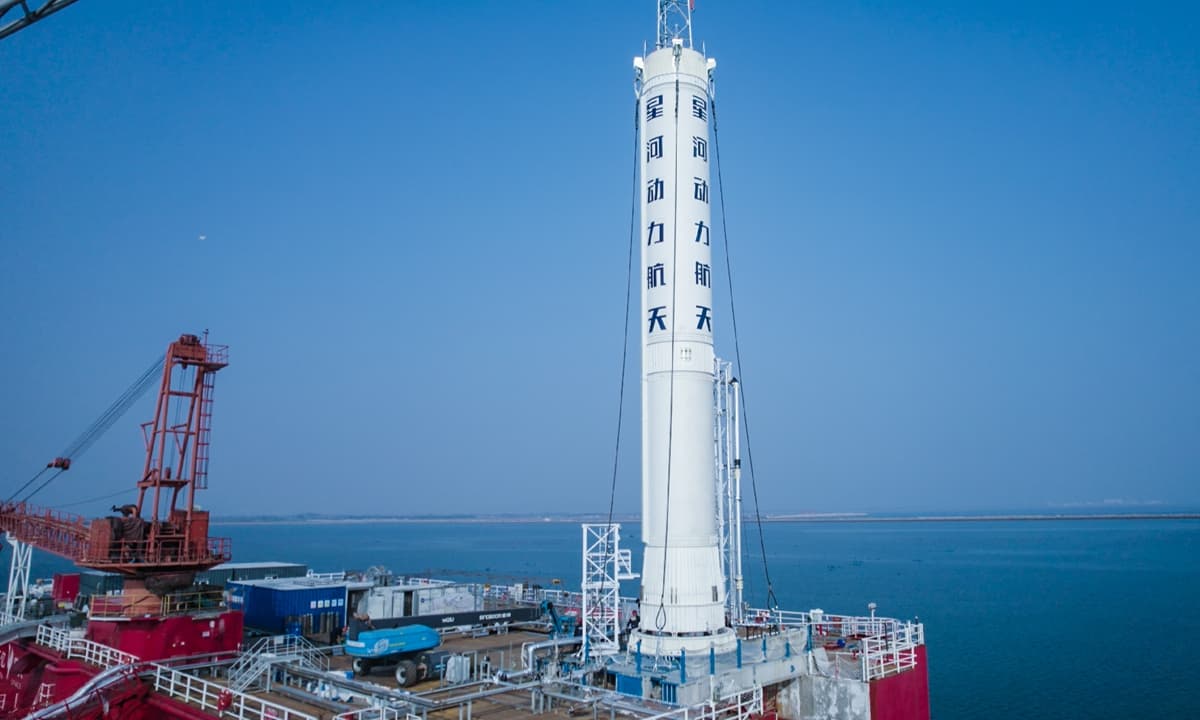
Four-stage small-lift launch vehicle with three solid-propellant stages and a hydrazine upper stage. The sea-launched Ceres-1S variant flies from a platform in the Yellow Sea.
Galactic Energy (Beijing Xinghe Power) is one of China's leading commercial launch companies and the most prolific private launch provider in the country.
Latest update Sep 10, 2026
01
Its small solid-fuel Ceres-1 - flying from both land and a sea platform (Ceres-1S) - has reached orbit 23 times with 21 successes, deploying around 89 satellites since 2020, but it has not flown again since the January 15, 2026 Ceres-1S Y7 sea launch. The larger solid Ceres-2 failed on its January 2026 debut; Galactic Energy concluded in June 2026 that a design flaw in the first stage's nozzle throat liner caused the failure and has not announced a return-to-flight date. The partially reusable kerosene-liquid oxygen Pallas-1 flew its debut mission on September 1, 2026, reaching its planned sun-synchronous test orbit with a dummy payload and no first-stage recovery attempt, the first step in a three-step plan toward routine booster reuse. Galactic Energy closed a 2.4 billion yuan (~$336M) Series D in September 2025, bringing disclosed funding to roughly $410M, is raising a further round (at least 400 million yuan / ~$59M committed as of July 2026) to fund follow-on Pallas-1 flights, was shortlisted in June 2026 as a candidate launch provider for China's Qingzhou cargo spacecraft that will resupply the Tiangong space station, and remains among the commercial launch firms in Shanghai STAR Market IPO counseling.
en.wikipedia.orgUpdated Sep 10, 2026
Analysis · 4 min read · Jun 21, 2026The long view on Galactic Energy: strategy, technology and what to watch02
2026
Having concluded on June 17, 2026 that the January 2026 maiden failure was caused by a design flaw in the first stage's nozzle throat liner, fix the deficiency and re-fly Ceres-2 to bring its larger solid-lift capacity online for constellation deployment. No return-to-flight date has been announced as of September 10, 2026, and the 2026 window is tightening.
2026
Advance the larger Pallas-2 (single-stick and CBC/tri-core configurations using the new CQ-90 engine, which completed a full-system hot-fire test in January 2026) while restoring Ceres-1/1S cadence after an eight-month pause. As of September 10, 2026, Galactic Energy has not publicly confirmed that Pallas-2 assembly and testing are complete; the maiden-flight target of before the end of 2026 still stands in the last company comments but looks increasingly tight with no new hardware updates since the Pallas-1 debut.
Jan 2027
Galactic Energy was shortlisted in June 2026 alongside CAS Space, OrienSpace, and LandSpace as a candidate launch provider for China's low-cost Qingzhou cargo spacecraft resupplying the Tiangong space station. A final provider has not yet been selected as of September 10, 2026; the full-scale Qingzhou mission is tentatively targeted to launch and dock with Tiangong in January 2027.
H2 2027
Having flown Pallas-1's expendable debut on September 1, 2026, Galactic Energy plans to phase in the grid fins and other descent-control hardware needed for booster recovery starting with the third flight, building toward a first downrange first-stage landing attempt in the second half of 2027 and, eventually, reflying recovered boosters up to 25 times each.
03
Galactic Energy's partially reusable Pallas-1 lifted off from Jiuquan at 02:00 UTC on September 1, 2026, with both stages performing normally and the second stage placing a dummy payload into the planned sun-synchronous test orbit. The expendable first stage carried no grid fins or other recovery hardware and was not recovered, the first step in a three-step plan Galactic Energy says will add descent-control hardware from the third flight onward, working toward a downrange landing and eventual reflights of up to 25 times per booster.
04
Four-stage small-lift launch vehicle with three solid-propellant stages and a hydrazine upper stage. The sea-launched Ceres-1S variant flies from a platform in the Yellow Sea.
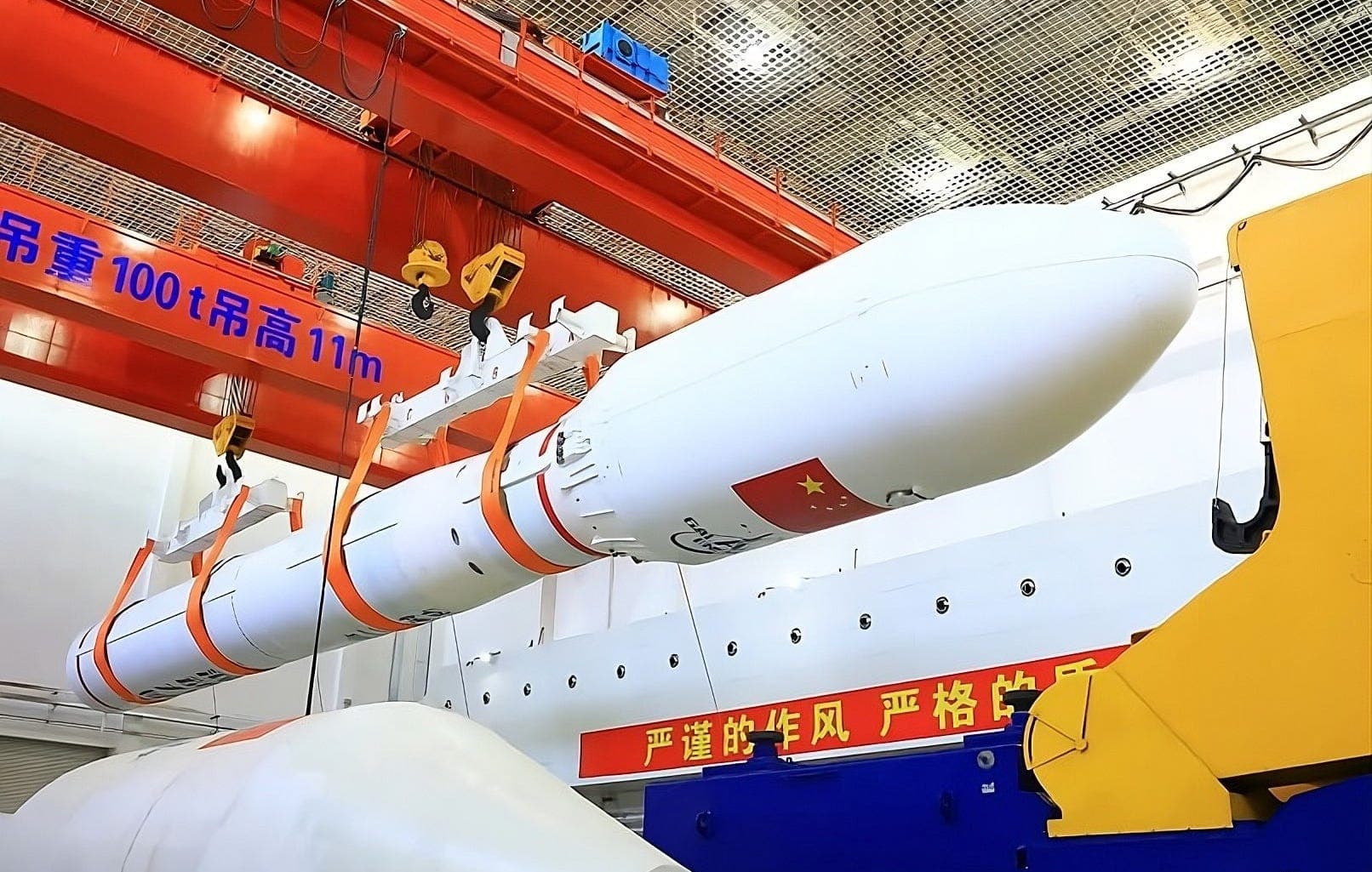
Larger four-stage solid-fuel rocket with a 3.35-meter diameter, designed to carry roughly four times the payload of Ceres-1 for constellation deployment.
Two-stage, partially reusable kerosene-liquid oxygen medium-lift rocket - Galactic Energy's Falcon 9-class vehicle with a vertically landing first stage powered by seven CQ-50 engines.
Larger heavy-lift successor to Pallas-1 in single-stick or triple-core (CBC) configurations, powered by an upgraded liquid oxygen-kerosene CQ-90 engine and sized for constellation-scale payloads.
05
06
Operating status
Operational
China's most-flown private launch provider. The solid Ceres-1/1S has reached orbit 23 times with 21 successes from both land and sea; its most recent flight remains the January 15, 2026 Ceres-1S Y7 mission, with no further Ceres-1 flights listed through September 10, 2026. The larger Ceres-2 failed its January 2026 maiden flight (root cause: a nozzle throat liner design flaw, confirmed June 2026) and still has no announced return-to-flight date. The reusable kerolox Pallas-1 completed its debut flight on September 1, 2026, an expendable test mission that reached its planned sun-synchronous orbit with a dummy payload and no first-stage recovery attempt; Galactic Energy plans to add descent-control hardware from the third flight onward and target a first downrange landing in H2 2027. The company remains shortlisted as a candidate launch provider for China's Qingzhou cargo spacecraft resupplying Tiangong, with a final provider not yet chosen.
Ceres-1 / Ceres-1S Launch Services
Dedicated and rideshare small-satellite launches on the solid-fuel Ceres-1 from Jiuquan and the sea-launched Ceres-1S from a Yellow Sea platform, primarily for Chinese commercial Earth-observation and constellation customers.
Planned medium-class solid launches with roughly four times the payload of Ceres-1, pending return to flight after the January 2026 maiden failure.
Pallas-1 Reusable Launch Services
Planned low-cost, high-cadence reusable kerolox launches sized for China's satellite-internet mega-constellations once first-stage recovery and reuse are demonstrated.
Space Station Cargo Resupply (Qingzhou)
Potential launch-service contract for China's low-cost Qingzhou cargo spacecraft resupplying the Tiangong space station; Galactic Energy is one of four shortlisted candidate providers as of June 2026, with a final selection not yet announced.
07
How past announced dates turned out.
1/1announced date hit on time
Pallas-1 maiden flight
Target 2026-08 · Resolved Sep 1, 2026
Pallas-1 flew its debut mission on September 1, 2026, one day past the announced second-half-of-August window: both stages performed normally and the second stage reached the planned sun-synchronous test orbit carrying a dummy payload. As expected, the expendable first stage was not recovered since it carried no grid fins or other descent-control hardware.
08
2026
Pallas-1 debut flight succeeds
On September 1, 2026, Pallas-1 lifts off from its dedicated Jiuquan pad at 02:00 UTC carrying a dummy payload, with both stages performing normally and the second stage inserting into the planned sun-synchronous test orbit. No grid fins or other recovery hardware were installed for the debut, so the first stage was not recovered; Galactic Energy says that hardware is expected from the third flight onward as it works toward a first downrange landing attempt within a handful of flights.
Ceres-2 failure traced to nozzle design flaw
On June 17, 2026, Galactic Energy concludes its investigation into the January 2026 Ceres-2 debut failure, attributing it to insufficient design margin in the support structure of the first stage's nozzle throat liner, which ablated and cracked in flight. The company says it will fix the deficiency and continue the Ceres-2 program.
Shortlisted for China's Qingzhou cargo spacecraft launch service
In June 2026, Galactic Energy is named alongside CAS Space, OrienSpace, and LandSpace as a shortlisted candidate launch provider for China's low-cost Qingzhou cargo spacecraft, which is intended to resupply the Tiangong space station; no final provider has yet been selected.
Pallas-1 goes vertical at Jiuquan ahead of debut
By late May 2026, Galactic Energy completed phase 1 of its dedicated Pallas launch complex at Jiuquan and erected the ~52 m Pallas-1 Y1 vehicle on the pad, signalling an imminent maiden flight. The rocket carries reusability hardware (landing legs and grid fins) but no recovery attempt is expected on the first flight.
On January 17, 2026, the larger solid Ceres-2 fails on its debut from Jiuquan after an early-flight anomaly, losing about six satellites including the ultra-flat Lilac-3 - one of two Chinese launch failures within 12 hours that day.
First private Chinese mission of 2026 (Ceres-1S Y7)
In January 2026 the sea-launched Ceres-1S delivers four Guodian Gaoke satellites to low Earth orbit from a platform in the Yellow Sea - China's first commercial-launch mission of the year - expanding the Tianqi IoT constellation to 41 satellites.
2025
On November 10, 2025, a Ceres-1 fourth stage shuts down prematurely, losing three payloads including two Jilin-1 Earth-observation satellites - only the rocket's second failure. A review board closed the investigation on November 20, 2025, tracing the fault to a 2500N upper-stage engine control cable that overheated under prolonged thermal radiation.
$336M Series D and Pallas-1 first-stage static fire
Galactic Energy closes a 2.4 billion yuan (~$336M) Series D from government-linked funds in September 2025, and in November 2025 fires all seven first-stage CQ-50 engines of the reusable Pallas-1, completing its major ground tests.
2023
2022
2020
2018
09
$595Mdisclosed across 3 rounds with a stated amount
Cumulative disclosed raise · dated rounds
Early venture rounds
2018-2021
CDH Investments, Huaqiang Capital, and other Chinese venture and strategic investors
Reusable rocket round
2022
Undisclosed (for Pallas-1 development)
Series D
2025-09
Government-linked municipal and provincial investment funds across multiple Chinese regions
New capital round (in progress)
2026
At least ~400M yuan (~$59M) committed as of July 22, 2026
Nine investors, mostly government-linked, committing amounts from the high tens to hundreds of millions of yuan each, to support further Pallas-1 flights