Active
Ceres-1 / Ceres-1S
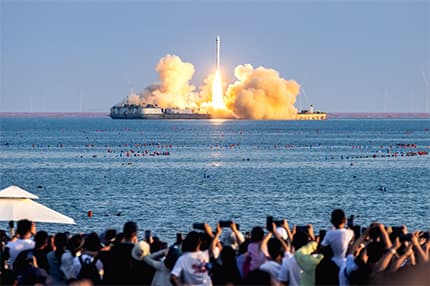
Four-stage small-lift launch vehicle with three solid-propellant stages and a hydrazine upper stage. The sea-launched Ceres-1S variant flies from a platform in the Yellow Sea.
 Galactic Energy
Active
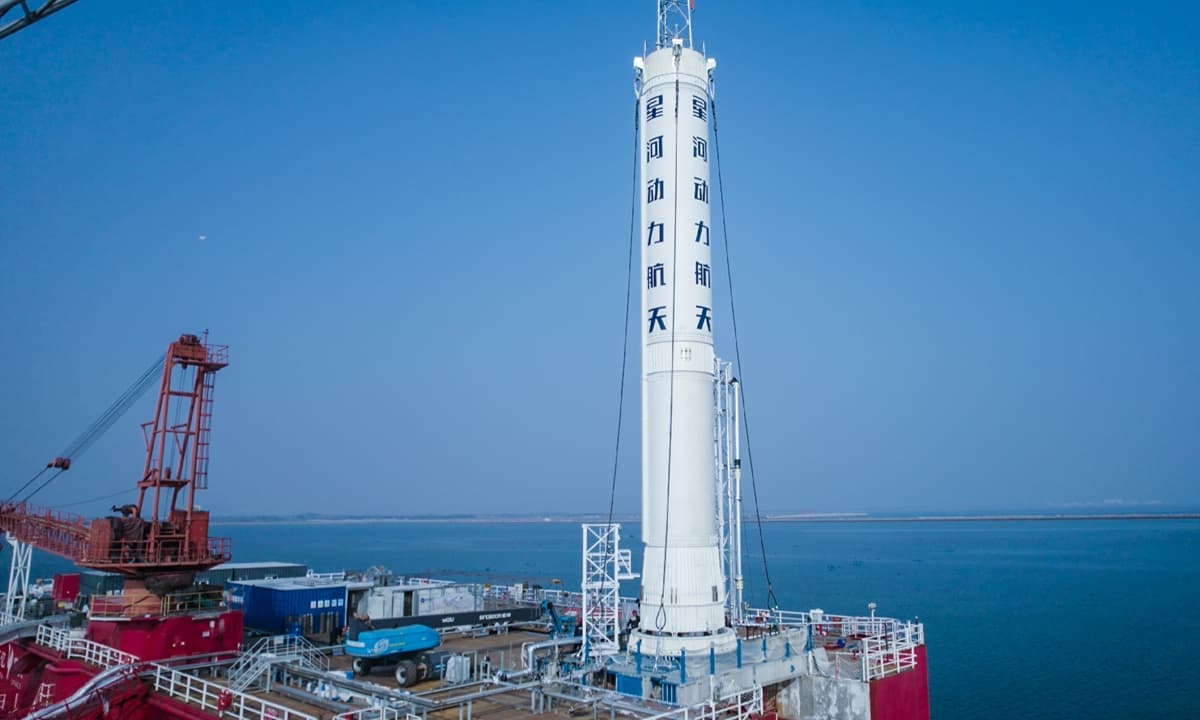
Two-stage, partially reusable kerosene-liquid oxygen medium-lift rocket - Galactic Energy's Falcon 9-class vehicle with a vertically landing first stage powered by seven CQ-50 engines.
Latest update Sep 1, 2026
01
Flew its debut mission from Jiuquan on September 1, 2026: both stages performed normally and the second stage placed a dummy payload into the planned sun-synchronous test orbit. The expendable first stage carried no grid fins or other recovery hardware and was not recovered; Galactic Energy plans to phase in descent-control hardware from the third flight onward, working toward a first downrange landing within a handful of flights. The company is raising further capital (at least ~400M yuan / ~$59M committed as of July 2026) to fund follow-on flights.
02
03
Announced next steps from Galactic Energy that mention Pallas-1.
2026
Advance the larger Pallas-2 (single-stick and CBC/tri-core configurations using the new CQ-90 engine, which completed a full-system hot-fire test in January 2026) while restoring Ceres-1/1S cadence after an eight-month pause. As of September 10, 2026, Galactic Energy has not publicly confirmed that Pallas-2 assembly and testing are complete; the maiden-flight target of before the end of 2026 still stands in the last company comments but looks increasingly tight with no new hardware updates since the Pallas-1 debut.
H2 2027
Having flown Pallas-1's expendable debut on September 1, 2026, Galactic Energy plans to phase in the grid fins and other descent-control hardware needed for booster recovery starting with the third flight, building toward a first downrange first-stage landing attempt in the second half of 2027 and, eventually, reflying recovered boosters up to 25 times each.
04
Galactic Energy's partially reusable Pallas-1 lifted off from Jiuquan at 02:00 UTC on September 1, 2026, with both stages performing normally and the second stage placing a dummy payload into the planned sun-synchronous test orbit. The expendable first stage carried no grid fins or other recovery hardware and was not recovered, the first step in a three-step plan Galactic Energy says will add descent-control hardware from the third flight onward, working toward a downrange landing and eventual reflights of up to 25 times per booster.
05
Four-stage small-lift launch vehicle with three solid-propellant stages and a hydrazine upper stage. The sea-launched Ceres-1S variant flies from a platform in the Yellow Sea.
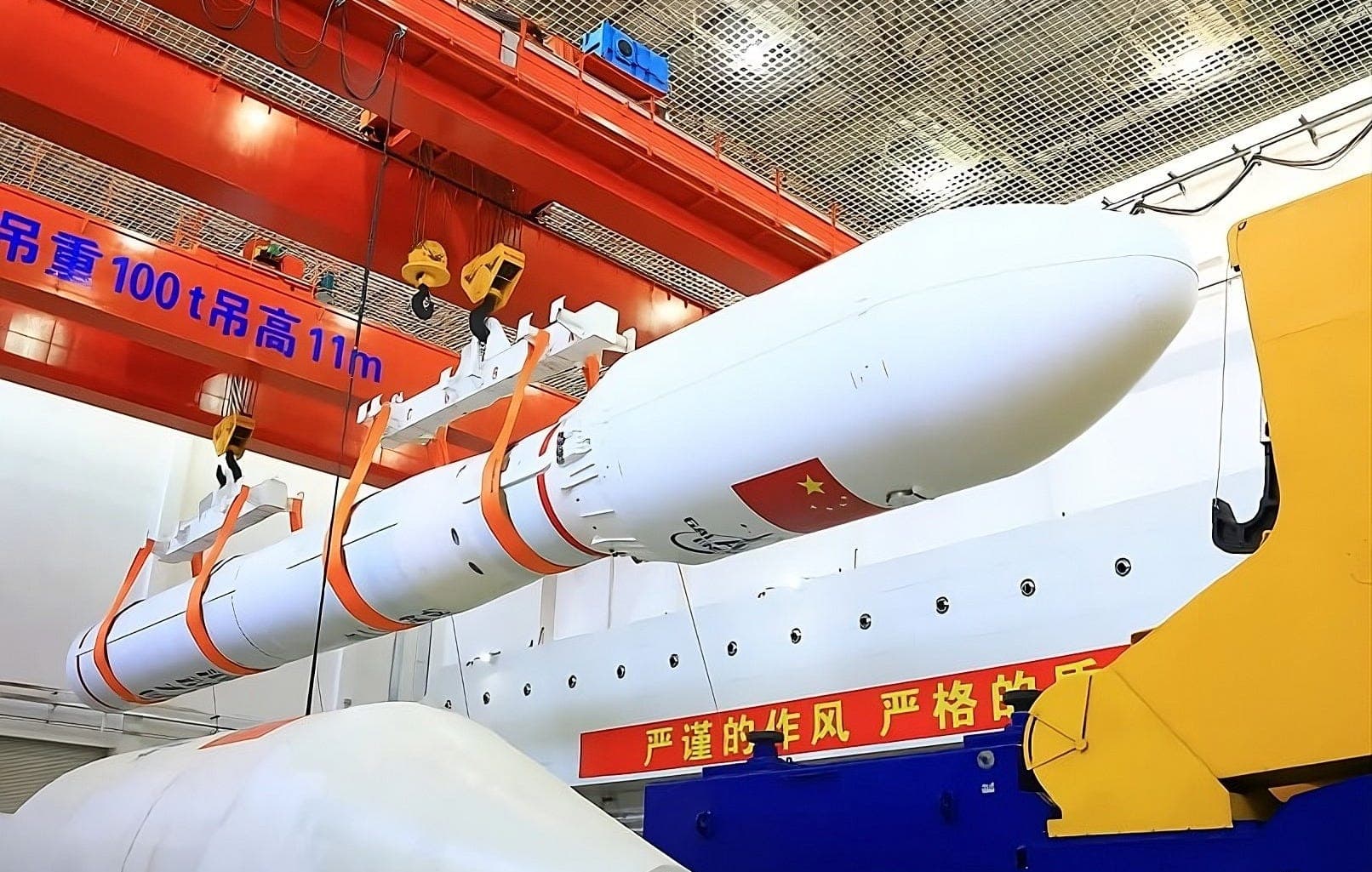
Larger four-stage solid-fuel rocket with a 3.35-meter diameter, designed to carry roughly four times the payload of Ceres-1 for constellation deployment.
Larger heavy-lift successor to Pallas-1 in single-stick or triple-core (CBC) configurations, powered by an upgraded liquid oxygen-kerosene CQ-90 engine and sized for constellation-scale payloads.
06
SpaceX
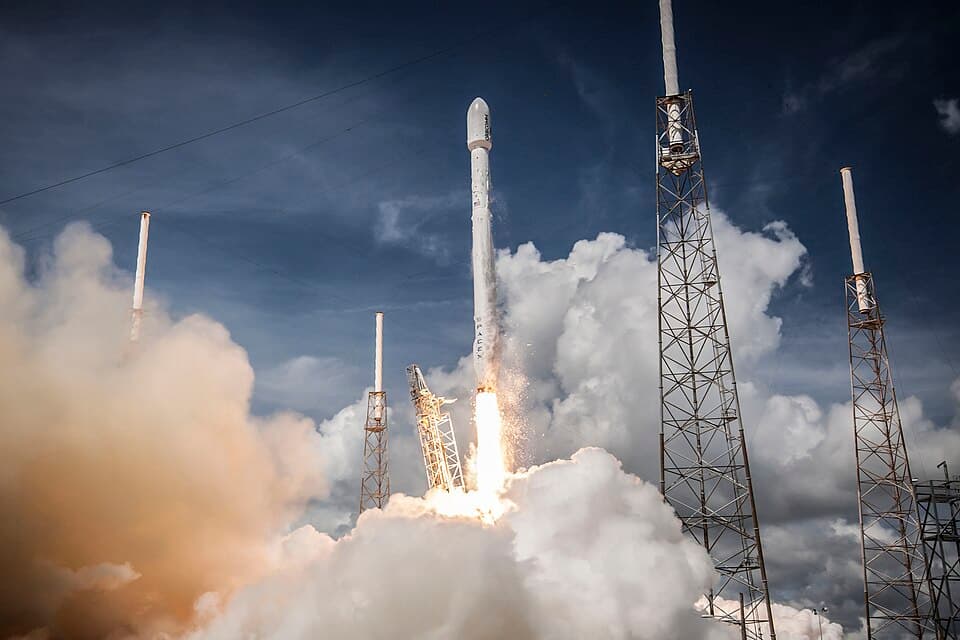
Partially reusable two-stage medium-lift launch vehicle. The world's most frequently launched orbital rocket.
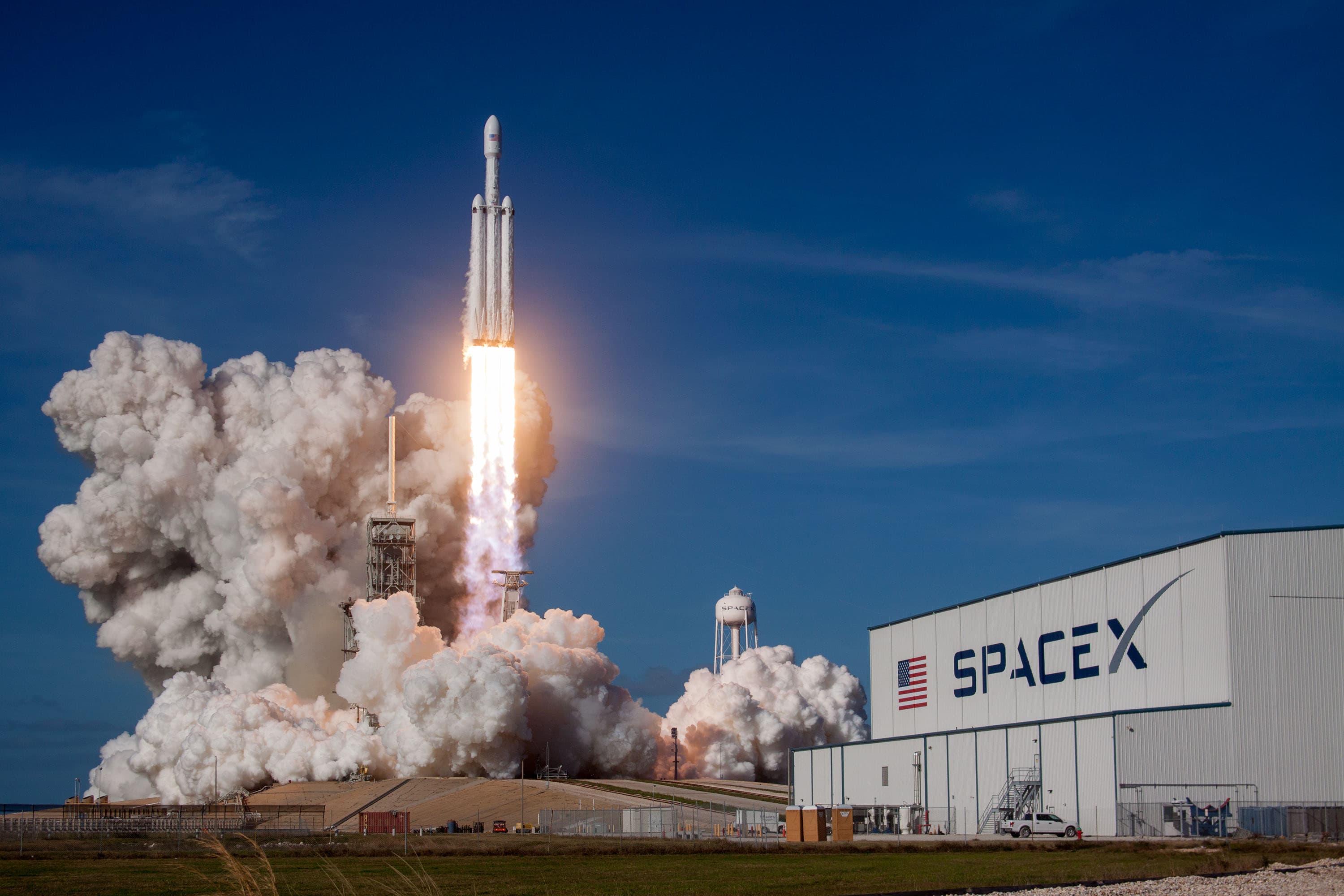
SpaceX
Heavy-lift launch vehicle consisting of a strengthened Falcon 9 core with two additional boosters.
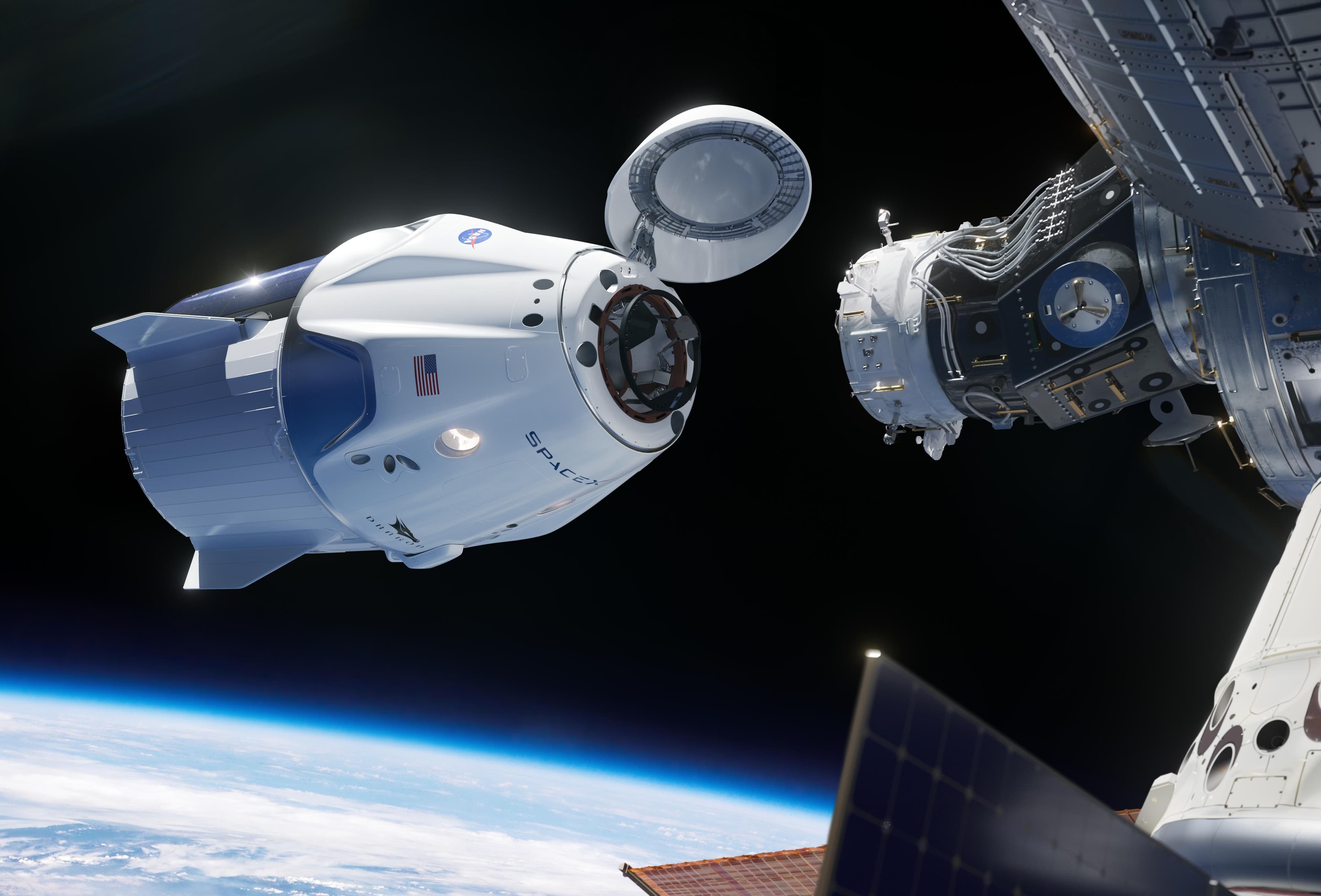
SpaceX
Reusable spacecraft for cargo and crew transport to the International Space Station.
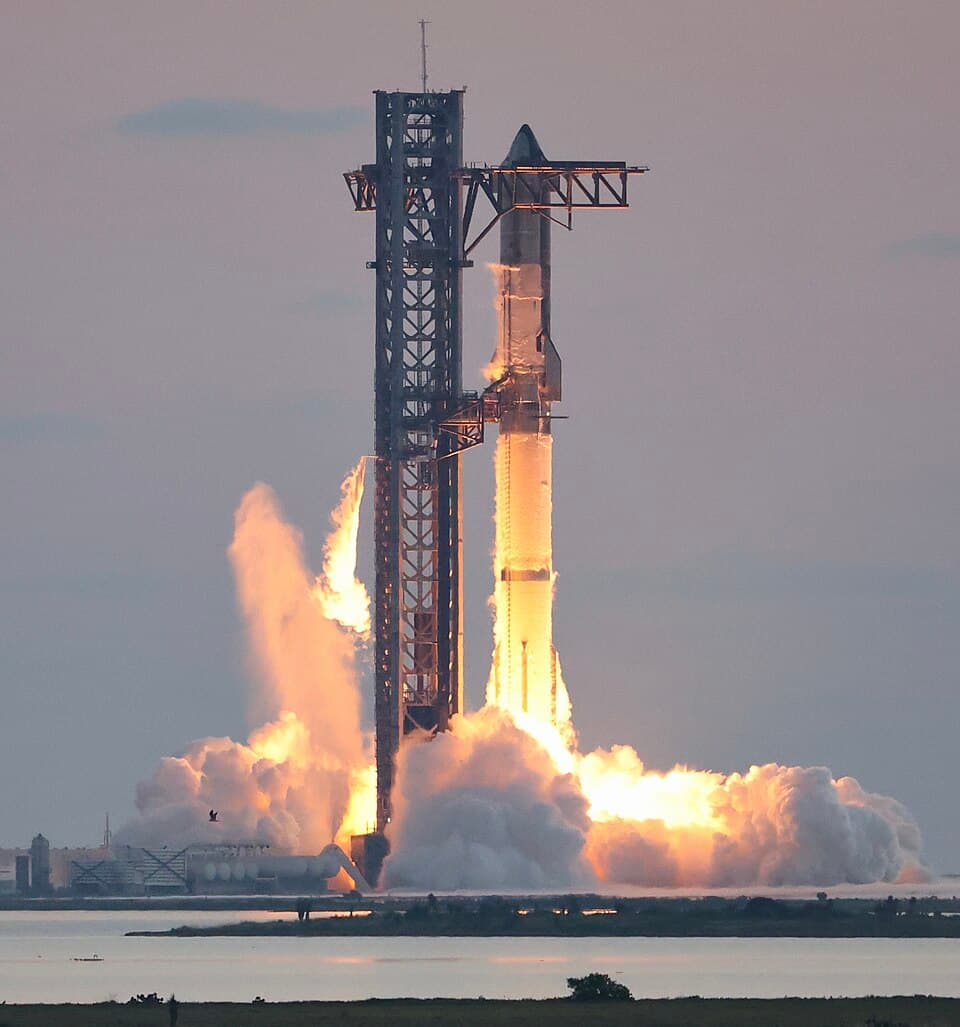
SpaceX
Fully reusable super-heavy-lift launch system designed for missions to the Moon, Mars, and beyond. V3 (Block 3) variant with Raptor 3 engines is the production version.