Active
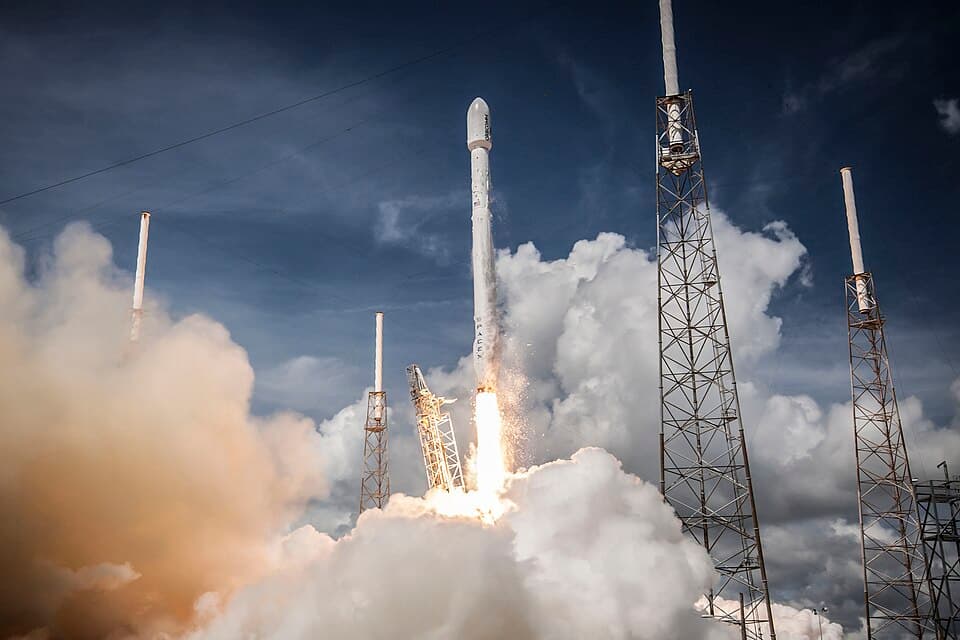
Falcon 9
Partially reusable two-stage medium-lift launch vehicle. The world's most frequently launched orbital rocket.
 SpaceX
Active
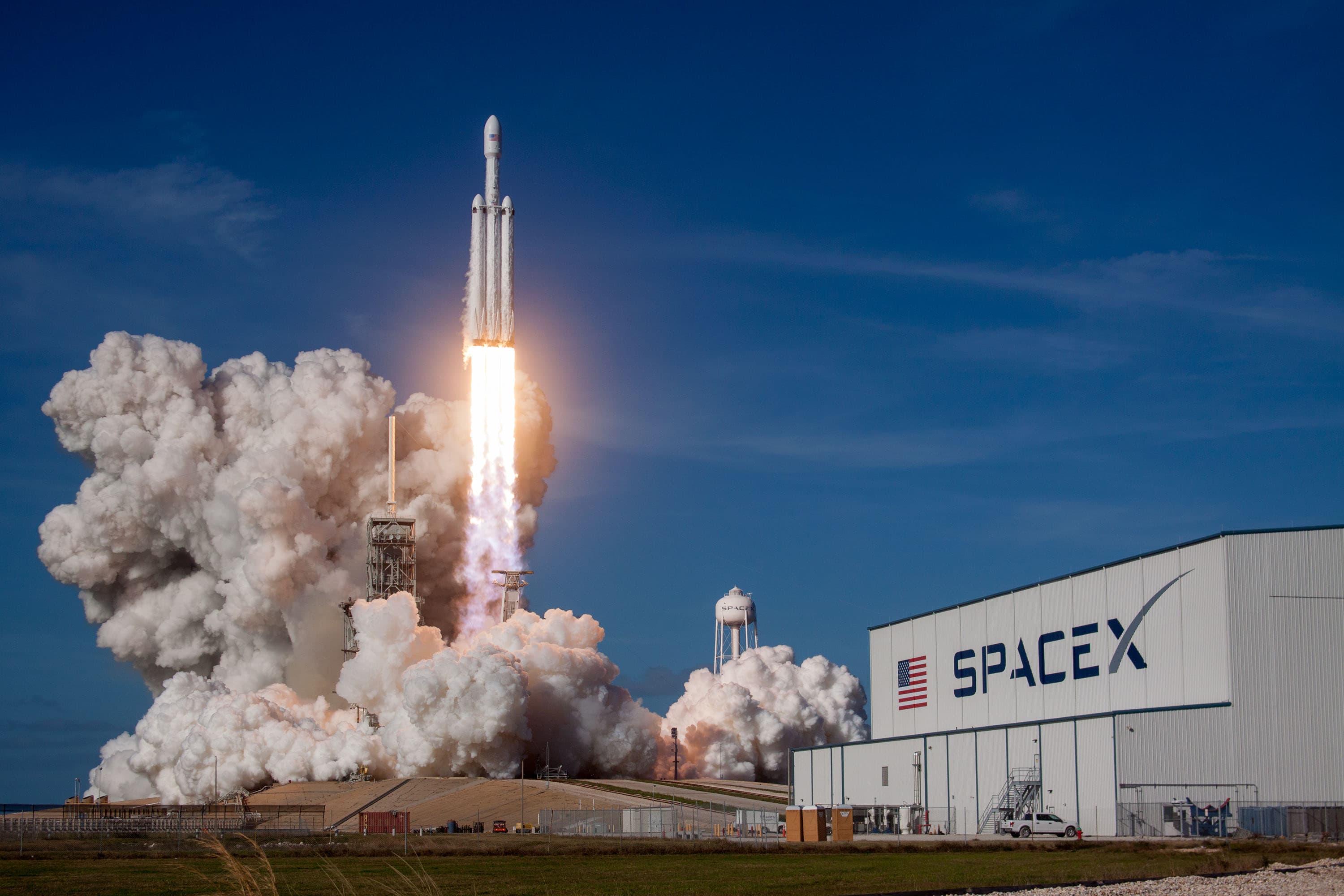
Heavy-lift launch vehicle consisting of a strengthened Falcon 9 core with two additional boosters.
Latest update Aug 31, 2026
01
Operational since 2018 for heavy national-security, science, and high-energy commercial payloads; flew its 13th mission on August 30, 2026, launching NASA's Nancy Grace Roman Space Telescope with both side boosters landing back at Cape Canaveral and the center core expended.
02
03
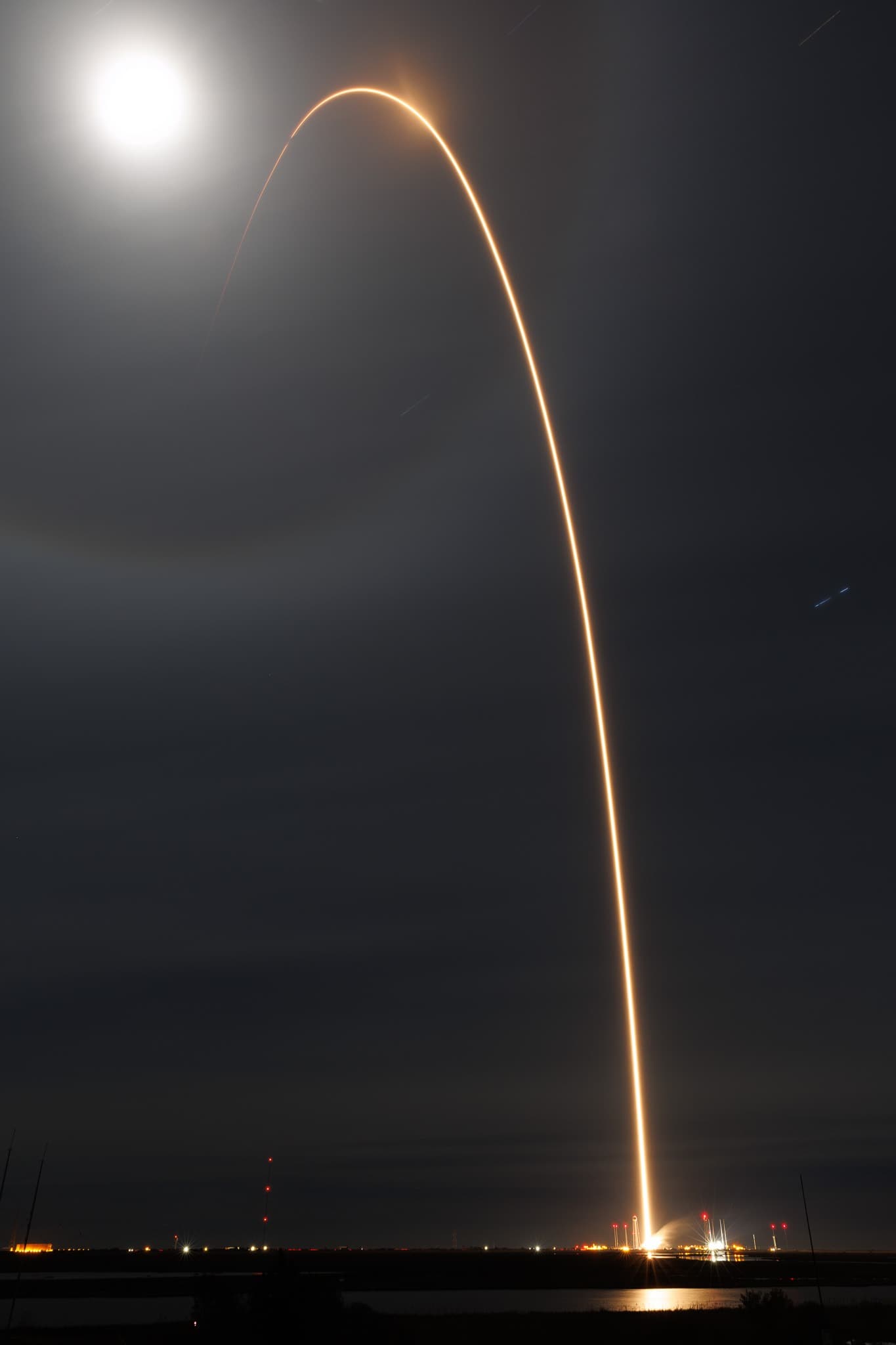
A SpaceX Falcon Heavy lifted the classified NROL-97 payload from Kennedy Space Center LC-39A at 11:54 p.m. EDT on Oct. 1, 2026, the National Reconnaissance Office's first Falcon Heavy flight after 22 Falcon 9 missions and its first NSSL Phase 3 Lane 2 launch. Spaceflight Now and NASASpaceFlight said side boosters B1072 and B1104 landed at LZ-1 and LZ-2 while new center core B1106 was expended toward a high-energy orbit. Payload identity and upper-stage deploy status were not disclosed; the flight was SpaceX's third Falcon launch of the day and, Spaceflight Now said, the first day it landed four boosters.
A Falcon 9 lifted Transporter-18 from Vandenberg SLC-4E at 2:32 p.m. EDT on Oct. 1, 2026, carrying 130 payloads including Google's Project Suncatcher pathfinder, which tests TPUs in orbit on a Planet Labs satellite. Space.com said the first stage landed at LZ-4 about 7.5 minutes later on its 25th flight, with payload deployments due about 54.5 minutes after liftoff. This was SpaceX's second launch of the day after Crew-13; NROL-97 on Falcon Heavy was still scheduled for 11:53 p.m. EDT.
www.space.com www.independent.co.uk qz.com + Google DeepMind
A Falcon 9 lifted off from Cape Canaveral Space Force Station's SLC-40 at 2:49 p.m. EDT (1849 UTC) on September 13 carrying SES's final three O3b mPOWER satellites (F11-F13). Space.com counted it as SpaceX's 105th Falcon 9 and 107th orbital mission of 2026, and Spaceflight Now as the 700th Falcon-family launch (687 Falcon 9 and 13 Falcon Heavy). Booster B1080 flew for the 29th time and landed on A Shortfall of Gravitas, the 661st Falcon booster landing; the Boeing-built satellites deployed around 8,000 km in medium Earth orbit and SES says they will enter service by mid-2027, completing a 13-satellite constellation.
SpaceX launched NASA's Nancy Grace Roman Space Telescope at 7:26 a.m. EDT on August 30 aboard a Falcon Heavy from Launch Complex 39A at Kennedy Space Center, following a Launch Readiness Review completed two days earlier. The observatory is headed to the Earth-Sun L2 Lagrange point, about 1.5 million kilometers from Earth, where it will join the James Webb Space Telescope and survey the sky in infrared with a field of view 100 times wider than Hubble's to study dark energy and search for exoplanets.
04
Partially reusable two-stage medium-lift launch vehicle. The world's most frequently launched orbital rocket.
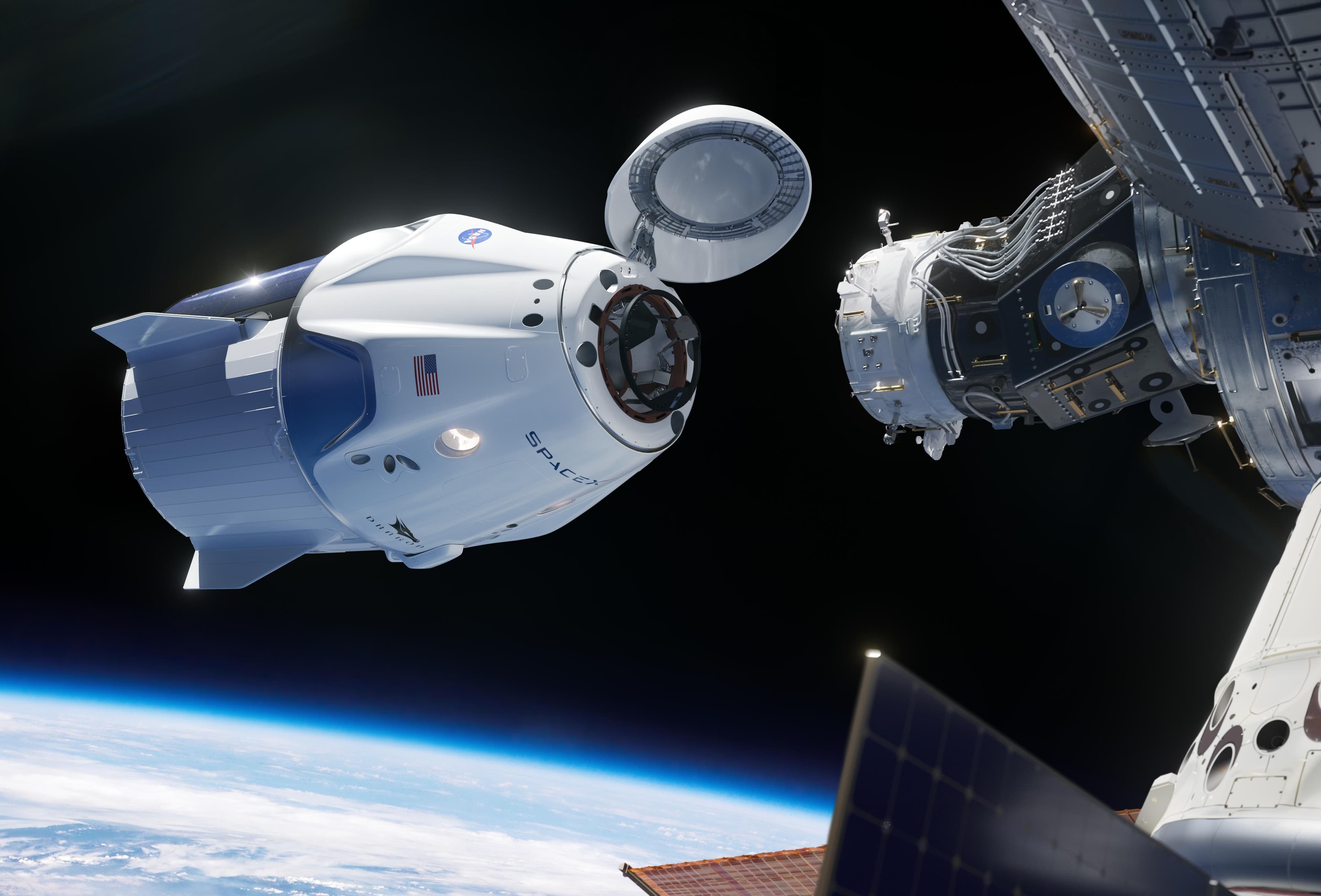
Reusable spacecraft for cargo and crew transport to the International Space Station.
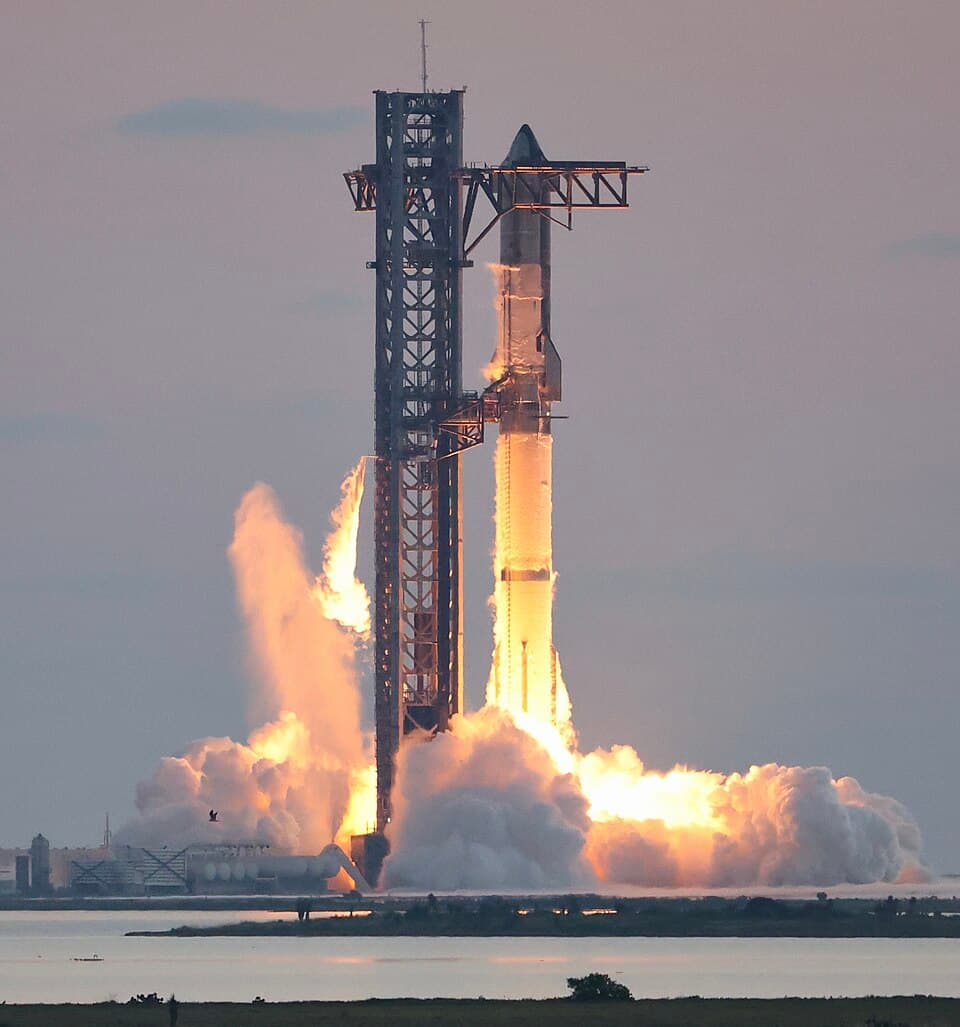
Fully reusable super-heavy-lift launch system designed for missions to the Moon, Mars, and beyond. V3 (Block 3) variant with Raptor 3 engines is the production version.
Government-focused satellite line built on SpaceX launch systems and Starlink platform technology for secure communications and other national-security missions.
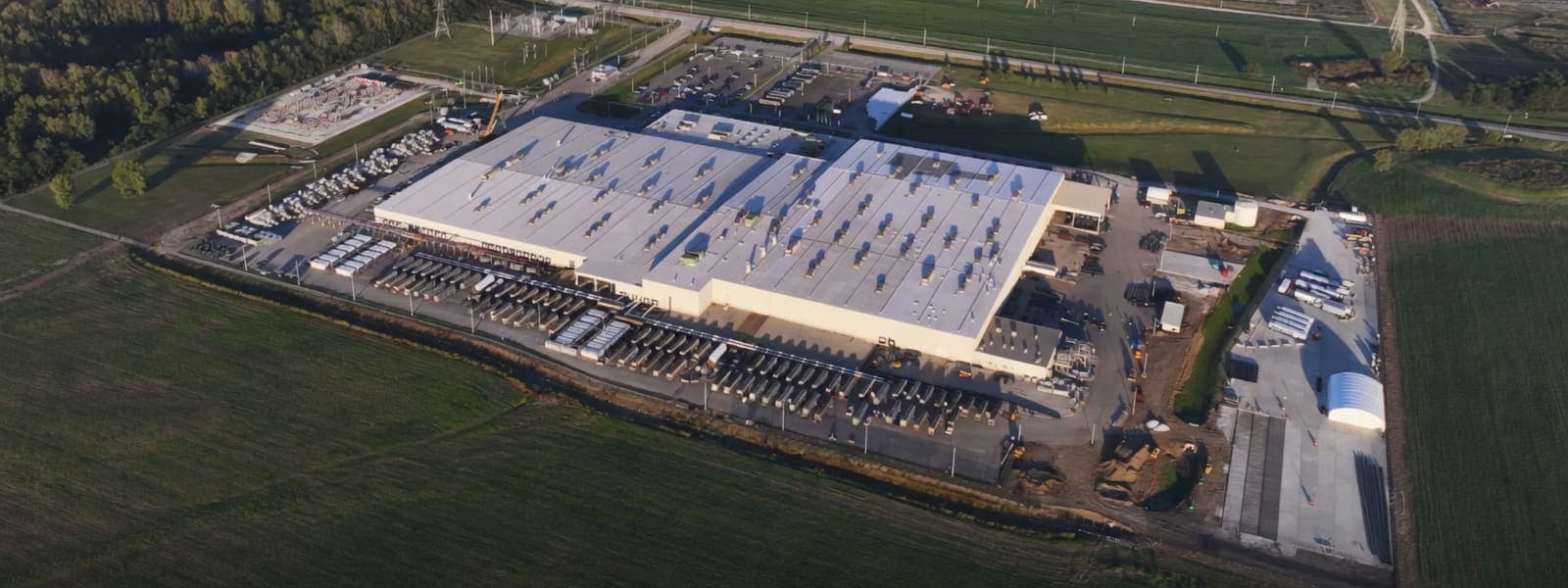
AI supercomputer in Memphis, Tennessee acquired in the February 2026 xAI merger. Sold as multi-year compute capacity to external AI customers, with disclosed contracts to Anthropic and Google.
Disk-shaped, uncrewed reentry capsule for returning cargo - such as pharmaceuticals and other orbital-manufacturing output - from low Earth orbit to Earth. SpaceX's entry into the commercial cargo-return market, competing with players like Varda Space Industries.
05
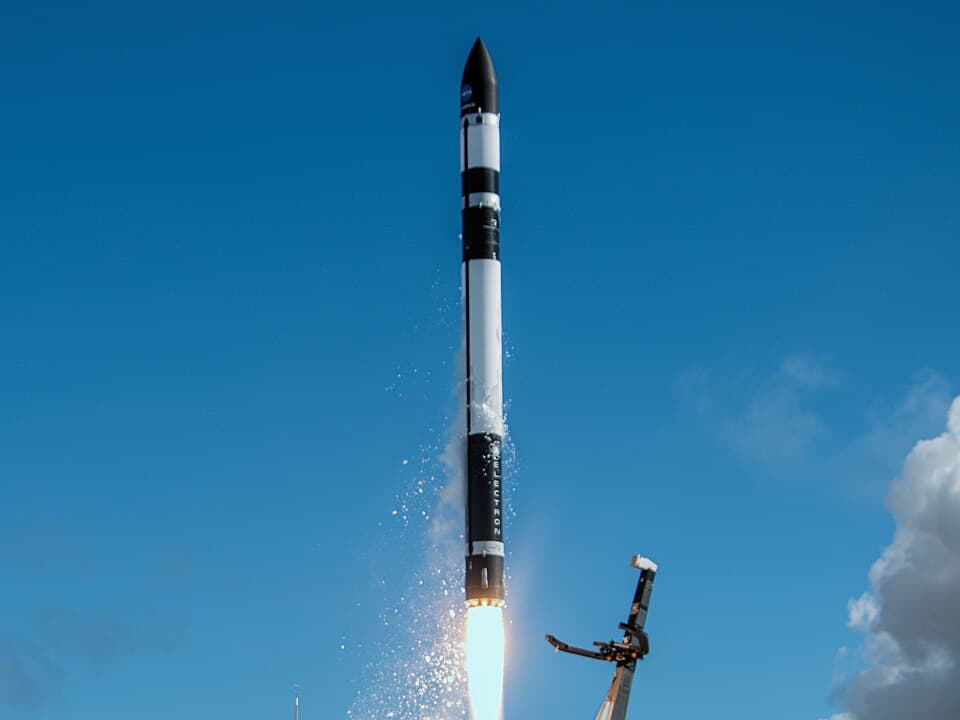
Rocket Lab
Small-lift, two-stage orbital launch vehicle for dedicated and rideshare small-satellite missions.
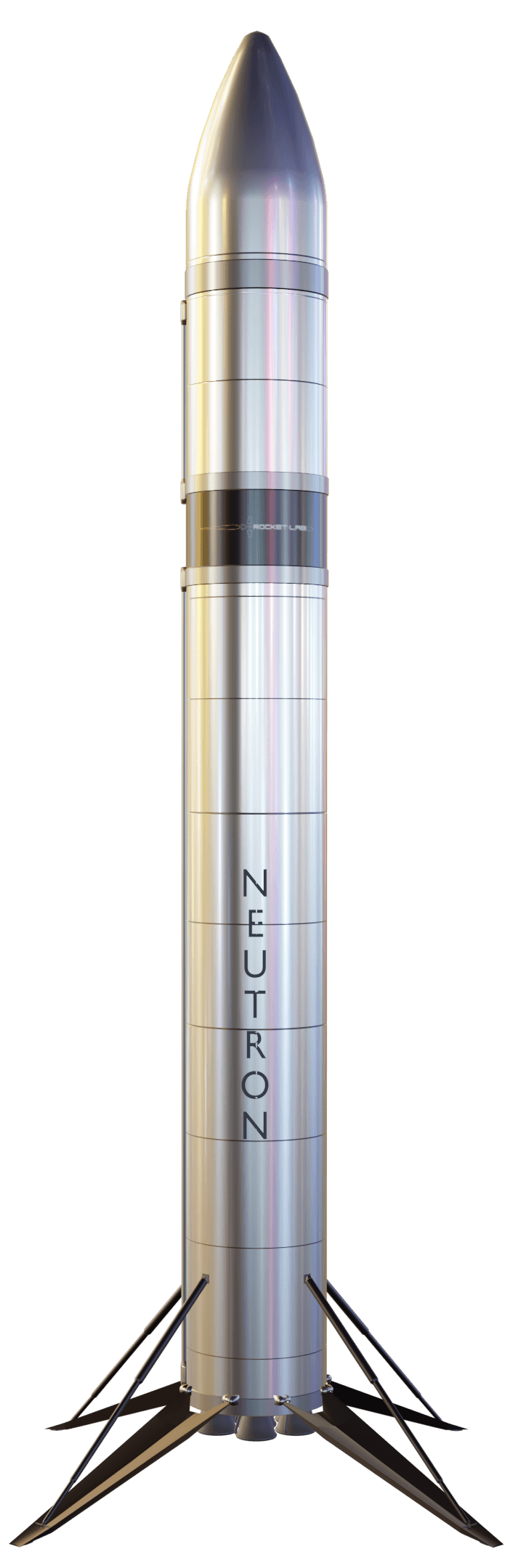
Rocket Lab
Medium-lift reusable rocket under development for mega-constellation deployment, national-security, and human spaceflight.
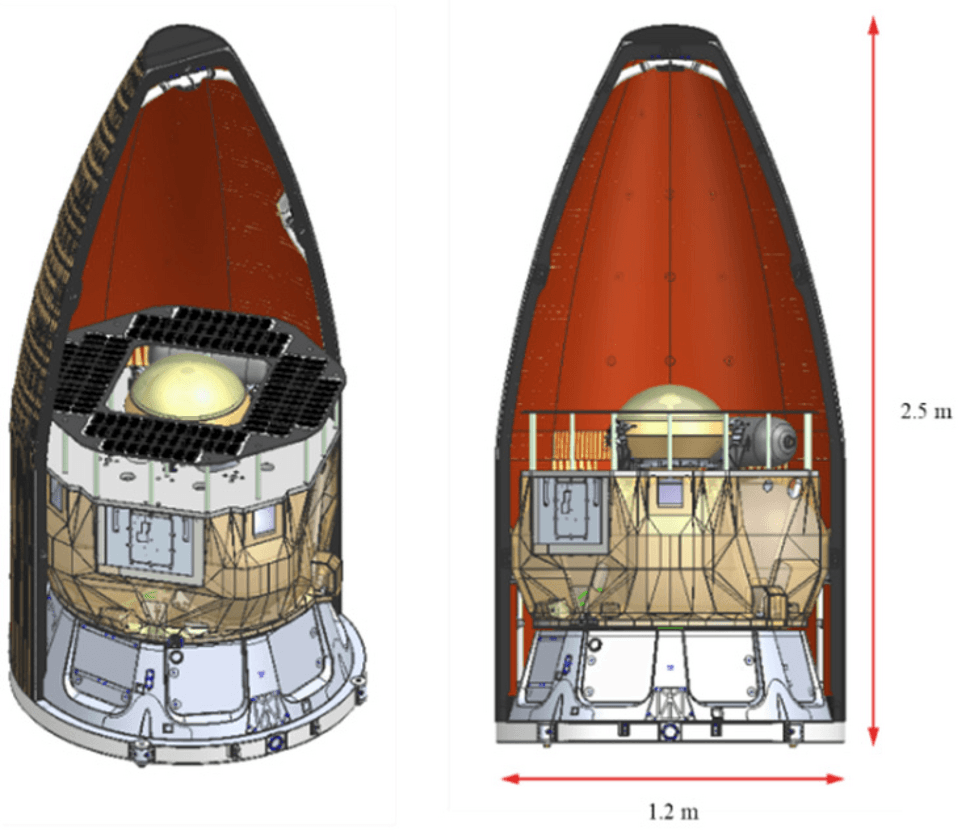
Rocket Lab
Versatile satellite bus and spacecraft platform for missions to the Moon and beyond.
Rocket Lab
Suborbital launch vehicle derived from Electron, designed for hypersonic testing and defense applications.