Active
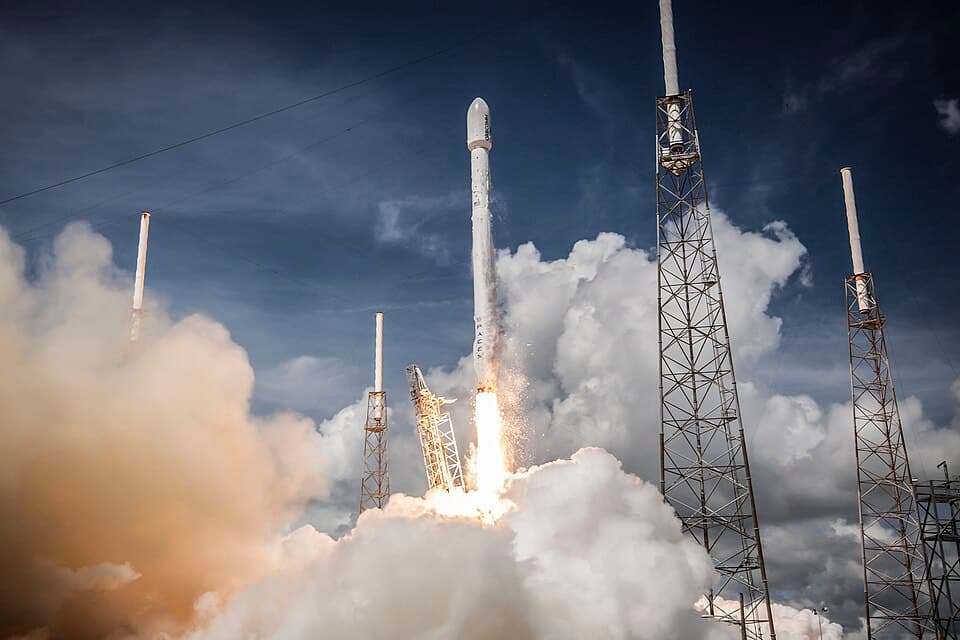
Falcon 9
Partially reusable two-stage medium-lift launch vehicle. The world's most frequently launched orbital rocket.
 SpaceX
In Development
Disk-shaped, uncrewed reentry capsule for returning cargo - such as pharmaceuticals and other orbital-manufacturing output - from low Earth orbit to Earth. SpaceX's entry into the commercial cargo-return market, competing with players like Varda Space Industries.
Latest update Sep 15, 2026
01
Debut flight launched on a Falcon 9 from Cape Canaveral on June 23, 2026, splashing down in the Pacific Ocean about 700 nautical miles off the U.S. West Coast. On September 15, 2026 Luxembourg's Space Cargo said it is Starfall's first known customer, planning to fly a BentoBox payload on Starship's first commercial mission in 2028. The FAA has approved SpaceX for two prototype Starfall reentry tests, with the second still unflown as of August 20, 2026.
02
03
Announced next steps from SpaceX that mention Starfall.
2028
Space Cargo CEO Nicolas Gaume told Reuters on September 15, 2026 that the Luxembourg integrator is Starfall's first known customer and will fly its BentoBox payload system inside a Starfall capsule on Starship's first commercial mission, planned for 2028. The box is meant to secure up to about 1 ton of customer payloads through reentry, with nearly half of the first-mission pipeline in life sciences. SpaceX did not comment and has not itself dated Starship's first commercial flight. A second Starfall prototype reentry test, approved by the FAA, remains unflown.
04
Space Cargo CEO Nicolas Gaume told Reuters on September 15 that the Luxembourg mission integrator is the first known customer for SpaceX's Starfall cargo-return capsule. Space Cargo plans to fly its BentoBox system inside a Starfall capsule on Starship's first commercial mission, targeted for 2028, carrying up to about 1 ton of customer payloads, nearly half in life sciences. SpaceX did not comment; Starfall flew a demo capsule on Falcon 9 in June 2026.
SpaceX launched the debut flight of Starfall, a disk-shaped cargo reentry capsule, aboard a Falcon 9 from Space Launch Complex 40 at Cape Canaveral at 6:52 a.m. EDT on June 23. About 3.1 meters in diameter and able to carry roughly 1,000 kg, the vehicle is designed to return research and orbital-manufacturing payloads - such as pharmaceuticals - to Earth, splashing down about 700 nautical miles off the U.S. West Coast. The demonstration marks SpaceX's entry into the commercial cargo-return market and is the first of at least two planned Starfall test flights.
05
Partially reusable two-stage medium-lift launch vehicle. The world's most frequently launched orbital rocket.
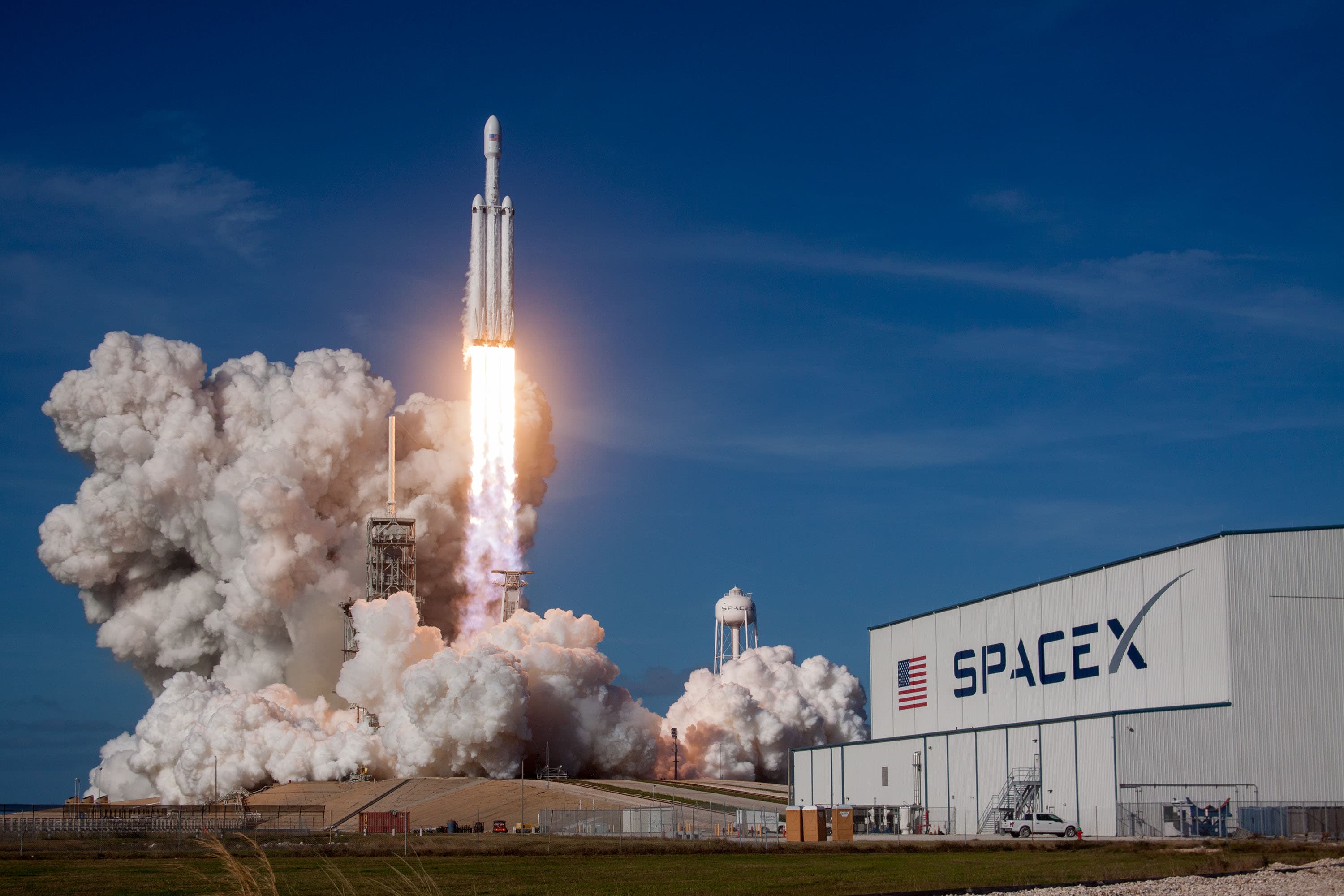
Heavy-lift launch vehicle consisting of a strengthened Falcon 9 core with two additional boosters.
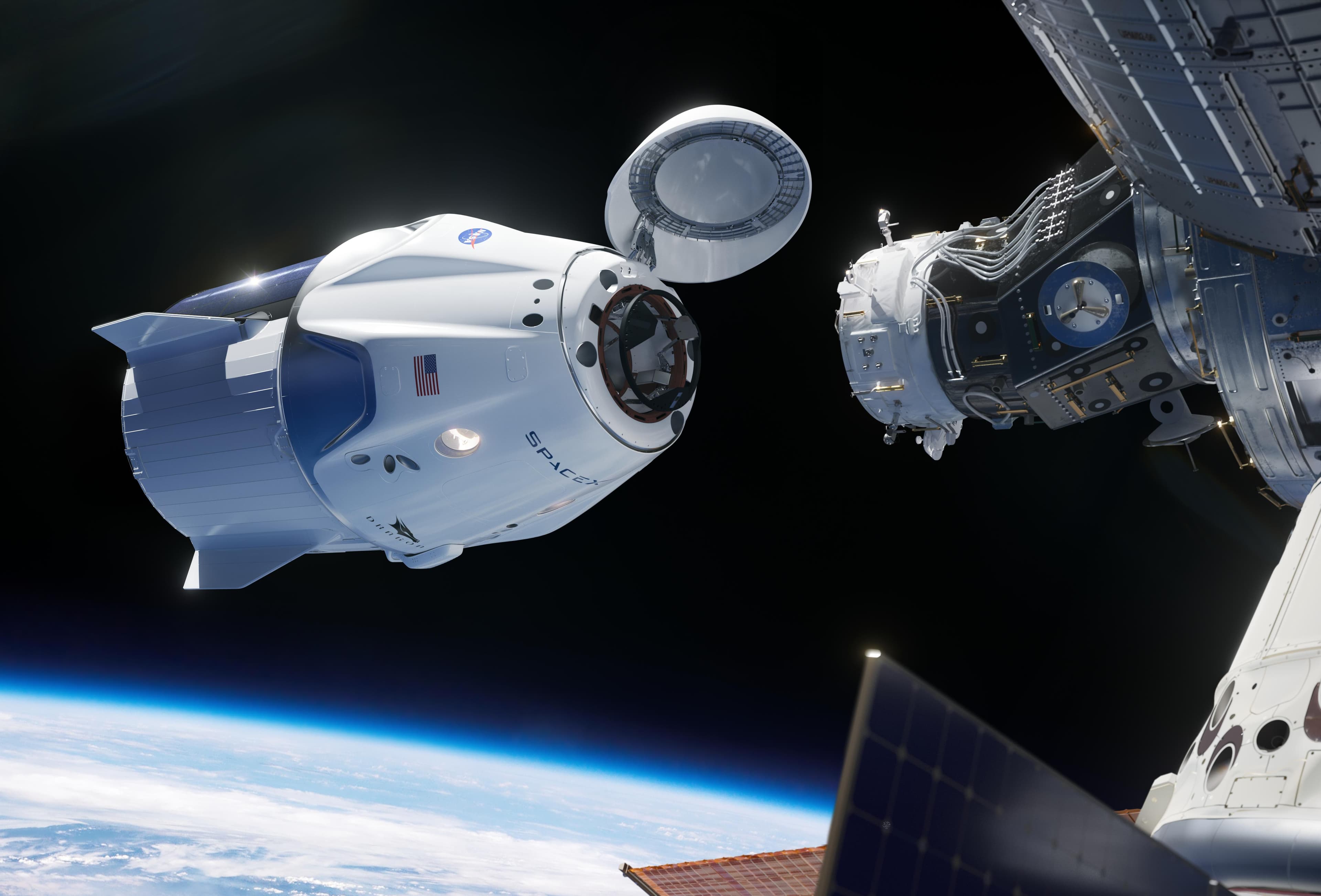
Reusable spacecraft for cargo and crew transport to the International Space Station.
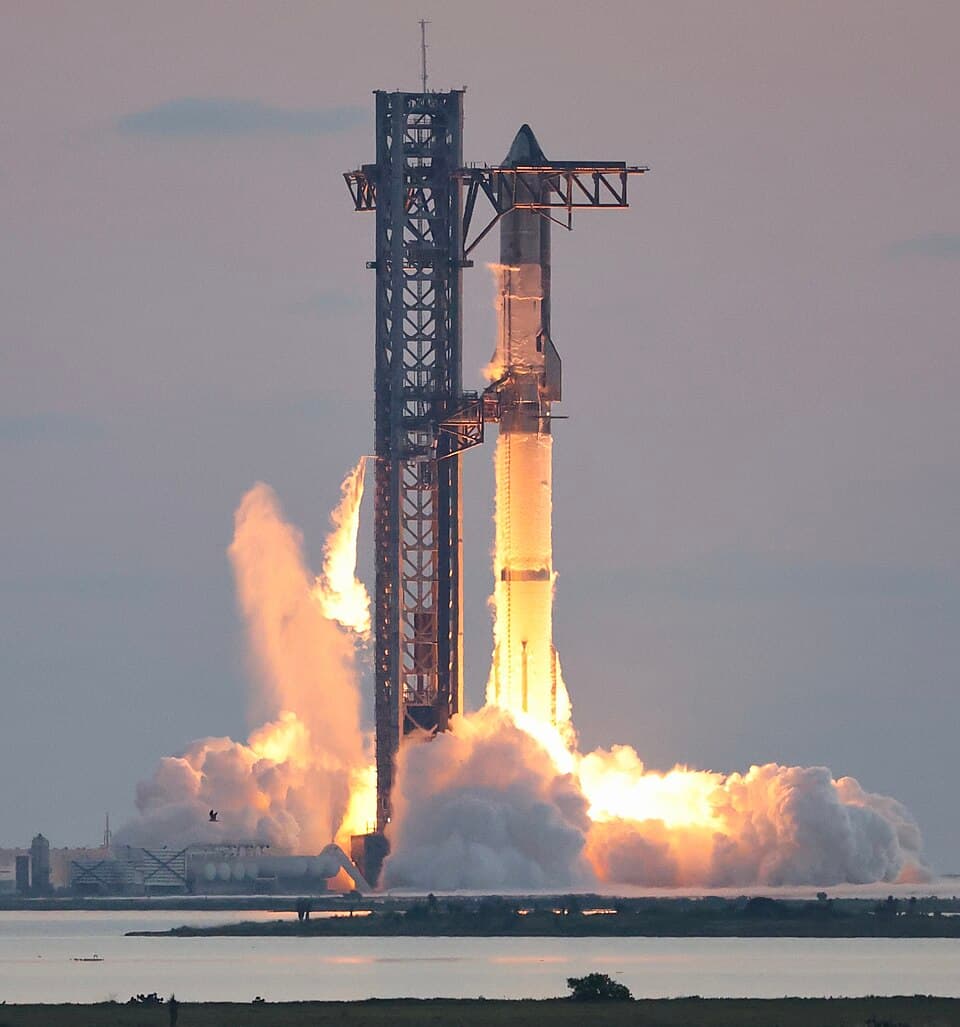
Fully reusable super-heavy-lift launch system designed for missions to the Moon, Mars, and beyond. V3 (Block 3) variant with Raptor 3 engines is the production version.
Government-focused satellite line built on SpaceX launch systems and Starlink platform technology for secure communications and other national-security missions.
AI supercomputer in Memphis, Tennessee acquired in the February 2026 xAI merger. Sold as multi-year compute capacity to external AI customers, with disclosed contracts to Anthropic and Google.
06
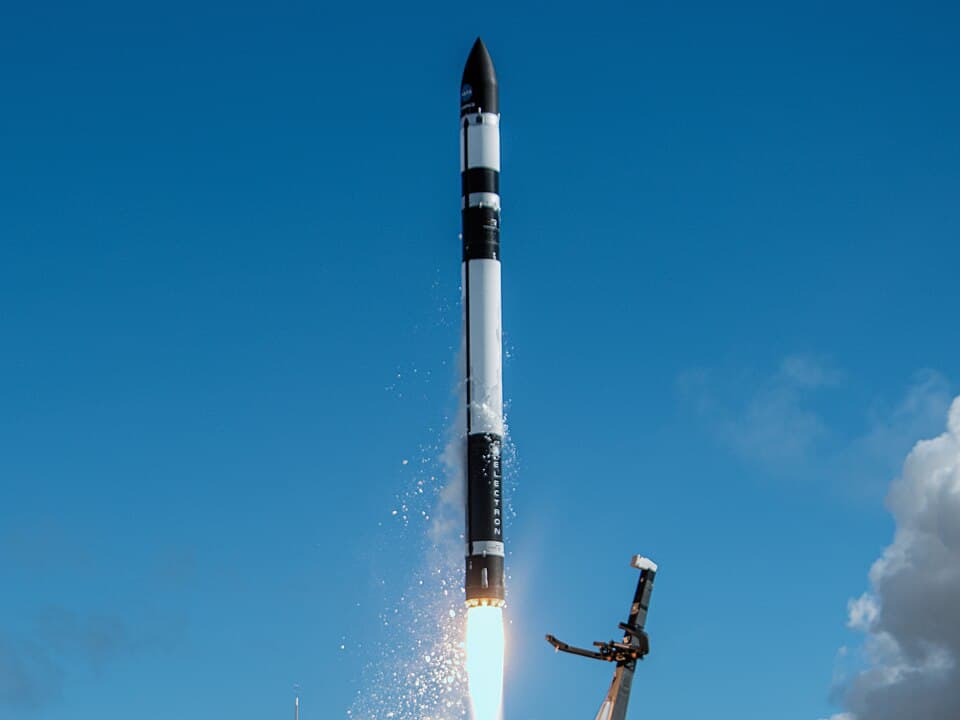
Rocket Lab
Small-lift, two-stage orbital launch vehicle for dedicated and rideshare small-satellite missions.
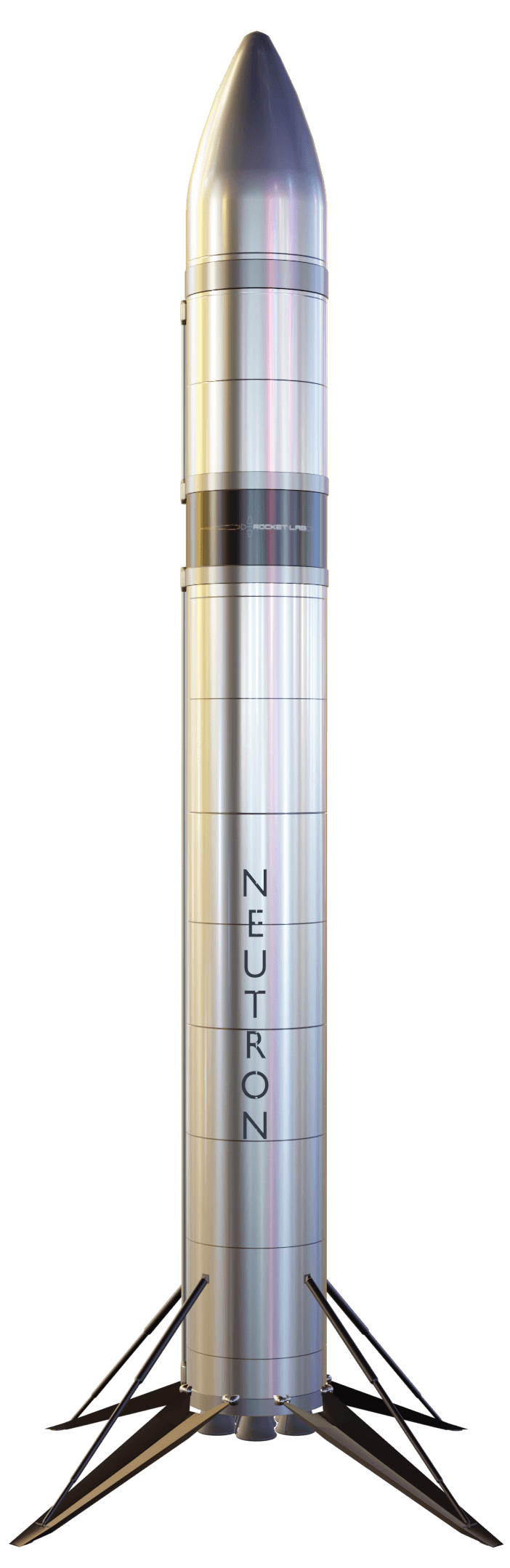
Rocket Lab
Medium-lift reusable rocket under development for mega-constellation deployment, national-security, and human spaceflight.
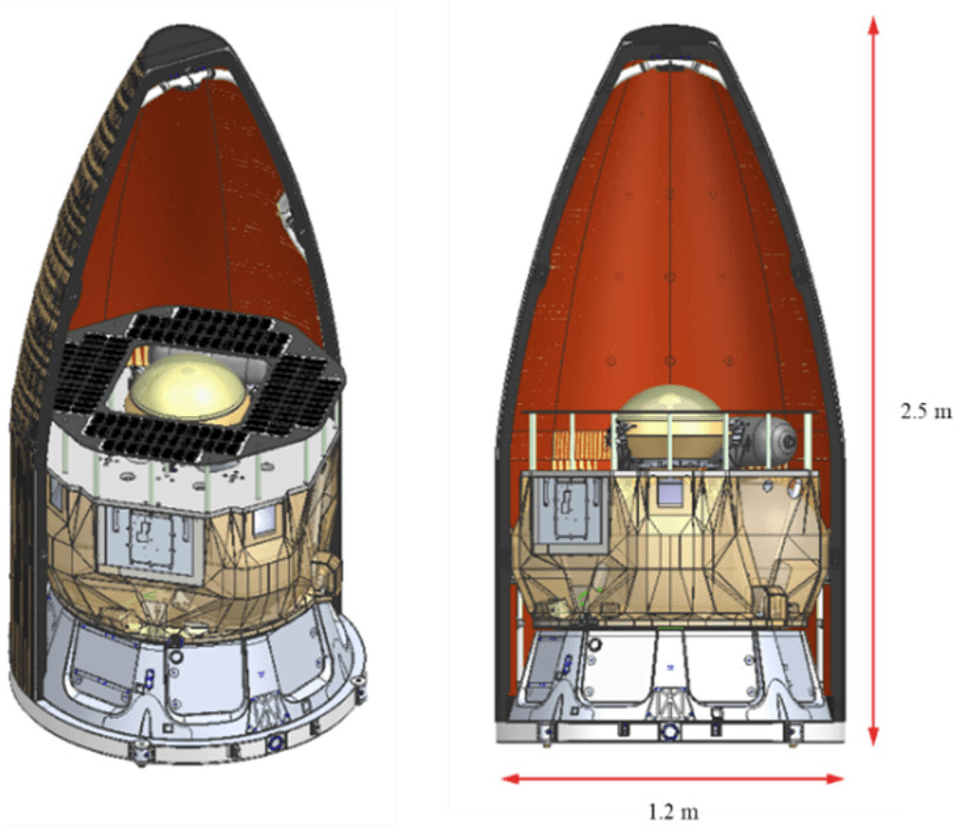
Rocket Lab
Versatile satellite bus and spacecraft platform for missions to the Moon and beyond.
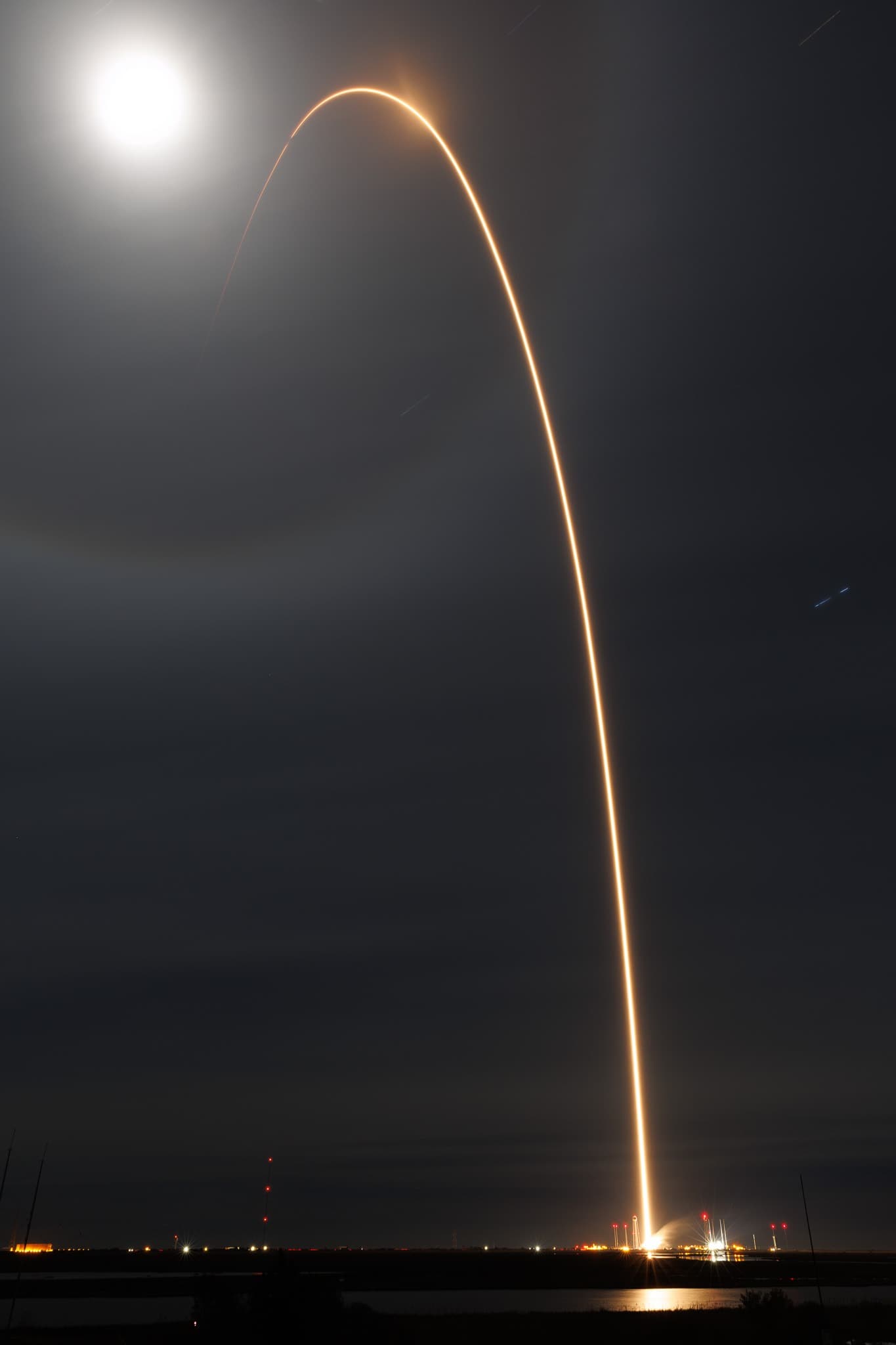
Rocket Lab
Suborbital launch vehicle derived from Electron, designed for hypersonic testing and defense applications.