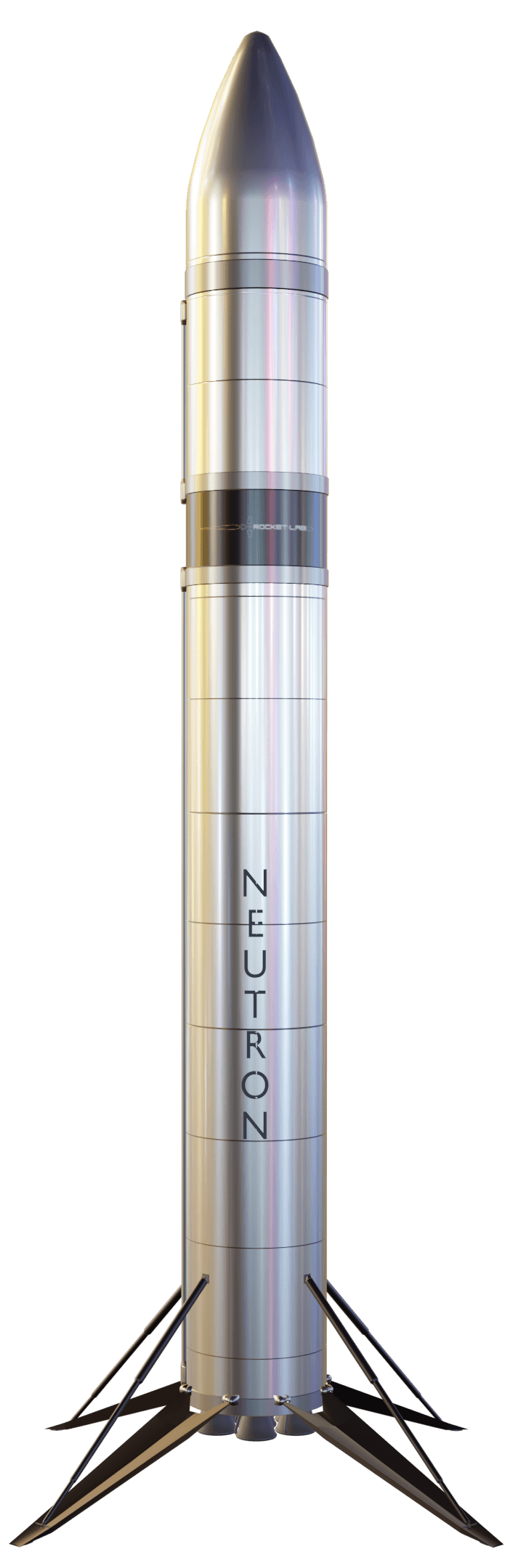
In Development
Neutron
Medium-lift reusable rocket under development for mega-constellation deployment, national-security, and human spaceflight.
 Rocket Lab
Active
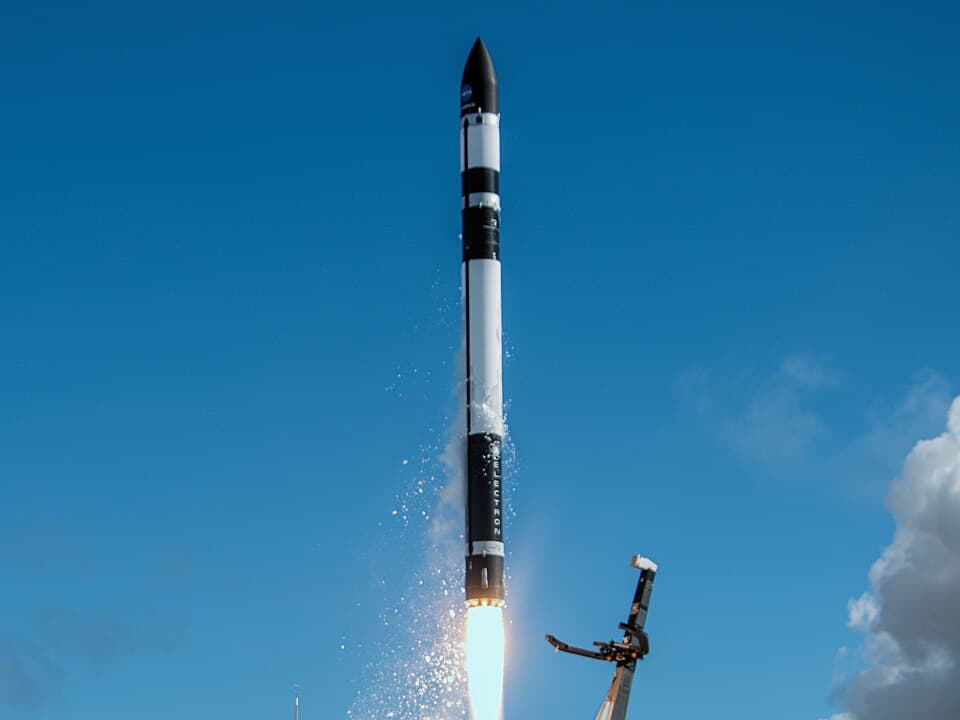
Small-lift, two-stage orbital launch vehicle for dedicated and rideshare small-satellite missions.
Latest update Oct 5, 2026
01
Operational from Launch Complex 1 in New Zealand and Launch Complex 2 in Virginia. The most recent dedicated Electron orbital flight was Owlright Owlright Owlright on 26 September 2026 (Synspective's 13th StriX from LC-1 into a 559 km orbit), Rocket Lab's 97th Electron mission and 18th launch of 2026. Company news index as of 5 Oct 2026 shows no later Electron flight. On 30 Sept 2026 Rocket Lab signed 20 more dedicated Synspective missions for 2028-2031, taking that customer's booked Electron flights to 47.
02
03
Announced next steps from Rocket Lab that mention Electron.
2026
With 96 Electron missions flown through the September 19, 2026 'Owl By The Dozen' dedicated Synspective StriX-12 launch (Rocket Lab's 17th launch of 2026), sustain Electron's record 2026 tempo across commercial, civil, and defense customers toward the company's 100th launch milestone. Remaining constellation bookings include iQPS (9 dedicated missions remaining on its total 18-launch Electron bookings, running through 2030) and Synspective (further missions booked to complete that constellation by decade's end). A HawkEye 360 Electron mission is listed no earlier than September 30, 2026.
2026-2028
Turn a record $2.36B of backlog (as of Q2 2026) into higher Electron and HASTE flight tempo across constellation, agency, national-security, and hypersonic missions; Rocket Lab guided to another record revenue quarter in Q3 2026 and reported more than $1B in additional new contracts signed since the quarter closed. The new GHOST containerized launch system, unveiled August 10, 2026 with its first site at Kodiak, Alaska, is aimed directly at expanding cadence for responsive and national-security missions.
04
Rocket Lab said on Sept. 30, 2026 it signed a multi-year deal for 20 dedicated Electron missions with Tokyo-based Synspective, its largest commercial Electron launch contract. The flights will loft 20 StriX SAR satellites to sun-synchronous orbit from Launch Complex 1 annually from 2028 through 2031, taking Synspective's contracted Electron missions to 47, with 34 still to fly. Financial terms were undisclosed; Rocket Lab said the agreement helps push its launch backlog beyond 100 missions.
www.globenewswire.com www.rocketlabusa.com www.synspective.com
Rocket Lab's Electron lifted the Owlright Owlright Owlright mission from Launch Complex 1 in Mahia, New Zealand, at 12:39 p.m. NZST on 26 September 2026, placing Synspective's 13th StriX synthetic-aperture-radar satellite into a 559 km low Earth orbit. The flight was Rocket Lab's 97th Electron launch and its 18th launch of 2026. Rocket Lab said Electron has now deployed all 13 StriX satellites with 100% mission success, with 14 further dedicated launches still scheduled to finish the constellation by the end of the decade.
www.globenewswire.com www.quiverquant.com www.stocktitan.net
Rocket Lab said its Owl By The Dozen mission lifted off from Launch Complex 1 in Mahia, New Zealand, at 3:22 p.m. NZST on September 19 and placed Synspective's 12th StriX synthetic-aperture-radar satellite into a 572 km low Earth orbit. The flight is Electron's 96th launch and Rocket Lab's 17th of 2026, and the company said it keeps a 100% mission-success record on the multi-year Synspective partnership. Rocket Lab has 15 more dedicated Electron missions manifested through the end of the decade to finish Synspective's commercial SAR constellation.
Rocket Lab launched its 16th Electron of the year on September 11, 2026, lifting off from Launch Complex 1 in New Zealand at 3:28 p.m. NZST on the dedicated Happily Ever Faster mission for a confidential customer. The rocket deployed a single Earth-observation satellite to a 500 km circular low Earth orbit, marking Electron's 95th flight overall. The company said its next Electron, for another commercial constellation operator, is scheduled from the same pad before the end of the month.
Rocket Lab's Electron lifted off from Launch Complex 1 in Mahia, New Zealand at 12:01 UTC on September 2, 2026 on the Owl Around the World mission, deploying a single StriX synthetic-aperture-radar satellite for Japan's Synspective about 56 minutes after liftoff into a 575 km low Earth orbit. The flight was Rocket Lab's 94th Electron mission and its 11th dedicated launch for Synspective, which has 16 more Electron flights booked to finish the constellation by the end of the decade.
Rocket Lab launched its 93rd Electron mission, named Lightning God Defends, from Launch Complex 1 in New Zealand on August 21, deploying the ninth QPS-SAR satellite for Japan's iQPS radar-imaging constellation into a 575-kilometer orbit. It was Rocket Lab's 14th Electron launch of 2026 and the ninth consecutive fully successful QPS-SAR deployment, with nine more dedicated iQPS missions still booked on Electron through 2030.
Rocket Lab announced on August 10 the formation of Rocket Lab Germany GmbH, a new subsidiary aimed at scaling domestic satellite, payload and component manufacturing plus Electron and Neutron launch services for European government and commercial customers seeking sovereign access to space. The move builds on Rocket Lab's earlier acquisition of Munich-based optical-terminal maker Mynaric AG, as the company pursues a manufacturing hub to serve Europe's growing satellite-constellation demand.
Rocket Lab unveiled its GHOST Deployable Launch System on August 10, a containerized package of complete rockets, launch infrastructure, ground support, and range control that can be shipped and stood up anywhere to give Electron and HASTE a launch-anywhere, launch-anytime capability for responsive and national-security missions. The first GHOST site, Rocket Lab Launch Complex 4, will stand up two pads at the Pacific Spaceport Complex in Kodiak, Alaska, adding a dual-launch-vehicle site to Rocket Lab's existing pads in New Zealand and Virginia.
Rocket Lab launched its 'The Grain Goddess Provides' mission from Mahia, New Zealand on August 6, deploying iQPS' QPS-SAR-13 (MIKURA-I) radar-imaging satellite to a 575km orbit more than five weeks after a June 30 last-second abort. It was Rocket Lab's 92nd Electron mission overall, its 13th of 2026, and its eighth dedicated launch for iQPS toward that customer's planned 36-satellite constellation.
Japan's iQPS signed its third multi-launch deal with Rocket Lab in under a year on July 30, 2026, booking three more dedicated Electron missions, each deploying a QPS-SAR synthetic-aperture-radar satellite to a 575 km orbit from Launch Complex 1 in New Zealand starting in late 2027. The deal lifts iQPS's total Electron bookings to 18 and helped Rocket Lab shares rally roughly 10% intraday.
Rocket Lab secured a $266 million firm-fixed-price contract from the U.S. Space Force to conduct 12 suborbital launches, with an option for six more, from the Pacific Spaceport Complex in Alaska by the end of 2028. The work uses Rocket Lab's HASTE (Hypersonic Accelerator Suborbital Test Electron) vehicle, an Electron-derived testbed that requires no Neutron flight, and builds on a $190 million, 20-flight HASTE award in March. Space Systems Command made the award after a competitive acquisition, obligating $112 million in fiscal 2025 funds upfront and adding near-term revenue to a backlog already above $2.2 billion; RKLB shares rose on the news.
Rocket Lab said it completed a full-duration hot fire of the Archimedes Vacuum (AVac) engine that will power Neutron's second stage, a critical propulsion milestone toward the medium-lift rocket's first flight. The test clears a major item on the path to Neutron's debut, which the company continues to target for the fourth quarter of 2026 after tank-rupture and other setbacks pushed the schedule back from an earlier 2026 goal. Rocket Lab's smaller Electron rocket has meanwhile posted a record first half of 2026, driving a rise in launch contracts and revenue.
Rocket Lab said on July 7 it completed the U.S. Space Force's VICTUS HAZE tactically responsive space mission with full success, launching its Pioneer spacecraft on an Electron rocket just 16 hours and 42 minutes after the notice to launch - the fastest such response on record. The company commissioned the satellite in 38 hours against a 72-hour deadline and completed on-orbit rendezvous and proximity operations - tracking and photographing a target satellite - in under 59 hours. The demonstration showcases the rapid-response capabilities the Space Force wants for national-security missions.
Rocket Lab launched its 'Ten Owl of Ten' Electron mission on June 26 from Launch Complex 1 in New Zealand, lofting Synspective's 10th Strix synthetic-aperture-radar satellite to a roughly 552-km low Earth orbit. It was Rocket Lab's 12th Electron launch of 2026 and kept the company's recent run of mission successes intact as it builds toward its 100th launch. Synspective has another 17 Electron flights booked to complete its SAR constellation by the end of the decade.
NASA selected Rocket Lab to fly three Electron missions for two science programs, the company announced June 24-25. Two back-to-back launches will carry the twin CubeSats of the PolSIR ice-cloud mission no earlier than June 2027, and a separate launch will loft the TSIS-2 solar-irradiance satellite in early 2027, all from Launch Complex 1 in New Zealand. NASA cited Electron's flight heritage across more than 90 launches and its deployment accuracy in making the awards, which add to Rocket Lab's government backlog.
05
Medium-lift reusable rocket under development for mega-constellation deployment, national-security, and human spaceflight.
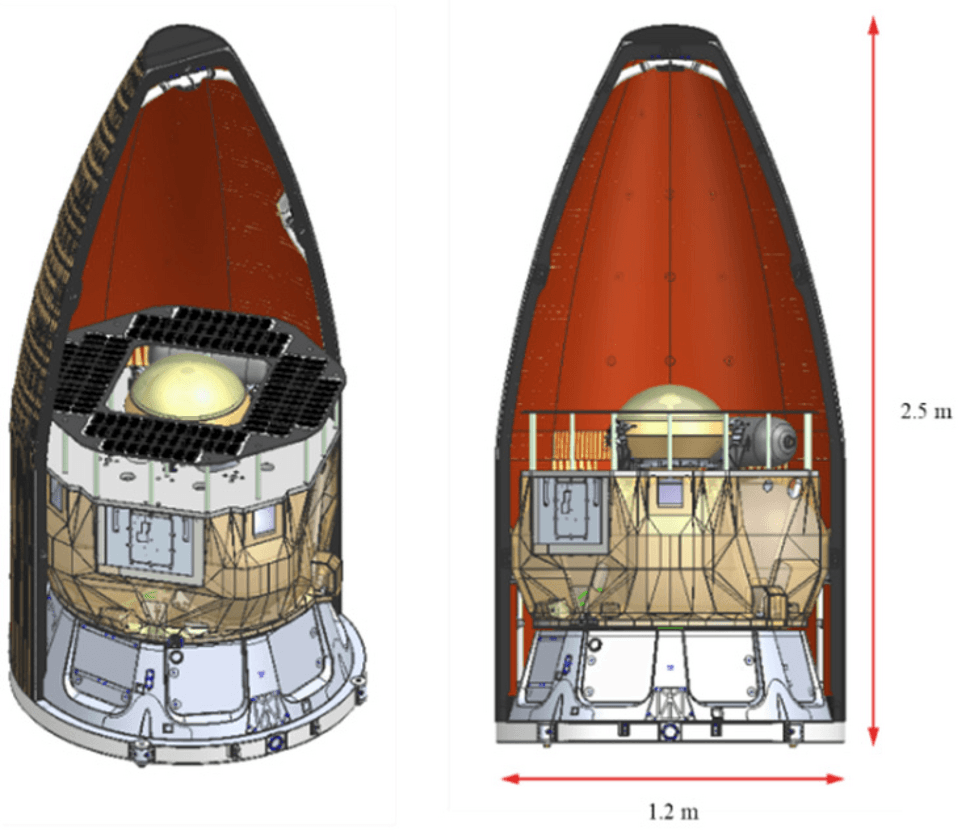
Versatile satellite bus and spacecraft platform for missions to the Moon and beyond.
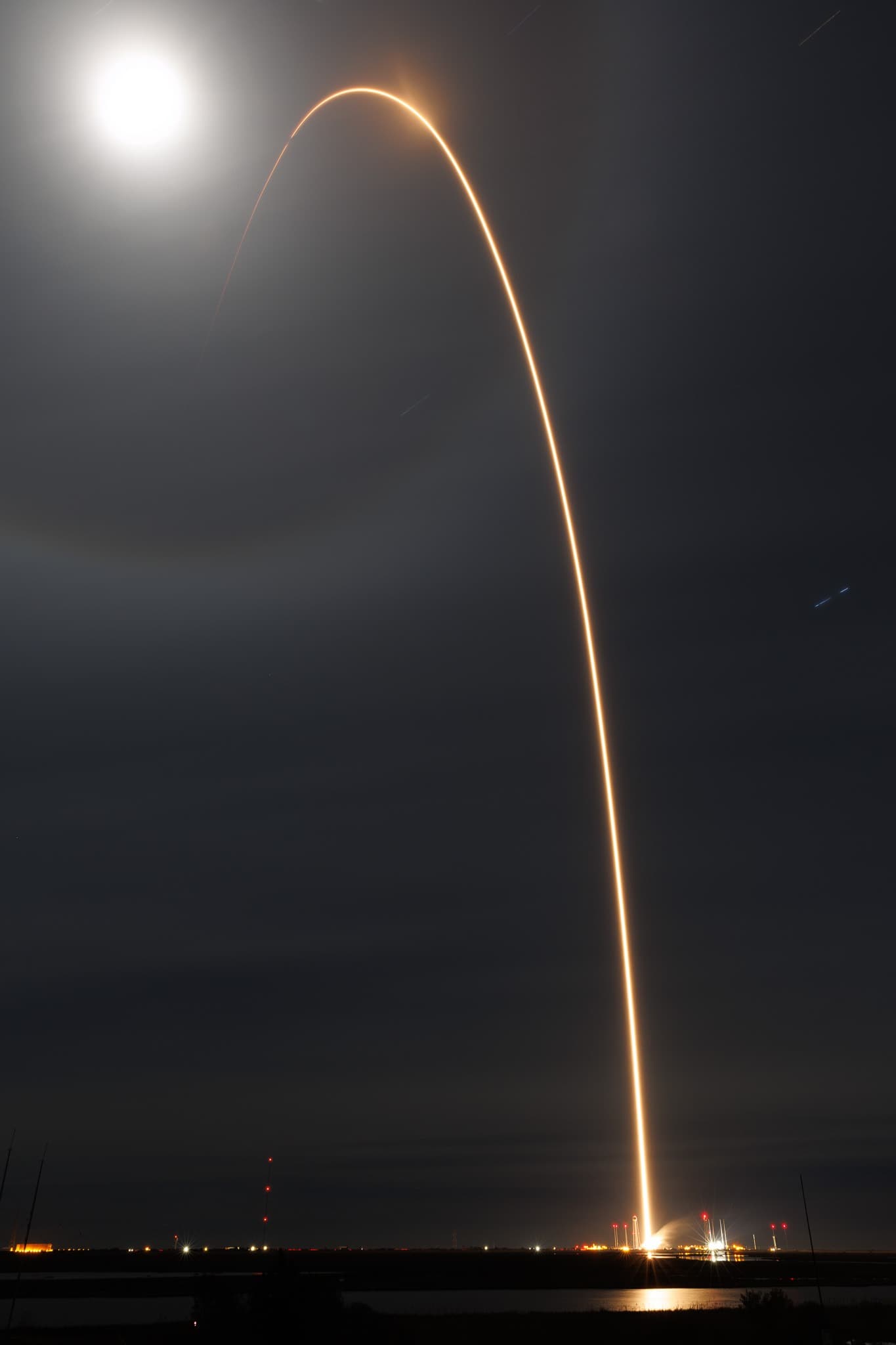
Suborbital launch vehicle derived from Electron, designed for hypersonic testing and defense applications.
Containerized Deployable Launch System that packages a complete rocket, ground infrastructure, and range control equipment inside standard shipping containers, giving Electron and HASTE launch-anywhere, responsive-space capability.
06
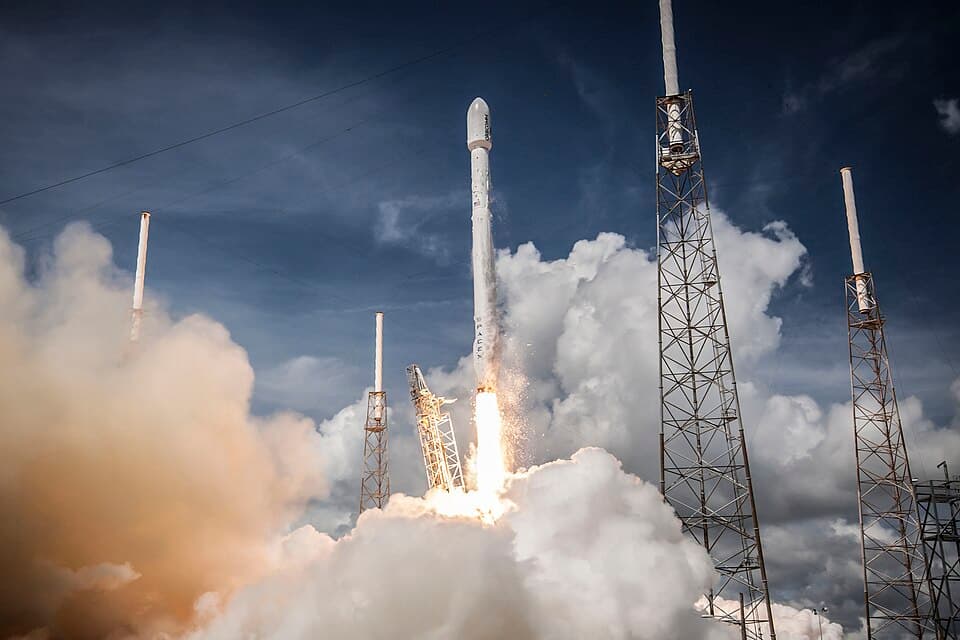
SpaceX
Partially reusable two-stage medium-lift launch vehicle. The world's most frequently launched orbital rocket.
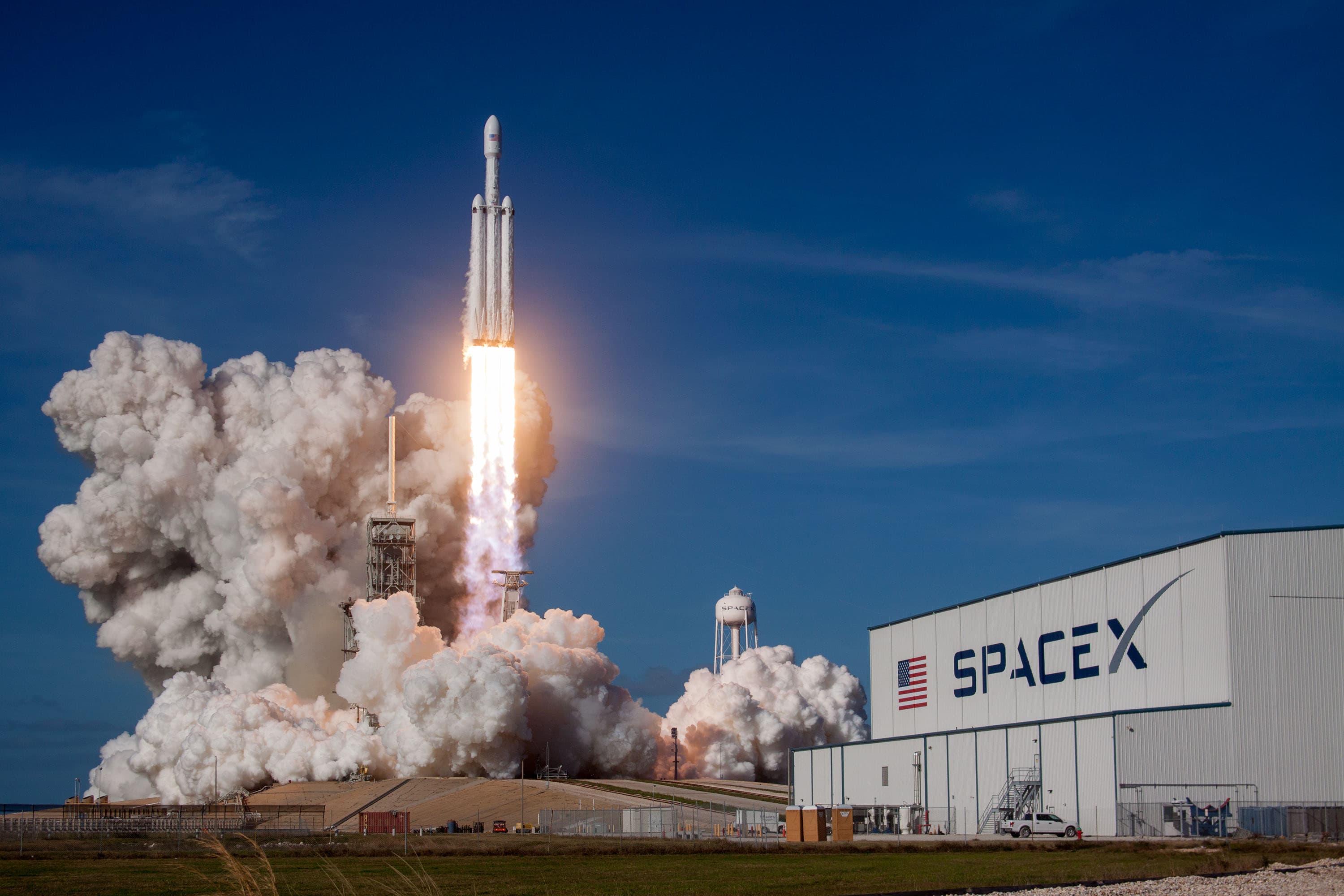
SpaceX
Heavy-lift launch vehicle consisting of a strengthened Falcon 9 core with two additional boosters.
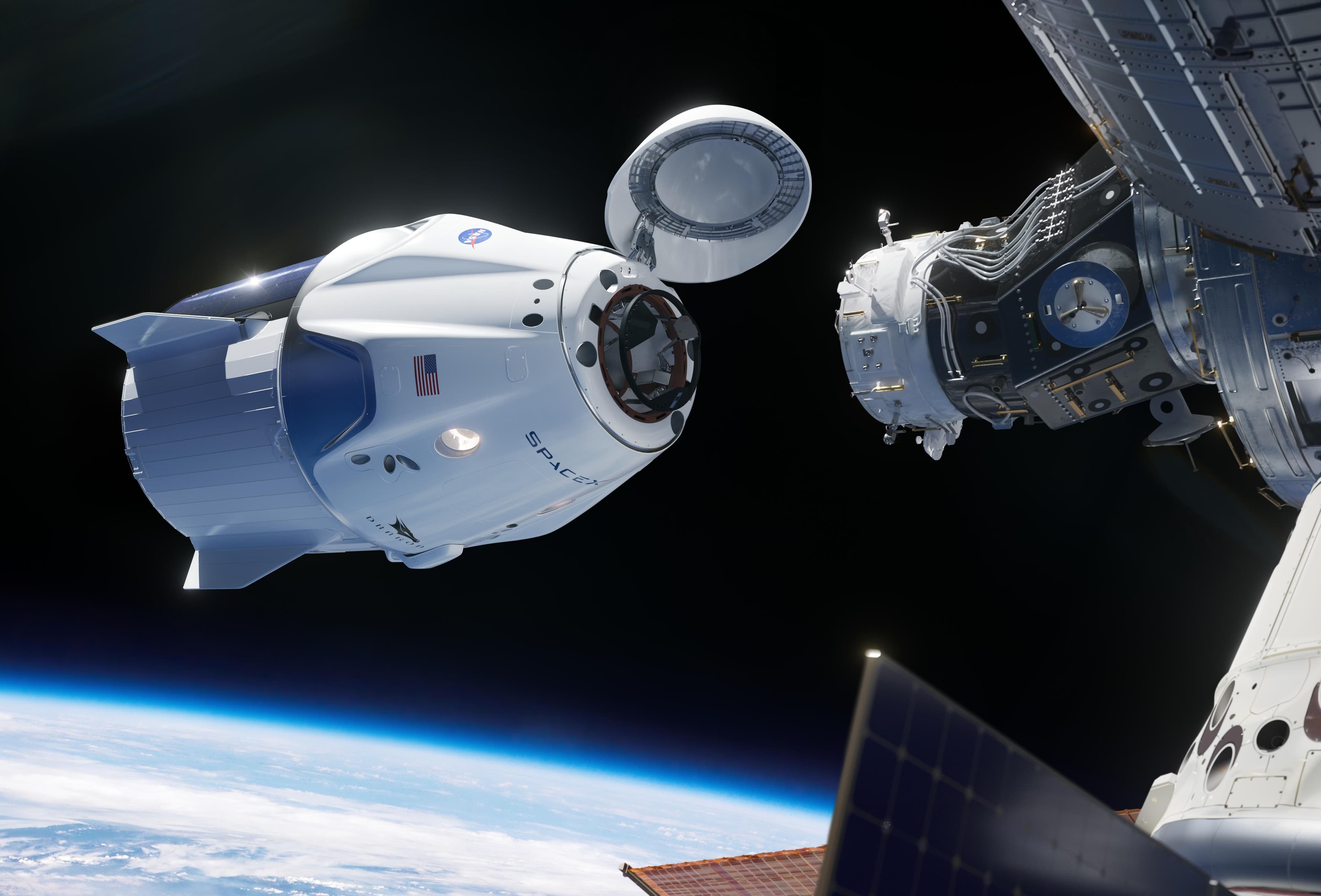
SpaceX
Reusable spacecraft for cargo and crew transport to the International Space Station.
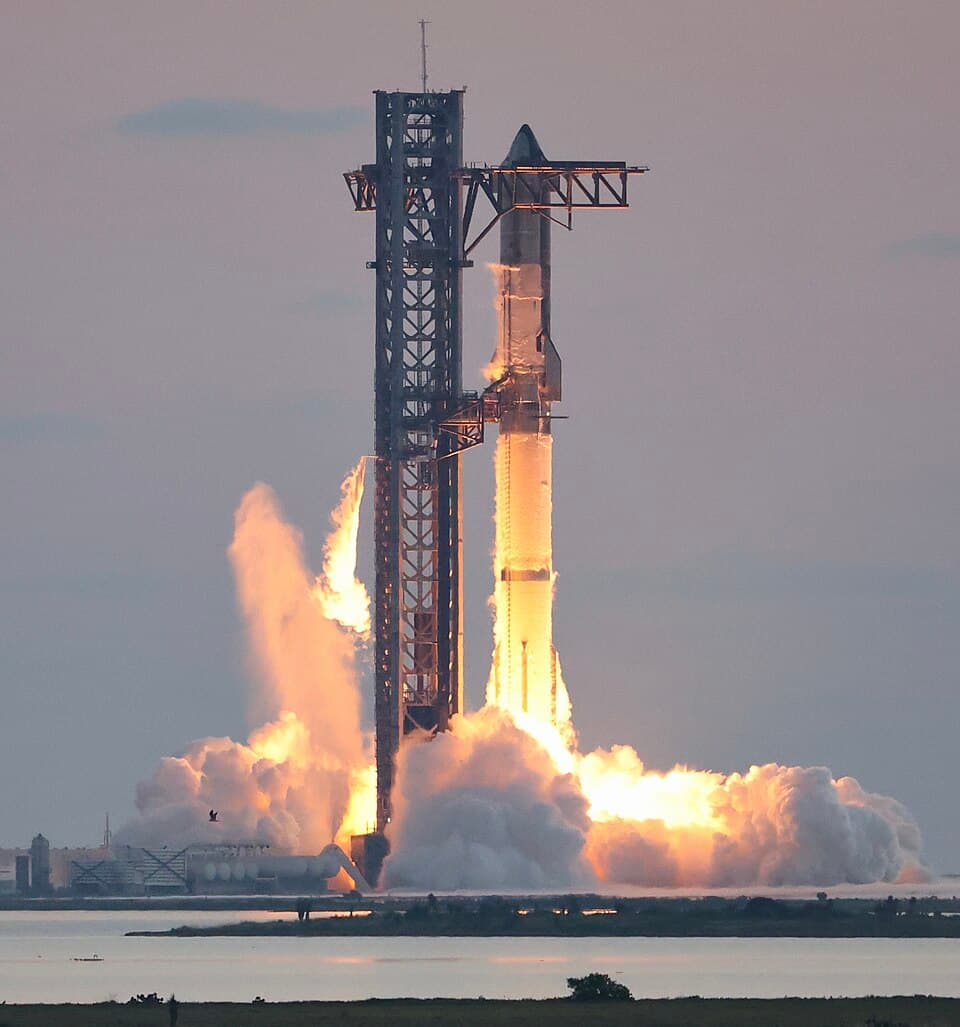
SpaceX
Fully reusable super-heavy-lift launch system designed for missions to the Moon, Mars, and beyond. V3 (Block 3) variant with Raptor 3 engines is the production version.