Active
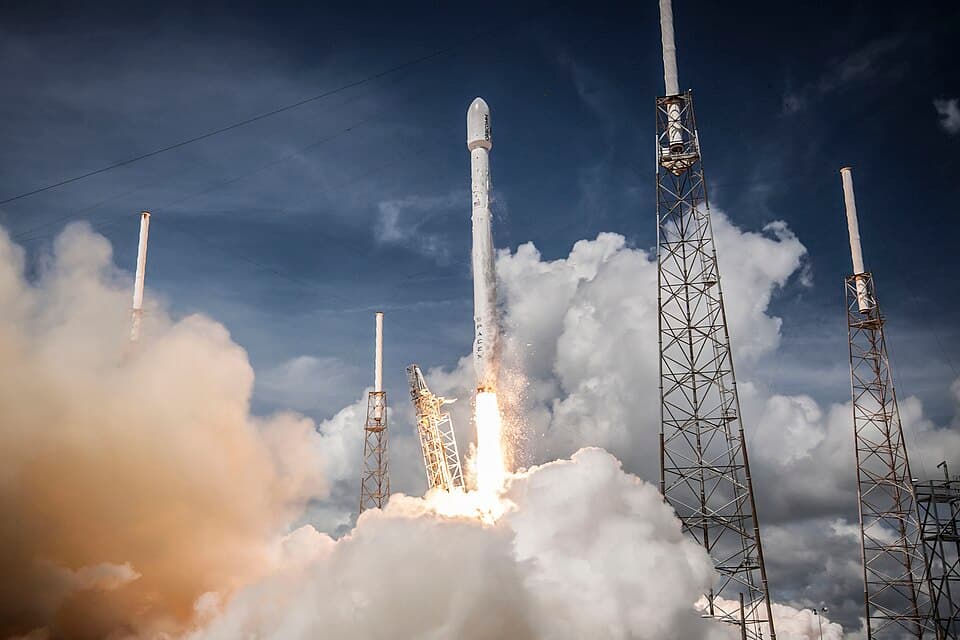
Falcon 9
Partially reusable two-stage medium-lift launch vehicle. The world's most frequently launched orbital rocket.
 SpaceX
In Development
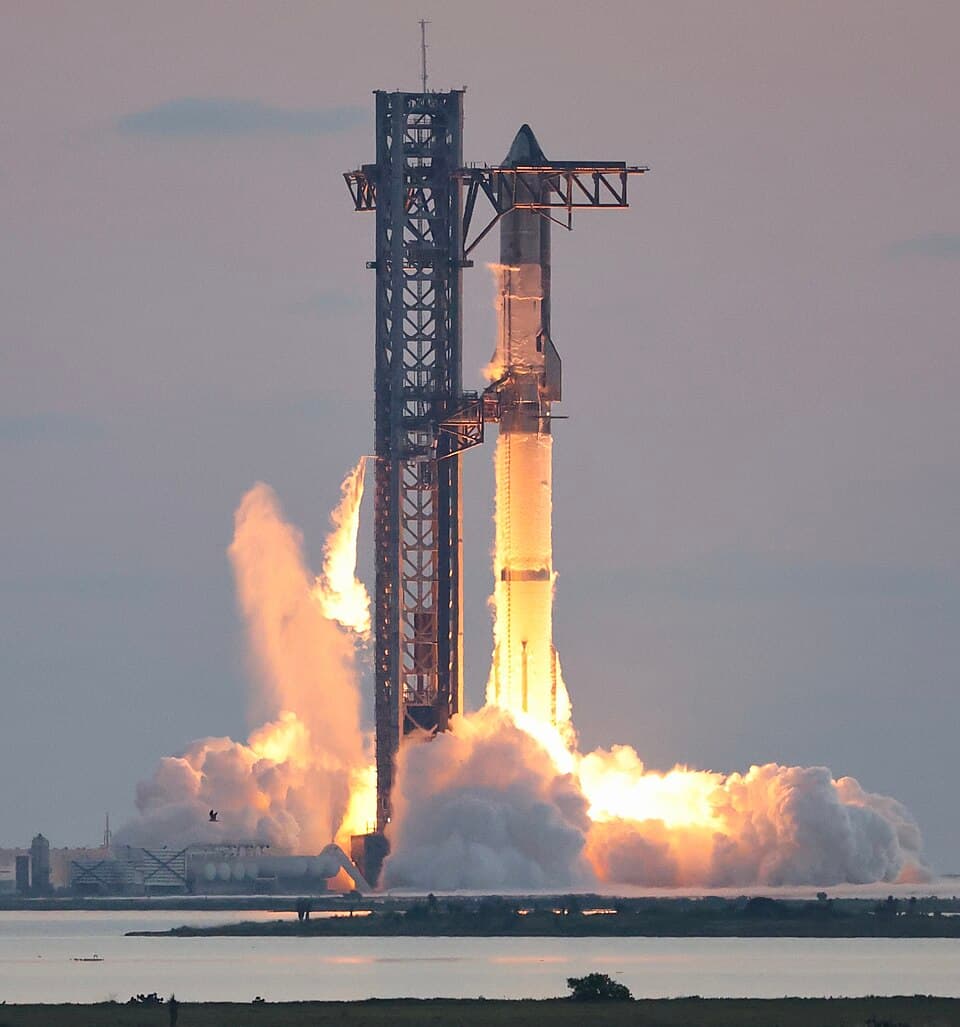
Fully reusable super-heavy-lift launch system designed for missions to the Moon, Mars, and beyond. V3 (Block 3) variant with Raptor 3 engines is the production version.
Latest update Sep 24, 2026
01
Integrated test campaign underway. Flight 13 on July 24, 2026 remains the latest flown test. Ship 41 was stacked on Super Heavy B21 at Pad 2 on September 23, 2026. SpaceX's Flight 14 page still targets as early as Monday September 28 (75-minute window opening 7:15 a.m. CT) pending regulatory approval, as the first planned orbital insertion: about 275 km, roughly six orbits, 26 Starlink V3 satellites, Pacific splashdown west of Chile, Super Heavy Gulf splash, and no tower catch. Two tiles recovered from Ship 40 are planned to fly on Ship 41, the first Starship tile reuse.
02
03
Announced next steps from SpaceX that mention Starship.
2027-2028
NASA Administrator Jared Isaacman said August 14, 2026 he is 'extremely confident' Artemis III will launch in 2027, saying NASA tracks 'every single component' of the program 'down to the day, down to the hour' - and tied that confidence directly to SpaceX's Starship cadence, saying that if Flight 14 flies in early September as planned and SpaceX keeps flying roughly every few weeks through year-end, NASA will 'feel very good' about Starship's readiness to contribute to Artemis III. NASA and SpaceX completed wind-tunnel testing of the upgraded Super Heavy V3 booster at NASA Ames in 2026, verifying the aerodynamic loads it will face returning from lunar missions. Artemis III is a late-2027 low-Earth-orbit demonstration testing rendezvous and docking between Orion and uncrewed pathfinder versions of both SpaceX's Starship HLS and Blue Origin's Blue Moon Mark 2, with the first crewed lunar landing pushed out to Artemis IV in early 2028. Progress still hinges on SpaceX demonstrating reliable Starship V3 flights - including Flight 14, which SpaceX's launches page listed on September 19, 2026 for September 28 from Starbase - and the in-orbit propellant-transfer capability the lunar lander depends on. As of September 19, 2026, Isaacman's August 14 statement remains NASA's most recent public HLS assessment; no new lunar-lander schedule update had been issued since.
Construction 2027
TargetConstruction 2027; first launch as soon as 2029
SpaceX's $100 billion Vermilion Parish spaceport is planned as five launch complexes (two pads each) with on-site propellant production, power generation, vehicle processing and housing. Construction is expected to begin in 2027, with SpaceX targeting a first Starship launch as soon as 2029; Louisiana Economic Development has said initial operations are expected around 2030. The project is expected to create 3,000 direct jobs over 10 years at an average salary of about $92,600.
2028
Space Cargo CEO Nicolas Gaume told Reuters on September 15, 2026 that the Luxembourg integrator is Starfall's first known customer and will fly its BentoBox payload system inside a Starfall capsule on Starship's first commercial mission, planned for 2028. The box is meant to secure up to about 1 ton of customer payloads through reentry, with nearly half of the first-mission pipeline in life sciences. SpaceX did not comment and has not itself dated Starship's first commercial flight. A second Starfall prototype reentry test, approved by the FAA, remains unflown.
Late 2020s+
Flight 13's July 24, 2026 success - the first operational Starlink V3 deployment - proved Starship V3 can reach space and deploy payloads, but the architecture for regular Mars cargo missions still depends on unproven capabilities: Super Heavy booster catch and rapid reuse, in-space propellant transfer between two Starships, and long-duration ship operations. The Flight 13 upper stage (Ship 40) was itself recovered intact after a 24-day ocean tow to Christmas Island, Australia (arriving August 18, 2026) and departed for Starbase, Texas aboard the vessel Forte on August 28, 2026, giving engineers a first-ever intact post-flight ship to inspect. No Mars-specific test has flown since Flight 13; the near-term gating step remains Flight 14, which SpaceX's launches page listed on September 19, 2026 for September 28 from Starbase, with the first tower-catch attempt of the upper stage still pushed to a few months after that. The S-1 explicitly anchors the long-term mission of making life multiplanetary on this architecture.
After Flight 14
TargetAfter Flight 14; ship catch not dated by SpaceX in the recap
Sep 28, 2026
Date passed, awaiting update
TargetSeptember 28, 2026 (pending regulatory approval); ship catch a few months later
Flight 13 succeeded on July 24, 2026 - the program's first operational Starlink V3 deployment (20 satellites) and controlled splashdowns of both stages - clearing SpaceX to attack the harder V3 milestones. Recovery crews spent 24 days towing the intact Flight 13 upper stage (Ship 40) through rough seas across the Indian Ocean, reaching Christmas Island, Australia on August 18, 2026 - the first Starship upper stage ever recovered intact after flight. SpaceX engineers inspected Ship 40 in place, collecting heat-shield samples that Musk said confirmed the heat-shield problem is solved, before loading it onto the semi-submersible vessel Forte, which departed Christmas Island on August 28, 2026 for the roughly 20,000 km trip back to Starbase, Texas. On August 28, 2026 SpaceX also completed a full-duration 33-engine static fire of the Super Heavy booster assigned to Flight 14 at Starbase, following a six-engine static fire of that flight's Ship. SpaceX posted the Flight 14 mission page on September 15 targeting Tuesday September 22, 2026 from Starbase, then said on September 17 that it is now targeting as early as Monday September 28 pending regulatory approval. As of September 19, SpaceX's launches page lists Flight 14 for September 28, 2026 (08:15-09:30 ET) from Pad 2, Starbase. The flight is planned as Starship's first orbital insertion: Ship at about 275 km, roughly six orbits over nearly 10 hours, 26 Starlink V3 satellites (the first V3s meant to join the constellation), then a Pacific splashdown west of Chile. Super Heavy is to splash in the Gulf of Mexico about seven minutes after liftoff; SpaceX is not attempting a tower catch of either stage on this flight. Musk has said the first ship catch will wait a few months, pushing the first Starship reflight out to around the end of 2026 or early 2027. On September 2, 2026 the FAA issued a Finding of No Significant Impact for expanded Pacific reentry contingency landing areas and an additional Starship return trajectory to Starbase, a required environmental step before the Office of Commercial Space Transportation can modify SpaceX's vehicle operator license to use those corridors. Beyond Flight 14, the roadmap runs through flying Starlink V3 on a rapid cadence and demonstrating an orbital ship-to-ship propellant transfer - the in-space refueling demo that FCC filings and the Artemis HLS contract both hinge on.
04
On Oct. 14, 2026, the FAA opened public scoping for a programmatic environmental impact statement on SpaceX's proposal to increase Starship-Super Heavy operations at Starbase, Texas. The notice compares the current authorization of 25 launches and 50 landings a year with a study ceiling of 456 launches and 912 landings, and a first phase of 100 launches and 200 landings. Comments are due Nov. 30, 2026, and the notice does not approve a higher cadence.
SpaceX's Starship Flight 14 lifted off from Starbase at about 8:48 a.m. EDT on September 28 and reached orbit for the first time after one upper-stage engine shut down and a brief no-orbit call was reversed. Ship 41 deployed 26 Starlink V3 satellites that Musk said were operating nominally, the first V3s intended to stay in the constellation rather than the July 24 suborbital release. Controllers cut the planned six-orbit, nearly 10-hour flight to about three hours; Super Heavy splashed in the Gulf of Mexico and the ship reentered for a Pacific splashdown north of Hawaii, where AP said it then tipped over and erupted in flames.
The FAA said on September 27 that it issued license authorization on September 26 for SpaceX Starship-Super Heavy Flight 14 launch and reentry operations, clearing the remaining named regulatory gate for the vehicle's first planned orbital attempt. SpaceX is targeting a 75-minute window opening at 7:15 a.m. Central on September 28 from Pad 2 at Starbase, with Ship 41, Booster 21 and 26 Starlink V3 satellites, and ocean splashdowns rather than tower catches. The attempt had not yet lifted off as of this check; backup beach closures are posted for September 29 and 30.
aviationweek.com spaceflightnow.com www.teslarati.com + Starlink
SpaceX stacked Ship 41 on Super Heavy booster B21 at Starbase Pad 2 in the early hours of September 23, assembling the 124-meter Flight 14 vehicle for Starship's first planned orbital attempt. The company said opportunistic full-stack testing, including a wet dress rehearsal, was planned for September 24, with launch still targeted as early as September 28 pending FAA approval. The roughly 10-hour mission is planned to deploy 26 Starlink V3 satellites, the first V3s intended to stay in orbit.
SpaceX said on September 17 that it is now targeting Starship Flight 14 as early as Monday, September 28, pending regulatory approval, a roughly six-day slip from the September 22 date it had posted on the mission page only two days earlier. The company gave no reason for the move, and it has not published a revised mission clock or a new FAA airspace window alongside the target. Flight 14 is the program's first planned orbital insertion, carrying 26 Starlink V3 satellites to about 275 km for roughly six orbits before a Pacific splashdown west of Chile, and CFO Bret Johnsen has described it as Starship's first revenue-generating flight.
SpaceX is targeting September 22, 2026 for Starship Flight 14, the vehicle's first planned orbital mission, with a 75-minute window opening at 7:15 a.m. Central Time from Starbase. The Ship is expected to fly at about 275 km, complete roughly six orbits over nearly 10 hours, deploy 26 Starlink V3 satellites, and splash down in the Pacific west of Chile. Super Heavy is planned to splash in the Gulf of Mexico about seven minutes after liftoff, with no tower catch of either stage.
Space Cargo CEO Nicolas Gaume told Reuters on September 15 that the Luxembourg mission integrator is the first known customer for SpaceX's Starfall cargo-return capsule. Space Cargo plans to fly its BentoBox system inside a Starfall capsule on Starship's first commercial mission, targeted for 2028, carrying up to about 1 ton of customer payloads, nearly half in life sciences. SpaceX did not comment; Starfall flew a demo capsule on Falcon 9 in June 2026.
The FAA published a Final Tiered Environmental Assessment and Finding of No Significant Impact on September 2, 2026 for SpaceX Starship reentry contingency operations in the Pacific Ocean and an additional landing trajectory back to Starbase in Boca Chica, Texas, with the Federal Register notice following on September 4. The review would support a license modification adding a Northern Pacific Contingency Landing Area, expanding two existing Pacific splashdown zones, and authorizing temporary airspace closures for a new return-to-launch-site path. The FONSI is an environmental clearance, not a flight date or the license amendment itself.
SpaceX completed a full-duration 33-engine static fire of the Super Heavy booster assigned to Starship Flight 14 at Starbase, Texas on August 28, 2026, posting video of the pad test the same day. The run follows a six-engine static fire of Flight 14's Ship last week and is a key ground-test gate before Starship's first planned orbital-class flight, which is also expected to deploy next-generation Starlink V3 satellites. Flight 14 has slipped past a late-August target toward mid-September, and SpaceX has already said it will not attempt a tower catch of the upper stage on this flight.
SpaceX loaded the intact Flight 13 Starship upper stage, Ship 40, onto the semi-submersible vessel Forte off Christmas Island and began the roughly 20,000 km voyage back to Starbase, Texas, a trip expected to take several weeks. The 52-meter ship splashed down in the Indian Ocean on July 24 and is the first Starship upper stage ever recovered intact after a spaceflight; engineers inspected it in place and collected heat-shield samples before Forte departed on August 28.
SpaceX VP of Launch Kiko Dontchev said the Starlink 10-49 mission on August 25 was the last Falcon 9 Starlink launch planned from Cape Canaveral until Starship begins flying from Florida, ending a run of roughly 260 Starlink missions from the Cape over seven years. The move drops Florida's monthly Falcon 9 cadence from eight or nine flights to about two while Vandenberg Space Force Base absorbs Starlink launches for the rest of 2026 and possibly longer, freeing up Cape Canaveral infrastructure for Starship operations.
SpaceX announced on August 25 it will invest $100 billion in a new Starship spaceport at Pecan Island in Vermilion Parish, Louisiana, on former Exxon land, billed as its fourth and largest launch site. The campus is planned with five launch complexes of two pads each plus propellant production, power generation, vehicle processing and employee housing, creating 3,000 direct jobs at an average salary of about $92,600. Construction is expected to begin in 2027, with SpaceX targeting a first launch as soon as 2029 while Louisiana Economic Development has said initial operations are expected around 2030.
SpaceX flew its final planned Falcon 9 Starlink mission from Florida on August 25, closing out roughly seven years and about 260 Starlink launches from Cape Canaveral's Pad 40 on that rocket. Future Starlink launches from Florida will fly on Starship instead, with Falcon 9 Starlink missions continuing only from Vandenberg Space Force Base in California.
Elon Musk said on August 20 that SpaceX will no longer attempt to catch the Starship upper stage with the launch tower's arms on the upcoming Flight 14, pushing the milestone out to roughly a few months from now and delaying the first Starship reflight to around the end of 2026 or early 2027. SpaceX already catches and reuses Super Heavy boosters with the tower's arms, but catching the faster, higher-arriving upper stage is a bigger engineering challenge; SpaceX shares fell about 6% on the news.
Elon Musk said on August 7 that recovering Starship Flight 13's upper stage from the Indian Ocean is not looking good, after recovery crews spent days battling rough seas following the ship's intact splashdown near Western Australia on July 24. Musk said the recovery effort still yielded close-up photos of the heat shield and engines that let him call the heat-shield problem solved, and SpaceX is targeting Flight 14 for late August in an attempt to reach operational orbit for the first time while carrying production Starlink satellites.
05
Partially reusable two-stage medium-lift launch vehicle. The world's most frequently launched orbital rocket.
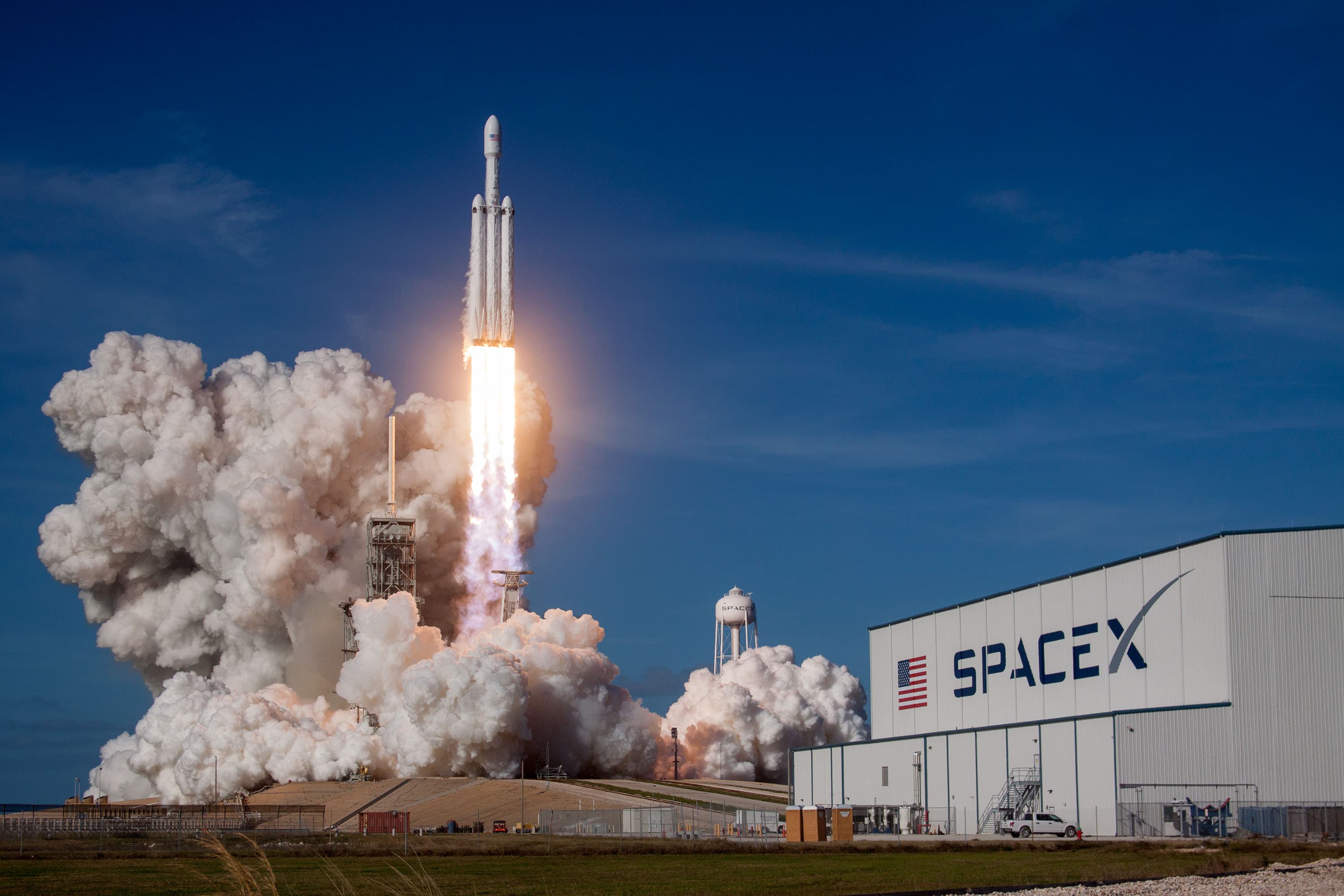
Heavy-lift launch vehicle consisting of a strengthened Falcon 9 core with two additional boosters.
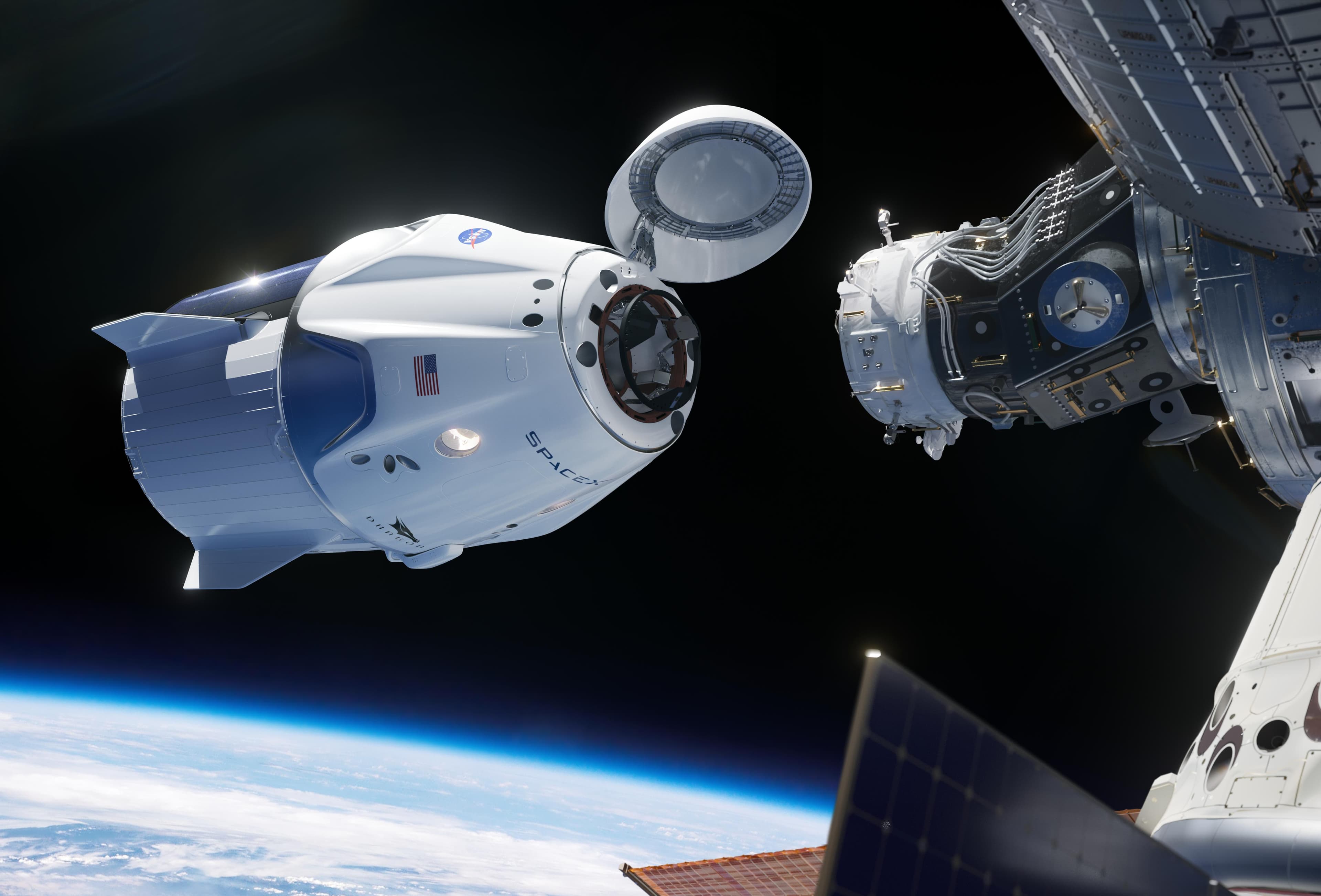
Reusable spacecraft for cargo and crew transport to the International Space Station.
Government-focused satellite line built on SpaceX launch systems and Starlink platform technology for secure communications and other national-security missions.
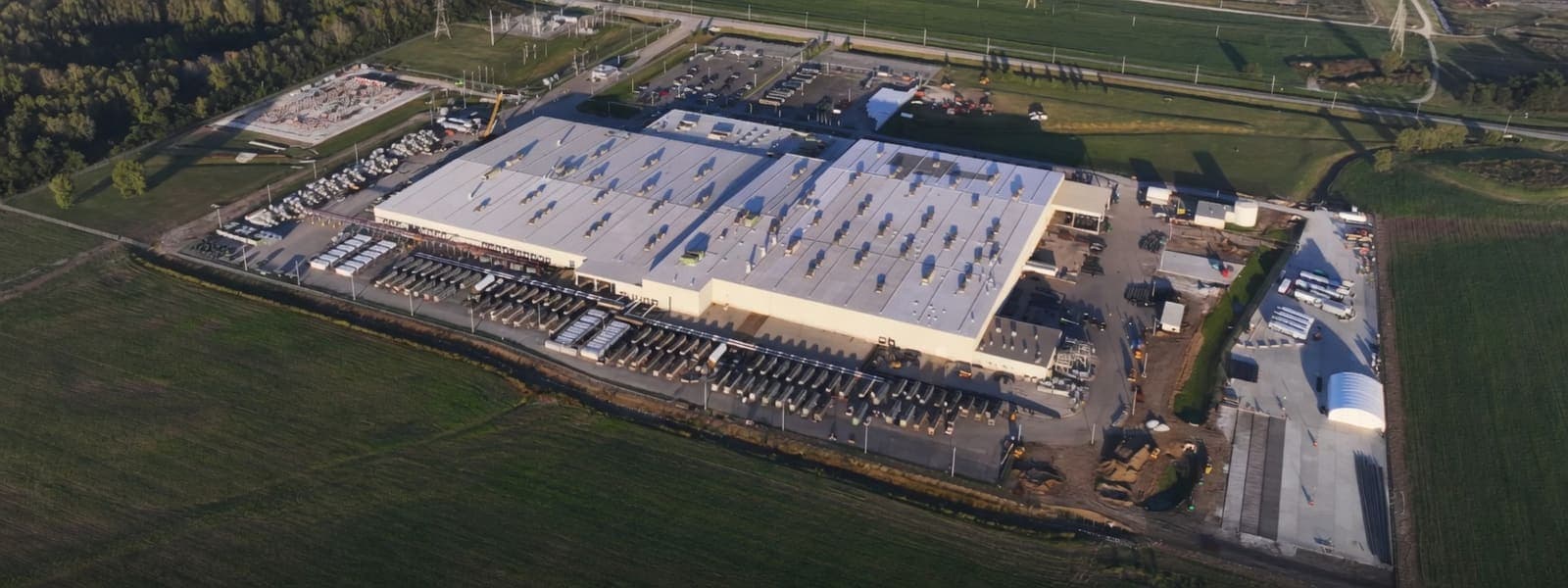
AI supercomputer in Memphis, Tennessee acquired in the February 2026 xAI merger. Sold as multi-year compute capacity to external AI customers, with disclosed contracts to Anthropic and Google.
Disk-shaped, uncrewed reentry capsule for returning cargo - such as pharmaceuticals and other orbital-manufacturing output - from low Earth orbit to Earth. SpaceX's entry into the commercial cargo-return market, competing with players like Varda Space Industries.
06
Rocket Lab
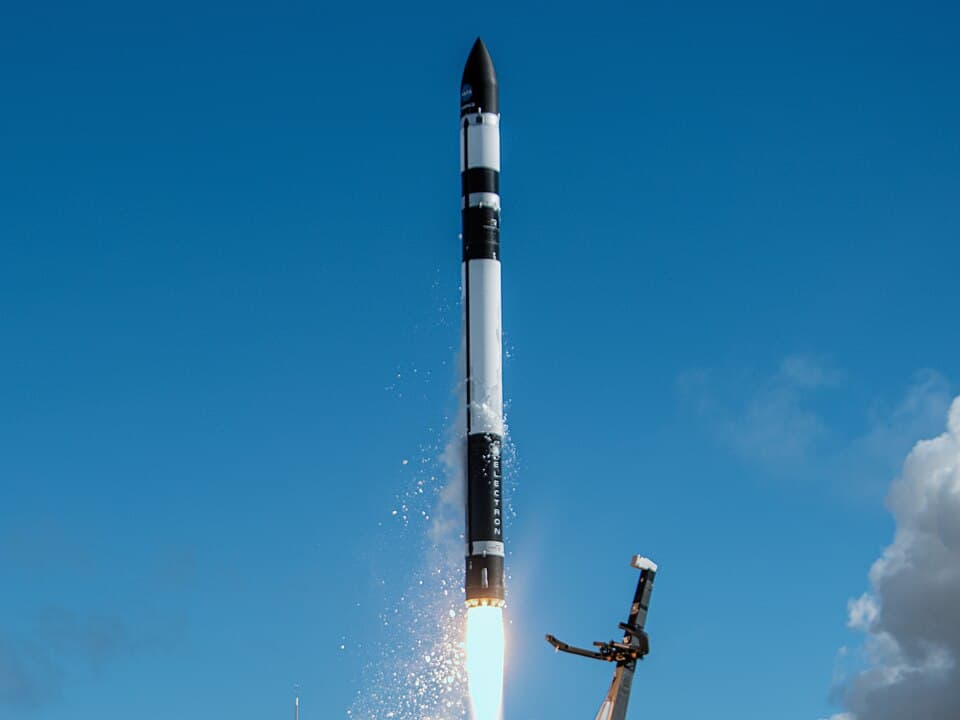
Small-lift, two-stage orbital launch vehicle for dedicated and rideshare small-satellite missions.
Rocket Lab
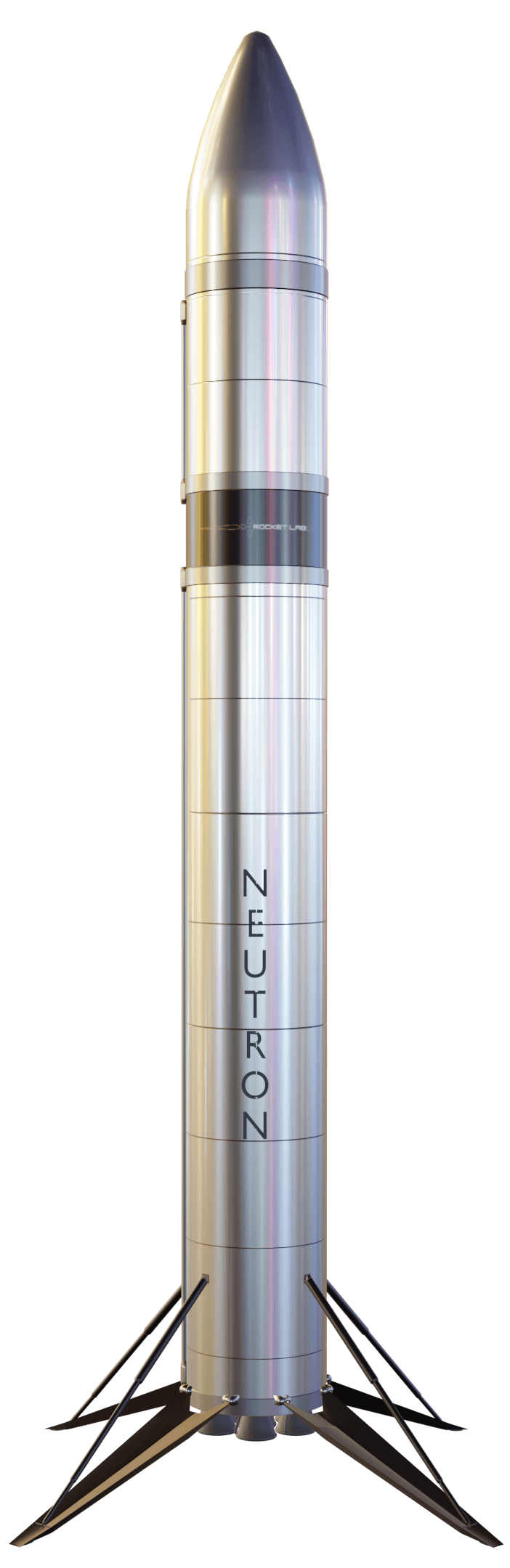
Medium-lift reusable rocket under development for mega-constellation deployment, national-security, and human spaceflight.
Rocket Lab
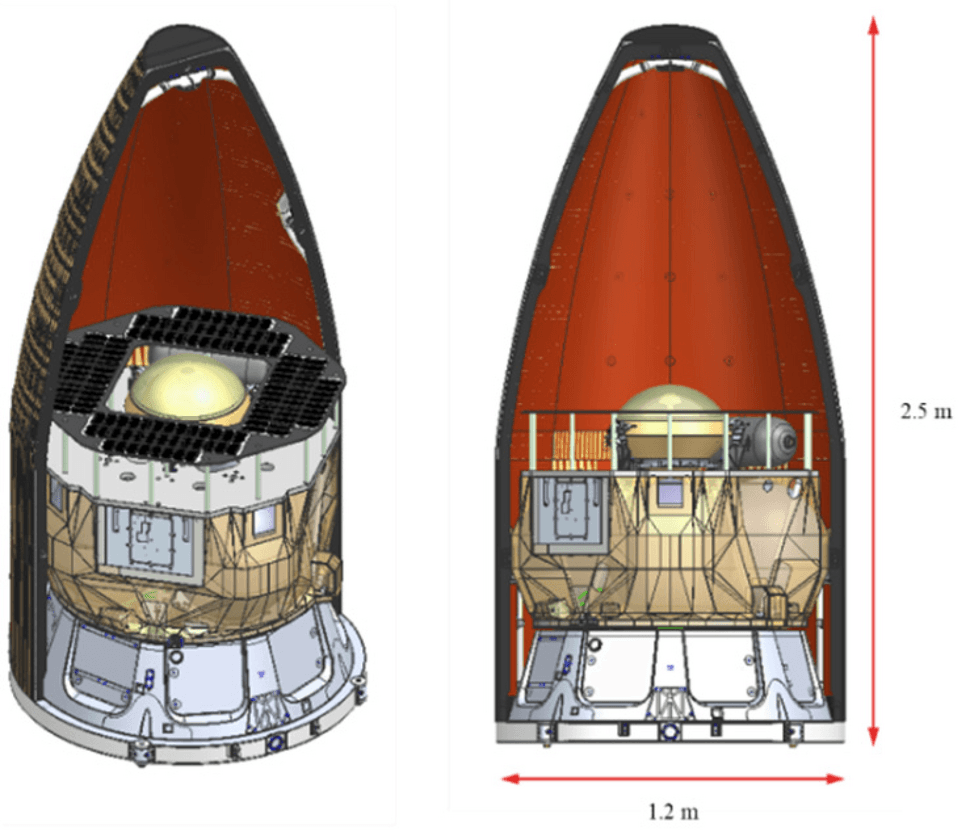
Versatile satellite bus and spacecraft platform for missions to the Moon and beyond.
Rocket Lab
Suborbital launch vehicle derived from Electron, designed for hypersonic testing and defense applications.