Active
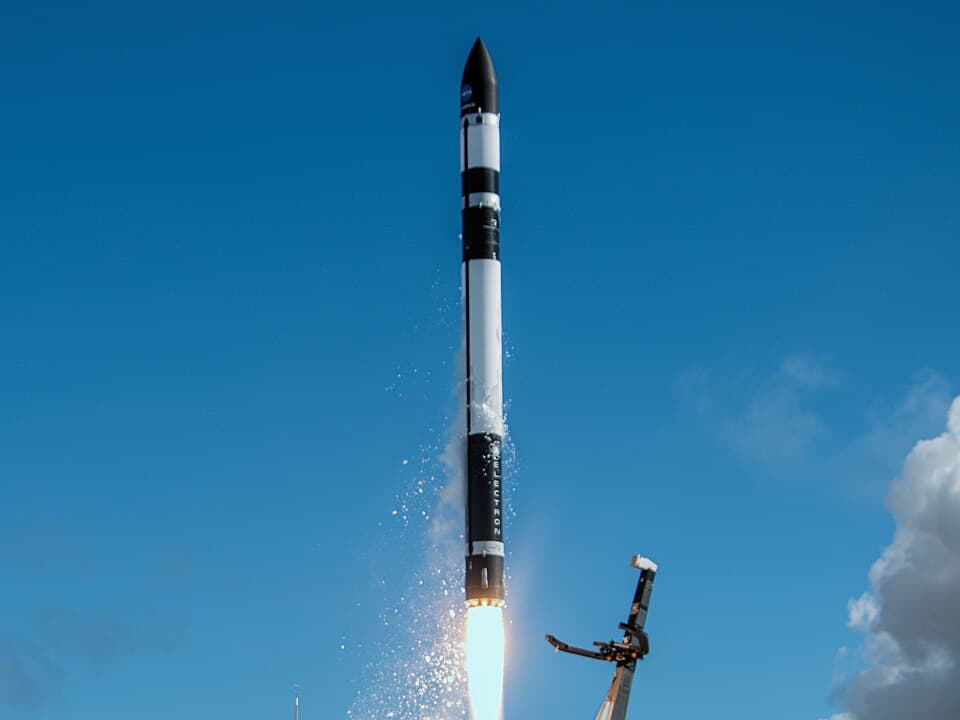
Electron
Small-lift, two-stage orbital launch vehicle for dedicated and rideshare small-satellite missions.
 Rocket Lab
Active
Suborbital launch vehicle derived from Electron, designed for hypersonic testing and defense applications.
Latest update Sep 19, 2026
01
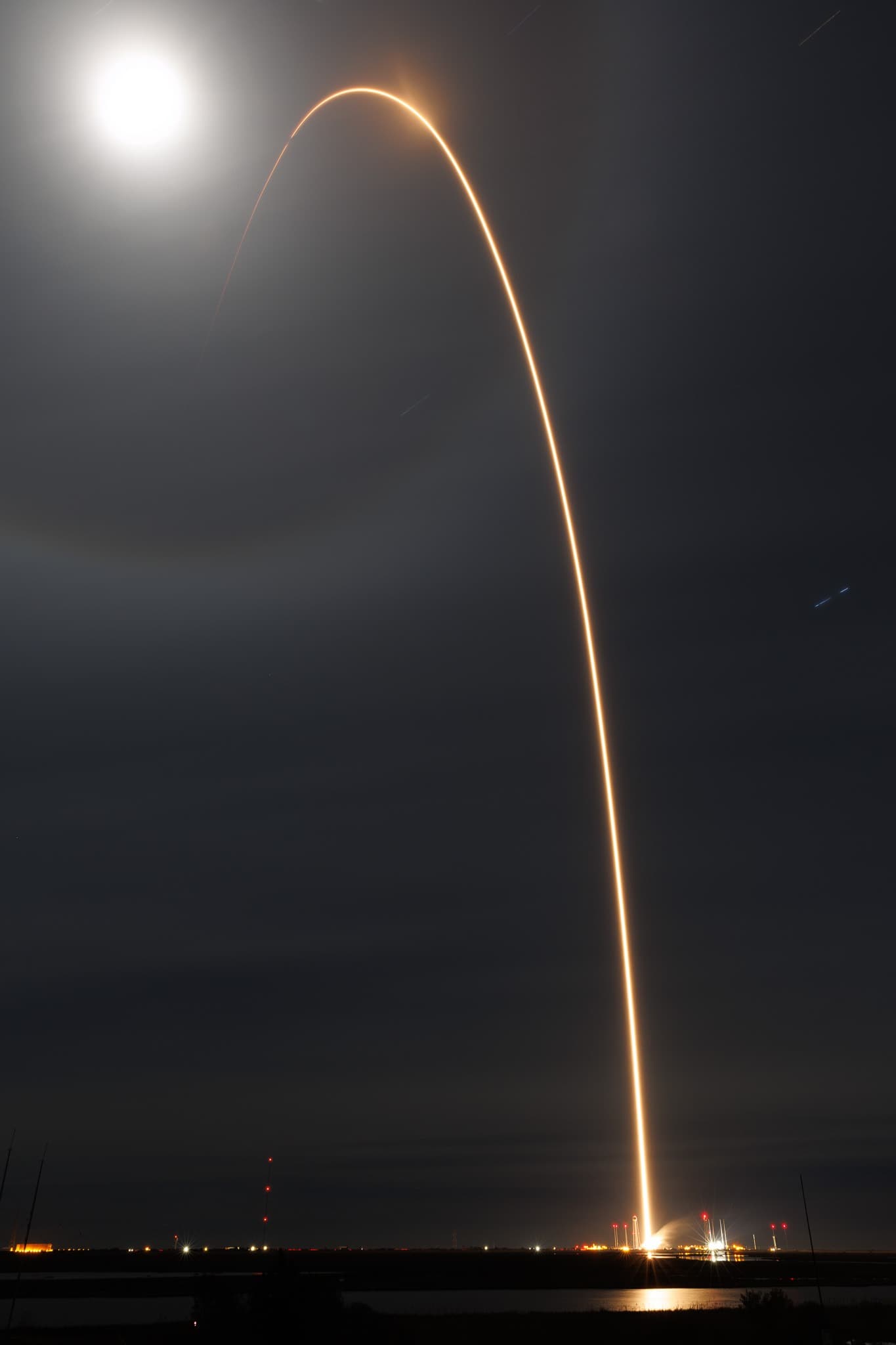
Operational hypersonic test platform from Wallops Island, Virginia. In March 2026 Rocket Lab signed a $190M, 20-flight MACH-TB 2.0 HASTE block-buy, and in July 2026 a $266M Space Force RSLP award for 12 (plus an option for six more) HASTE flights through 2028 from a new fourth pad at Kodiak, Alaska. The last publicly named HASTE flight remains mid-June 2026's 'Curveball,' Rocket Lab's 9th HASTE mission and 89th mission overall; no later named HASTE flight has been disclosed as of September 19, 2026.
02
03
Announced next steps from Rocket Lab that mention HASTE.
2026-2028
Turn a record $2.36B of backlog (as of Q2 2026) into higher Electron and HASTE flight tempo across constellation, agency, national-security, and hypersonic missions; Rocket Lab guided to another record revenue quarter in Q3 2026 and reported more than $1B in additional new contracts signed since the quarter closed. The new GHOST containerized launch system, unveiled August 10, 2026 with its first site at Kodiak, Alaska, is aimed directly at expanding cadence for responsive and national-security missions.
2027
Stand up Launch Complex 4 at the Pacific Spaceport Complex - Alaska (Kodiak), the first deployment site for Rocket Lab's newly unveiled GHOST containerized Deployable Launch System, under the $266M Space Force RSLP contract for 12 HASTE missile-defense test launches (with an option for six more). LC-4 will add two pads, bringing Rocket Lab's total to six pads company-wide, complementing Launch Complex 1 in New Zealand and Launch Complexes 2 and 3 in Virginia. Guidance given alongside the August 10, 2026 GHOST unveiling points to a suborbital operational debut in 2027, later than the 'no earlier than end of 2026' timeline given when the RSLP contract was announced in July 2026. No later public construction or pad-ready update has been published as of September 13, 2026.
04
Rocket Lab unveiled its GHOST Deployable Launch System on August 10, a containerized package of complete rockets, launch infrastructure, ground support, and range control that can be shipped and stood up anywhere to give Electron and HASTE a launch-anywhere, launch-anytime capability for responsive and national-security missions. The first GHOST site, Rocket Lab Launch Complex 4, will stand up two pads at the Pacific Spaceport Complex in Kodiak, Alaska, adding a dual-launch-vehicle site to Rocket Lab's existing pads in New Zealand and Virginia.
Rocket Lab secured a $266 million firm-fixed-price contract from the U.S. Space Force to conduct 12 suborbital launches, with an option for six more, from the Pacific Spaceport Complex in Alaska by the end of 2028. The work uses Rocket Lab's HASTE (Hypersonic Accelerator Suborbital Test Electron) vehicle, an Electron-derived testbed that requires no Neutron flight, and builds on a $190 million, 20-flight HASTE award in March. Space Systems Command made the award after a competitive acquisition, obligating $112 million in fiscal 2025 funds upfront and adding near-term revenue to a backlog already above $2.2 billion; RKLB shares rose on the news.
05
Small-lift, two-stage orbital launch vehicle for dedicated and rideshare small-satellite missions.
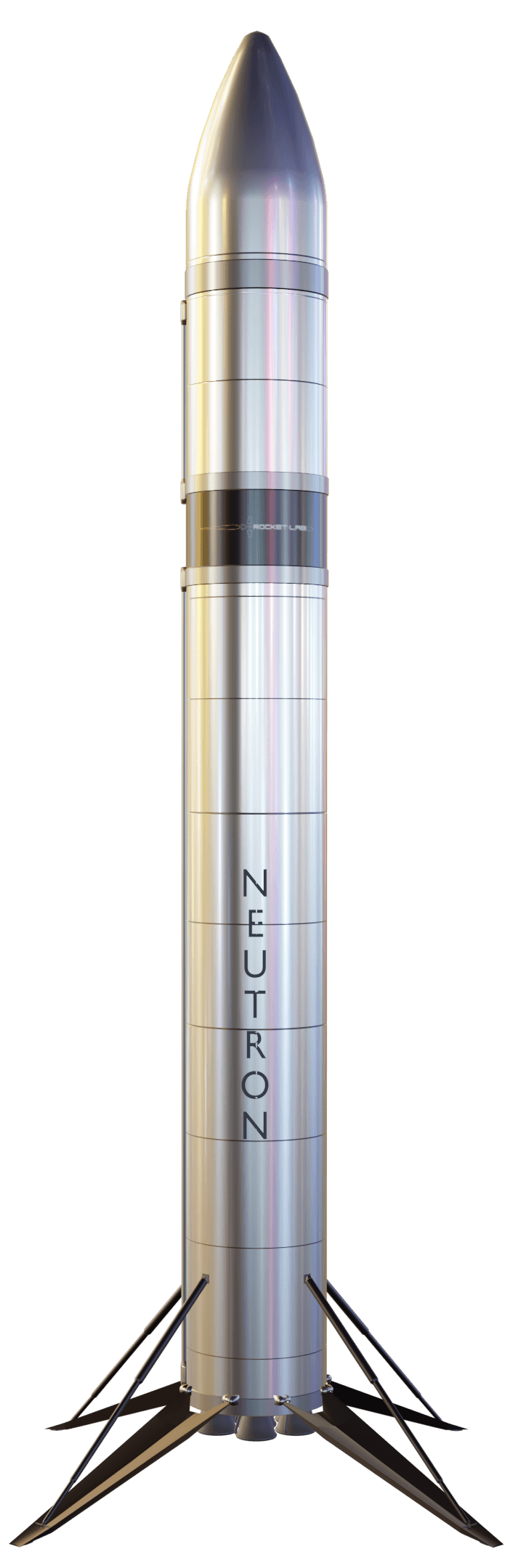
Medium-lift reusable rocket under development for mega-constellation deployment, national-security, and human spaceflight.
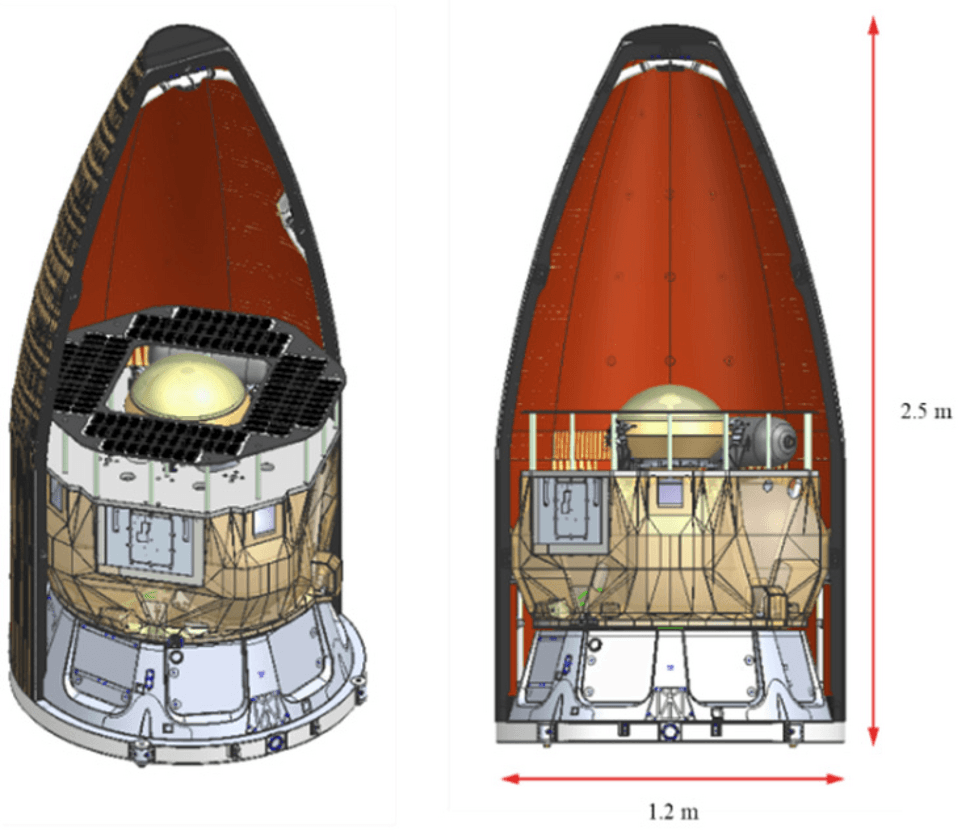
Versatile satellite bus and spacecraft platform for missions to the Moon and beyond.
Containerized Deployable Launch System that packages a complete rocket, ground infrastructure, and range control equipment inside standard shipping containers, giving Electron and HASTE launch-anywhere, responsive-space capability.
06
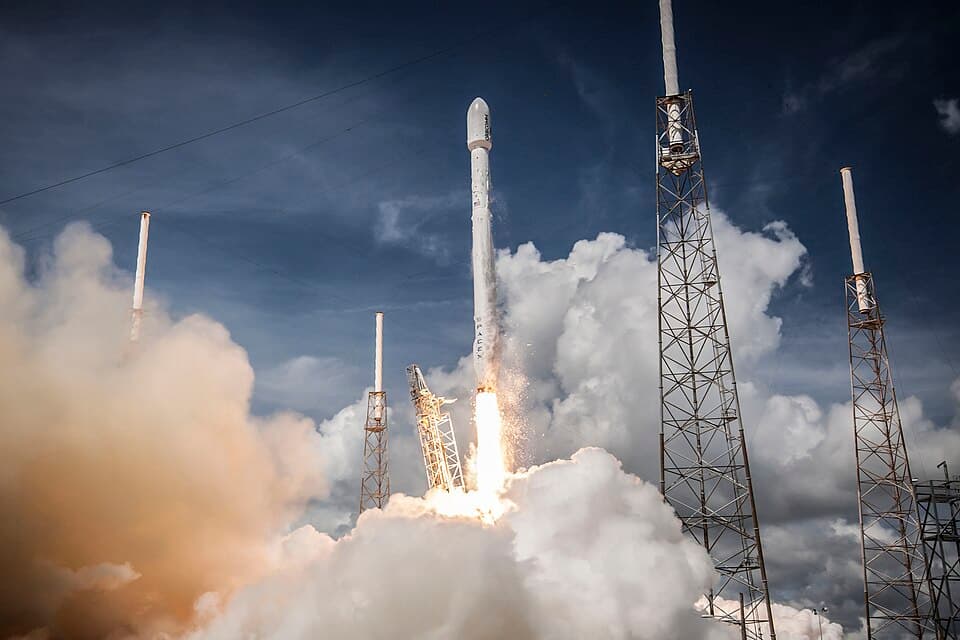
SpaceX
Partially reusable two-stage medium-lift launch vehicle. The world's most frequently launched orbital rocket.
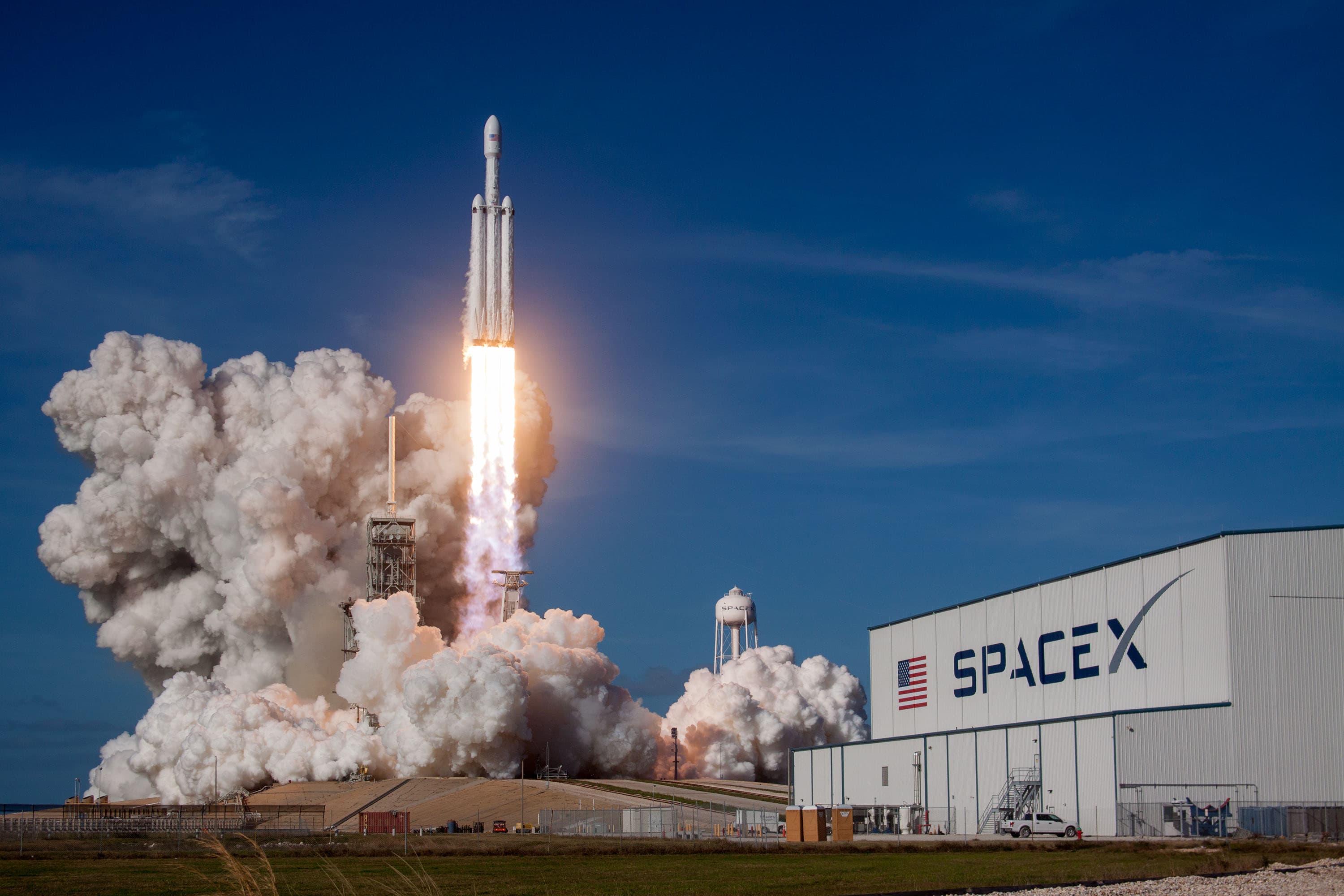
SpaceX
Heavy-lift launch vehicle consisting of a strengthened Falcon 9 core with two additional boosters.
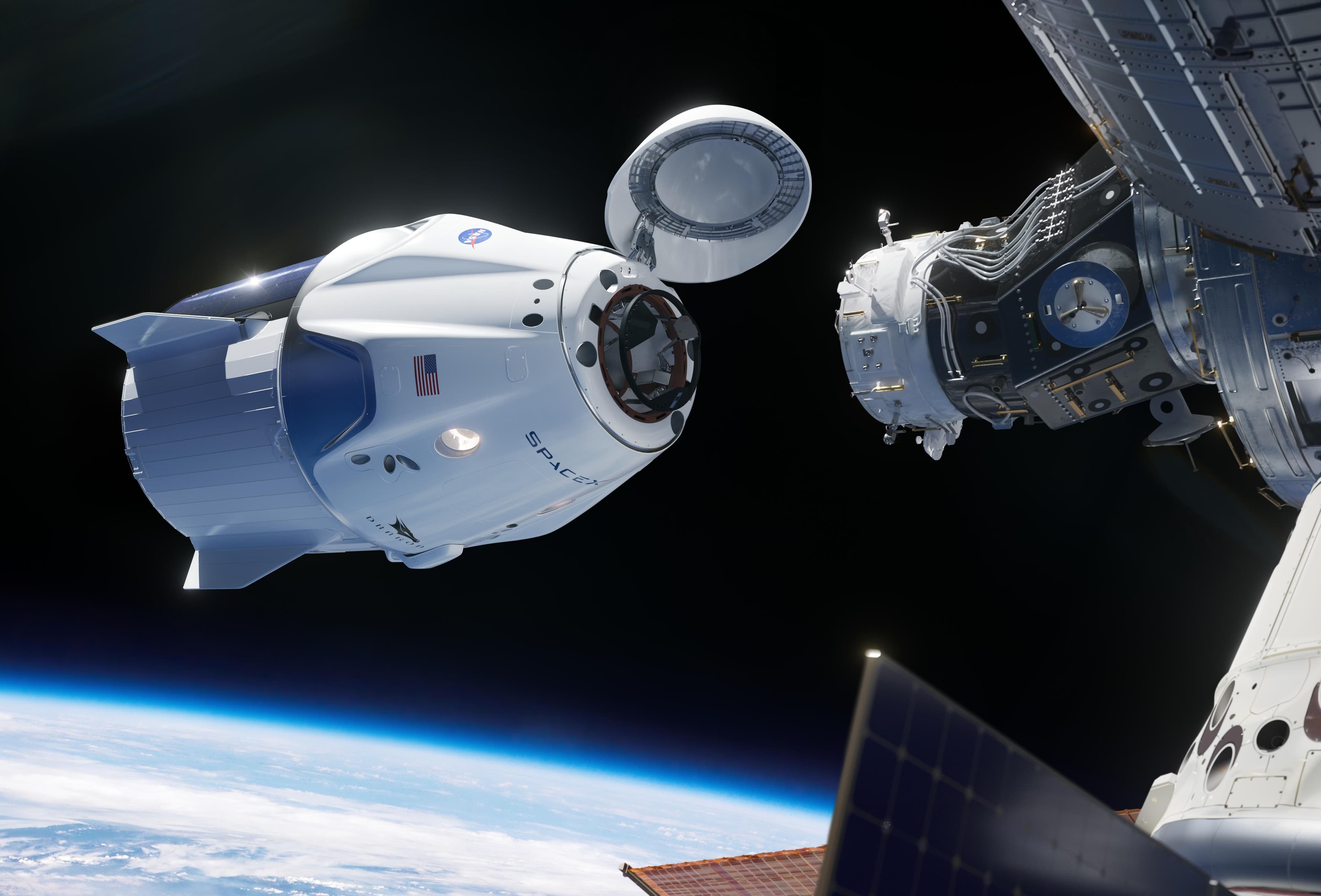
SpaceX
Reusable spacecraft for cargo and crew transport to the International Space Station.
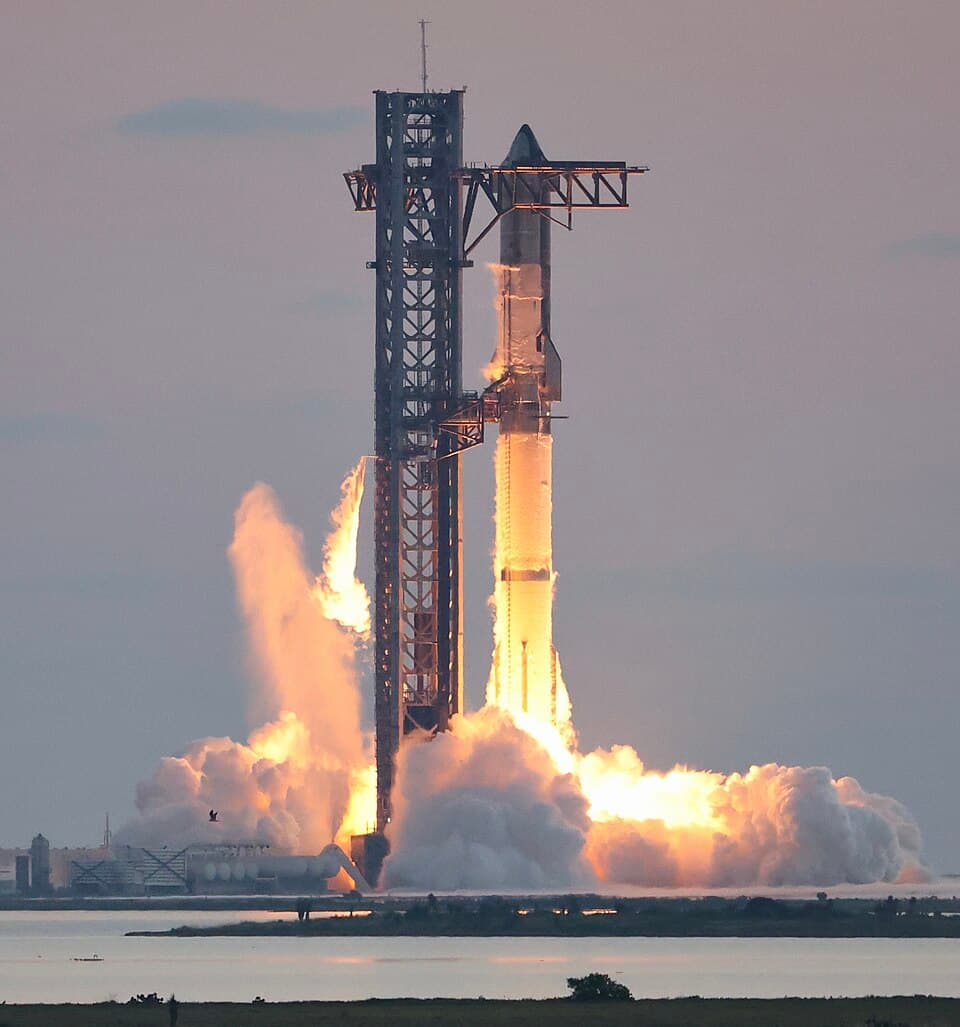
SpaceX
Fully reusable super-heavy-lift launch system designed for missions to the Moon, Mars, and beyond. V3 (Block 3) variant with Raptor 3 engines is the production version.