Active
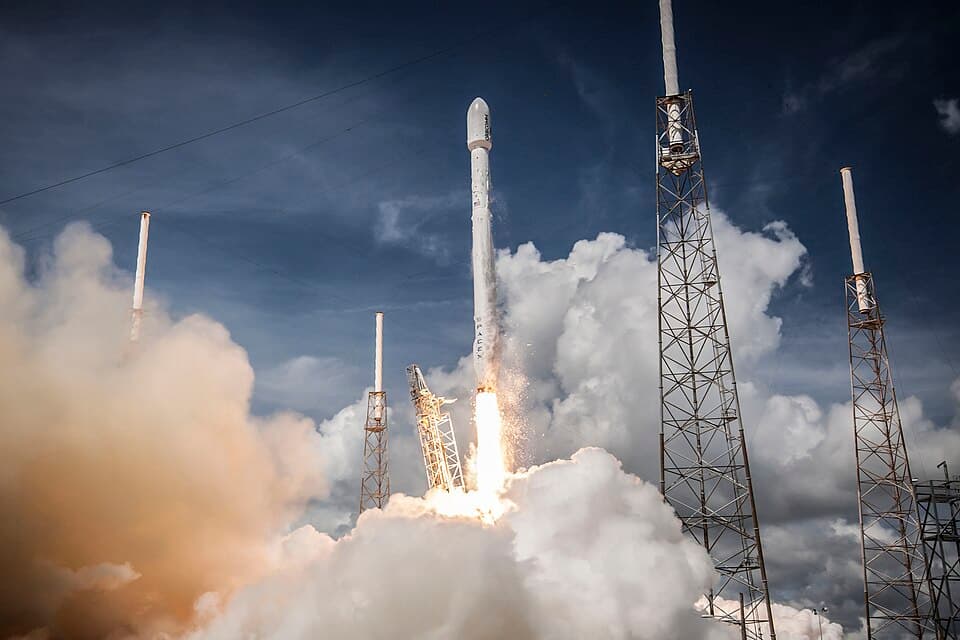
Falcon 9
Partially reusable two-stage medium-lift launch vehicle. The world's most frequently launched orbital rocket.
 SpaceX
Active
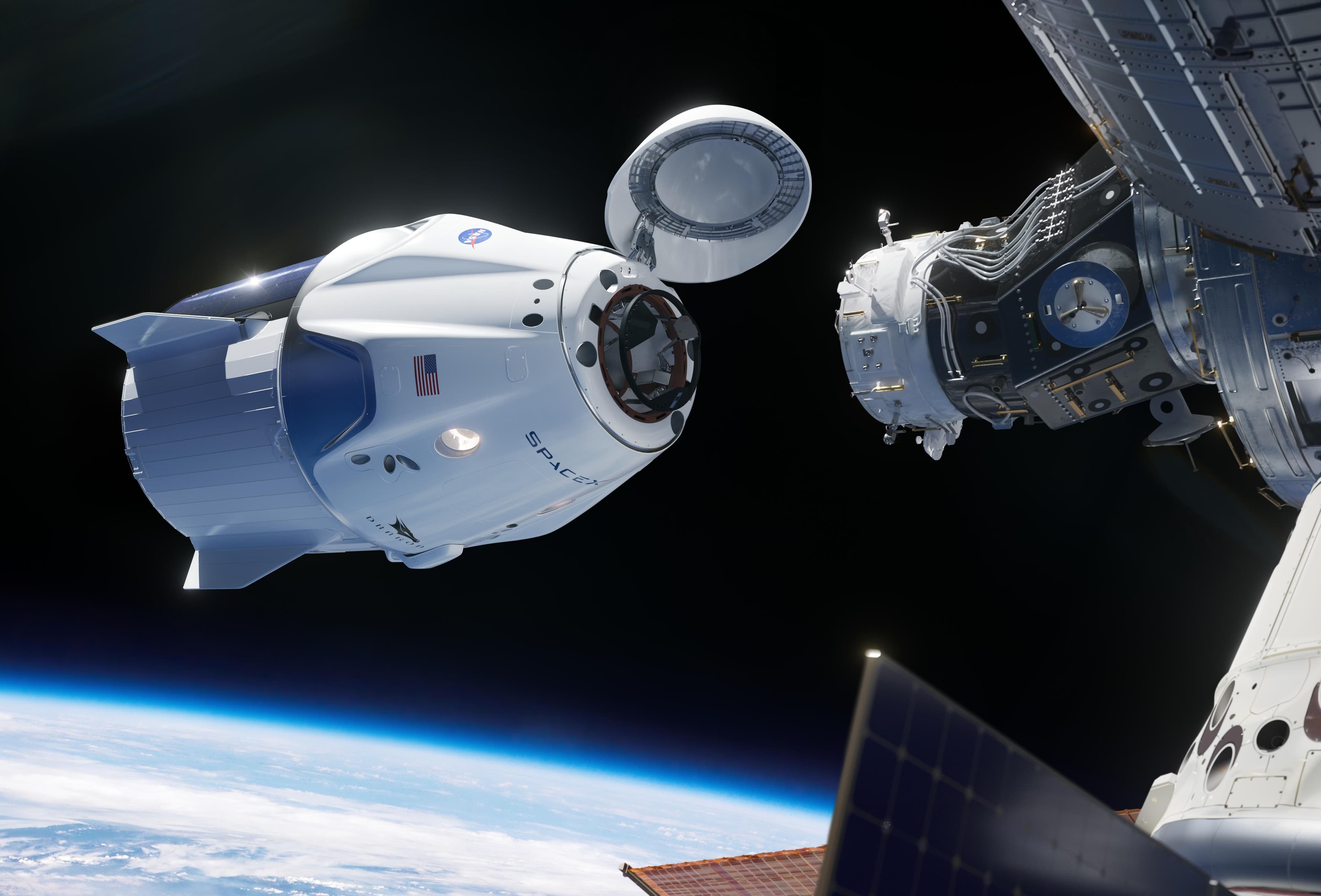
Reusable spacecraft for cargo and crew transport to the International Space Station.
Latest update Sep 24, 2026
01
Cargo missions since 2012 and crew missions since 2020. SpaceX's launches page now lists Crew-13 for October 1, 2026 at 11:10 ET from SLC-40, the first posted clock after the August 29 oxidizer-leak slip from September 12.
02
03
Announced next steps from SpaceX that mention Dragon.
Early October 2026
TargetEarly October 2026 (NASA/SpaceX targeting that window; official date not yet posted)
NASA had moved up SpaceX's Crew-13 mission from a planned November launch to September 12, 2026 to increase ISS crew-rotation cadence, but on August 29, 2026 NASA and SpaceX postponed that date after an oxidizer leak was detected on Dragon's propulsion system during standard prelaunch processing. On September 16, 2026 NASA's ISS account said SpaceX had replaced the oxidizer valve and that NASA and SpaceX are now targeting as soon as early October to finish prelaunch work, readiness reviews and ISS coordination. On September 17 the four-person crew - NASA's Jessica Watkins (commander) and Luke Delaney (pilot), CSA's Joshua Kutryk, and Roscosmos's Sergey Teteryatnikov - entered prelaunch quarantine at Johnson Space Center. No specific launch date has been posted. The Dragon flight will lift off on a Falcon 9 from Kennedy Space Center, continuing the Commercial Crew Program's regular ISS rotations.
04
NASA said SpaceX's CRS-35 Cargo Dragon docked to the Harmony module's space-facing port at 10:27 a.m. EDT on Oct. 15, carrying more than 6,300 pounds of cargo and the station's final pair of roll-out solar arrays. SpaceX's mission page gives the same docking time after the Oct. 13 launch at 6:33 a.m. EDT. NASA said the arrays will be installed later this fall and that Dragon is scheduled to stay until mid-November.
SpaceX launched NASA's 35th cargo resupply mission at 6:33 a.m. EDT on Oct. 13 from SLC-40, carrying more than 6,300 pounds of supplies, science, and the final pair of ISS Roll-Out Solar Arrays. Falcon 9 booster B1096 landed at Landing Zone 40 on its eighth flight. Cargo Dragon is scheduled to dock to the Harmony space-facing port at 11 a.m. EDT on Oct. 15.
NASA said SpaceX Crew-12 Dragon Freedom splashed down at 8:34 a.m. PDT on Oct. 8, 2026 in the Pacific off Los Angeles, returning Jessica Meir, Jack Hathaway, ESA astronaut Sophie Adenot, and Roscosmos cosmonaut Andrey Fedyaev. NASA put the ISS stay at 237 days, more than 100 million miles, and more than 3,792 orbits after a Feb. 13 launch. SpaceX recovery teams retrieved the spacecraft; NASA set a crew news conference for Oct. 15 at Johnson Space Center. NBC Los Angeles independently reported splashdown about 8:35 a.m. PT. NASA news-release pages timed out on direct fetch; facts follow NASA search retrieval plus the opened NBC report.
SpaceX Dragon Grace docked to the ISS Harmony module's forward port at 7:05 p.m. EDT on Oct. 1, 2026, 7 hours and 55 minutes after Crew-13's 11:10 a.m. EDT launch. NASA called it the fastest launch-to-docking of a U.S. spacecraft in ISS history. The crew is NASA astronauts Jessica Watkins and Luke Delaney, CSA astronaut Joshua Kutryk and Roscosmos cosmonaut Sergey Teteryatnikov; Space.com said they will stay about six months and that Crew-12 could return as soon as Oct. 5.
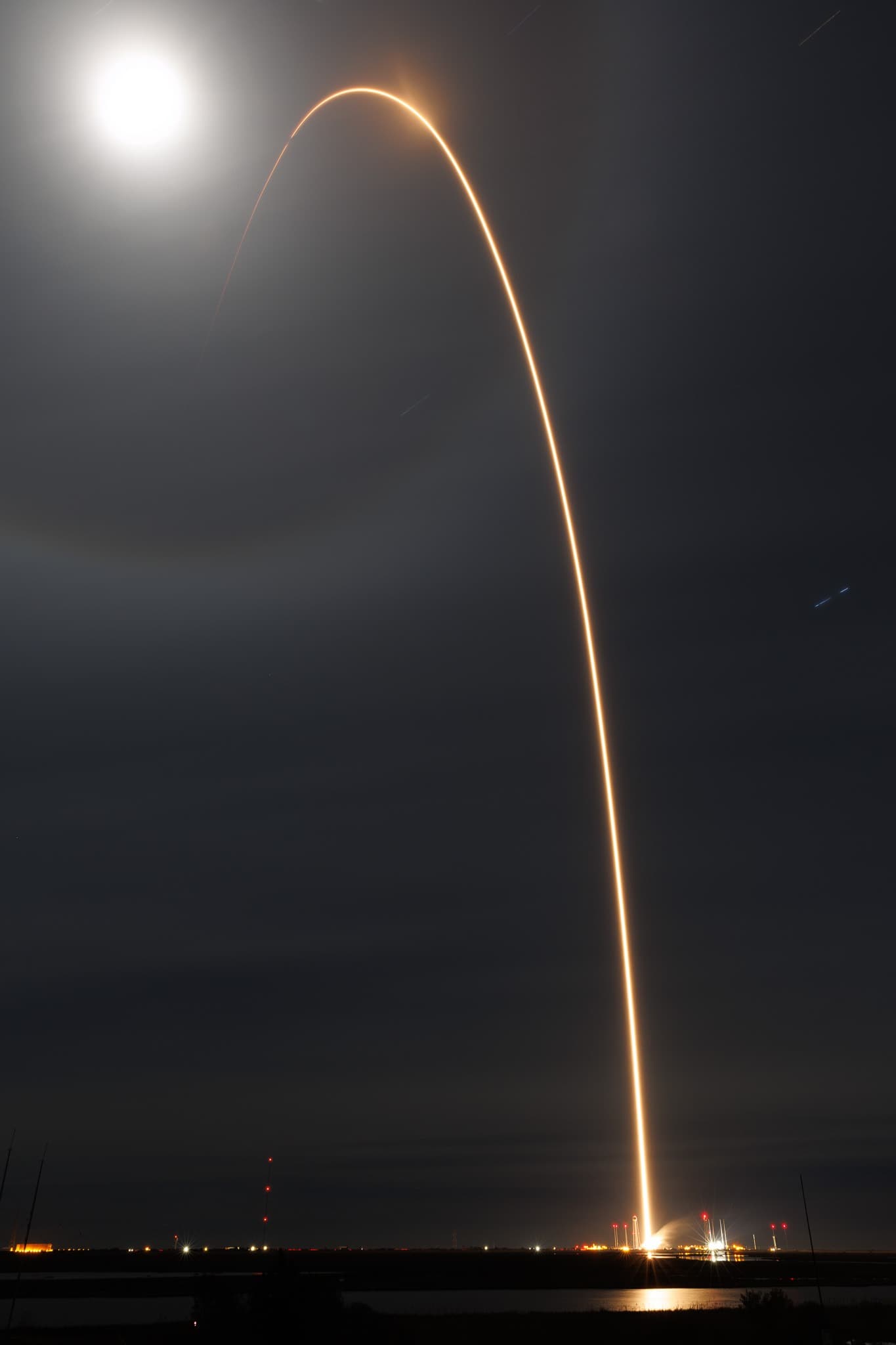
A Falcon 9 lifted off at 11:10 a.m. EDT on Oct. 1 from SLC-40 at Cape Canaveral, carrying NASA astronauts Jessica Watkins and Luke Delaney, CSA astronaut Joshua Kutryk and Roscosmos cosmonaut Sergey Teteryatnikov toward the International Space Station aboard Dragon Grace. NASA said the spacecraft reached orbit, separated from the second stage and opened its nosecone, with docking at Harmony's space-facing port targeted for 7 p.m. EDT as the fastest launch-to-docking in ISS history. Space.com reported booster B1101 landed at Landing Zone 40 about 7 minutes 40 seconds after liftoff on its third flight; docking had not occurred at the time of this report.
NASA and SpaceX postponed the Crew-13 launch to the International Space Station after an oxidizer leak was found on Dragon's propulsion system during standard prelaunch processing. The mission had been targeted for September 12, 2026 from Cape Canaveral's Space Launch Complex 40, carrying NASA's Jessica Watkins and Luke Delaney, CSA's Joshua Kutryk and Roscosmos's Sergey Teteryatnikov. Joint teams are running extra tests and data review, and a new target date will be set once any needed rework is done.
05
Partially reusable two-stage medium-lift launch vehicle. The world's most frequently launched orbital rocket.
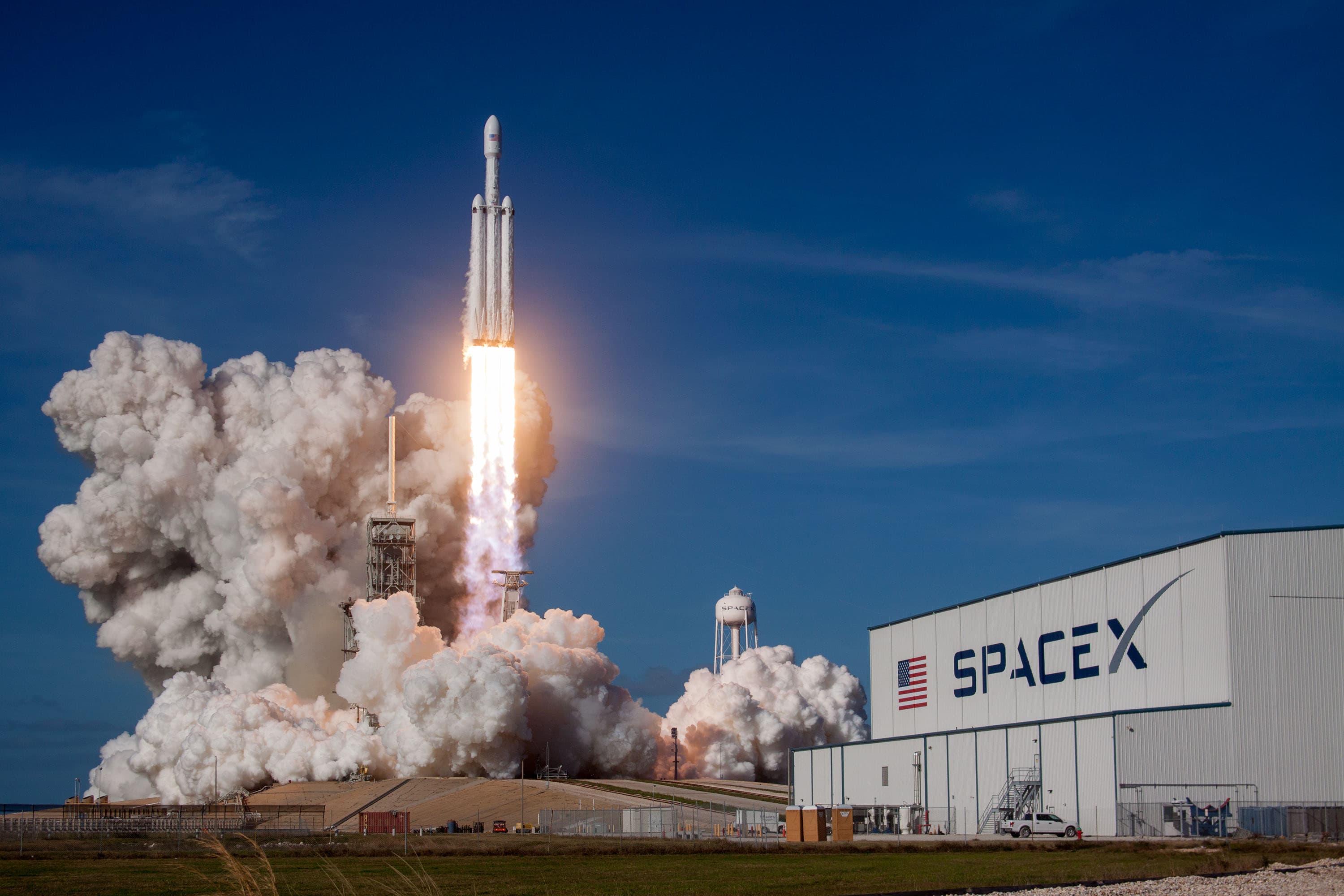
Heavy-lift launch vehicle consisting of a strengthened Falcon 9 core with two additional boosters.
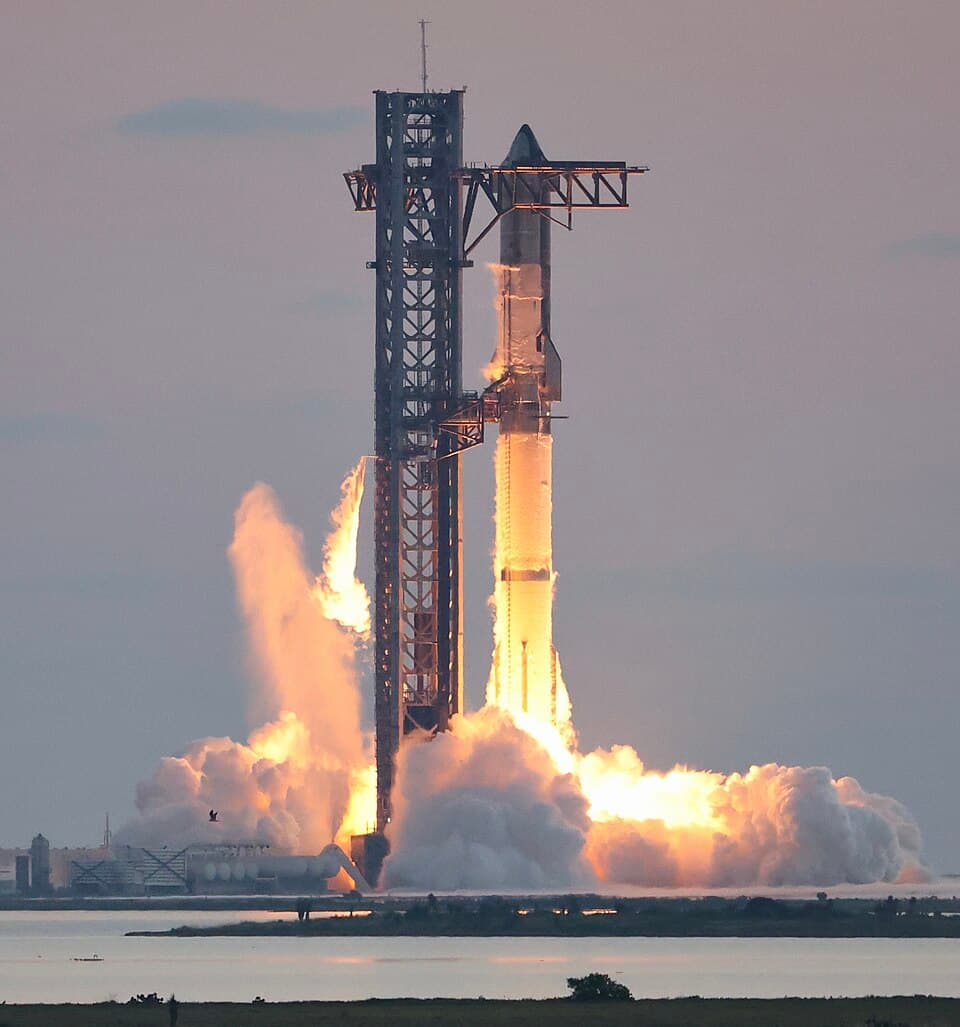
Fully reusable super-heavy-lift launch system designed for missions to the Moon, Mars, and beyond. V3 (Block 3) variant with Raptor 3 engines is the production version.
Government-focused satellite line built on SpaceX launch systems and Starlink platform technology for secure communications and other national-security missions.
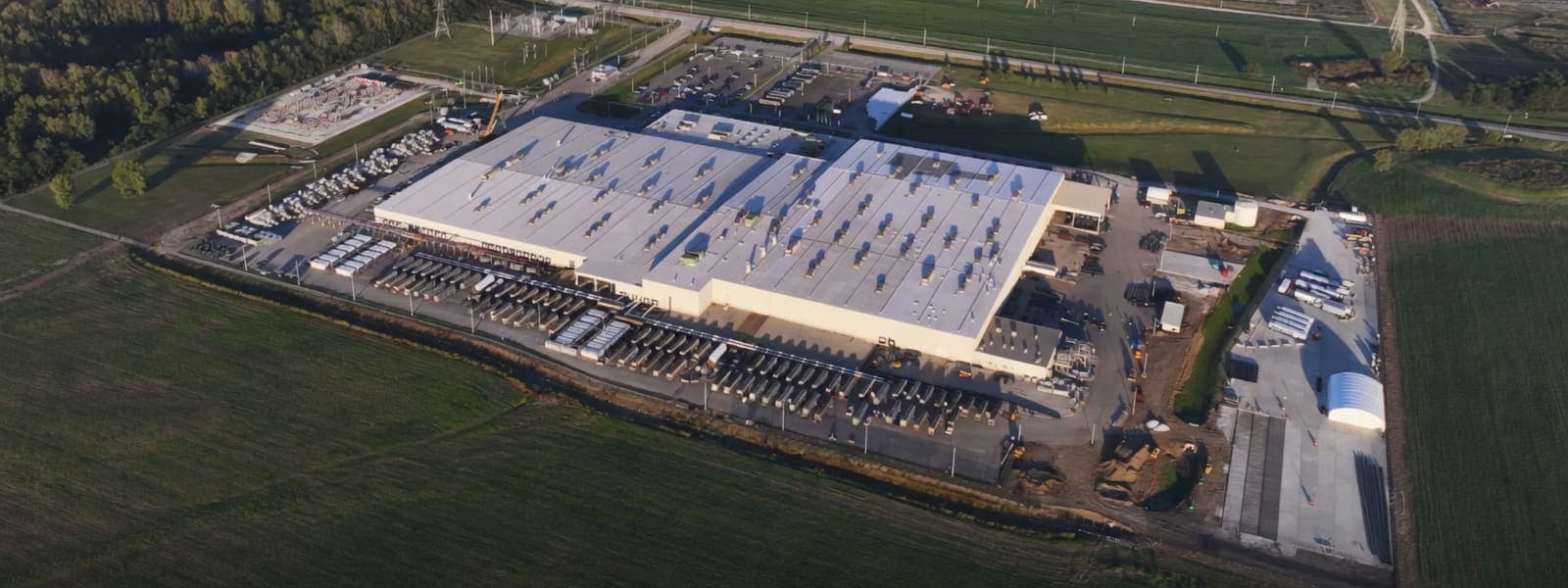
AI supercomputer in Memphis, Tennessee acquired in the February 2026 xAI merger. Sold as multi-year compute capacity to external AI customers, with disclosed contracts to Anthropic and Google.
Disk-shaped, uncrewed reentry capsule for returning cargo - such as pharmaceuticals and other orbital-manufacturing output - from low Earth orbit to Earth. SpaceX's entry into the commercial cargo-return market, competing with players like Varda Space Industries.
06
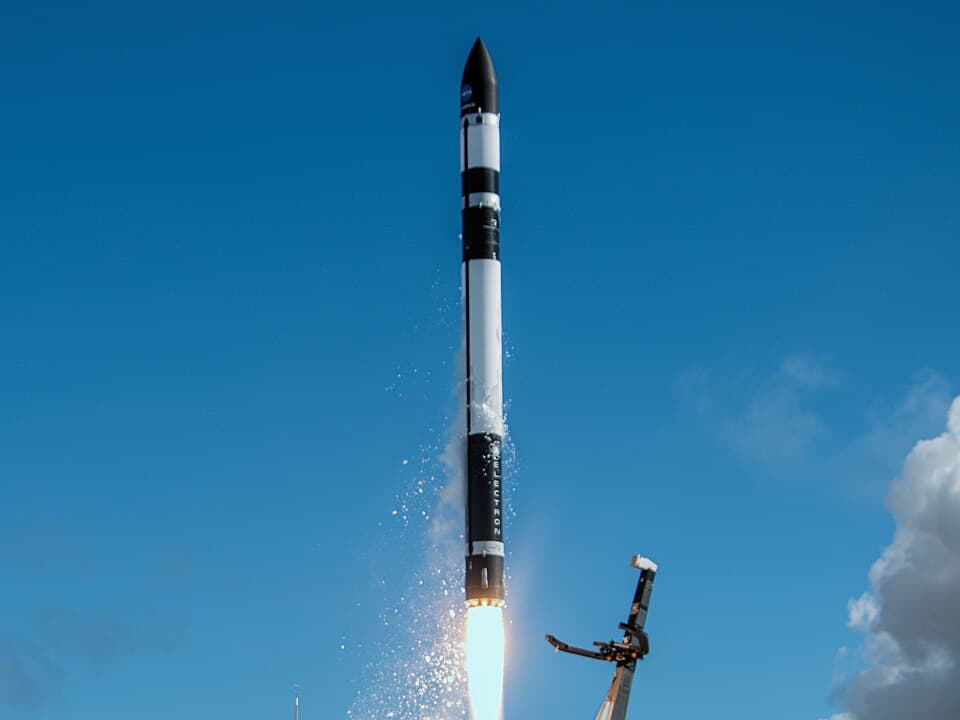
Rocket Lab
Small-lift, two-stage orbital launch vehicle for dedicated and rideshare small-satellite missions.
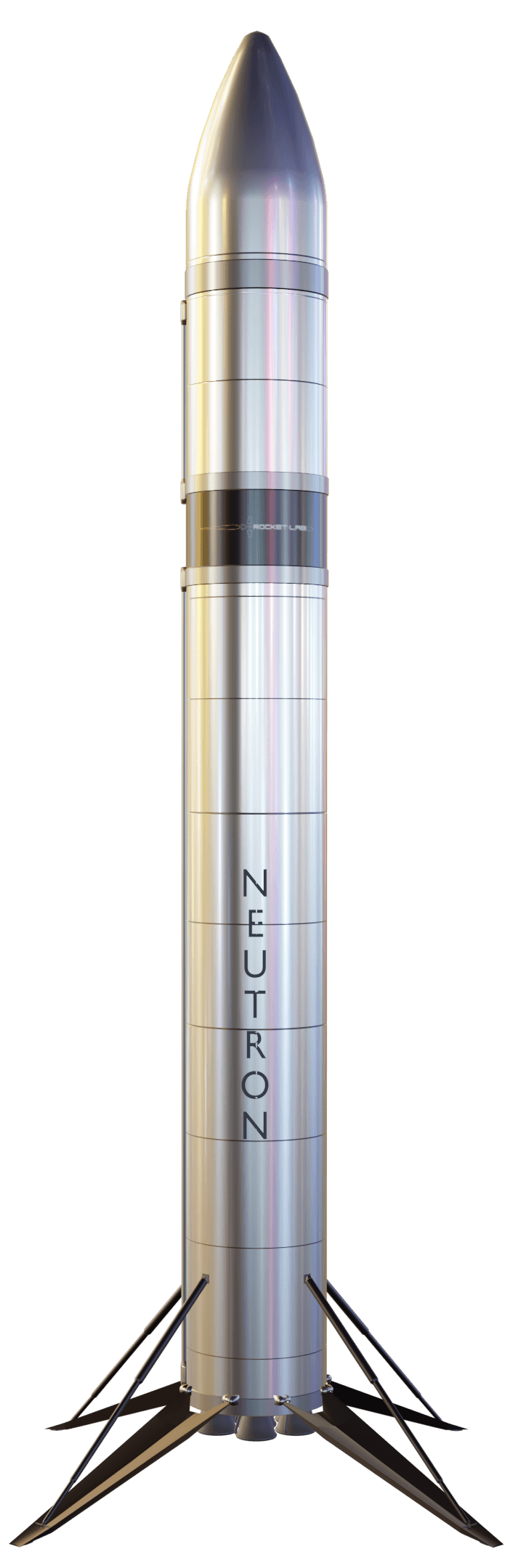
Rocket Lab
Medium-lift reusable rocket under development for mega-constellation deployment, national-security, and human spaceflight.
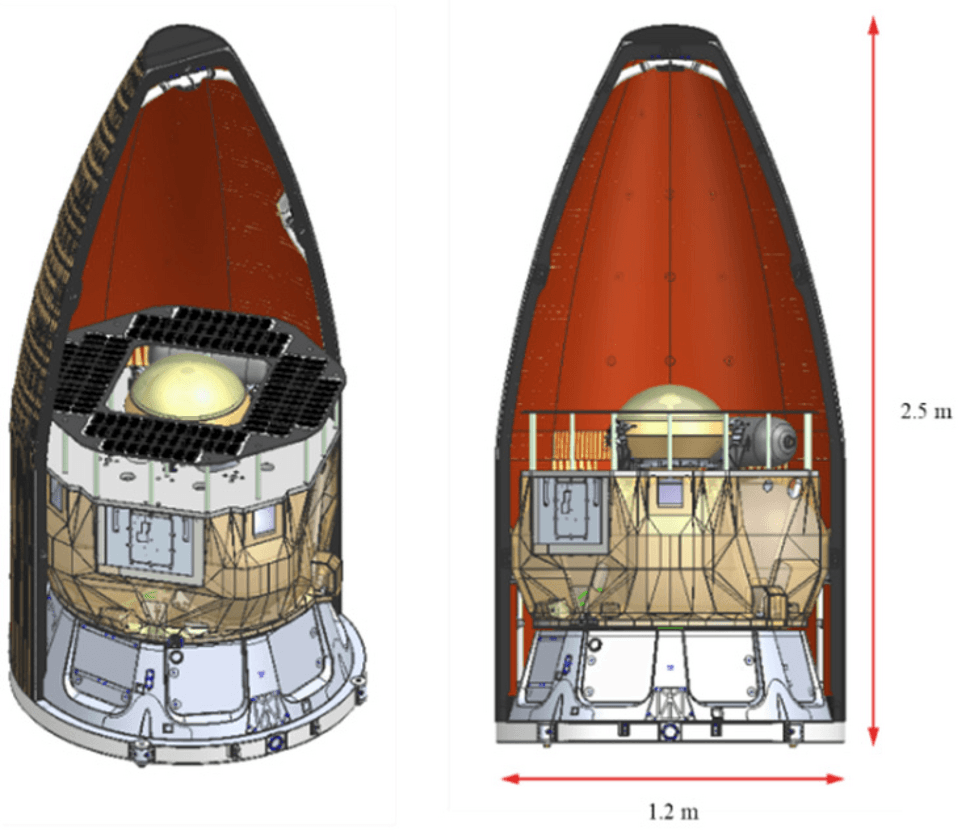
Rocket Lab
Versatile satellite bus and spacecraft platform for missions to the Moon and beyond.
Rocket Lab
Suborbital launch vehicle derived from Electron, designed for hypersonic testing and defense applications.