Active
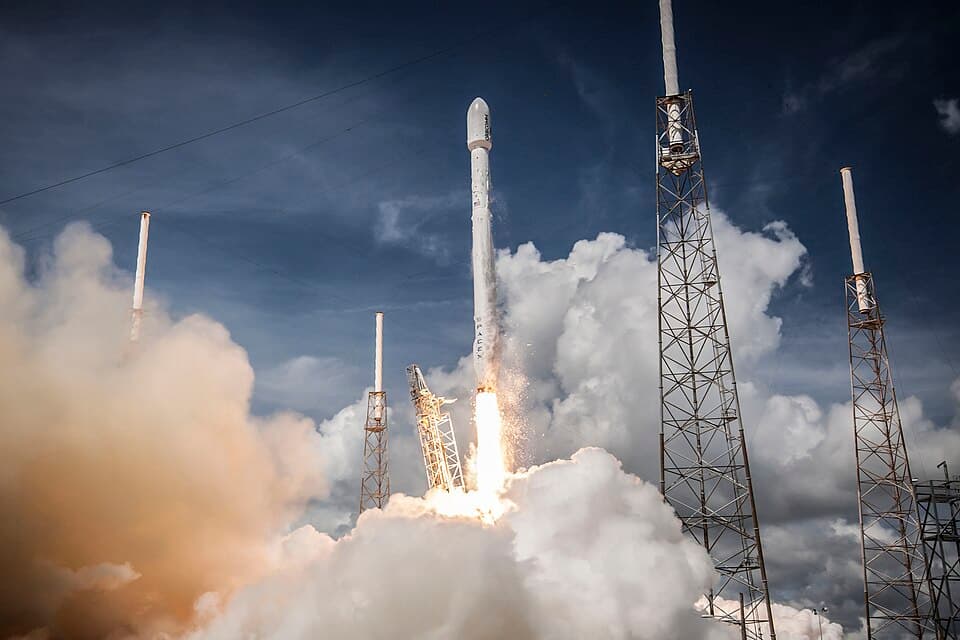
Falcon 9
Partially reusable two-stage medium-lift launch vehicle. The world's most frequently launched orbital rocket.
 SpaceX
Active
Government-focused satellite line built on SpaceX launch systems and Starlink platform technology for secure communications and other national-security missions.
Latest update Sep 13, 2026
01
Active government business line for secure mission sets. The UK became the first country outside the United States to publicly acknowledge buying Starshield after a September 2026 MoD FOI listed about 1,000 Starshield terminals and 13 million pounds spent, with Starshield airtime first bought for Starlink terminals in 2024.
02
03
Britain is the first country outside the United States to publicly acknowledge buying SpaceX's classified Starshield service, after a Ministry of Defence FOI response showed roughly 1,000 Starshield terminals and 500 Starlink terminals in inventory. Reuters reported about 13 million pounds ($17.6 million) spent on Starshield and 16.5 million pounds on Starlink, or nearly $40 million combined, with Starshield airtime first bought for Starlink terminals in 2024 and dedicated Starshield hardware arriving last year. SpaceX did not comment; New Zealand is trialling Starshield.
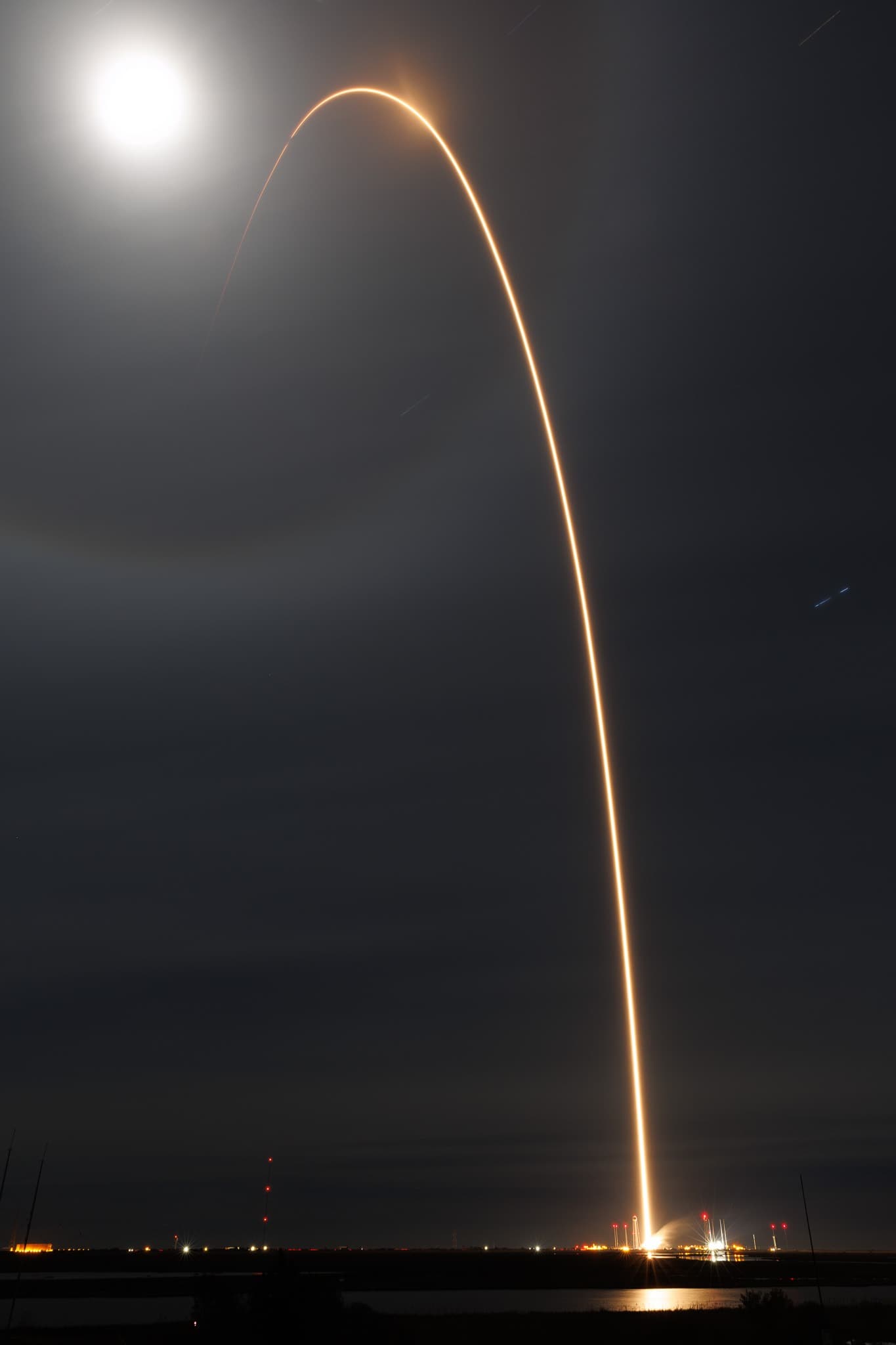
A SpaceX Falcon 9 lifted off from Space Launch Complex 4E at Vandenberg Space Force Base at 1:50 a.m. PDT on June 19, carrying a classified batch of satellites for the U.S. National Reconnaissance Office on the NROL-179 mission - the 14th flight building out the NRO's proliferated low-Earth-orbit architecture. The spacecraft are widely believed to be Starshield, a government-specific derivative of Starlink. The rocket's first stage landed back at Vandenberg's Landing Zone 4 on its third flight, in what was SpaceX's 71st Falcon 9 mission of 2026.
04
Partially reusable two-stage medium-lift launch vehicle. The world's most frequently launched orbital rocket.
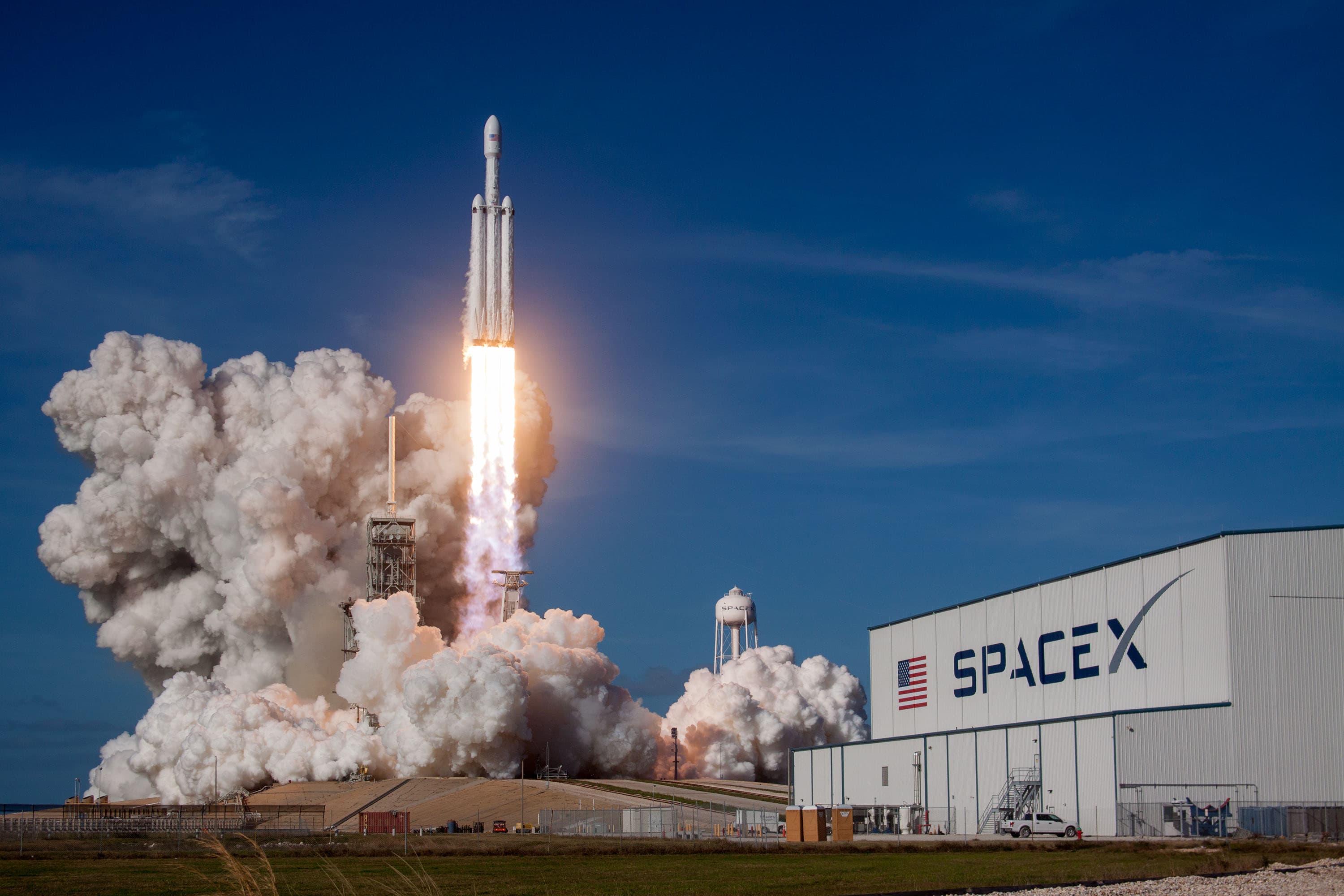
Heavy-lift launch vehicle consisting of a strengthened Falcon 9 core with two additional boosters.
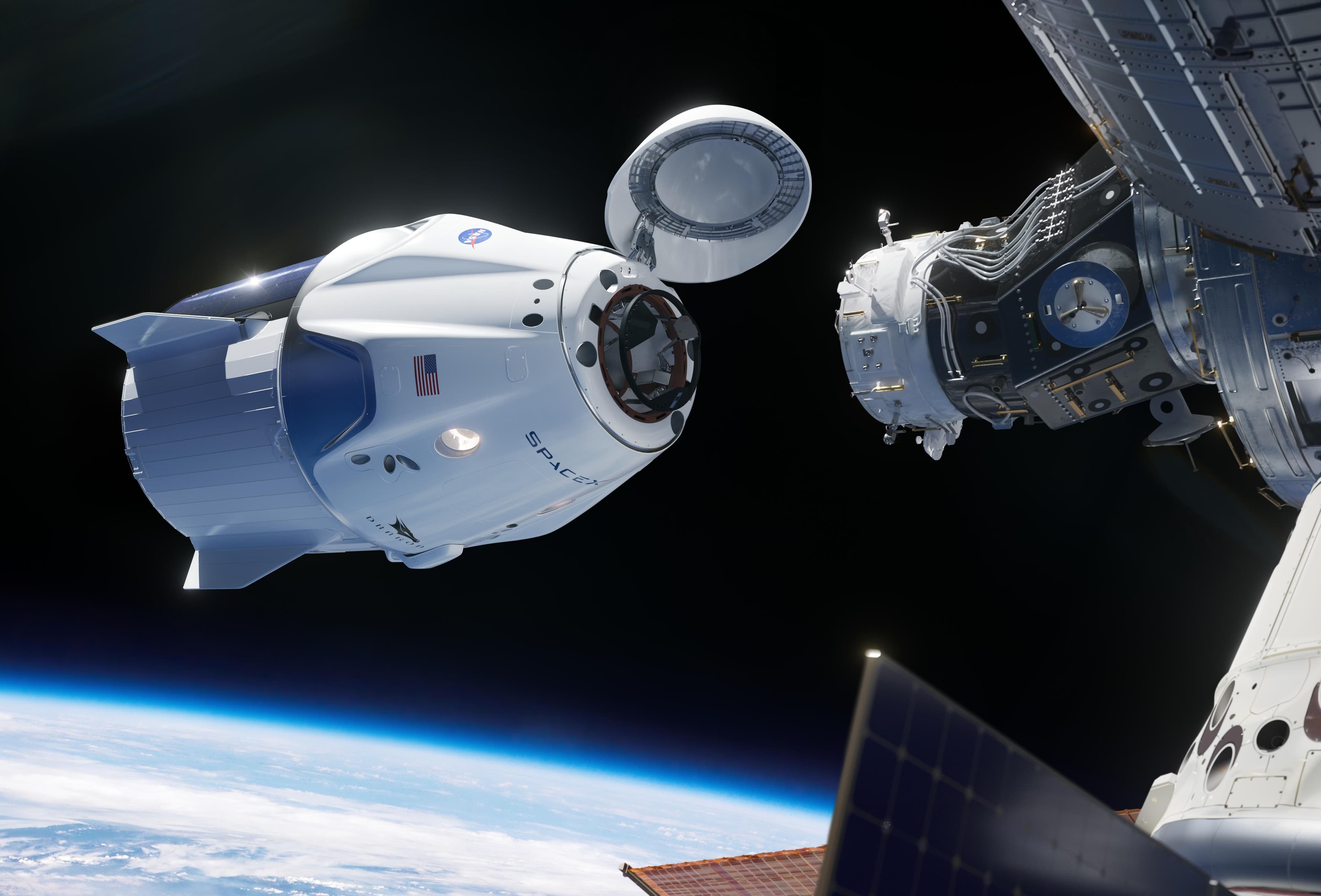
Reusable spacecraft for cargo and crew transport to the International Space Station.
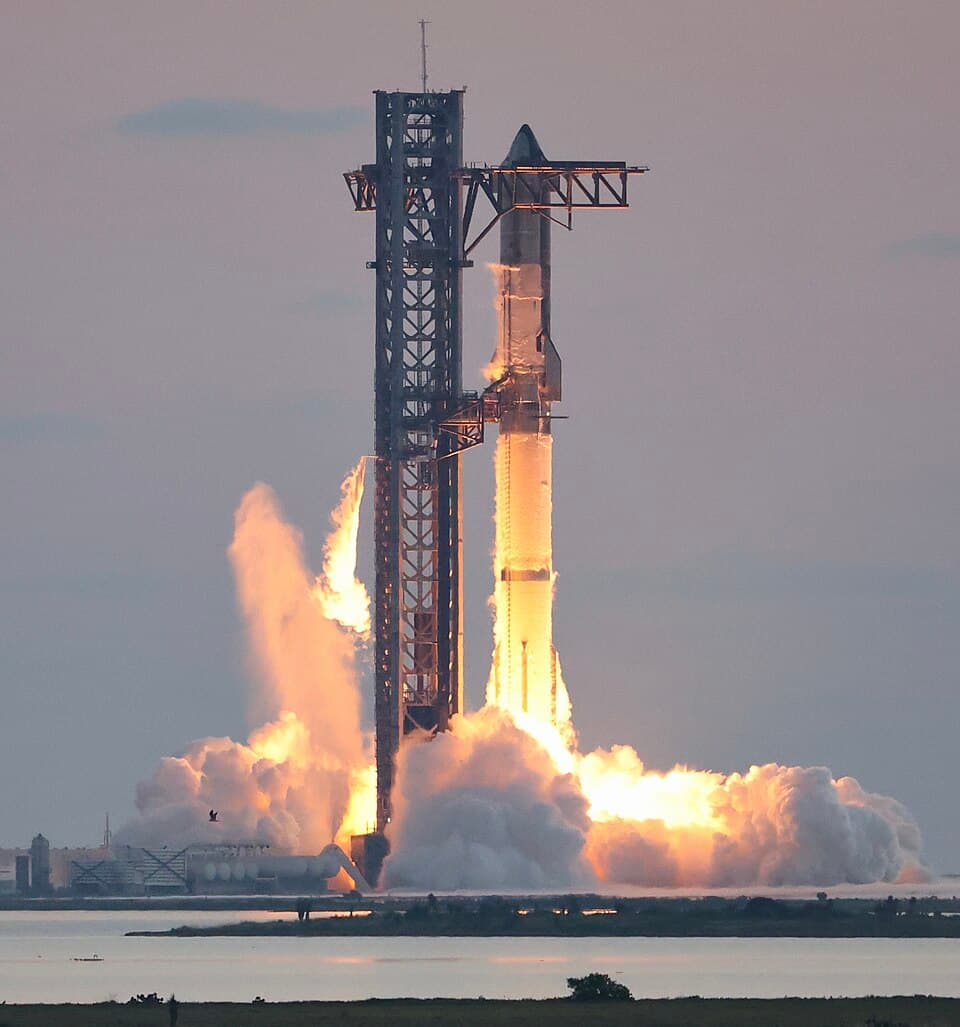
Fully reusable super-heavy-lift launch system designed for missions to the Moon, Mars, and beyond. V3 (Block 3) variant with Raptor 3 engines is the production version.
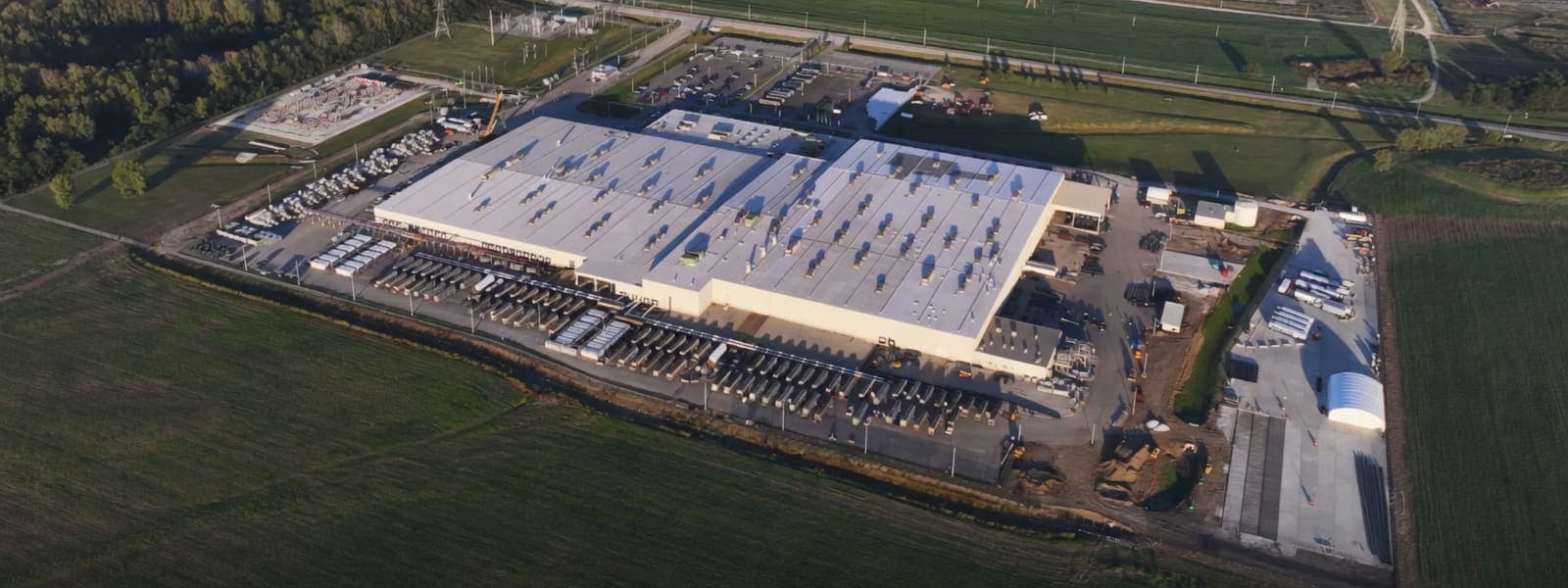
AI supercomputer in Memphis, Tennessee acquired in the February 2026 xAI merger. Sold as multi-year compute capacity to external AI customers, with disclosed contracts to Anthropic and Google.
Disk-shaped, uncrewed reentry capsule for returning cargo - such as pharmaceuticals and other orbital-manufacturing output - from low Earth orbit to Earth. SpaceX's entry into the commercial cargo-return market, competing with players like Varda Space Industries.
05
Rocket Lab
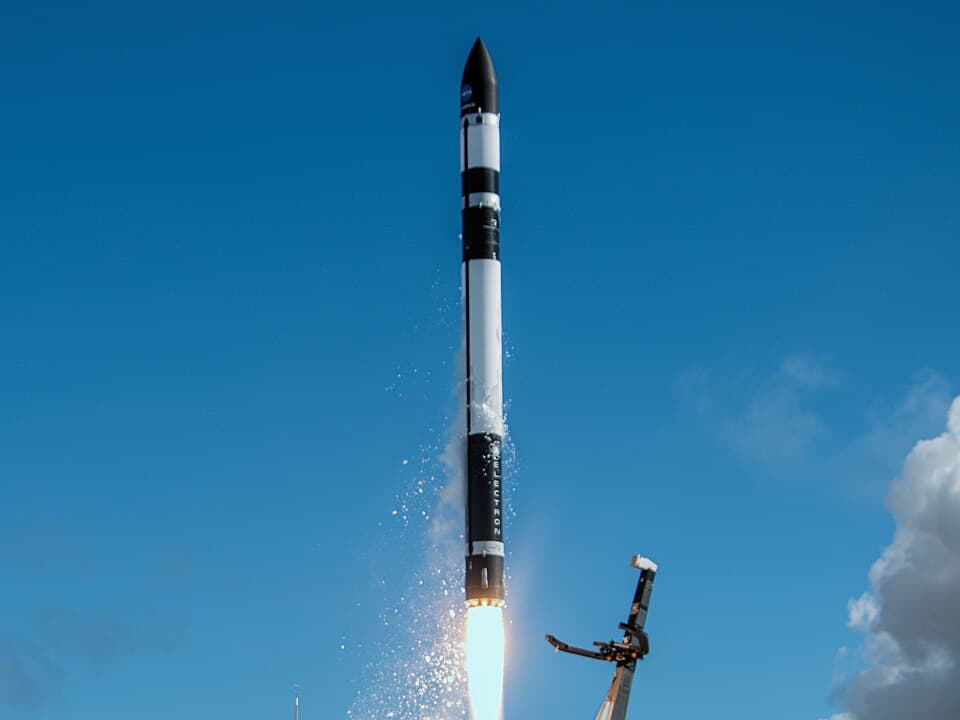
Small-lift, two-stage orbital launch vehicle for dedicated and rideshare small-satellite missions.
Rocket Lab
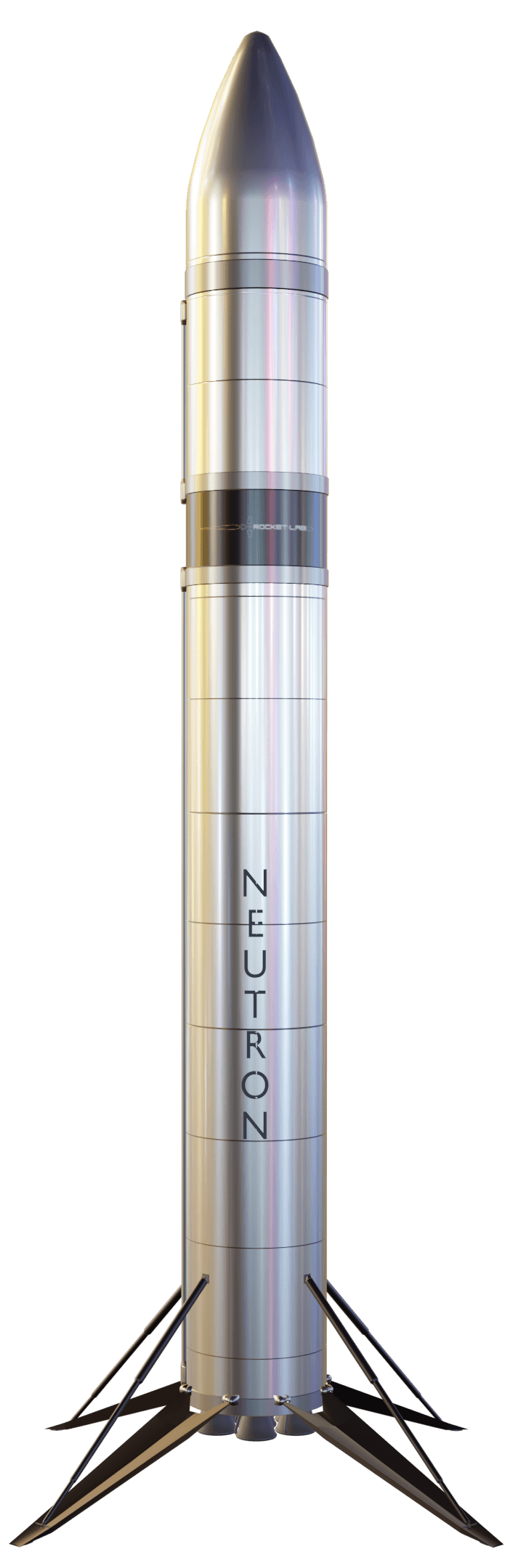
Medium-lift reusable rocket under development for mega-constellation deployment, national-security, and human spaceflight.
Rocket Lab
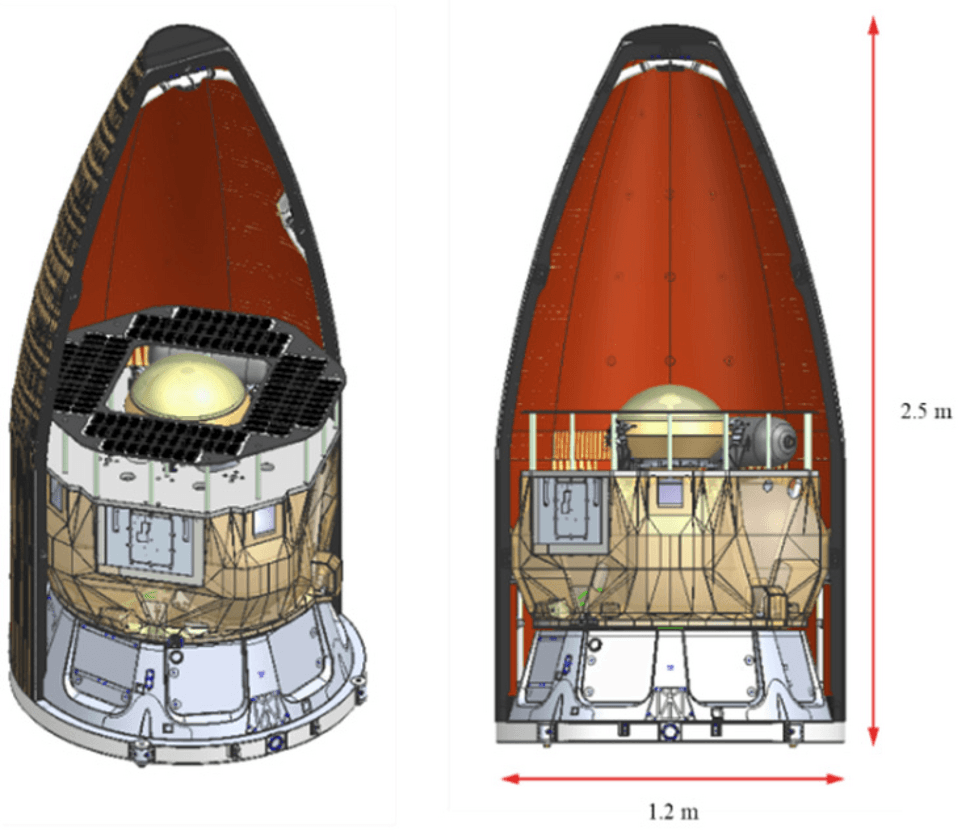
Versatile satellite bus and spacecraft platform for missions to the Moon and beyond.
Rocket Lab
Suborbital launch vehicle derived from Electron, designed for hypersonic testing and defense applications.