Active
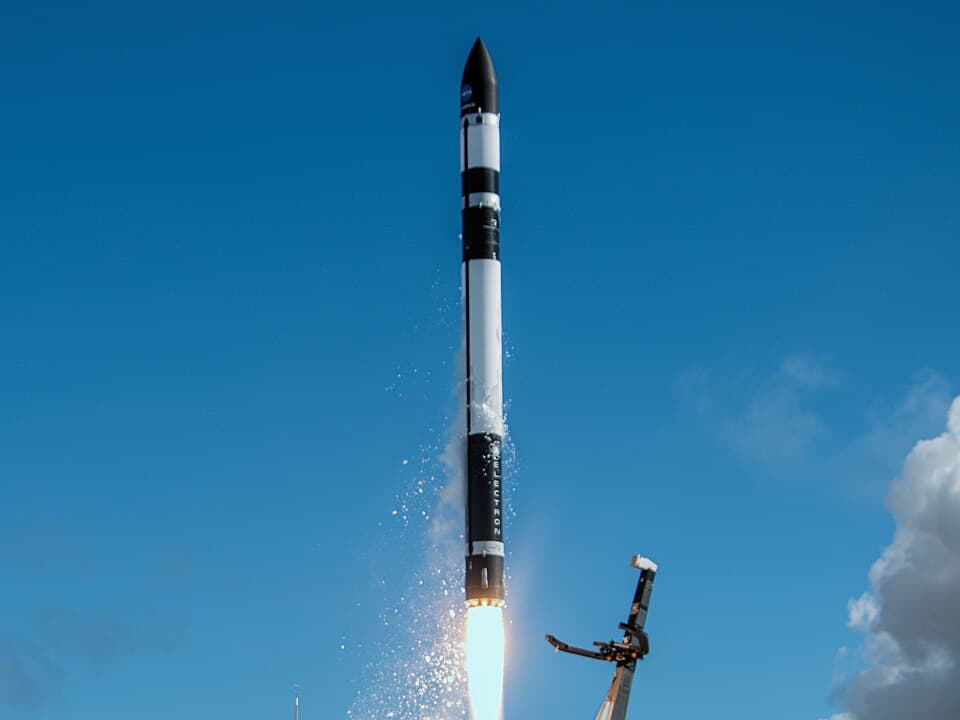
Electron
Small-lift, two-stage orbital launch vehicle for dedicated and rideshare small-satellite missions.
 Rocket Lab
In Development
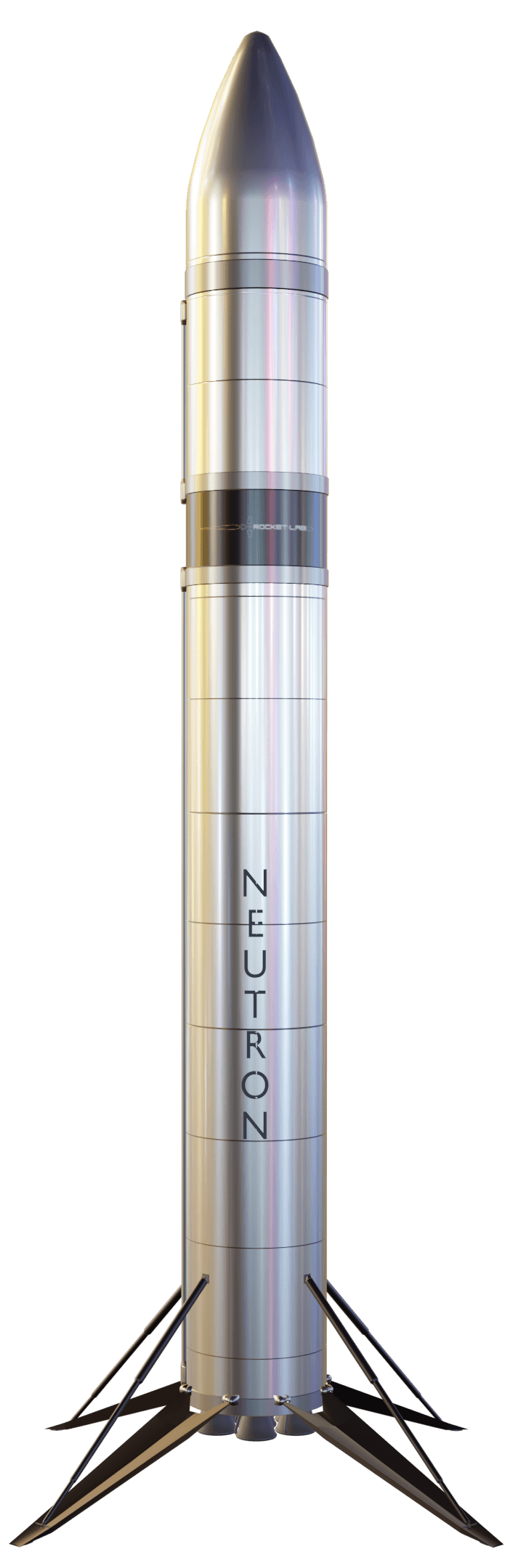
Medium-lift reusable rocket under development for mega-constellation deployment, national-security, and human spaceflight.
Latest update Sep 11, 2026
01
The live Q4 2026 milestone is delivery of Neutron to Launch Complex 3 at Wallops, not a firm liftoff date. September 2026 coverage of the August 10 earnings update still treats pad delivery as on track and the maiden flight as at risk of slipping into 2027. As of the week of August 23, 2026, Archimedes has logged 400+ hot-fire tests and the full 9-engine flight set has entered production; Stage 1 is in final assembly and Stage 2 is completing fluids and avionics integration ahead of shipping to Wallops. FAA launch permits remain filed (window July 1-Dec 31, 2026). Eight Neutron launches were on backlog as of Q1 2026, plus a dedicated Kepler Communications mission and the Space Force's Flatellite SB-AMTI payload signed since.
02
03
Announced next steps from Rocket Lab that mention Neutron.
2026
TargetQ4 2026 pad delivery; first launch at risk of slipping to 2027
Fly Neutron's maiden mission from Wallops. As of the week of August 23, 2026, Rocket Lab's Archimedes engines have completed more than 400 hot-fire tests and the full nine-engine flight set has entered production; Stage 1 is in final assembly and Stage 2 is finishing fluids and avionics integration ahead of shipping to Wallops. On its August 10, 2026 Q2 earnings call, Rocket Lab said Stage 1 tank production is aligned with delivering Neutron to the pad in Q4 2026, but putting the vehicle on the pad is not the same as launching it that quarter. September 7-8, 2026 Motley Fool coverage of that same update still treats pad delivery - not liftoff - as the live Q4 milestone, with no firm launch date and a real chance the maiden flight slips into 2027. FAA launch permits remain filed (window July 1-Dec 31, 2026), and Neutron's first contracted payload, the U.S. Space Force's $397M 'Flatellite' SB-AMTI mission awarded August 4, adds schedule pressure.
04
On Oct. 14, 2026 Rocket Lab said Neutron's first launch is now expected in 2027. In a video update the same day, CEO Peter Beck said manufacturing issues in the first-stage forward propellant dome drove the slip, that those defects do not necessarily mean the dome would fail in flight, and that a replacement dome should be built and inspected before the first quarter, with first-stage assembly expected during that quarter. The 8-K does not give a launch month.
Rocket Lab announced on August 10 the formation of Rocket Lab Germany GmbH, a new subsidiary aimed at scaling domestic satellite, payload and component manufacturing plus Electron and Neutron launch services for European government and commercial customers seeking sovereign access to space. The move builds on Rocket Lab's earlier acquisition of Munich-based optical-terminal maker Mynaric AG, as the company pursues a manufacturing hub to serve Europe's growing satellite-constellation demand.
The U.S. Space Force awarded Rocket Lab a $397 million contract on August 4 under the Space-Based Airborne Moving Target Indicator program, with an option for additional units. Rocket Lab will build, launch on its still-unflown Neutron rocket, and operate a constellation of Flatellite satellites carrying sensors to track airborne threats in real time, an end-to-end award spanning spacecraft, launch, and mission operations.
Rocket Lab secured a $266 million firm-fixed-price contract from the U.S. Space Force to conduct 12 suborbital launches, with an option for six more, from the Pacific Spaceport Complex in Alaska by the end of 2028. The work uses Rocket Lab's HASTE (Hypersonic Accelerator Suborbital Test Electron) vehicle, an Electron-derived testbed that requires no Neutron flight, and builds on a $190 million, 20-flight HASTE award in March. Space Systems Command made the award after a competitive acquisition, obligating $112 million in fiscal 2025 funds upfront and adding near-term revenue to a backlog already above $2.2 billion; RKLB shares rose on the news.
Rocket Lab said it completed a full-duration hot fire of the Archimedes Vacuum (AVac) engine that will power Neutron's second stage, a critical propulsion milestone toward the medium-lift rocket's first flight. The test clears a major item on the path to Neutron's debut, which the company continues to target for the fourth quarter of 2026 after tank-rupture and other setbacks pushed the schedule back from an earlier 2026 goal. Rocket Lab's smaller Electron rocket has meanwhile posted a record first half of 2026, driving a rise in launch contracts and revenue.
Rocket Lab's addition to the Nasdaq-100 Index took effect before the market open on Monday, June 22, placing the launch and space-systems company among the 100 largest non-financial firms listed on the Nasdaq. The inclusion, announced June 12, follows record Q1 2026 revenue of $200.3 million and a backlog above $2.2 billion as Rocket Lab builds toward the first flight of its medium-lift Neutron rocket, still targeted for late 2026. CEO Sir Peter Beck called the milestone a reflection of the company's journey 'from a small company with big ambitions to a global space leader.'
Rocket Lab said on June 12 it will be added to the Nasdaq-100 Index before the market open on Monday, June 22, joining the 100 largest non-financial companies listed on the Nasdaq. Founder and CEO Sir Peter Beck called the inclusion a reflection of the company's journey 'from a small company with big ambitions to a global space leader,' capping a 2026 rally that has included its first quarter with revenue above $200 million and a five-launch Neutron deal ahead of the rocket's late-2026 debut. The move makes Rocket Lab one of only a handful of pure-play space companies in a major U.S. large-cap index.
05
Small-lift, two-stage orbital launch vehicle for dedicated and rideshare small-satellite missions.
Versatile satellite bus and spacecraft platform for missions to the Moon and beyond.
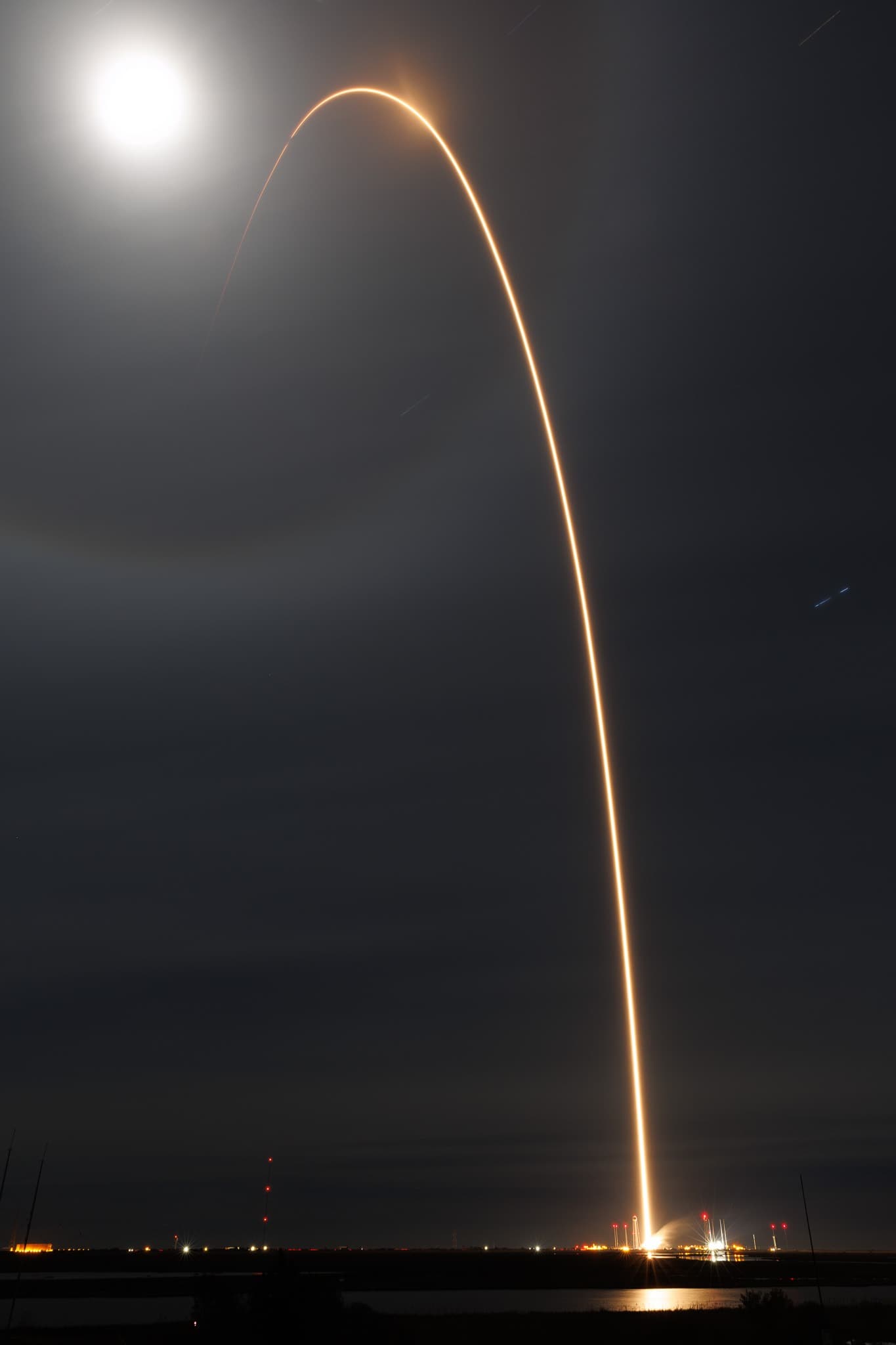
Suborbital launch vehicle derived from Electron, designed for hypersonic testing and defense applications.
Containerized Deployable Launch System that packages a complete rocket, ground infrastructure, and range control equipment inside standard shipping containers, giving Electron and HASTE launch-anywhere, responsive-space capability.
06
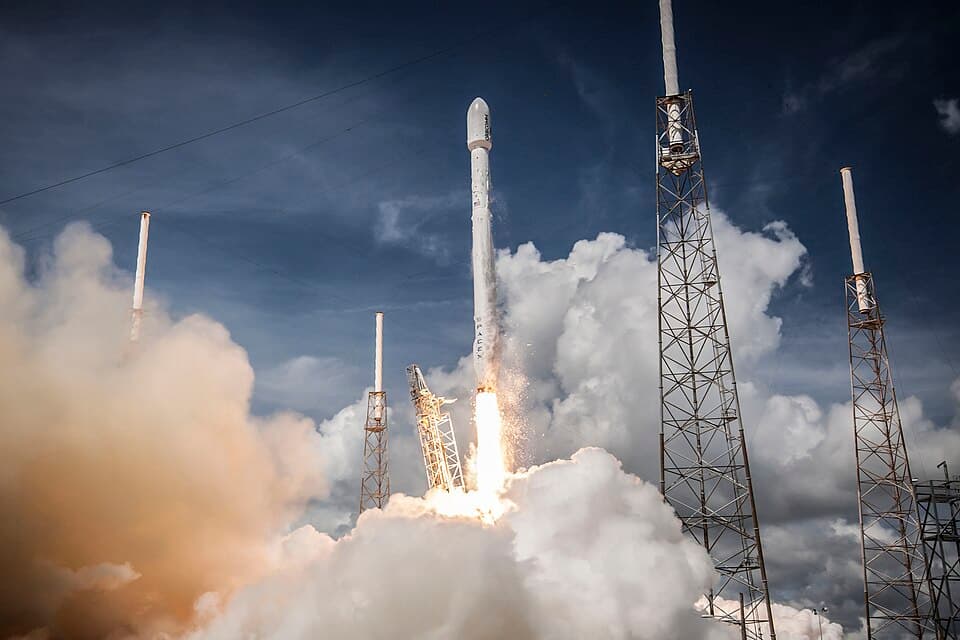
SpaceX
Partially reusable two-stage medium-lift launch vehicle. The world's most frequently launched orbital rocket.
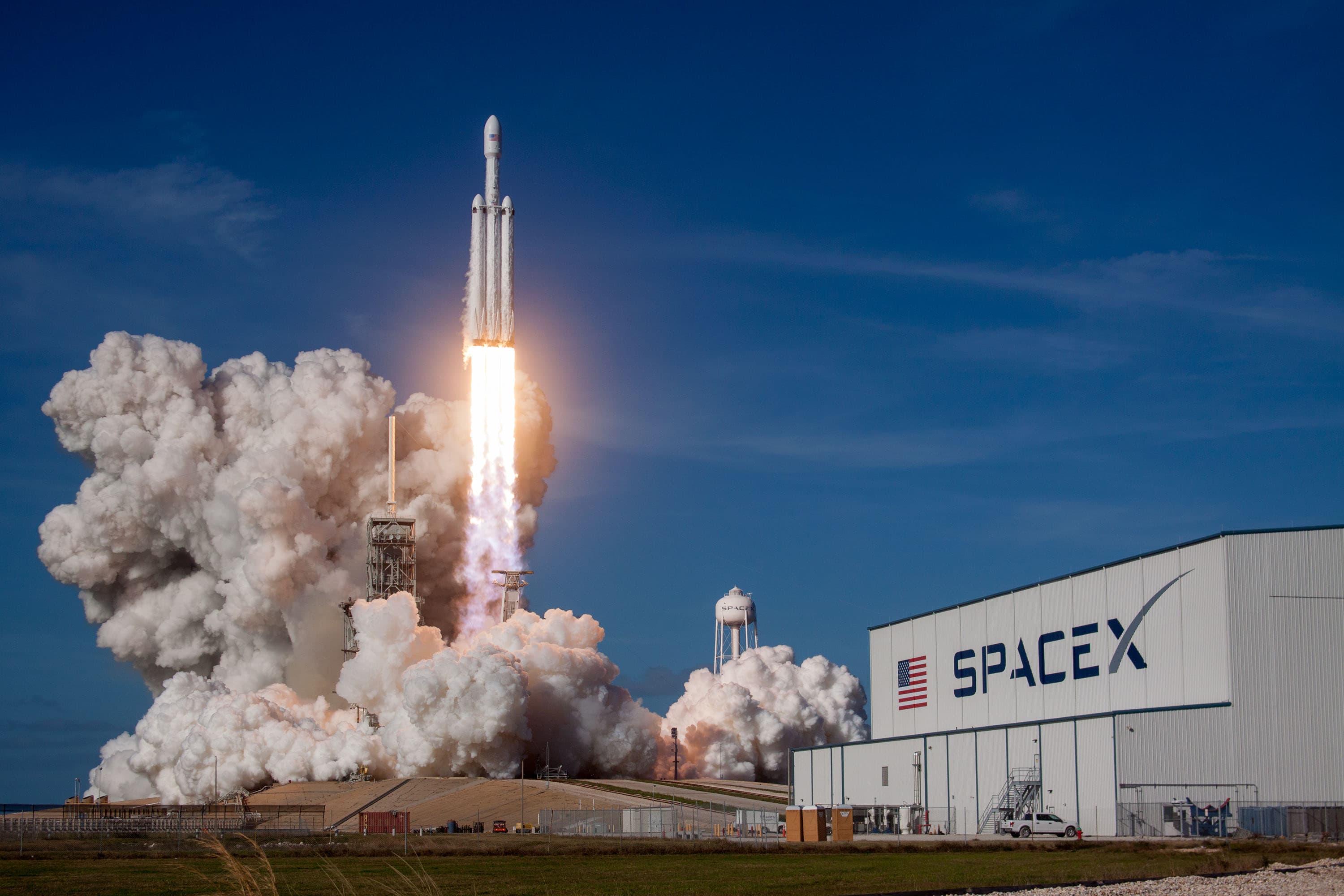
SpaceX
Heavy-lift launch vehicle consisting of a strengthened Falcon 9 core with two additional boosters.
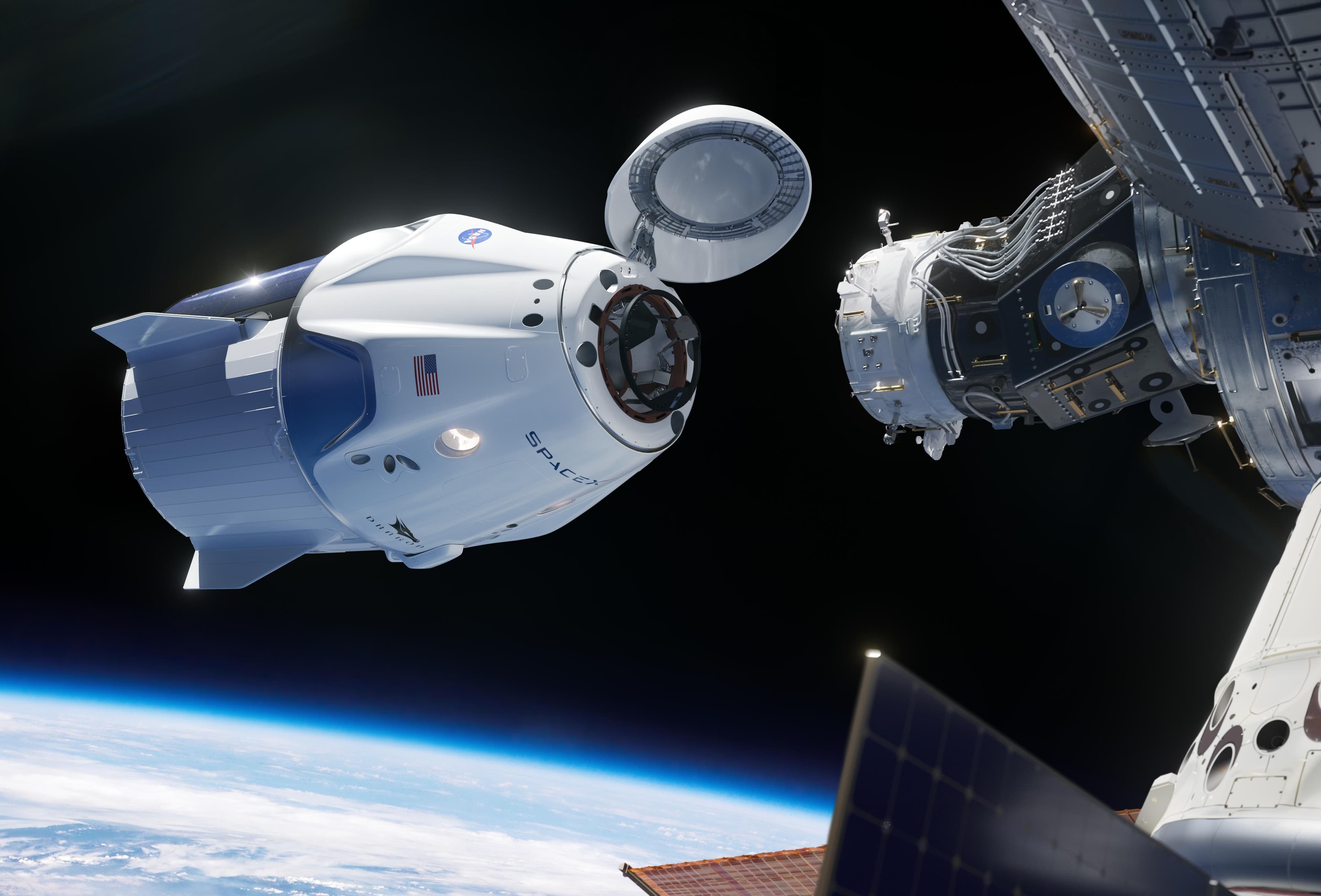
SpaceX
Reusable spacecraft for cargo and crew transport to the International Space Station.
SpaceX
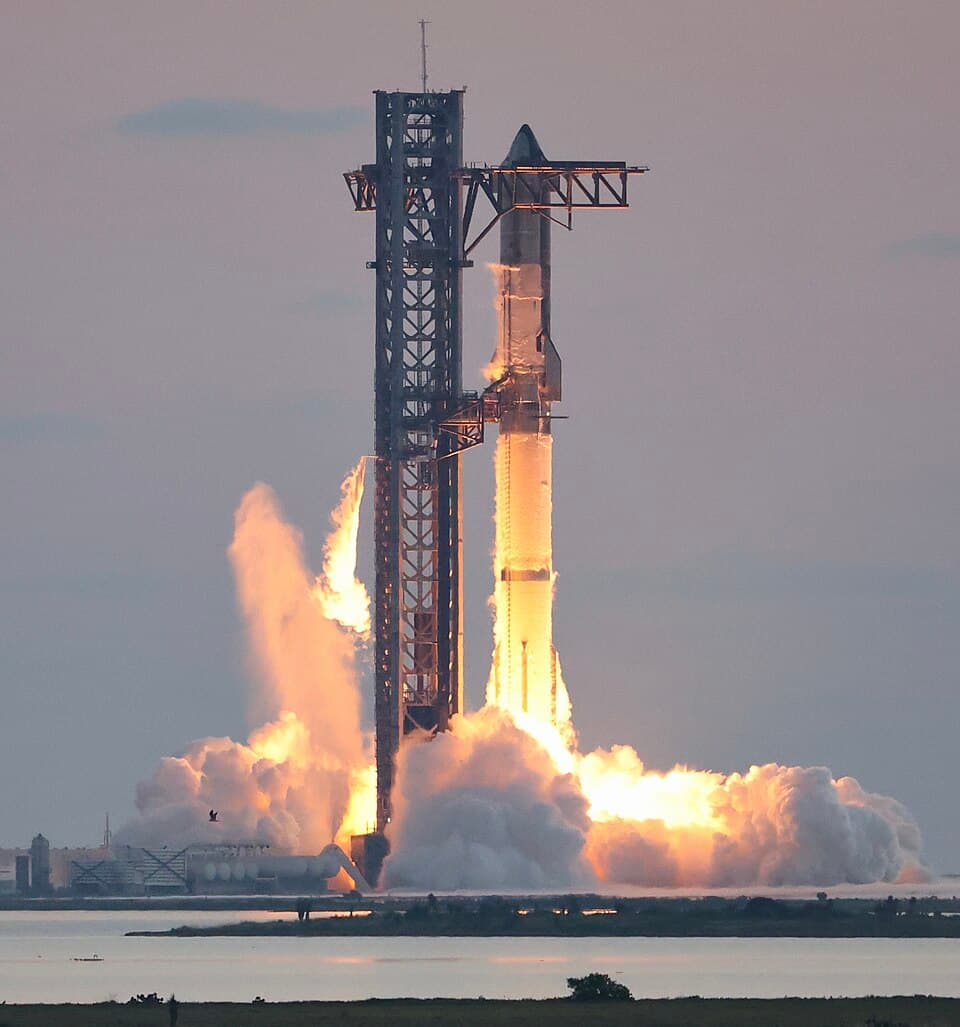
Fully reusable super-heavy-lift launch system designed for missions to the Moon, Mars, and beyond. V3 (Block 3) variant with Raptor 3 engines is the production version.