Operational
Polaris
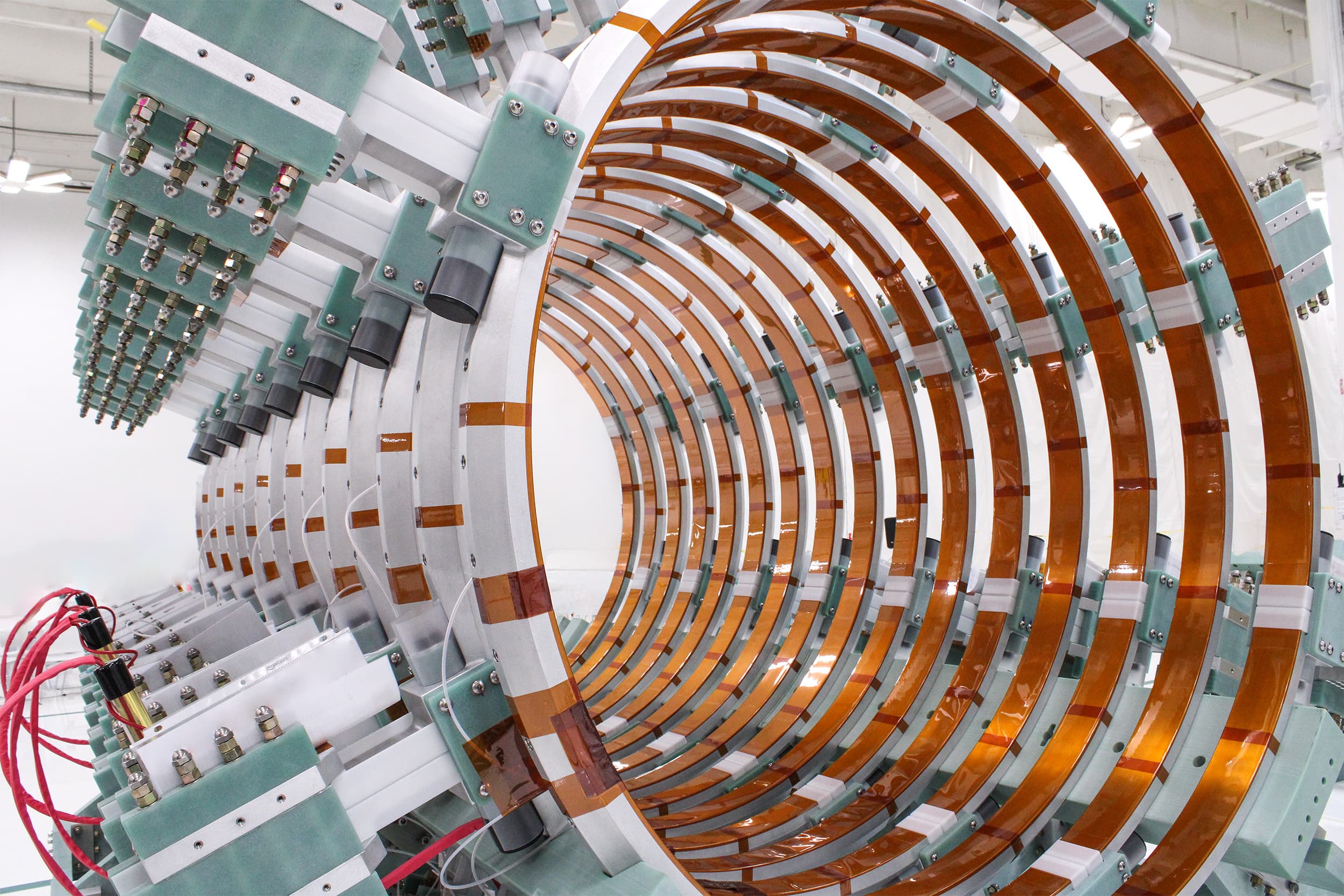
7th-generation fusion prototype designed to demonstrate electricity production from fusion using Helion's pulsed magneto-inertial architecture and direct electricity recapture.
 Helion Energy
Under Construction
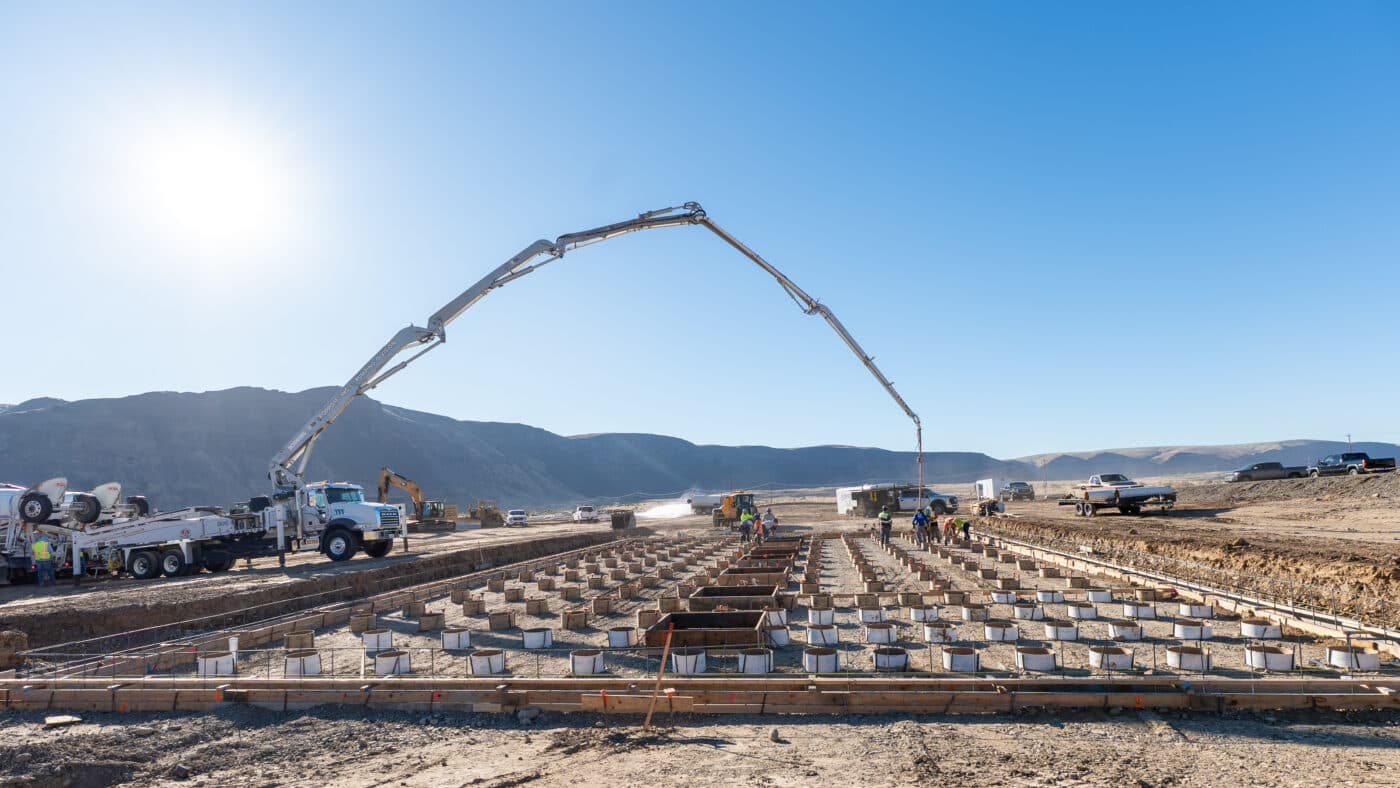
First commercial fusion power plant, designed to generate 50+ MWe. Located in Malaga, Chelan County, Washington, on land leased from Chelan County PUD near Rock Island Dam. Power will be marketed by Constellation Energy to Microsoft data centers.
Latest update Sep 11, 2026
01
Site work began in July 2025, and by October 2025 Helion had cleared the approval pathway for all major structures including the fusion generator building. In June 2026 Helion secured Radioactive Materials and Air Emissions licenses from Washington State - the world's first regulatory licenses for a fusion power plant. Helion's Orion page now says initial operations begin in 2028; full 50 MW is not expected before 2029 or 2030 per Jackie Siebens at FusionX.
02
03
Announced next steps from Helion Energy that mention Orion.
2026–2027
Move the OpenAI negotiations from term sheet to a binding agreement - reportedly 5 GW by 2030 scaling to 50 GW by 2035 - and identify the sites and Orion-class plants needed to deliver that capacity. Talks remained ongoing and unsigned as of September 16, 2026, with site selection among the unresolved terms. Helion's newsroom still lists Microsoft and Nucor as its only announced customers. The arrangement has drawn Congressional and courtroom scrutiny over Sam Altman's personal stake in Helion and his recusal from the talks.
Late 2026
Stand up the Tiny Merge agile testbed and use its faster experimental loop to lock in final FRC formation and ring-merging choices that flow into the Orion power plant design. On August 28, 2026 Helion completed the first vacuum pump-down, reaching 1x10⁻⁶ torr in under an hour. CEO David Kirtley's subscale-systems blog still describes Tiny Merge as being integrated in parallel with Polaris. Remaining hardware is still being installed at the Everett campus. The end-of-summer 2026 online target was not met; as of September 16, 2026 Helion has not announced first plasma or a fully online experimental campaign.
2028
Complete construction of the Orion fusion power plant in Malaga, Washington, and begin commissioning. With the assembly and office structures finished and Washington State's world-first fusion Radioactive Materials and Air Emissions licenses secured in June 2026, work is on the fusion generator building. Helion's Orion page now says initial operations begin in 2028.
2028
Meet the Microsoft PPA's 2028 obligation as restated by Jackie Siebens at FusionX: Orion must be connected to the grid and begin operations by the end of 2028. Helion's own site now uses the phrase 'initial operations beginning in 2028' and no longer says the plant will begin producing electricity by 2028. Full 50 MW is a later step.
04
Helion said on August 28, 2026 that it completed the first vacuum pump-down on Tiny Merge, its subscale field-reversed-configuration fusion testbed at the Everett, Washington campus, reaching a target base pressure of 1x10⁻⁶ torr in under an hour. The company said the result confirms the machine can hold high vacuum before remaining hardware is installed. Tiny Merge is roughly one-eighth the size of the Polaris prototype and is meant to iterate on plasma formation and merging faster ahead of Helion's 2028 Microsoft power-delivery deadline for the Orion plant.
Helion Energy said on June 16 it has become the first company in the world to secure the regulatory licenses required to build and operate a fusion power plant, after the Washington State Department of Health issued it a Radioactive Materials License and a Radioactive Air Emissions License. The licenses cover Orion, Helion's roughly 50-MW fusion plant under construction in Malaga, Washington, and clear the company to proceed with its generator building now that assembly and office structures are complete. Fusion is regulated under a byproduct-material framework rather than as a fission reactor, and the milestone advances Helion's pledge to deliver fusion power to Microsoft by 2028.
Helion Energy on June 4 closed a $465 million Series G led by Thrive Capital at a $15.5 billion post-money valuation, lifting total funding to roughly $1.5 billion as the Everett, Washington startup races to deliver fusion electricity to Microsoft from its Orion plant in Malaga by 2028. New investors include Lux Capital, Peak XV Partners, Alta Park Capital, Anti Fund, BoxGroup and Ford Motor Executive Chairman Bill Ford, joining existing backers SoftBank Vision Fund 2, Lightspeed, Mithril, Capricorn and Good Ventures; the cash will scale manufacturing and feed the Polaris prototype and forthcoming Tiny Merge testbed campaigns.
05
7th-generation fusion prototype designed to demonstrate electricity production from fusion using Helion's pulsed magneto-inertial architecture and direct electricity recapture.
Smaller, agile FRC fusion testbed roughly one-eighth the size of Polaris (~8 feet long) used to iterate on plasma formation and ring-merging experiments far faster than the larger machines. Helion sees Tiny Merge as a key learning loop to de-risk Orion ahead of the 2028 Microsoft delivery deadline.
06
Commonwealth Fusion Systems
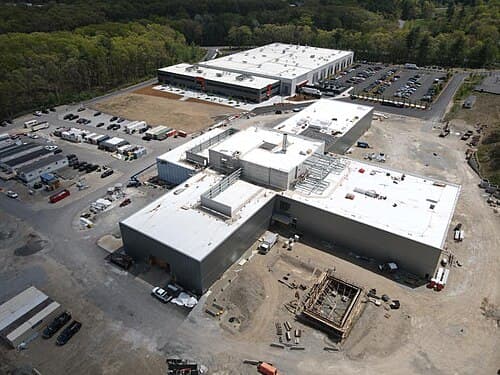
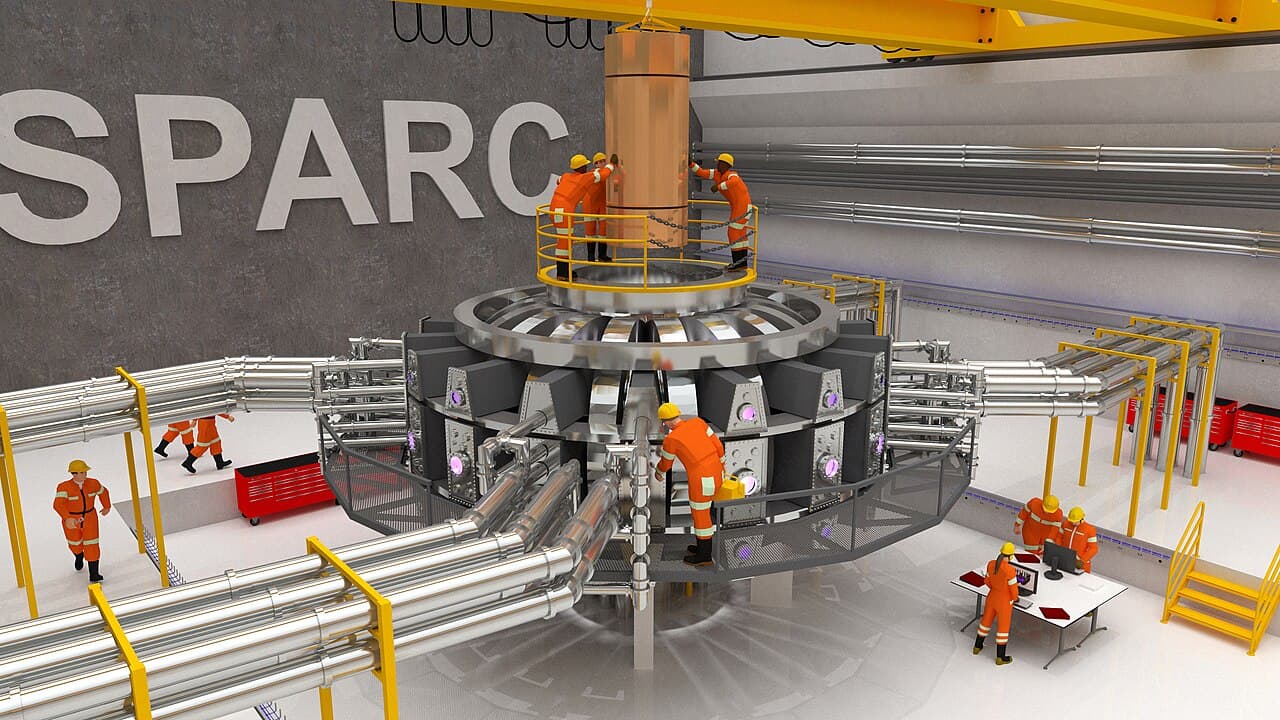
Compact, high-field tokamak designed to demonstrate net energy from fusion. It uses high-temperature superconducting magnets to achieve reactor-class magnetic fields in a much smaller machine, with peer-reviewed projections of roughly Q ~11 and ~140 MW of fusion power.
Commonwealth Fusion Systems
CFS' first planned grid-scale commercial fusion power plant, designed to deliver about 400 MW of clean electricity using the HTS magnet and tokamak stack proven through SPARC. The project is officially named the Fall Line Fusion Power Station and is planned for a 100-acre site at the James River Industrial Center in Chesterfield County, Virginia.
TAE Technologies
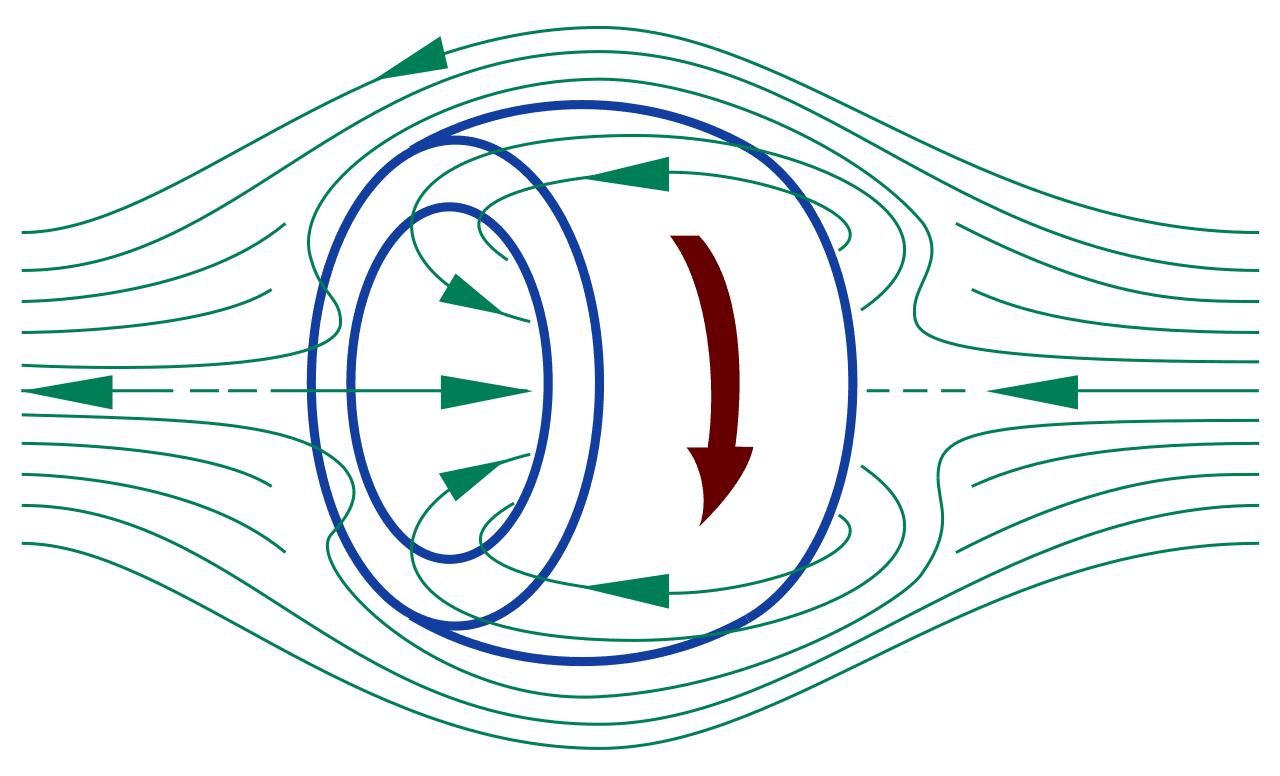
TAE's streamlined fusion research machine that forms field-reversed-configuration plasmas using only neutral beam injection, reducing reactor size, complexity, and cost versus Norman while preserving the path to commercial hydrogen-boron fusion.
TAE Technologies
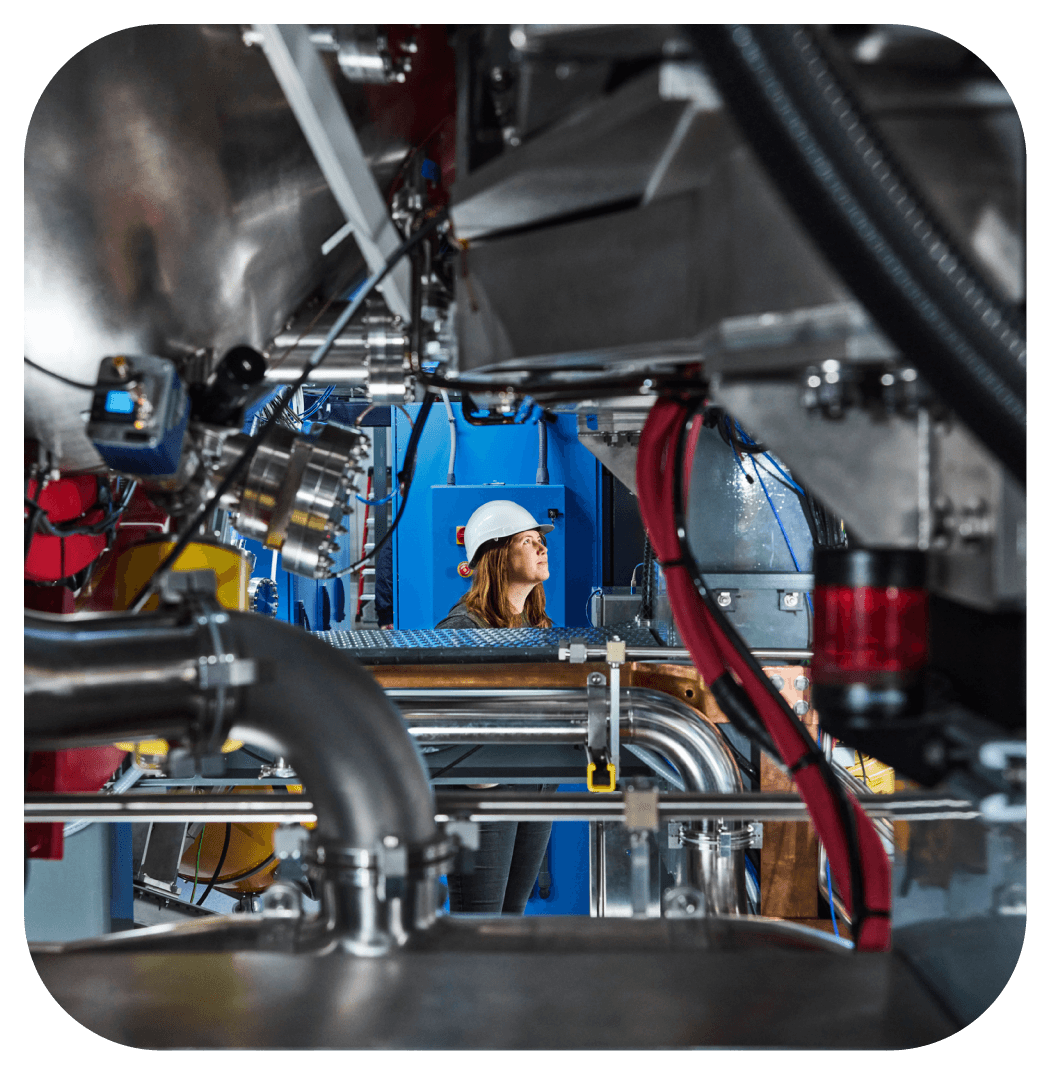
TAE's first prototype commercial fusion power plant, designed to deliver net electrons to the grid from the company's hydrogen-boron fusion pathway and serve as the bridge to later utility-scale plants.