Active
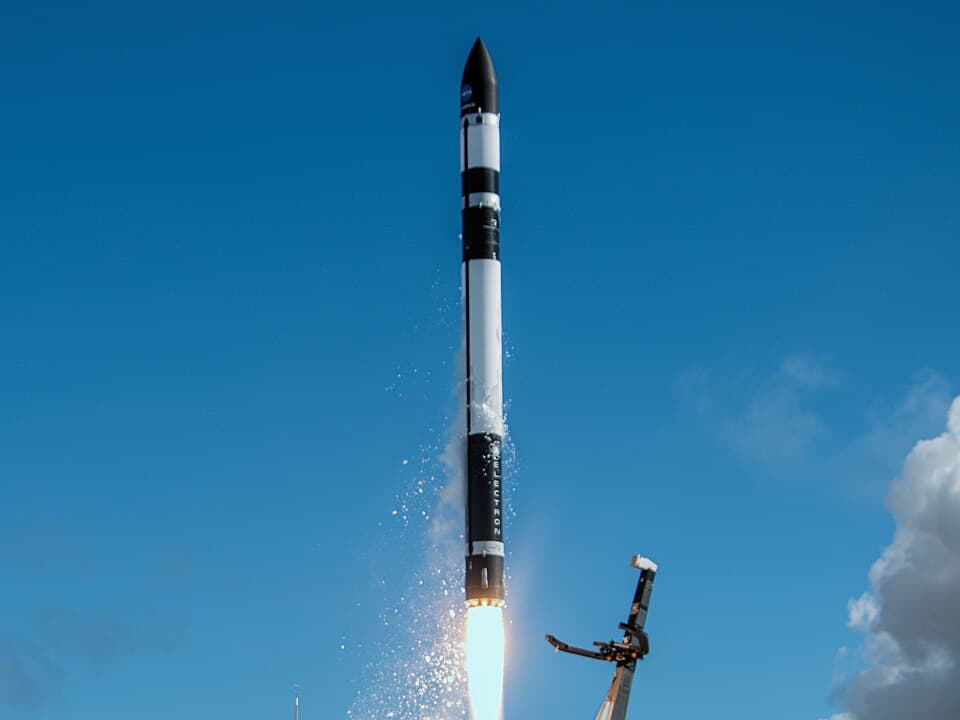
Electron
Rocket Lab
Small-lift, two-stage orbital launch vehicle for dedicated and rideshare small-satellite missions.
In Development
China's first commercial LEO mega-constellation in formal network deployment. The system is being built in phases: a 324-satellite initial network for regional coverage, a 1,296-satellite Phase 1, and a long-term total of more than 15,000 satellites for global coverage by 2030. Two July 2026 Long March batches lifted the network to 238; on September 15-16, 2026 LandSpace's Zhuque-2E and Orienspace's Gravity-1 flew the first private-launcher networking missions (10 and 8 satellites) and took the count to 256. Primary deployments still mix 18-to-20-satellite Long March batches with smaller commercial-rocket groups.
Latest update Sep 20, 2026
01
256 satellites are in orbit as of September 20, 2026 after Zhuque-2E Y7 (10 satellites on September 15, to 248) and Gravity-1 Y3 (8 satellites on September 16), with no later batch reported. The near-term objective is a 324-satellite initial network for regional broadband coverage - a target that has slipped from July 2026 into H2 2026 - followed by a published 648-satellite checkpoint by end of 2026, building toward a 1,296-satellite Phase 1.
02
03
Rocket Lab
Small-lift, two-stage orbital launch vehicle for dedicated and rideshare small-satellite missions.
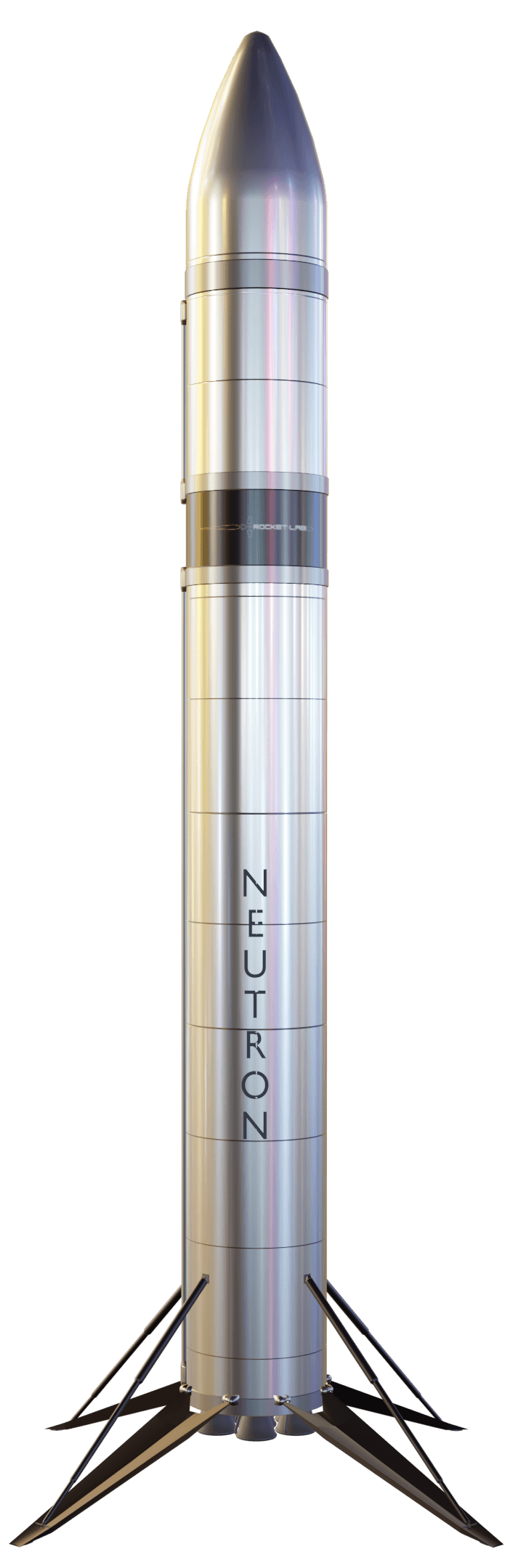
Rocket Lab
Medium-lift reusable rocket under development for mega-constellation deployment, national-security, and human spaceflight.
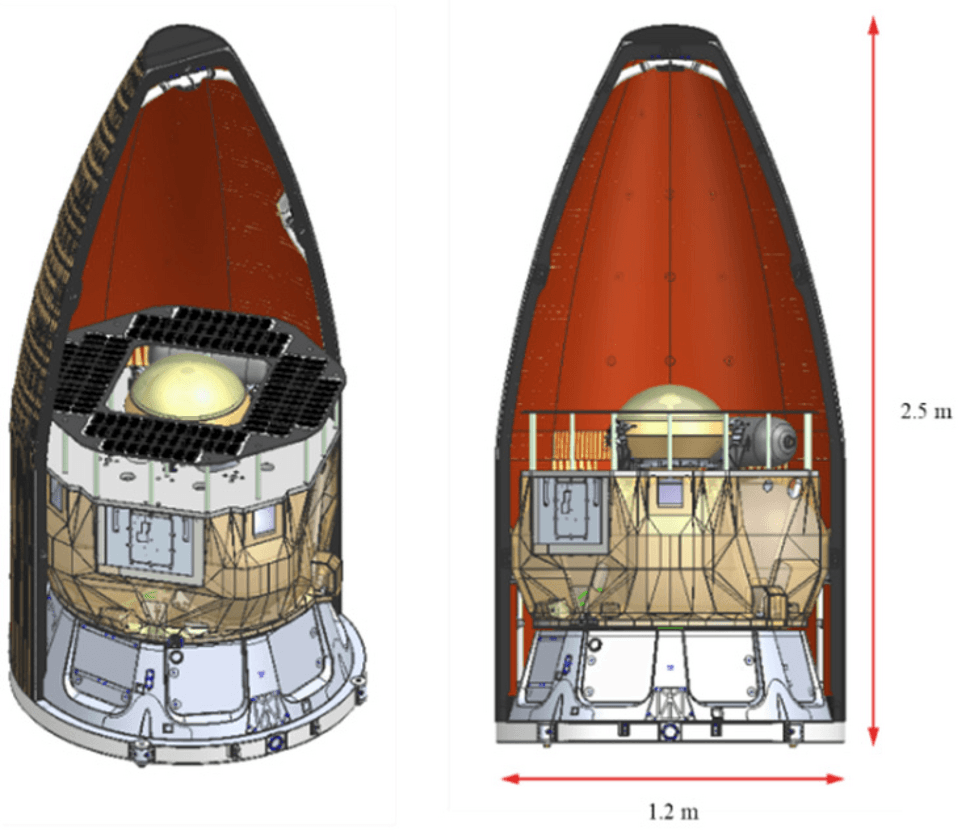
Rocket Lab
Versatile satellite bus and spacecraft platform for missions to the Moon and beyond.
Rocket Lab
Suborbital launch vehicle derived from Electron, designed for hypersonic testing and defense applications.