Amazon Leo Constellation

Enterprise Beta - Commercial Launch Late 2026
Amazon Leo
Amazon Leo
Amazon Leo Constellation

Overview

Low Earth orbit broadband system built around more than 3,000 satellites at 590–630 km with 100 Gbps optical inter-satellite links, a global ground network integrated with AWS, and a three-terminal customer hardware lineup. The network is designed to support residential broadband, enterprise and government links, aviation connectivity, maritime use cases, and telecom backhaul.

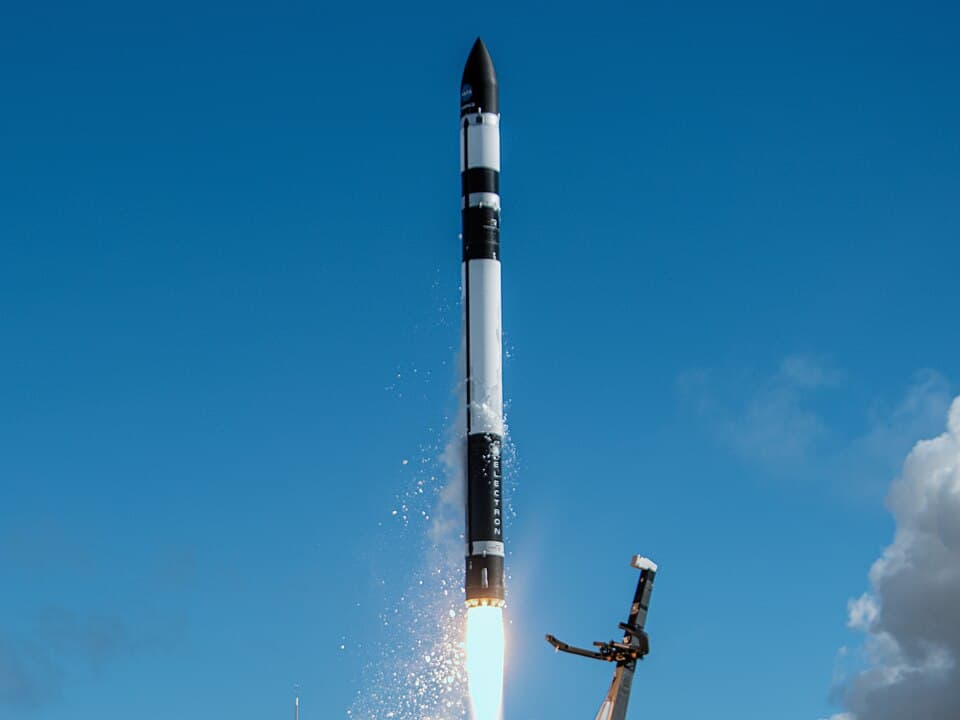
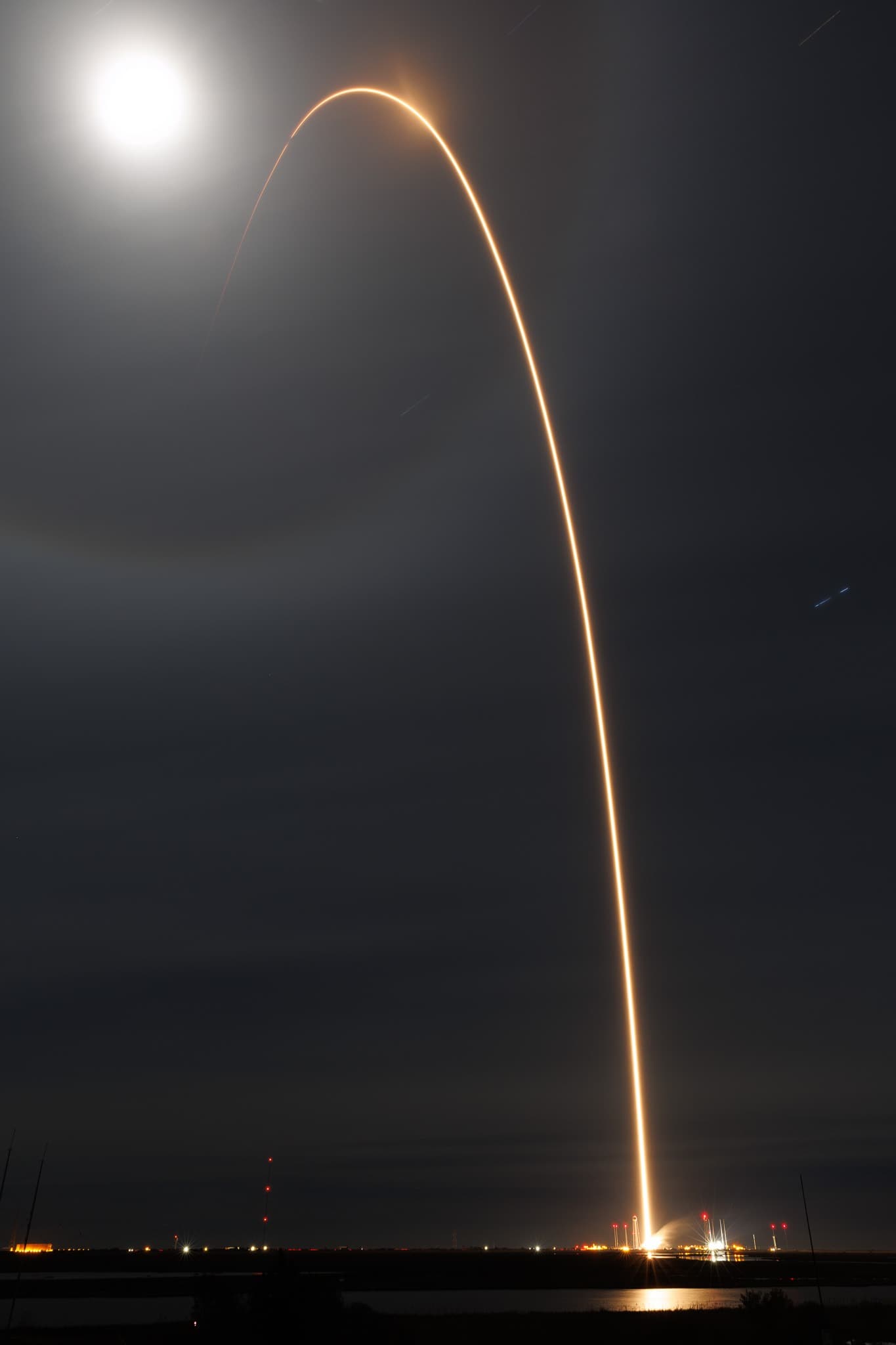
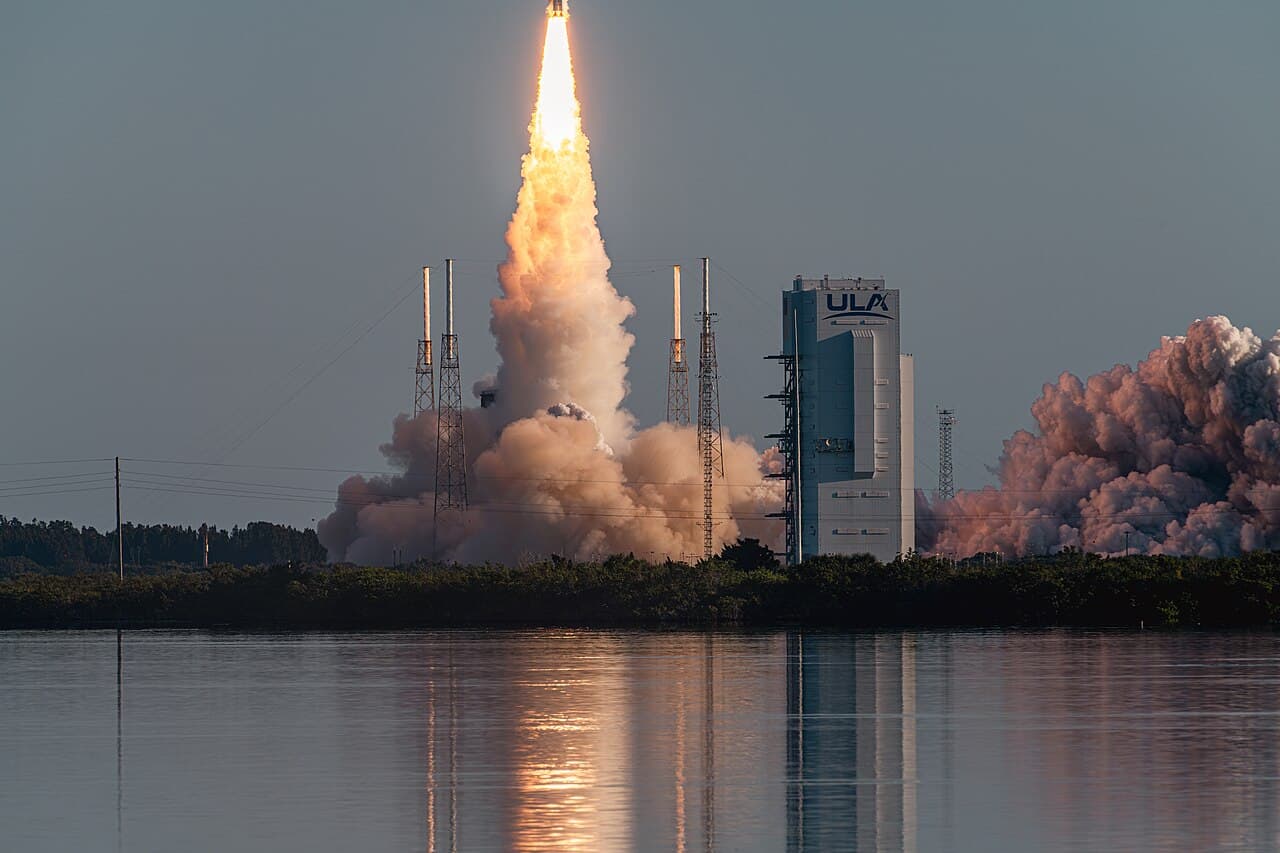
~394 operational satellites in orbit (398 launched) after LA-08 (29 satellites on ULA's final Atlas V 551) launched July 2, 2026 - still Amazon's most recent mission as of September 4, 2026. Enterprise beta went live April 8, 2026 with major carrier, airline, and enterprise customers. Amazon says it now has enough satellites to begin initial commercial service later in 2026, a slip from CEO Andy Jassy's earlier mid-2026 target. The FCC's June 5 waiver means Amazon has now missed the July 30, 2026 50%-deployment deadline; satellites launched after July 30 carry temporary reduced spectrum priority until March 2028. The next mission (Vulcan Centaur LV-01, ~45 satellites) remains targeted for around September 2026, but both Vulcan and Blue Origin's New Glenn remain grounded - an August 2026 investigation traced New Glenn's explosion to a BE-4 engine oxygen-valve defect that also grounds Vulcan's BE-4 engines pending retrofit - adding risk to the cadence needed to reach the 50% threshold.

Key Specs

Satellites Deployed

~394 operational (398 launched, after LA-08, July 2, 2026); unchanged as of September 4, 2026

Initial Constellation

3,236

Orbital Altitude

590-630 km

Launch Manifest

100+ missions

Max Terminal Speed

1 Gbps down / 400 Mbps up