In Development
ADRAS-J2
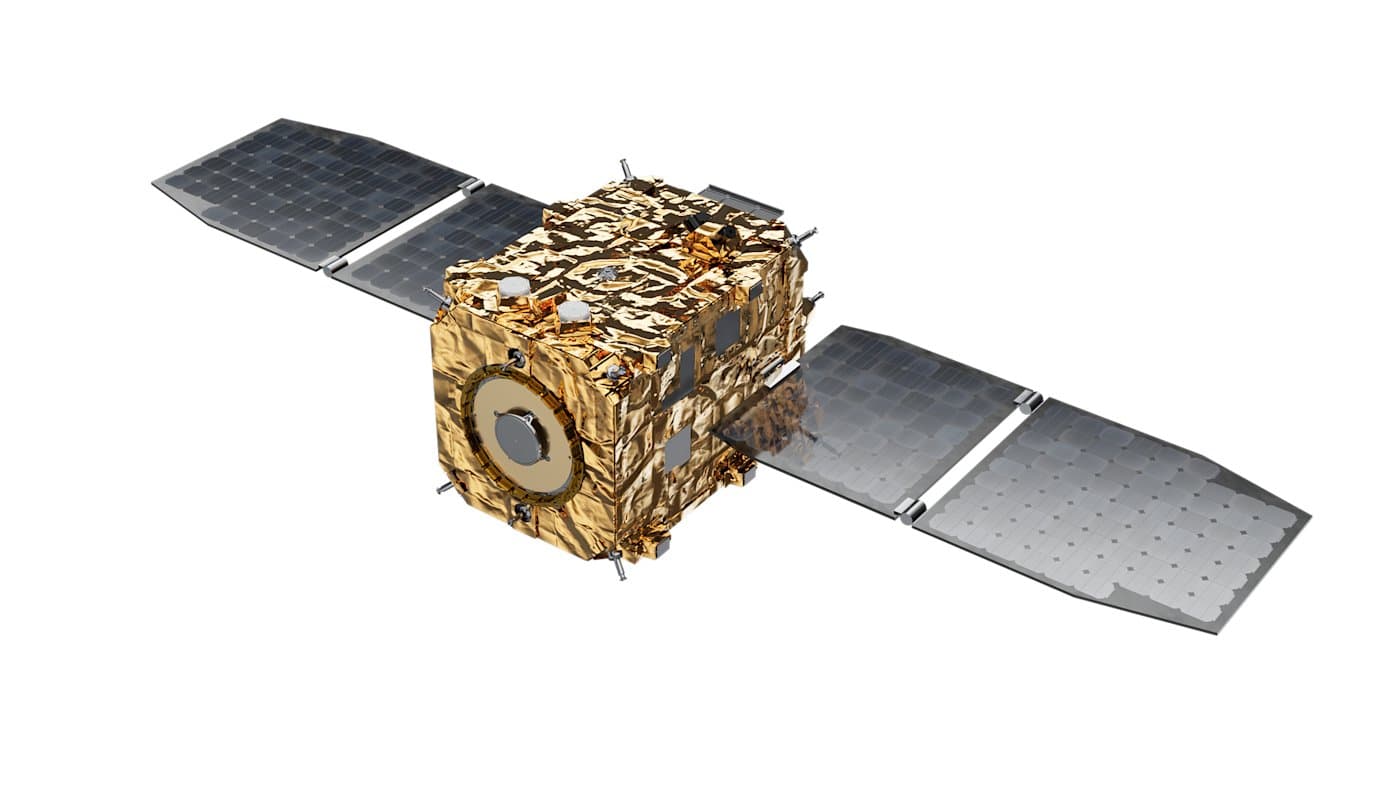
Debris removal servicer built for Phase II of JAXA's Commercial Removal of Debris Demonstration program. It returns to the same spent H-IIA upper stage that ADRAS-J surveyed, captures it with a robotic arm, and deorbits it.
 Astroscale
In Development
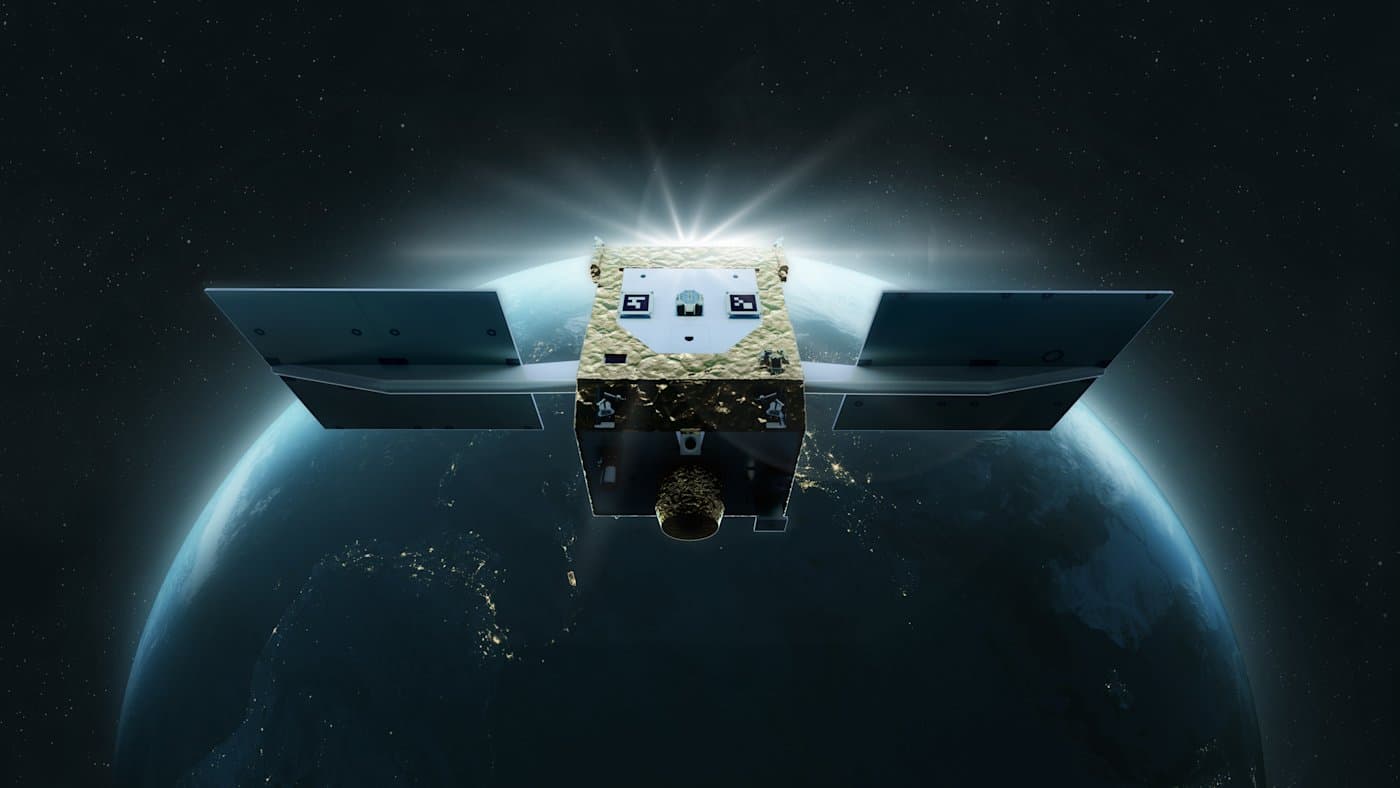
Roughly 300 kg refueling spacecraft that transfers hydrazine to satellites in geostationary orbit, and refuels itself from an Orbit Fab propellant depot so it can service more than one client per mission.
Latest update Sep 14, 2026
01
Contracted under a Space Force agreement (about $25.5M in government funding plus roughly $12M from Astroscale) to perform the first-ever refueling of a United States Space Force asset, flying as part of the USSF-23 mission alongside an Orbit Fab propellant depot and a Starfish Space servicing tug. Q1 materials said correlation vibration tests were complete and environmental tests were due to start in September 2026, still aimed at launch during the fiscal year ending April 2027.
02
03
Announced next steps from Astroscale that mention Astroscale U.S. Refueler (APS-R).
Early 2027
Launch the Astroscale U.S. Refueler (Provisioner) as part of the USSF-23 mission, alongside an Orbit Fab propellant depot and a Starfish Space servicing tug. Q1 materials said correlation vibration tests were complete and environmental tests were due to start in September 2026, still aimed at launch during the fiscal year ending April 2027. The sequence has never been done operationally: dock with an AFRL Tetra-5 spacecraft in geostationary orbit, transfer hydrazine, verify with a hyperspectral leak check, refuel from the Orbit Fab depot, and repeat on the Tetra-5 client.
04
Debris removal servicer built for Phase II of JAXA's Commercial Removal of Debris Demonstration program. It returns to the same spent H-IIA upper stage that ADRAS-J surveyed, captures it with a robotic arm, and deorbits it.
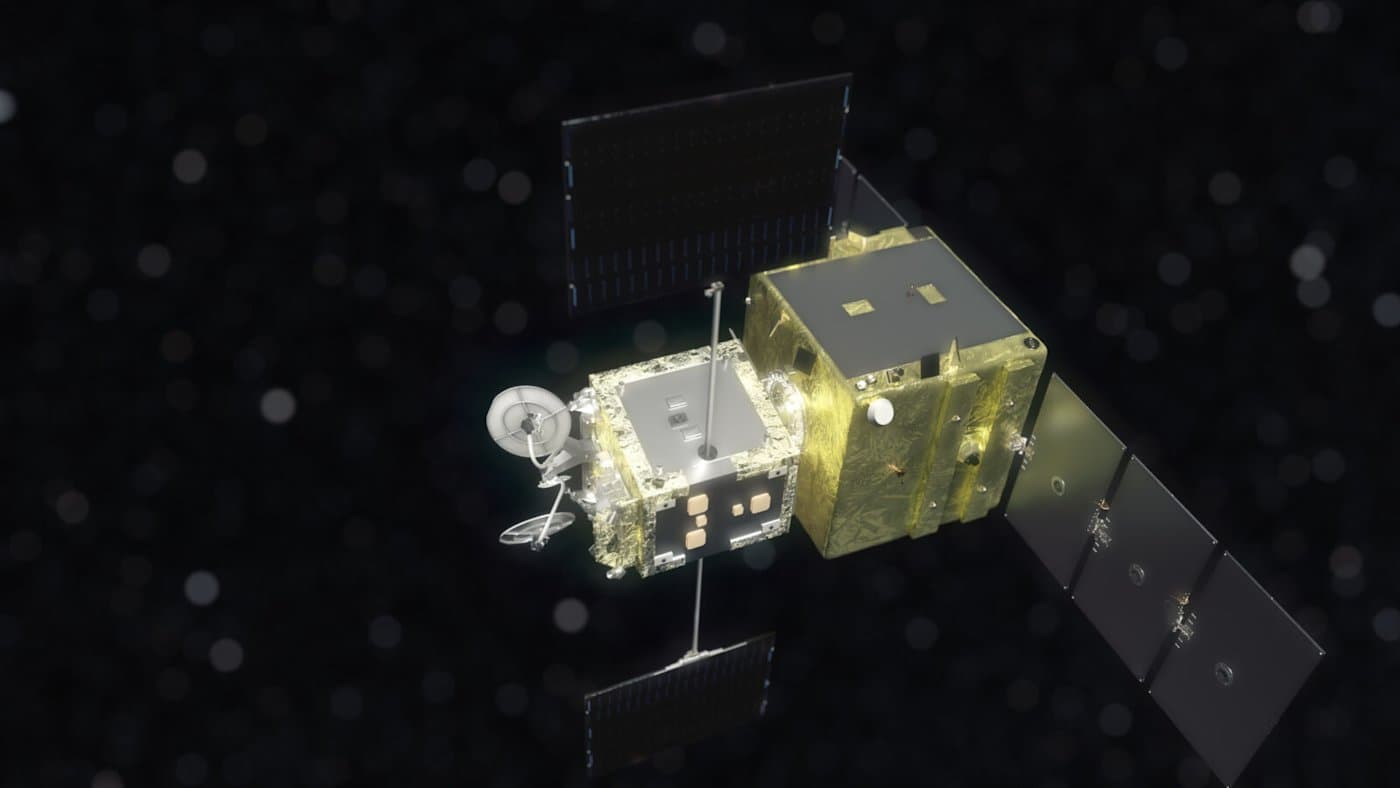
Commercial end-of-life servicer that docks with a prepared client satellite using a magnetic docking plate and drags it down to a disposal orbit. Designed to service multiple satellites on a single mission.
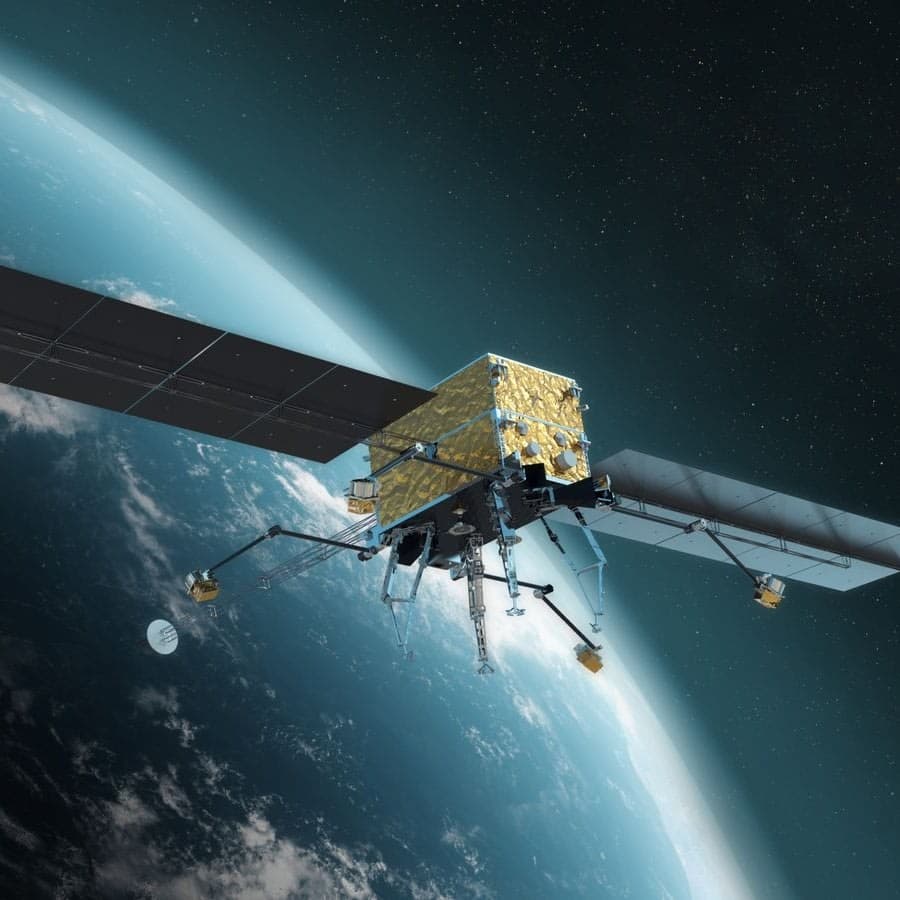
Life Extension In-Orbit servicer for geostationary satellites. It docks with an aging spacecraft and takes over stationkeeping and attitude control, adding years of revenue-generating life to a satellite that would otherwise be retired.
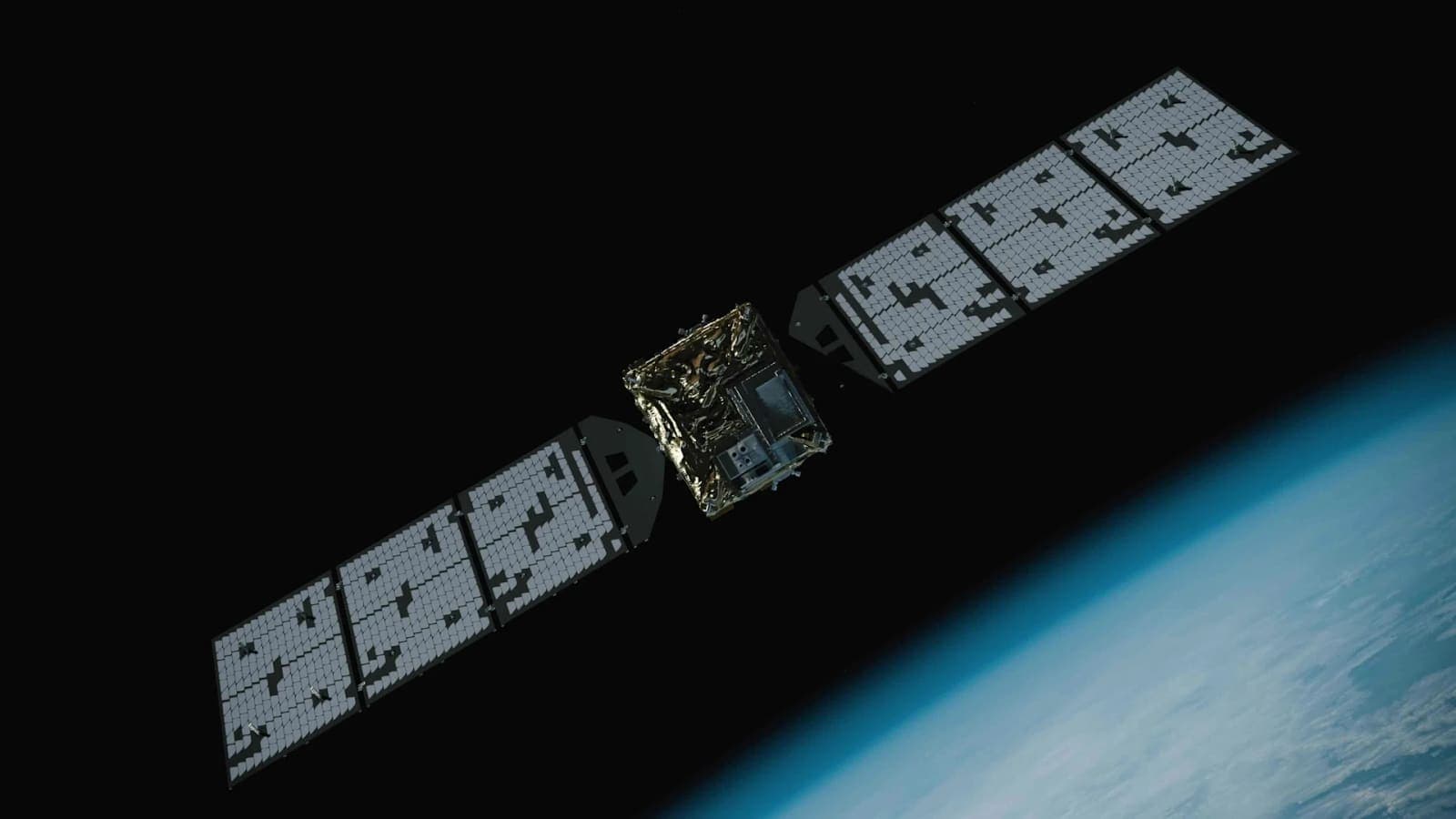
In-situ Space Situational Awareness inspection spacecraft that maneuvers to and photographs two retired Japanese satellites in different orbits on a single mission, using propulsion, electro-optical cameras, and proximity navigation without physical contact.
05
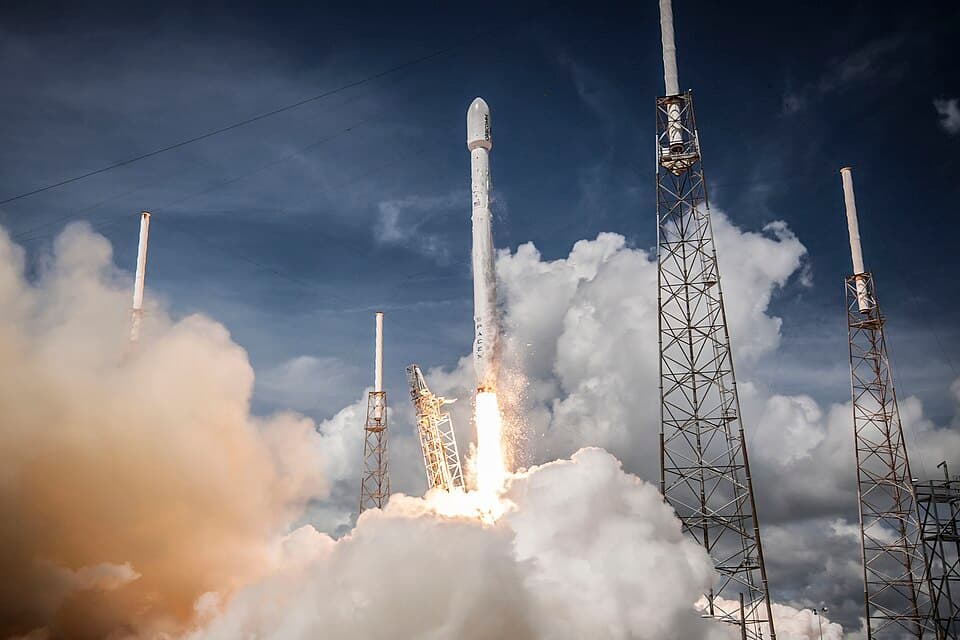
SpaceX
Partially reusable two-stage medium-lift launch vehicle. The world's most frequently launched orbital rocket.
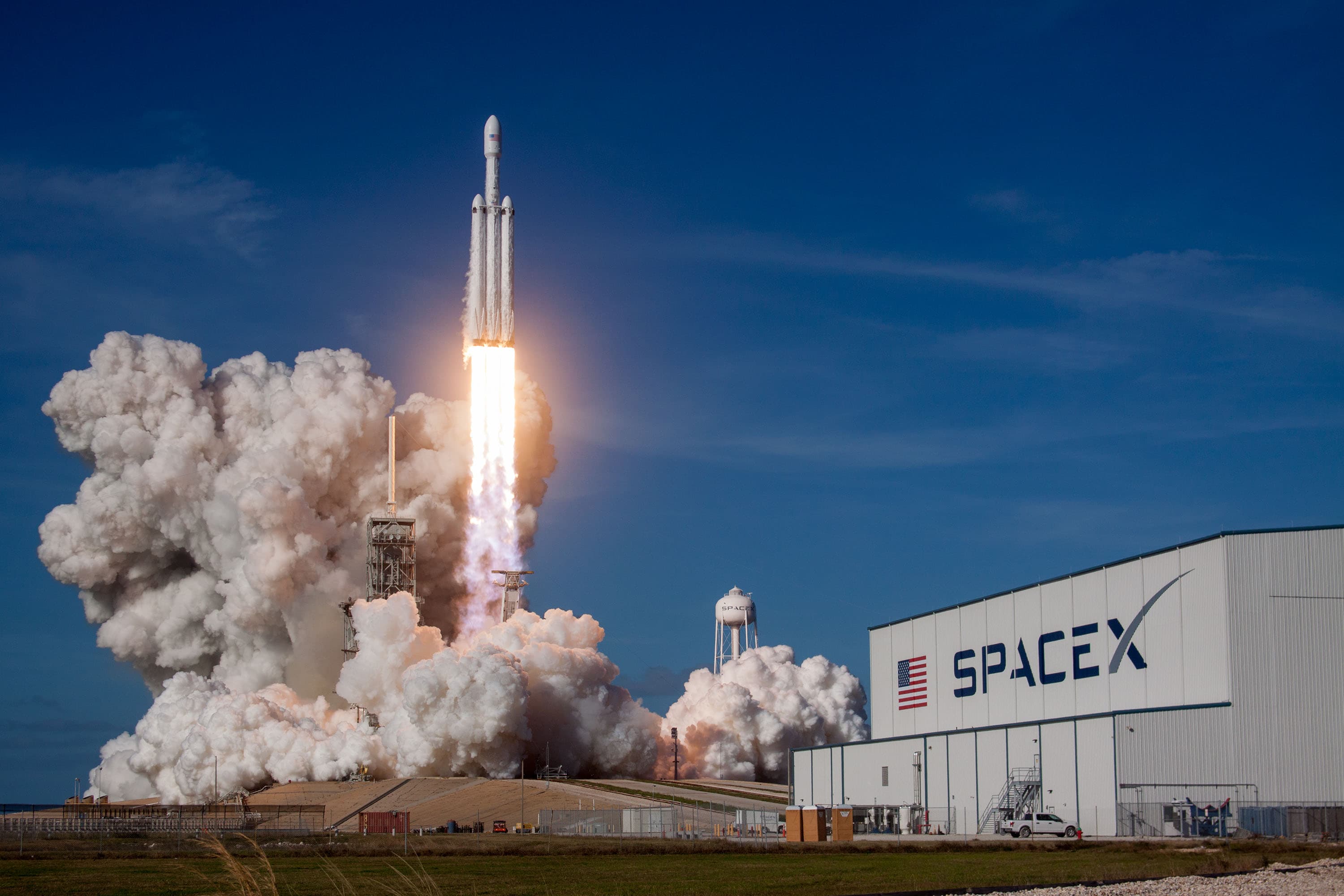
SpaceX
Heavy-lift launch vehicle consisting of a strengthened Falcon 9 core with two additional boosters.
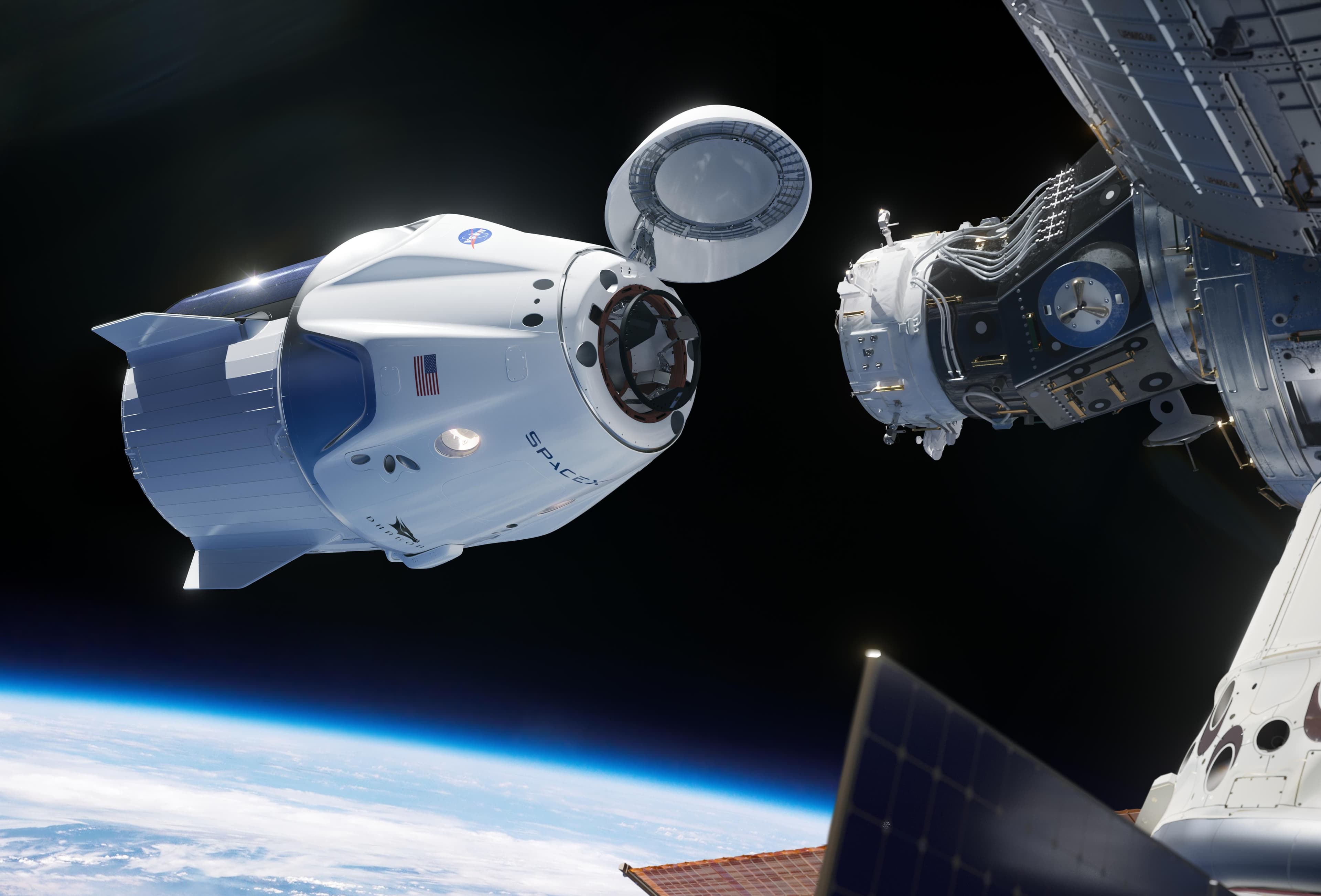
SpaceX
Reusable spacecraft for cargo and crew transport to the International Space Station.
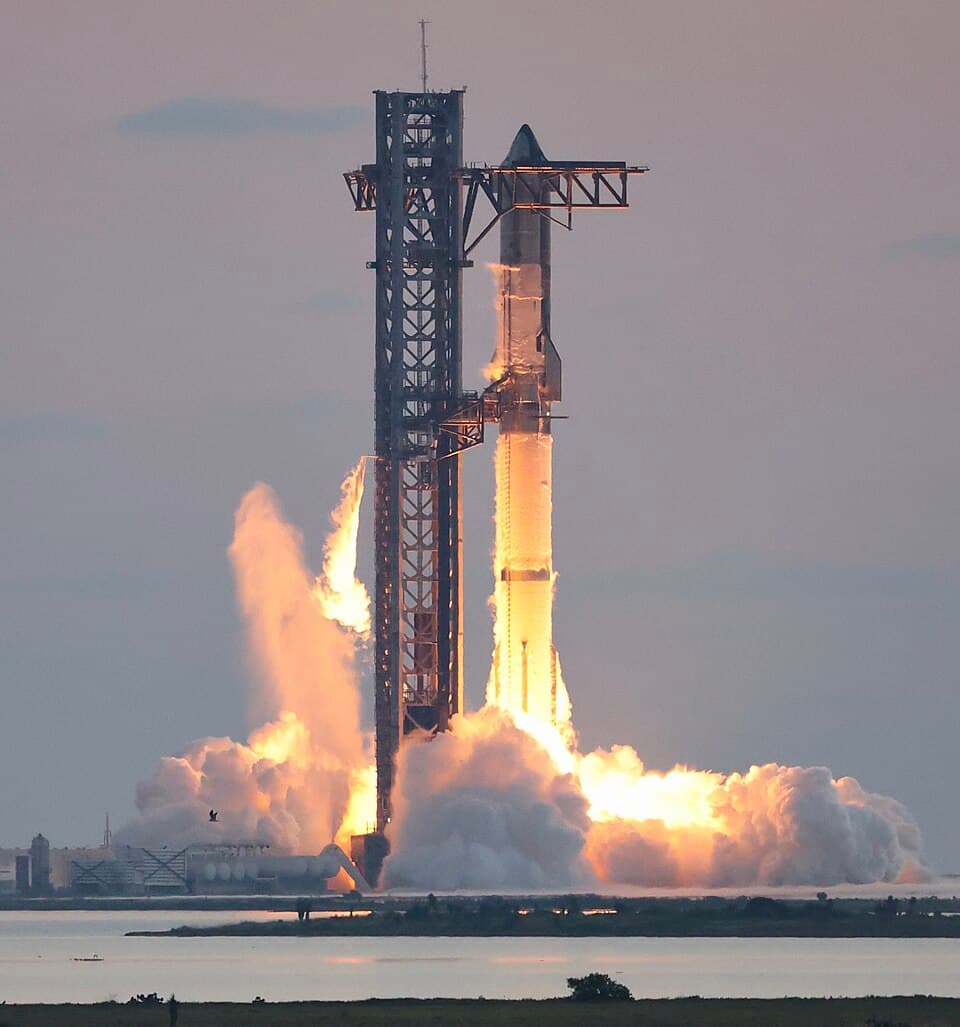
SpaceX
Fully reusable super-heavy-lift launch system designed for missions to the Moon, Mars, and beyond. V3 (Block 3) variant with Raptor 3 engines is the production version.