Active
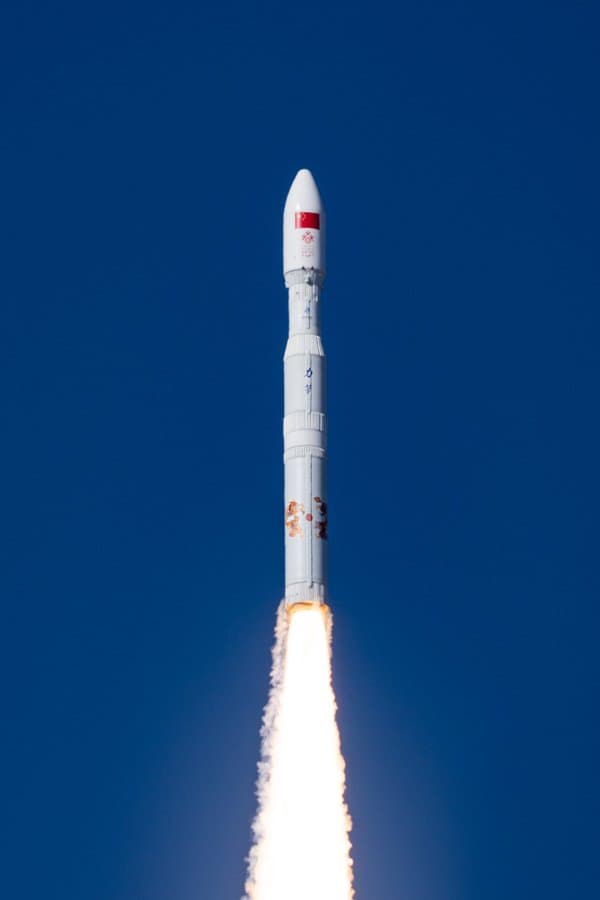
Kinetica-1 (Lijian-1)
Four-stage solid-propellant small/medium-lift launch vehicle developed by a team with Long March 11 heritage - one of China's most-flown commercial rockets.
 CAS Space
Active
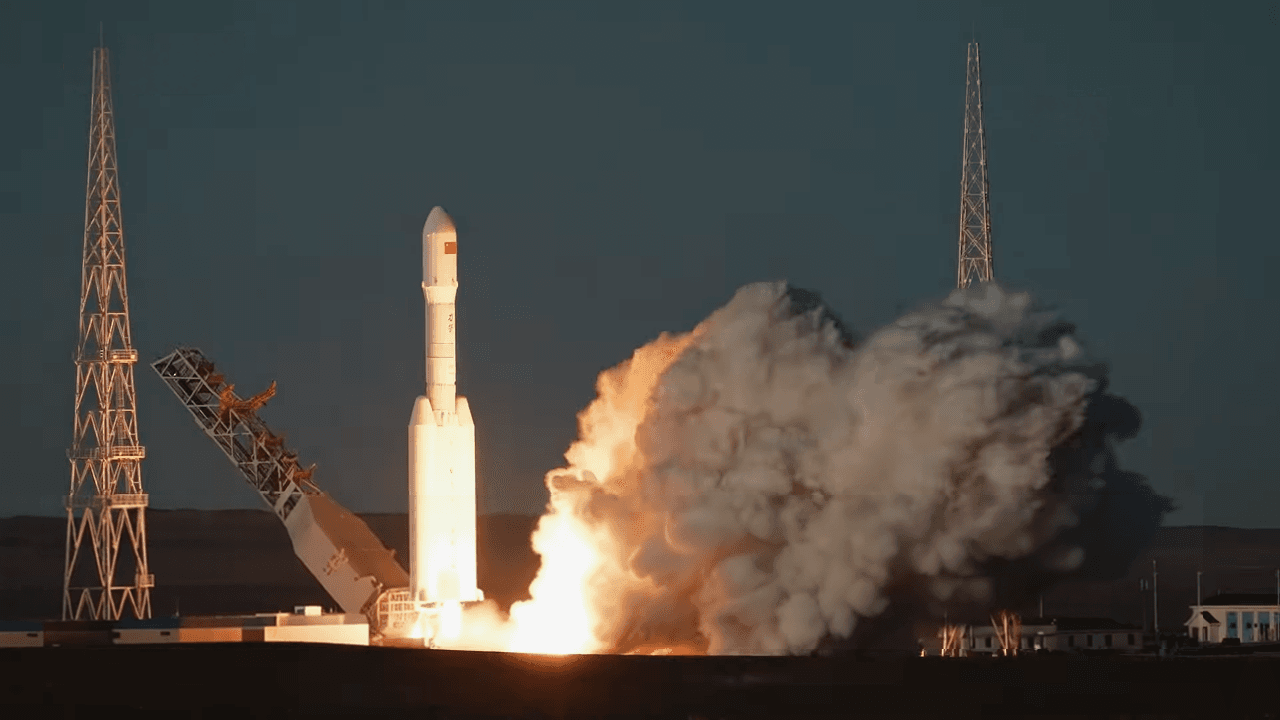
Medium-lift kerosene-liquid oxygen rocket with a three-core (tri-body) first stage powered by nine YF-102 engines - CAS Space's first liquid launch vehicle, designed for future first-stage reusability.
Latest update Oct 5, 2026
01
Reached orbit on its successful 30 March 2026 maiden flight from Jiuquan, deploying a prototype of the Qingzhou cargo spacecraft. Y2 left Guangzhou for Jiuquan on 26 August 2026 for an 18-satellite Qianfan mission. As of 5 October 2026 the product page still shows one success, Wikipedia lists no Y2 flight, and company news through 28 September has not posted a launch or a dated Jiuquan window, so October 2026 remains the last sourced target. LandSpace flew a 10-satellite Qianfan batch on 15 September. Reusability remains in development, with around ten demonstration flights planned through 2028.
02
03
Announced next steps from CAS Space that mention Kinetica-2 (Lijian-2).
2026-2027
Ramp Kinetica-2 production at the new Zhejiang super factory (up to 12-20 vehicles per year) and fly its planned 2026-2027 manifest as the line enters serial production across Guangzhou and Shaoxing. The second flight (Y2), carrying 18 Qianfan (Thousand Sails) mega-constellation satellites, remains targeted for October 2026 after the vehicle departed the Guangzhou factory for Jiuquan on August 26, 2026 - LandSpace already flew its 10-satellite Qianfan demonstration batch on September 15. A third flight (another 18 Qianfan satellites) is targeted for December 2026 and a fourth mission for January 2027; the first operational Qingzhou cargo flight to the Tiangong station remains expected around Q4 2026.
2026-2028
The in-house Kinecore-2 engine (110 tf) completed a 620-second cumulative long-duration qualification test - including a 400-second single burn, a new stability record - on June 30, 2026, en route to replacing the off-the-shelf YF-102 on Kinetica-2's first stage; no further Kinecore-2 test milestones have been reported as of Sept 20, 2026. CAS Space's phased reuse plan adds a full grid-fin system on Kinetica-2's third flight for aerodynamic reentry control, integrates Kinecore-2 capabilities (multiple engine firings, thrust control, cluster recovery) across flights four through seven, and targets complete first-stage recovery by the rocket's tenth flight around 2028. A roughly 100 km recovery demonstration of the Lihong-2 vehicle is now planned for Q1 2027 rather than later in 2026.
Oct 2026
CAS Space's second Kinetica-2 flight remains targeted for October 2026 from Jiuquan, carrying 18 Qianfan constellation satellites under an August 2025 demonstration contract. The Y2 vehicle left Guangzhou for the launch site on August 26 after factory acceptance. LandSpace already flew a 10-satellite Qianfan batch on Zhuque-2E Y7 on September 15, and Orienspace flew eight more on Gravity-1 Y3 the next morning, so Y2 is no longer the first private Qianfan demonstration. A third Kinetica-2 flight (another 18 Qianfan satellites) is still described as targeting December 2026. Company news through September 17 did not change the October target.
Q1 2027
CAS Space's in-space upper stage/orbital transfer vehicle (力巡一号 / Lixun-1), which ferries satellites between orbits after a rocket delivers them to space. Company news on August 18, 2026 said the stage completed a series of propulsion-system tests and still plans a maiden flight in Q1 2027. It is separately due to fly on a CASC Long March 10A mission carrying a Space-Time Reference Satellite, and CAS Space has a letter of intent with Interstellar Datalink to launch a geostationary relay-satellite constellation using Kinetica-2 plus the stage. As of September 20, 2026 no later flight-date change has been posted.
04
05
SpaceX
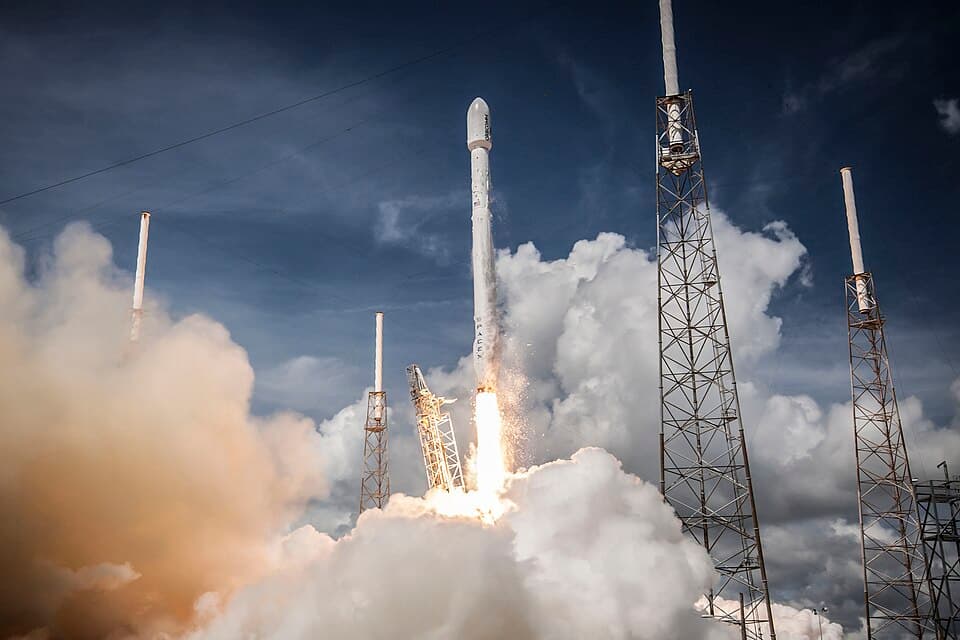
Partially reusable two-stage medium-lift launch vehicle. The world's most frequently launched orbital rocket.
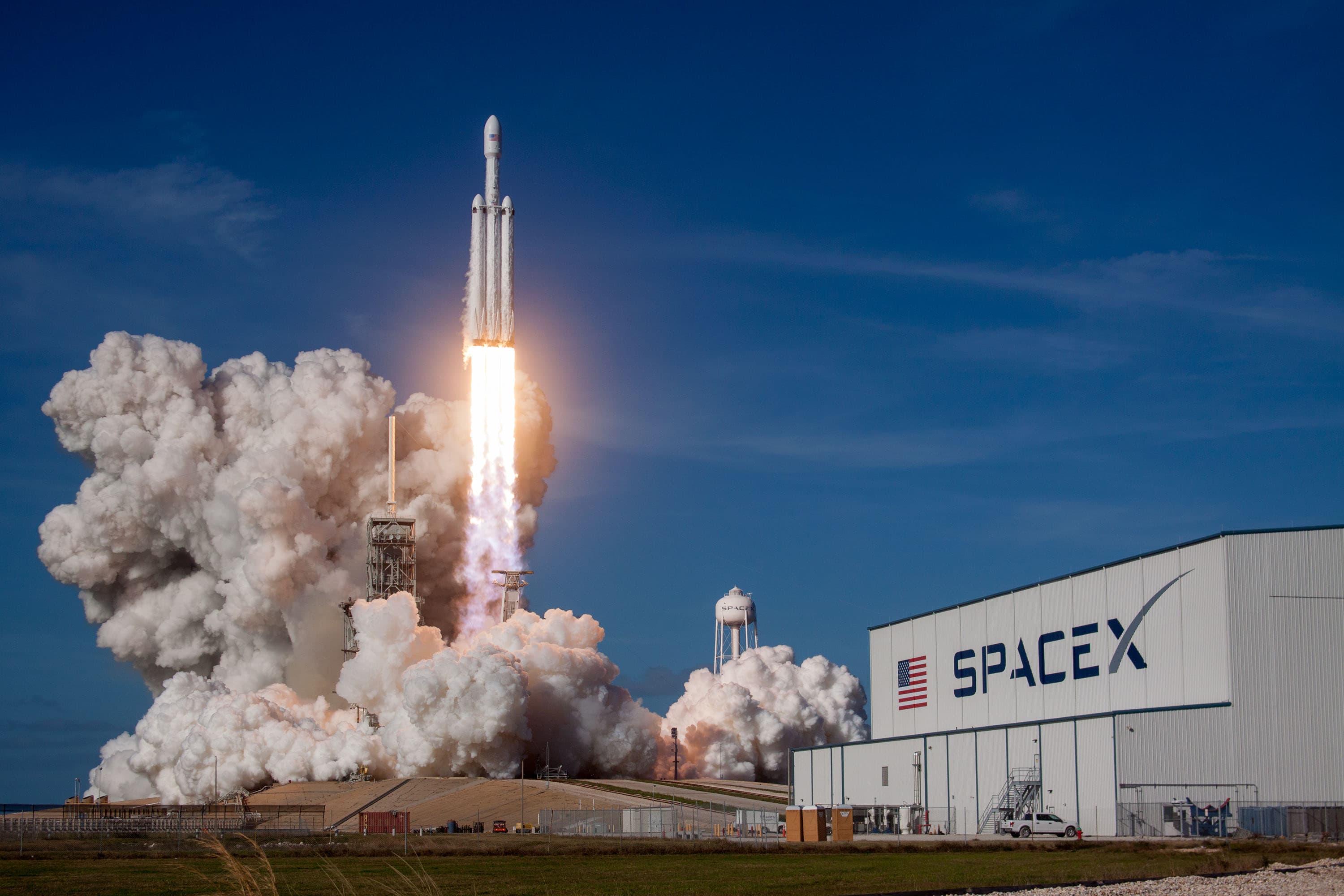
SpaceX
Heavy-lift launch vehicle consisting of a strengthened Falcon 9 core with two additional boosters.
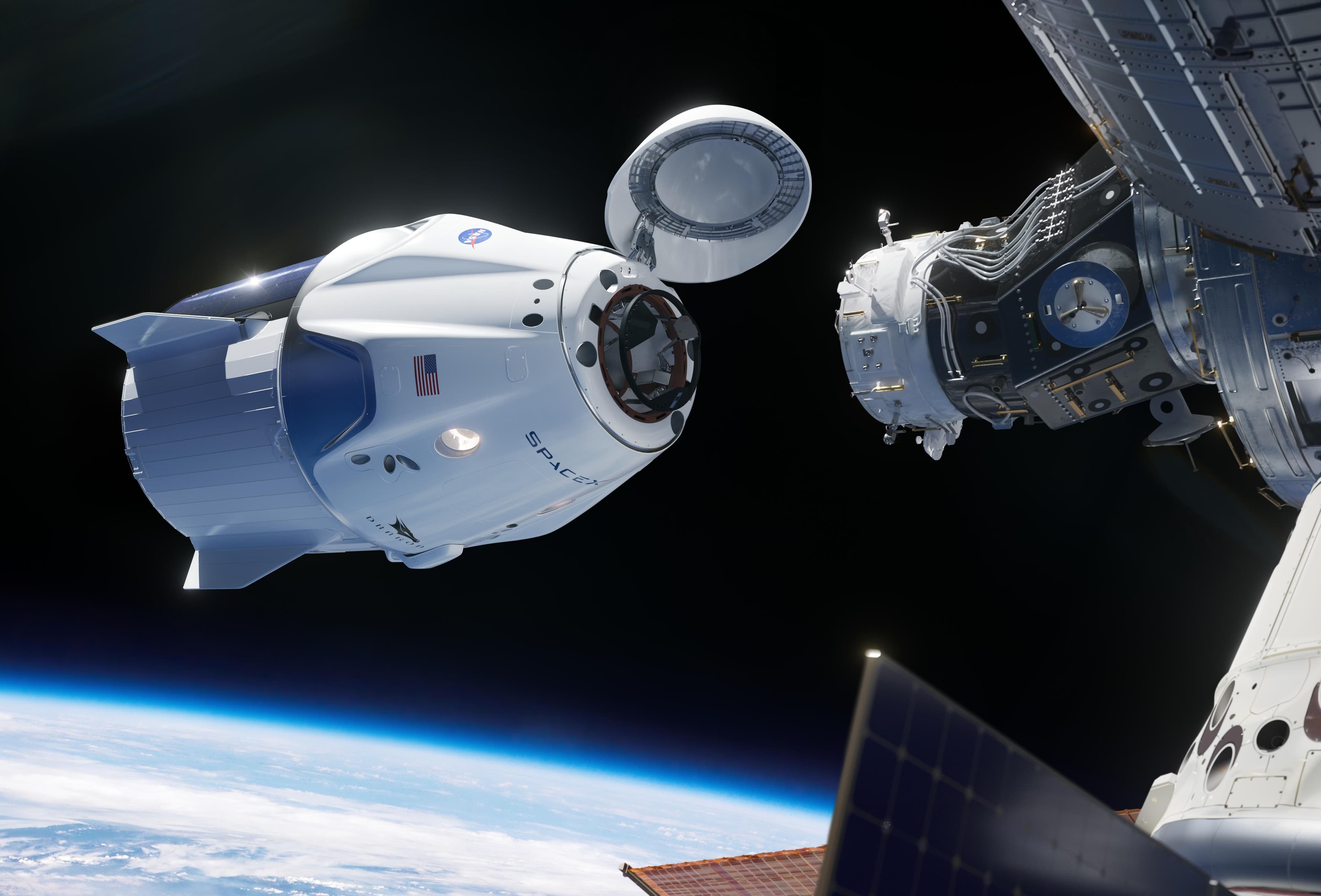
SpaceX
Reusable spacecraft for cargo and crew transport to the International Space Station.
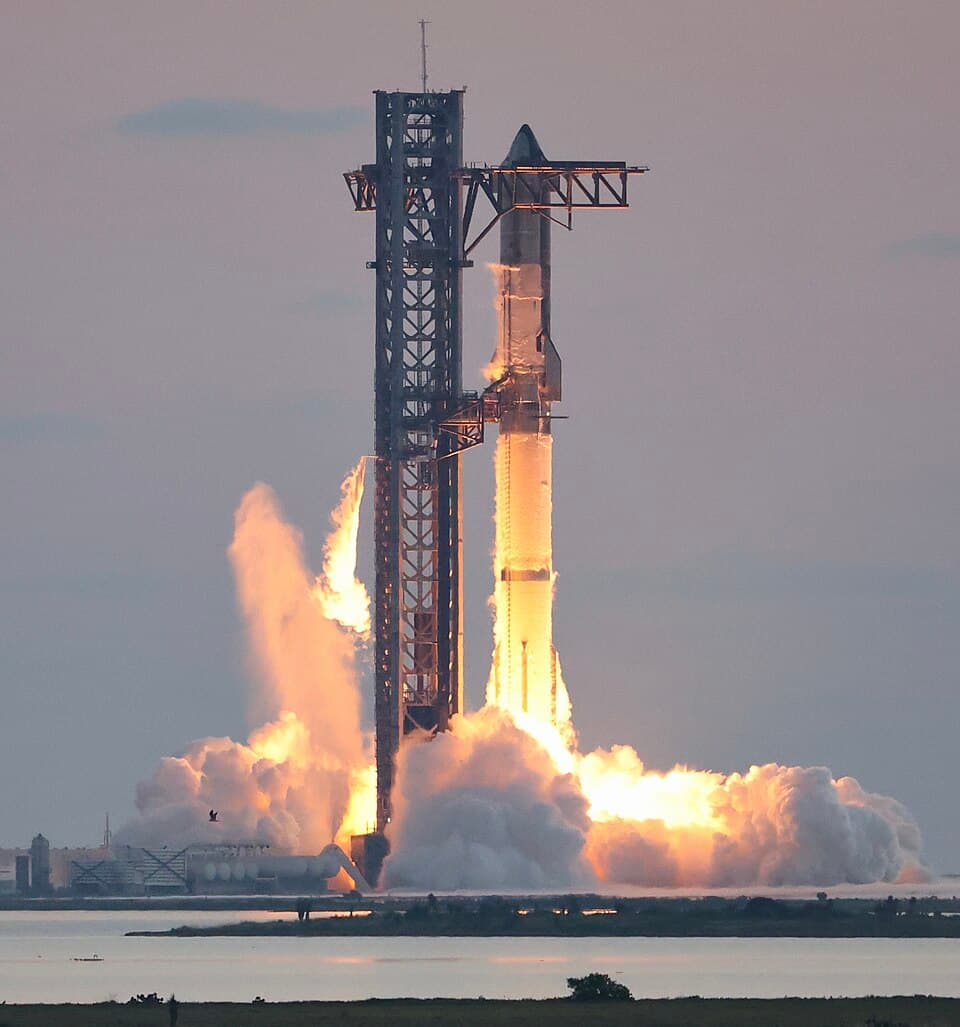
SpaceX
Fully reusable super-heavy-lift launch system designed for missions to the Moon, Mars, and beyond. V3 (Block 3) variant with Raptor 3 engines is the production version.