Active
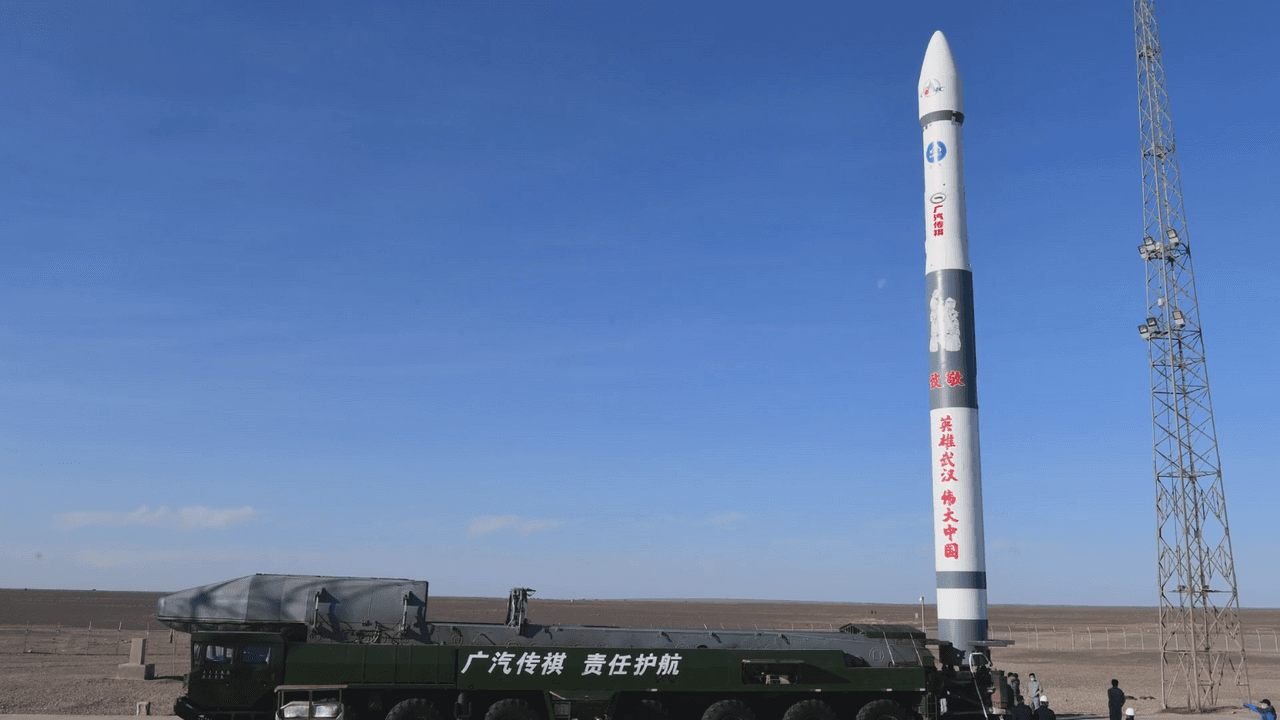
Kuaizhou-1A
Small-lift, solid-propellant launch vehicle (with a liquid upper stage) designed for rapid, low-cost small-satellite missions that can be prepared in hours. The upgraded 1A Pro adds a wider fairing and higher payload.
 Kuaizhou Aerospace
Active
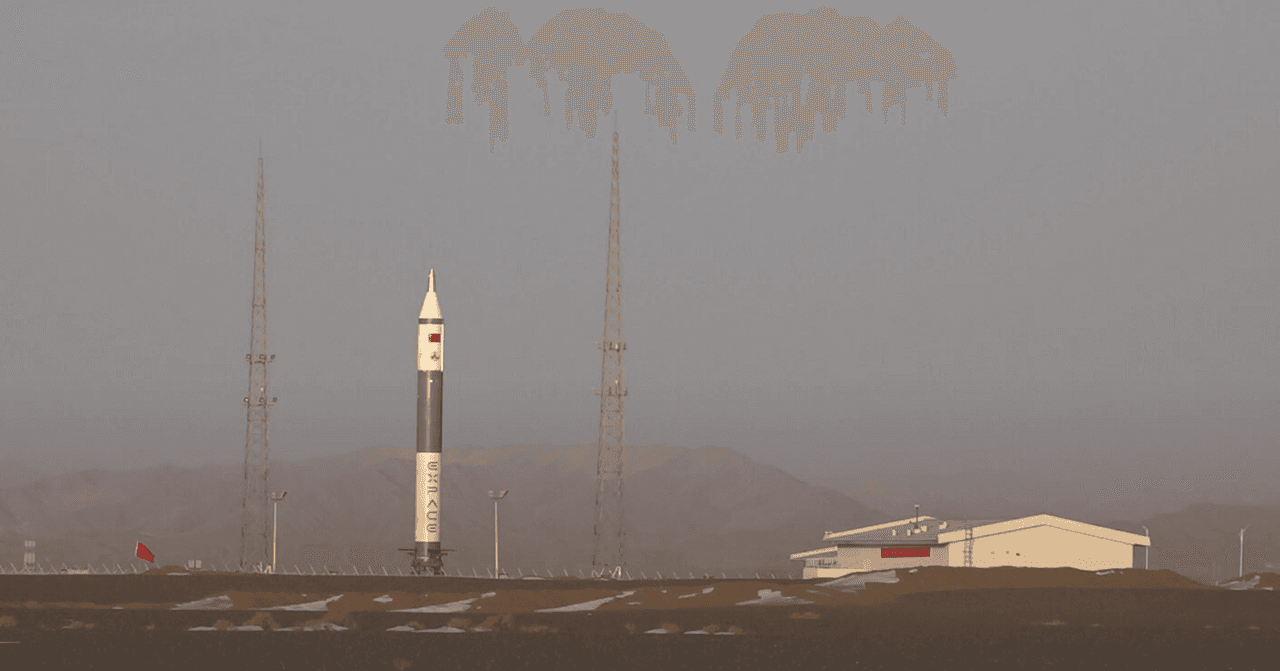
Larger solid-propellant launch vehicle with a 2.2 m diameter and 2.2–2.6 m fairing, offering roughly one tonne to a 700 km sun-synchronous orbit for quick-response constellation launches.
Latest update Sep 18, 2026
01
Maiden flight failed in July 2020; returned to flight in December 2022. Seventh flight on September 17, 2026 successfully placed Tianyi-51 and Tianyi-52 in orbit from Jiuquan - the vehicle's sixth straight success since the 2020 maiden failure and the first launch under the Kuaizhou Aerospace brand. No follow-on window has been posted as of September 18, 2026.
02
03
Announced next steps from Kuaizhou Aerospace that mention Kuaizhou-11.
2026
Kuaizhou-1A/1A Pro has not flown since its 31st mission (the VDES maritime-navigation pair) on December 5, 2025 - now more than nine months of quiet for a vehicle marketed on hours-long, high-tempo launch readiness. The latest flown vehicle was a Kuaizhou-11. Watch for the next 1A mission to confirm the cadence claim still holds.
2026-2027
Kuaizhou-11 Y3 succeeded from Jiuquan on September 17, 2026 with Tianyi-51 and Tianyi-52. No follow-on Kuaizhou-11 mission, payload, or window has been posted as of September 18, 2026. A next flight would show whether the post-rebrand 11 cadence can hold after three 2026 missions (March, June, September).
04
ExPace launched a Kuaizhou-11 solid rocket from the Jiuquan Satellite Launch Center at 11:58 a.m. Beijing time on June 17, carrying the CentiSpace-05 group of low-Earth-orbit GNSS-augmentation satellites built by Beijing-based Future Navigation. U.S. tracking indicated the payloads reached orbit on what was the sixth flight of the Kuaizhou-11 family, though Chinese authorities were unusually slow to confirm the result and unofficial reports raised questions about one or more satellites. The CentiSpace network is planned to grow to roughly 160 satellites to sharpen positioning accuracy.
05
Small-lift, solid-propellant launch vehicle (with a liquid upper stage) designed for rapid, low-cost small-satellite missions that can be prepared in hours. The upgraded 1A Pro adds a wider fairing and higher payload.
Next-generation solid-propellant launch vehicle in development, stepping up from the flight-proven Kuaizhou-11 to roughly 20 tonnes to LEO - in the Falcon 9 payload class - for larger constellation and government missions.
Largest planned member of the Kuaizhou family, a heavy-lift solid-propellant rocket targeting up to roughly 70 tonnes to LEO for large-constellation deployment and government payloads.
06
SpaceX
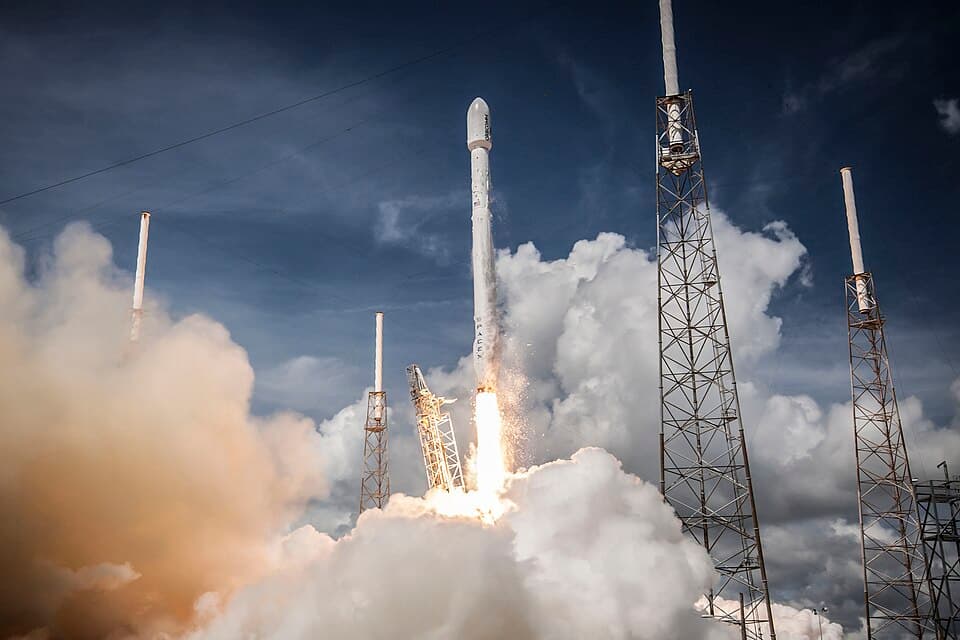
Partially reusable two-stage medium-lift launch vehicle. The world's most frequently launched orbital rocket.
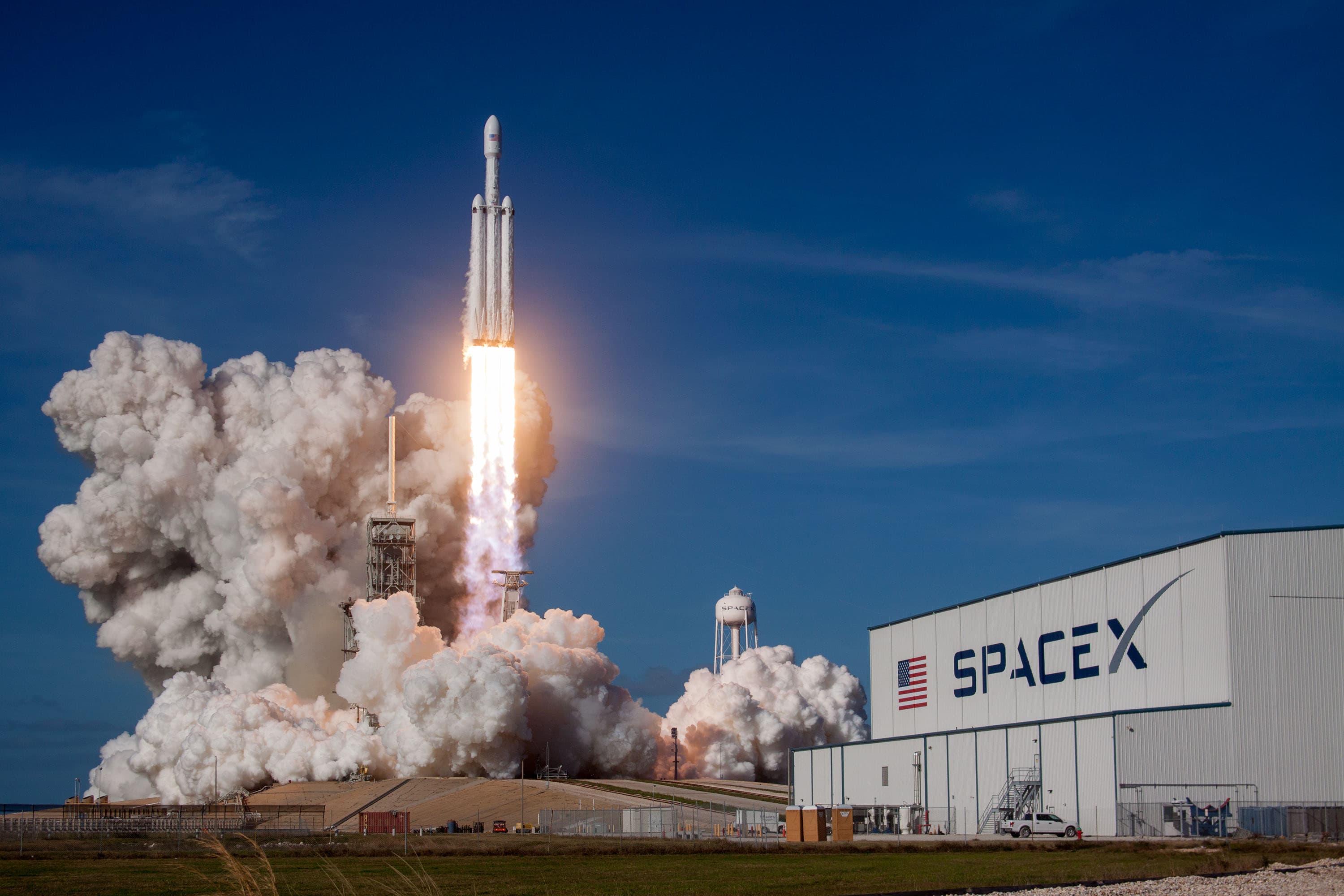
SpaceX
Heavy-lift launch vehicle consisting of a strengthened Falcon 9 core with two additional boosters.
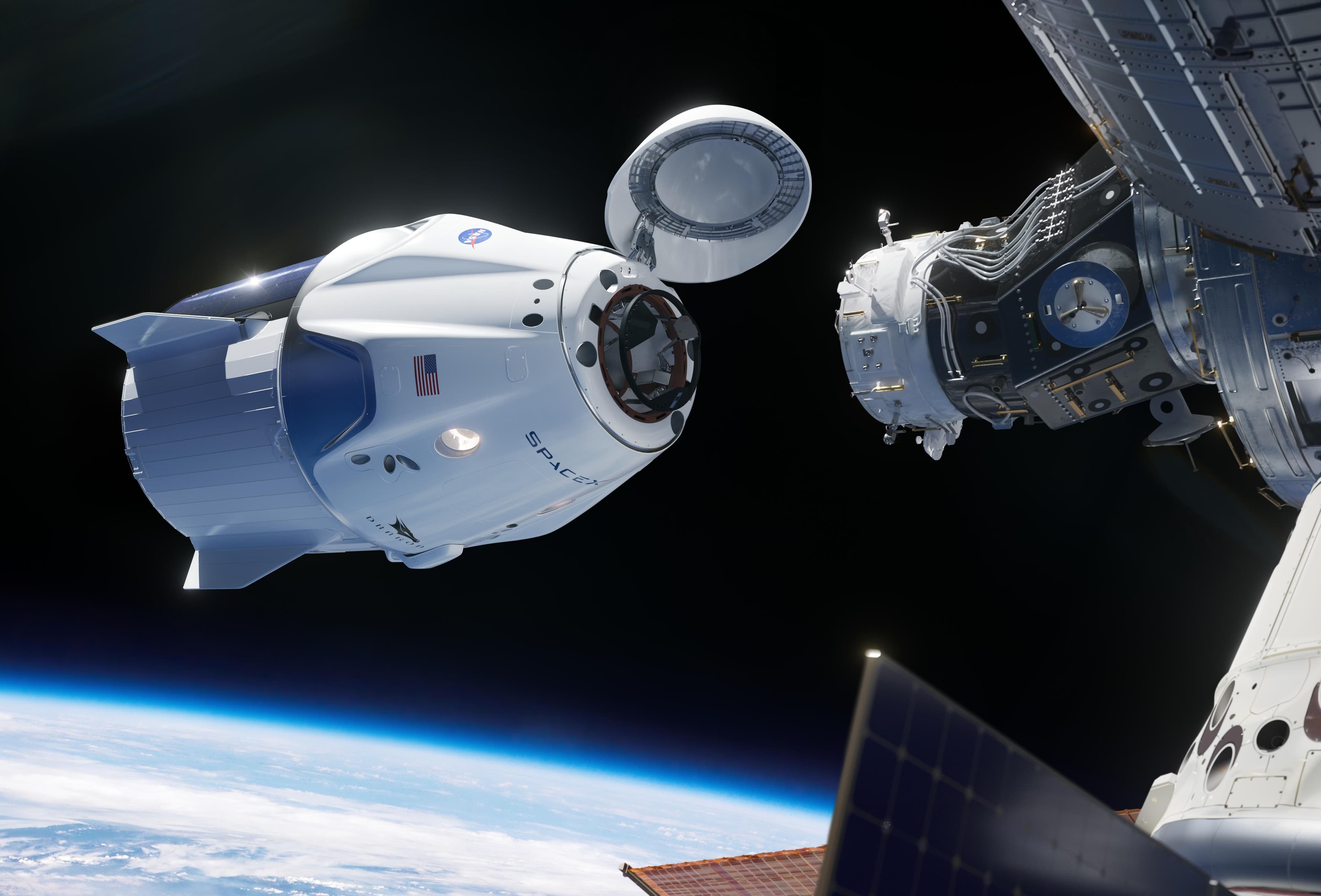
SpaceX
Reusable spacecraft for cargo and crew transport to the International Space Station.
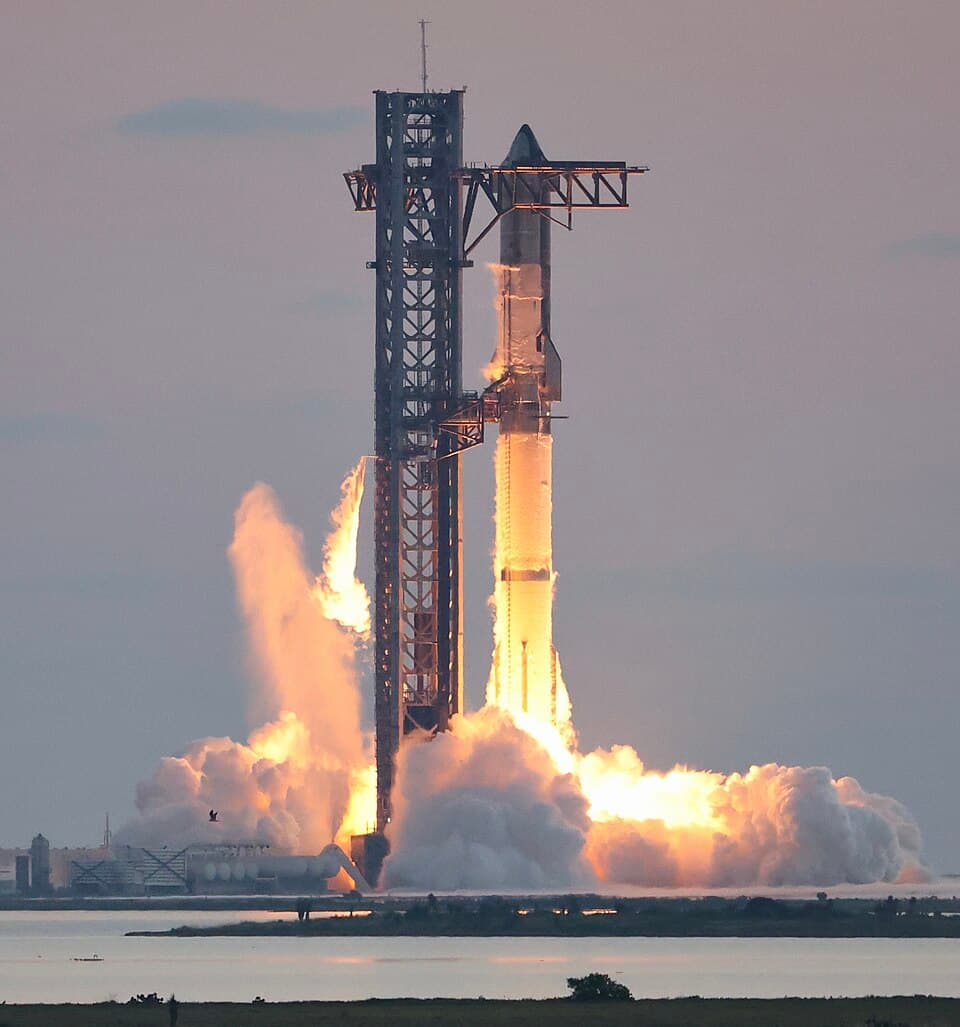
SpaceX
Fully reusable super-heavy-lift launch system designed for missions to the Moon, Mars, and beyond. V3 (Block 3) variant with Raptor 3 engines is the production version.