Active
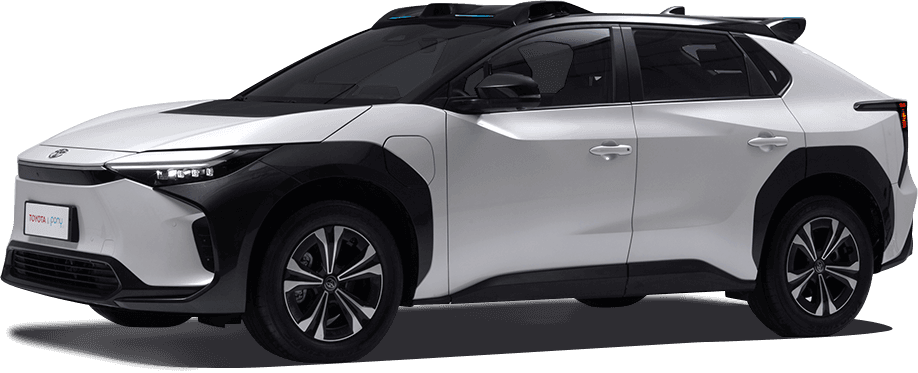
Gen-7 Robotaxi
Pony.ai's mass-production robotaxi platform for fully driverless commercial service, built with multiple OEM partners and designed for large-scale fleet deployment.
 Pony.ai
Active
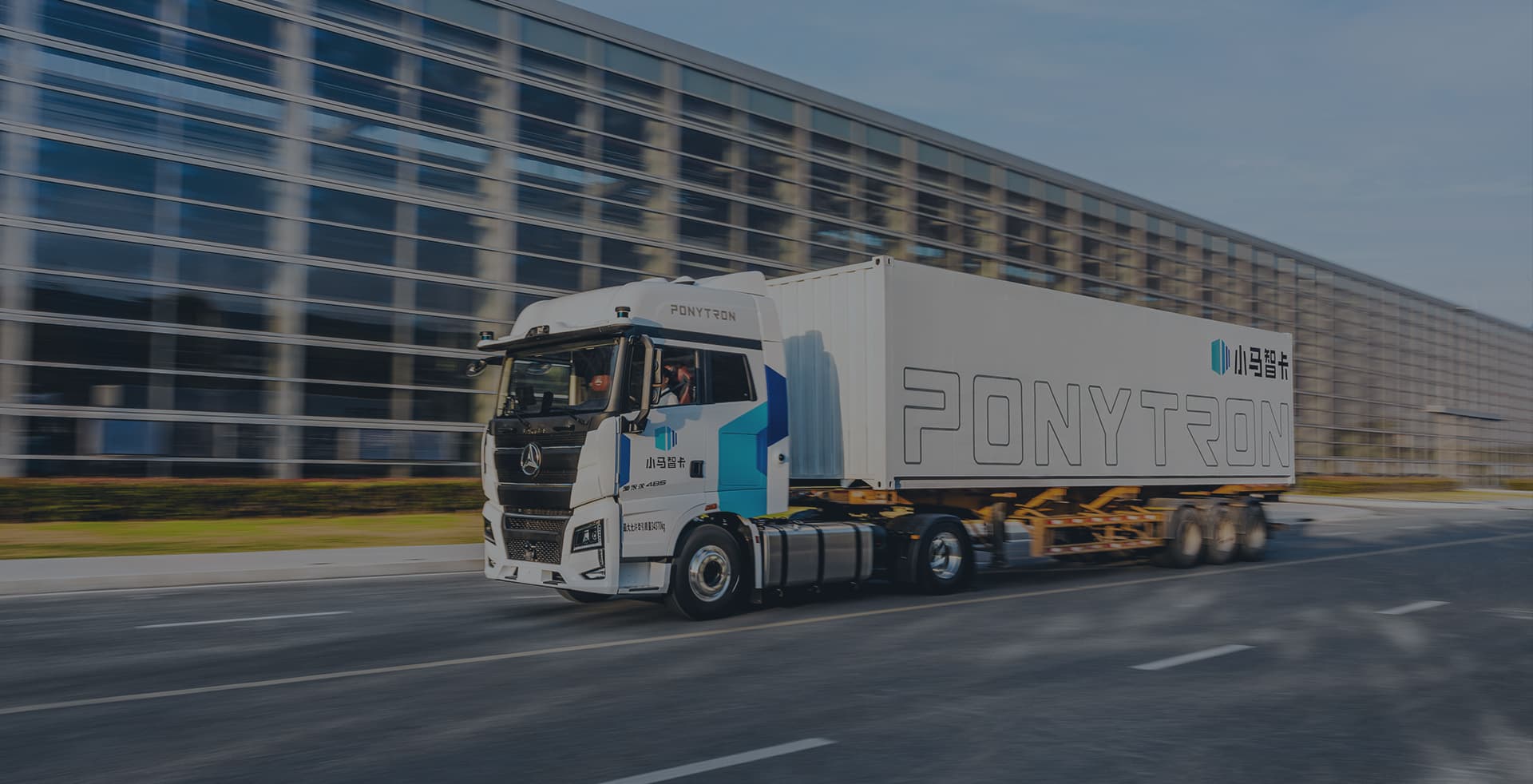
Pony.ai's autonomous freight platform for commercial logistics, including a Gen-4 robotruck designed for thousand-unit scale deployment.
Latest update Sep 15, 2026
01
Robotruck services are commercial today across trunk-line, dedicated-route, and port logistics - around 200 trucks in operation and over 1 billion tonne-km of freight transported as of late 2025. At an August 3, 2026 media briefing, Pony.ai reset its Gen-4 heavy-duty rollout to a slower, smaller near-term scale (500-1,000 units over the next two to three years, versus the earlier late-2026 mass-production/initial-fleet target) while unveiling a separate automotive-grade L4 light-duty truck built with CATL for urban logistics, aiming for 100,000 light-duty units by 2030. On September 14, 2026 at IAA Transportation, Pony.ai unveiled a Gen-4 T9 battery-electric heavy-duty truck with GAC Commercial Vehicle, with volume production scheduled later in 2026. Production Gen-4 units are now rolling off the line in batches, with Shenzhen's Mawan Port among the first commercial deployment sites.
02
03
Announced next steps from Pony.ai that mention Robotruck.
Late 2026
TargetLate 2026 (volume production); 2027-2028 (Europe and Middle East)
Begin volume production of the GAC Commercial Vehicle T9 Gen-4 L4 heavy-duty truck later in 2026, then expand Pony.ai's Robotruck business into Europe and the Middle East over the next two years, using the same Virtual Driver stack already running on Gen-7 robotaxis.
2028-2029
Following the August 2026 reset of its freight roadmap, deploy 500 to 1,000 Gen-4 autonomous heavy-duty trucks - which cut autonomous-driving kit (ADK) bill-of-materials cost roughly 70% versus the prior generation - across long-haul freight, bulk-commodity transport, and port logistics in China within the next two to three years, scaling up from the ~200-truck fleet running today. On September 14, 2026 Pony.ai and GAC Commercial Vehicle unveiled the Gen-4 T9, with volume production scheduled later in 2026, a nearer-term manufacturing step inside that 2028-2029 fleet window.
04
On September 14 at IAA Transportation in Hannover, Pony.ai unveiled a Level 4 heavy-duty truck built with GAC Commercial Vehicle on the T9 battery-electric platform, part of its Gen-4 Robotruck lineup. The truck uses a fully redundant drive-by-wire chassis and an automotive-grade ADK with nine lidars, three millimeter-wave radars and 13 cameras sharing the Gen-7 robotaxi domain controller, with ADK bill-of-materials cost down 70% versus the prior generation. Volume production is scheduled later in 2026, and Pony.ai said it plans to take Robotruck into Europe and the Middle East over the next two years.
05
Pony.ai's mass-production robotaxi platform for fully driverless commercial service, built with multiple OEM partners and designed for large-scale fleet deployment.
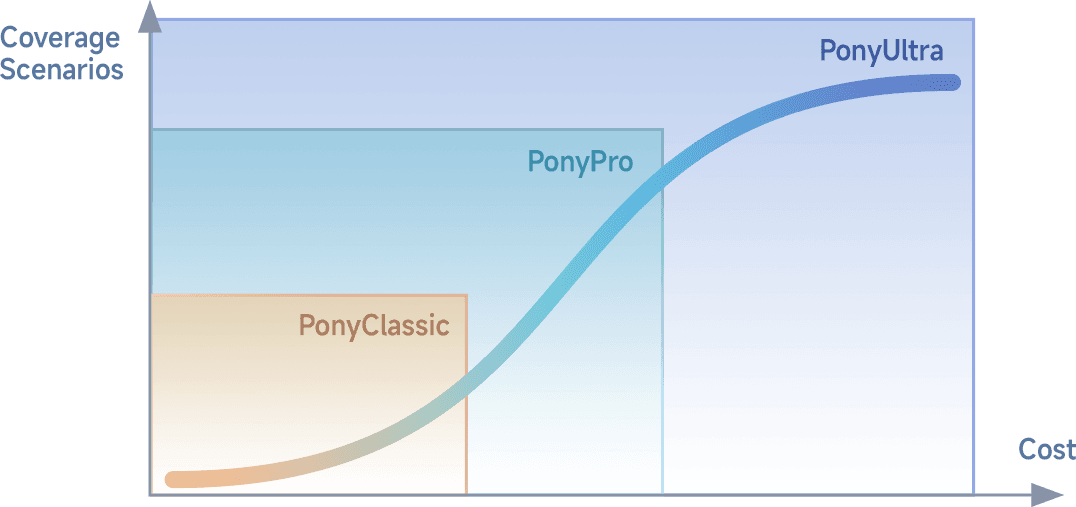
Pony.ai's personally owned vehicle and licensing business applies its virtual-driver technology to passenger vehicles, autonomous domain controllers, and adjacent robotics markets.
06
Tesla
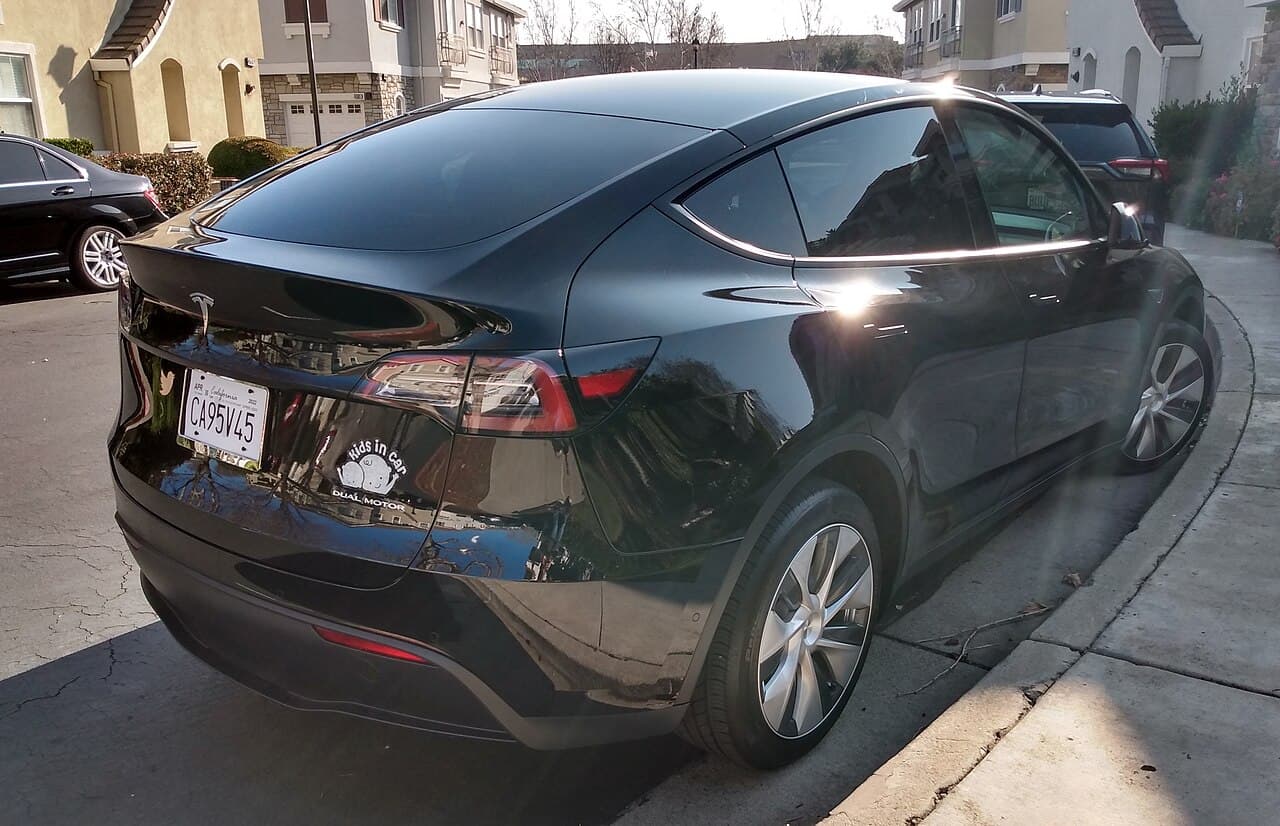
Tesla's highest-volume electric crossover SUV and the core of its global vehicle lineup. Tesla says it completed the refreshed Model Y rollout in 2025, and the current lineup spans rear-wheel drive, all-wheel drive, premium, and performance variants depending on market.
Tesla
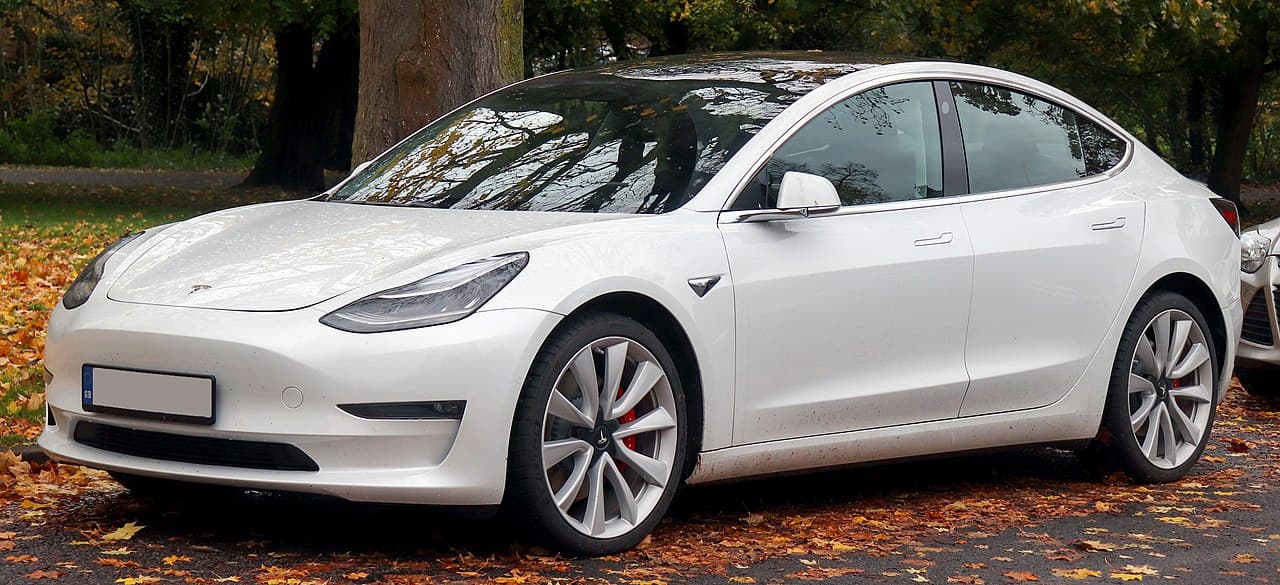
Tesla's mass-market electric sedan and one of the company's longest-running products. The current Model 3 lineup emphasizes efficiency, software features, and lower entry pricing than Model Y or Cybertruck.
Tesla
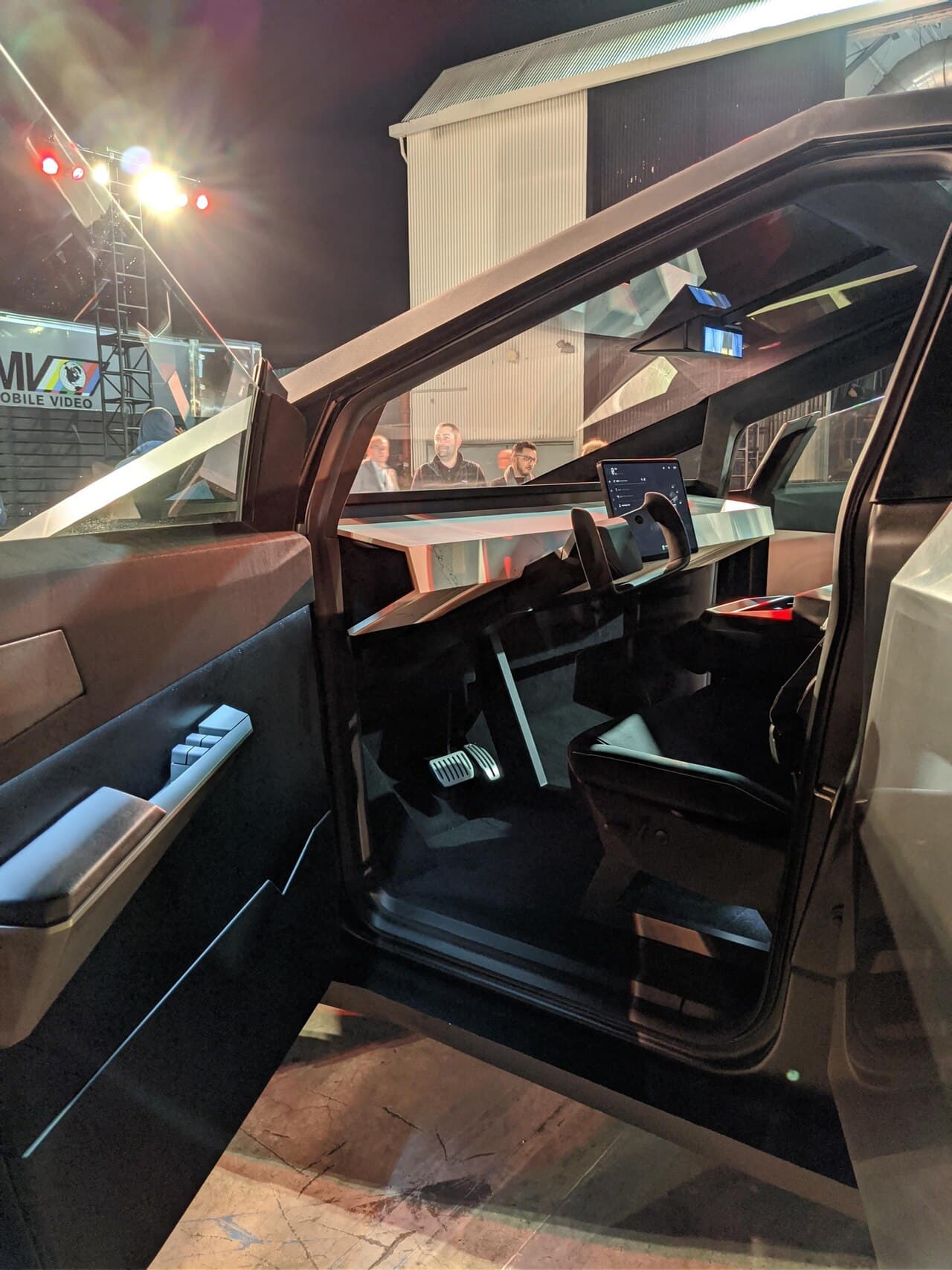
Tesla's stainless steel electric pickup truck, positioned as a high-performance utility vehicle with adaptive suspension, high towing capacity, and fast charging. Tesla's current lineup includes Dual Motor All-Wheel Drive, Premium All-Wheel Drive, and Cyberbeast trims.
Tesla
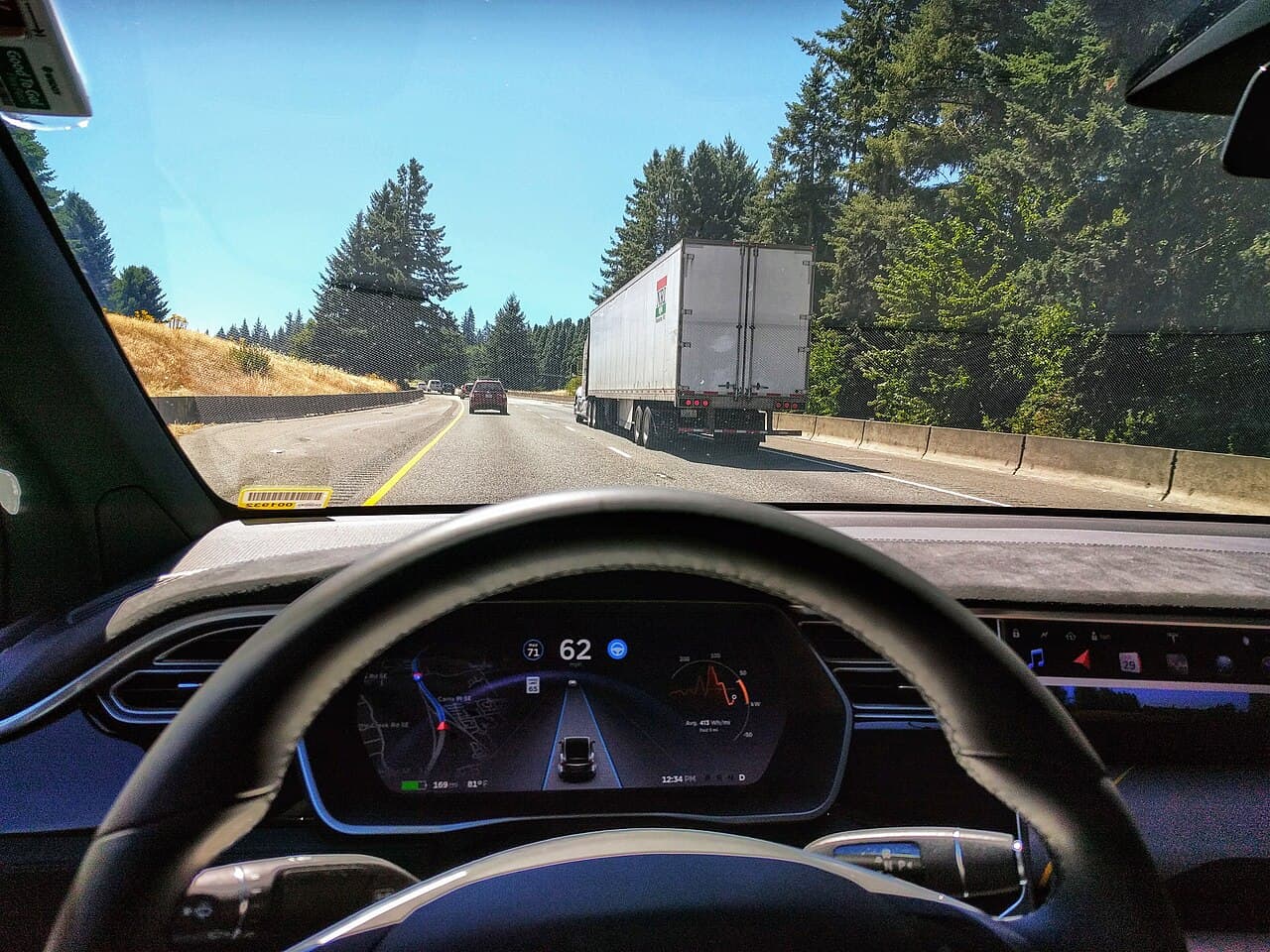
Tesla's advanced driver-assistance software that can navigate city streets, make lane changes, park, and use summon features under active driver supervision. Tesla positions the same AI foundation behind FSD as part of its broader autonomy and robotics stack.