Starcloud

Starcloud-2

In Development

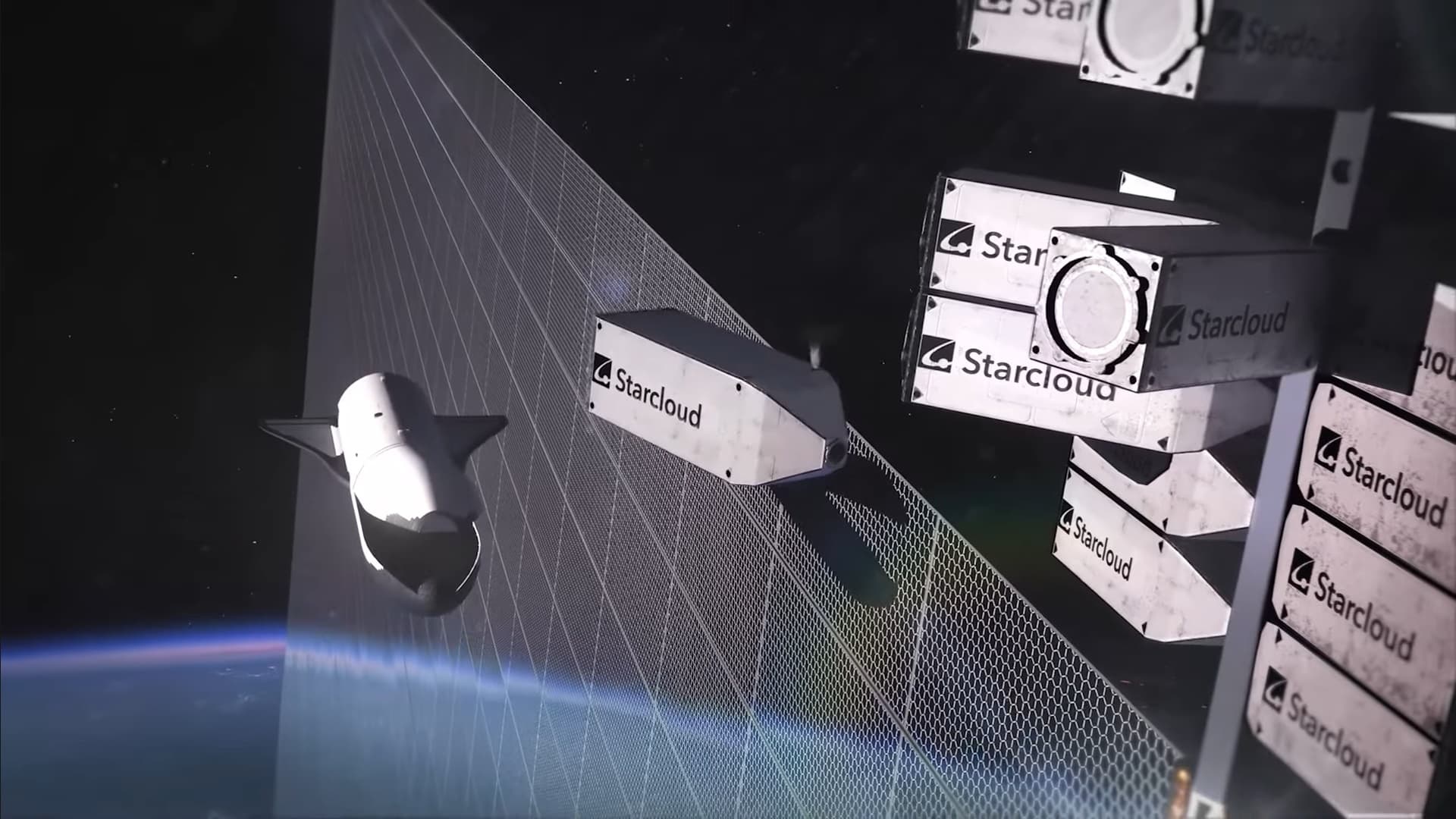
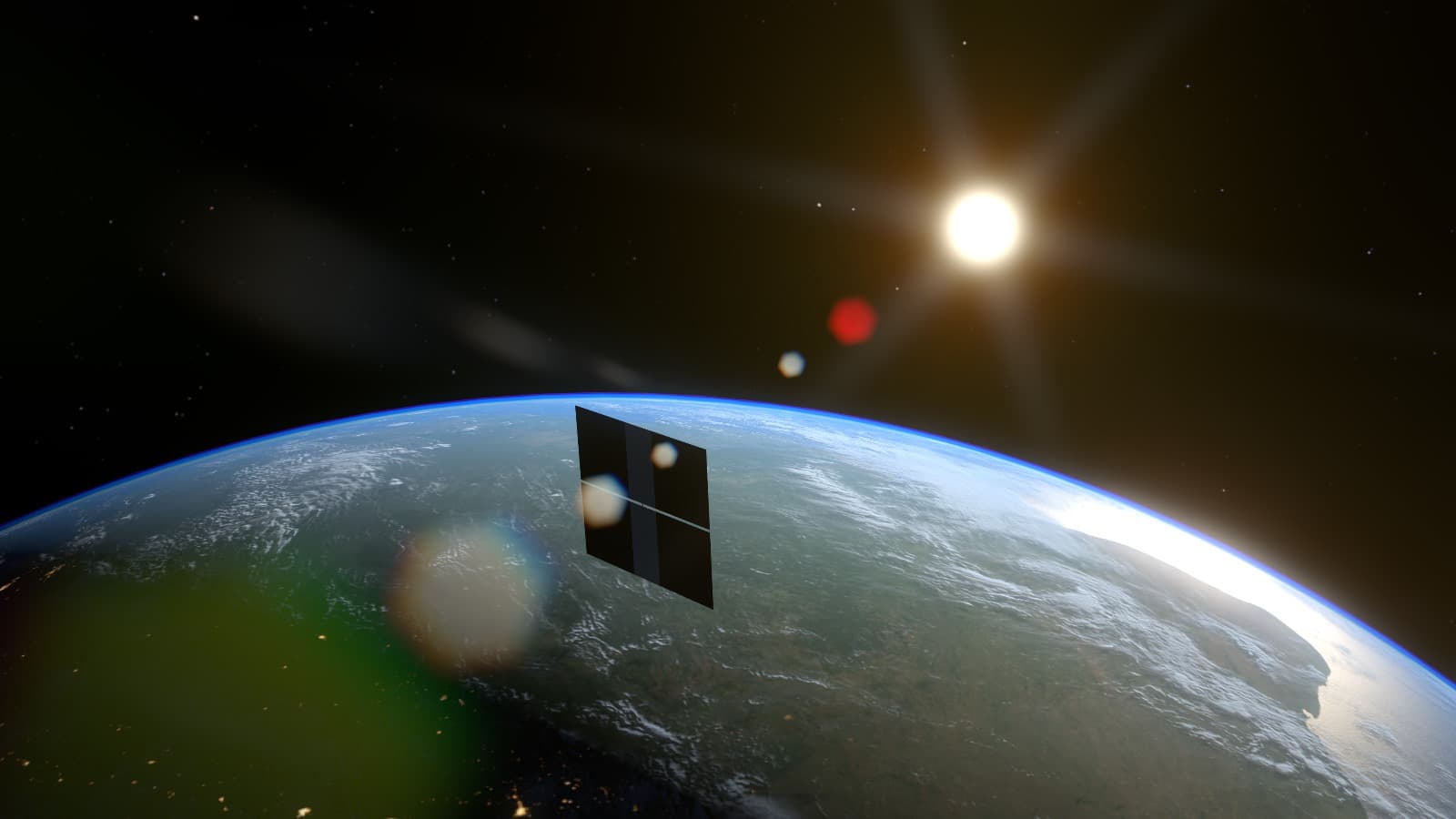
The first commercial mission: a GPU cluster with persistent storage and 24/7 access, plus an AWS server blade, bitcoin mining ASICs, and a pair of Starlink Mini Laser terminals. Waste heat, not power, is the binding constraint on dense orbital compute. Johnston told TechCrunch in August 2026 the near-term plan is two 8 kW Starcloud-2 satellites on 2027 rideshares for customers including US government agencies, rather than a single October 2026 launch. The official product page still targets full operation in sun-synchronous orbit by 2027.

Latest update Sep 7, 2026

Starcloud-2

01

Current status

October 2026 launch target slipped. Two 8 kW Starcloud-2 class satellites are now planned for 2027 rideshares, with full commercial operation in sun-synchronous orbit still targeted for 2027.

02

Specifications3

Power
8 kW per satellite

(company figure, August 2026), described earlier as roughly 100x Starcloud-1's power generation

Compute

Nvidia Blackwell B200 GPUs, an AWS server blade, and bitcoin mining ASICs

Target Launch
Two satellites on 2027 rideshares

was October 2026

03

Upcoming milestones3

Announced next steps from Starcloud that mention Starcloud-2.

  1. 2027

    Launch Starcloud-2, the first commercial orbital data center

    Starcloud-2 is now two 8 kW satellites on 2027 rideshares, each meant to carry a GPU cluster, an AWS server blade, bitcoin mining ASICs, and a pair of Starlink Mini Laser terminals. It is the first test of whether Starcloud can dissipate the waste heat that dense compute generates in vacuum, which is the engineering problem that decides whether any of the larger designs are possible. Johnston also said the company is considering a dedicated Falcon 9 to fly more spacecraft.

  2. 2027

    Sell GPU capacity from orbit through Crusoe Cloud

    Crusoe agreed in October 2025 to deploy Crusoe Cloud on a Starcloud satellite and offer limited GPU capacity from early 2027, which would make it the first cloud operator selling compute from space. That window now sits against a 2027 Starcloud-2 launch rather than a late-2026 deploy, and Crusoe has not restated the date since the slip.

  3. 2027

    Bring Starcloud-2 to full commercial operation in sun-synchronous orbit

    The official product page still targets full operation in 2027, in a sun-synchronous orbit that keeps the arrays in sunlight more than 95% of the time so the GPU cluster can run continuously rather than duty-cycled the way Starcloud-1 does. Persistent storage and 24/7 access are what would let it serve terrestrial customers rather than only other spacecraft.

04

More from Starcloud3

05

More in Orbital Economy