Helsing is a Munich-based defense technology company founded in 2021 by Torsten Reil, Gundbert Scherf and Niklas Köhler, chaired and heavily backed by Spotify founder Daniel Ek.
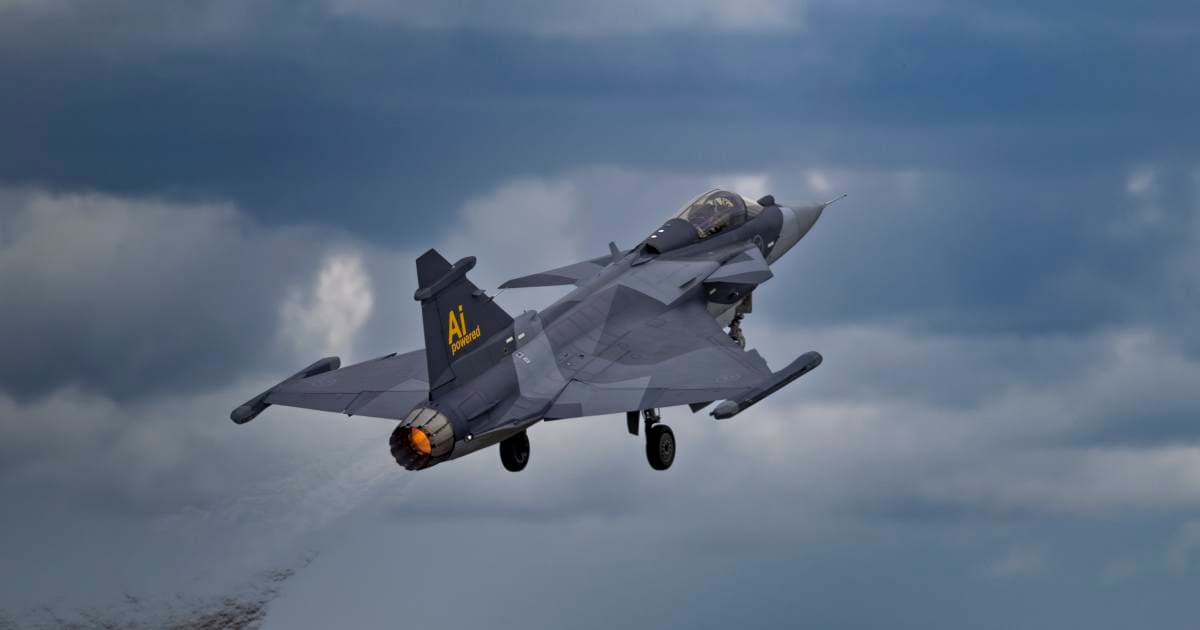
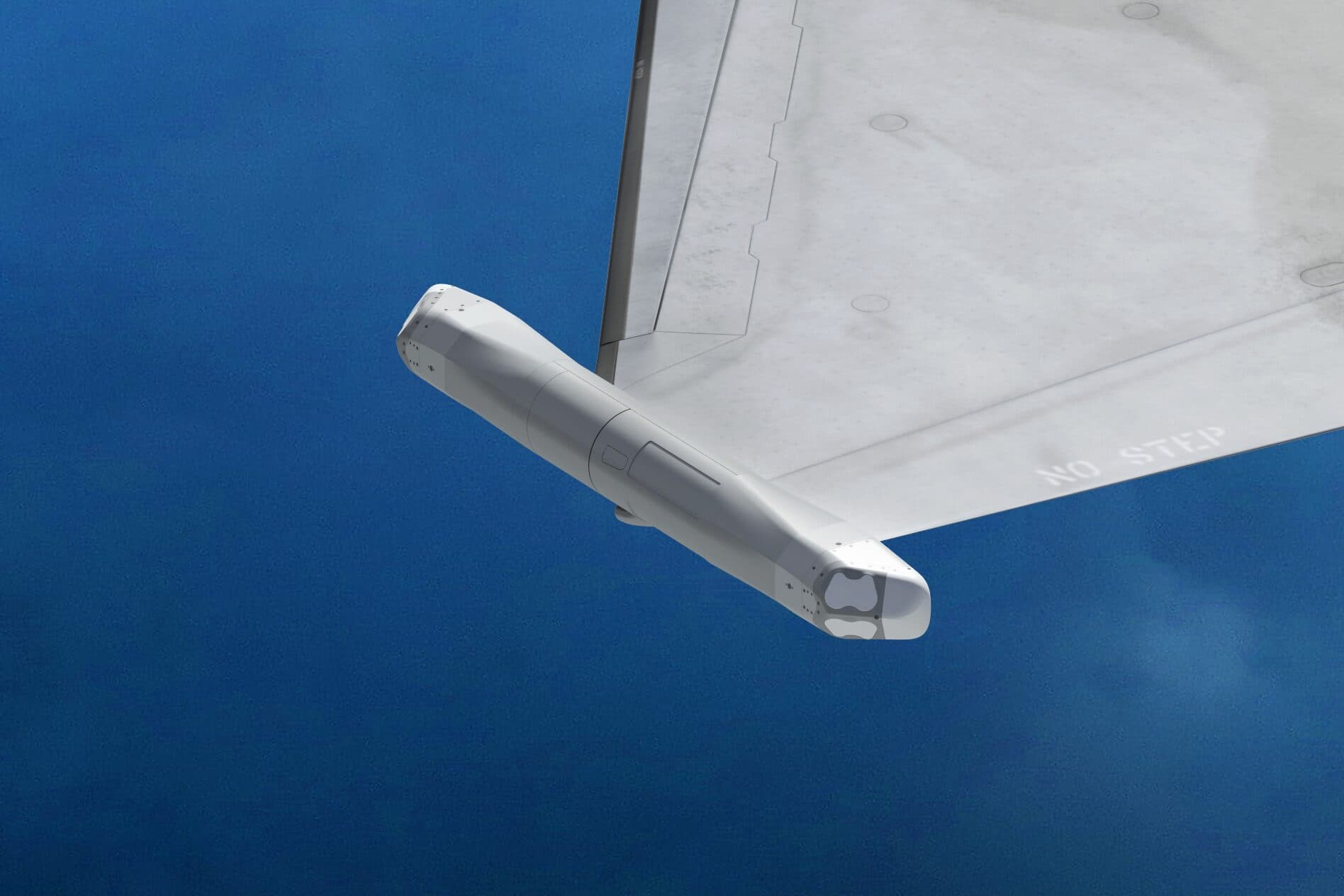
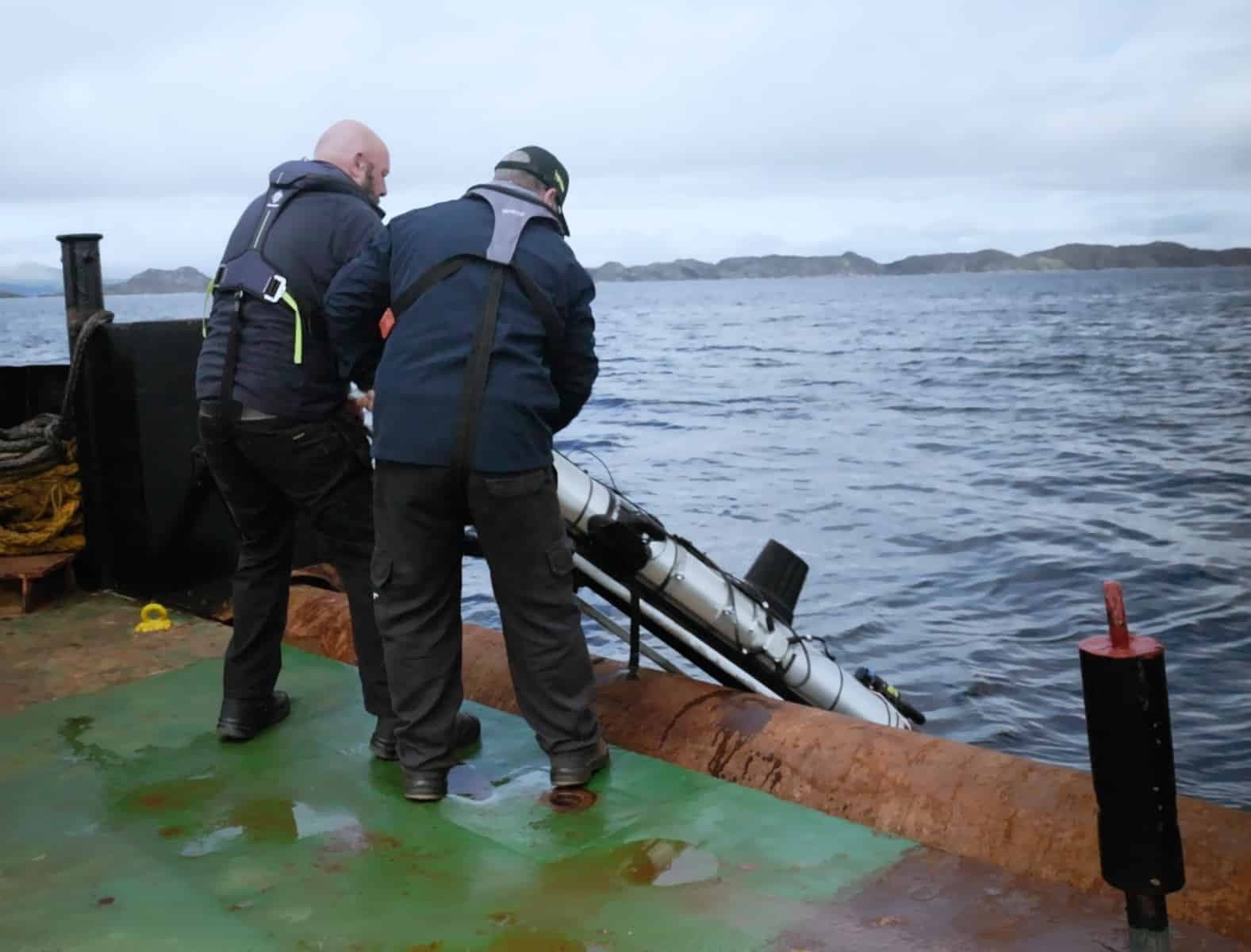
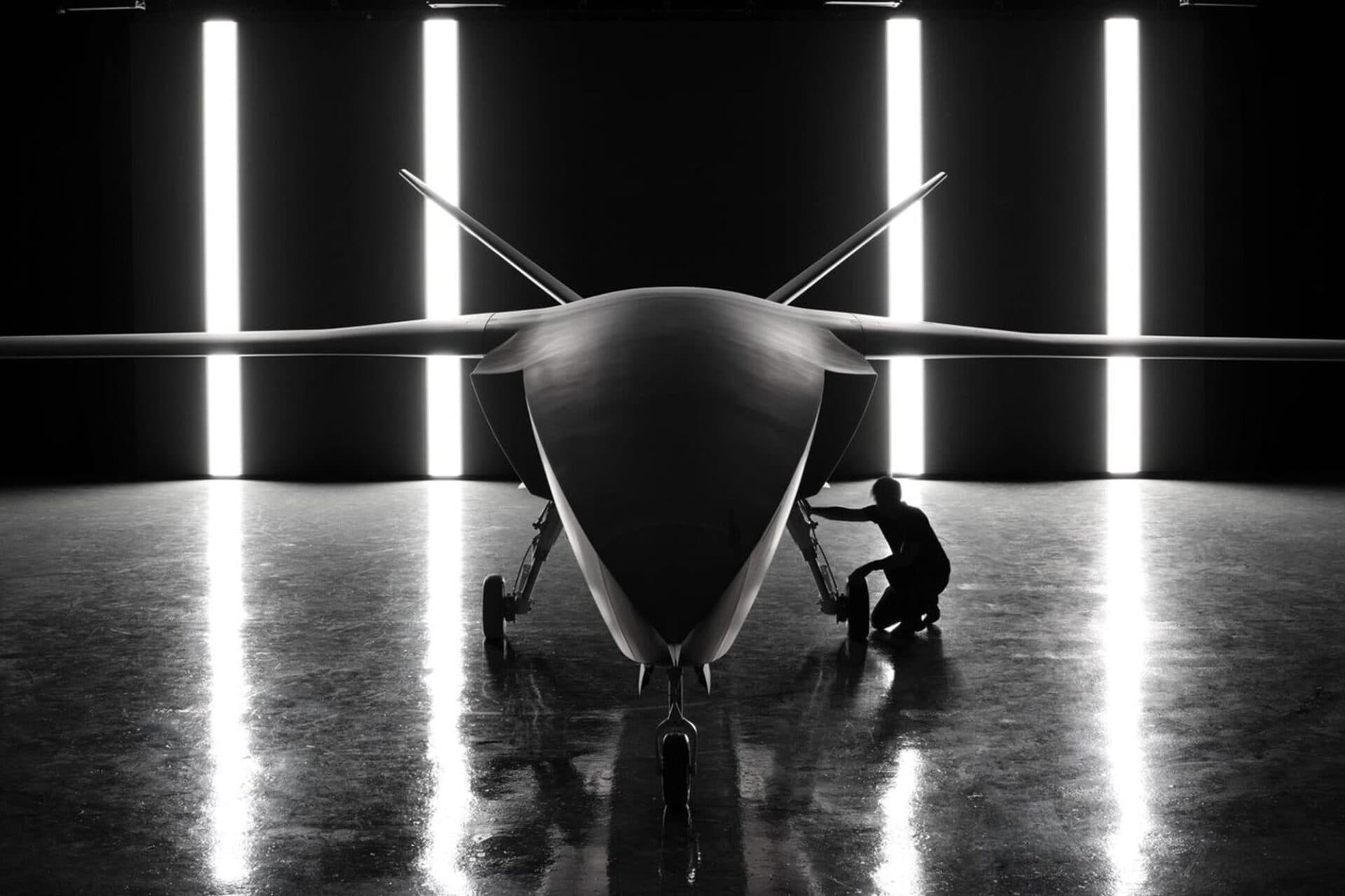
It began as an AI-software company and has expanded into a full-stack, multi-domain defense manufacturer: the HX-2 X-wing strike drone, the Altra reconnaissance-strike software platform, the Centaur AI fighter pilot (which flew a Saab Gripen E in world-first beyond-visual-range trials in June 2025), the Cirra electronic-warfare AI for Germany's Eurofighter EK, the SG-1 Fathom underwater glider running the Lura acoustic AI, and the CA-1 Europa autonomous combat aircraft being built by its subsidiary Grob Aircraft. Its drones are combat-deployed in Ukraine, where it says it delivers several hundred HX-2s per month against a 6,000-unit order, though Bloomberg and WELT reporting has questioned the drone's frontline accuracy and pricing. Riding Europe's rearmament wave, Helsing won an initial €269M Bundeswehr loitering-munition contract in February 2026 (framework up to ~€1B over seven years) and a €258M AI electronic-warfare contract for the Eurofighter with Saab Germany. In the UK, its Plymouth 'Resilience Factory' builds SG-1 Fathom gliders for the Royal Navy's Atlantic Bastion undersea-surveillance program under a £350M investment commitment. Acquisitions of Grob Aircraft (June 2025), Australian AUV maker Blue Ocean (October 2025), and Barcelona-based quadruped-robot maker Keybotic (January 2026) gave it aircraft, maritime, and ground-robotics manufacturing muscle. In July 2026 it closed a $1.8B Series E at an ~$18B valuation led by Dragoneer with Lightspeed - Europe's largest defense-startup round - making it Germany's most valuable startup while remaining predominantly European-owned. Japan's Ground Self-Defense Force signed an initial HX-2 agreement in May 2026, and in the US Army's Project Flytrap 5.0 exercise in Lithuania the HX-2 scored an 88% hit rate (15 of 17), even as a WELT report citing a Ukrainian defense-ministry document put its Donbas combat hit rate at just 35.7% (5 of 14) - a discrepancy Helsing disputes, citing near-100% hit rates in German, UK and Kenyan trials. The Series E also funds Helsing's first US plant, a $50M 'Resilience Factory' in Martinsburg, West Virginia, and in July 2026 Germany moved to award Helsing a €580M contract to build the CFSN combat-cloud software salvaged from the collapsed Franco-German FCAS fighter program; the company also named former Ukrainian deputy defense minister Andriy Shevchenko as Managing Director for Ukraine. Helsing is also pushing into space: in December 2025 it joined Kongsberg Defence & Aerospace and Hensoldt to develop a sovereign European ISR/targeting satellite constellation targeted for 2029, and in May 2026 OHB joined that group to form the 'KIRK' joint venture for tactical space-based reconnaissance. The next proof points are the CA-1 Europa's first flight (targeted March 2027), Fathom's full operational capability with the Royal Navy by end-2026, and whether Japan's Ground Self-Defense Force converts September 2026 HX-2 field tests into a firm buy. In June 2026 Helsing also stood up Area 9, its advanced research division, and unveiled RX-1, a European-built quadruped research platform it is giving to universities rather than selling.
SG-1 Fathom reaches full operational capability with the Royal Navy
After Hebridean Sea swarm trials and the December 2025 launch of the UK's Atlantic Bastion undersea-surveillance network, hundreds of Plymouth-built Fathom gliders are to reach full operational capability by the end of 2026. The Royal Navy held further supplier demo days for the wider undersea-surveillance programme in April 2026. Re-checked on September 17, 2026 against Helsing's Fathom product page, Royal Navy Atlantic Bastion coverage, and recent news: no FOC date has been announced and the end-2026 target is unchanged. Watch for the first sustained North Atlantic ASW patrols and any follow-on orders from other NATO navies.
West Virginia 'Resilience Factory' reaches initial operating capability
Helsing's first US manufacturing site in Martinsburg, West Virginia ($50M investment, 60+ jobs) is targeting initial operating capability in November 2026, with full-rate production toward 2,000+ HX-2 drones/month within a year of that milestone. Watch for the IOC date, initial output rate, and any US government orders that follow. As of September 11, 2026 the November 2026 target remains in place with no public slip or IOC announcement.
Finalize Japan HX-2 deal following GSDF field tests
Building on the initial HX-2 agreement Helsing struck with Japan's Ground Self-Defense Force in May 2026, Helsing enlisted Japanese e-commerce and finance firm Rakuten in August 2026 to help broker a full sales deal, with Rakuten serving as the point of contact between Helsing and the Japanese government. Reuters and The Japan Times reported on August 18 that the GSDF field tests run through the end of September 2026. As of September 17, 2026, those tests are still in their scheduled window and no public test results or firm procurement contract have been announced. Watch for the field-test outcome after September 30 and whether it converts into a buy.
The Grob-built autonomous combat aircraft is slated to fly for the first time in March 2027 in an optionally-piloted configuration with a Grob test pilot aboard, with autonomous flights on a European test range planned toward the end of 2027. A successful maiden flight would validate Helsing's bet that a software company can field a combat aircraft in under four years and keep the 2029 IOC credible. Re-checked against September 2026 reporting: the target date is unchanged and the aircraft has not yet flown.
Under the CFSN program (reported at €580M total), Helsing is to deliver two experimental uncrewed combat aircraft, two ground control stations and a government-owned reference architecture across two tranches spanning 2026-2027 - the software backbone Germany is building as FCAS's replacement. The Bundestag budget committee formally approved an initial ~€220M tranche for the mission-system component on July 8, 2026, as part of a broader €9.5B+ defense procurement package that also cleared a separate €540M medium-range loitering-munition buy from Helsing and Stark. Watch for the first tranche handover and whether other nations plug into the reference architecture.
Cirra/Arexis Eurofighter EK integration work completes
The €258M contract with Saab Germany runs three years from its November 2025 signing, embedding Cirra's AI emitter-classification into the Arexis suite so 15 Eurofighter EK jets can replace the Tornado in the electronic-attack role by ~2030. Cirra completed flight testing on Helsing's own testbed aircraft in January 2026, validating the emitter-classification model against live radar data over a satellite telemetry link ahead of integration onto the Eurofighter itself. Re-checked on September 17, 2026 against Helsing's Cirra product page and Eurofighter EK coverage: the three-year integration window through 2028 and ~2030 EK service target are unchanged, with no new flight-test milestone published. Watch for flight-test milestones of AI-enhanced EW on the Eurofighter and any expansion beyond the initial 15 aircraft.
Helsing targets 2029 initial operating capability for the kinetic-attack CA-1, with the CA-1EA electronic-attack variant to follow in 2031 - positioning it against Airbus's Wingman and US collaborative combat aircraft for German and allied orders. Re-checked on September 17, 2026: the target dates are unchanged, the CA-1KA has not yet flown, and its first-flight target (see the separate 'CA-1 Europa (CA-1KA) first flight' entry) remains Q1 2027. Watch whether Germany commits launch funding and how the Hensoldt sensor package matures.
European ISR satellite constellation ('KIRK') fielded
The Kongsberg/Hensoldt/Helsing partnership formed December 2025, joined by OHB via the 'KIRK' joint venture in May 2026, targets a fielded sovereign European small-satellite constellation for intelligence, surveillance and targeting by 2029, with Isar Aerospace named preferred launch partner. Re-checked on September 17, 2026 against the May 19 OHB/Helsing KIRK announcement and subsequent coverage: the joint venture is still at working-title stage, no named satellite platform or first-launch contract has been published, and the 2029 fielding target is unchanged. Watch for the joint venture's formal closing, a named satellite platform, and any first launch contract.
On the night of September 2-3, 2026, incendiary devices were thrown from a car at a construction site near the headquarters of Helsing and Rohde & Schwarz in Munich's Berg am Laim district, Euronews and Sueddeutsche Zeitung reported. The fire was extinguished with little or no damage and no injuries. Two Bulgarian nationals, a 38-year-old man and a 28-year-old woman, were arrested and ordered into pretrial detention for attempted arson; Bavarian police and the state extremism office are investigating a possible political motive, and investigators have not confirmed Helsing was the intended target.
German defense technology company Helsing said Rakuten is helping broker a deal to sell its HX-2 strike drones to Japan's Ground Self-Defense Force, serving as the point of contact between Helsing and the Japanese government. Japan's GSDF is field testing the HX-2 through the end of September as Tokyo looks to modernize its military and counter an increasingly assertive China, building on an initial agreement the two sides struck earlier in 2026.
German defense AI company Helsing closed a $1.8 billion Series E on July 13, valuing the company at $18 billion and marking the largest funding round ever for a European defense-technology startup. Investors including Dragoneer, Lightspeed Venture Partners, General Catalyst and Canada Pension Plan Investment Board backed the oversubscribed round. Days later Helsing said it will build its first US manufacturing facility in Martinsburg, West Virginia, a $50 million plant to produce its AI-enabled HX-2 strike drone at a rate of more than 2,000 units a month once fully operational.
German defense-AI company Helsing said on July 13 it raised $1.8 billion in a Series E round valuing it at $18 billion - Europe's largest defense-startup raise, cementing its position as the continent's most valuable defense-tech company. New and existing backers included Dragoneer, Lightspeed, Iconiq, Growth Equity at Goldman Sachs Alternatives, JPMorganChase, CPP Investments, General Catalyst, Plural and StepStone, with the company saying investor demand far exceeded the available allocation. Helsing, which makes the HX-2 strike drone and Centaur AI fighter-pilot software and remains predominantly European-owned, will use the capital to scale its multi-domain buildout.
1,000+ per company statement at Jul 2026 Series E close (Handelsblatt); third-party trackers (PitchBook, TipRanks) put group headcount lower, at 700-900 as of Aug 2026 - plus ~275 at Grob Aircraft subsidiary
Est. annual revenue
Not disclosed at group level
Audited Helsing GmbH annual accounts (the German legal entity behind most contracts), filed with the Bundestag lobbyregister in October 2025, show revenue of €26.9M in FY2024 (up from €9.6M in FY2023) with a €3.7M net profit, and management guidance of €27-30M for FY2025. Sacra separately estimates €85-120M in group-wide annual recurring revenue for FY2025 from government contracts, a wider scope than the GmbH filing captures. Either way, revenue remains small relative to the ~$18B valuation, though the Feb 2026 Bundeswehr framework (up to ~€1B), the €258M Eurofighter contract, and the reported €580M CFSN award point to a much larger step change from FY2026 onward.
Valuation
~$18B
(July 2026 $1.8B Series E); no later round or marked-up secondary reported as of September 17, 2026
Total raised
~€1.36B through Series D, plus $1.8B Series E closed Jul 2026 (grew from the $1.2B reported in May) - over €3B raised cumulatively since 2021
HX-2 deliveries to Ukraine
Thousands delivered since start of 2026, against a 6,000-unit order; combat hit-rate estimates remain disputed with no independent data released by Kyiv or Berlin - WELT/Ukrainian MoD document reports 35.7% (5 of 14, Donbas) vs. ~88% (US Army Flytrap 5.0, Lithuania - Helsing's own figure) and near-100% in Helsing's own German/UK/Kenya trials
Bundeswehr HX-2 contract
€269M initial
(Feb 2026), framework capped at ~€1B over 7 years
Eurofighter EK EW contract
€258M over 3 years with Saab Germany
Cirra AI, 15 aircraft
UK investment commitment
£350M
(Trinity House Agreement), incl. Plymouth 'Resilience Factory' opened Nov 2025
Employees
1,000+ per company statement at Jul 2026 Series E close (Handelsblatt); third-party trackers (PitchBook, TipRanks) put group headcount lower, at 700-900 as of Aug 2026, plus ~275 at Grob Aircraft subsidiary
Estimated ARR
Sacra estimates €85-120M FY2025 group-wide ARR from government contracts (company doesn't disclose); audited Helsing GmbH annual accounts, the German legal entity behind most contracts, show €26.9M FY2024 revenue and €27-30M FY2025 management guidance
CFSN combat-cloud contract
€580M total program reported
(Jul 2026) - FCAS-successor software/autonomy backbone; Bundestag budget committee formally approved an initial ~€220M tranche for the mission-system component on July 8, 2026, part of a broader €9.5B+ defense procurement package
US manufacturing investment
$50M West Virginia 'Resilience Factory'
(Martinsburg, announced Jul 2026), 60+ jobs, targeting initial operating capability in November 2026 and full-rate production (2,000+ HX-2/month) within a year of that
European ISR satellite consortium
Helsing, Kongsberg Defence & Aerospace, Hensoldt (from Dec 2025) and OHB (from May 2026, as the 'KIRK' JV) targeting a fielded constellation by 2029; as of September 17, 2026 the JV is still at working-title stage with no named platform or first-launch contract
06
Operations & revenue
Operating status
Scaling rapidly across air, land, sea, and space - and now the US and Japan
Helsing is in aggressive expansion mode: HX-2 production runs at a Resilience Factory in southern Germany (designed for ~1,000 drones/month) with thousands delivered to Ukraine since the start of 2026, a second factory in Plymouth builds SG-1 Fathom gliders for the Royal Navy, Grob Aircraft in Bavaria is building the CA-1 Europa, and Barcelona-based Keybotic (acquired January 2026) adds quadruped ground robots. In July 2026 it closed a $1.8B Series E at an $18B valuation, opened its first US 'Resilience Factory' in Martinsburg, West Virginia ($50M, 60+ jobs, targeted 2,000+ HX-2/month), and Germany moved to award it a €580M contract to build the CFSN combat-cloud software salvaged from the collapsed FCAS fighter program. Helsing is also extending into space through a Kongsberg/Hensoldt ISR-satellite partnership (Dec 2025) that added OHB as a third partner via the 'KIRK' joint venture in May 2026, targeting a fielded European reconnaissance constellation by 2029. In August 2026 Helsing enlisted Japanese conglomerate Rakuten to broker a potential HX-2 sale to Japan's Ground Self-Defense Force, which is field-testing the drone through the end of September 2026; as of September 17 those tests remain in their scheduled window with no published results or firm buy. HX-2 accuracy remains contested: a WELT report citing a Ukrainian MoD document put its Donbas hit rate at 35.7% (5 of 14), while the US Army's Project Flytrap 5.0 exercise in Lithuania recorded an 88% hit rate (15 of 17) and Helsing cites near-100% rates in German/UK/Kenyan trials plus continued Ukrainian unit demand for 1,000+ additional drones; Helsing also named former Ukrainian deputy defense minister Andriy Shevchenko as Managing Director for Ukraine in mid-July 2026.
Revenue streams
Strike drones (HX-2 / HF-1)
Sales of loitering munitions to Germany (€269M initial Bundeswehr contract, framework up to ~€1B), Ukraine (6,000-unit HX-2 order plus 4,000 HF-1, thousands delivered since start of 2026), and new export customers - Japan's JGSDF signed an initial HX-2 agreement in May 2026 and the US Army evaluated HX-2 at Flytrap 5.0 (88% hit rate). Production is scaling with a new $50M US 'Resilience Factory' in West Virginia (targeted 2,000+/month) alongside the German plant, and a June 2026 MoU with France's Eurenco to co-develop a sovereign European warhead for the drone.
AI software integration for combat aircraft
Software contracts embedding Helsing AI into European platforms: the €258M Cirra electronic-warfare integration with Saab's Arexis suite for 15 Eurofighter EK jets, plus a €580M contract (Jul 2026) to build Germany's CFSN combat-cloud software - the salvaged successor to the collapsed Franco-German-Spanish FCAS program's AI backbone.
Maritime autonomy (SG-1 Fathom / Lura)
Underwater surveillance-as-a-capability for the UK's Atlantic Bastion North Atlantic ASW network, with gliders produced at the Plymouth Resilience Factory; the Blue Ocean acquisition adds Australian AUV manufacturing and AUKUS-adjacent opportunities.
Aircraft manufacturing (Grob Aircraft)
Grob's existing composite trainer-aircraft business plus development of the CA-1 Europa autonomous combat aircraft (kinetic-attack and electronic-attack variants) at Tussenhausen, Bavaria.
Ground robotics (Keybotic Keyper)
Autonomous quadrupedal robots for industrial inspection in hazardous environments (energy, oil and gas, mining), acquired with Keybotic in January 2026 and now being integrated into Helsing's broader autonomous-systems portfolio alongside its air and maritime hardware.
Not yet revenue-generating: a teaming agreement with Kongsberg Defence & Aerospace and Hensoldt (Dec 2025), joined by OHB via the 'KIRK' joint venture (May 2026), to build a sovereign European small-satellite constellation for intelligence, surveillance and targeting, with Helsing supplying onboard AI for sensor fusion and target recognition. Targeted for a fielded constellation by 2029.
07
Timeline22
2026
Arson attempt near Munich headquarters; two arrested
On the night of September 2-3, 2026, incendiary devices were thrown from a car at a construction site near Helsing and Rohde & Schwarz headquarters in Munich's Berg am Laim district. The fire was extinguished with little or no damage and no injuries. Two Bulgarian nationals were arrested and ordered into pretrial detention for attempted arson; Bavarian police and the state extremism office are investigating a possible political motive, and investigators have not confirmed Helsing was the intended target.
Hensoldt to supply CAIRAS missile-warning system for CA-1 Europa
On July 27, 2026 Hensoldt announces it will supply the first three units of its CAIRAS (Compact Infrared Reconnaissance and Alert System) missile-warning system for the CA-1 Europa, the first deliverable under the Hensoldt-Helsing self-protection partnership formed in February 2026. CAIRAS uses passive dual-colour infrared sensors for 360-degree missile detection and forms part of the AMPS-MR self-protection suite alongside Hensoldt's Kalaetron radar warning system, marking the first use of the AMPS suite on an uncrewed aircraft.
Andriy Shevchenko named Managing Director for Ukraine
Helsing appoints Andriy Shevchenko - a former Ukrainian deputy defense minister, ambassador to Canada and three-term member of parliament - as Managing Director for its Ukraine operations, as the company says it has delivered thousands of HX-2 units to Ukrainian forces since the start of 2026.
EUR580M German contract for CFSN combat-cloud software
After the Franco-German FCAS fighter program collapses, Germany lines up a EUR580M contract for Helsing to build the Combat Fighter System Nucleus (CFSN) - the software and autonomy backbone for future German fighters, drones and sensors - with Helsing delivering two experimental uncrewed combat aircraft, two ground control stations and a government-owned reference architecture, alongside subcontractors MBDA Deutschland, Grob Aircraft, Hensoldt and Rohde & Schwarz.
First US factory: $50M West Virginia 'Resilience Factory'
Helsing selects Martinsburg, West Virginia for its first US manufacturing site, a $50M investment creating 60+ high-skilled jobs to build HX-2 strike drones at a targeted capacity of 2,000+ units per month once fully ramped; the facility is expected online by the end of 2026.
HX-2 scores 88% hit rate in US Army's Project Flytrap 5.0
In Project Flytrap 5.0 at the Pabrade training area in Lithuania, US soldiers fire 17 HX-2 rounds under jamming and electronic-warfare conditions and hit 15 targets (~88%). The result contrasts with a WELT report citing a Ukrainian Ministry of Defense document showing only 5 of 14 (35.7%) hits in Donbas combat use, a discrepancy Helsing disputes, pointing to near-100% hit rates in German, UK and Kenyan trials.
$1.8B Series E at $18B valuation; CA-1 Electronic Attack variant
On July 13, 2026 Helsing formally closed a $1.8B Series E at an ~$18B valuation - Europe's largest defense-startup round - led by Dragoneer with Lightspeed, Iconiq, Growth Equity at Goldman Sachs Alternatives, JPMorganChase, CPP Investments, General Catalyst, Plural and StepStone, saying demand far exceeded the allocation while the company stayed predominantly European-owned (an earlier $1.2B figure had been reported by the FT in May). Japan's JGSDF also signed an initial HX-2 agreement, and at ILA Berlin in June Helsing unveiled the CA-1EA electronic-attack variant (service target 2031) alongside the CA-1KA kinetic variant flying in early 2027.
Unveils Area 9 research division and RX-1 quadruped platform
On June 1, 2026 in Paris, Helsing publicly launches Area 9 - its advanced research division led by Chief Scientist Antoine Bordes, previously an internal incubator - and unveils RX-1, a quadrupedal robotics research platform designed and manufactured in Europe, including in-house actuators. Helsing says it will make RX-1 available to academic labs rather than sell it as a combat robot; first partners are Marco Hutter's robotics group at ETH Zurich and INRIA Paris.
2026
OHB joins the consortium; 'KIRK' space joint venture formed
On May 20, 2026 Helsing and OHB establish a joint venture, working title 'KIRK' (Kunstliche Intelligenz und Raumfahrt-Kompetenz), for a tactical space-based reconnaissance and targeting system. OHB joins the Kongsberg/Hensoldt consortium to supply turnkey satellite payloads and space systems alongside Helsing's onboard AI for real-time data fusion and automated target recognition.
First major Bundeswehr strike-drone contract
In February 2026 the Bundestag budget committee approves an initial €269M contract for Helsing's HX-2 (alongside a Stark award, €536M combined), with a framework capped at ~€1B per company over seven years - Germany's first large-scale armed-drone procurement, partly to equip its new brigade in Lithuania. In January, Bloomberg reporting on alleged HX-2 flaws and suspended Ukrainian orders was publicly disputed by Helsing.
Acquires Keybotic, a Spanish quadruped ground-robot maker
On January 12, 2026 Helsing acquires Barcelona-based Keybotic, maker of the Keyper autonomous quadrupedal robot built for industrial inspection in hazardous environments, adding a ground-robotics hardware line alongside its air (HX-2, Altra, Centaur) and maritime (SG-1 Fathom) systems.
2025
Kongsberg and Hensoldt team up on a European ISR satellite constellation
On December 10, 2025 Helsing joins Kongsberg Defence & Aerospace and Hensoldt in a partnership to build a sovereign European constellation of small satellites for space-based intelligence, surveillance and targeting, with Helsing's Altra software fusing onboard SAR, electro-optical and RF sensor data. The group targets a fielded constellation by 2029, with Isar Aerospace named preferred launch partner.
Blue Ocean acquisition and €258M Eurofighter EW contract
In October 2025 Helsing acquires Australian AUV specialist Blue Ocean Marine Tech Systems to mass-produce underwater vehicles. On November 19 it signs a €258M, three-year contract with Saab Germany to integrate its Cirra AI into the Arexis electronic-warfare suite for 15 Luftwaffe Eurofighter EK jets; it also opens its first UK factory in Plymouth.
CA-1 Europa autonomous combat aircraft unveiled
In September 2025 Helsing presents the CA-1 Europa, a roughly four-tonne-class uncrewed combat aircraft developed with Grob, natively flown by the Centaur AI stack. First flight is targeted for 2027 and service entry for 2029.
€600M Series D at €12B and Grob Aircraft acquisition
In June 2025 Helsing raises €600M led by Prima Materia at a ~€12B valuation, becoming Europe's most valuable defense startup. The same month it acquires Bavarian manufacturer Grob Aircraft (~275 employees) to build its own aircraft.
Centaur AI flies a Saab Gripen E
Between May 28 and June 3, 2025, Helsing's Centaur AI agent takes control of a Gripen E over the Baltic in Saab's 'Project Beyond' - a publicly claimed world first for an AI agent flying a fighter in beyond-visual-range combat scenarios, including trials against a crewed Gripen D.
SG-1 Fathom and Lura maritime AI unveiled
In May 2025 Helsing reveals the SG-1 Fathom autonomous underwater glider and Lura, a 'large acoustic model' trained on ocean-sound archives to detect ships and submarines. Swarms of the gliders are pitched as persistent, affordable undersea surveillance.
6,000 additional strike drones for Ukraine
In February 2025 Helsing announces it will produce 6,000 HX-2 strike drones for Ukraine, on top of 4,000 earlier HF-1 drones funded by Germany. Production runs at its RF-1 Resilience Factory in southern Germany.
2024
HX-2 strike drone unveiled
On December 2, 2024 Helsing unveils the HX-2, an electrically propelled X-wing loitering munition with ~100 km range and onboard AI for jamming-resistant terminal guidance. It is designed for low-cost mass production at Helsing's 'Resilience Factories'.
€450M Series C at €4.9B valuation
In July 2024 Helsing raises €450M led by General Catalyst with Elad Gil, Accel, Saab, Lightspeed, Plural and Greenoaks, at a ~€4.9B valuation. Funds target NATO's eastern flank and European sovereignty capabilities.
2023
Saab partnership and €209M Series B
In September 2023 Helsing raises a €209M Series B led by General Catalyst, with Saab taking a €75M strategic stake (~5%). The Saab alliance embeds Helsing's AI into Gripen and Eurofighter programs and later spawns the Centaur flight trials.
2021
Founded in Munich with €100M from Daniel Ek
Torsten Reil, Gundbert Scherf and Niklas Köhler found Helsing to build AI software for European defense and democracies. In November 2021, Daniel Ek's Prima Materia leads a €100M round, triggering the first Spotify artist boycotts.
08
Funding
$1.8Bdisclosed across 1 round with a stated amount
RoundAmountInvestors
Series A
Nov 2021
€100M
Prima Materia (Daniel Ek)
Series B
Sep 2023
€209M
General Catalyst (lead), Saab (€75M strategic investment)
Series C
Jul 2024
€450M at ~€4.9B valuation
General Catalyst (lead), Elad Gil, Accel, Saab, Lightspeed, Plural, Greenoaks
Series D
Jun 2025
€600M at ~€12B valuation
Prima Materia (lead)
Series E
Jul 2026
$1.8B at ~$18B valuation
Dragoneer (lead), Lightspeed, Iconiq, Growth Equity at Goldman Sachs Alternatives, JPMorganChase, CPP Investments, General Catalyst, Plural, StepStone