Antares Nuclear
Jordan Bramble
Data verified as of Sep 18, 2026
Summary
Antares Nuclear is a Torrance-based microreactor startup founded in 2023 by CEO Jordan Bramble and co-founder Julia DeWahl to factory-produce sodium heat-pipe fission reactors for defense and space missions. Its commercial R1 is a TRISO-fueled, graphite-core unit rated at 100 kWe to 1 MWe for 6+ years without refueling, using passive sodium heat pipes and a nitrogen closed Brayton cycle. On June 4, 2026 its Mark-0 zero-power demonstration reached initial criticality at Idaho National Laboratory's RACE facility - the first privately developed non-light-water reactor to go critical in the United States in more than four decades, and the first under DOE's Reactor Pilot Program. Antares has raised about $604M in disclosed equity and debt, including a $470M Series C ($370M equity + $100M debt) co-led by Paradigm and Caffeinated Capital on July 27, 2026. It has been selected to own, construct, and operate microreactor power at Fort Bragg under the Army's Janus Program, to site a prototype at Joint Base San Antonio under the Air Force ANPI initiative, and on September 11, 2026 won a $161M Space Force Strategic Breakthrough award for a ground demonstration of its R1-S space reactor. On September 17 it signed a multi-year HALEU supply contract with Centrus, with deliveries before the end of the decade. The company targets electricity from its Mark-1 reactor at INL in 2027 and first military deployments by 2028, against Executive Order 14299's September 30, 2028 deadline for an operating reactor on a U.S. installation.
Main Products
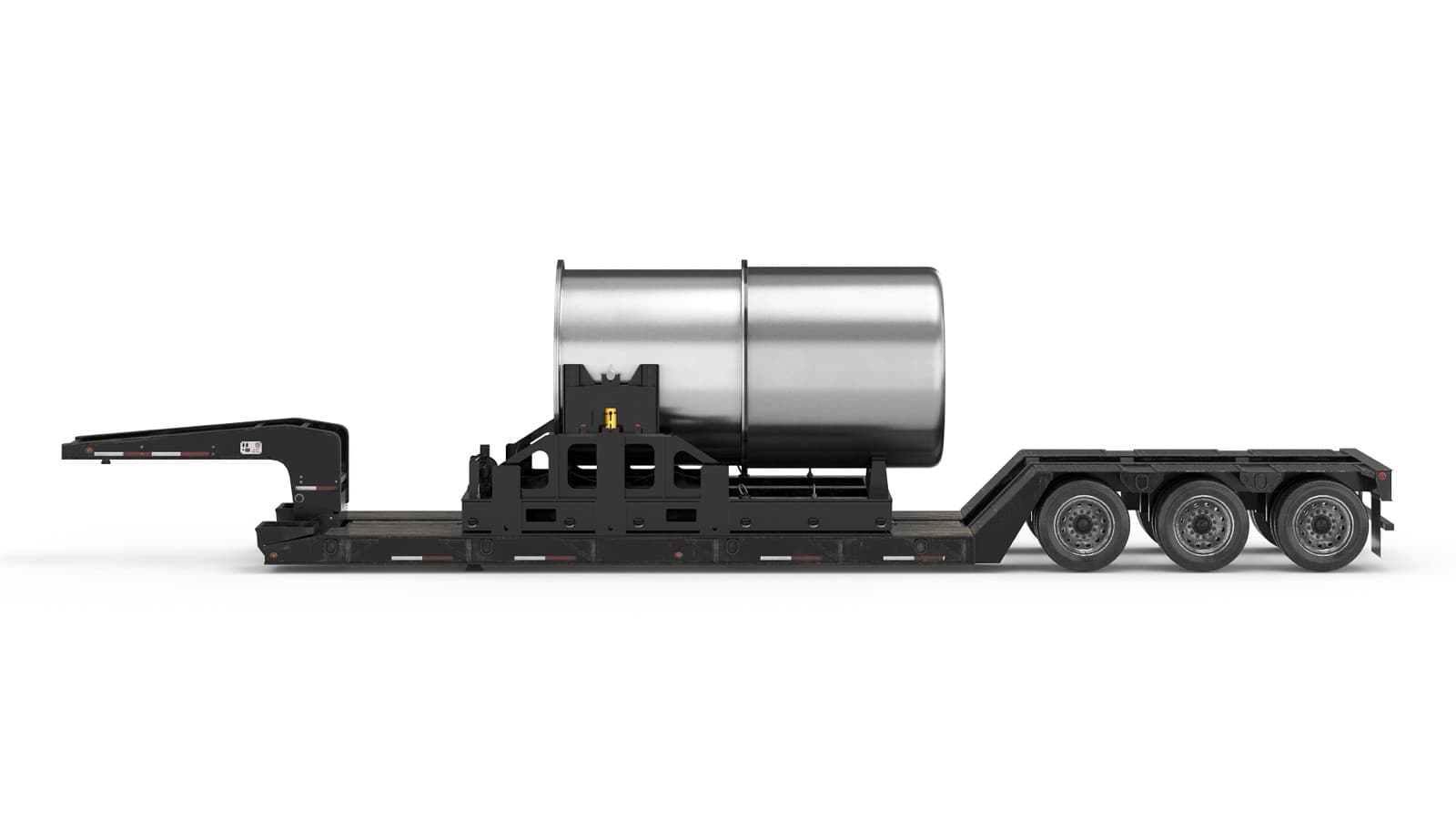
Antares' commercial factory-built microreactor: a TRISO-fueled prismatic graphite core with graphite and boron carbide control drums, passive sodium heat pipes, a fin-and-tube primary heat exchanger, and a recuperated nitrogen closed Brayton cycle at under 300 psi. Packaged with integrated shielding and a transport cradle for defense-critical assets, rated at 100 kWe to 1 MWe for 6+ years without refueling and without a grid connection.
Physics of the core were validated by Mark-0's June 4, 2026 zero-power criticality. The first electricity-producing article is the Mark-1, targeted for 2027 at INL using the same facility and HALEU TRISO batch. Initial production deployments to defense customers are targeted for 2028, including Joint Base San Antonio under ANPI and Fort Bragg under Janus.
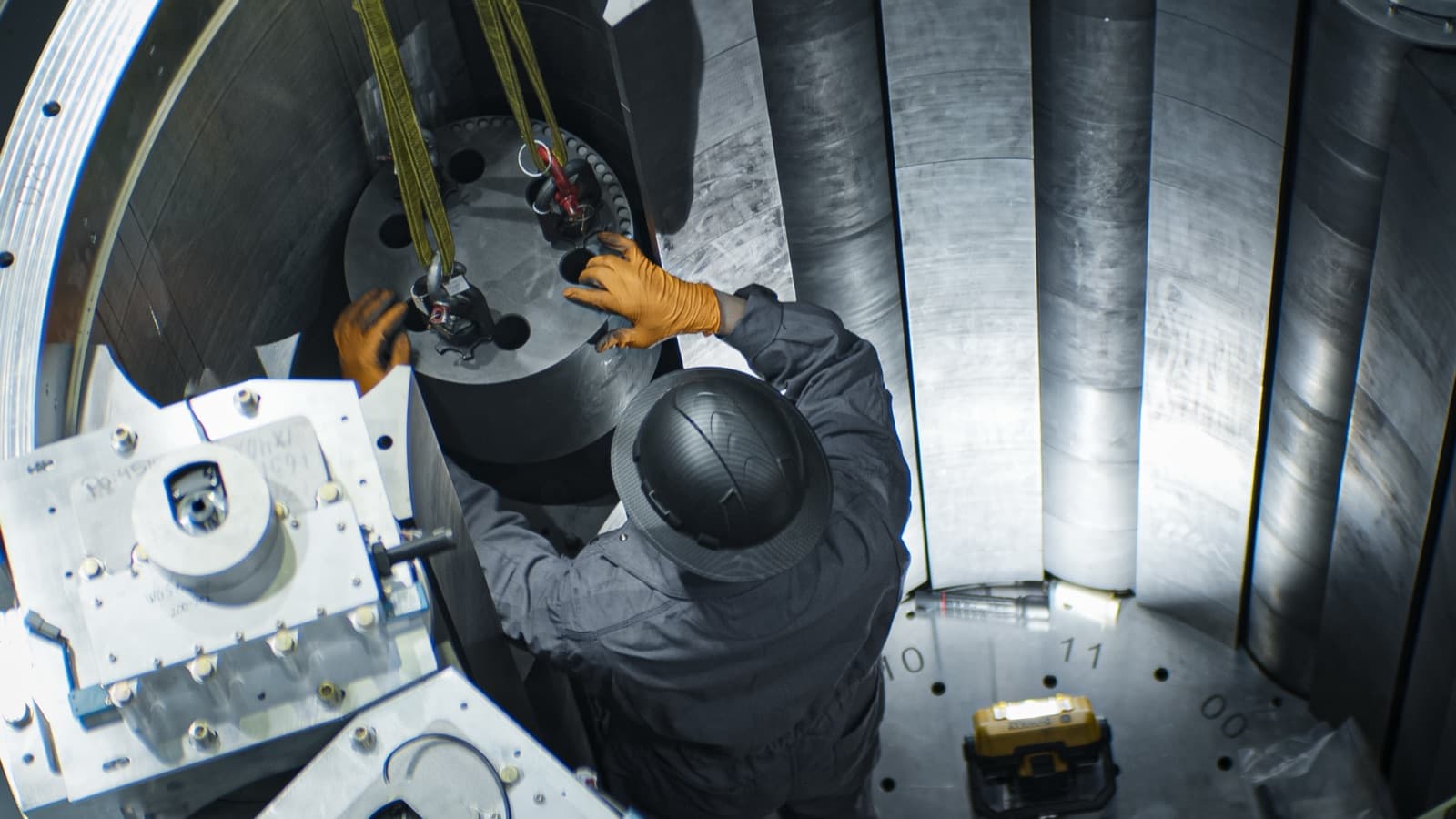
A full-scale, zero-power demonstration of the R1 core at Idaho National Laboratory's RACE facility, built under DOE's Reactor Pilot Program. It has no power conversion or heat-removal loop; the test validated reactor physics, control-drum behavior, and the DOE authorization pathway using BWXT-fabricated HALEU TRISO.
Achieved initial (zero-power) criticality on June 4, 2026. Not an electricity-producing plant. Antares plans to reuse the same INL facility and fuel batch for the Mark-1 electricity-producing reactor in 2027.
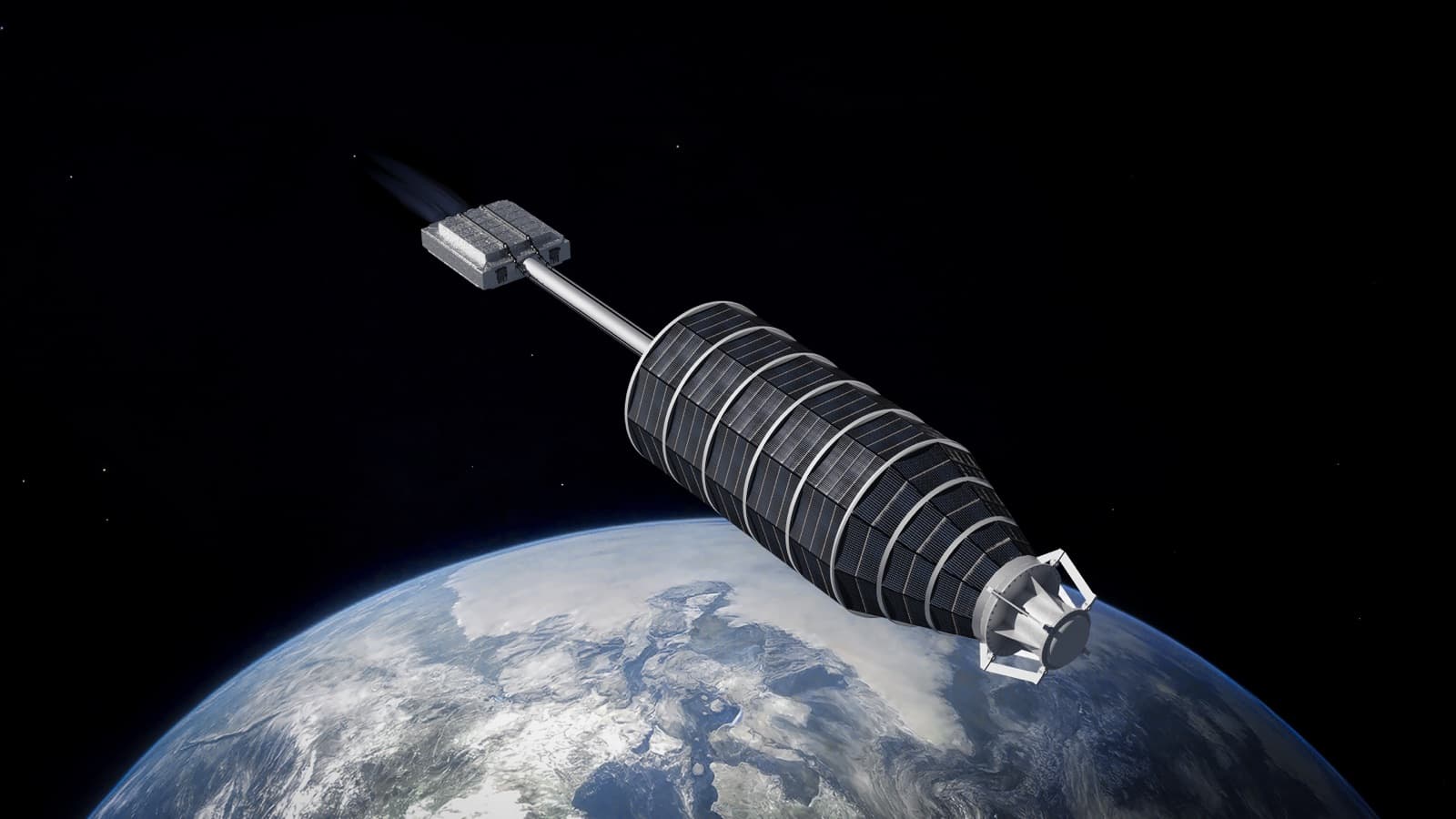
Space variant of the R1 heat-pipe microreactor. Under a $161M Space Force Strategic Breakthrough award, Antares will run a nuclear ground demonstration of the R1-S, integrate it with a spacecraft for flight certification, and use Mark-1 to power an operational ground-to-space asset during 2027 testing.
Award announced September 11, 2026. Ground demonstration and spacecraft integration are funded; no flight date has been published. The award is described by Antares as the largest current Department of War award in space nuclear power.
What's Next
Produce electricity with Mark-1 at INL
Operate a full-power, electricity-producing advanced reactor at the same INL test facility used for Mark-0, using the same HALEU TRISO batch and a nitrogen closed Brayton cycle. Antares has said Mark-1 is scheduled to operate for more than six months in 2027. As of September 18, 2026 this remained a company target, not a started campaign.
Field an operating reactor on a U.S. military installation
Executive Order 14299 directs the Department of War to begin operating a reactor at a domestic military installation by September 30, 2028. Antares' named paths are Fort Bragg under Janus and Joint Base San Antonio under ANPI. Janus uses milestone-based payments; ANPI still requires siting and environmental review. No construction start has been announced at either site.
Run the R1-S nuclear ground demonstration
Under the $161M Space Force Strategic Breakthrough award, perform a nuclear ground demonstration of the R1-S and integrate with a spacecraft for flight certification. Antares will also power an operational ground-to-space asset with Mark-1 during 2027 testing. No public flight date.
Stand up 50-reactor manufacturing at Antares Prime
The February 2026 expansion of Antares Prime to 322,000 sq ft is designed to support manufacturing a first 50 reactors. Series C capital is earmarked to move from a demonstrated core to fielded systems. No public date for the first factory-sealed production unit leaving Torrance.
Operations & Revenue
Venture-funded reactor developer. Mark-0 achieved zero-power criticality at INL on June 4, 2026 and is a physics-validation article, not an electricity-producing plant. Antares operates facilities in Torrance, California; Idaho Falls, Idaho; and Aiken, South Carolina. First useful electricity is planned from the Mark-1 at the same INL test facility in 2027; first production deployments to U.S. military installations are targeted for 2028. As of September 18, 2026 no Mark-1 power run had been announced.
Pipeline & Contracts
Military microreactor power (planned)
Own, construct, and operate factory-built R1 microreactors on U.S. installations. Named sites are Fort Bragg under the Army Janus Program and Joint Base San Antonio under Air Force ANPI. Executive Order 14299 directs an operating reactor on a domestic military installation by September 30, 2028. Janus uses milestone-based payments; individual Janus contract value for Antares has not been disclosed.
R1-S space-reactor development under a $161M Space Force Strategic Breakthrough award: a nuclear ground demonstration, spacecraft integration for flight certification, and use of Mark-1 to power a ground-to-space asset during 2027 testing. Supports EO 14369 and NSTM-3 goals to launch reactors in space as early as 2028 and to the lunar surface by 2030.
Key Metrics
Timeline
On April 22, 2026 the Department of the Air Force and the Defense Innovation Unit select Antares for a proposed prototype microreactor at Joint Base San Antonio under the Advanced Nuclear Power for Installations initiative, targeting deployment by 2028 or earlier.
On June 4, 2026 Mark-0 reaches zero-power fueled criticality at INL's Reactor and Critical Experiment facility under DOE authorization - the first privately developed non-light-water reactor to go critical in the U.S. in more than 40 years, and the first of the DOE Reactor Pilot Program cohort. Fuel was fabricated by BWXT to the Project Pele TRISO specification.
On July 27, 2026 Antares raises $470M ($370M equity + $100M debt) co-led by Paradigm and Caffeinated Capital, with Point72 Ventures, Shine Capital, and Industrious Ventures participating. The company says disclosed private capital now exceeds $600M. Rian Bahran, formerly of the nuclear regulatory complex, joins as chief nuclear officer the next day.
On August 26, 2026 the Army and DIU select Antares under an Other Transactions Authority agreement to own, construct, and operate nuclear microreactor power at Fort Bragg, North Carolina, as part of the Janus Program aiming for an Army-regulated reactor on an Army installation by September 2028. CEO Jordan Bramble says contracts across Janus, ANPI, and space nuclear are 'on the order of $1B.'
On August 27, 2026 Antares signs a binding multi-year fuel supply agreement with Standard Nuclear for up to eight MTUs of TRISO through 2035. The next day DOE selects Antares for the Nuclear Energy Launch Pad, a pathway to operate reactors and fuel-cycle facilities beyond the national laboratories.
On September 11, 2026 Antares is selected for a $161M Strategic Breakthrough award from the Assistant Secretary of the Air Force for Space Acquisition and Integration to run a nuclear ground demonstration of the R1-S space reactor and integrate it with a spacecraft for flight certification. On September 17 Centrus Energy and Antares sign a definitive multi-year HALEU supply contract, with deliveries commencing before the end of the decade and prepayments to support Centrus's Piketon expansion.
In February 2025 Antares opens a factory to manufacture its first reactors. On August 13 it is selected for DOE's Reactor Pilot Program, and later that month DOE allocates HALEU for the Mark-0. On October 29 it becomes the first company to receive an approved Nuclear Safety Design Agreement for a reactor.
On October 30, 2024 Antares closes a $30M Series A co-led by Alt Cap and Caffeinated Capital, with Rogue, Uncommon Capital, Shrug, Banter Capital, BoxGroup, and Shine Capital participating. Jack Altman of Alt Cap joins the board. Total raised exceeds $38M; the company then had 23 people and $4.3M in DOD and DOE contracts.
Funding
Cumulative disclosed raise · dated rounds