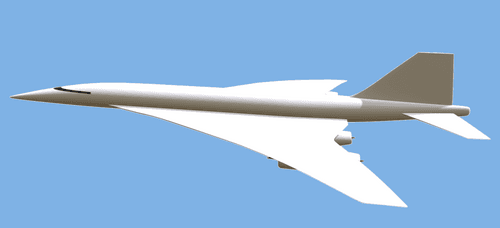
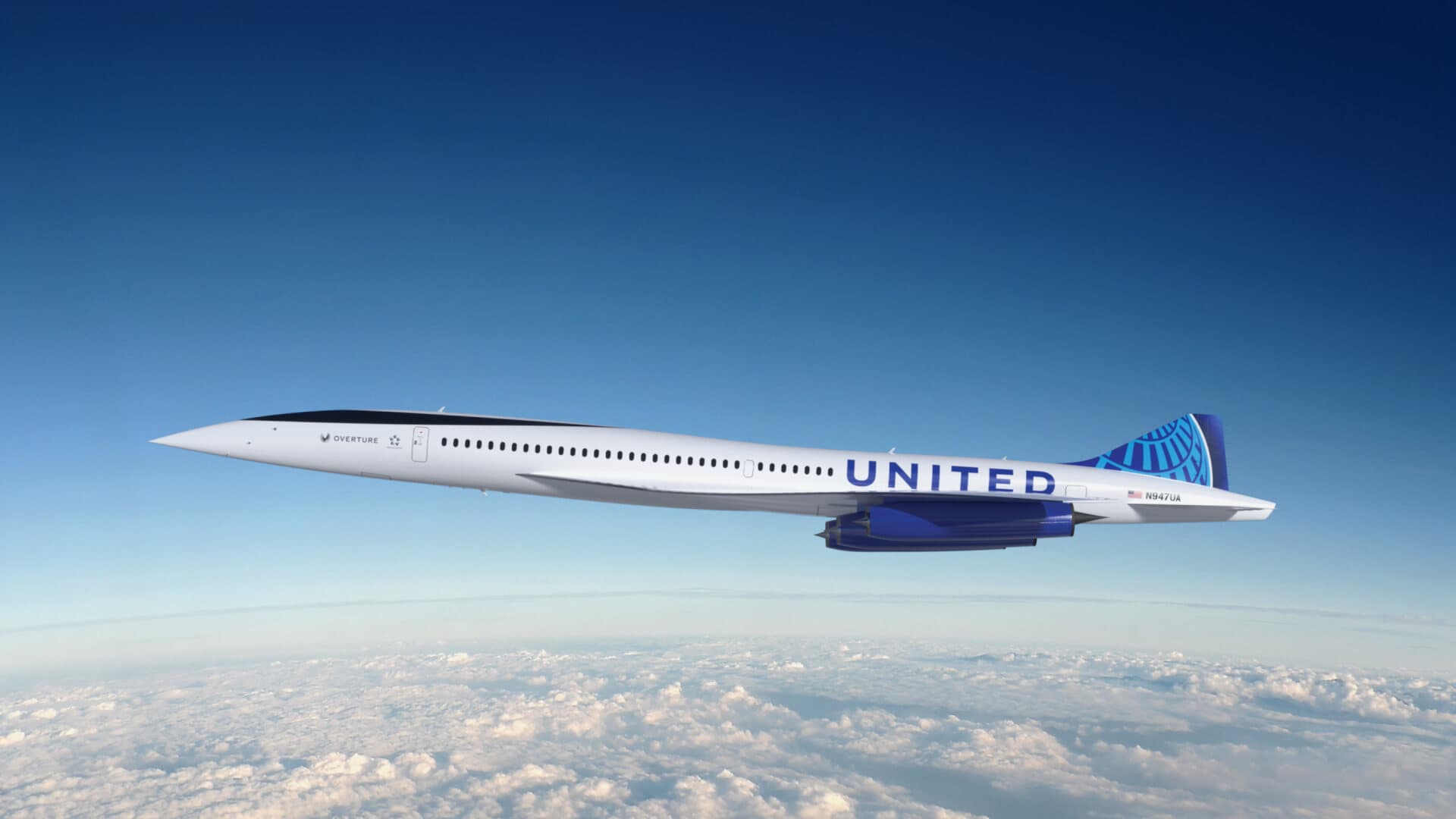
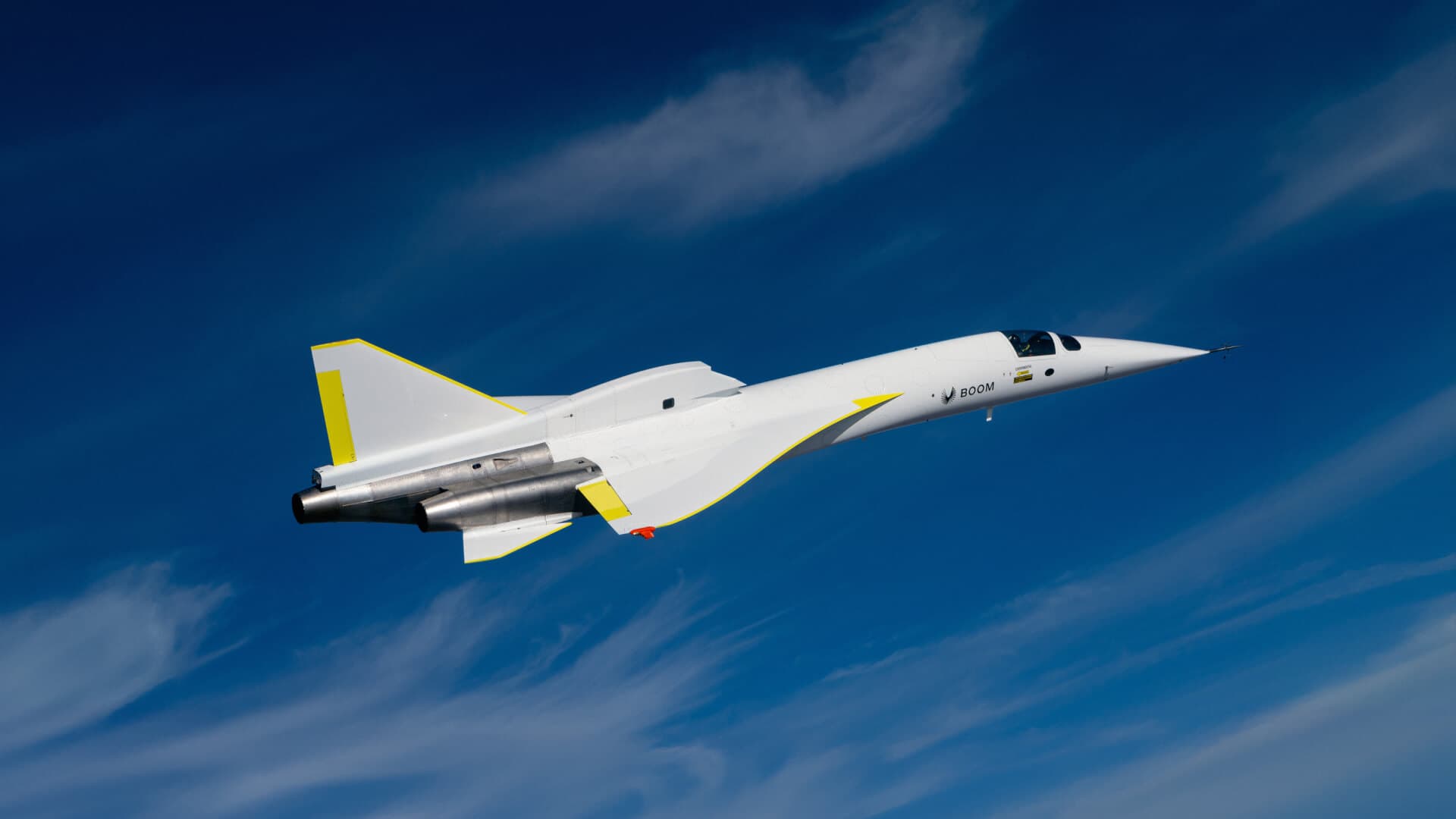
Purpose-built Mach 1.7 supersonic commercial airliner designed to cut travel times in half on 600+ routes. Overture is optimized for up to 100% sustainable aviation fuel, flies at 60,000 feet, and is positioned as an all-premium aircraft for 60-80 passengers.
Boom has completed the Greensboro Superfactory but the building remains largely quiet, with a 500-employee lease threshold due Dec 31, 2026. Symphony propulsion is now the company's top priority and Overture aircraft work continues at a reduced share of company effort while the engine sprint core is aimed at a first ground-test cycle around November 2026.
Announced next steps from Boom Supersonic that mention Overture.
Dec 31, 2026
Hit the Greensboro Superfactory 500-employee benchmark
Boom's Piedmont Triad Airport lease allows termination if fewer than 500 people are employed at the Overture Superfactory by December 31, 2026 - against an original commitment to hire 1,761 workers at the site. With the 179,000-sq-ft hangar still yet to produce a single aircraft and largely idle, The News & Observer reported in 2026 that Boom declined to share its Greensboro headcount and that the 500-employee mark looked unlikely to be met. Hitting (or renegotiating) that benchmark remains a near-term execution gate before Overture aircraft production can credibly start.
Keep Overture aircraft engineering, flight-deck, and supplier work advancing in parallel with the propulsion sprint so an Overture prototype rollout and certification path remain viable as Symphony hardware matures - even as the Greensboro Superfactory stays largely idle and United Airlines CEO Scott Kirby has publicly put Overture's odds at roughly 50-50. Two parallel regulatory tracks now favor Overture's boomless-cruise design: the FAA's proposed rule to repeal the U.S. overland supersonic ban (published in the Federal Register July 2, 2026, comment period closed August 17, 2026, final rule still targeted mid-2027; a separate takeoff-and-landing noise rule has not yet been proposed), and the bicameral Supersonic Aviation Modernization Act, which passed the House on March 24, 2026, cleared the Senate Commerce Committee on July 22, 2026, and still awaits a full Senate floor vote as of September 20, 2026.
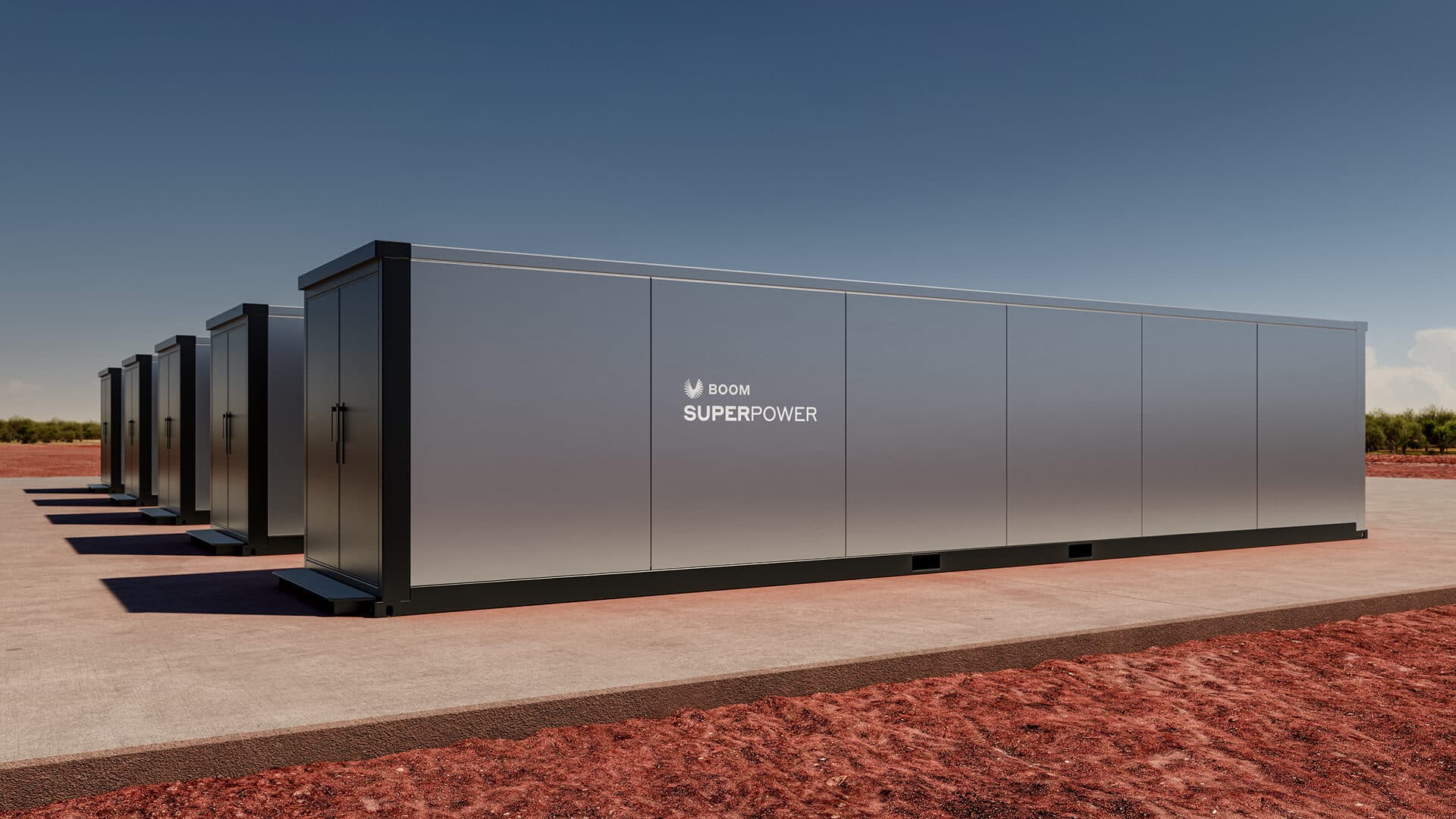
Begin handing over the first units from the 29-turbine, $1.25B+ Crusoe order in late 2027 (per CEO Blake Scholl in June 2026), then ramp Superpower production toward 1 GW in 2028, 2 GW in 2029, and 4 GW in 2030 to fund Overture development.
The FAA released a proposed rule, 'Enabling Supersonic Overland Flight,' on June 30 that would repeal the longstanding U.S. prohibition on civil flight above Mach 1 over land and replace it with a noise-based standard, allowing supersonic operation as long as sonic-boom overpressure at the surface stays at or below 0.11 pound per square foot. The move follows a 2025 executive order and is a regulatory tailwind for developers such as Boom Supersonic, whose Overture jet is designed around a 'Boomless Cruise' Mach-cutoff technique. The FAA said it plans a second rule later this year setting takeoff and landing noise standards for supersonic aircraft.
Boom Supersonic is targeting the end of 2027 to ship the first five units of its Superpower ground turbines, founder and CEO Blake Scholl said at the AIAA AVIATION Forum on June 11. Each Superpower generates 42 megawatts - which Boom argues is enough to power the AI data centers being built across the U.S. - and the units are derived from the same core the company developed for the Symphony engines that will power its Overture supersonic airliner. Boom says it already holds about $1.2 billion in orders for the natural-gas turbines, an adjacent business line that monetizes its propulsion R&D ahead of Overture's entry into service.
NASA's Lockheed Martin-built X-59 Quesst quiet supersonic research aircraft completed its first supersonic flight at Edwards Air Force Base on June 5, with test pilot Jim 'Clue' Less hitting Mach 1.1 (~713 mph) at 43,400 feet during an 81-minute sortie. The milestone produces the first real flight data NASA needs to seed an FAA and ICAO 'quiet thump' noise standard - the same regulatory pathway Boom Supersonic's Overture needs to fly cross-country routes - and lands as the House-passed Supersonic Aviation Modernization Act presses the FAA to revisit the 1973 overland supersonic ban.