In Production
787 Dreamliner
Wide-body long-haul twin-engine aircraft family built around composite structures, lower fuel burn, and route-opening flexibility for airlines.
 Boeing
In Production
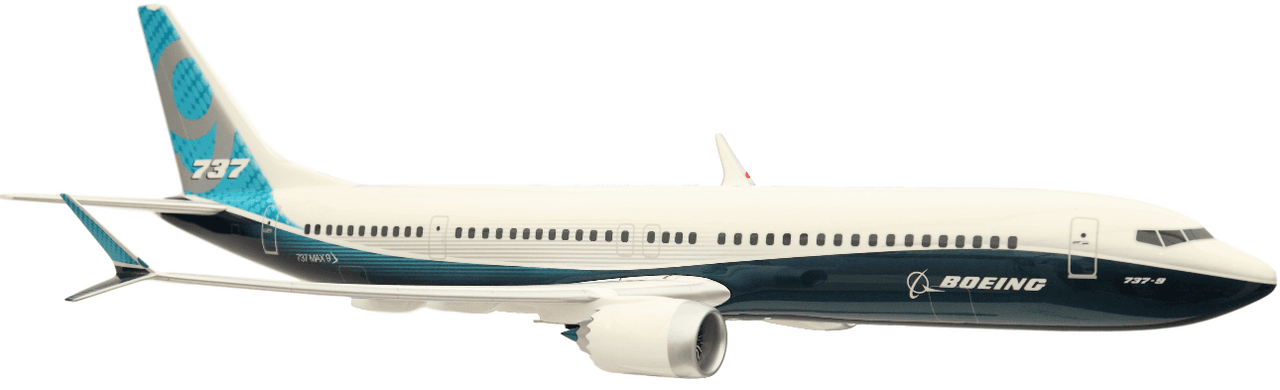
Boeing's current single-aisle aircraft family, spanning the 737-7 through 737-10, built around improved LEAP-1B engines, lower fuel burn, and broad commonality for airline operators.
Latest update Sep 9, 2026
01
In active production and airline service worldwide, with the line cleared to rate 47/month after the May 2026 FAA capstone review and a fourth final-assembly line opening at Everett. The FAA certified the MAX 7 on August 3, 2026, with entry into passenger service targeted for early 2027; the MAX 10 completed certification flight testing on July 29, 2026 and is targeting FAA type certification around October 2026, alongside delivered MAX 8 and MAX 9 variants.
02
03
Announced next steps from Boeing that mention 737 MAX.
2026
With the December 2025 acquisition closed and ~15,000 Spirit employees folded into Boeing, the focus shifts to translating it into measurable quality gains - Boeing reports a 45% drop in 737 fuselage defects since 2024 - and stabilising rail deliveries of 737 fuselages from Wichita, which now builds more than 70% of the 737 MAX airframe, as the line ramps to 47/month and the new Everett North Line opens (July 6, 2026). Boeing backed the integration with a $2.35B Wichita reinvestment (announced May-June 2026) and, with Wichita State University's WSU Tech, a roughly 35,000-square-foot Boeing Workforce Training Center for aerospace technicians expected to open by the end of 2026.
2026
TargetVote Sept 24-Oct 1, 2026; contract expires October 6, 2026
Boeing and SPEEA reached a new tentative four-year deal on September 11, 2026 after members rejected the first offer on August 21. SPEEA's negotiating team is recommending a 10% guaranteed wage increase on the first pay period after ratification (expected October 2 if the vote passes), a 4% guaranteed increase in March 2027, and 6% annual wage pools for 2028-2030 with a 4% guarantee each year - a 36.3% compound increase for the average member versus 29.4% in the rejected offer. The Northwest Tellers Committee set the membership vote for noon PT September 24 through noon PT October 1. The current contract still expires October 6; a strike can start October 7 if members do not ratify. SPEEA-represented staff work on 737 MAX 10 and 777-9 certification, so the remaining gate is membership ratification. The Air Current reported on September 17 that Boeing has begun a soft hiring freeze and strike-contingency planning.
2026
Target~September-October 2026 (year-end 2026 at the latest)
With the MAX 7 now certified (August 3, 2026), Boeing's remaining narrow-body certification work is the MAX 10, which completed its final planned certification flight on July 29, 2026 - closing out a campaign of 976 flights totaling more than 2,060 flight hours and roughly 1,040 ground-test hours. Remaining work is limited to development-assurance reviews, system-safety assessments, and final FAA submittals; Bloomberg reports the agency is expected to grant type certification around September or October 2026, with the FAA's public guidance still framing it as before year-end 2026. Certification clears the way for launch customers including United and Delta, with commercial deliveries expected to begin in 2027. Launch customer United - the type's largest customer with 167 firm orders - said on August 23, 2026 it now expects its first MAX 10 delivery in summer 2027 and is rethinking cabin plans after years of delay: hundreds of lie-flat premium seats originally bought for the jet have sat in storage, and United is leaning toward a higher-density domestic configuration (around 189 seats with recliner-style United First) instead of the lie-flat product it moved to the Airbus A321neo. A separate labor risk sits on the same window: SPEEA's current contract expires October 6, and Reuters said a strike could start October 7 if members do not ratify the September 11 tentative four-year deal covering about 17,000 professional and technical workers who work on MAX 10 and 777-9 certification. At Morgan Stanley's Laguna conference on September 16, 2026 CEO Kelly Ortberg said the MAX 10 will be certified 'very soon,' without naming a date.
Nov 2026
2027
TargetEarly 2027 or later (rate 52)
The Everett 'North Line' opened as planned: assembly of the first 737 MAX 10 fuselage (destined for WestJet) began July 6, 2026, run as a deliberately slowed low-rate initial production so Boeing can demonstrate conformity to the FAA, with the first Everett-built jet expected to roll out by year end. The remaining milestone is rate 52 across all four 737 lines (three in Renton, one in Everett). At Morgan Stanley's Laguna conference on September 16, 2026 CEO Kelly Ortberg said it is taking 'longer than expected' to stabilize the line at the rate 47 cleared in May 2026, and that Boeing will only look to move to 52 a month after that; the shares fell about 2.5% immediately on the remarks and closed down 4.5%. That pushes the early-2027 rate-52 window he pointed to in May into doubt. Longer term, Ortberg has reiterated Boeing's ambition to reach 63 per month once 52 is stabilized and the market can support it.
Early 2030s
Lufthansa Group's Supervisory Board on September 17, 2026 exercised options for 20 Boeing 737 MAX 10 aircraft, the group's first firm MAX 10 order, lifting its firm 737 MAX total from 40 MAX 8s to 60 aircraft. Deliveries are scheduled to begin in the early 2030s, replacing older Airbus A320-family jets across the group. The order has a list value of about $3.4 billion; Lufthansa has not named which airline will fly the MAX 10s and still holds 40 unused MAX-family options from the 2023 deal. The MAX 10 itself still needs FAA type certification before those deliveries can start.
04
On Oct. 2, 2026 the FAA said its Corrective Action Review Board determined a software issue in certain Boeing 737 MAX flight computers is not a safety concern, because pilots retain full control and crew indications are clear and unambiguous. CNBC reported the finding paves the way toward 737-10 certification after the Sept. 28 hold; the FAA did not announce a type certificate. The agency said it would consider further action if it receives new information.
Boeing told operators last month that 737 MAX flight-management-computer software versions 14 and 14.1 can drop vertical navigation after a missed approach if crews change the programmed path. The FAA said it will convene a Corrective Action Review Board. Southwest and United have asked Boeing not to deliver new MAX jets with the affected software, and Boeing said a permanent update is in work, originally aimed at 2028.
Boeing and Turkish Airlines finalized an order on September 23 for 100 737-8 jets plus options for 50 more 737 MAX aircraft, the airline's largest Boeing single-aisle purchase. The agreement, signed in New York with President Recep Tayyip Erdogan present, includes substitution rights for the still-uncertified 737-10 and industrial participation in Turkiye. It follows Turkish Airlines' 2025 order for up to 75 787 Dreamliners; Boeing did not disclose a contract value.
boeing.mediaroom.com aerospaceglobalnews.com investors.boeing.com
The FAA published Airworthiness Directive 2026-18-07 in the September 17 Federal Register, requiring inspections of the fuselage skin, bear strap, and stub frame at the forward galley-door cutout on certain Boeing 737-8, 737-9, and 737-8200 airplanes. The rule, prompted by reported cracks between stations 290 and 296, incorporates Boeing Alert Requirements Bulletin 737-53A1420 RB, covers an estimated 476 US-registered jets, and takes effect October 22, 2026. It is a separate directive from AD 2026-15-11, which took effect September 10; the FAA said Boeing is changing the manufacturing process on in-production airplanes.
Lufthansa Group said on September 17 that its Supervisory Board approved exercising options for 20 Boeing 737 MAX 10 aircraft, the group's first firm order for the largest MAX variant, lifting its firm 737 MAX total from 40 MAX 8s to 60 aircraft. Deliveries are scheduled to begin in the early 2030s as the jets gradually replace older Airbus A320-family aircraft across the group. The order has a list value of about $3.4 billion; Lufthansa has not named which airline will fly the MAX 10s and still holds 40 unused MAX-family options from the 2023 deal.
Boeing CEO Kelly Ortberg told Morgan Stanley's Laguna conference on September 16 that stabilizing 737 MAX output at 47 jets a month is taking longer than expected, and that the company will only push toward 52 a month once that rate holds. He said the 737-10, which makes up about 30% of all 737 orders, will be certified very soon, and played down analyst expectations of a large Chinese order when President Trump meets President Xi in Washington next week. Boeing separately said some 777X flight testing will spill into 2027 because FAA clearance to begin extended-range twin-engine operations testing is on hold pending certification of a mid-seal on the GE9X engine, though it still targets first delivery next year; the shares closed down 4.5%.
Romanian flag carrier TAROM took delivery of its first Boeing 737-8, the first 737 MAX to enter the country's commercial fleet. The jet is the first of two 737-8s leased from CDB Aviation; TAROM still operates four 737 Next Generation aircraft. Boeing said the delivery is part of TAROM's fleet-renewal plan.
Boeing and the Society of Professional Engineering Employees in Aerospace reached a tentative four-year deal on September 11, 2026 after members rejected an earlier offer on August 21. The pact covers about 17,000 professional and technical workers, with a 10% raise on October 16 and 4% annual raises plus merit through 2030. The current contract expires October 6; a strike could start October 7 if members do not ratify, a risk for 737 MAX 10 and 777-9 certification work.
Reuters reported on September 8, 2026 that Boeing delivered 51 jets in August, down from 53 in July and 57 a year earlier, as 787 handovers fell to four from nine the prior August. August included 41 737 MAX jets, with nine to Southwest, eight to United and five to AerCap. Year-to-date deliveries reached 418, the most through eight months since 2018, and Boeing still guides 90 to 100 787s for 2026.
The FAA told Reuters on September 2, 2026 that Boeing paid the full $3,139,319 civil penalty proposed in September 2025, remitting it in January 2026 without a public announcement until reporters asked eight months later. The penalty covered safety and quality-system violations from September 2023 through February 2024, including conduct tied to the January 5, 2024 Alaska Airlines 737 MAX 9 door-plug blowout, interference with safety officials' independence, and presenting two aircraft that were not airworthy. Boeing confirmed the payment. Senator Richard Blumenthal called the amount too small to deter dangerous behavior.
The FAA adopted a final airworthiness directive on August 6 requiring inspections of 471 US-registered Boeing 737 MAX 8, MAX 9 and 737-8200 aircraft (1,429 worldwide) for cracks in a bear-strap structural fitting near the forward galley door, the same cracking issue previously found on 737NG jets that share the same fuselage design and assembly process. The directive takes effect September 10, 2026 and requires on-condition repairs if cracks are found; the FAA said no cracks had yet been confirmed on MAX airframes but ordered checks given the shared lineage.
The FAA issued an amended type certificate for the Boeing 737 MAX 7 on August 3, 2026, clearing the smallest MAX variant for service after nearly a decade of review that followed the fatal MAX 8 crashes. Certification required updated flight-control software, an improved crew-alerting system, and a redesigned engine anti-ice system; roughly 30 completed jets, mostly built for Southwest Airlines, now enter retrofit, with entry into passenger service not expected until early 2027.
Firm business announced at the Farnborough International Airshow reached 342 aircraft through the show's first three days, as deals kept flowing on July 22. Bermudan carrier BermudAir confirmed an order for 10 Airbus A220-300s, and Vietnam Airlines said it will lease 19 Boeing 737 MAX 8 jets sourced from lessors SMBC Aviation Capital, Avolon and Phoenix Aviation Capital. The steady bookings come as Boeing and Airbus sell narrowbody delivery slots into the 2030s, keeping attention on production ramp-up as much as fresh demand.
Singapore-based lessor BOC Aviation announced at the Farnborough International Airshow that it will purchase and option up to 300 CFM International LEAP engines - 200 LEAP-1A and 100 LEAP-1B - its largest-ever engine order. The turbofans will power incoming Airbus A320neo-family and Boeing 737 MAX narrowbodies, deepening a LEAP relationship that already spans more than 240 aircraft in BOC's fleet. The order underscores resilient narrowbody demand as both planemakers sell delivery slots into the 2030s.
Boeing booked nearly 150 orders on the July 20 opening day of the Farnborough International Airshow, headlined by lessor SMBC Aviation Capital, which split a major narrowbody deal by ordering 100 Boeing 737 MAX and 100 Airbus A320neo-family jets. Saudi Arabia's Riyadh Air committed to 28 Boeing 787 Dreamliners - converting 20 of its earlier 787-9 orders to the larger 787-10 - plus six Airbus A350-1000s, while Philippine Airlines took up to 20 Boeing 787-10s. The flurry firms up deals the two planemakers had chased for weeks as delivery slots sell out into the 2030s.
05
Wide-body long-haul twin-engine aircraft family built around composite structures, lower fuel burn, and route-opening flexibility for airlines.
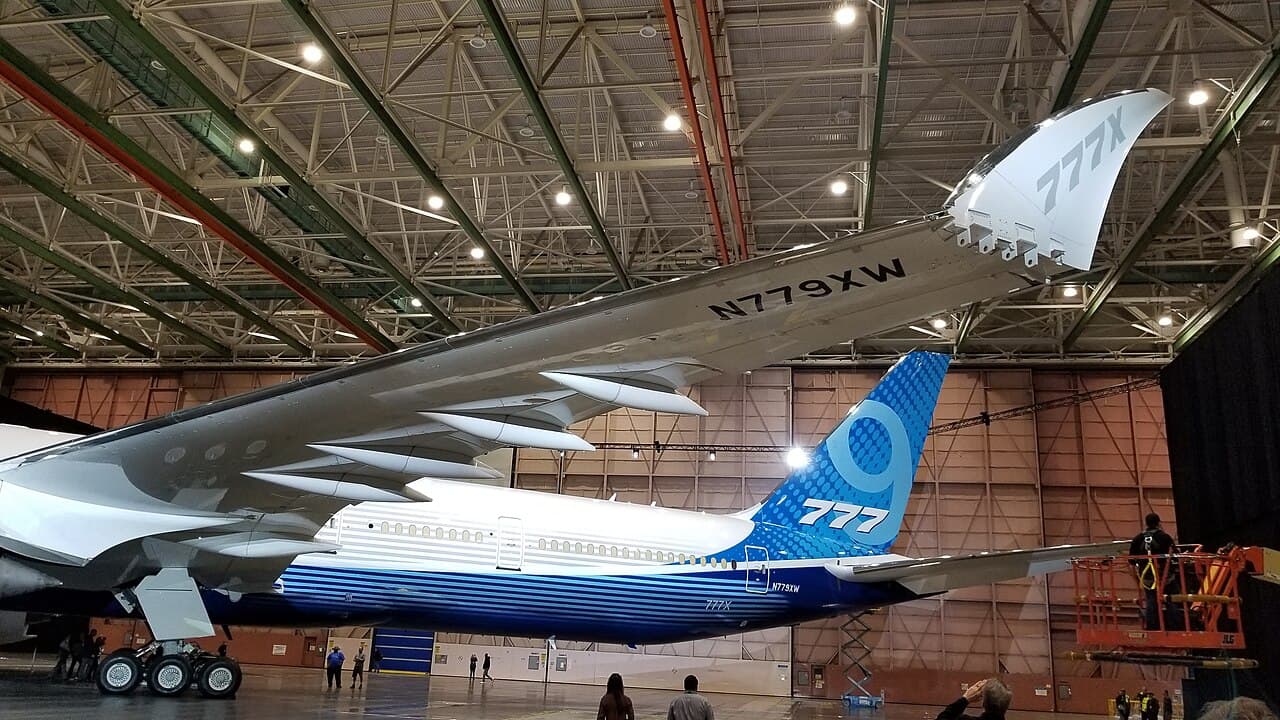
Next-generation wide-body twin-engine aircraft and the world's largest twin-engine jetliner, featuring folding wingtips, composite wings, and GE9X engines.
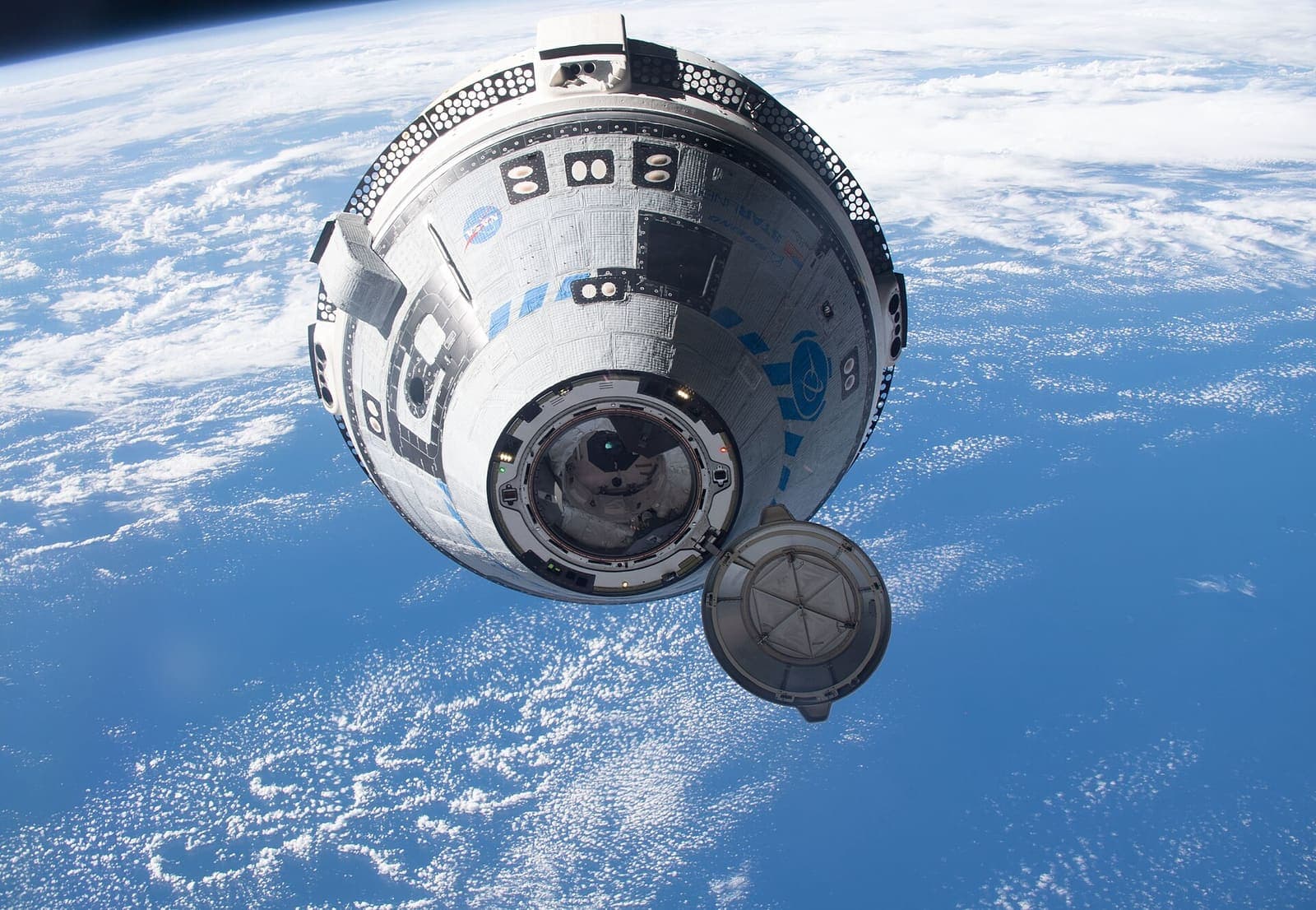
Boeing's crew capsule for NASA's Commercial Crew Program, built to ferry astronauts and cargo to the International Space Station under a $4.2B NASA award (alongside SpaceX's Crew Dragon).
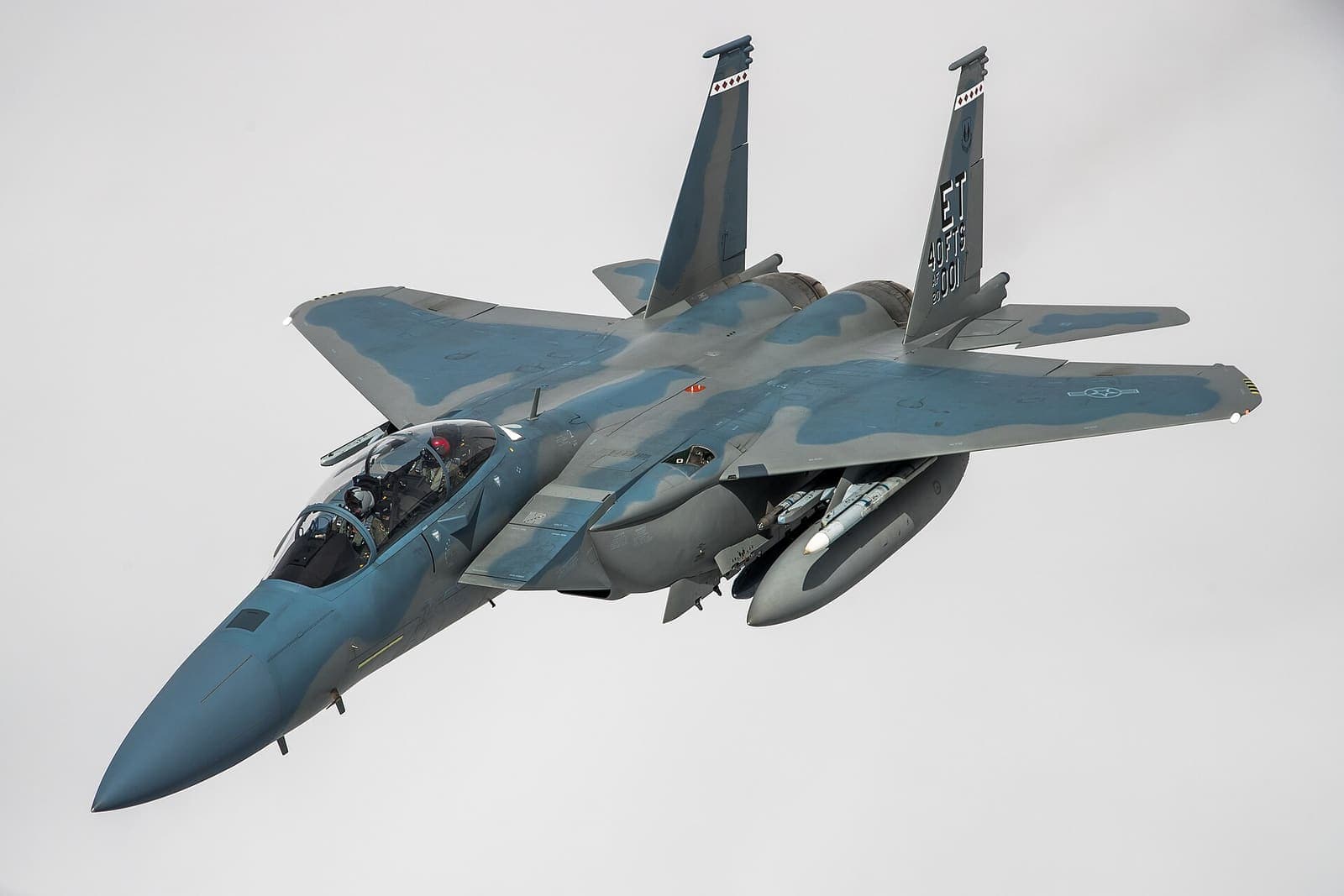
Boeing's newest-generation F-15 fighter for the U.S. Air Force and export customers, combining a modernized airframe and avionics with the F-15 family's high weapons payload as part of the Air Force's fighter 'high-low' mix alongside the F-35.
06
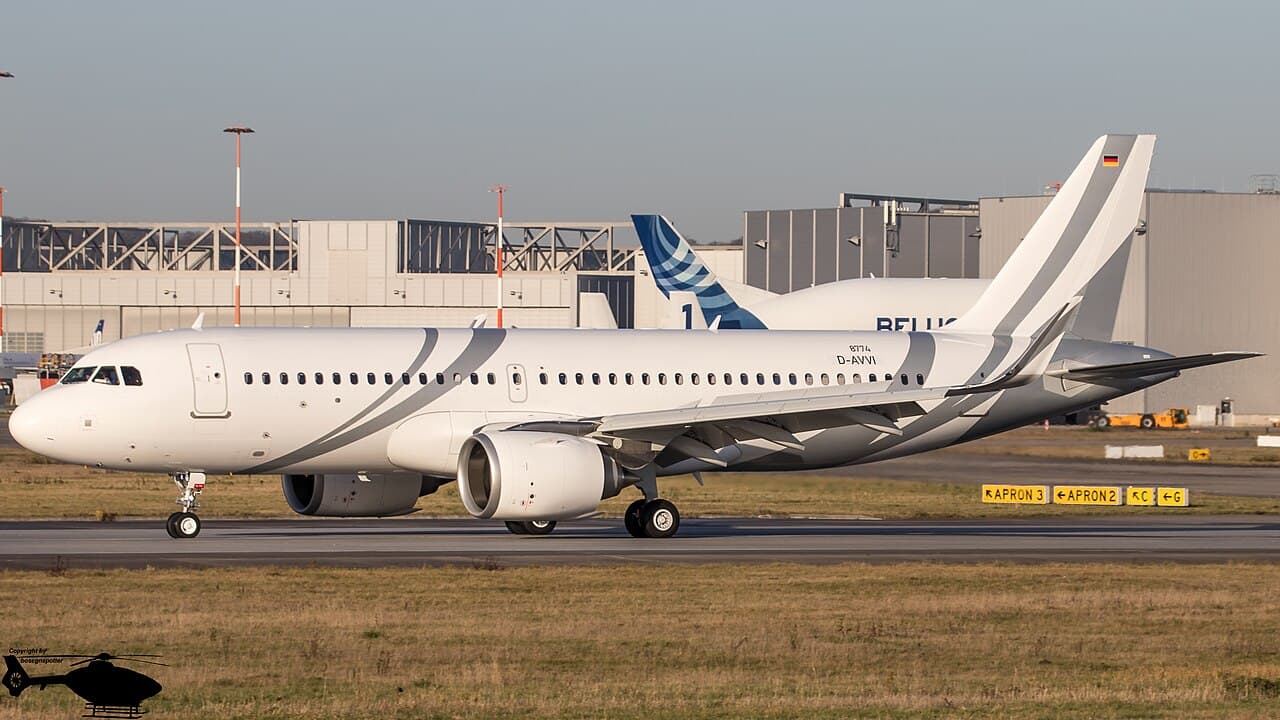
Airbus
The A320neo (new engine option) family is Airbus's best-selling narrow-body airliner family, featuring new-generation engines and Sharklet wingtip devices for 15-20% fuel savings. Includes the A319neo, A320neo, and A321neo variants.
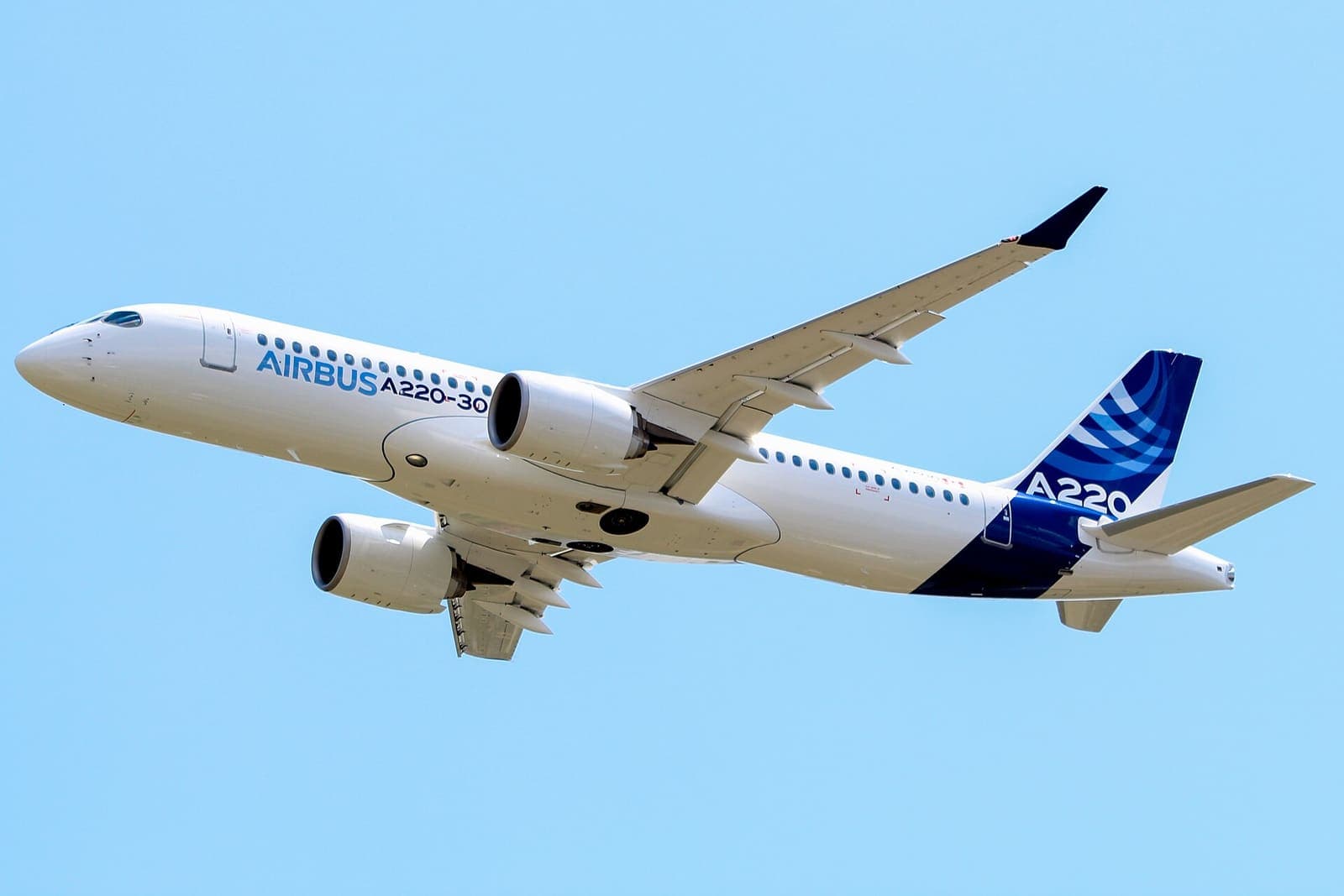
Airbus
The A220 is a 100-160 seat single-aisle airliner inherited from Bombardier's C Series (acquired in 2018), serving the smaller end of Airbus's narrow-body lineup below the A320neo Family. It comes in two variants, the A220-100 and the larger A220-300.
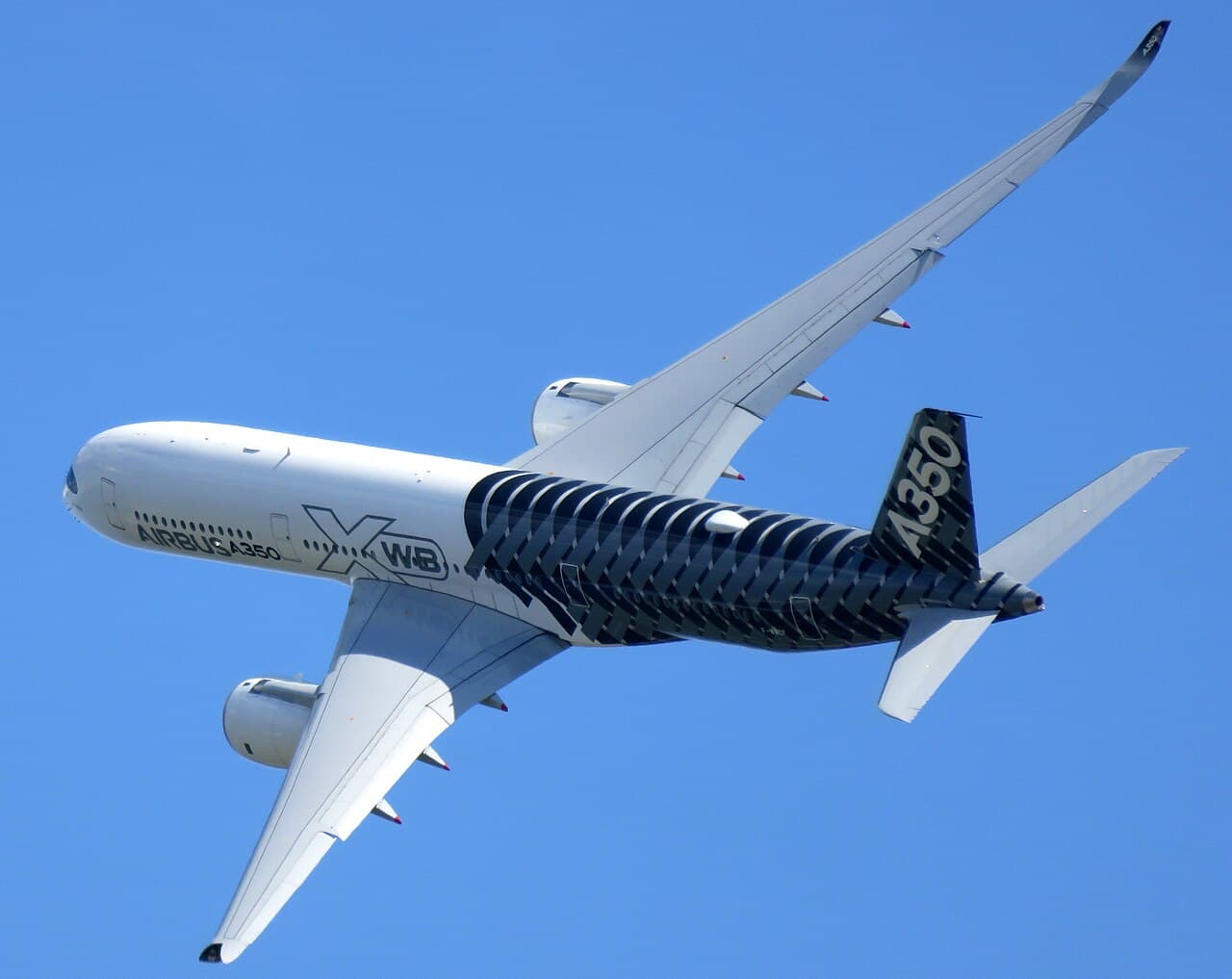
Airbus
The A350 XWB (eXtra Wide Body) is Airbus's latest-generation wide-body aircraft, featuring a carbon-fibre reinforced polymer fuselage and wings for superior fuel efficiency and passenger comfort.
Airbus
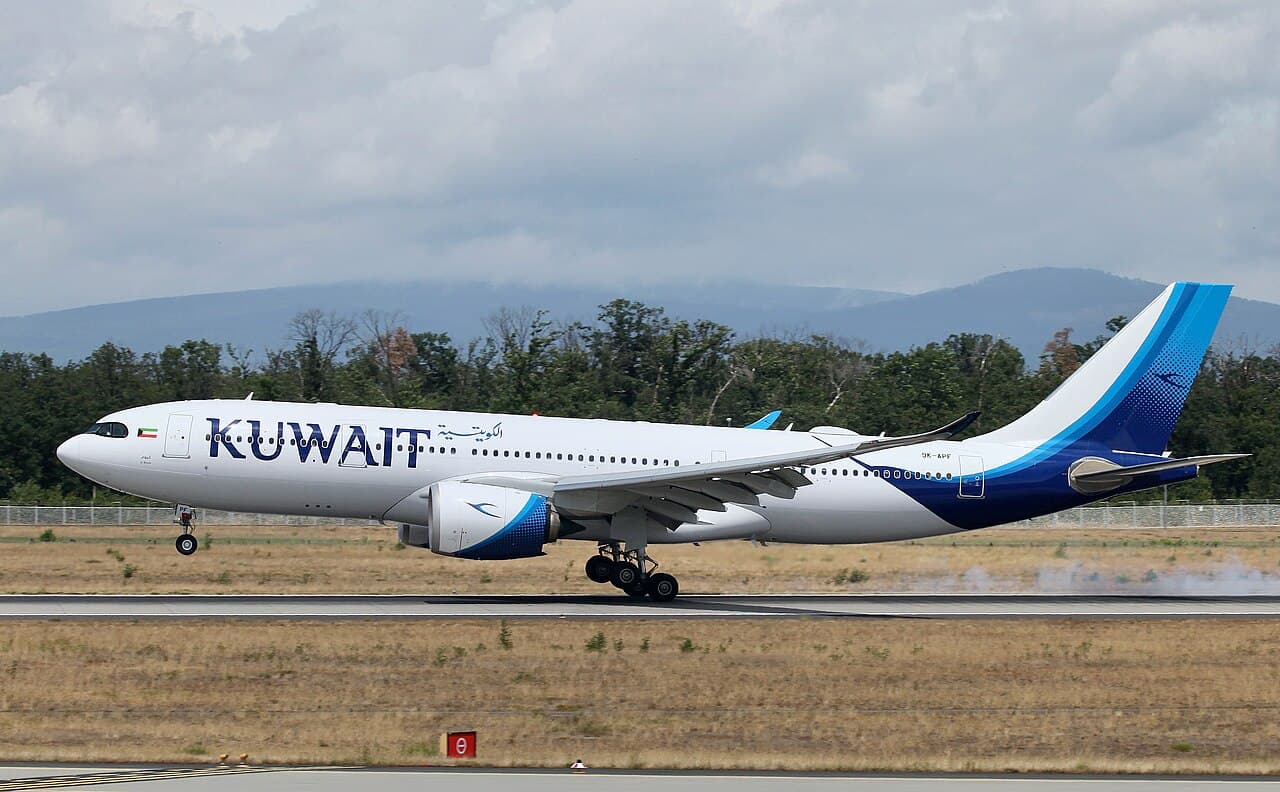
The A330neo (new engine option) is an updated version of the proven A330 wide-body family, featuring Rolls-Royce Trent 7000 engines and new Sharklet wingtips for improved fuel efficiency and range.