In Production
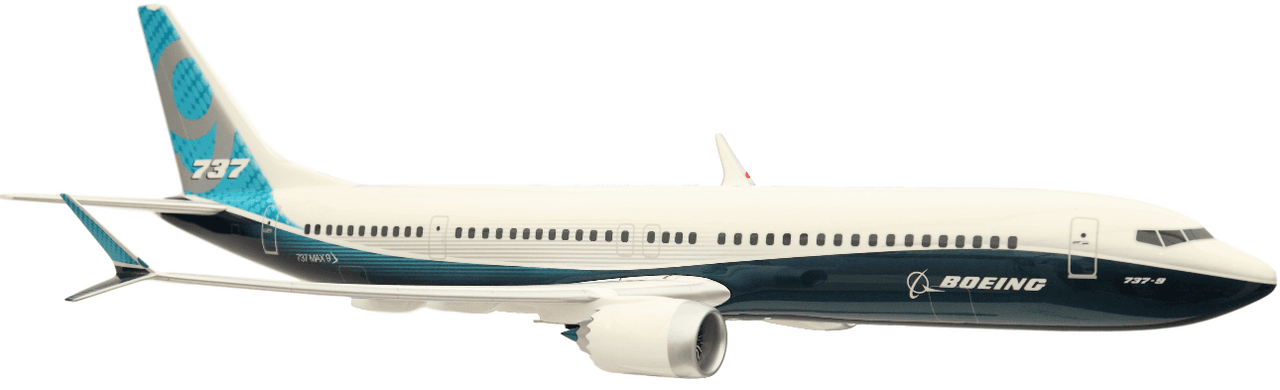
737 MAX
Boeing's current single-aisle aircraft family, spanning the 737-7 through 737-10, built around improved LEAP-1B engines, lower fuel burn, and broad commonality for airline operators.
 Boeing
In Development
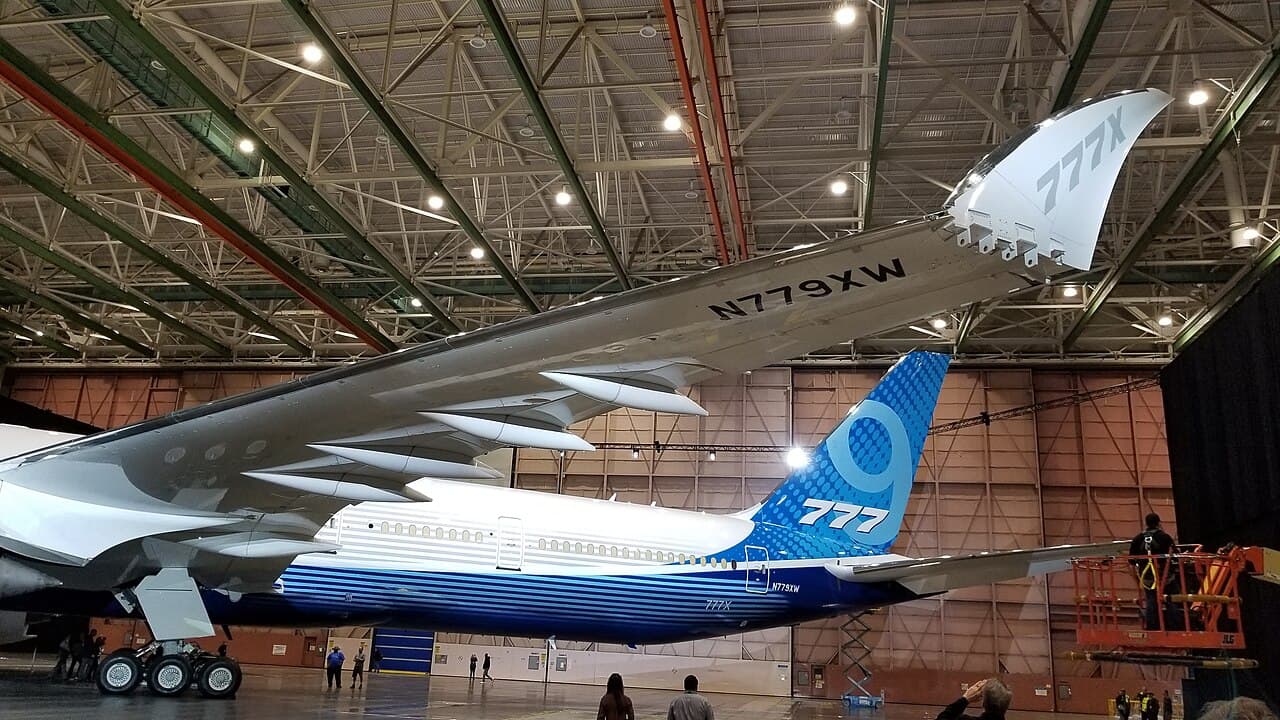
Next-generation wide-body twin-engine aircraft and the world's largest twin-engine jetliner, featuring folding wingtips, composite wings, and GE9X engines.
Latest update Sep 18, 2026
01
Flight testing and certification work continue as Boeing advances the 777-9 passenger model and the 777-8 Freighter toward entry into service. In July 2026 Boeing quietly revised the family's published performance, lifting the 777-8 to 9,500 nmi and the 777-9 to 8,000 nmi of range. A seventh 777-9 test aircraft joined the fleet on July 29, 2026 dedicated to ETOPS certification. On September 17, 2026 GE Aerospace said it had started shipping GE9X engines with a redesigned mid-seal in Q3 and does not expect the durability issue to delay 777X service entry in 2027, even as FAA authorization to start the ETOPS block remains pending. CEO Kelly Ortberg still targets first delivery to Lufthansa in 2027.
02
03
Announced next steps from Boeing that mention 777X.
2027
Target2027 (cert, with ETOPS work extending into 2027); 2027 (first delivery)
The seventh 777-9 test aircraft completed its first flight on July 29, 2026 from Boeing Field, pushing the test fleet past 4,800 flight hours; unlike prior airframes it is dedicated to ETOPS (extended-range twin-engine operations) certification, the last major test block after the FAA granted TIA Phase 4B in June 2026. CEO Kelly Ortberg has said Boeing expects to finish the rest of the flight-test program by the end of 2026 but that ETOPS work will extend into 2027, consistent with FAA Administrator Bryan Bedford's public expectation that 777X type certification lands in 2027. On September 17, 2026 GE Aerospace CFO Rahul Ghai said GE had started shipping GE9X engines with a redesigned mid-seal to Boeing in the third quarter and expects FAA certification of the new part in the next few months, and that he was confident the durability issue would not hold up 777X entry into service in 2027. The existing seal remains usable for certification work, including the approvals Boeing needs before starting ETOPS testing. Boeing continues to target first delivery to Lufthansa in 2027. Emirates still plans to reject the first 10-11 early-build jets as too old. United Airlines has been reported evaluating some of the stored early-build 777-9s, with CEO Scott Kirby saying a 777X order decision will come by the end of 2026.
04
Boeing and Ethiopian Airlines announced on Sept. 30 a firm order for eight 777-8 Freighters and two 777 Freighters, making Ethiopian the first African customer for the 777-8F. The carrier already holds eight 777-9 passenger jets, so the freighter deal doubles its 777X family book. Boeing listed a 118-tonne maximum structural payload for the 777-8F; Ethiopian's cargo fleet already includes 12 777 Freighters. The company release did not state delivery years.
Boeing CEO Kelly Ortberg told Morgan Stanley's Laguna conference on September 16 that stabilizing 737 MAX output at 47 jets a month is taking longer than expected, and that the company will only push toward 52 a month once that rate holds. He said the 737-10, which makes up about 30% of all 737 orders, will be certified very soon, and played down analyst expectations of a large Chinese order when President Trump meets President Xi in Washington next week. Boeing separately said some 777X flight testing will spill into 2027 because FAA clearance to begin extended-range twin-engine operations testing is on hold pending certification of a mid-seal on the GE9X engine, though it still targets first delivery next year; the shares closed down 4.5%.
The Farnborough International Airshow, the aerospace industry's biggest gathering, opened July 20 for a five-day run, with Boeing giving its uncrewed MQ-28 Ghost Bat collaborative combat aircraft its first static display at the show alongside a full-size 777X cabin mock-up and a T-7 trainer flight deck. Aviation-analytics firm IBA forecast up to 875 aircraft orders, options and commitments across the week - a rebound from the roughly 438 booked at Farnborough 2024 - though delivery slots sold out into the 2030s mean attention is as much on production as on fresh demand. Carriers including Etihad, Philippine Airlines and Riyadh Air are expected to firm up widebody deals with Boeing and Airbus during the event.
Boeing has revised the published range figures for its in-development 777X family, lifting the 777-8 to 9,500 nautical miles (up about 755 nm, or roughly 8.6%) and the 777-9 to 8,000 nm (up about 715 nm, roughly 9.8%) versus specs listed as recently as mid-June. The 777-8 Freighter's advertised range also rose to 5,000 nm from 4,410 nm. Boeing made no formal announcement - the changes were spotted by comparing archived product pages - and the longer legs sharpen the 777-9's competitiveness against Airbus's A350-1000ULR as flight testing progresses toward certification.
Boeing secured an order from China Southern Airlines valued at about $3.62 billion for seven freighters - two 777Fs and five next-generation 777-8Fs - plus options for three additional 777-8Fs, the carrier disclosed June 26. It is a notable win for Boeing in a market where mainland Chinese orders had largely dried up over the past decade amid trade tensions. The deal follows reports that China would resume large-scale Boeing purchases, and points the airline's cargo fleet toward the delayed 777X freighter line.
Boeing Commercial Airplanes CEO Stephanie Pope said the FAA has granted the 777-9 Type Inspection Authorization (TIA) Phase 4B, unlocking the largest remaining block of certification flight testing - covering avionics, stability and control, and human-factors work - in remarks at the IATA Annual General Meeting in Rio de Janeiro reported the week of June 8. Phase 4B is the last of the five TIA phases carrying a significant workload, keeping Boeing on course to certify the long-delayed widebody later in 2026 with first deliveries targeted for early 2027. The progress comes after Boeing trimmed 33 777X orders from its firm backlog amid the repeated certification slips.
05
Boeing's current single-aisle aircraft family, spanning the 737-7 through 737-10, built around improved LEAP-1B engines, lower fuel burn, and broad commonality for airline operators.
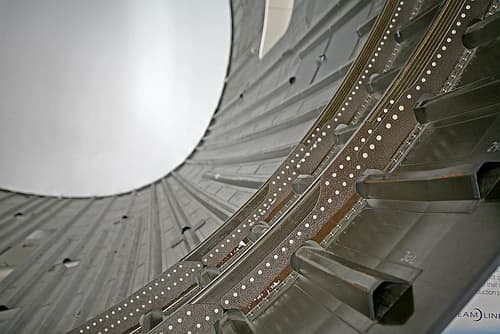
Wide-body long-haul twin-engine aircraft family built around composite structures, lower fuel burn, and route-opening flexibility for airlines.
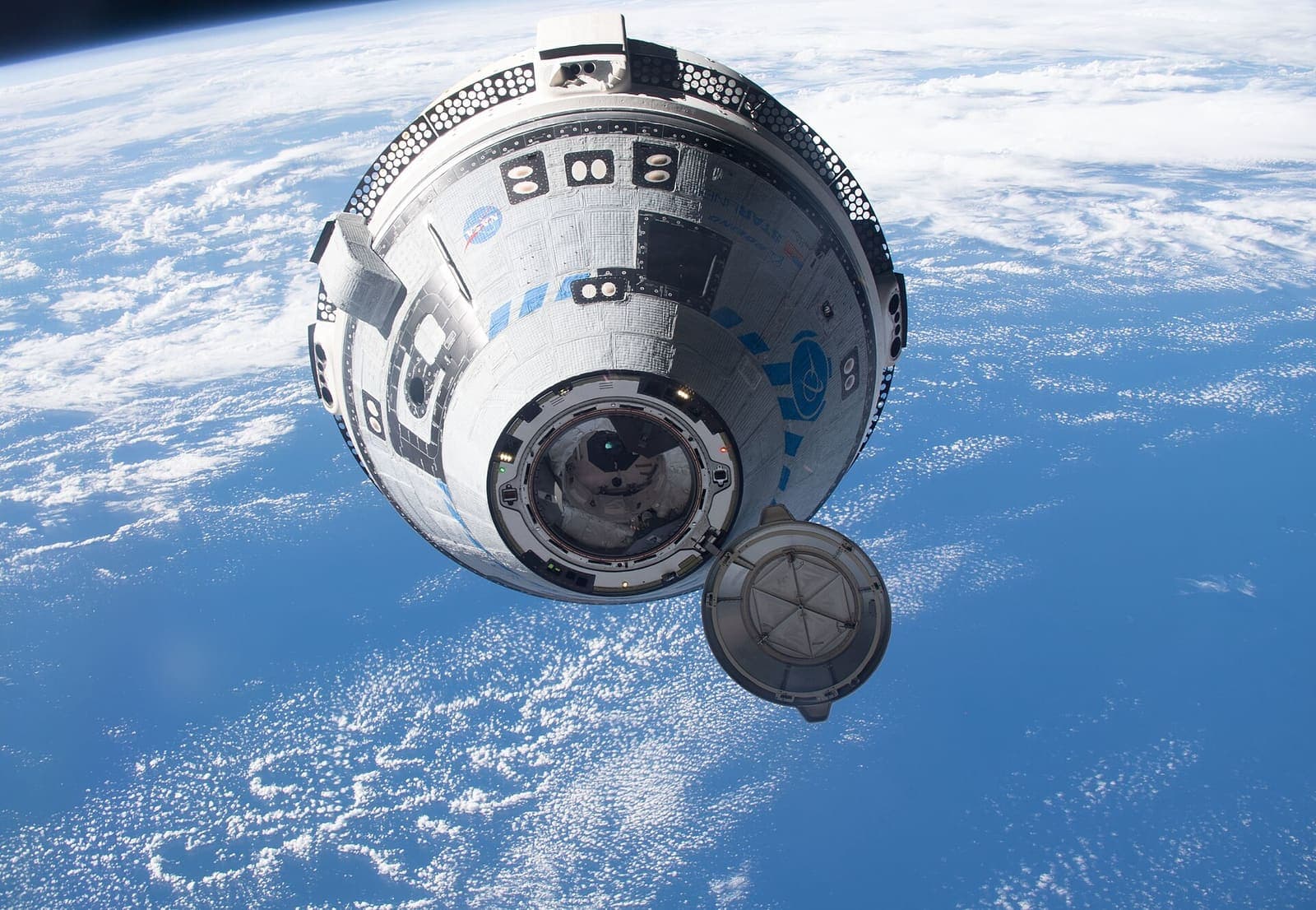
Boeing's crew capsule for NASA's Commercial Crew Program, built to ferry astronauts and cargo to the International Space Station under a $4.2B NASA award (alongside SpaceX's Crew Dragon).
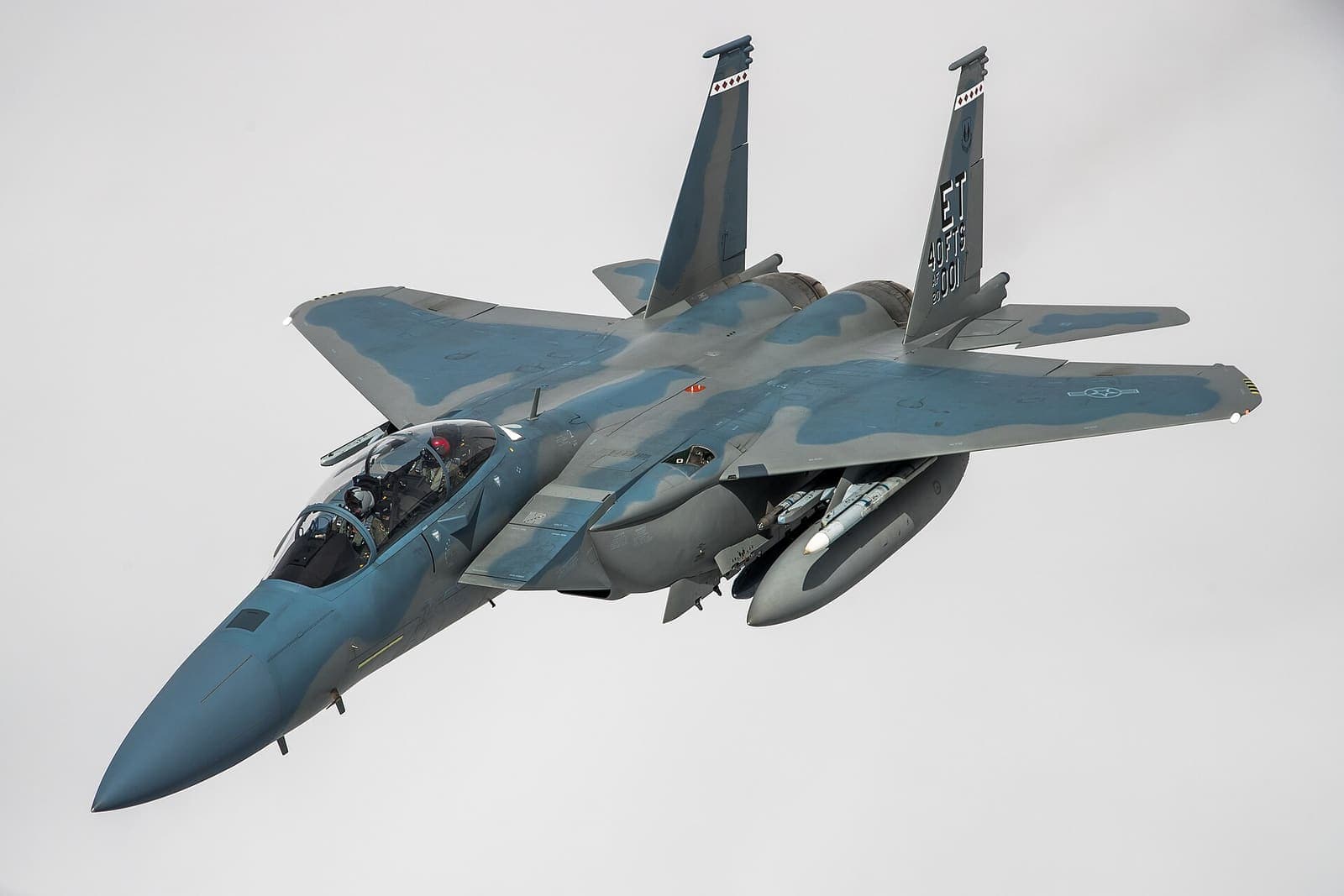
Boeing's newest-generation F-15 fighter for the U.S. Air Force and export customers, combining a modernized airframe and avionics with the F-15 family's high weapons payload as part of the Air Force's fighter 'high-low' mix alongside the F-35.
06
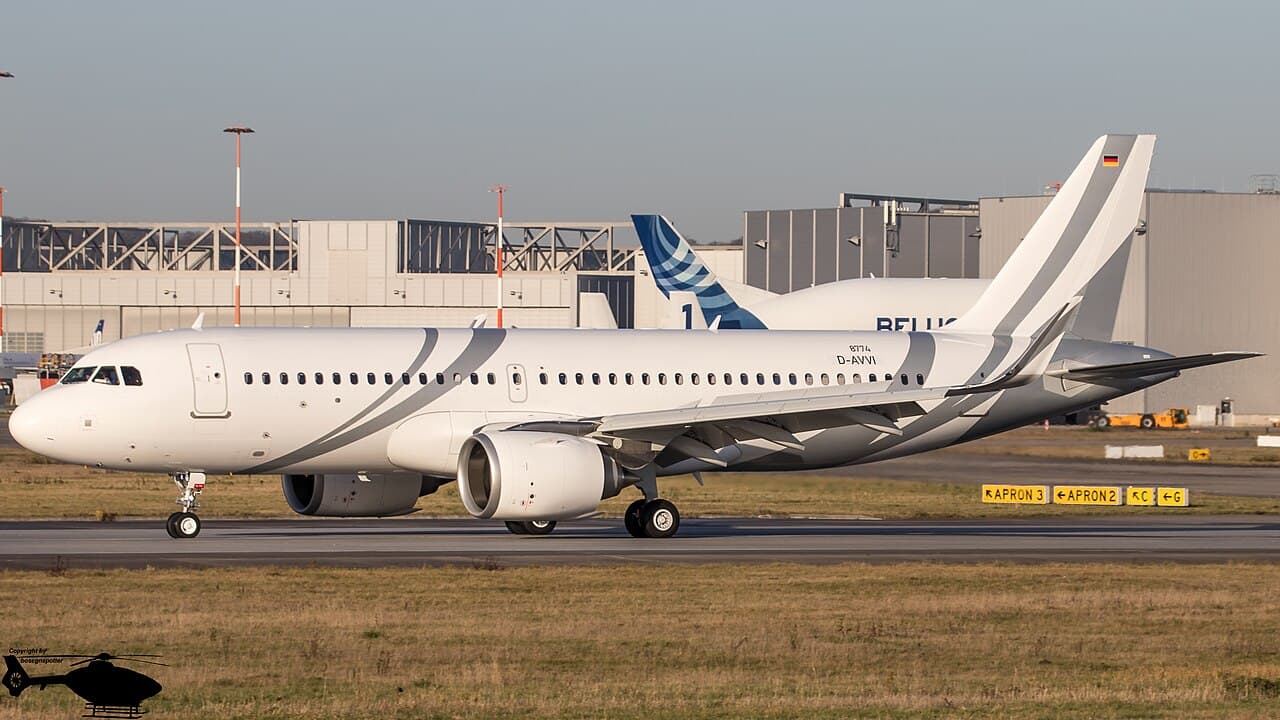
Airbus
The A320neo (new engine option) family is Airbus's best-selling narrow-body airliner family, featuring new-generation engines and Sharklet wingtip devices for 15-20% fuel savings. Includes the A319neo, A320neo, and A321neo variants.
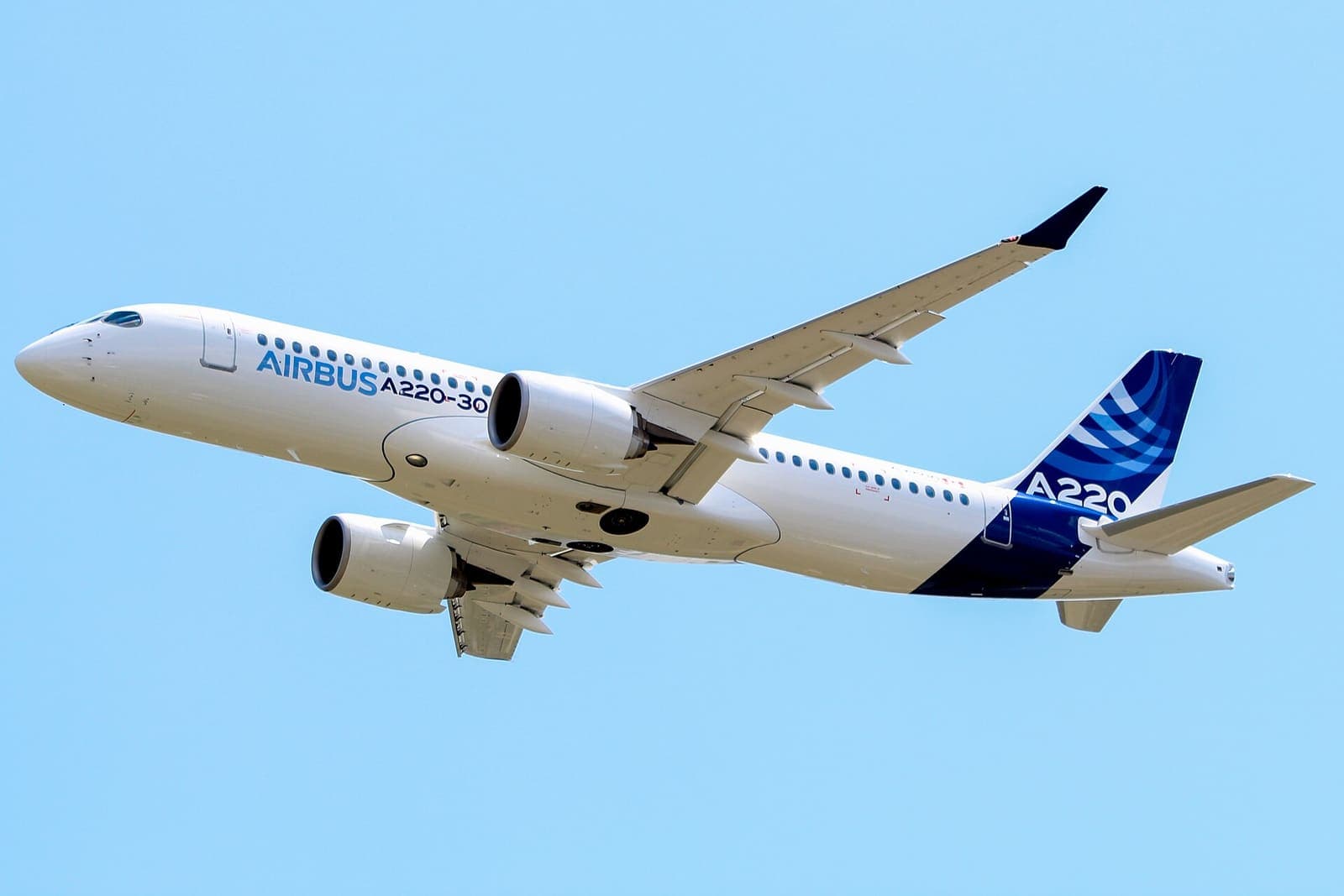
Airbus
The A220 is a 100-160 seat single-aisle airliner inherited from Bombardier's C Series (acquired in 2018), serving the smaller end of Airbus's narrow-body lineup below the A320neo Family. It comes in two variants, the A220-100 and the larger A220-300.
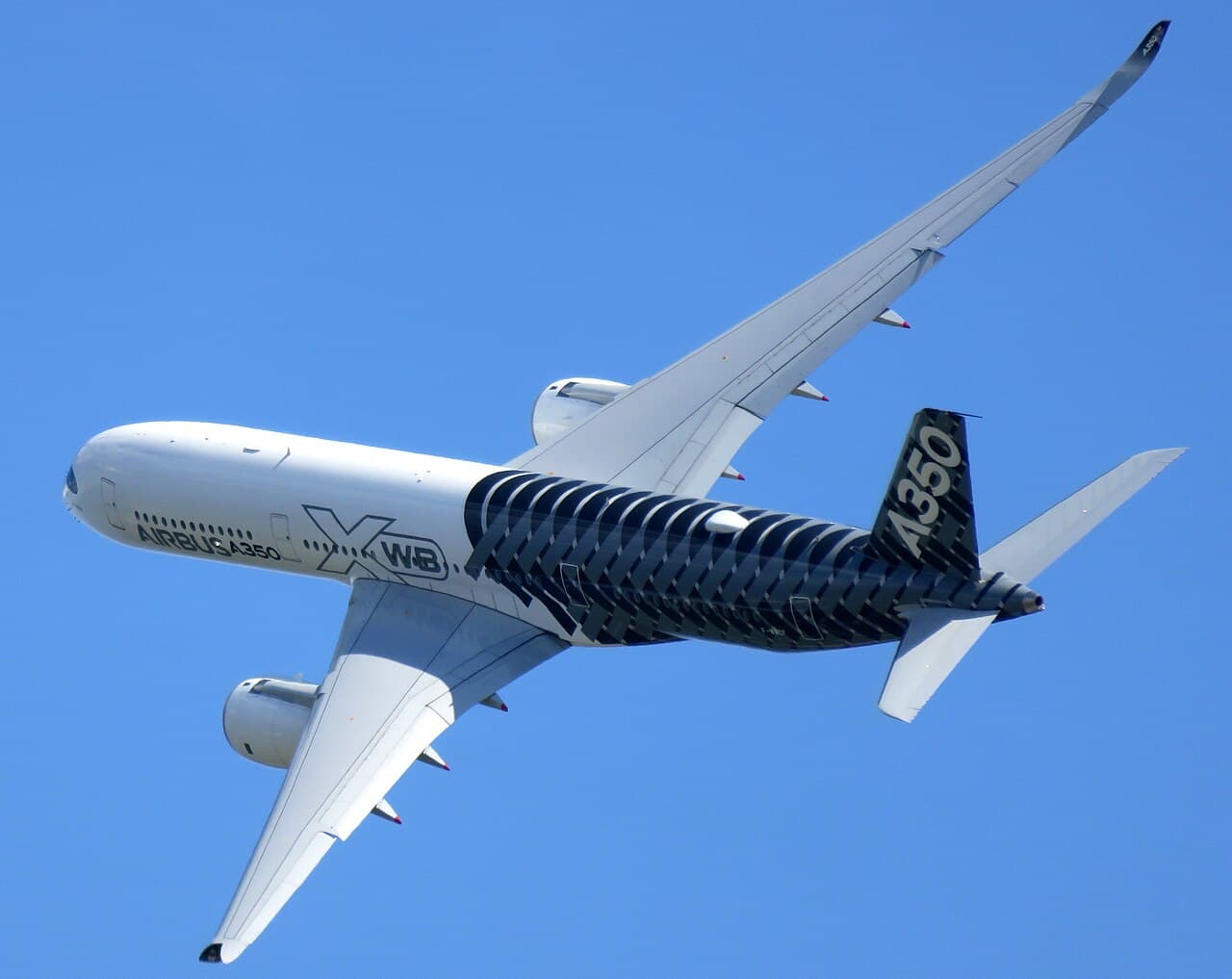
Airbus
The A350 XWB (eXtra Wide Body) is Airbus's latest-generation wide-body aircraft, featuring a carbon-fibre reinforced polymer fuselage and wings for superior fuel efficiency and passenger comfort.
Airbus
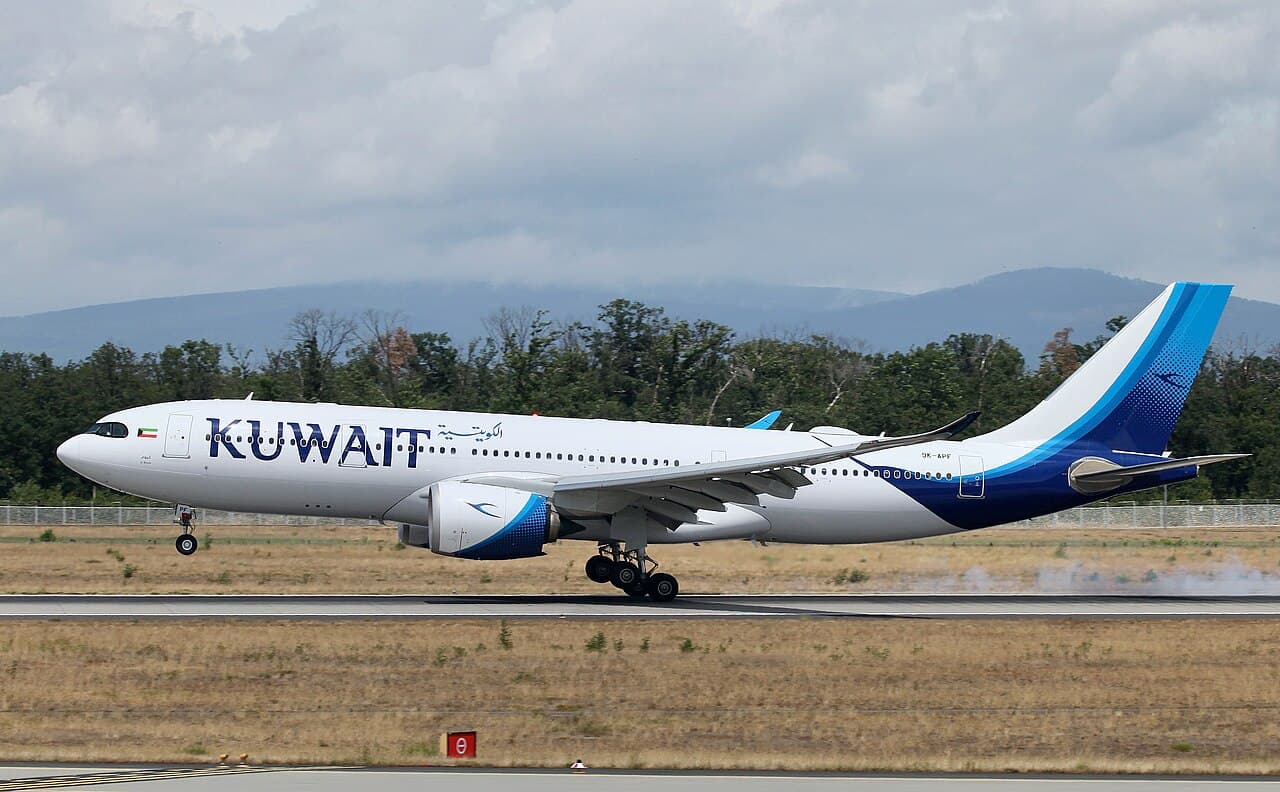
The A330neo (new engine option) is an updated version of the proven A330 wide-body family, featuring Rolls-Royce Trent 7000 engines and new Sharklet wingtips for improved fuel efficiency and range.