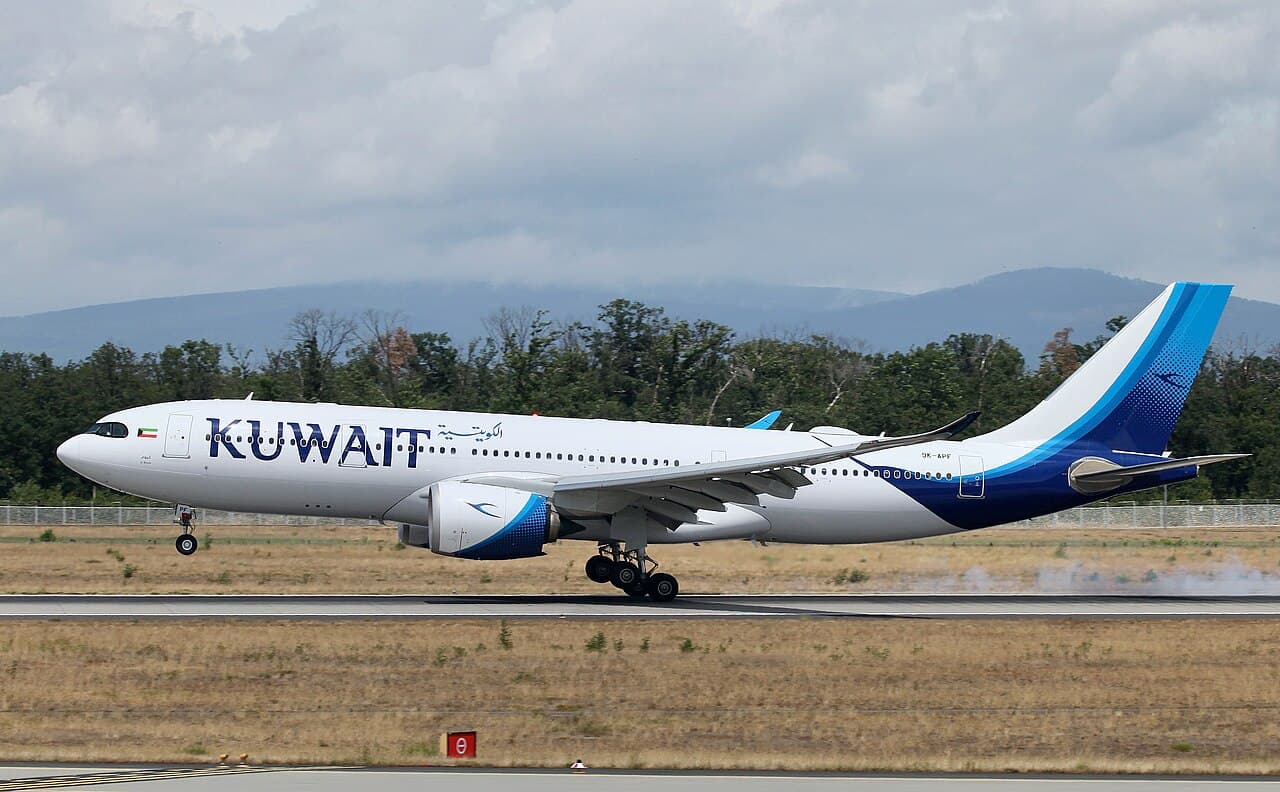
The A330neo (new engine option) is an updated version of the proven A330 wide-body family, featuring Rolls-Royce Trent 7000 engines and new Sharklet wingtips for improved fuel efficiency and range.
In active production with two variants: A330-800neo and A330-900neo. Competes with the Boeing 787 in the mid-range wide-body market. A production quality issue on the horizontal tail plane (assembled at Getafe, Spain) nearly halted deliveries for three months in mid-2026 - zero handed over in June and July, just one in August - before Airbus said in early September the root cause was identified, the issue was isolated and unrelated to the concurrent Spain labor strike, and deliveries had resumed with no action needed on in-service aircraft.
AD 2026-18-09 takes effect October 22, 2026 for all Airbus A330-243, A330-243F, A330-341, A330-342, and A330-343 airplanes. Operators of the estimated 70 US-registered jets must modify certain nacelle inlet cowls and run repetitive borescope inspections of others after cracked anti-ice piccolo-tube restraint brackets were found in maintenance, following EASA AD 2025-0164. Watch whether the inspections turn up a wider fleet finding and whether the work overlaps the A330neo delivery recovery after the Getafe tail-plane quality halt.
After a soft Q1 (114 deliveries), Airbus delivered 351 aircraft in H1 2026 (237 of them in a record Q2, +39% YoY) - its best first half since 2019 - and reaffirmed the 870-aircraft target, EUR 7.5B adjusted EBIT and EUR 4.5B free cash flow guidance when it reported H1 results on July 29 (H1 revenue EUR 33.2B, +12% YoY); management is internally aiming beyond 900. July's official tally showed 67 deliveries and 204 gross orders (YTD 418). The August monthly bulletin, reported September 7, showed 57 deliveries and 67 gross orders, taking YTD deliveries to 475, up 9% from 434 a year earlier and 57 jets ahead of Boeing's 418 - still requiring about 99 aircraft a month over September-December, well above anything Airbus has sustained in 2026. Part of the late-summer shortfall traces to a production quality issue on the A330neo's horizontal tail plane that all but halted A330neo deliveries for three months (zero in June and July, one in August) before Airbus said in early September the root cause was identified and deliveries had resumed. The Spain labor risk is now dated: after a 51.23% to 48.77% assembly vote on September 8 to keep the indefinite strike (a 67-vote margin), the strike committee paused pickets on September 9 but kept the call in force. Airbus had set a binding referendum for September 24-25, 2026, but Spain's Audiencia Nacional provisionally suspended that vote on September 18 pending a hearing on September 24; the full trial is listed for November 4. CEO Guillaume Faury has said agreed Pratt & Whitney engine volumes for 2026-2027 support the guidance - but the back-half acceleration needed to hit 870 still depends on Spanish plants staying productive.
Airbus said deliveries of its A330neo widebody have resumed after a quality lapse in the tail section, a tool left inside a horizontal tail plane during production, brought handovers to a near standstill for three months, Bloomberg reported September 3, 2026. The manufacturer delivered zero A330neos in June and July and just one in August, versus a typical pace of about four a month, before calling the root cause identified and the issue isolated. Airbus still aims to ramp output to five A330neos a month by 2029 as it works toward roughly 870 total aircraft deliveries in 2026.