Active
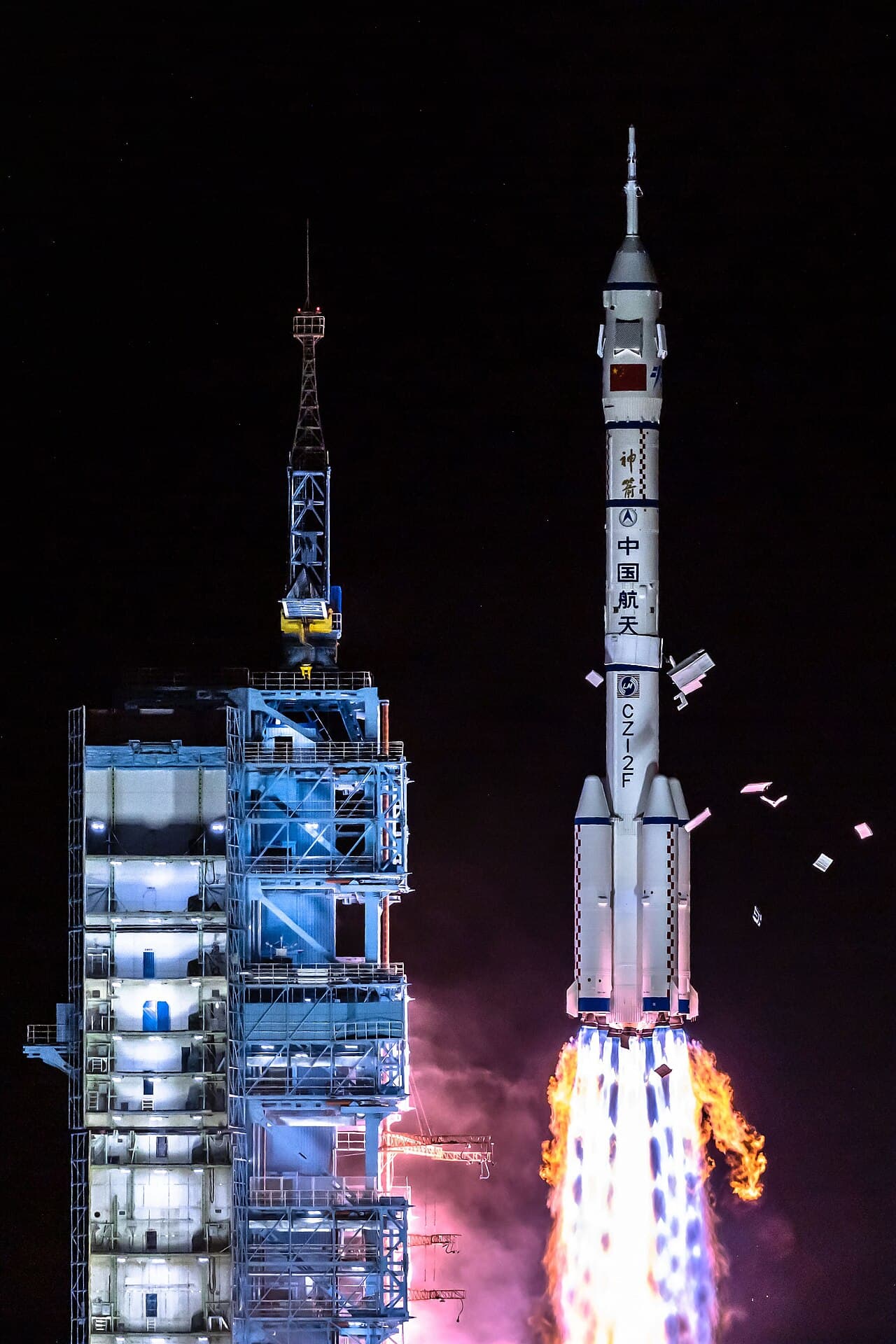
Long March 2F
Human-rated medium-lift rocket and the only Chinese launch vehicle cleared to carry astronauts, flying Shenzhou crews to the Tiangong station.
 CASC
Active
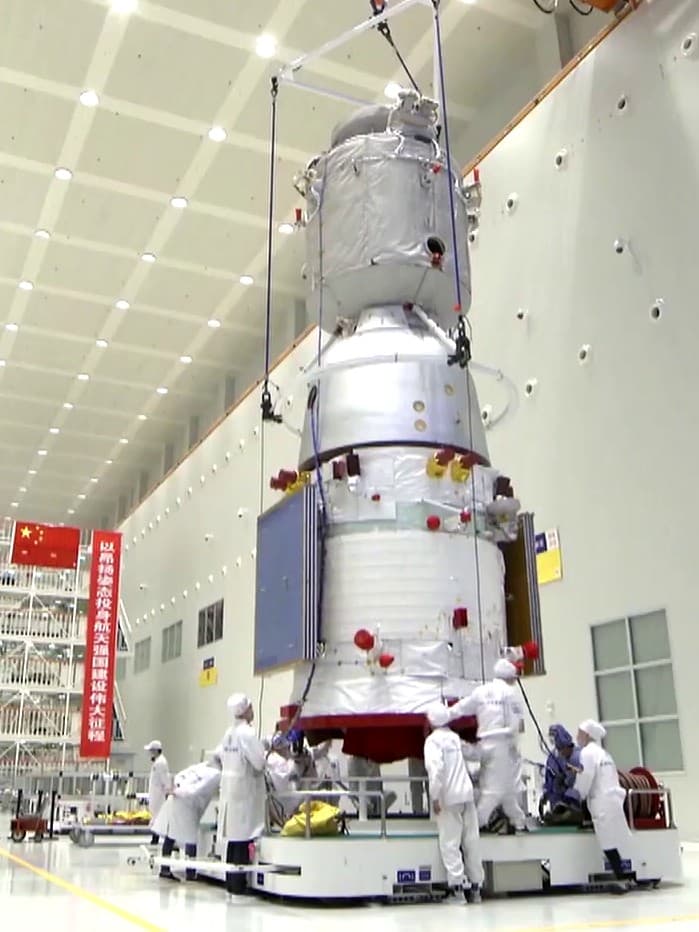
China's crewed spacecraft, ferrying three taikonauts at a time to the Tiangong station; built by the China Academy of Space Technology (CAST).
Latest update Sep 8, 2026
01
Operational crew vehicle since 2003; Shenzhou-23 launched May 24, 2026 with a three-taikonaut crew including China's first Hong Kong astronaut. On August 28, 2026 that crew completed its first spacewalk, repairing a Tiangong solar wing and installing debris shields. Shenzhou-24 is still planned for around October 2026 and is expected to carry the first foreign (Pakistani) payload specialist to Tiangong.
02
03
Announced next steps from CASC that mention Shenzhou.
Oct-Nov 2026
China's Manned Space Agency confirmed in February 2026 that a Pakistani payload specialist will fly a short-duration mission to the Tiangong station aboard Shenzhou-24, expected around October 2026, returning to Earth on the outgoing Shenzhou-23 - the first foreign national aboard China's independently built outpost, and a pointed act of orbital diplomacy while the US commercial-station field is still pre-launch. Candidates Muhammad Zeeshan Ali and Khurram Daud have been training at the Astronaut Center of China since arriving in late April 2026; CMSA says training is progressing smoothly ahead of the final crew assignment.
04
Human-rated medium-lift rocket and the only Chinese launch vehicle cleared to carry astronauts, flying Shenzhou crews to the Tiangong station.
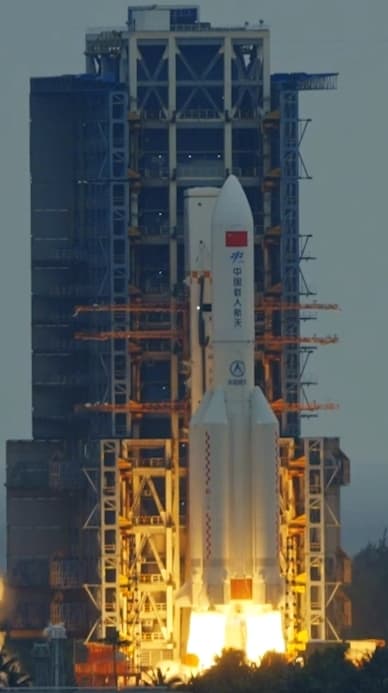
China's most powerful operational rocket; the heavy-lift workhorse that launches Tiangong station modules (5B), Chang'e and Tianwen deep-space missions, and large GEO satellites.
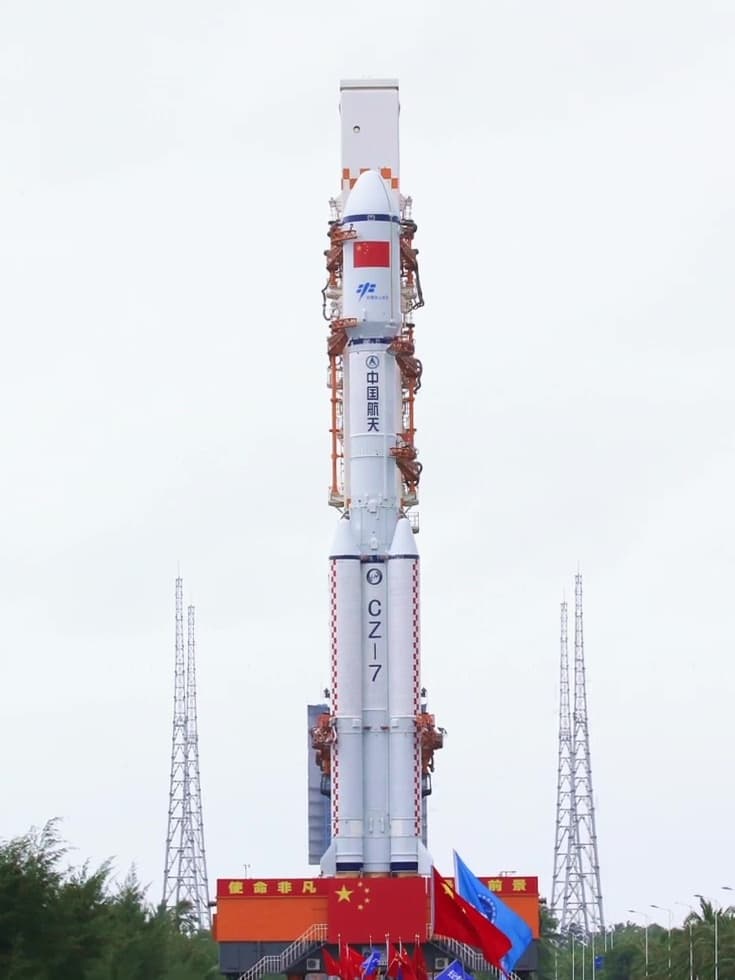
Kerolox medium-lift rocket designed as a next-generation workhorse; launches Tianzhou cargo freighters to the Tiangong space station.
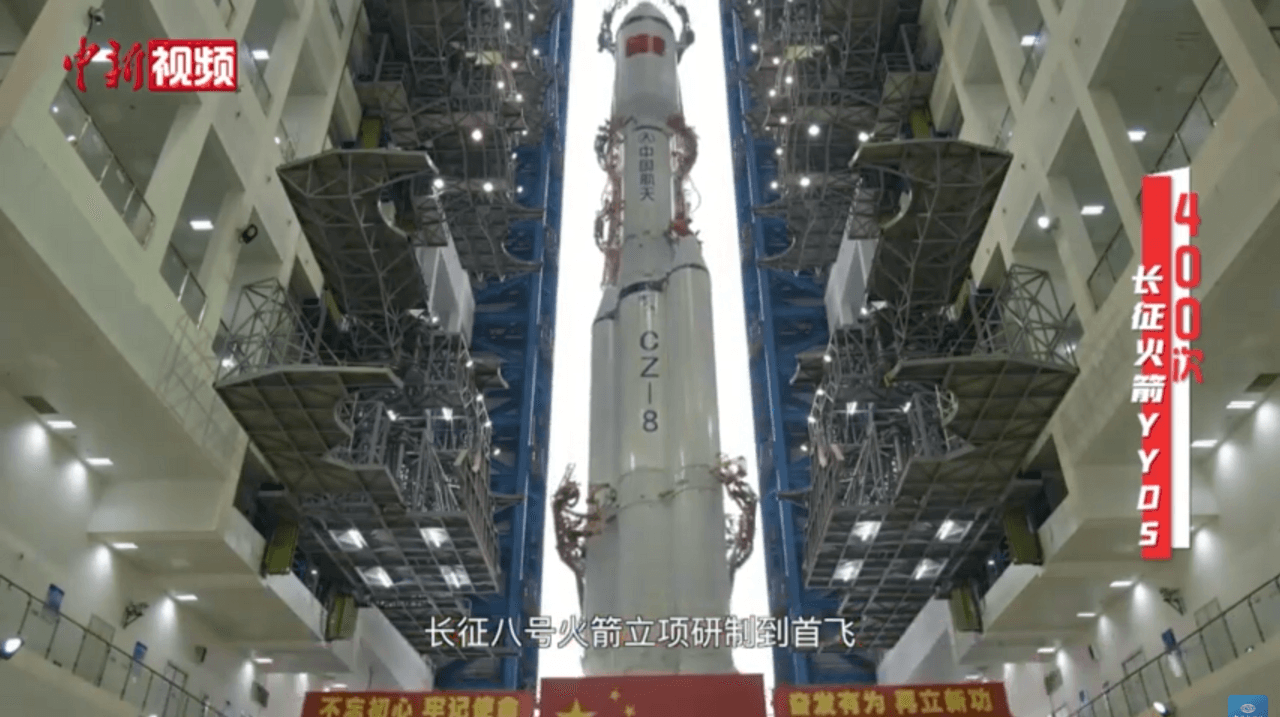
Lower-cost commercial medium-lift rocket optimized for sun-synchronous and constellation deployment, central to China's GuoWang and other satellite-internet build-out.
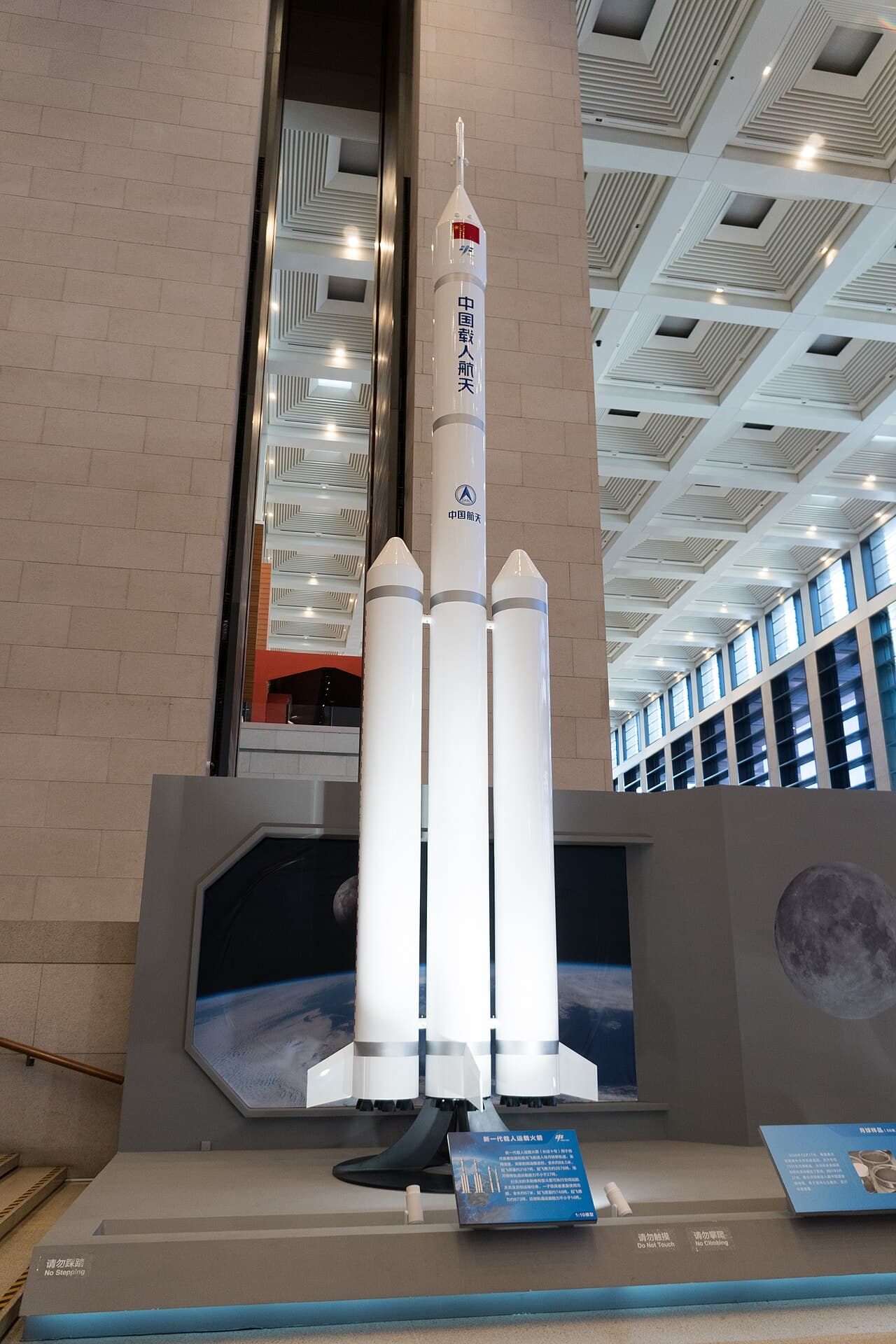
Partially reusable super-heavy-lift rocket for the crewed lunar program, designed to separately launch the Mengzhou spacecraft and Lanyue lander to trans-lunar injection.
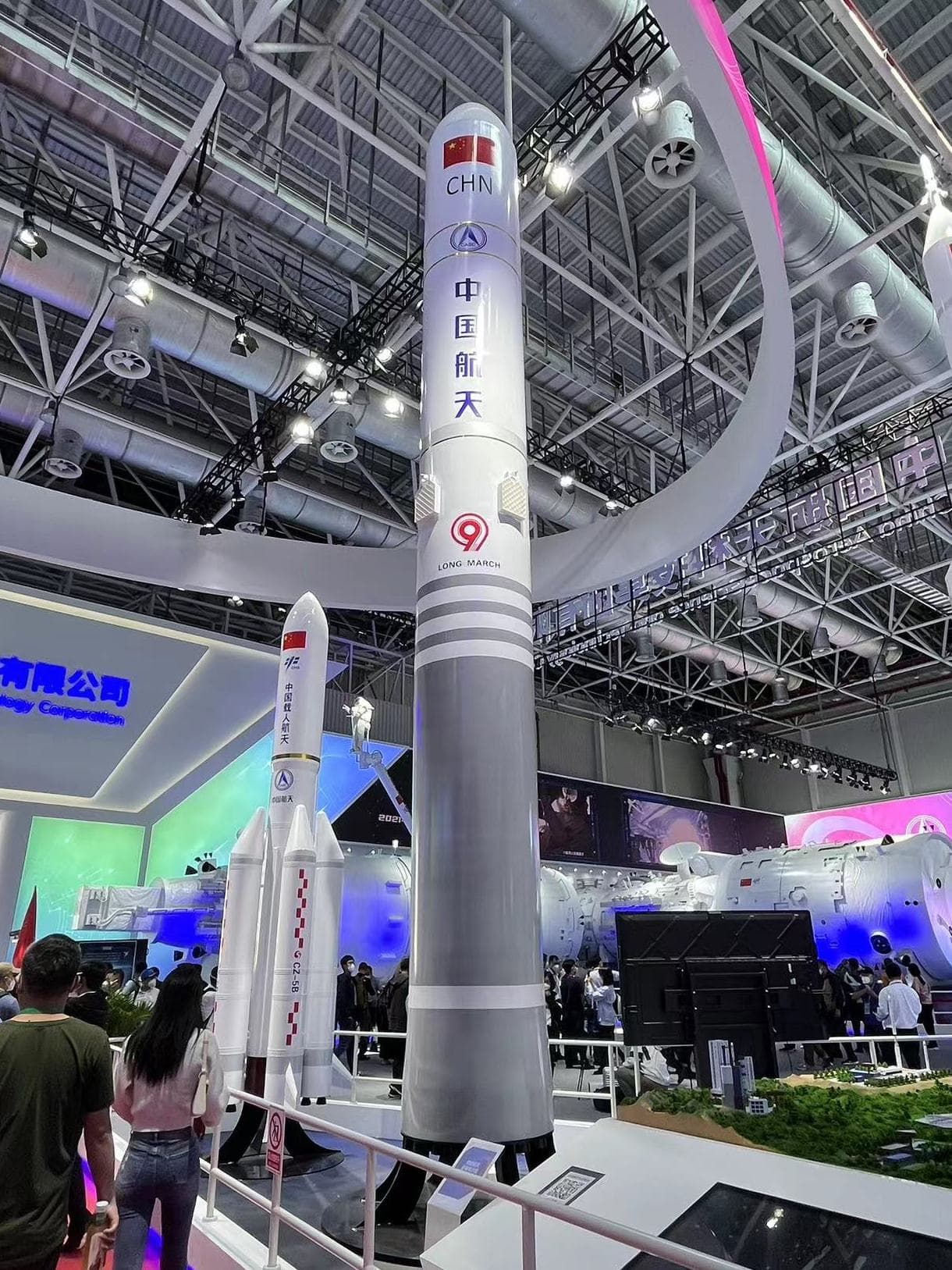
Fully reusable super-heavy launch vehicle in development - a Starship-class methalox design intended for mega-constellations, lunar and Mars cargo, and future crewed deep-space missions.
Partially reusable, kerosene/liquid-oxygen launch vehicle built by CASC Commercial Rocket Co., Ltd. for CASC's commercial constellation launch business, designed from the outset for propulsive first-stage recovery. A separate CASC reusable-rocket line, the methane/liquid-oxygen Long March 12A built by the Shanghai Academy of Spaceflight Technology, reached orbit on its own December 2025 debut but has yet to land its booster successfully.
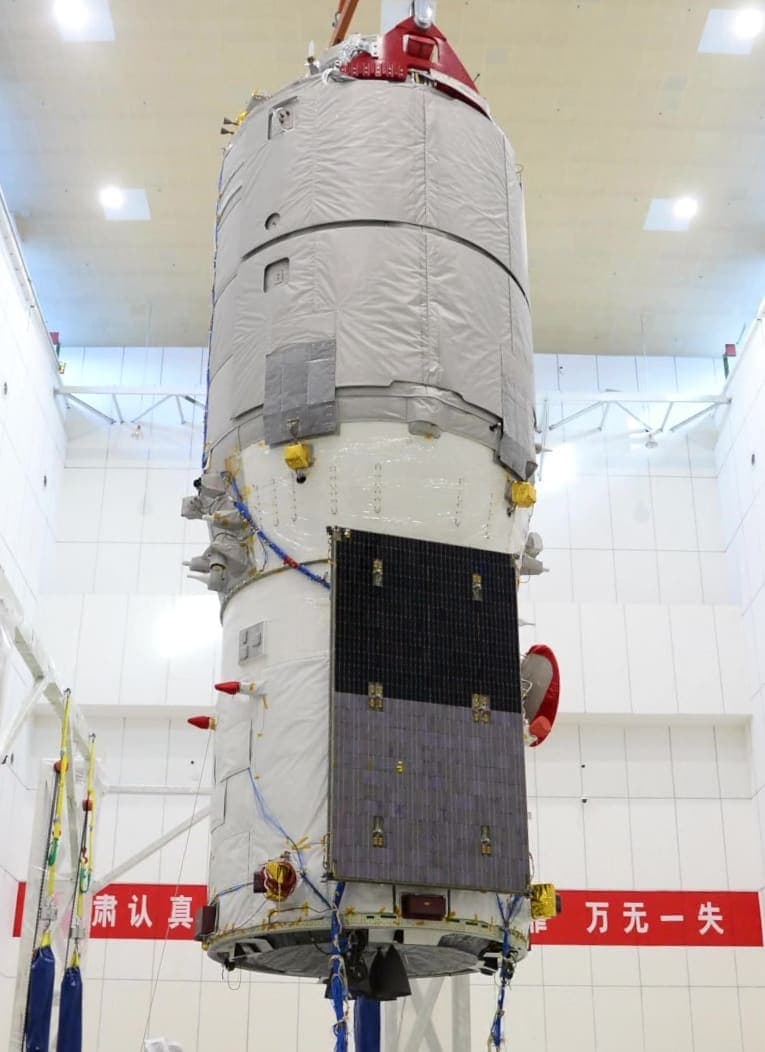
China's automated cargo spacecraft, delivering pressurized and unpressurized supplies, propellant, and experiment payloads to the Tiangong space station; built by CAST and rated the world's most capable active cargo spacecraft by transport capacity.
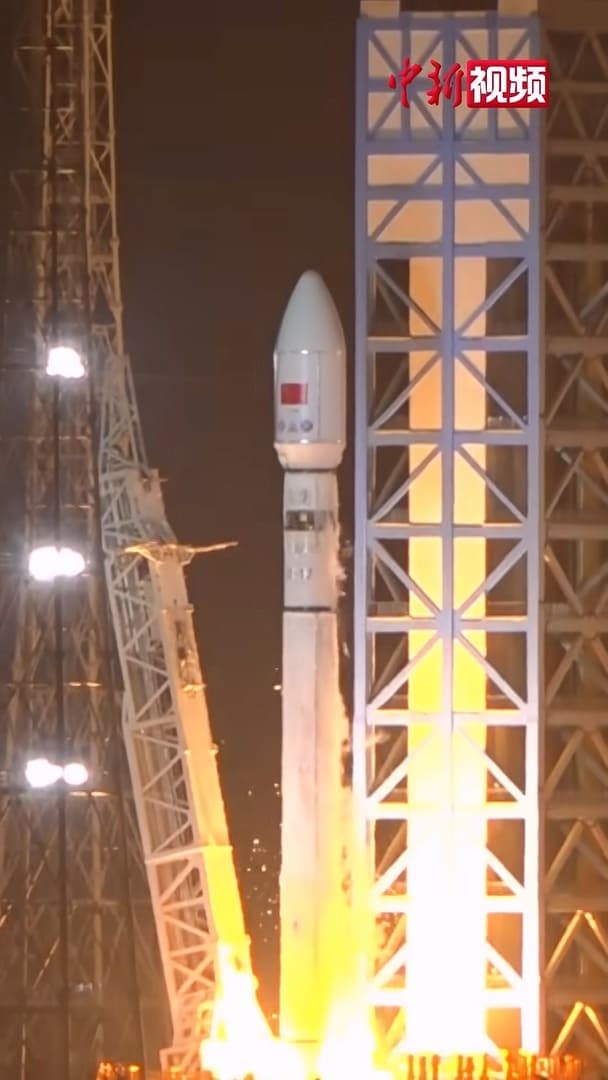
CASC Eighth Academy two-stage cryogenic launcher and China's first 4-meter-class single-core rocket. CASC says it is about 62 meters long and can lift at least 6 tonnes to a 700 km sun-synchronous orbit, with optional 4.2 or 5.2 meter fairings. On Oct. 10, 2026 it flew satellite-internet LEO group 27 from Hainan as the 671st Long March mission.
05
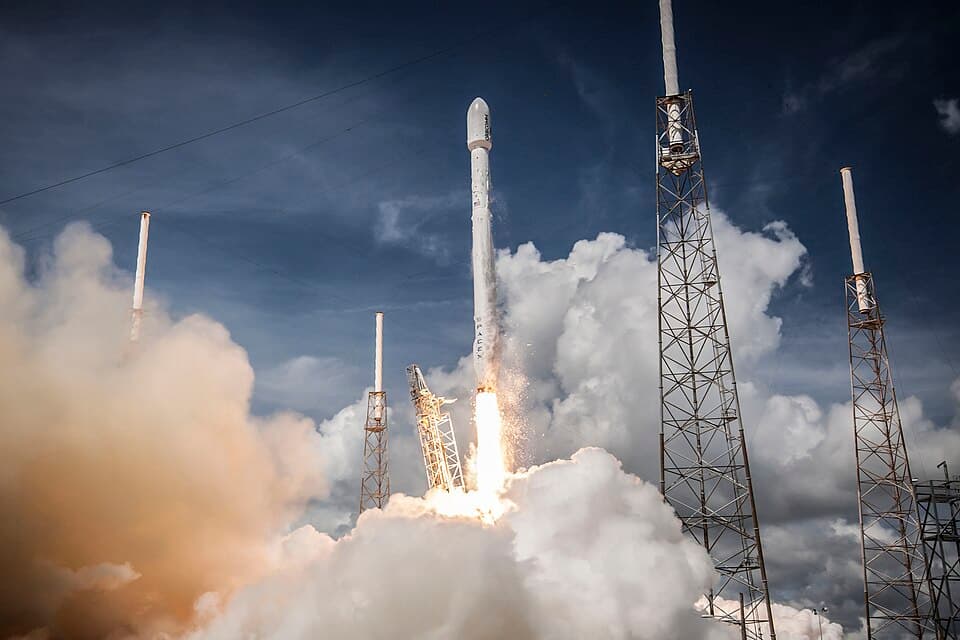
SpaceX
Partially reusable two-stage medium-lift launch vehicle. The world's most frequently launched orbital rocket.
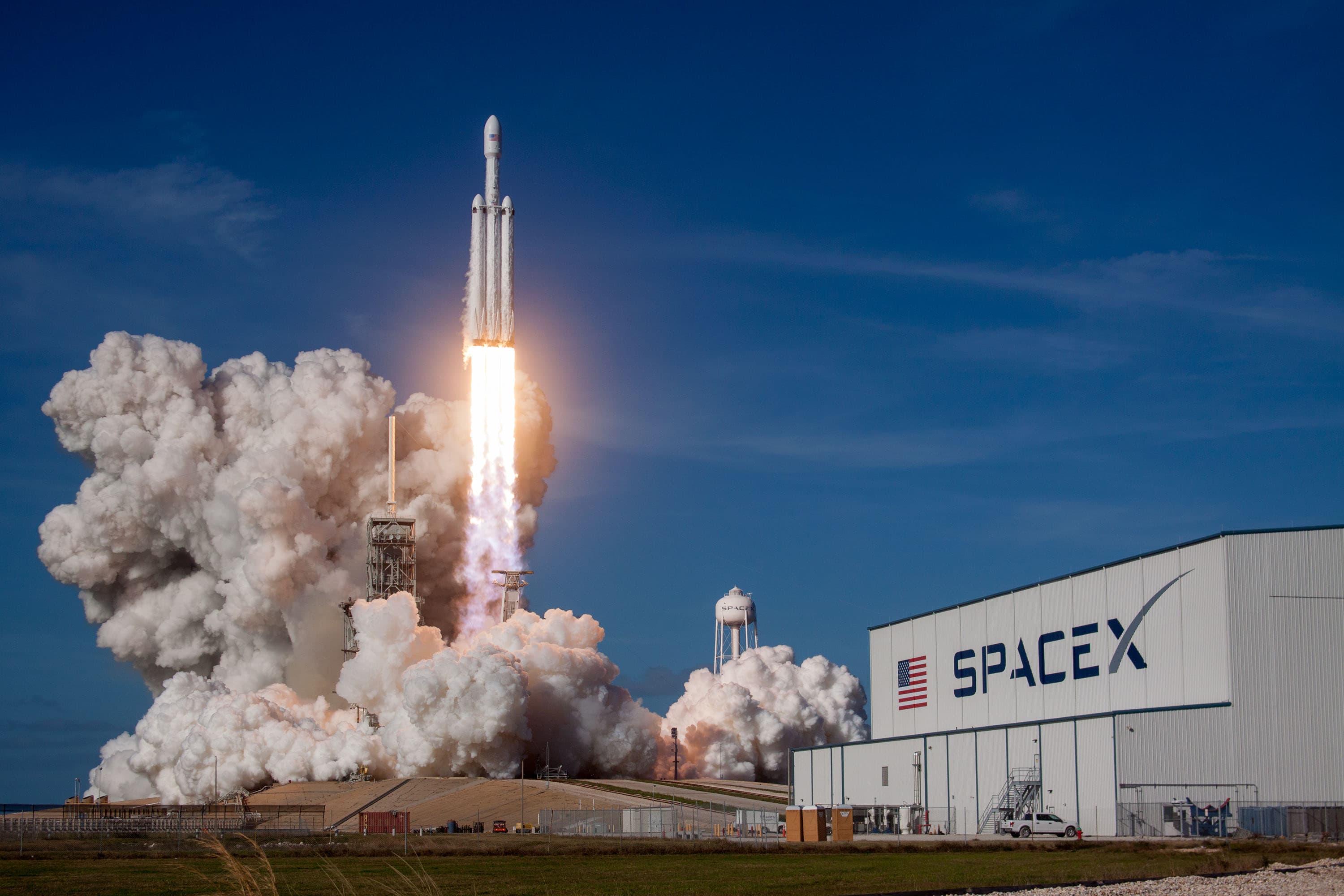
SpaceX
Heavy-lift launch vehicle consisting of a strengthened Falcon 9 core with two additional boosters.
SpaceX
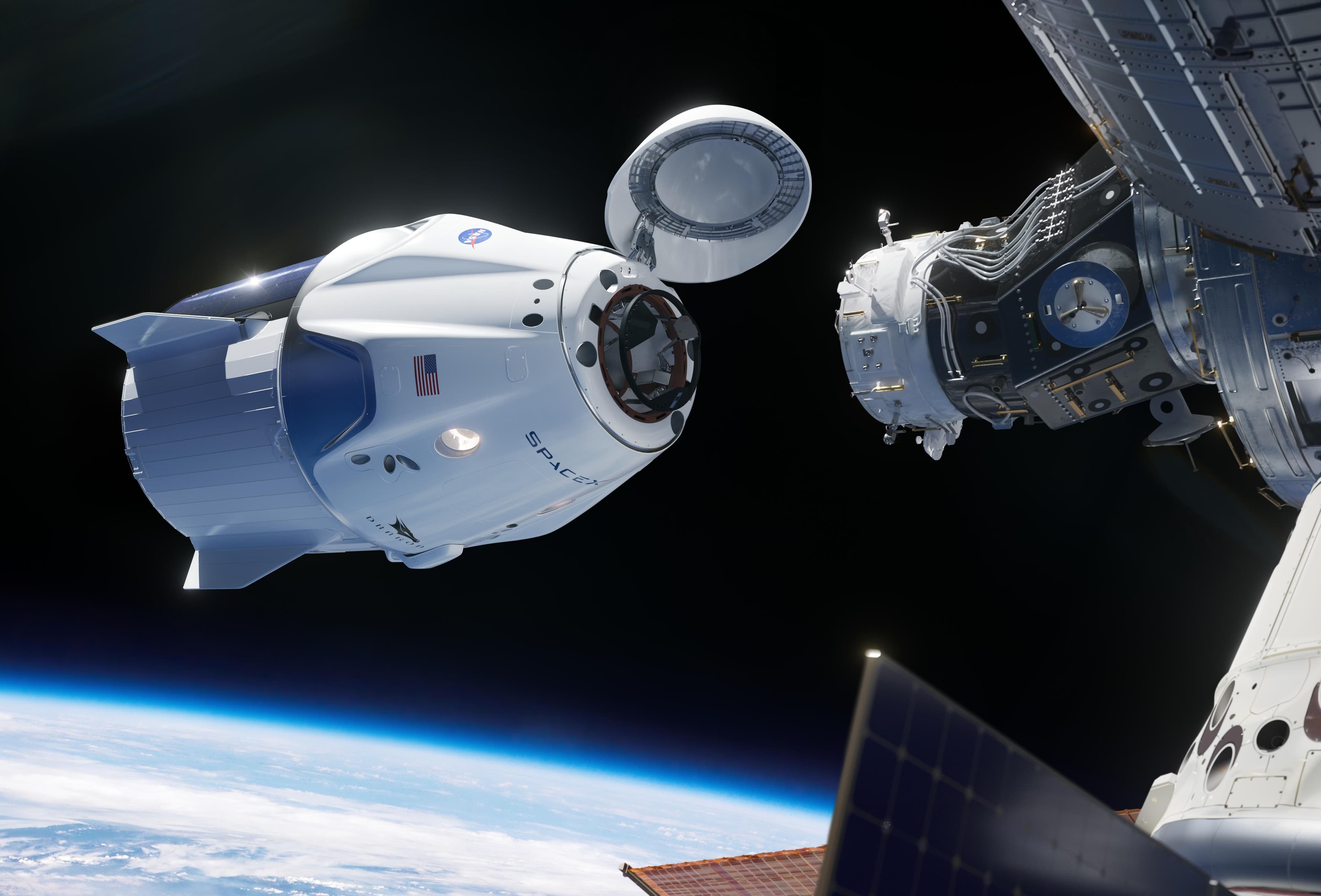
Reusable spacecraft for cargo and crew transport to the International Space Station.
SpaceX
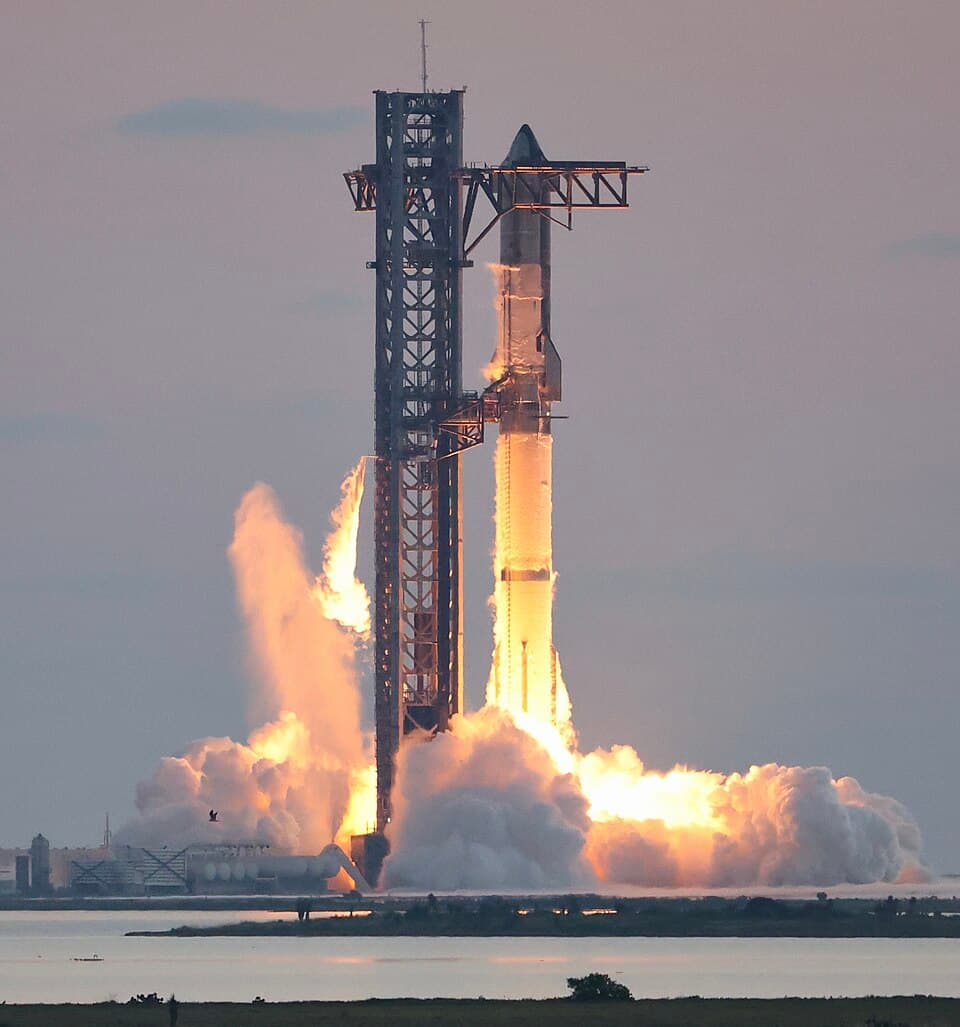
Fully reusable super-heavy-lift launch system designed for missions to the Moon, Mars, and beyond. V3 (Block 3) variant with Raptor 3 engines is the production version.