Active
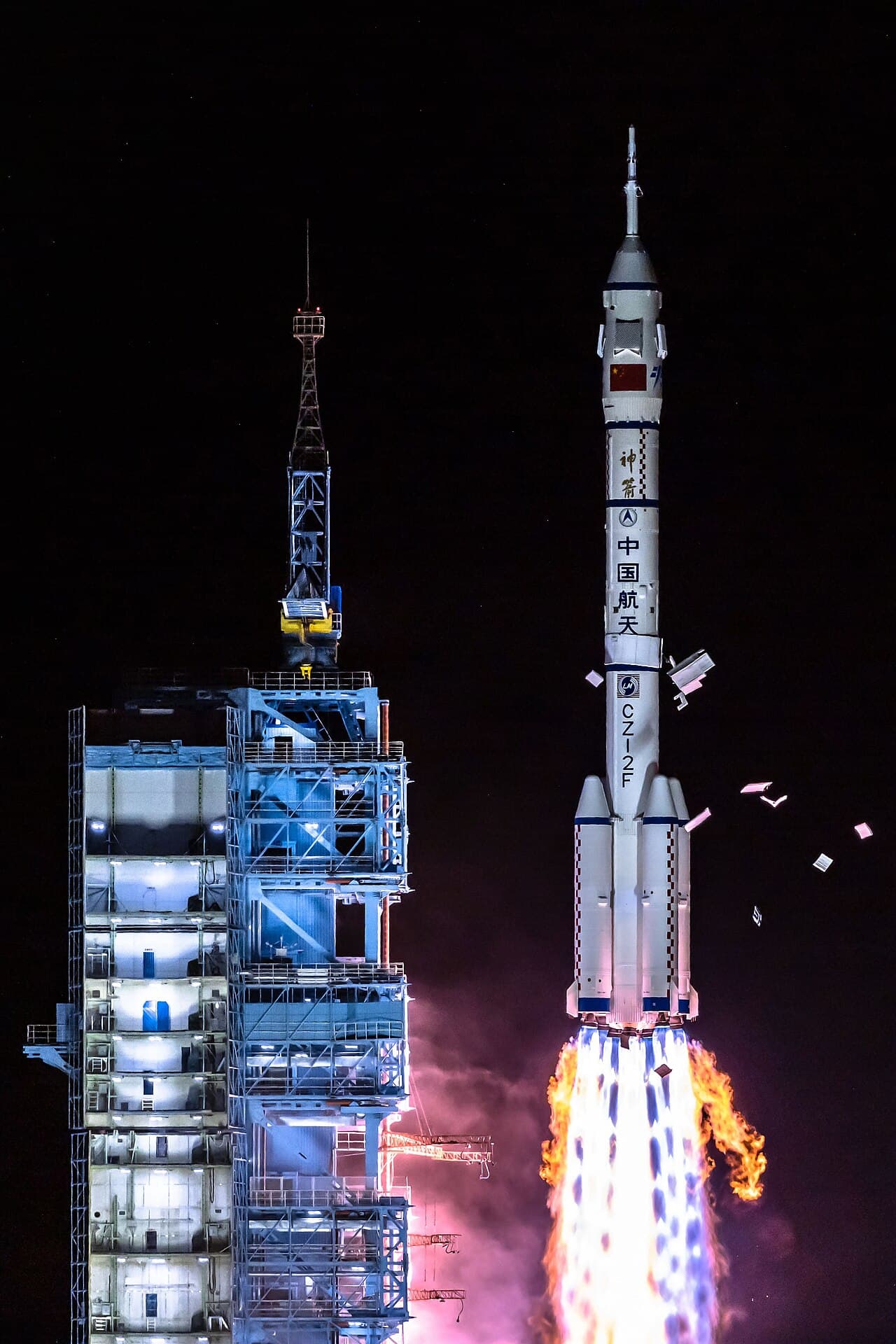
Long March 2F
Human-rated medium-lift rocket and the only Chinese launch vehicle cleared to carry astronauts, flying Shenzhou crews to the Tiangong station.
 CASC
CASCActive
CASC Eighth Academy two-stage cryogenic launcher and China's first 4-meter-class single-core rocket. CASC says it is about 62 meters long and can lift at least 6 tonnes to a 700 km sun-synchronous orbit, with optional 4.2 or 5.2 meter fairings. On Oct. 10, 2026 it flew satellite-internet LEO group 27 from Hainan as the 671st Long March mission.
Latest update Oct 10, 2026
01
A Long March 12 lifted off at 03:27 Beijing time on Oct. 10 from the Hainan commercial space launch site and placed China's satellite-internet low-Earth-orbit group 27 into its planned orbit. CASC said its commercial rocket company was the launch prime contractor, that the 62-meter, 4-meter-class vehicle can lift at least 6 tonnes to a 700 km sun-synchronous orbit, and that the flight was the 671st Long March launch. CNSA separately confirmed the satellites reached the intended orbit.
A week after a Long March 7A rocket broke apart during ascent on August 10, CASC flew two missions within about 24 hours: a Long March 12 lifted off from Hainan on August 16 carrying nine Guowang broadband satellites, followed by a Long March 2C delivering a satellite for the United Arab Emirates. CASC has not announced a root cause or a formal fleet clearance decision for the Long March 7A investigation as of this week.
A Long March 12 rocket lifted off at 12:10 Beijing time on August 16 from Launch Pad 2 at the Wenchang Commercial Space Launch Site, placing nine low-Earth-orbit internet satellites into their preset orbits. The batch is the 24th group for Guowang, China's state-backed broadband megaconstellation, and brings the number of Guowang spacecraft in orbit to roughly 195. The launch is the first Chinese orbital mission from Wenchang since a Long March 7A broke apart shortly after liftoff there on August 10.
02
Human-rated medium-lift rocket and the only Chinese launch vehicle cleared to carry astronauts, flying Shenzhou crews to the Tiangong station.
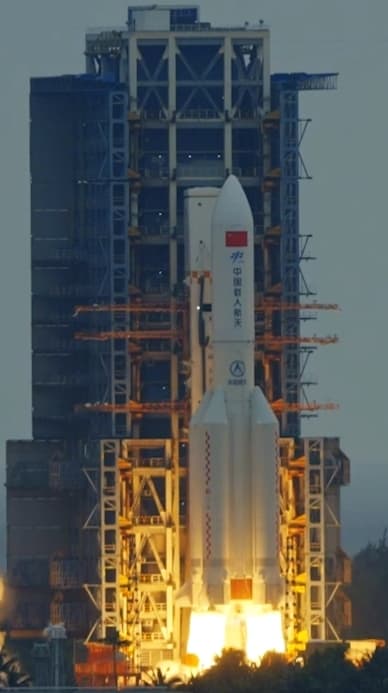
China's most powerful operational rocket; the heavy-lift workhorse that launches Tiangong station modules (5B), Chang'e and Tianwen deep-space missions, and large GEO satellites.
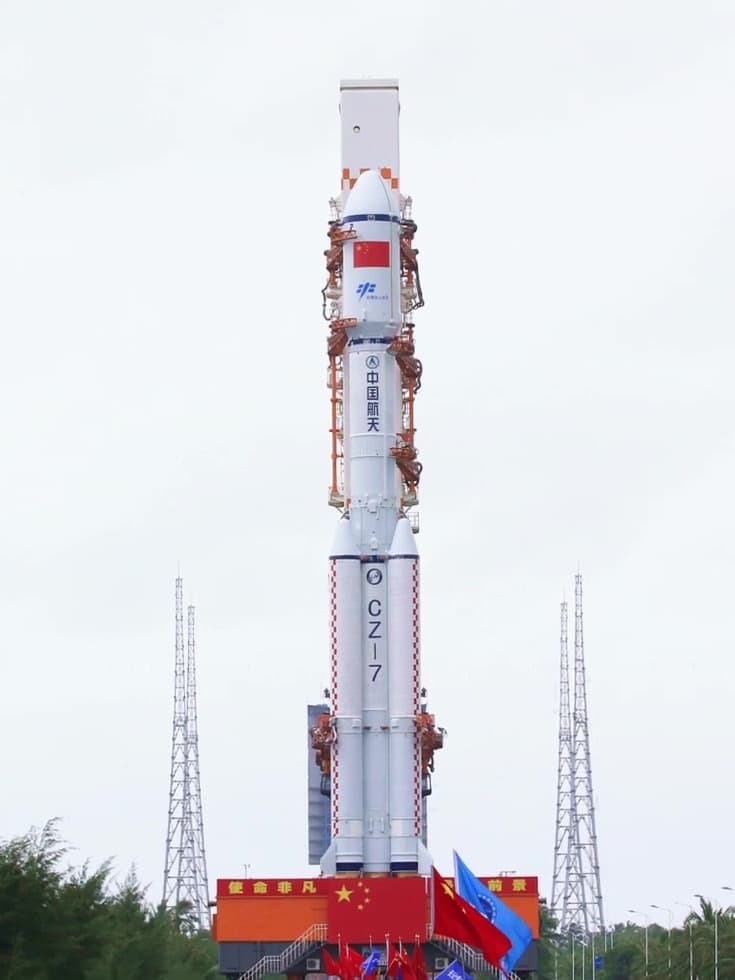
Kerolox medium-lift rocket designed as a next-generation workhorse; launches Tianzhou cargo freighters to the Tiangong space station.
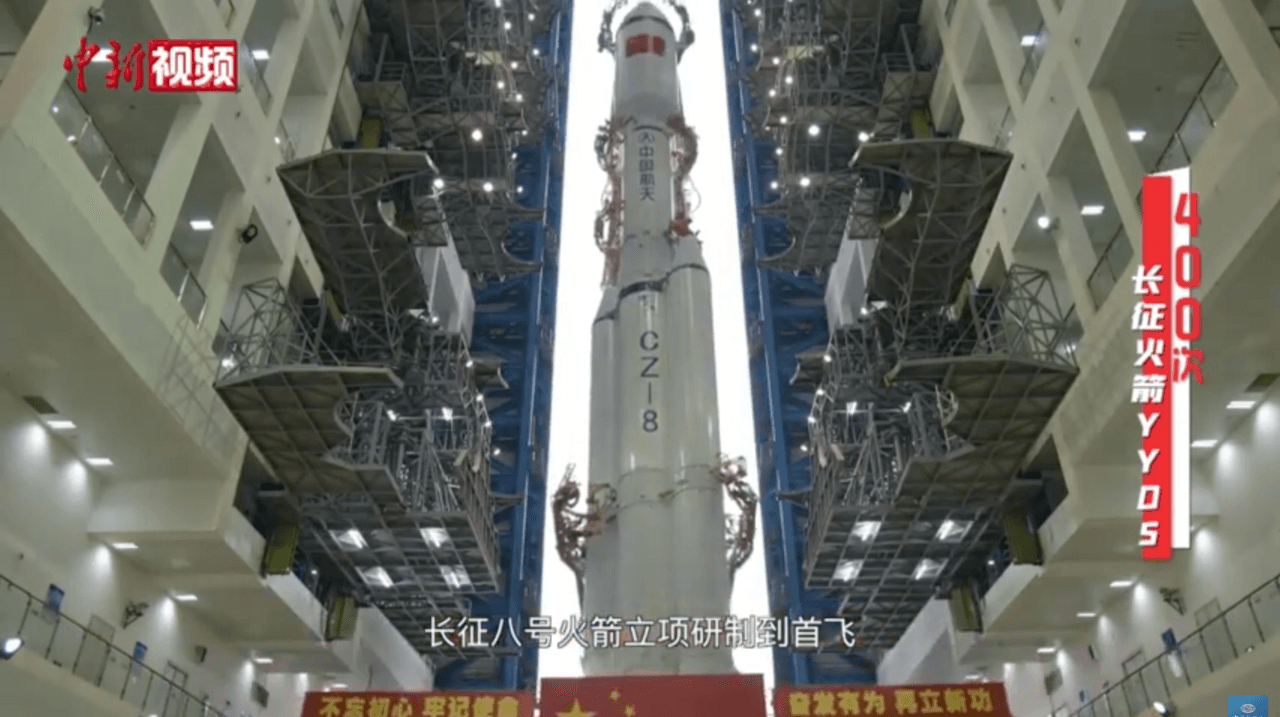
Lower-cost commercial medium-lift rocket optimized for sun-synchronous and constellation deployment, central to China's GuoWang and other satellite-internet build-out.
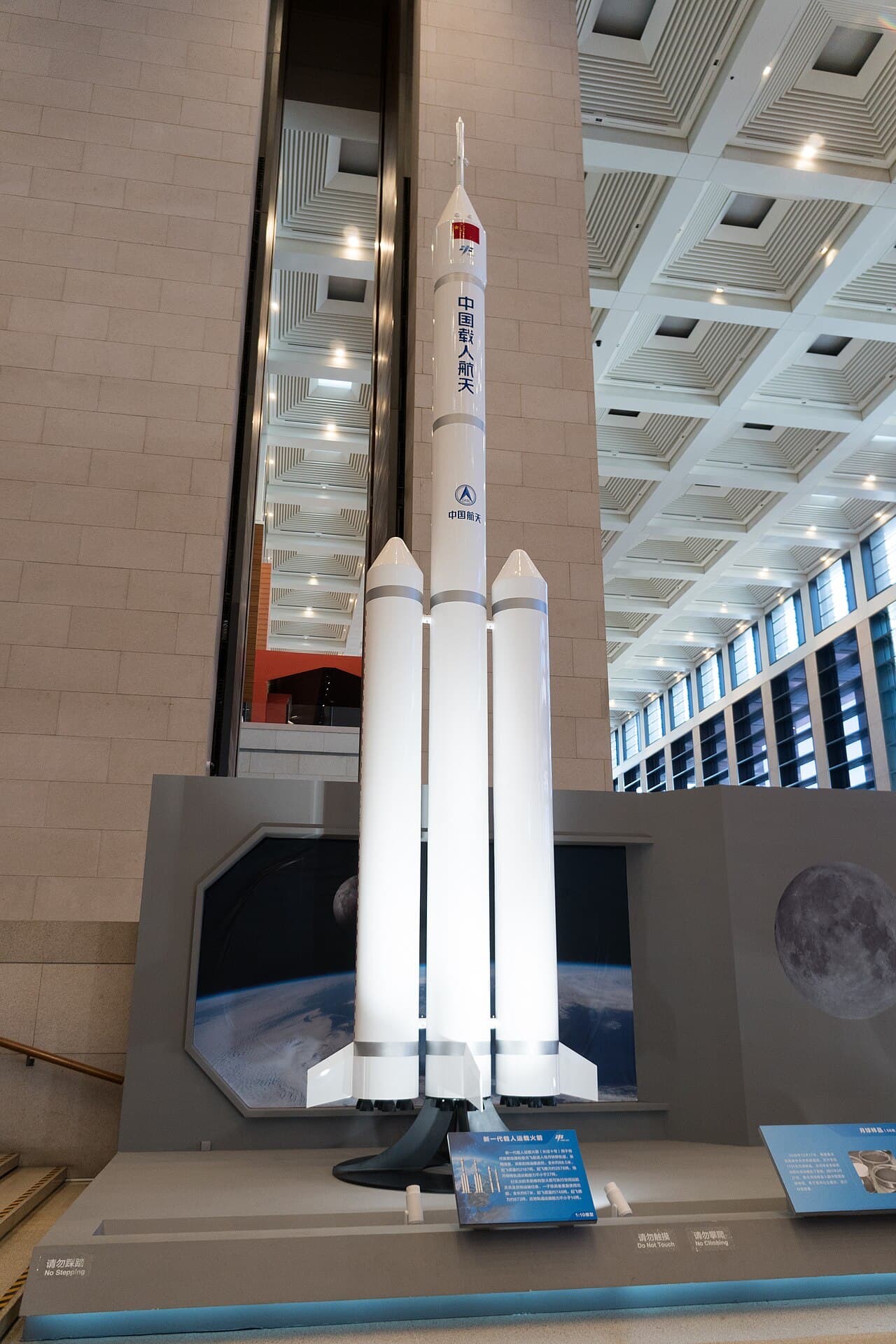
Partially reusable super-heavy-lift rocket for the crewed lunar program, designed to separately launch the Mengzhou spacecraft and Lanyue lander to trans-lunar injection.
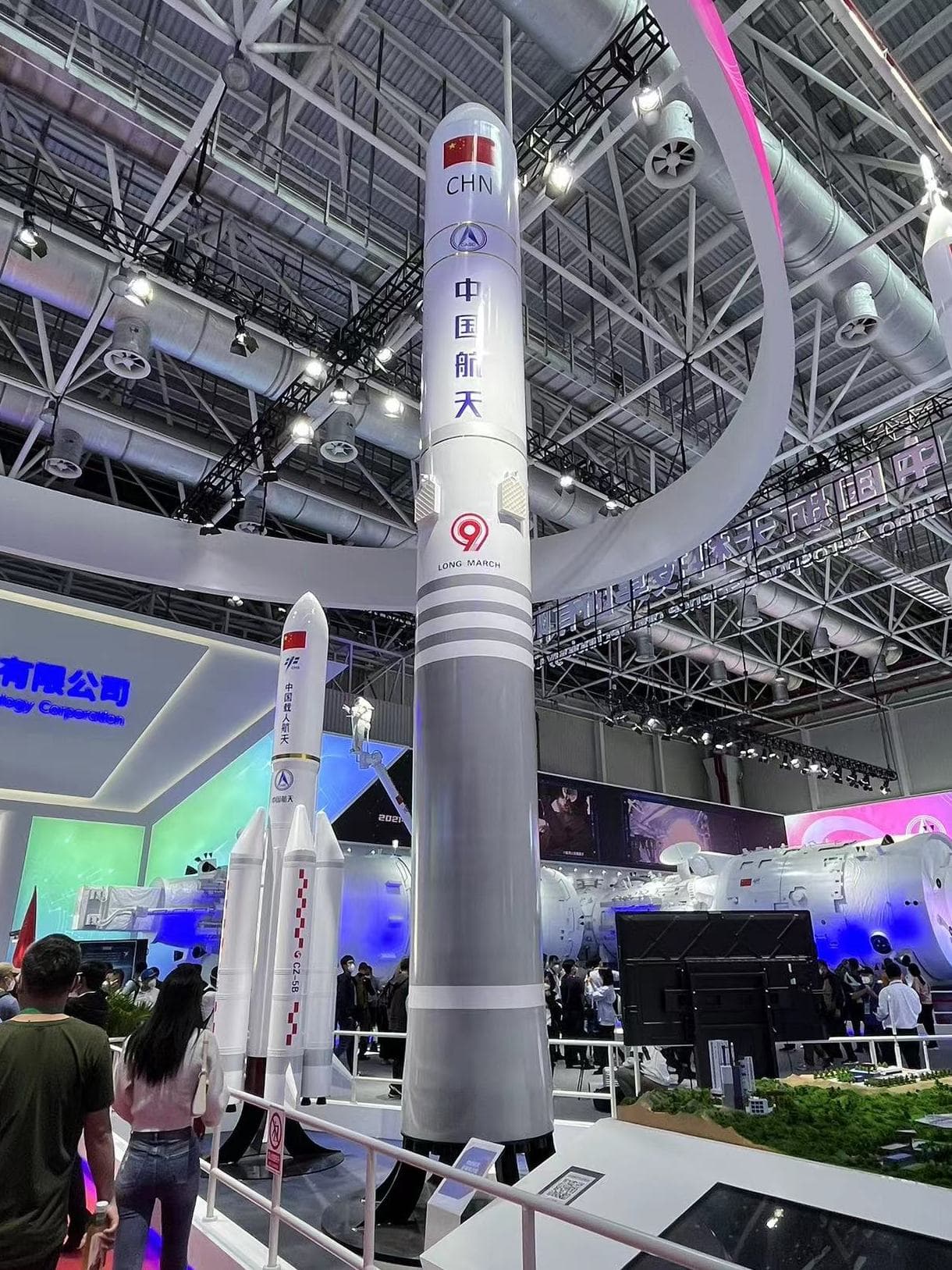
Fully reusable super-heavy launch vehicle in development - a Starship-class methalox design intended for mega-constellations, lunar and Mars cargo, and future crewed deep-space missions.
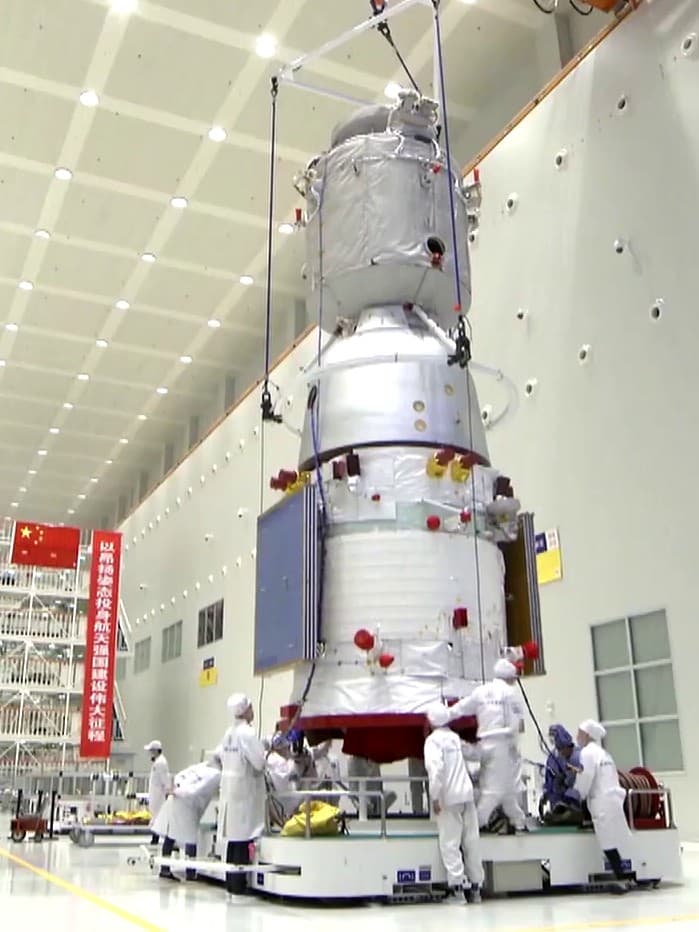
China's crewed spacecraft, ferrying three taikonauts at a time to the Tiangong station; built by the China Academy of Space Technology (CAST).
Partially reusable, kerosene/liquid-oxygen launch vehicle built by CASC Commercial Rocket Co., Ltd. for CASC's commercial constellation launch business, designed from the outset for propulsive first-stage recovery. A separate CASC reusable-rocket line, the methane/liquid-oxygen Long March 12A built by the Shanghai Academy of Spaceflight Technology, reached orbit on its own December 2025 debut but has yet to land its booster successfully.
China's automated cargo spacecraft, delivering pressurized and unpressurized supplies, propellant, and experiment payloads to the Tiangong space station; built by CAST and rated the world's most capable active cargo spacecraft by transport capacity.
03
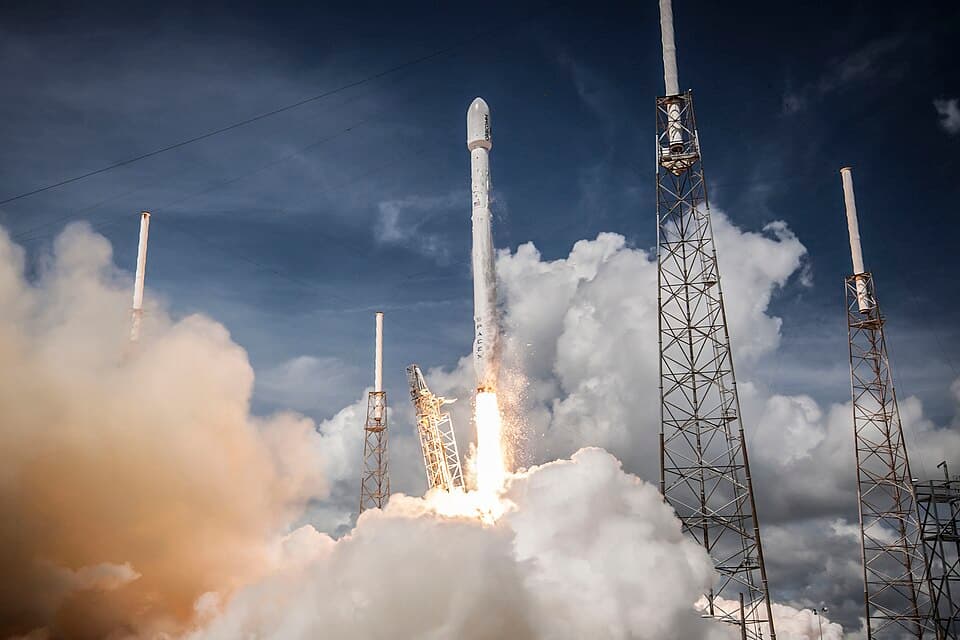
SpaceX
Partially reusable two-stage medium-lift launch vehicle. The world's most frequently launched orbital rocket.
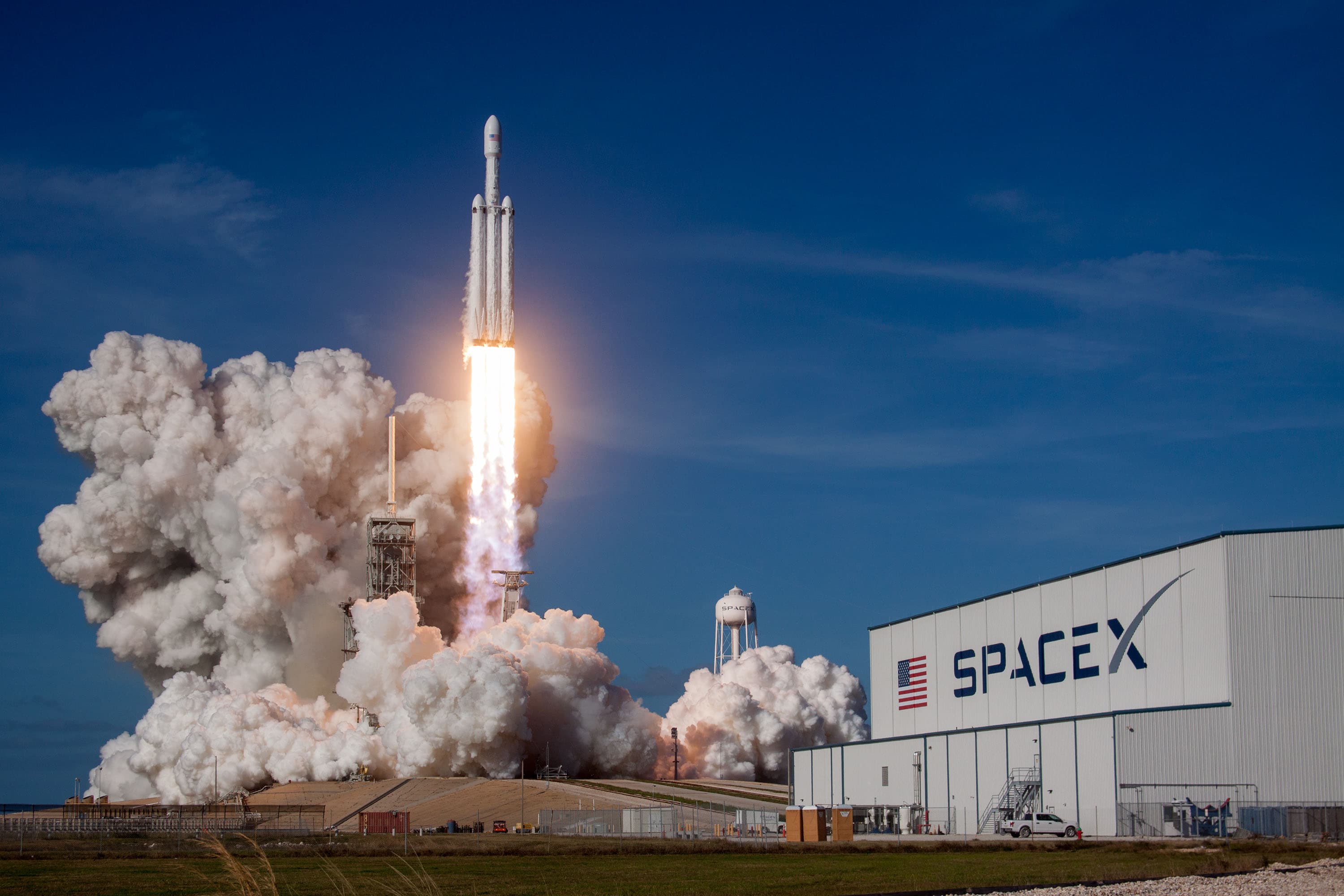
SpaceX
Heavy-lift launch vehicle consisting of a strengthened Falcon 9 core with two additional boosters.
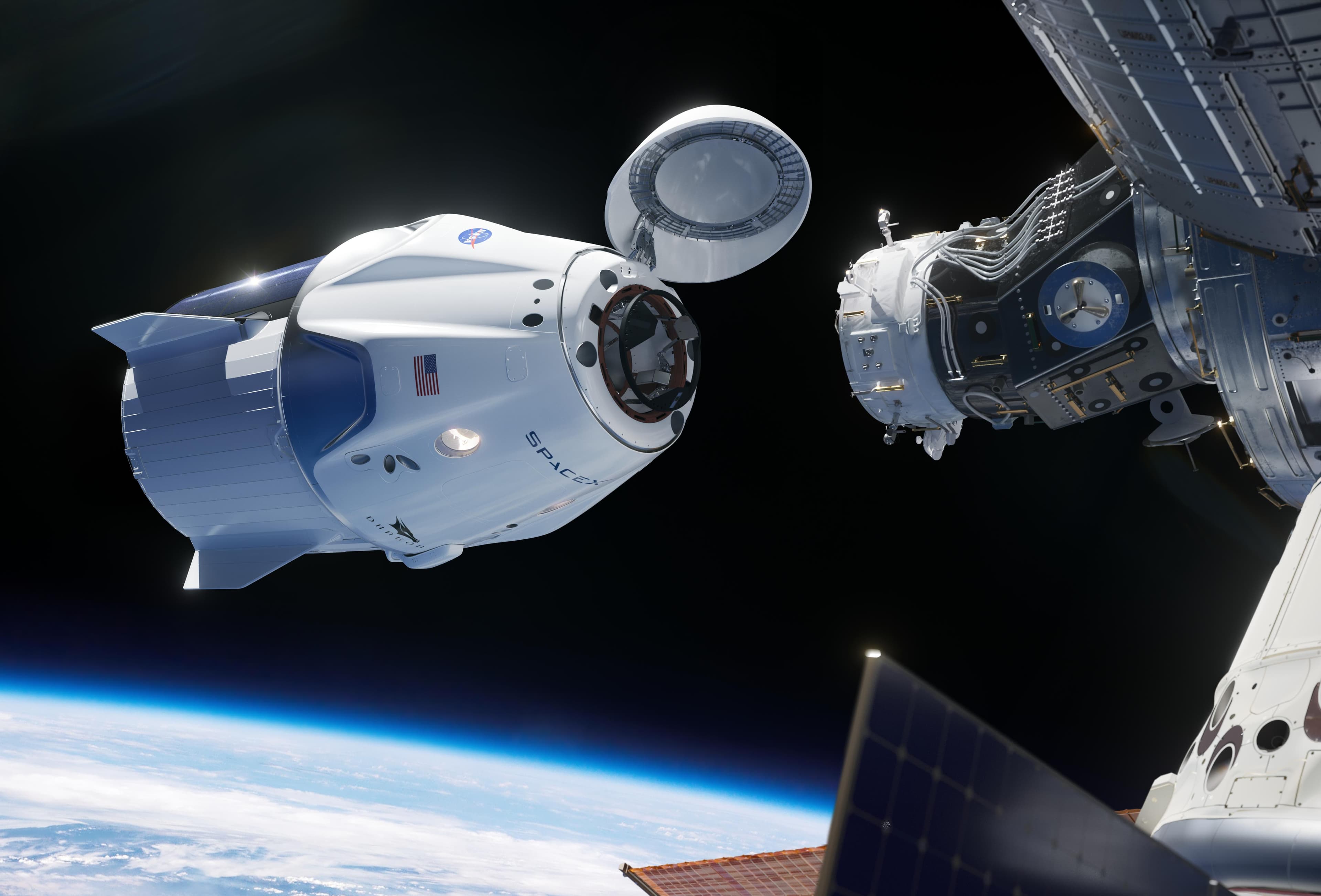
SpaceX
Reusable spacecraft for cargo and crew transport to the International Space Station.
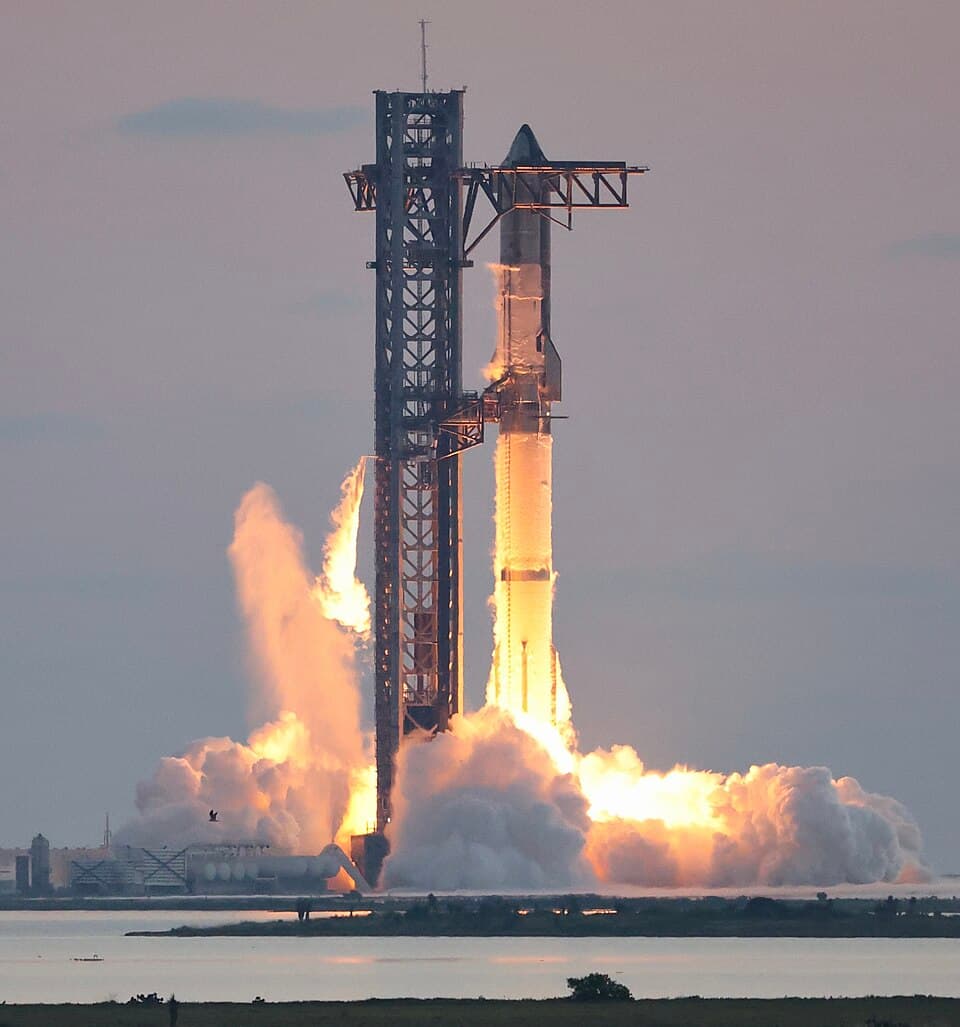
SpaceX
Fully reusable super-heavy-lift launch system designed for missions to the Moon, Mars, and beyond. V3 (Block 3) variant with Raptor 3 engines is the production version.