In Development
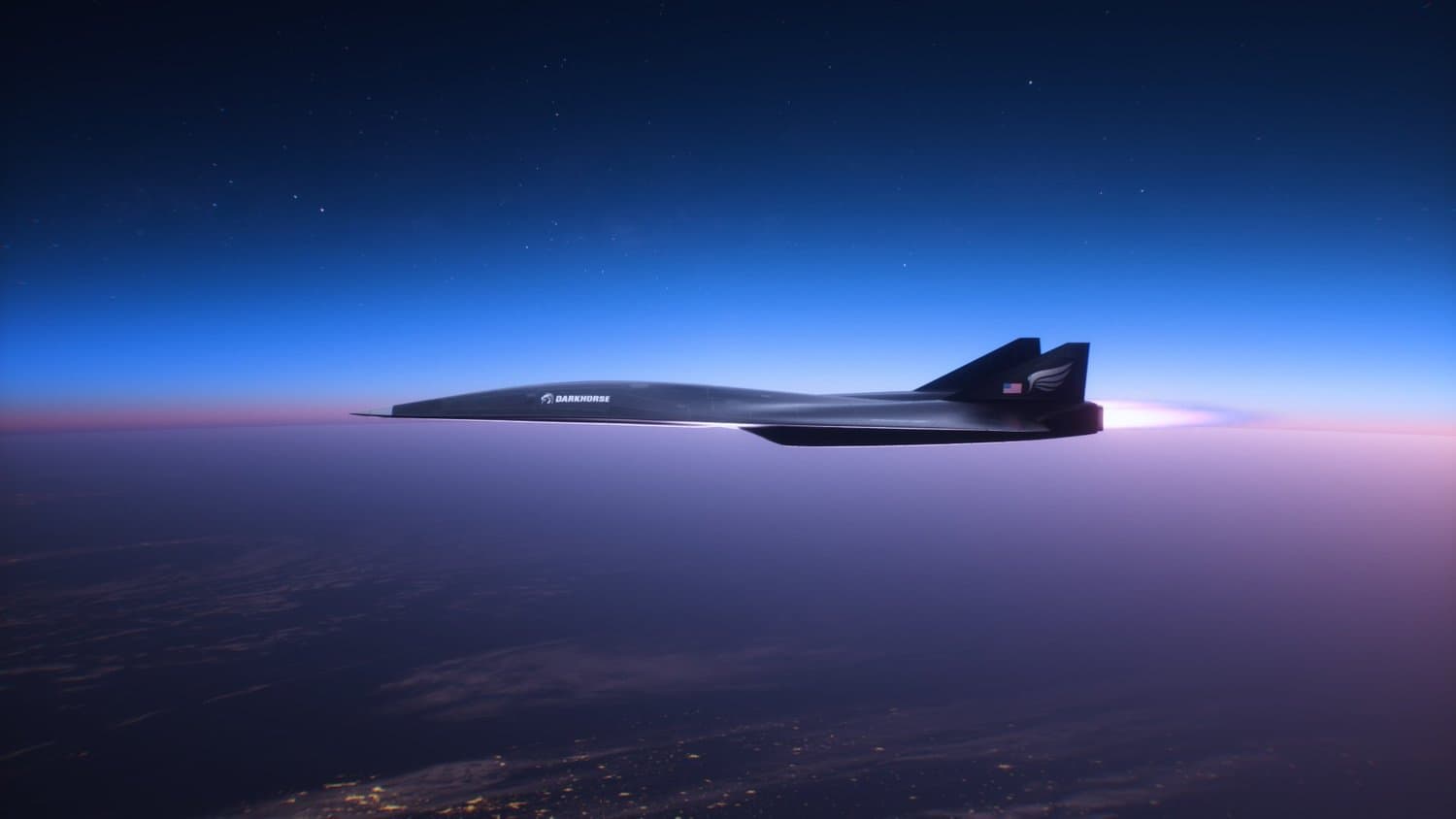
Darkhorse
A multi-mission reusable hypersonic uncrewed aerial system (UAS) designed for defense and national security missions including ISR and strike in contested environments. Powered by the Chimera II TBCC engine.
 Hermeus
In Flight TestingSupersonic
An iterative program of unmanned, remotely piloted test aircraft designed to unlock high-speed flight one step at a time. Hermeus's aircraft page now lists Mk 0 through Mk 4 plus a 2028 Mission Plane, each purpose-built to validate a specific technical challenge and feed the next build.
Latest update Sep 18, 2026
01
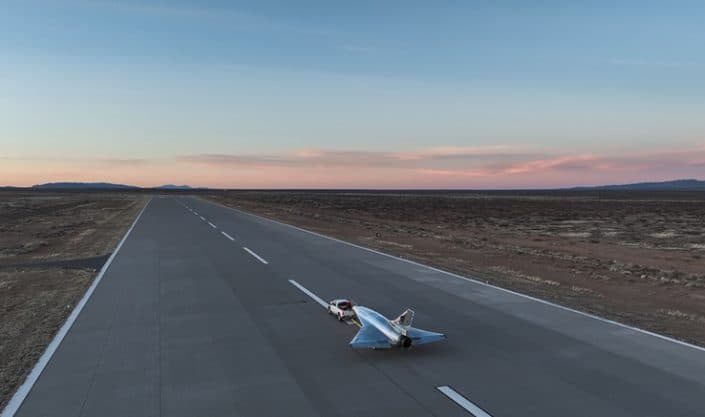
Mk 1 flew at Edwards AFB in May 2025. Mk 2.1, roughly F-16-sized and powered by a Pratt & Whitney F100, flew in February 2026 and on its third flight from Spaceport America hit Mach 1.21 on May 26, 2026, becoming the first privately-developed unmanned supersonic jet and clearing FAA approval for up to seven supersonic flights through year-end. On a fourth flight in mid-July 2026, Mk 2.1 extended its top speed to Mach 1.6, beyond its previously announced Mach 1.25-1.50 design range. In its fifth flight since spring 2026, Mk 2.1 completed an unmanned stores-separation test in late July 2026 under DIU's HyCAT program, safely releasing an external payload in flight. A Federal Register notice published September 11, 2026 granted Mk 2.2 a special flight authorization for up to six supersonic flights over White Sands through August 20, 2027; Hermeus's aircraft page lists Mk 2.2 for 2026 flight testing with a spike inlet, Gryphon engine and precooler above Mach 2, but a first-flight date has not been announced. Mk 2.3 is in active build for 2027 flight testing with high-temperature materials near Mach 3. The same roadmap now lists a 2028 Mission Plane, a 2028 Chimera II-powered Mk 3 for turbine-to-ramjet transition, a 2029 Mk 4 hypersonic TBCC demonstrator, and Darkhorse as the reusable operational UAS.
02
03
Announced next steps from Hermeus that mention Quarterhorse.
2026-2027
After the September 15, 2026 Pratt & Whitney Production License Agreement, Hermeus must qualify Pratt-standard F100-PW-229 builds before any demand-driven scale-up. CEO Zach Shore said initial manufacturing will use existing footprints and that Hermeus is becoming a second U.S. source for the engine that powers Quarterhorse and some F-15/F-16 variants, not a clean-sheet engine house. No production rate or start date has been disclosed.
2026-2027
The May 2026 $159M DIU contract modification - taking the program ceiling to $219M - commits Hermeus to a series of intensive 2026-2027 flight tests with the USAF and USN proving uncrewed Quarterhorse can hold high-Mach speeds while carrying and releasing payloads, the technical foundation for a Darkhorse-class operational system. Hermeus cleared the first concrete step in late July 2026, when Quarterhorse Mk 2.1's fifth flight completed an unmanned stores-separation test under DIU's HyCAT program, safely releasing an external payload; the campaign continues toward higher-Mach payload releases through 2027.
2026-2027
The ~62,550 sq ft El Segundo headquarters at 888 North Douglas (a former Northrop Grumman campus) is expected to add more than 200 jobs over the next year as executive, design, and prototyping teams consolidate in California, with full occupancy expected in early 2027; the 175-person Atlanta facility is shifting toward production-rate assembly work for the growing Quarterhorse fleet. Careers still lists El Segundo as headquarters, with a Hawthorne mailing address at 3401 Jack Northrop Ave.
2026-2027
The High Enthalpy Air-breathing Test (HEAT) facility at Cecil Airport in Jacksonville - a ~$135M investment expected to create 100+ jobs over the decade - is being built in phases toward continuous high-Mach vitiated-air ground testing of the F100 and Chimera engines. The first phase came online with sea-level static F100 tests in January 2025; as of September 2026 the site is also running Ramjet-X engine tests. The site is also intended to base high-Mach Quarterhorse flight-test operations into the Eastern Range.
2027
After unveiling Ramjet-X on September 9, 2026, complete ramjet-engine testing at the HEAT facility in Jacksonville and high-temperature structures work in El Segundo, then run integrated vehicle tests in 2027 with Quarterhorse carrying the expendable ramjet to release speed and altitude. The platform is also the basis for Hermeus's planned high-Mach Flight Test as a Service offering.
2027
Hermeus selected Anduril on September 3, 2026 to put Lattice for Mission Autonomy on Quarterhorse Mk 2, the first third-party Group 5 airframe to carry the stack. Integration is underway; the companies plan the first mission-autonomy test flight in 2027.
04
Hermeus said on September 9, 2026 it is developing Ramjet-X, a low-cost expendable ramjet-powered vehicle designed to launch from its reusable Quarterhorse aircraft into sustained high-Mach flight. The company plans to offer high-Mach Flight Test as a Service so customers can fly payloads, sensors, autonomy and propulsion hardware without a one-off booster for every shot. Engine tests are under way at the HEAT facility in Jacksonville, high-temperature structures are in work in El Segundo, and integrated vehicle testing is planned for 2027.
Hermeus selected Anduril on September 3, 2026 to integrate Lattice for Mission Autonomy on the Quarterhorse Mk 2 high-Mach drone, the first commercial deal to put Anduril's autonomy stack on a third-party Group 5 aircraft. The companies said integration is underway and the first mission-autonomy test flight is planned for 2027, pairing Lattice with an airframe that has already flown supersonic under a Defense Innovation Unit contract. Anduril called the pact a chance to validate end-to-end autonomy on an independent high-speed platform as it also competes for the Air Force Collaborative Combat Aircraft software layer.
The Defense Innovation Unit announced on July 31, 2026 that Hermeus's Quarterhorse Mk 2.1 successfully released an external payload in flight during a HyCAT (Hypersonic and Compressed-Cycle Advanced Technology) test, the aircraft's fifth flight since spring 2026 and a step toward validating a weapons-carrying role. DIU's contract with Hermeus was expanded by $159M in 2026 to a $219M ceiling, funding additional high-speed flight demonstrations and payload-separation tests through 2027.
Hypersonic aircraft developer Hermeus appointed Zach Shore as chief executive officer effective June 1, with founding CEO AJ Piplica transitioning to executive chairman. The leadership change comes as Hermeus advances its uncrewed Quarterhorse Mk 2.1 - billed as the world's first privately developed unmanned supersonic jet, which has flown to Mach 1.21 - and develops the larger Darkhorse, for which it has accepted its first Pratt & Whitney F100 engine to integrate into its Chimera II turbine-based combined cycle propulsion system. The company has won a $159 million Defense Department contract exploring military applications of its high-speed technology.
Hermeus said its Quarterhorse Mk 2.1 test aircraft hit Mach 1.21 (~930 mph) on its third flight from Spaceport America over the White Sands Missile Range, making it the first privately-developed unmanned aircraft to break the sound barrier and, by Hermeus's claim, the fastest unmanned jet flying today. The milestone came 364 days after Hermeus's Mk 1 maiden flight and roughly three months after Mk 2.1's first flight, validating the iterative build cadence behind the company's path to its Mach 5 Darkhorse military UAS.
05
A multi-mission reusable hypersonic uncrewed aerial system (UAS) designed for defense and national security missions including ISR and strike in contested environments. Powered by the Chimera II TBCC engine.
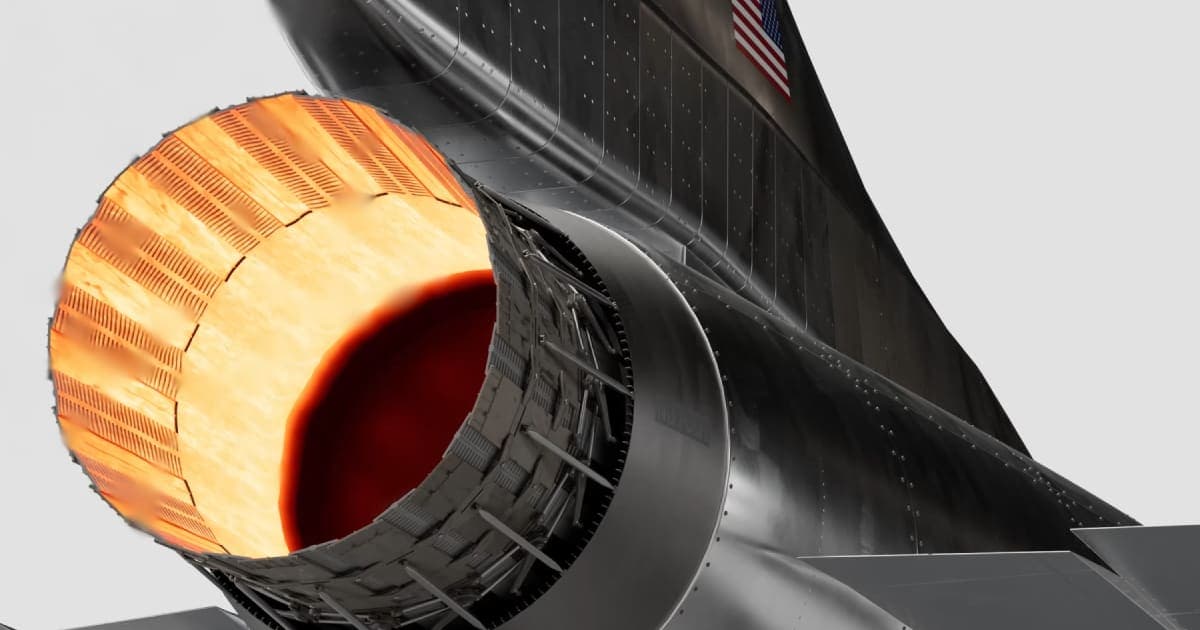
A planned Mach 5 commercial hypersonic airliner that would carry approximately 20 passengers at 90,000+ feet altitude, cutting transatlantic flight times from 7 hours to 90 minutes. Represents Hermeus's long-term commercial vision.
06
Boeing
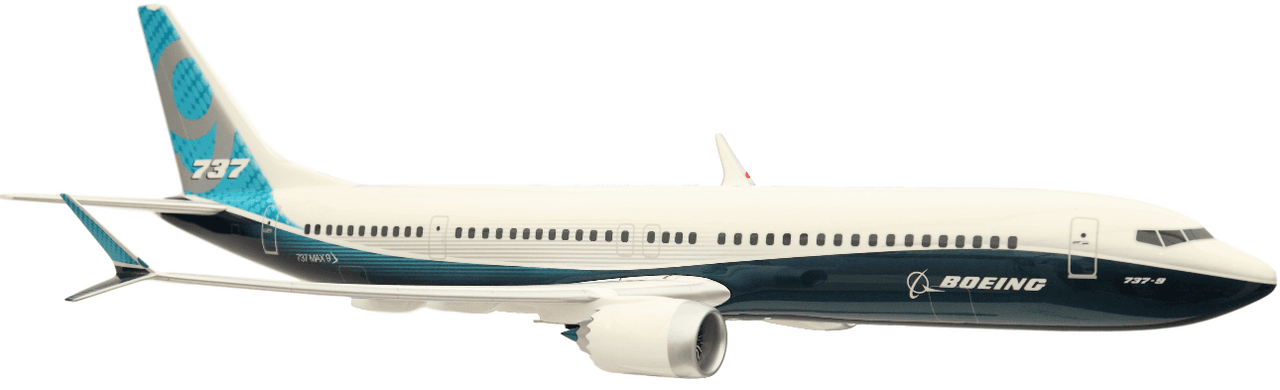
Boeing's current single-aisle aircraft family, spanning the 737-7 through 737-10, built around improved LEAP-1B engines, lower fuel burn, and broad commonality for airline operators.
Boeing
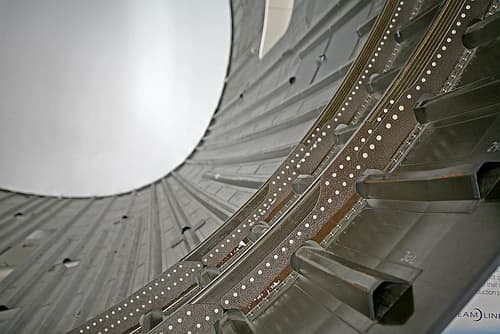
Wide-body long-haul twin-engine aircraft family built around composite structures, lower fuel burn, and route-opening flexibility for airlines.
Boeing
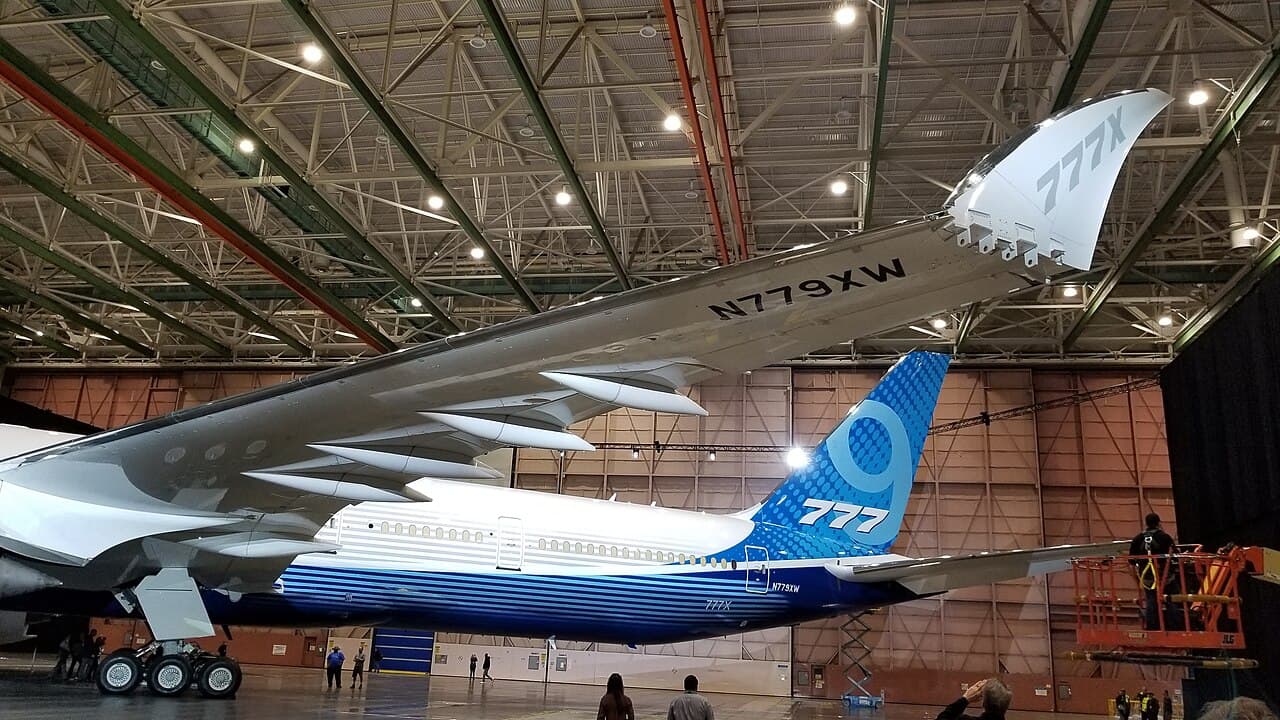
Next-generation wide-body twin-engine aircraft and the world's largest twin-engine jetliner, featuring folding wingtips, composite wings, and GE9X engines.
Boeing
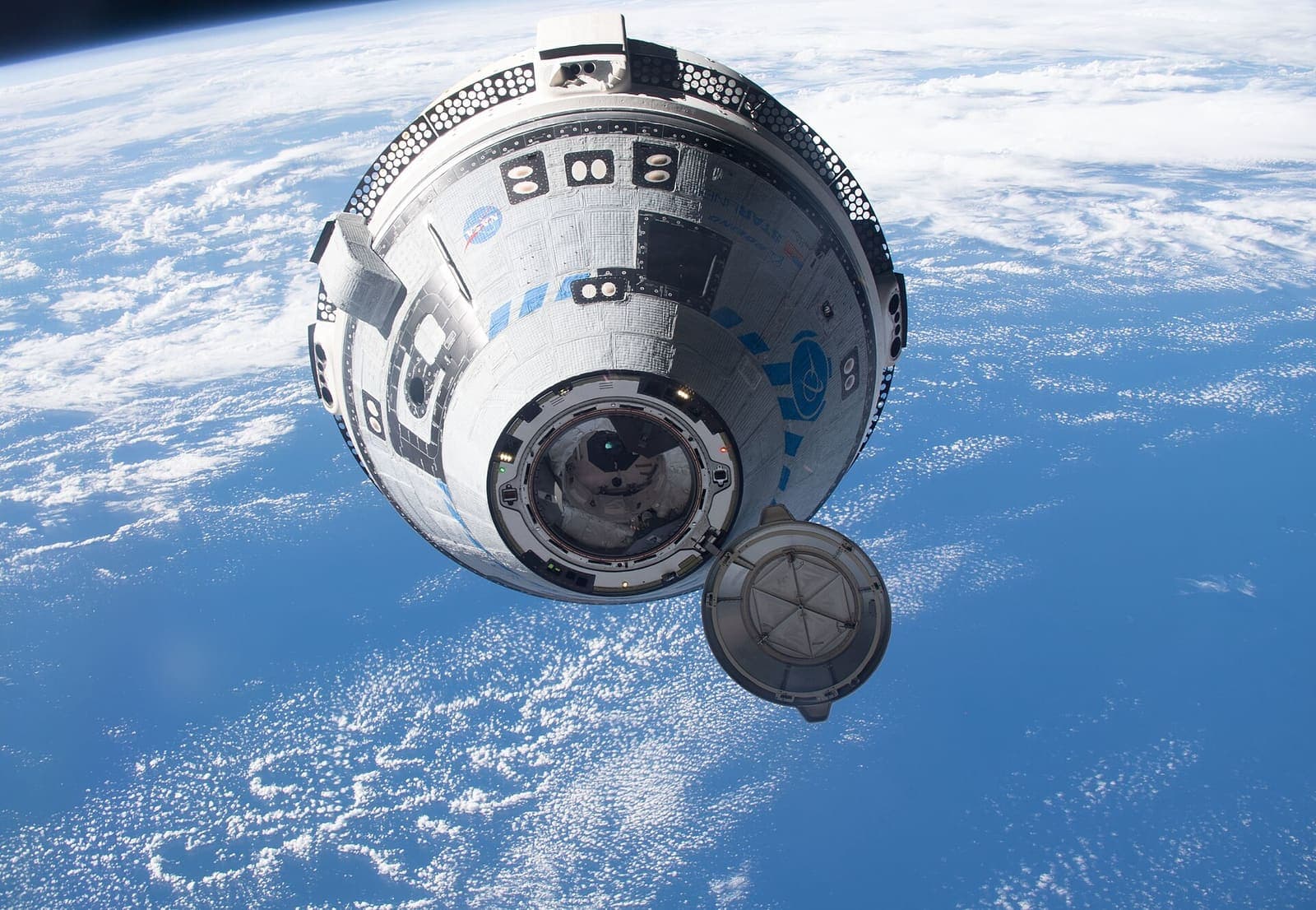
Boeing's crew capsule for NASA's Commercial Crew Program, built to ferry astronauts and cargo to the International Space Station under a $4.2B NASA award (alongside SpaceX's Crew Dragon).