Active
Mira
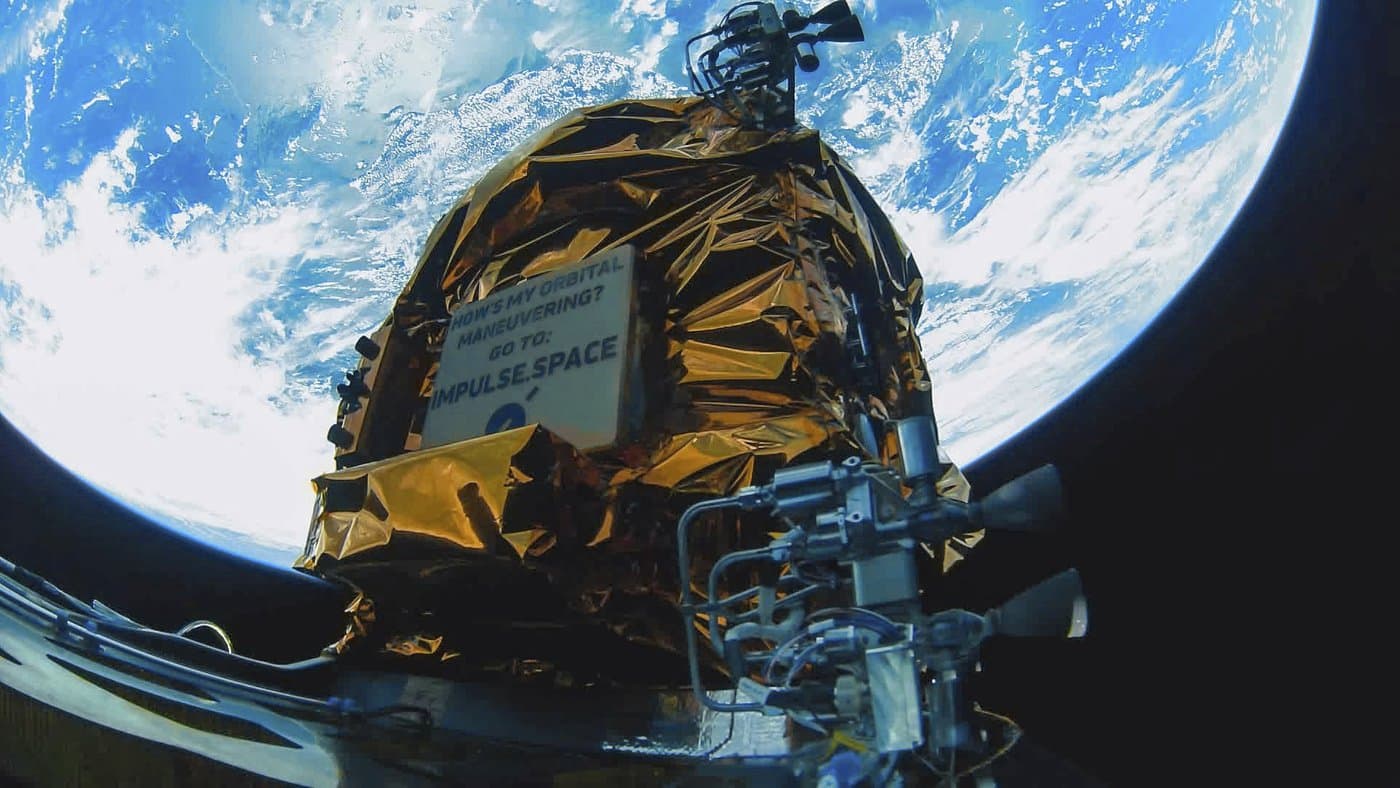
Orbital transfer and hosting spacecraft built for aggressive maneuvering, marketed as the most maneuverable vehicle on orbit. It delivers, deploys, and hosts payloads across LEO, MEO, GEO, and cislunar space.
 Impulse Space
In Development
High-energy kick stage powered by a single Deneb methalox engine, designed to take payloads from a medium-lift rocket's low Earth orbit drop-off to GEO, translunar injection, or Earth escape without waiting months on electric propulsion.
Latest update Aug 28, 2026

01
Not yet flown. Impulse's first Helios missions, including the Space Force's VICTUS SURGO mission and the debut Caravan 1 GEO rideshare flight (now fully booked), are targeted for the first half of 2027. Commercial anchor customers already booked on Helios/Caravan include SES (a 4-ton-class satellite direct to GEO in under 8 hours), Astranis (MicroGEO satellites direct-injected to GEO), and Infinite Orbits (at least three servicing/inspection spacecraft starting in 2027). It is designed to be compatible with Falcon 9, Falcon Heavy, Starship, New Glenn, and Vulcan.
02
03
Announced next steps from Impulse Space that mention Helios.
H1 2027
Bring the Deneb-powered high-energy kick stage through qualification to its inaugural launch. Helios is the vehicle the company's GEO and cislunar business depends on, and it also gates both the Space Force's VICTUS SURGO mission and the debut Caravan 1 GEO rideshare mission, which carries commercial anchor customers SES, Astranis, and Infinite Orbits and has a fully booked, closed manifest. As of August 2026, Impulse and the Space Force both target the first half of 2027 for Helios's first flights, a more precise window than the general 2027 target cited in July 2026.
H1 2027
Execute the Tactically Responsive Space missions awarded under Impulse's SBIR Phase III contract with Space Systems Command, now worth $90.8M cumulative: VICTUS SURGO, where Helios delivers a Mira carrying a commercial optical payload to geosynchronous orbit, VICTUS SALO 1, a low Earth orbit mission with an MIT-built payload flying on a SpaceX Transporter rideshare, and the VICTUS SALO 2 and SALO 3 missions added in August 2026, each delivering a Mira to host government payloads in low Earth orbit. Space Systems Command now targets the first half of 2027 for SURGO and SALO 1.
2027
Ride Helios to geosynchronous orbit, detach, and use Anduril's mission data processor, long-wave infrared imager, and other sensor payloads to autonomously image and maneuver around designated objects without direct human control, a strategically watched capability given how much high-value military and commercial hardware sits in GEO. Anduril and Impulse originally targeted late 2026 for this demo when they announced it in September 2025, but it rides the same Helios vehicle now confirmed for a first half of 2027 debut, pushing the demo's realistic window to 2027 as well.
Q1 2028
After Caravan 1's closed first-half-2027 manifest, Impulse has booked Caravan 2 for the first quarter of 2028 with a waitlist, plus a shared Helios mission in 2028 and Caravan 3 in the fourth quarter of 2028, as it tries to move GEO rideshare from about one mission a year toward two. The step only matters if Helios flies in 2027.
04
Impulse Space said at the Small Satellite Conference on August 25 that its Helios-powered geostationary rideshare program is booked three missions deep through 2028: Caravan 1 (first half of 2027, manifest closed), Caravan 2 (Q1 2028, waitlisted) and Caravan 3 (Q4 2028). The company said it is moving from about one Caravan mission a year toward roughly two a year as demand grows from space-domain-awareness, life-extension and communications customers looking for cheaper, faster access to geostationary orbit.
05
Orbital transfer and hosting spacecraft built for aggressive maneuvering, marketed as the most maneuverable vehicle on orbit. It delivers, deploys, and hosts payloads across LEO, MEO, GEO, and cislunar space.
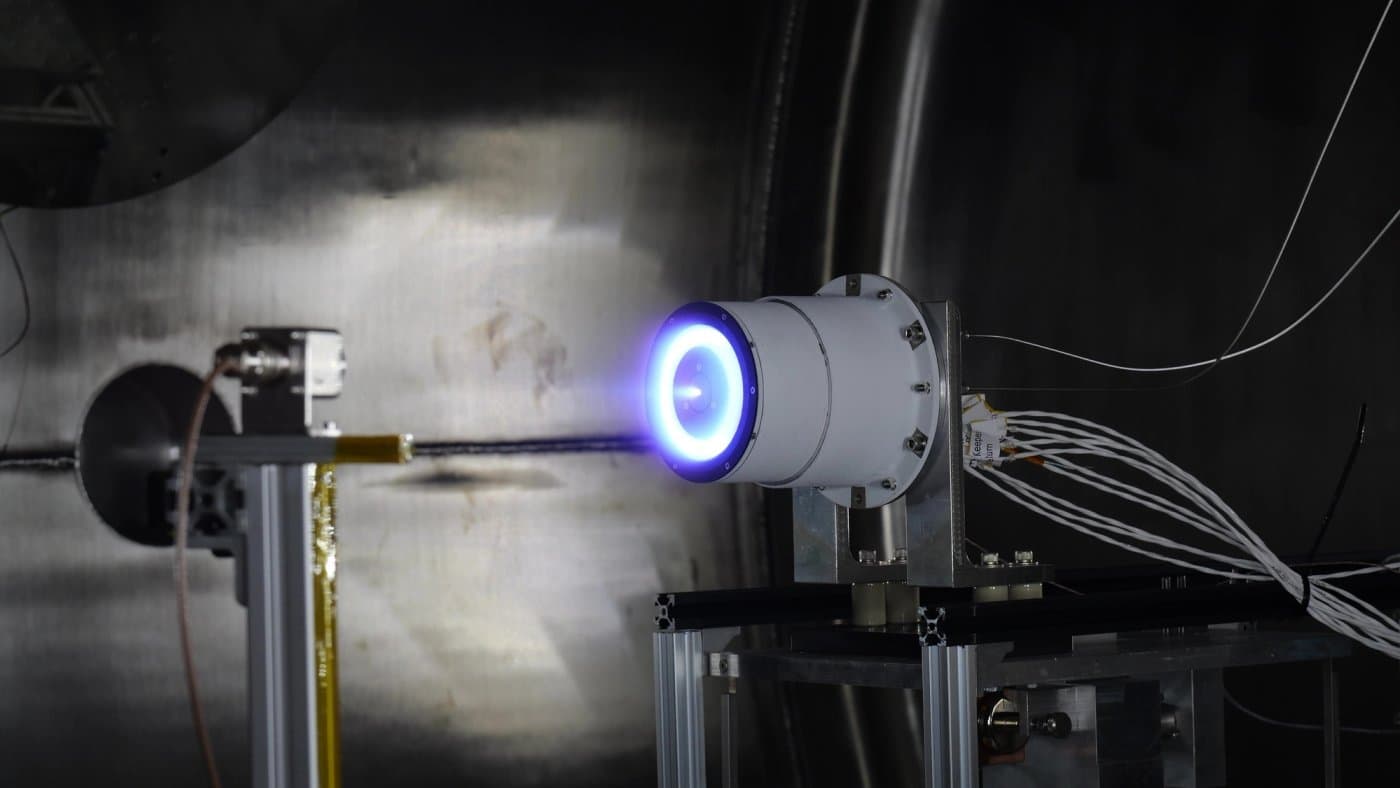
Impulse's first in-house electric propulsion system, built to handle long-duration stationkeeping so a spacecraft's chemical propellant stays reserved for rapid, responsive maneuvers.
06
SpaceX
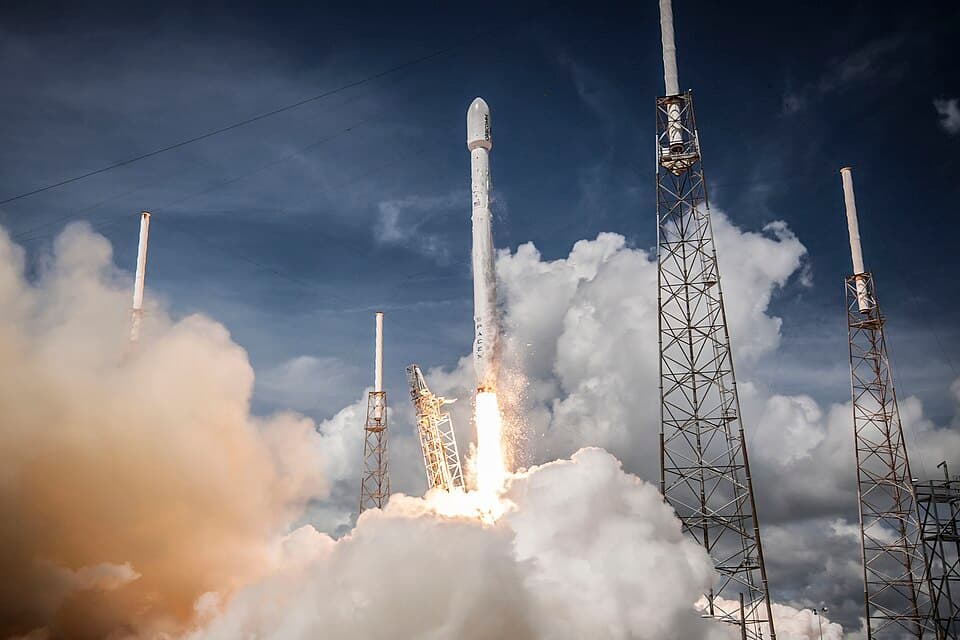
Partially reusable two-stage medium-lift launch vehicle. The world's most frequently launched orbital rocket.
SpaceX
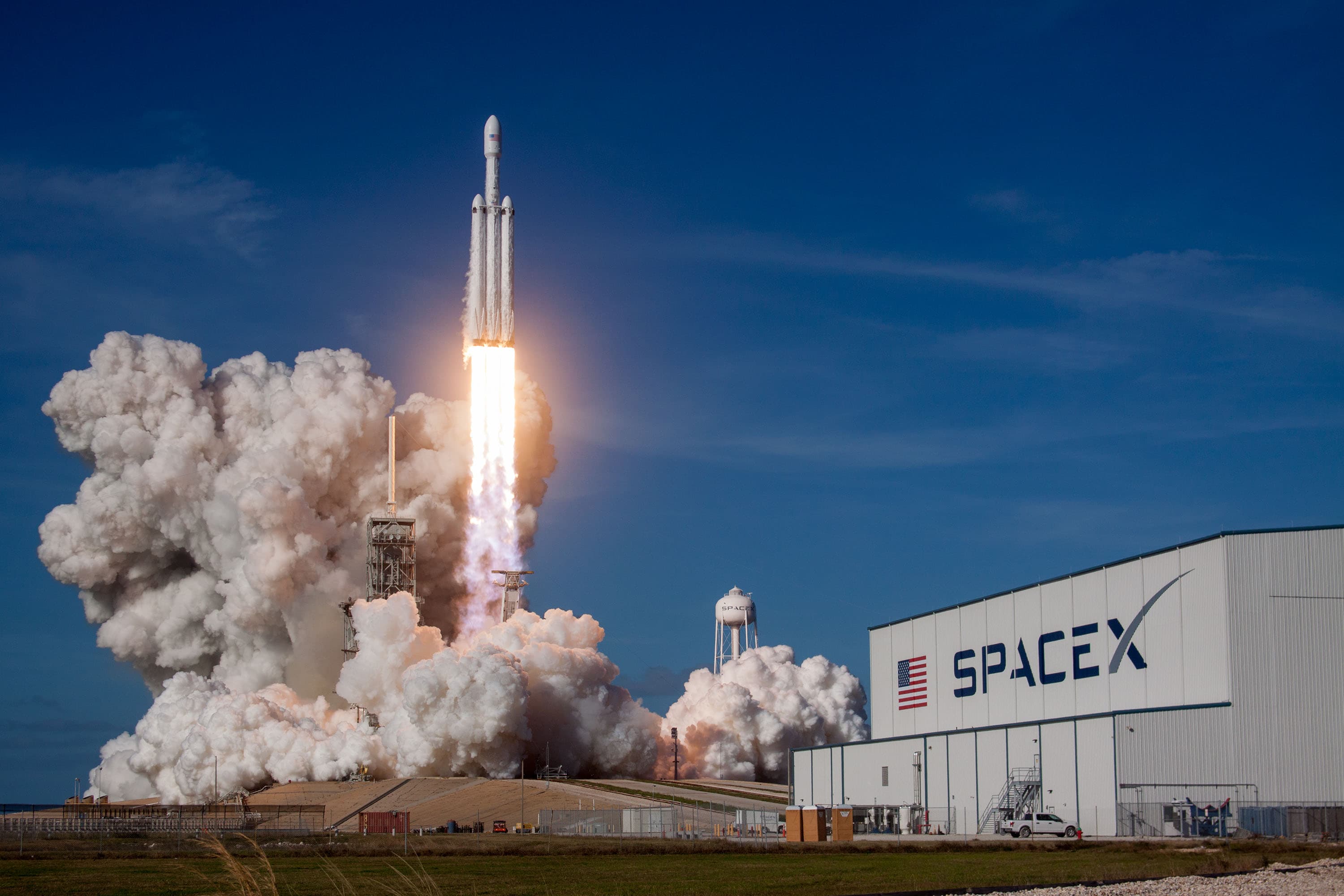
Heavy-lift launch vehicle consisting of a strengthened Falcon 9 core with two additional boosters.
SpaceX
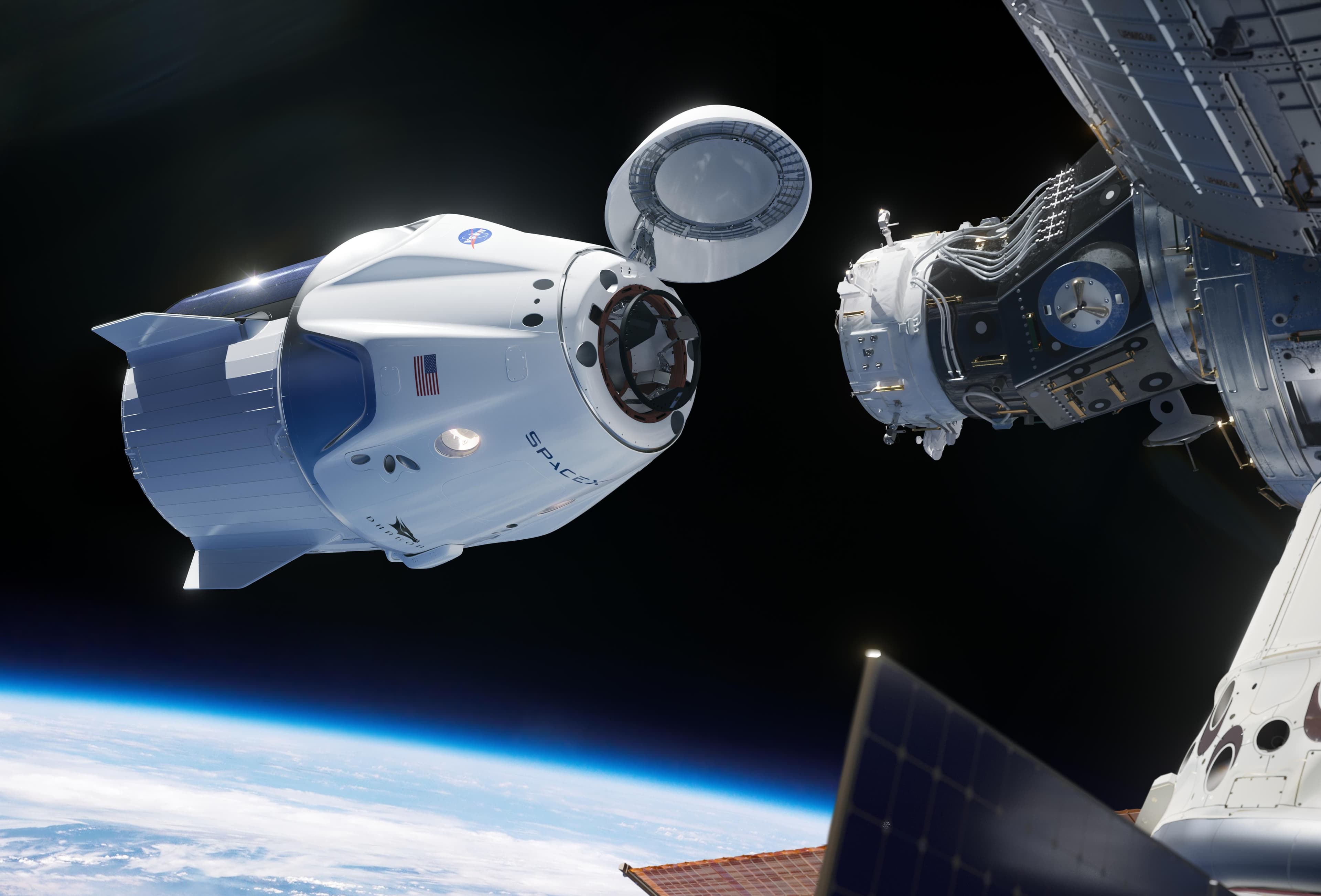
Reusable spacecraft for cargo and crew transport to the International Space Station.
SpaceX
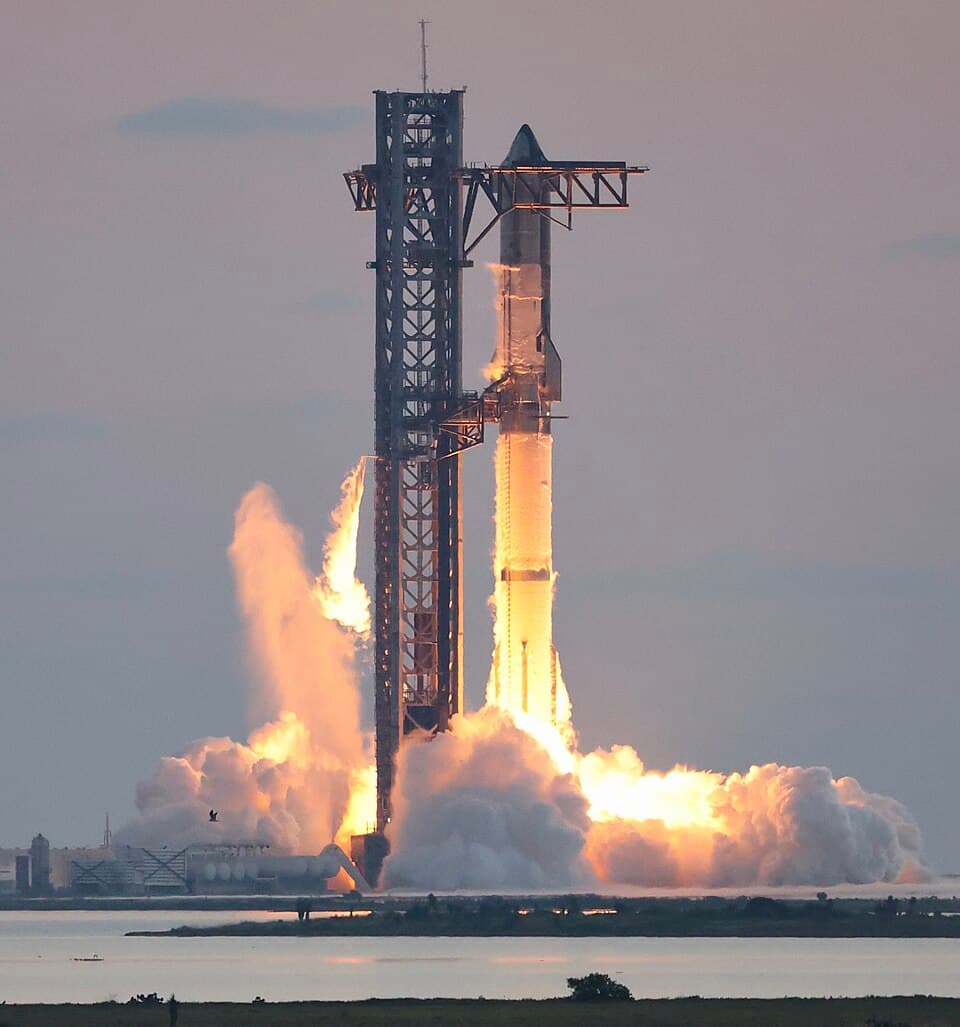
Fully reusable super-heavy-lift launch system designed for missions to the Moon, Mars, and beyond. V3 (Block 3) variant with Raptor 3 engines is the production version.