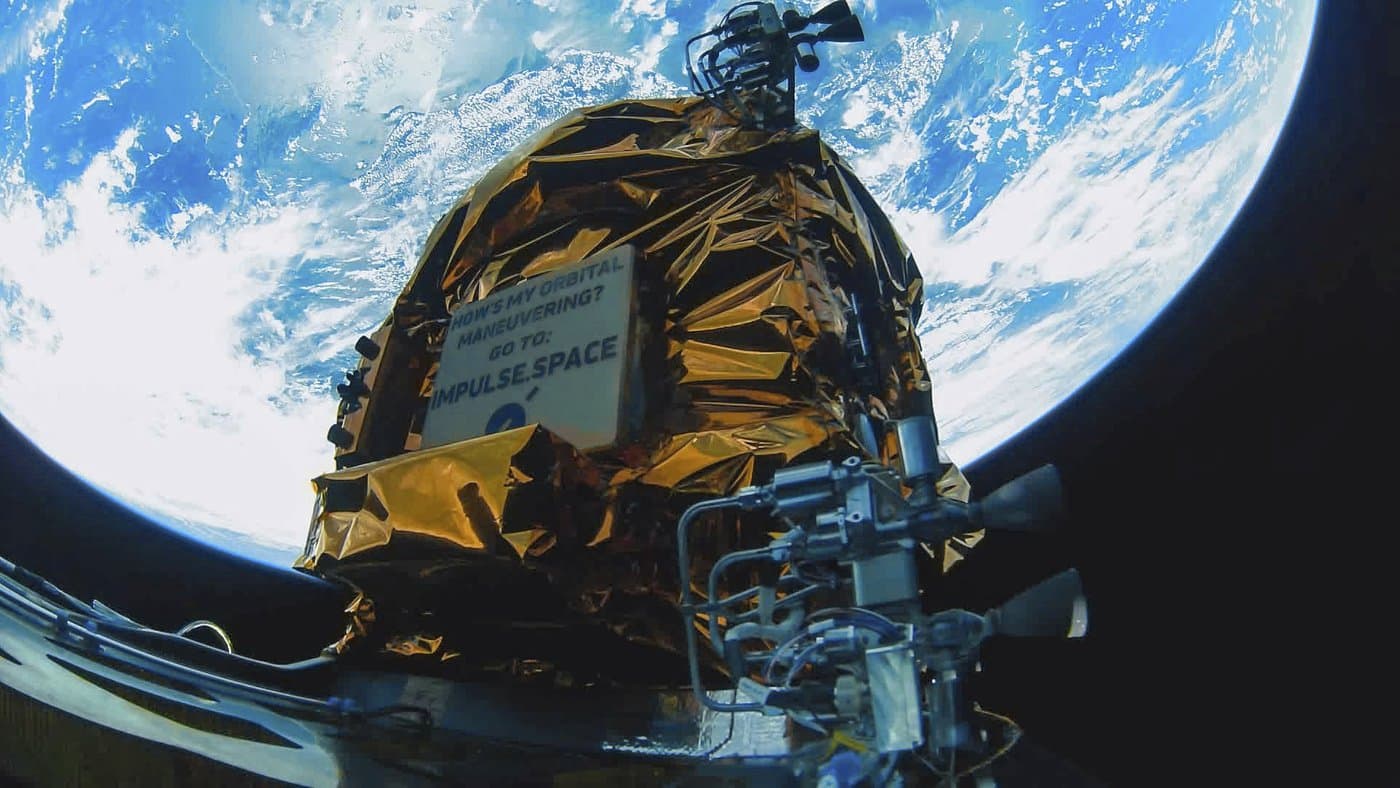
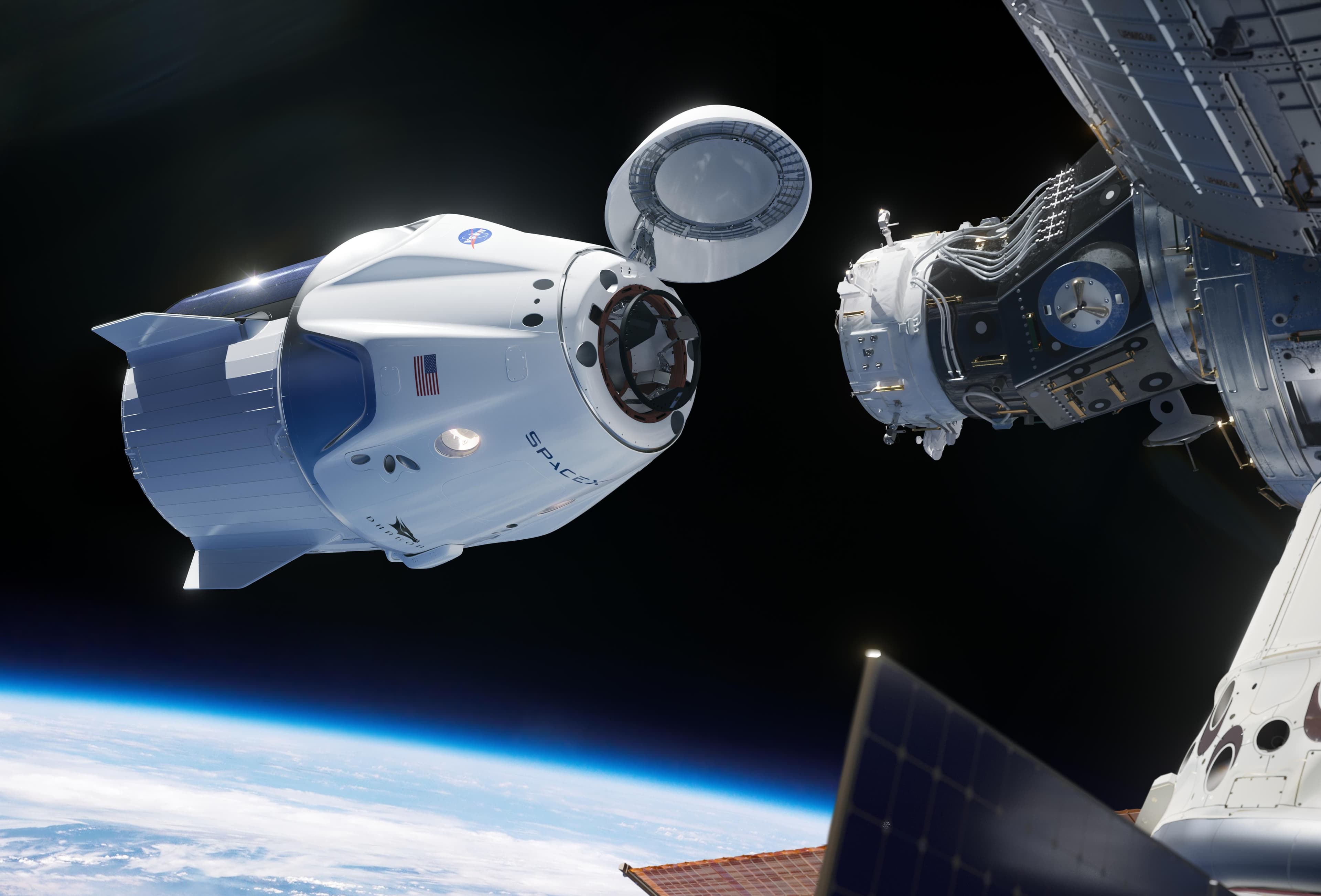
Orbital transfer and hosting spacecraft built for aggressive maneuvering, marketed as the most maneuverable vehicle on orbit. It delivers, deploys, and hosts payloads across LEO, MEO, GEO, and cislunar space.
Flight proven. LEO Express 4, the fourth Mira, deployed on SpaceX Bandwagon-5 on October 20, 2026, an Impulse-only checkout with no customer payloads, manifested by Exolaunch. Via Satellite reported that SpaceX confirmed all rideshare payloads deployed. Impulse's mission page still said Ready for launch on October 21, and no on-orbit checkout result has been posted. Earlier flights include the December 2025 Remora rendezvous and the July 2026 LEO-2 to LEO-3 flyby inside 200 meters. Bookable with a 12-month lead time.
Announced next steps from Impulse Space that mention Mira.
Oct 2026
Fly LEO Express 4, the fourth Mira checkout
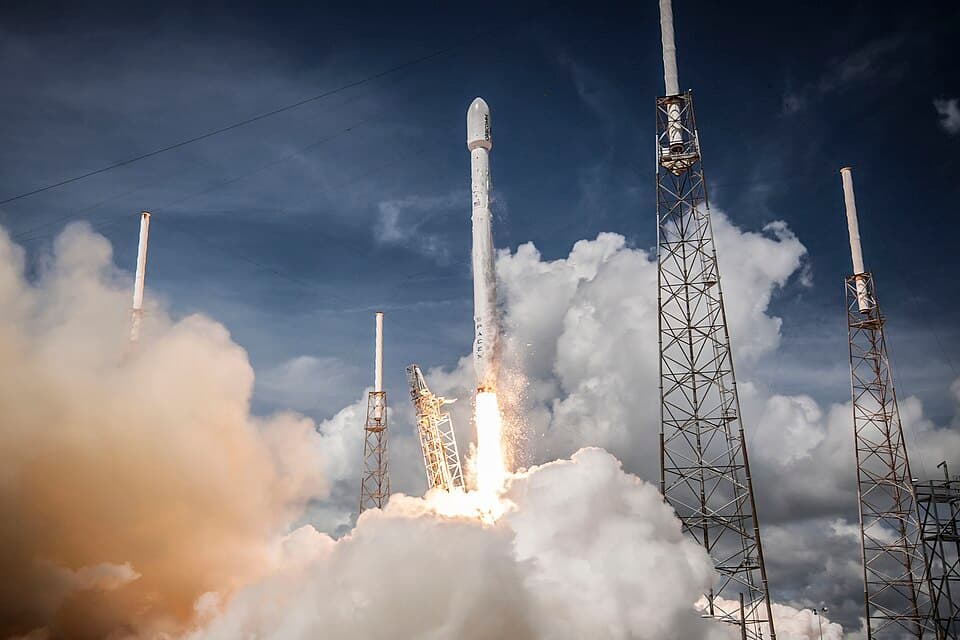
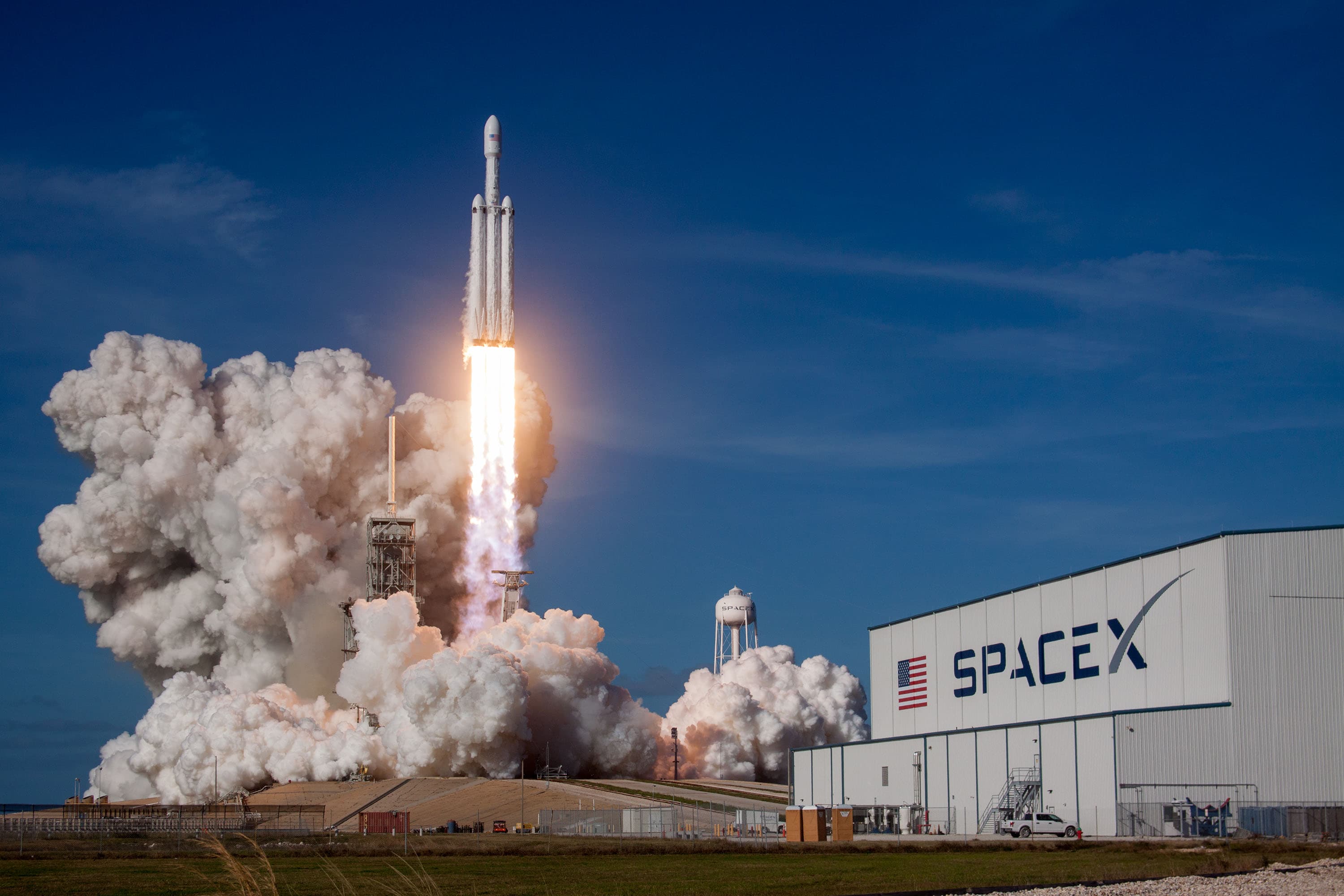
Launch the Impulse-only LEO Express 4 Mira on SpaceX's Bandwagon-5 mid-inclination rideshare from Cape Canaveral, manifested via Exolaunch, to wring out the upgraded vehicle's higher delta-v, rapid thruster firings, and new avionics with no customer payloads aboard. Impulse's mission page does not name a date; independent trackers list Bandwagon-5 no earlier than October 2026. Mira's product page still lists three missions flown.
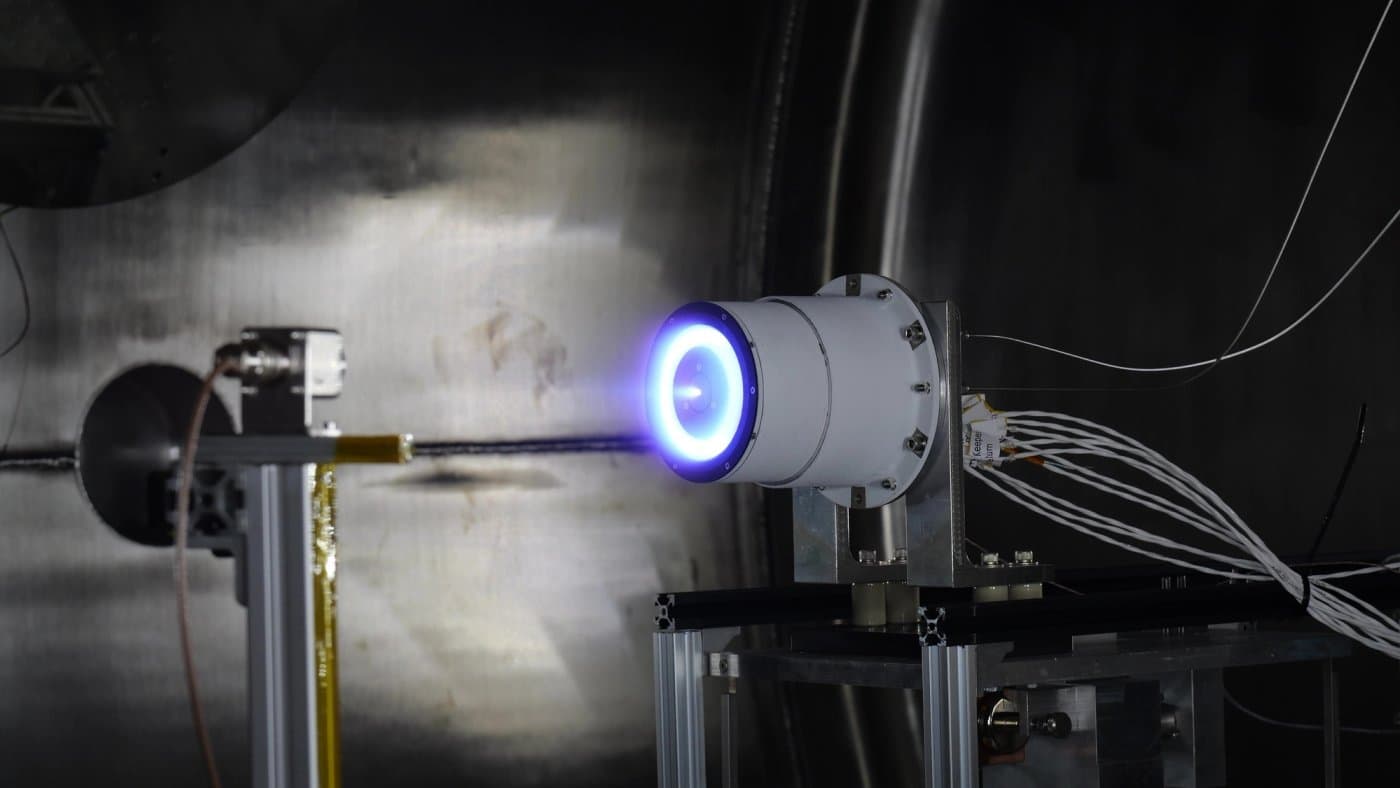
Complete flight-engine qualification and integrate Electra with Mira, then fly it operationally on the GEO Express 1 mission as part of Caravan 1, Impulse's first dedicated Falcon 9 GEO rideshare, now fully booked and targeted for the first half of 2027, giving Impulse a hybrid chemical plus electric architecture.
Fly the VICTUS SURGO and VICTUS SALO responsive missions
Execute the Tactically Responsive Space missions awarded under Impulse's SBIR Phase III contract with Space Systems Command, now worth $90.8M cumulative: VICTUS SURGO, where Helios delivers a Mira carrying a commercial optical payload to geosynchronous orbit, VICTUS SALO 1, a low Earth orbit mission with an MIT-built payload flying on a SpaceX Transporter rideshare, and the VICTUS SALO 2 and SALO 3 missions added in August 2026, each delivering a Mira to host government payloads in low Earth orbit. Space Systems Command now targets the first half of 2027 for SURGO and SALO 1.
Impulse Space said on August 12 it was selected by the Space Force's Space Systems Command for a $28 million Small Business Innovation Research Phase III contract extension covering two additional Tactically Responsive Space missions, VICTUS SALO 2 and VICTUS SALO 3. Under the award, Impulse will deliver two more Mira spacecraft to host government payloads for low Earth orbit missions, building on the SBIR Phase III vehicle that already funds Impulse's VICTUS SURGO and VICTUS SALO 1 missions and that the Space Force expanded to $62.8 million in late July.
The U.S. Space Force awarded Impulse Space a $27.77 million contract modification on July 28 for two additional Mira maneuverable spacecraft carrying government payloads for space domain awareness in low Earth orbit. The modification, under the same Small Business Innovation Research Phase III vehicle that first funded Impulse's VICTUS SURGO and VICTUS SALO missions, brings the cumulative contract value to $62.8 million, with work at Impulse's Redondo Beach facility running through March 2030.
Impulse Space introduced Electra on July 28, its first electric propulsion system, developed from concept to a working unit in under six months and built almost entirely in-house at its Redondo Beach facility. Electra offloads long-duration tasks like stationkeeping from the company's Mira orbital transfer vehicle, preserving Mira's chemical propellant for rapid maneuvers, and is set for its first in-space demonstration on the Caravan 1 mission next year.