Active
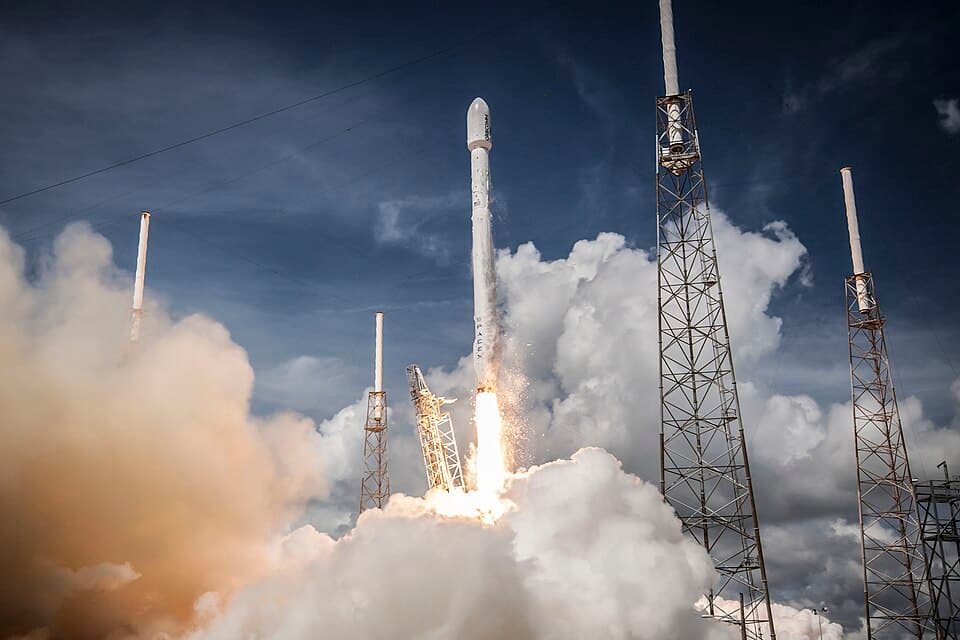
Falcon 9
SpaceX
Partially reusable two-stage medium-lift launch vehicle. The world's most frequently launched orbital rocket.
 Isar Aerospace
Active
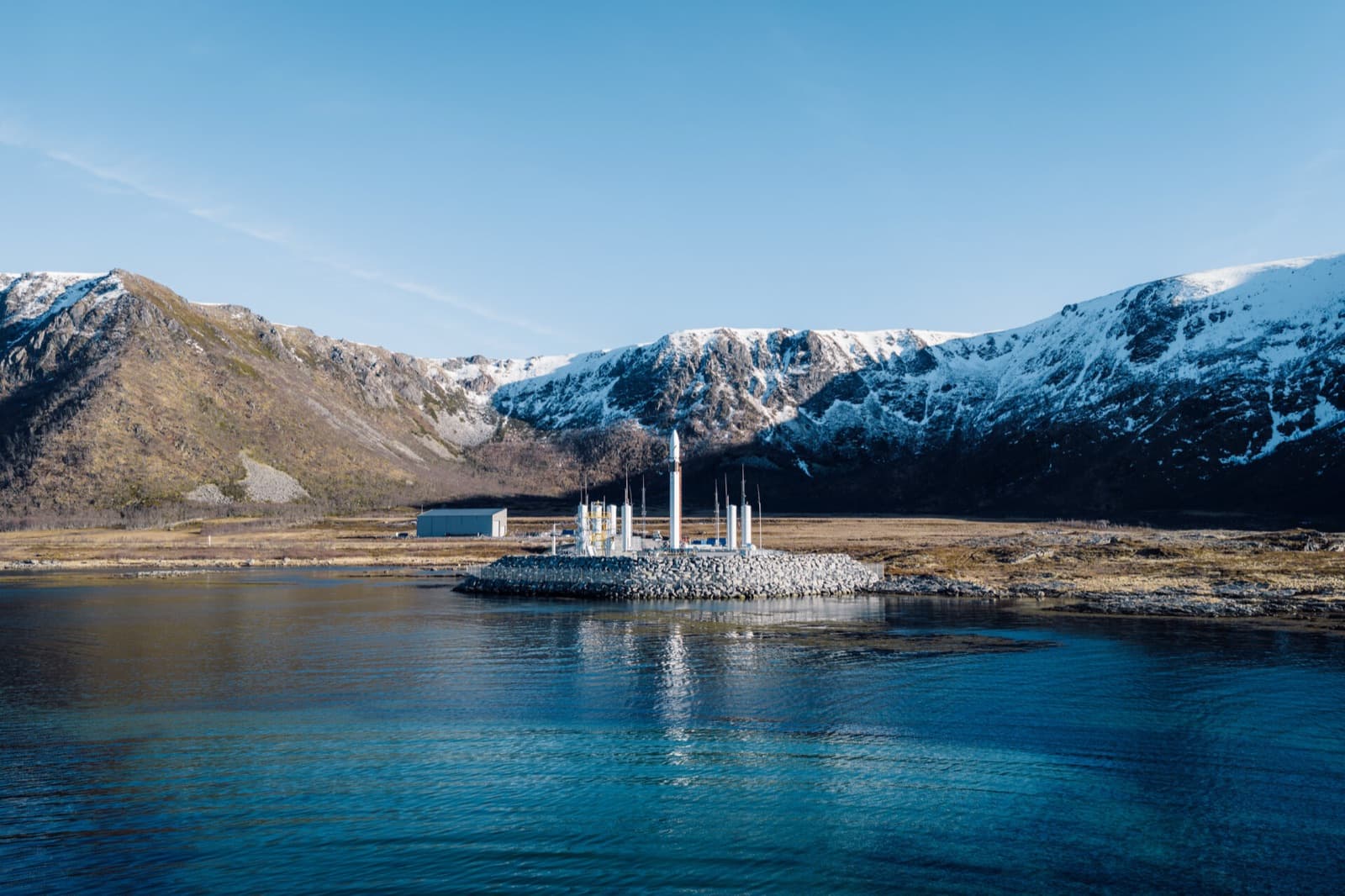
Isar's two-stage orbital small-lift rocket: 28 meters tall, 2 meters in diameter, carbon-composite primary structure, propane and liquid oxygen, nine 75 kN Aquila gas-generator engines on the first stage and one 95 kN vacuum Aquila on the second stage with multi-ignition so it can circularize and deploy without a kick stage. Payload is 1,000 kg to low Earth orbit or 700 kg to sun-synchronous orbit. It is designed, built, and tested almost entirely in-house. Flight 1 failed; Flight 2 reached orbit from Andoya on September 5, 2026.
Latest update Sep 18, 2026
01
One successful orbital flight (Onward and Upward, September 5, 2026). Vehicles 3-7 are in production. A third flight is expected soon, then at least four missions in 2027, with 2028 capacity already fully contracted. First flights from Spaceport Nova Scotia are targeted for 2028.
02
03
Announced next steps from Isar Aerospace that mention Spectrum.
Late 2026
Vehicles 3-7 are already in production. Reuters reported on September 15 that Isar intends to complete its third flight soon after the September 5 orbital debut. FAZ, citing Metzler after the launch, said the third vehicle was in final preparation and that flights four through seven should go in 2027, all from Norway.
2026
TargetLate 2026 to mid-2027
On July 2, 2026 Planet Labs Germany booked a next-generation Pelican Earth-observation satellite, to be assembled at Planet's new Berlin factory, on Spectrum from Andoya, billed as the first German-built satellite on a German-built rocket. The agreement aimed for a first launch within 12 months, with the vehicle 'currently scheduled as early as late 2026.' That late-2026 window is now tight against the just-completed qualification flight.
2027
CCO Stella Guillen said on September 15 that Isar is scheduling at least four flights next year, the first year that is supposed to look like a commercial cadence rather than a test program. 2028 capacity is already fully contracted and described as a little more than double that 2027 plan. Meeting the demand the company says it is seeing would take nearly 200 Spectrum-class vehicles in 2028, a figure Guillen gave without a matching backlog number.
2027-2028
Astroscale Japan selected Spectrum on September 1, 2026 to launch ADRAS-J2, the JAXA Commercial Removal of Debris Demonstration follow-on that will try to capture and deorbit a roughly 3-ton H-IIA upper stage. Target window is 2027-2028 from Andoya. It is Isar's second Astroscale-group booking after ELSA-M (Astroscale FY2028 or later). Spectrum's September 5 orbital debut is the flight heritage Astroscale had said it wanted first.
2028
The 10-year, $112.5 million dedicated-pad deal with Maritime Launch Services closed its statement of work on September 14, 2026, after a two-week extension from the original September 1 deadline. Pad handover is still due November 1, 2026, with additional spaceport infrastructure by December 31, 2027 and first orbital Spectrum flights targeted for 2028. SEOPS' five additional missions may use both Andoya and Nova Scotia.
04
Astroscale Japan said on September 1, 2026 it selected Isar Aerospace to launch its ADRAS-J2 debris-removal spacecraft on a Spectrum rocket from Andoya Spaceport in Norway, targeting a 2027-2028 window. ADRAS-J2, contracted under JAXA's Commercial Removal of Debris Demonstration program, will attempt to capture and deorbit the same derelict rocket upper stage that Astroscale's ADRAS-J spacecraft inspected up close before completing its mission earlier this year. It is Isar's second Astroscale launch contract, after being picked in March 2026 to fly the ELSA-M demonstration mission.
05
SpaceX
Partially reusable two-stage medium-lift launch vehicle. The world's most frequently launched orbital rocket.
SpaceX
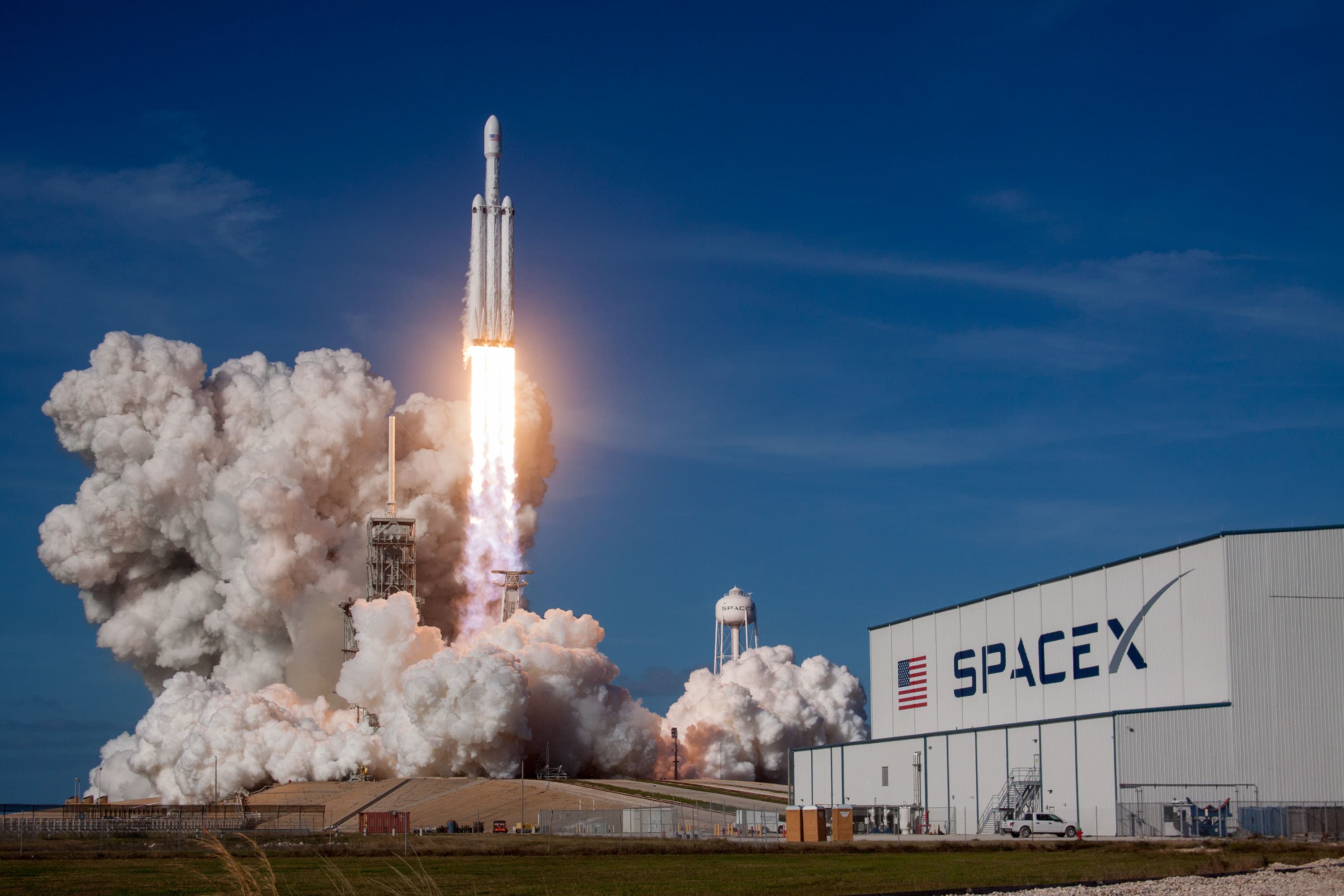
Heavy-lift launch vehicle consisting of a strengthened Falcon 9 core with two additional boosters.
SpaceX
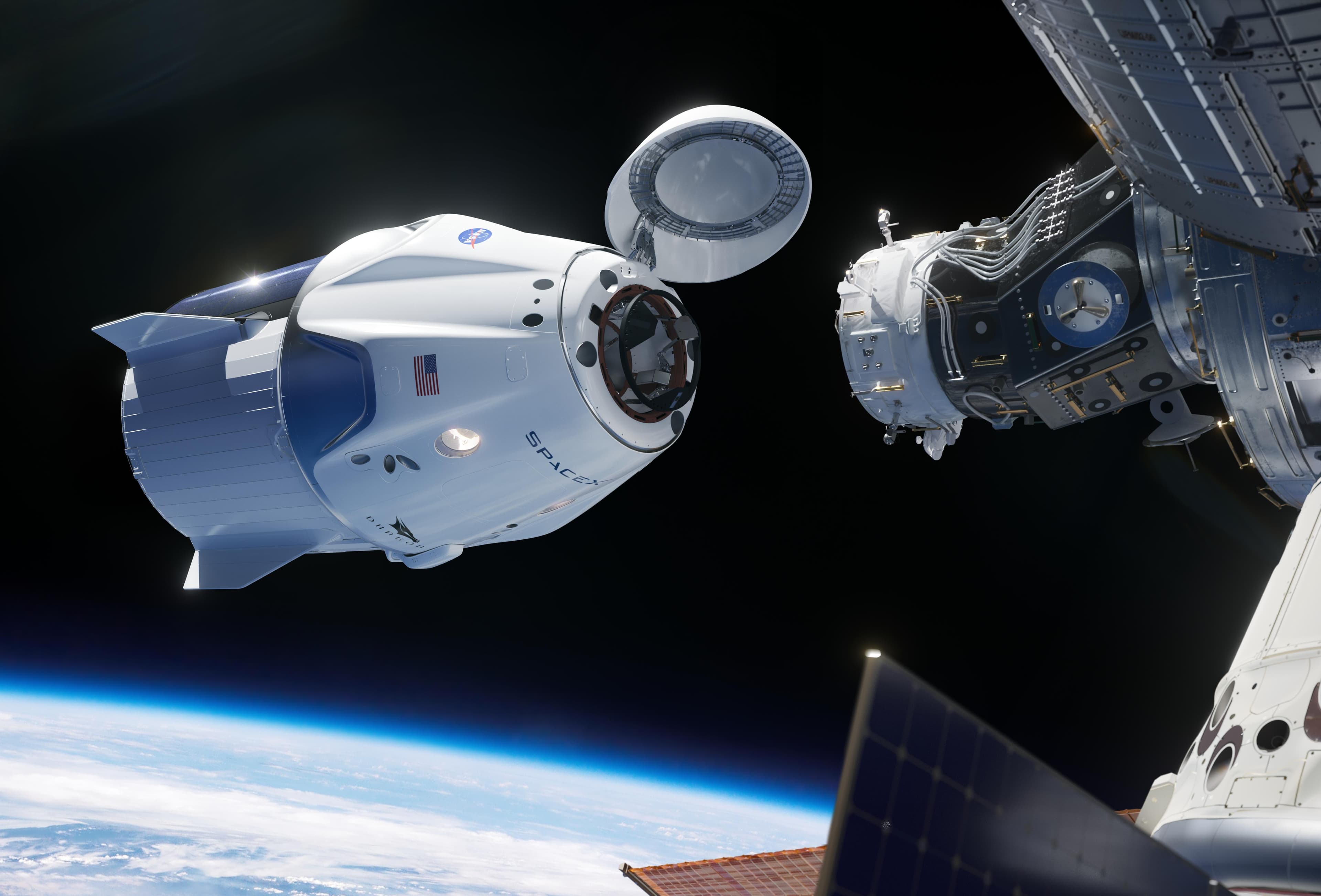
Reusable spacecraft for cargo and crew transport to the International Space Station.
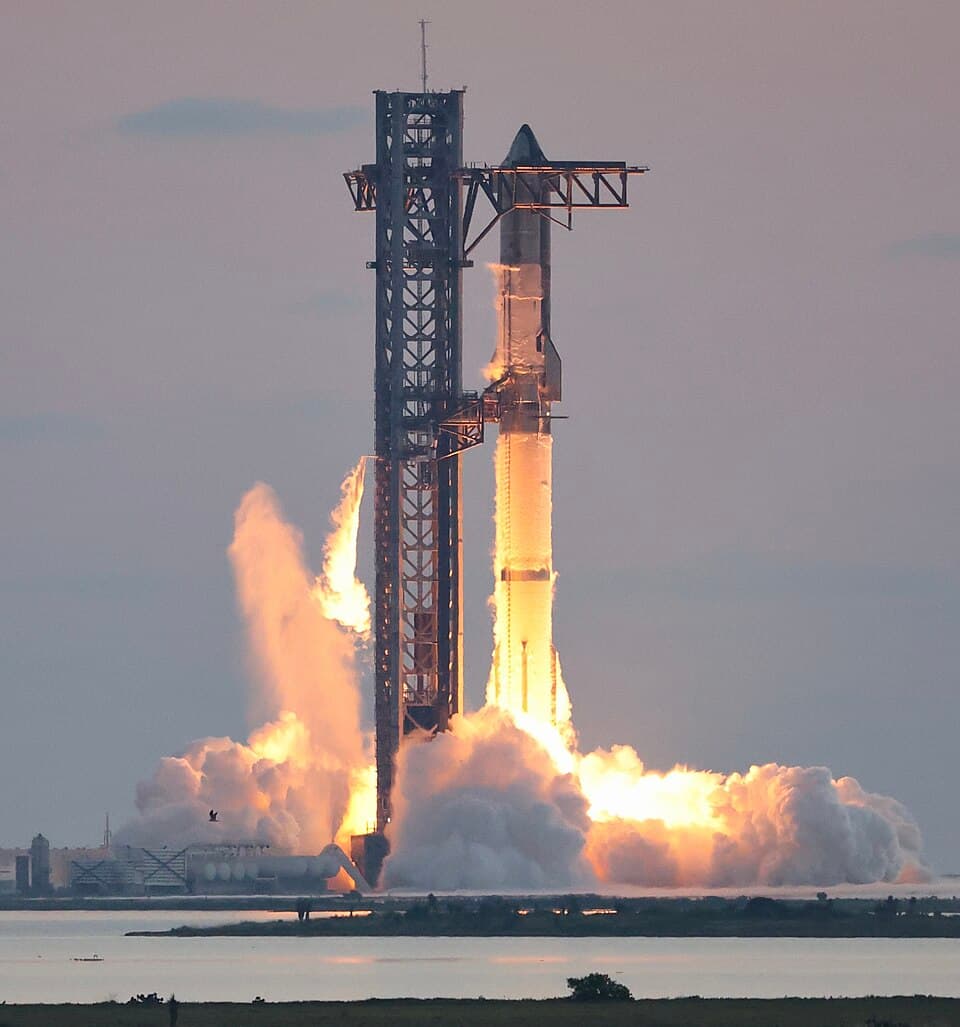
SpaceX
Fully reusable super-heavy-lift launch system designed for missions to the Moon, Mars, and beyond. V3 (Block 3) variant with Raptor 3 engines is the production version.