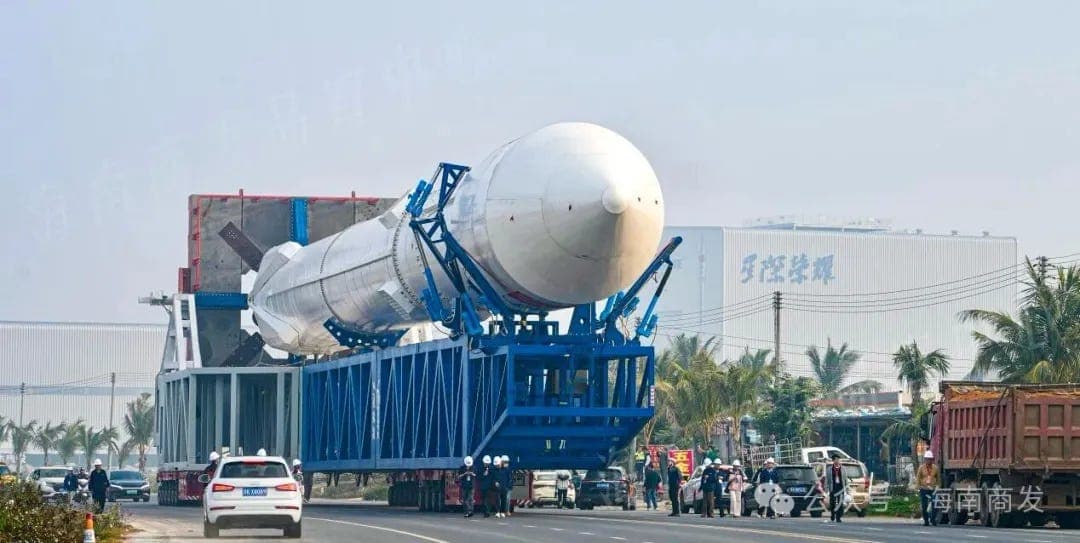
In Development
Hyperbola-3
Two-stage, partially reusable methane-liquid oxygen rocket with a sea-recoverable first stage - iSpace's Falcon 9-class vehicle aimed at low-cost, high-cadence launch for satellite constellations.
 iSpace (Interstellar Glory)
Active
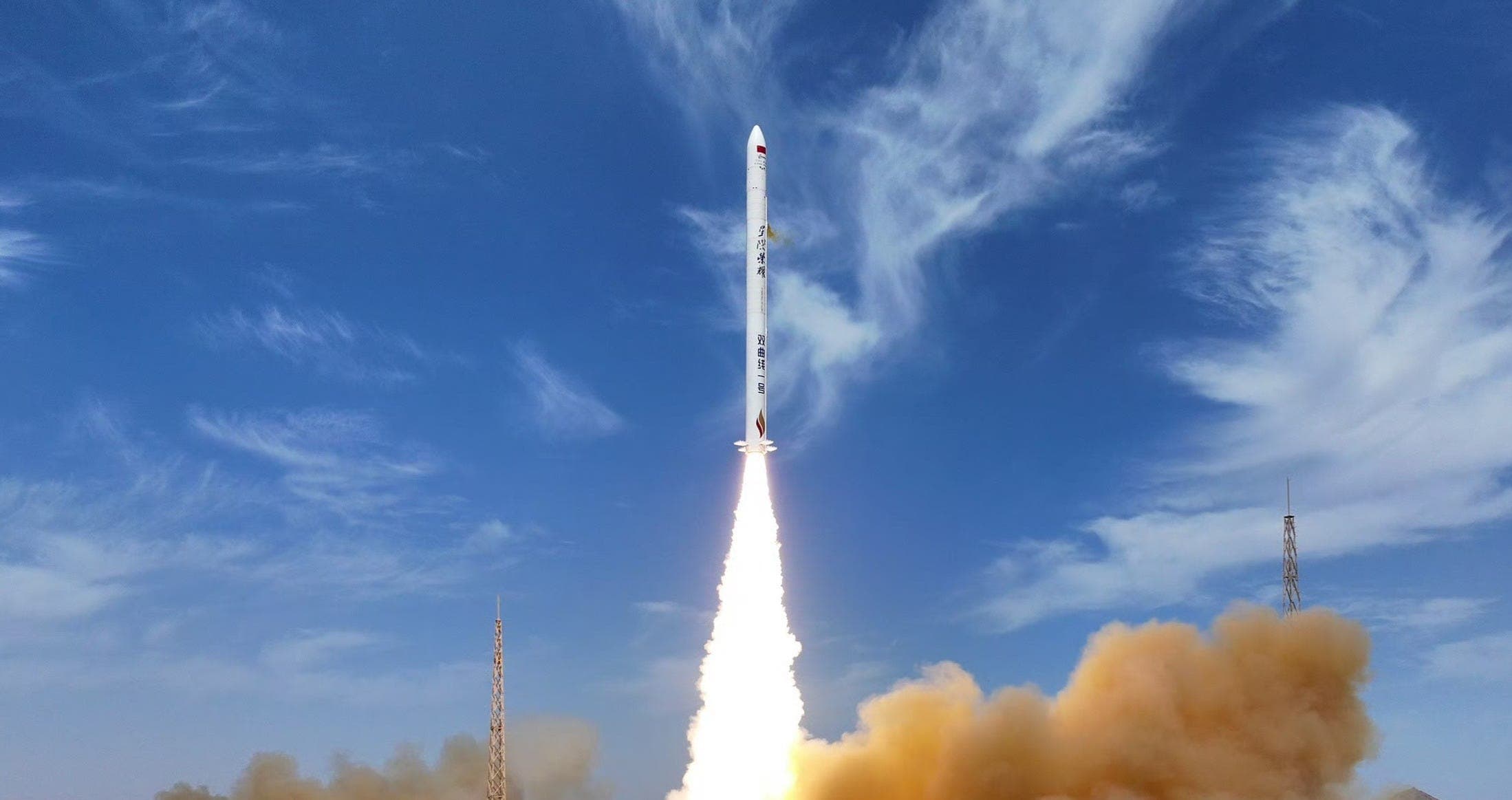
Four-stage solid-fuel small-lift orbital rocket with liquid attitude-control thrusters; the first privately developed Chinese rocket to reach orbit.
Latest update Aug 21, 2026
01
Operational from Jiuquan but with an uneven record of four successes in eight flights. It returned to flight on July 29, 2025, delivering the HS-9 satellite to sun-synchronous orbit.
02
03
Announced next steps from iSpace (Interstellar Glory) that mention Hyperbola-1.
2026-2027
Put the record 5.037 billion yuan (~$729.6M) Series D++ closed in February 2026, plus the first tranche of a new Series E round (nearly 1 billion yuan, ~$140M, out of a round reported at ~7 billion yuan / ~$980M total) closed in August 2026, to work - completing the 3.3B yuan Chengdu production base (Chengdu reporting in April 2026 still targeted completion by end of 2026, equipment debugging late 2026, and official production in 2027, sized for 20 rockets/year), expanding Hyperbola-3 final assembly and integrated-test capacity, building out Focus-2 methalox engine and sea-recovery infrastructure, raising Hyperbola-1's reliability, and starting early R&D on the heavy-lift Hyperbola-9 and its 300-tonne-class Focus-3 engine.
04
05
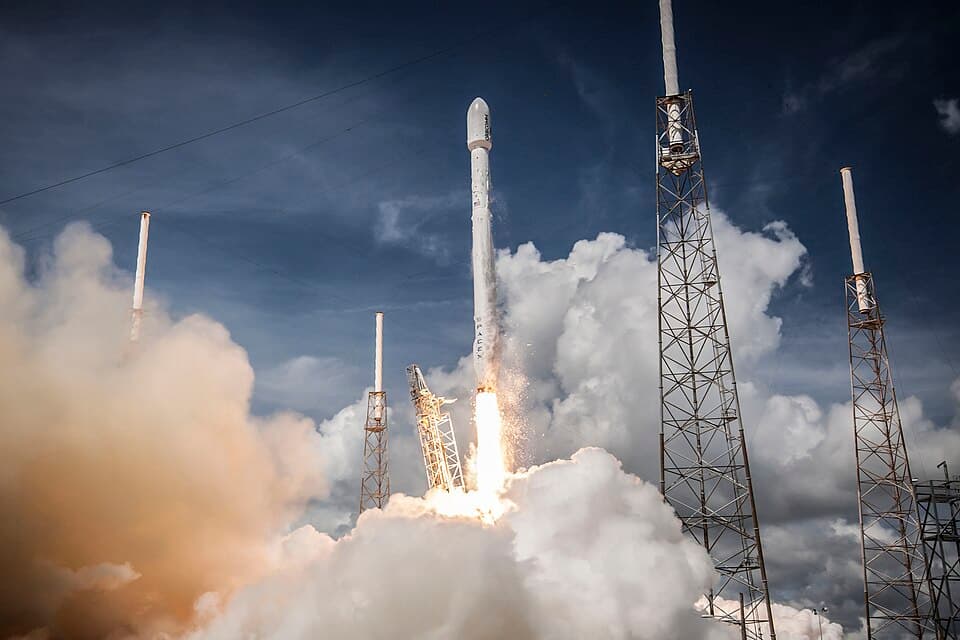
SpaceX
Partially reusable two-stage medium-lift launch vehicle. The world's most frequently launched orbital rocket.
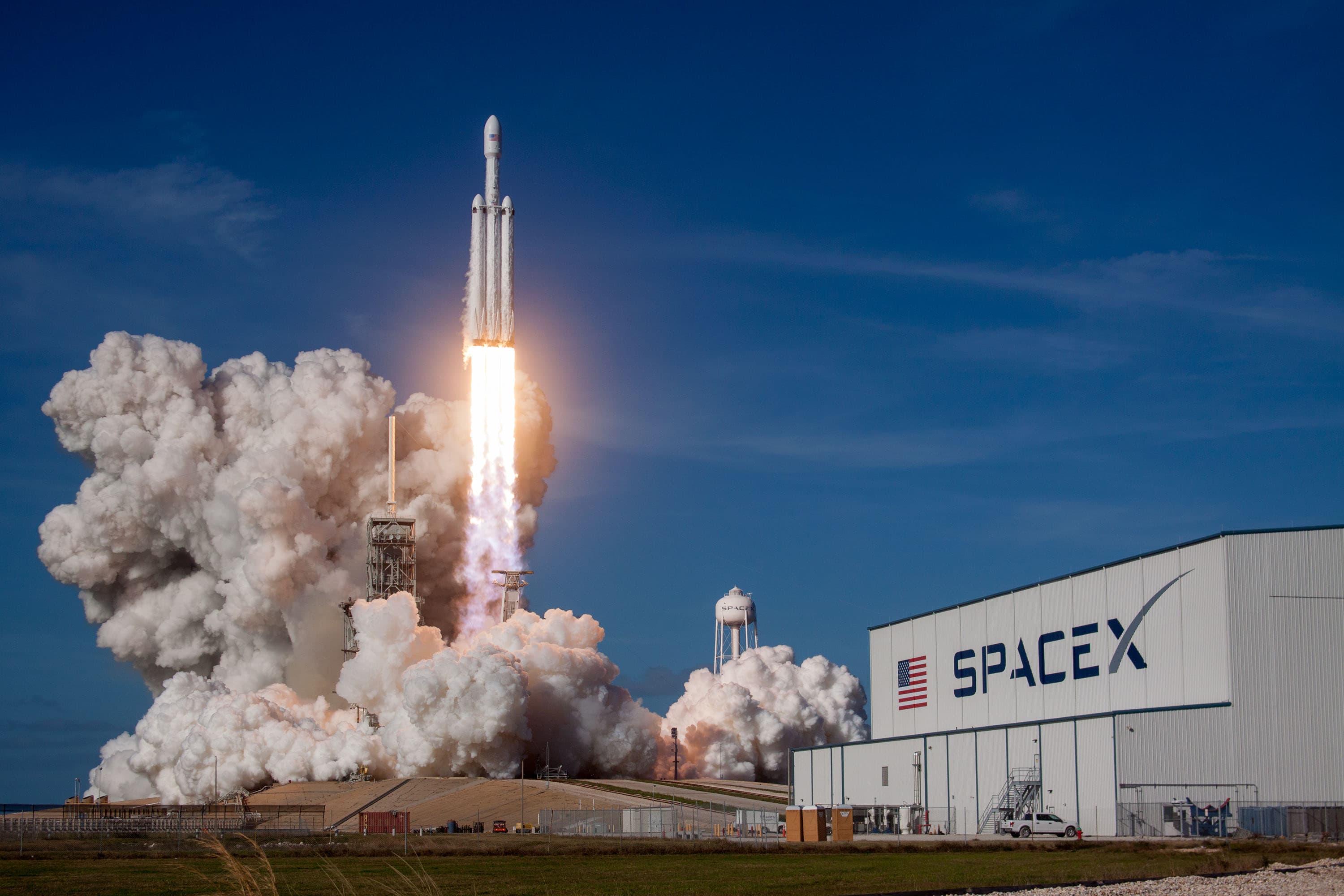
SpaceX
Heavy-lift launch vehicle consisting of a strengthened Falcon 9 core with two additional boosters.
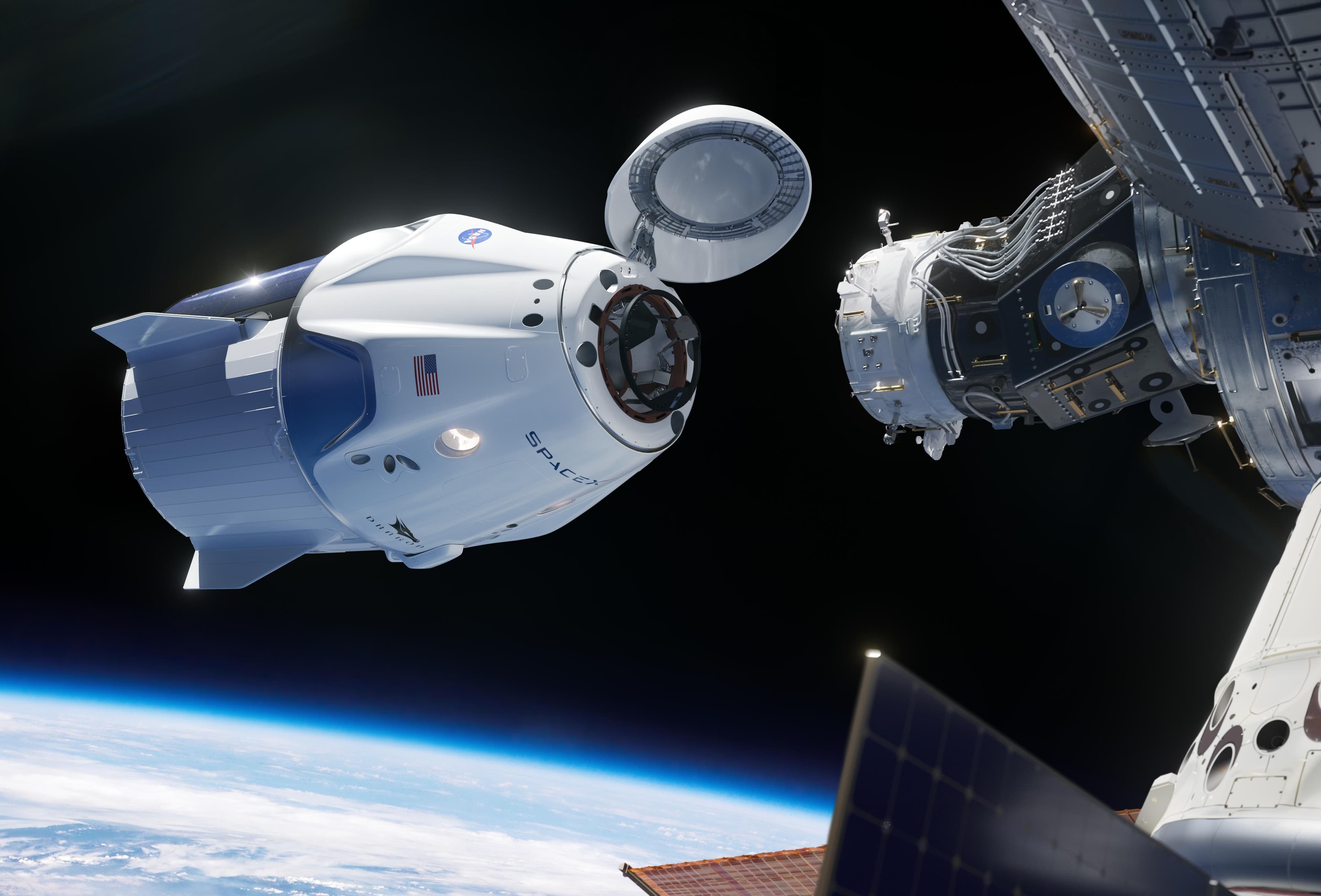
SpaceX
Reusable spacecraft for cargo and crew transport to the International Space Station.
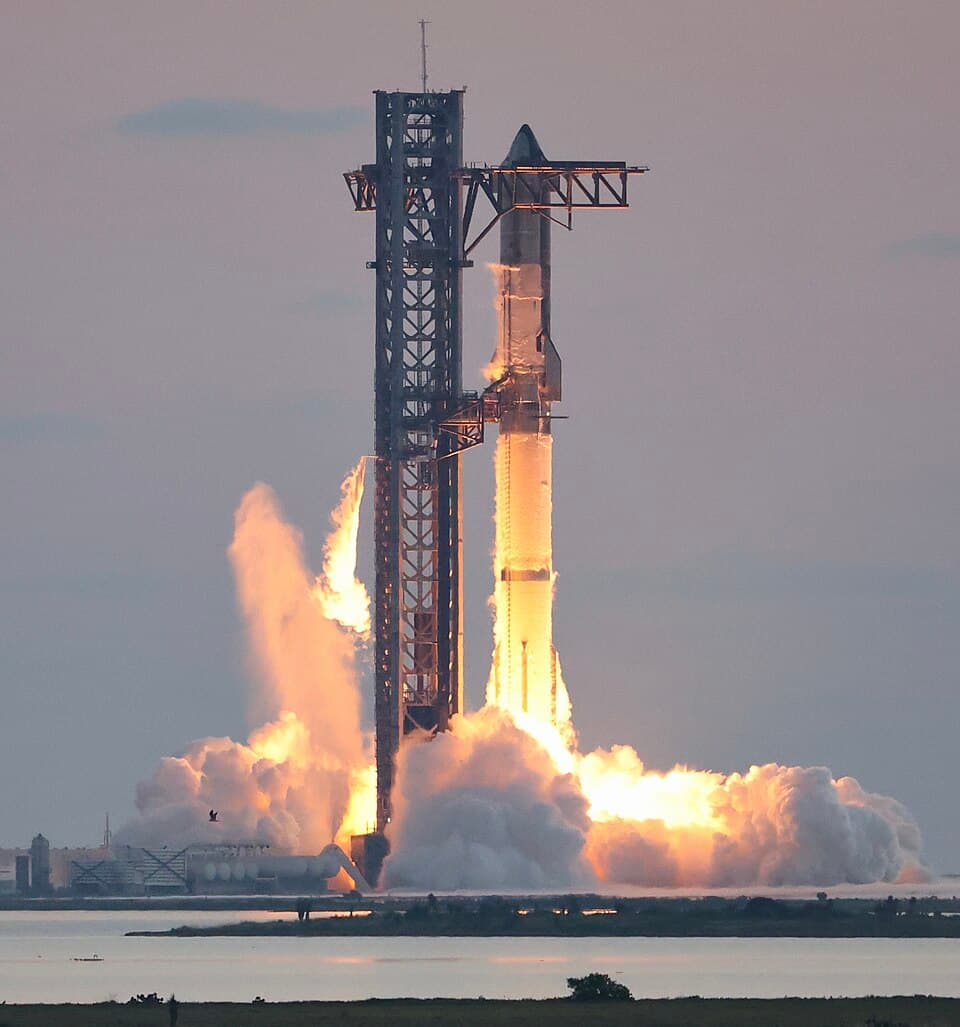
SpaceX
Fully reusable super-heavy-lift launch system designed for missions to the Moon, Mars, and beyond. V3 (Block 3) variant with Raptor 3 engines is the production version.