Active
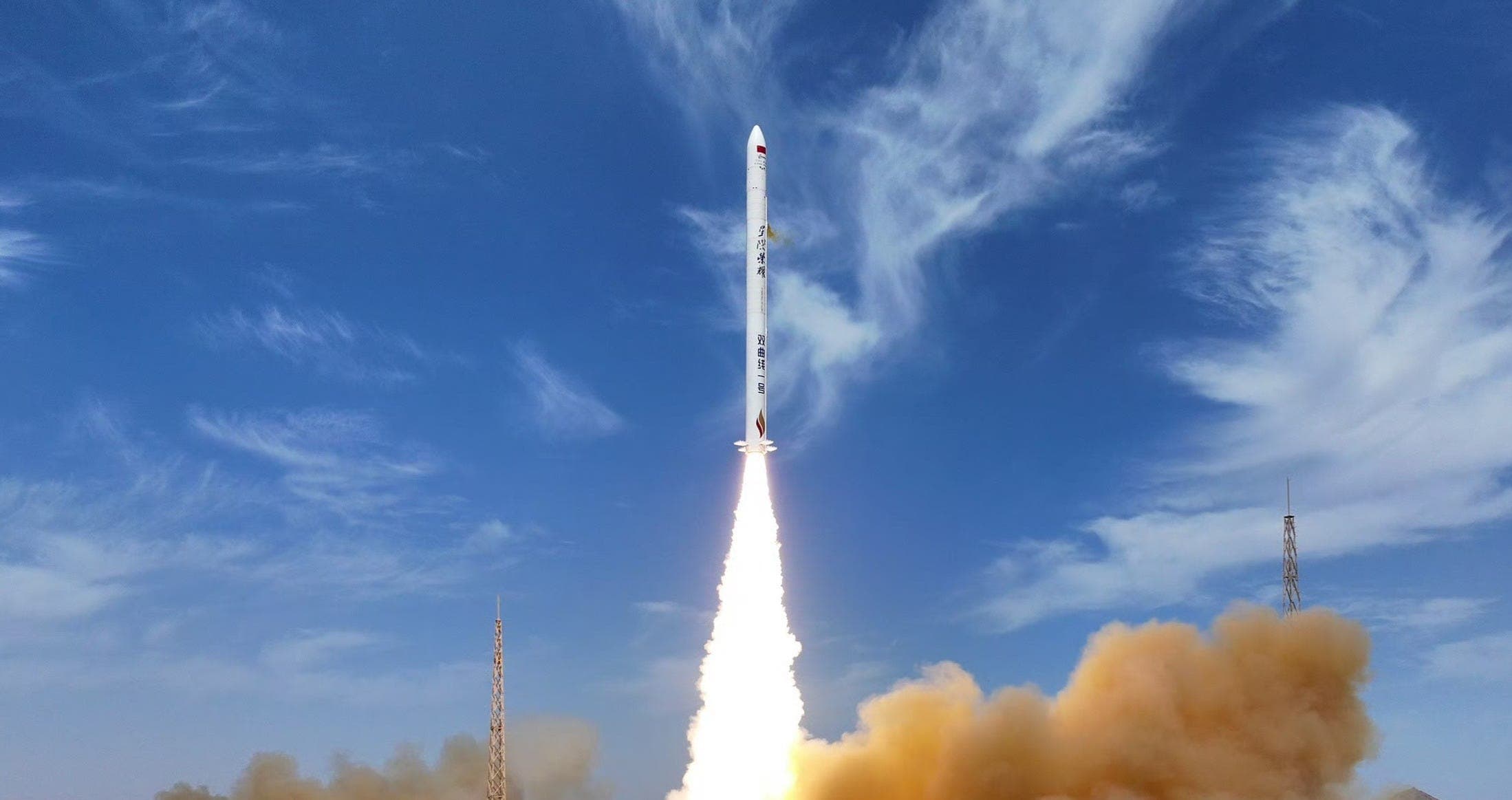
Hyperbola-1
Four-stage solid-fuel small-lift orbital rocket with liquid attitude-control thrusters; the first privately developed Chinese rocket to reach orbit.
 iSpace (Interstellar Glory)
In Development
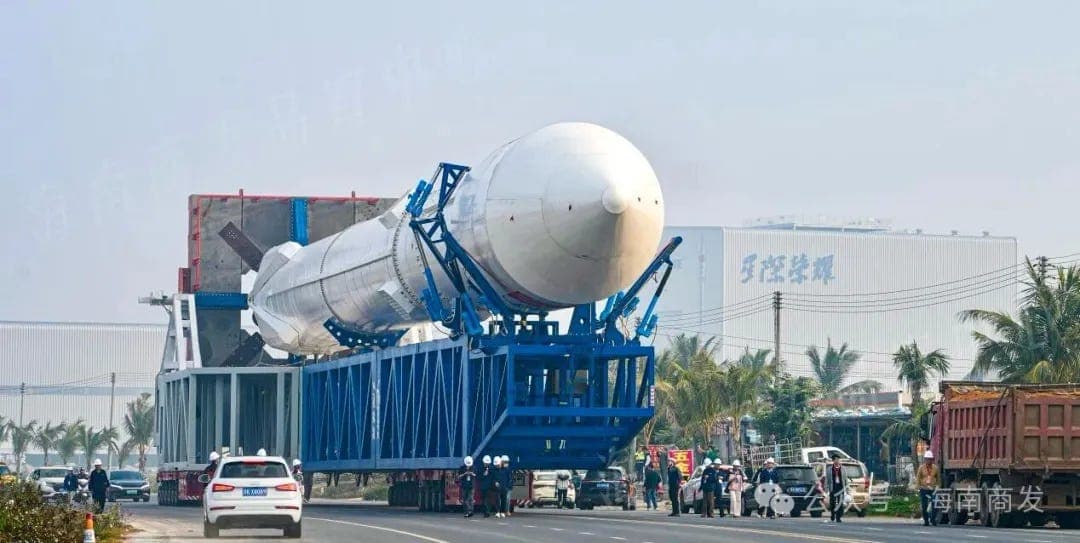
Two-stage, partially reusable methane-liquid oxygen rocket with a sea-recoverable first stage - iSpace's Falcon 9-class vehicle aimed at low-cost, high-cadence launch for satellite constellations.
Latest update Sep 20, 2026
01
JD-2 / Focus-2 engines and both stages were qualified for flight by April 2026, with a pathfinder delivered to Wenchang. By mid-2026 the first-stage sea-recovery landing system had completed full-profile ground verification (a flight-weight drop-and-shock test), and in June 2026 the Qinglan recovery drone ship completed offshore sea trials with the pathfinder, holding stability in 4 m waves. On August 14, 2026 the 5.2 m payload fairing passed its final static-load test. On September 18, 2026 the first-stage methane tank and second-stage common-bulkhead tank passed ultimate-load static tests to structural failure, which iSpace said shows its 4.2 m tank line can support batch production and supports the maiden flight. A first orbital flight from Wenchang LC-2 with a sea-recovery attempt remains targeted for late 2026 (year-end / Q4); as of September 20, 2026 launch trackers still listed the demo as NET 2026 with a placeholder December 31 date and no slip announcement. Backed by fresh Series E capital whose first tranche closed in August 2026.
02
03
Announced next steps from iSpace (Interstellar Glory) that mention Hyperbola-3.
2026-2027
Move beyond reaching orbit to recovering and reflying the Hyperbola-3 first stage at sea - the core of iSpace's low-cost launch strategy - having completed full-profile ground verification of the landing system and June 2026 offshore sea trials of the Qinglan recovery drone ship. The debut mission itself is planned as the first sea-recovery attempt; a successful reflown booster would follow in 2027 if the late-2026 landing works.
2026-2027
Put the record 5.037 billion yuan (~$729.6M) Series D++ closed in February 2026, plus the first tranche of a new Series E round (nearly 1 billion yuan, ~$140M, out of a round reported at ~7 billion yuan / ~$980M total) closed in August 2026, to work - completing the 3.3B yuan Chengdu production base (Chengdu reporting in April 2026 still targeted completion by end of 2026, equipment debugging late 2026, and official production in 2027, sized for 20 rockets/year), expanding Hyperbola-3 final assembly and integrated-test capacity, building out Focus-2 methalox engine and sea-recovery infrastructure, raising Hyperbola-1's reliability, and starting early R&D on the heavy-lift Hyperbola-9 and its 300-tonne-class Focus-3 engine.
Late 2026
TargetLate 2026 (year-end / Q4)
Fly the reusable Hyperbola-3 for the first time from Commercial LC-2 at Wenchang, having qualified its engines and stages, completed Qinglan drone-ship recovery sea trials in June 2026, passed the payload fairing's final static-load test on August 14, 2026, and completed ultimate-load static tests of the first-stage methane tank and second-stage common-bulkhead tank as of September 18, 2026, attempting a sea-based first-stage recovery on the debut - still targeted for late 2026 (year-end / Q4). Company officials have not issued a locked December calendar date; public launch lists as of September 20, 2026 still show NET 2026 / a placeholder December 31 date, with no slip announced.
H2 2027
Progress toward an IPO on Shanghai's STAR Market, reportedly targeted for the second half of 2027 once Hyperbola-3 has completed its debut orbital flight and sea-recovery attempt - a milestone China's fifth listing standard requires for a reusable medium/large launch vehicle.
04
Chinese rocket maker iSpace (Interstellar Glory) said August 5 it closed the first tranche of a new Series E round worth nearly 1 billion yuan (about $140M), led by bank-affiliated asset-management institutions, with the broader round still underway. Proceeds are earmarked for Hyperbola-3 reusable-rocket production, Focus-2 methalox engine capacity, and launch and sea-recovery infrastructure, building on the record 5.037 billion yuan (about $729.6M) Series D++ iSpace closed in February 2026.
05
06
SpaceX
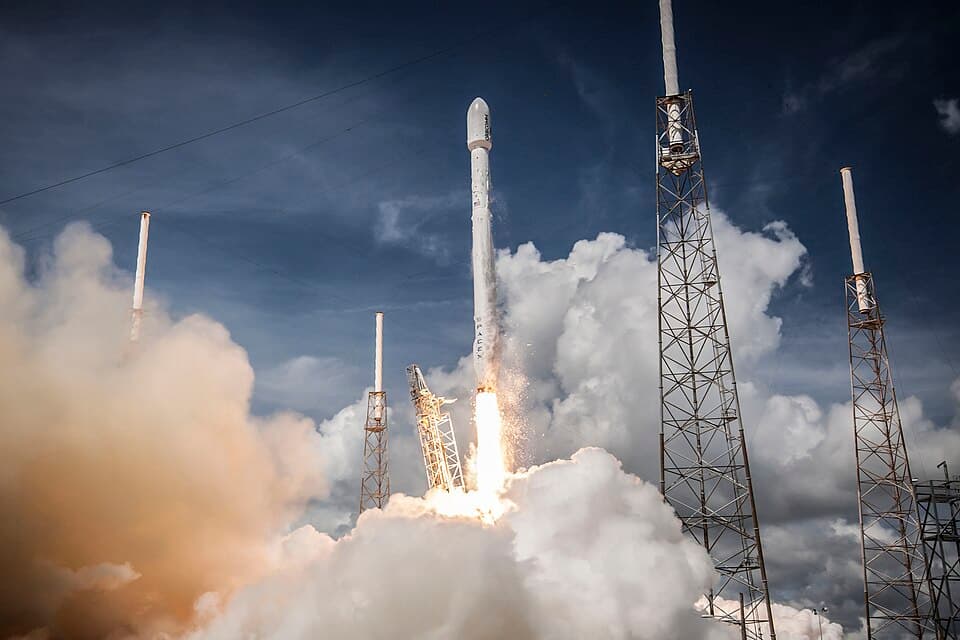
Partially reusable two-stage medium-lift launch vehicle. The world's most frequently launched orbital rocket.
SpaceX
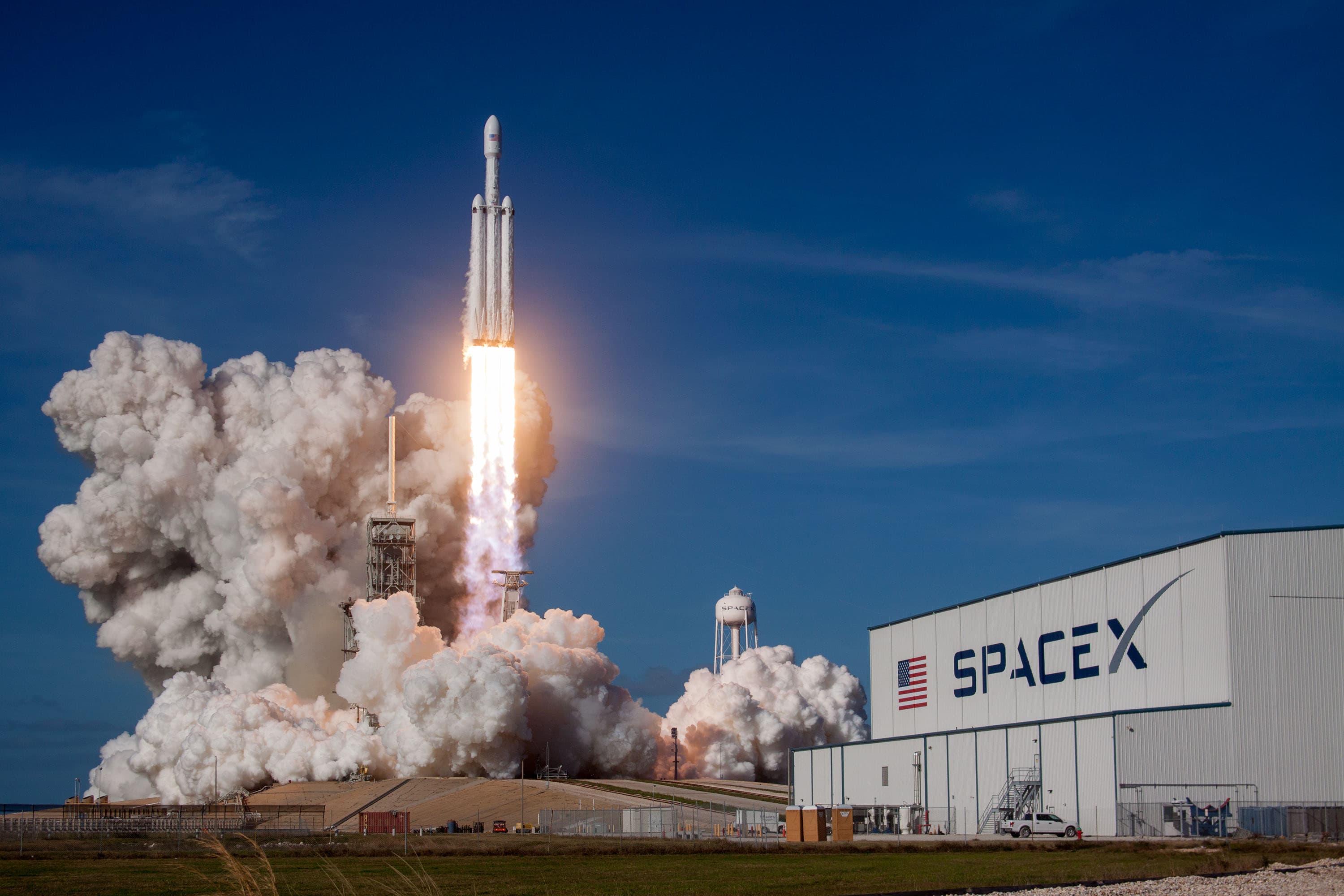
Heavy-lift launch vehicle consisting of a strengthened Falcon 9 core with two additional boosters.
SpaceX
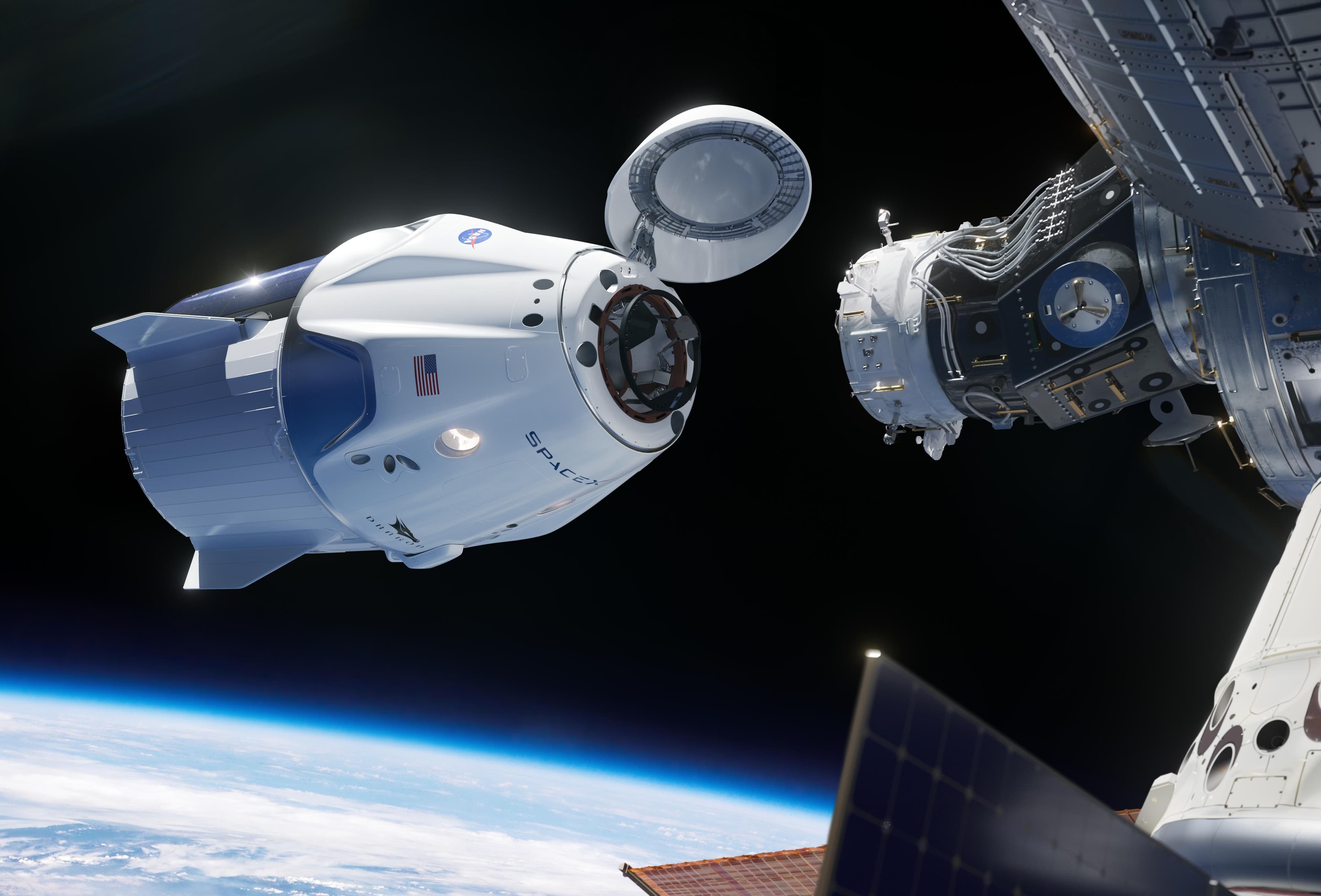
Reusable spacecraft for cargo and crew transport to the International Space Station.
SpaceX
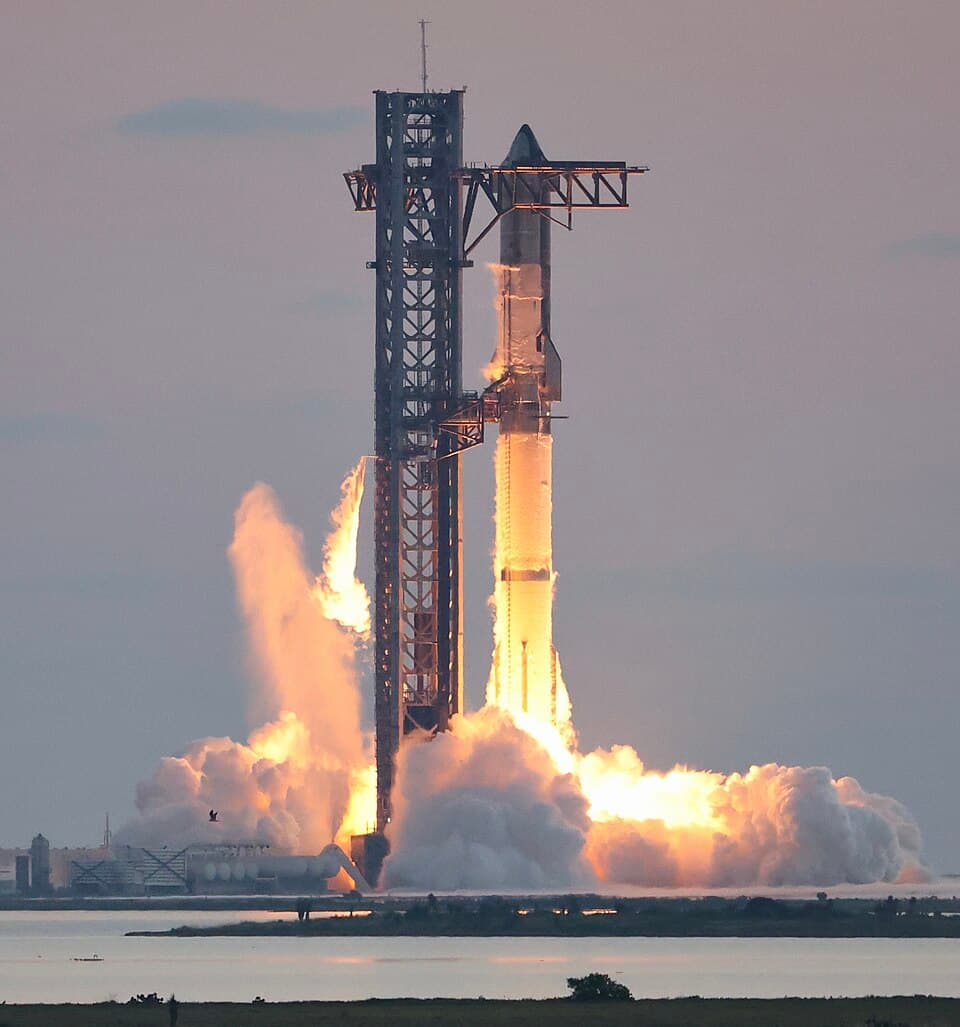
Fully reusable super-heavy-lift launch system designed for missions to the Moon, Mars, and beyond. V3 (Block 3) variant with Raptor 3 engines is the production version.