Skyroot Aerospace

Vikram-1

Active

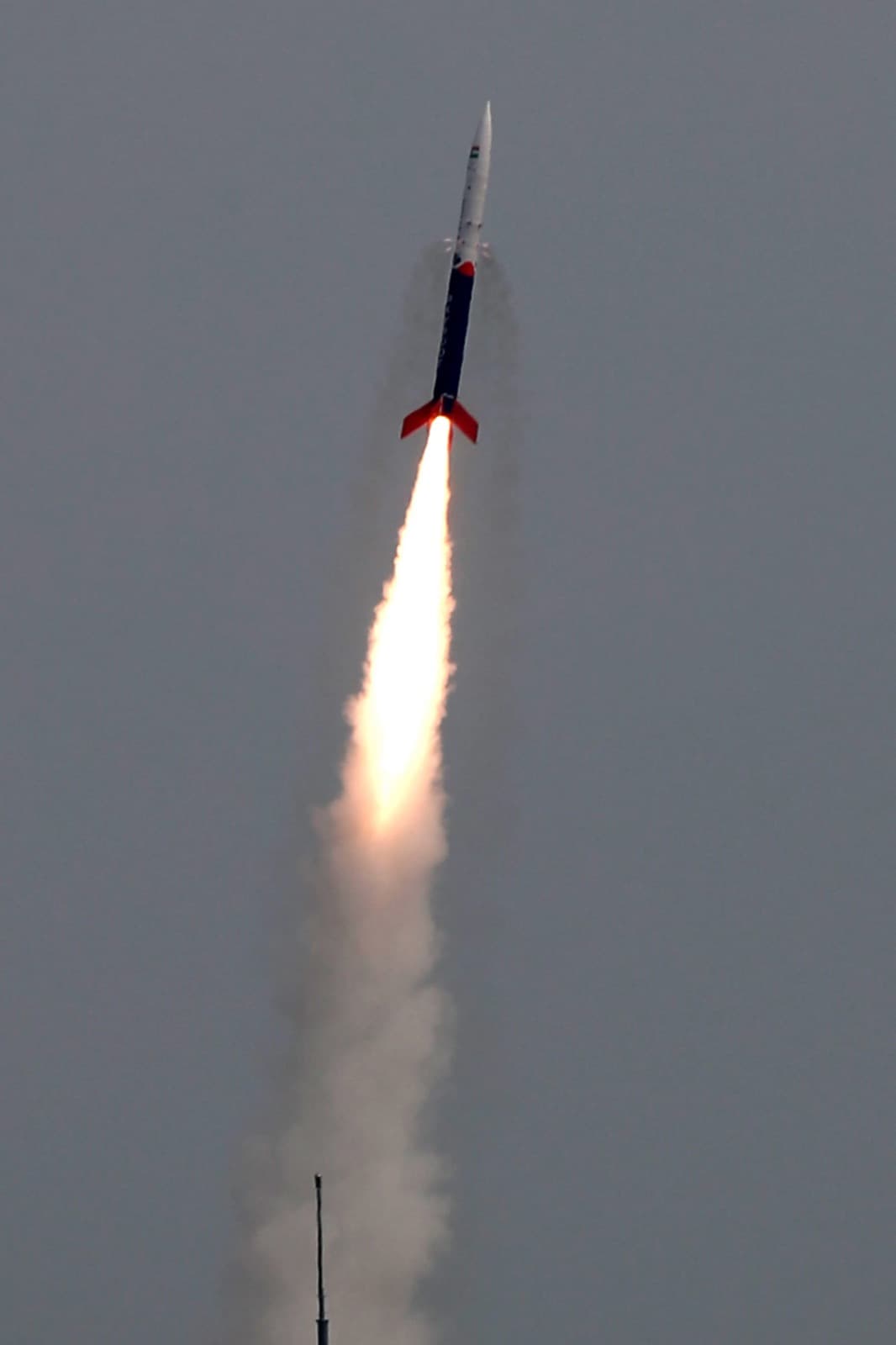
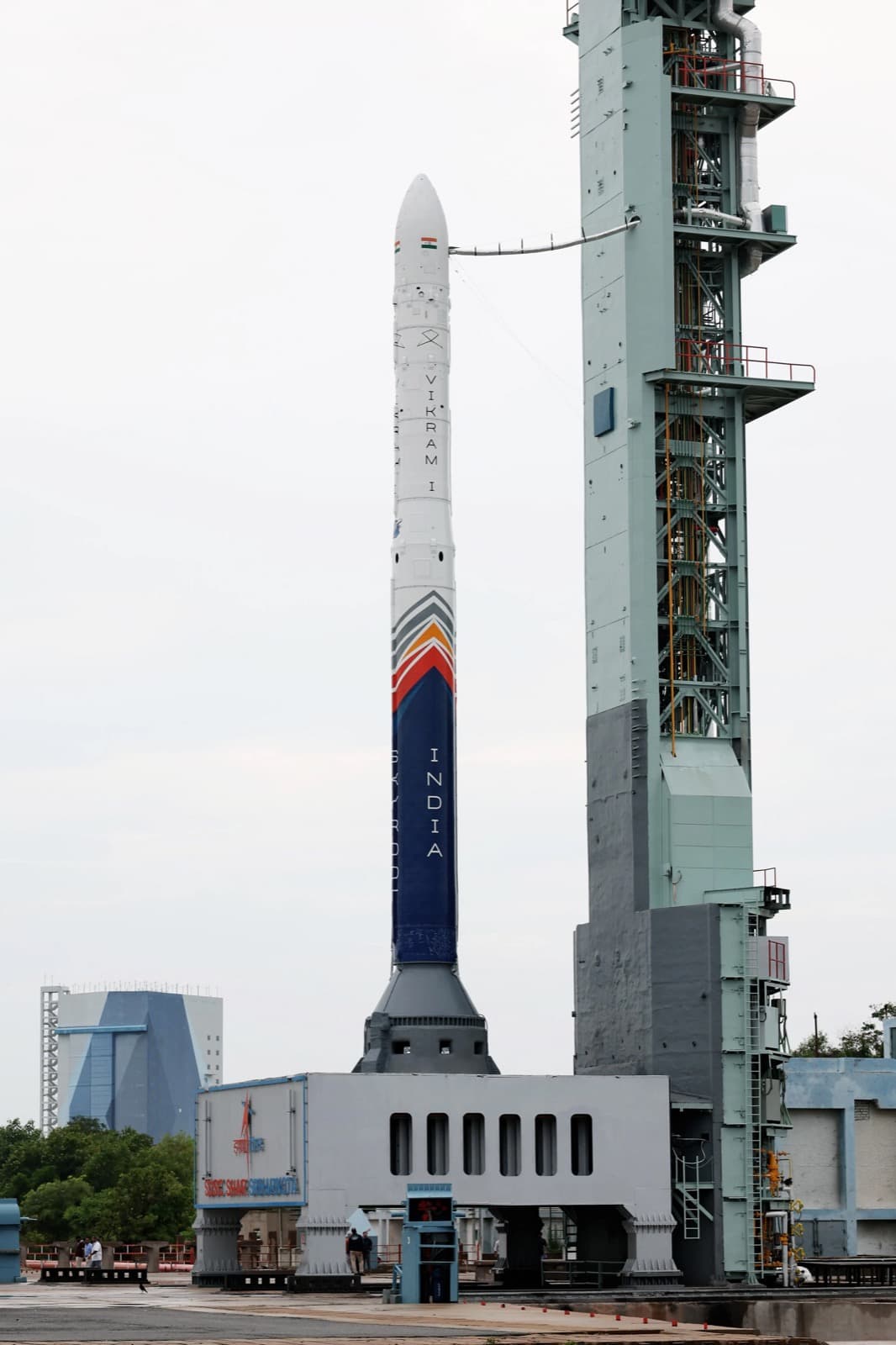
Skyroot's orbital small-satellite launcher: about 22 meters tall, built from carbon composite rather than metal, with three solid stages (Kalam-1200, Kalam-250, Kalam-100) and a 3D-printed Raman liquid upper stage that can start, stop, and restart in space to place payloads precisely. It carries 350 kg to a 500 km low Earth orbit or 260 kg to sun-synchronous polar orbit, and reached orbit on its first flight, July 18, 2026.

Latest update Sep 21, 2026

Vikram-1

01

Current status

Flown once, successfully, on July 18, 2026. The first stage of the second vehicle left Infinity Campus for Sriharikota on August 23, 2026. At BSX 2026 in September, Chandana still targeted a year-end second test flight after post-flight analysis. The launch page now lists a Q4 2026 LEO rideshare as Filling Fast, before commercial service in 2027 after a third or fourth flight.

02

Specifications4

Height
~22 m
Payload
350 kg to 500 km LEO, 260 kg to SSPO
Stages

3 solid stages plus a restartable 3D-printed liquid orbital-adjustment stage

First Flight
July 18, 2026, Mission Aagaman, ~450 km orbit

Announced next steps from Skyroot Aerospace that mention Vikram-1.

  1. H2 2026

    Due now

    Fly a second Vikram-1 test mission

    The first stage of the second Vikram-1 shipped from Infinity Campus to Sriharikota on August 23, 2026. At BSX 2026 in early September, Chandana said Skyroot was just about to complete post-flight analysis of Mission Aagaman and still targeting a year-end second launch, subject to any vehicle improvements and approvals. Payloads have not been named. The company's launch page now lists a Q4 2026 LEO rideshare as Filling Fast, so the second vehicle is being sold as a booked window even while Chandana still describes it as likely another test with mixed commercial and tech-demo payloads.

  2. 2027

    Begin commercial Vikram-1 launches

    CEO Pawan Chandana says Skyroot expects to move to full commercial launches in 2027 after its third or fourth Vikram flight, with roughly 80% of payload demand expected from outside India. The first firm post-debut contract is three dedicated Vikram missions for HEX20 beginning Q4 2027.

  3. Q4 2027

    Reach a launch a month

    The Infinity Campus factory is built for one orbital rocket a month and Skyroot aims to be launching at that rate by the end of 2027. The second Vikram-1 is the first vehicle produced there; a demonstrated monthly cadence is still unproven. The Thoothukudi MoU is meant to add integration capacity next to Kulasekarapattinam as cadence rises.

  4. Q4 2027

    Fly three dedicated Vikram missions for HEX20

    Skyroot signed its first large commercial launch agreement on August 6, 2026, with Kerala-based satellite operator HEX20: three dedicated Vikram-series missions to deliver HEX20's Earth-observation satellites and in-orbit demonstration payloads to low Earth orbit, plus rideshare capacity for third-party spacecraft. It remains the company's first firm commercial deal since the July 2026 Vikram-1 orbital debut. No later launch contract has been announced.

  1. Reflect Orbital buys two Skyroot launches

    On Oct. 14, 2026, Reflect Orbital said it purchased two dedicated Skyroot Aerospace launches for future spacecraft. The first uses Vikram-1 and the second uses Vikram-1U, which Skyroot describes as an in-development rocket with additional first-stage boosters. Payload reported that a Reflect spokesperson said the company is the only payload for now, and that price and launch dates were not disclosed.

    www.reflectorbital.com payloadspace.com + Reflect Orbital

  2. Skyroot signs first commercial launch deal, with HEX20

    Skyroot Aerospace signed a multi-launch agreement with Kerala-based satellite operator HEX20 on August 6, 2026, its first firm commercial contract since Vikram-1 reached orbit on its July debut flight. The deal covers three dedicated Vikram-series missions starting in the fourth quarter of 2027 to deliver HEX20's Earth-observation satellites and in-orbit demonstration payloads, plus rideshare capacity for other spacecraft.

    Indian Defence News Analytics India Magazine

05

More from Skyroot Aerospace3

06

More in Rockets