Active
Atlas V
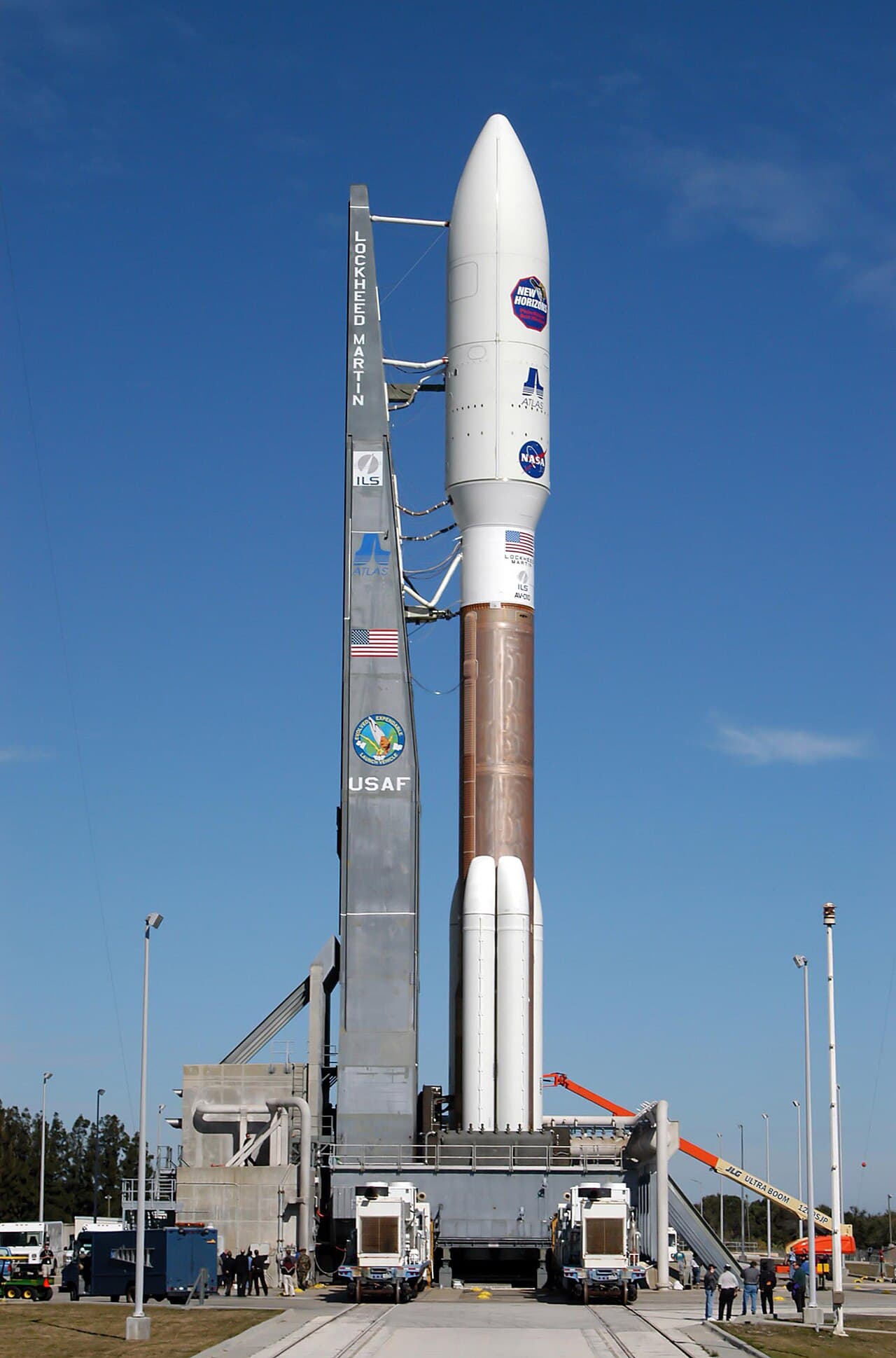
Workhorse medium-lift launch vehicle with a 100% mission success rate, being phased out in favor of Vulcan Centaur.
 United Launch Alliance
Activegrounded
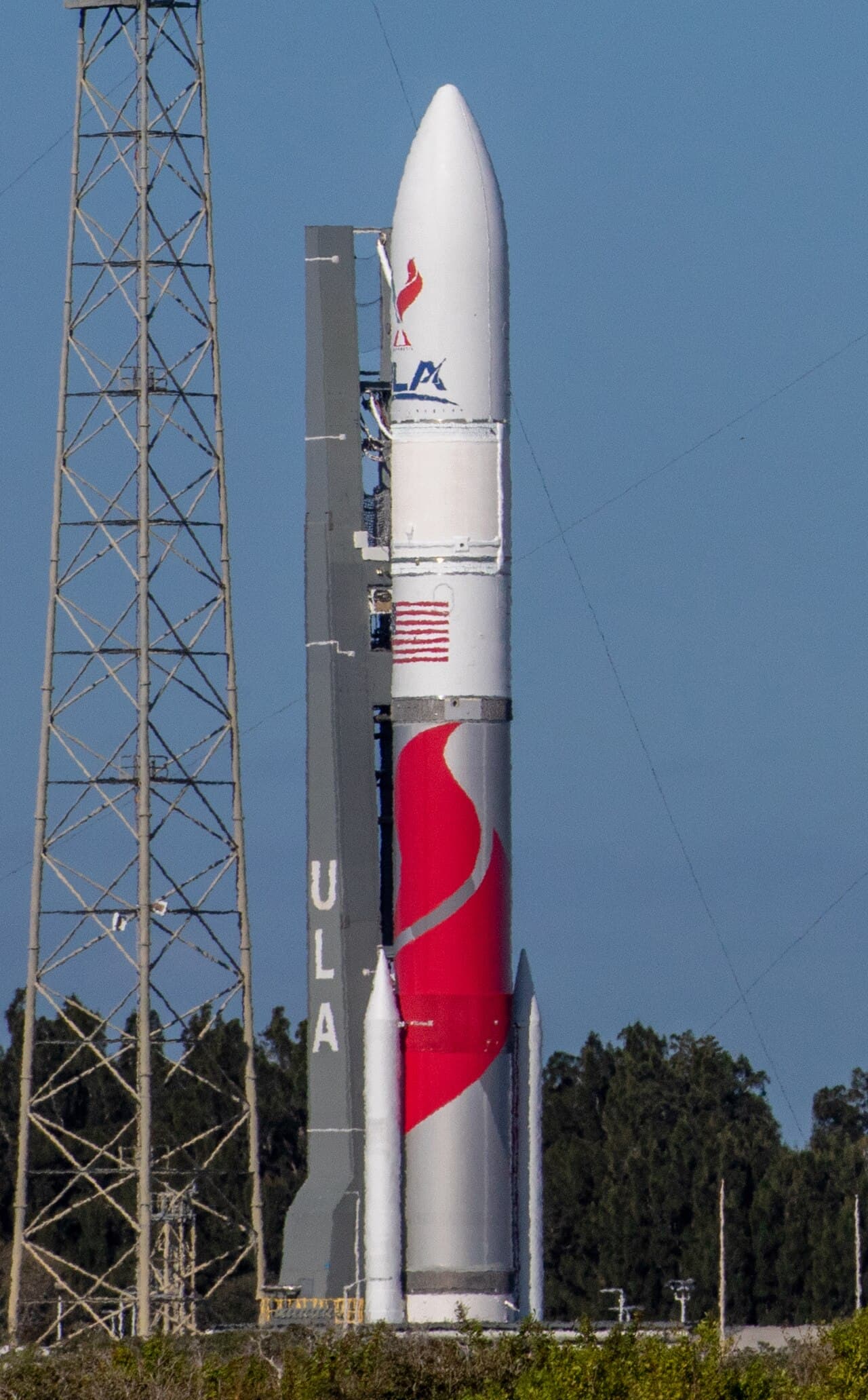
Next-generation medium-to-heavy-lift launch vehicle replacing Atlas V and Delta IV, powered by BE-4 engines.
Latest update Nov 7, 2026
01
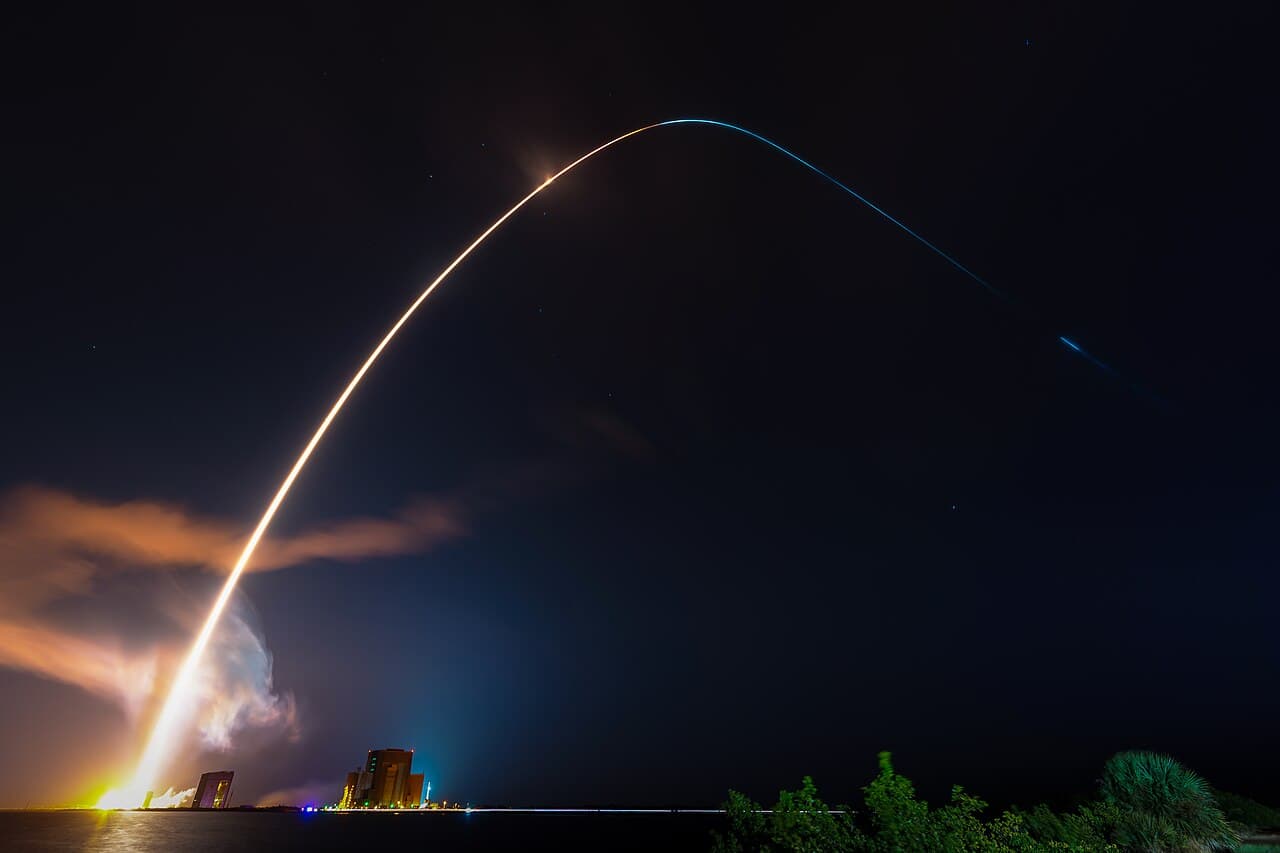
Not flown as of Nov. 7, 2026. ULA lists Friday, Nov. 13 at 12:54 p.m. EST (1754 UTC) and does not print a year. Amazon lists Friday, November 13, 2026, at 12:54 p.m. ET, pending range approval, for 40 satellites on a VC6L from SLC-41. Mark Peller told Aviation Week on Nov. 5 that a BE-4 main-oxidizer-valve retrofit is installed on this mission's engines and that the GEM 63XL nozzle investigation remains ongoing. Dave Limp told Ars Technica that Blue Origin will keep building BE-4 engines for Vulcan. Northstar was described as an eventual BE-4 replacement on New Glenn, not as the engine on this flight.
02
03
Announced next steps from United Launch Alliance that mention Vulcan Centaur.
2026 (year-end)
Fly the uncrewed Dream Chaser Tenacity spaceplane's debut mission on a Vulcan Centaur from Cape Canaveral - a free-flyer demonstration to LEO rather than an ISS docking, ending with a runway landing at Vandenberg. On September 2, 2026 Sierra Space said it had signed undisclosed national-security and commercial customers to fly payloads on that inaugural flight and was still finalizing the manifest. Sierra Space still targets late 2026, but the flight sits behind NSSL missions on Vulcan's recovering manifest and depends on Vulcan's return to flight; no launch date has been posted.
04
United Launch Alliance is seeking to raise about $500 million through a private bond placement arranged by US Bancorp, Mizuho and Wells Fargo to refinance existing debt, according to reports first surfacing August 5. The move follows a year of financial strain tied to the Vulcan Centaur's grounding since February 2026, and comes on top of, not in place of, the separate $500 million credit guarantee Lockheed Martin extended to ULA in July.
Lockheed Martin disclosed in its Q2 2026 SEC filing, around July 23, that it has guaranteed up to $500 million of United Launch Alliance's borrowings as Vulcan Centaur's continued grounding strains the joint venture's finances. Vulcan has not flown since a February 12, 2026 solid rocket booster nozzle anomaly on the USSF-87 mission, and ULA leadership is now targeting a return to flight only by the end of 2026, with ULA flying just five missions so far in 2026 against an original 18-22 launch goal.
United Launch Alliance launched the last Atlas V in its powerful 551 configuration in the early hours of July 2 from Space Launch Complex 41 at Cape Canaveral, carrying 29 Amazon Leo broadband satellites - a roughly 18-ton payload that tied the record for the heaviest load ever flown on an Atlas V. It was Amazon Leo's eighth and final launch on Atlas V, with future constellation flights shifting to ULA's next-generation Vulcan Centaur. Amazon said its low-Earth-orbit network stood at about 367 satellites before the mission, on the way to a planned fleet of more than 3,000.
05
06
SpaceX
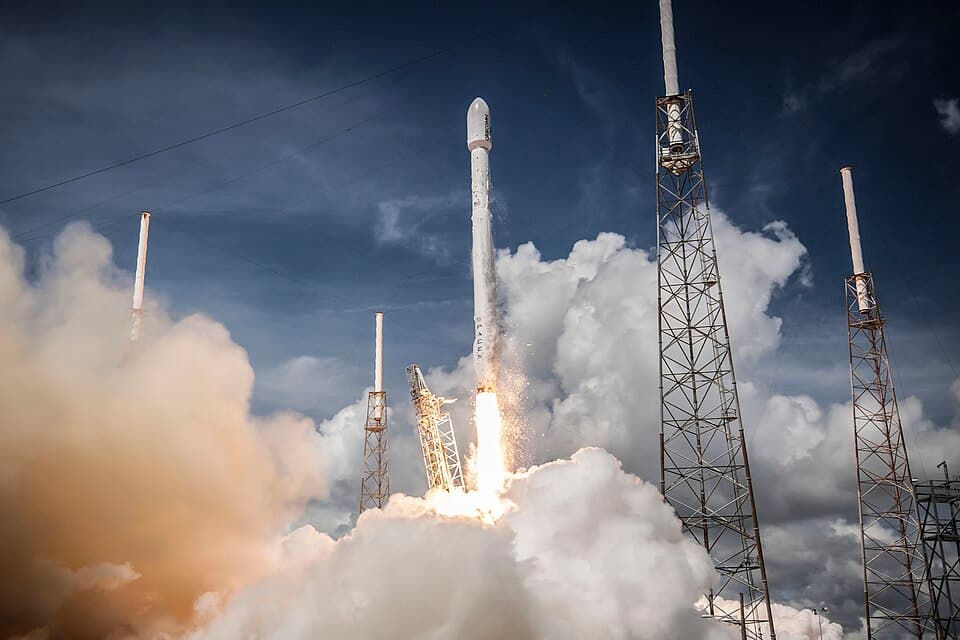
Partially reusable two-stage medium-lift launch vehicle. The world's most frequently launched orbital rocket.
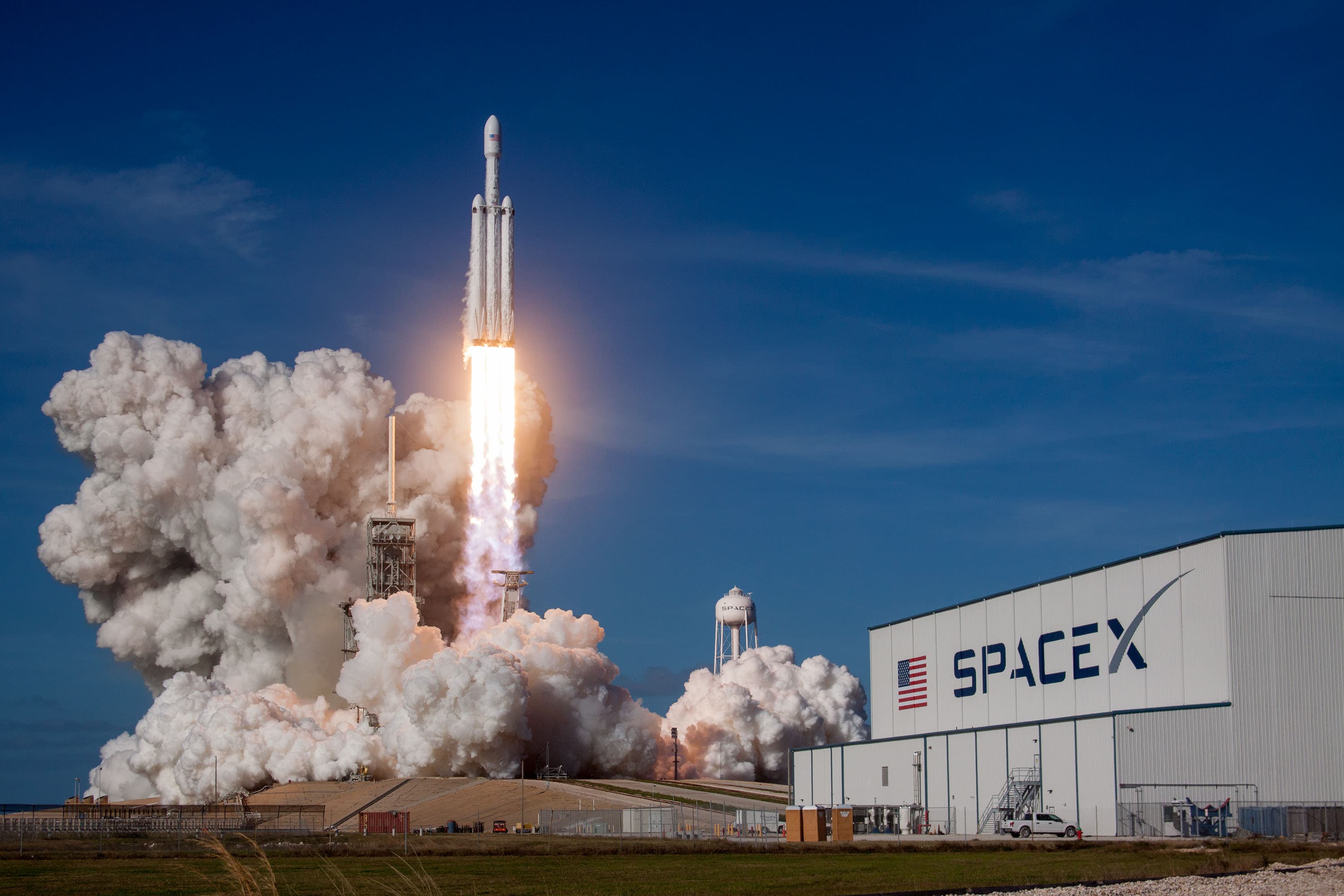
SpaceX
Heavy-lift launch vehicle consisting of a strengthened Falcon 9 core with two additional boosters.
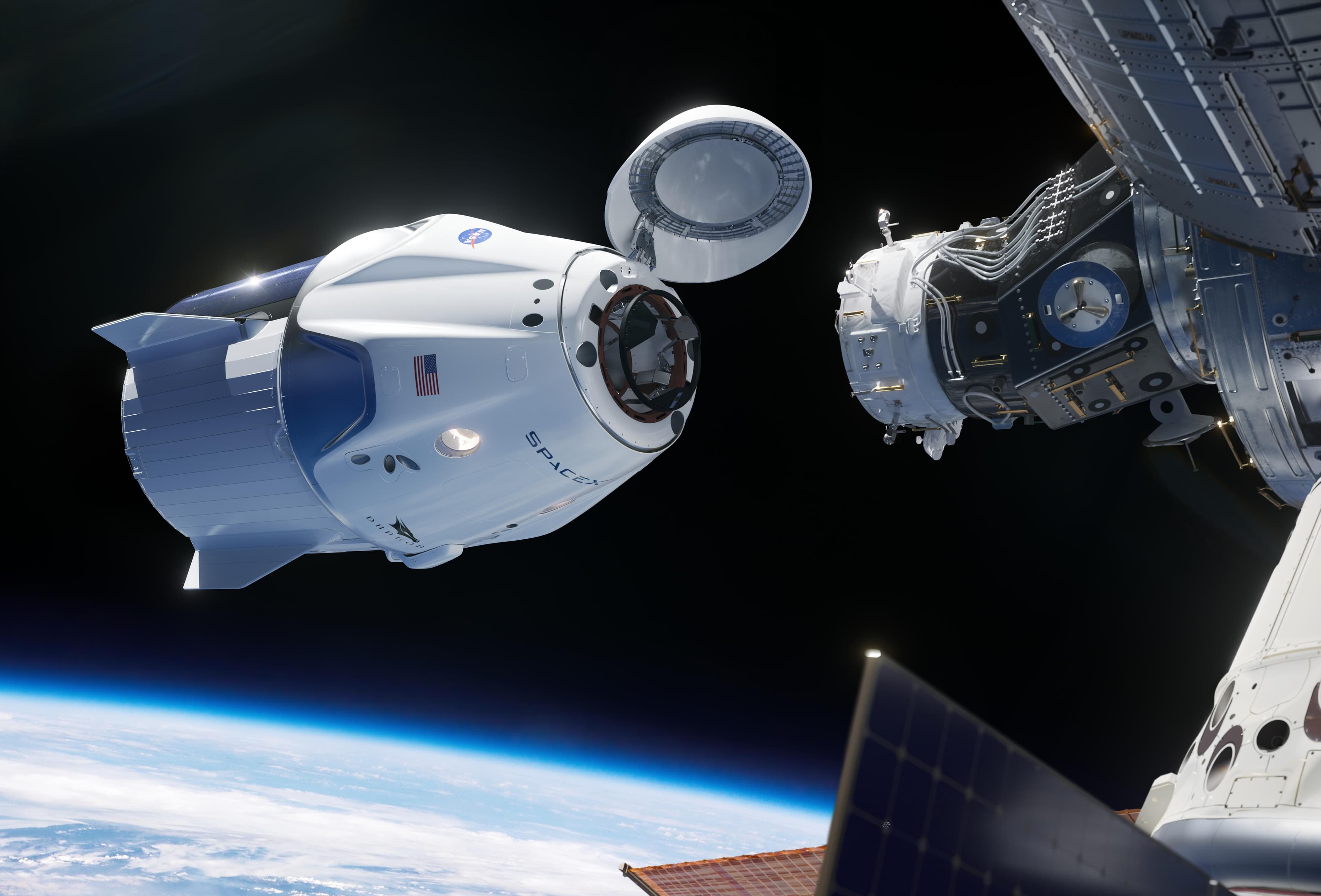
SpaceX
Reusable spacecraft for cargo and crew transport to the International Space Station.
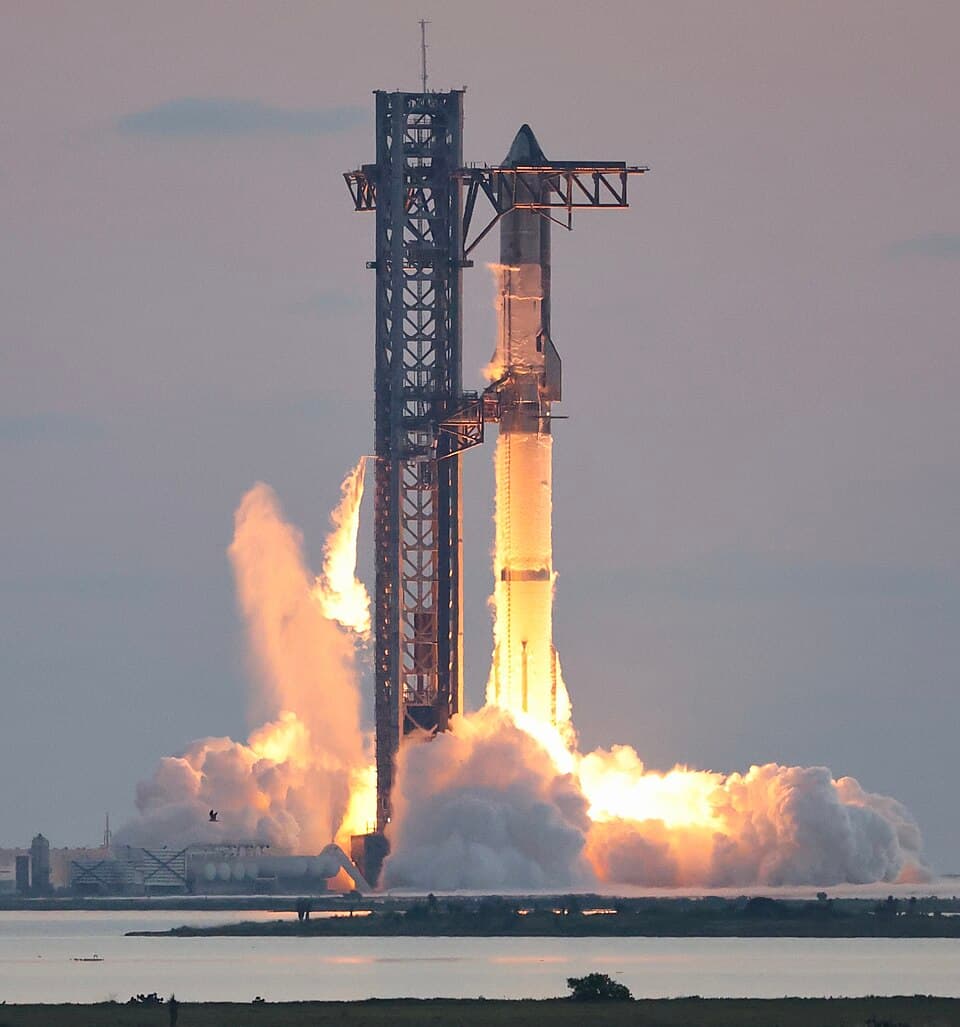
SpaceX
Fully reusable super-heavy-lift launch system designed for missions to the Moon, Mars, and beyond. V3 (Block 3) variant with Raptor 3 engines is the production version.