Sierra Space
Data verified as of Sep 23, 2026
Summary
Sierra Space is a Louisville, Colorado aerospace company spun out of Sierra Nevada Corporation in April 2021 to commercialize the Dream Chaser spaceplane, inflatable LIFE habitats, and a growing national-security satellite business. Dream Chaser, a lifting-body runway lander derived from NASA's HL-20, was selected in 2016 for NASA Commercial Resupply Services-2 with a minimum of seven ISS cargo missions. After years of delays, NASA and Sierra Space modified that contract in September 2025: the first flight of Tenacity is now a late-2026 free-flyer demonstration on ULA Vulcan rather than an ISS docking, and NASA is no longer obligated to buy a set number of resupply flights. On September 2, 2026 Sierra said it had signed undisclosed national-security and commercial payloads onto that inaugural mission, which would launch from Kennedy and land at Vandenberg. In parallel the company co-leads Orbital Reef with Blue Origin, contributing the inflatable LIFE habitat (about 285 m3, roughly one-third of ISS volume in a single launch) that has completed full-scale burst tests at NASA Marshall. The commercial-station effort is the slowest of the four US CLD bids. The growth story in 2025-2026 is defense: a dedicated Sierra Space Defense unit (June 2025), a $740 million SDA Tranche 2 Tracking Layer award for 18 Horizon buses, and a July 13, 2026 $798 million SDA Accelerated Missile Defense Tranche 3 award for 18 more missile-warning/tracking satellites supporting Golden Dome, with launch readiness by end of 2028. Dan Jablonsky, formerly of Maxar and Ursa Major, became CEO in February 2026. A $550 million Series C led by LuminArx in March 2026 valued the company at $8 billion post-money and took capital raised since 2021 above $2 billion. Third-party headcount estimates sit around 1,300 as of August 2026, after 2023-2024 layoffs, versus Wikipedia's older ~2,000 figure.
Main Products
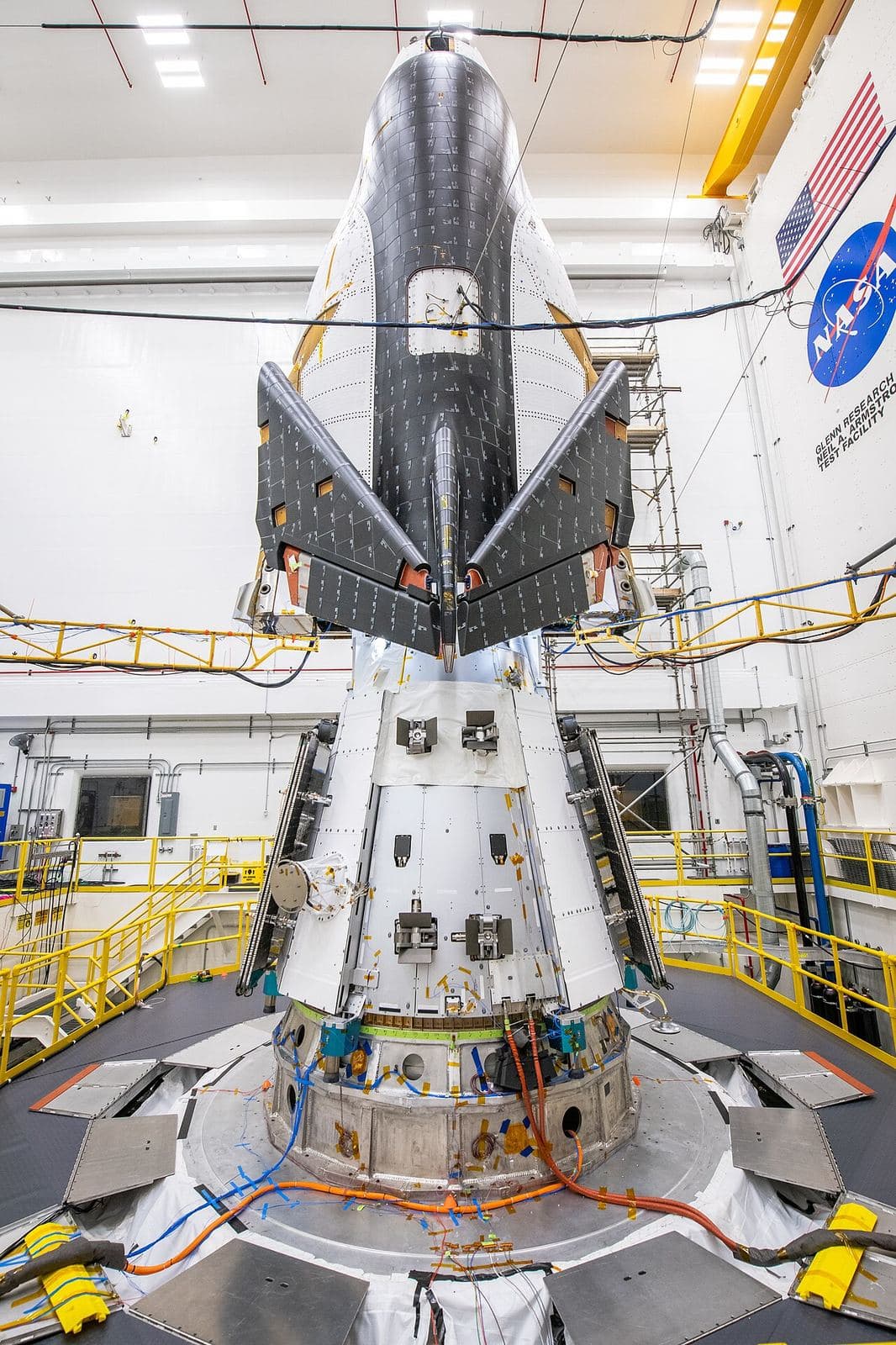
A reusable lifting-body spaceplane that launches vertically (Vulcan Centaur, folding wings inside a 5 m fairing) and lands on a conventional runway at less than 1.5 g. The cargo configuration can carry 5,000 kg pressurized and 500 kg unpressurized, with an expendable Shooting Star module adding cargo, power, and disposal. First vehicle Tenacity is planned for a late-2026 free-flyer from Kennedy to Vandenberg rather than an ISS docking. A crewed version remains a later product.
Tenacity in final pre-flight closeouts. Inaugural free-flyer targeted late 2026, pending Vulcan availability. ISS cargo missions are optional after a successful demo.
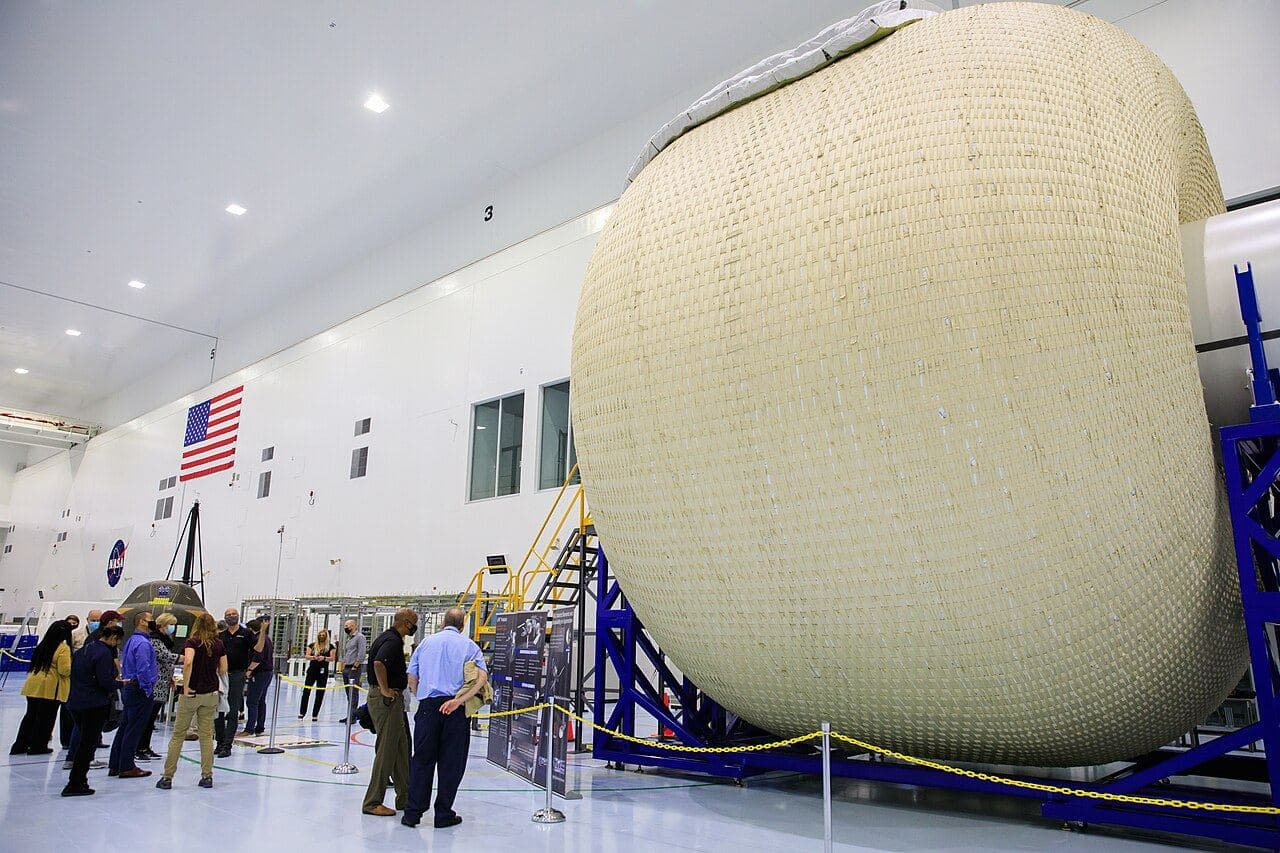
Large Integrated Flexible Environment, an inflatable softgoods habitat that launches packed in a 5 m fairing and inflates on orbit to a three-story, ~285 m3 pressurized volume - about one-third of the ISS in a single launch. Built from high-strength webbings and fabric with an air barrier, restraint layer, and MMOD/MLI blanket. Full-scale ultimate burst-pressure tests at NASA Marshall in 2023-2024 are the main structural qualification evidence. LIFE is Sierra's habitation contribution to Orbital Reef and is also offered as a standalone module family (including smaller LIFE 10 configurations).
Full-scale burst tests complete. A standalone late-2026 pathfinder launch could not be re-confirmed as of September 2026.
Commercial mixed-use station in LEO co-led with Blue Origin, with Boeing, Redwire, and others as partners. Sierra provides LIFE habitats, node modules, and Dream Chaser transport; Blue Origin provides core infrastructure, power/thermal mast, and New Glenn launch. It is the slowest of the four major US commercial-station architectures and is Blue Origin/Sierra's bid for NASA's Commercial LEO Destinations Phase 2 award.
System Definition Review with NASA complete. CLDC Phase 2 final RFP expected end of September 2026, proposals due 60 days later, award targeted spring 2027. Late-2026 LIFE pathfinder not re-confirmed.
A three-class satellite bus line - Horizon (proliferated LEO, missile warning/tracking), Velocity (high-delta-V, RPOD, refuellable), and Titan - used as the production chassis for Sierra's SDA Tracking Layer work. Horizon is the bus for both the 18 Tranche 2 vehicles (structures complete) and the 18 AMDT3 Golden Dome satellites.
Tranche 2: 18 structures delivered. AMDT3: 18 more Horizon vehicles under a $798 million SDA award, launch readiness by end of 2028.
A deployable-decelerator reentry vehicle for returning cargo from orbit, or from high altitude, to a precise landing site. Sierra pitches it as a pre-staged orbital supply node with a five-year on-orbit life and a 90-minute delivery to anywhere on Earth. Unveiled in April 2024. In May 2026 two Ghost vehicles were dropped from 35,000 ft and 68,500 ft at Dugway during U.S. Space Command's Apollo Nexus exercise, recovering a software-defined radio and liquid cargo. AFRL's REGAL study, awarded October 2024, is meant to scale the 150 kg payload class toward 5-10 tonnes.
Atmospheric drop tests at Apollo Nexus in May 2026; not yet flown from orbit. REGAL scale-up study underway.
What's Next
Dream Chaser Tenacity inaugural free-flyer
Launch Tenacity on a Vulcan Centaur from Kennedy for a multi-day free-flyer, then land at Vandenberg. Sierra still targets late 2026 and on September 2 said national-security and commercial payloads are signed, with the manifest still being finalized. The flight depends on Vulcan's return to flight after the February 2026 USSF-87 anomaly and sits behind NSSL missions on ULA's manifest. No launch date is posted.
NASA CLD Phase 2 award (Orbital Reef bid)
Orbital Reef is Sierra/Blue Origin's bid for NASA's Commercial LEO Destinations Phase 2 ISS-successor contract. NASA posted a CLDC presolicitation on September 4, 2026 saying the final RFP is expected at the end of September, with proposals due 60 days later and selection still targeted for spring 2027.
Track Record
0 of 3 announced dates hit · 2 slipped · 1 missed
Dream Chaser Tenacity ISS demonstration
Target Late 2025 · Resolved Sep 25, 2025
NASA and Sierra Space modified CRS-2 so the first flight is a late-2026 free-flyer rather than an ISS docking, and NASA dropped the guaranteed seven-mission cargo buy. The ISS demonstration is no longer on the near-term path.
NASA CRS-2 minimum of seven ISS resupply missions
Target 2016-2030 · Resolved Sep 25, 2025
The 2016 CRS-2 award required a minimum of seven ISS cargo missions. The September 2025 contract modification removed that obligation. NASA may still order flights after a successful free-flyer, but the seven-mission guarantee is gone.
Operations & Revenue
As of September 2026 Tenacity has completed environmental, EMI/EMC, acoustic, tow/runway, and recovery-rehearsal work and is being prepared for a late-2026 free-flyer on Vulcan, with mixed NASA, national-security, and commercial payloads. No firm launch date is posted, and the flight sits behind Vulcan's return to flight after the February 2026 USSF-87 booster anomaly. Eclipse Horizon satellites for SDA Tranche 2 have completed all 18 structures; AMDT3 adds 18 more for Golden Dome with launch readiness by end of 2028. Orbital Reef remains in design development for NASA CLD Phase 2, with a late-2026 LIFE pathfinder launch unconfirmed.
Revenue Streams
Prime contractor on SDA Tracking Layer: up to $740 million for 18 Tranche 2 Horizon buses and $798 million for 18 AMDT3 missile-warning/tracking satellites supporting Golden Dome. Sierra also cites a $450 million award to build more than four satellites for an undisclosed national-security customer.
Reusable runway-landing spaceplane for cargo (and later crew). NASA CRS-2 no longer guarantees a set number of ISS flights; the first mission is a late-2026 free-flyer that Sierra says will also carry national-security and commercial payloads.
LIFE habitats and Orbital Reef
Inflatable habitat modules for commercial stations, including Orbital Reef with Blue Origin. NASA CLD Phase 2 award (final RFP expected end of September 2026, selection targeted spring 2027) is the government demand that would underwrite a station.
Spaceflight hardware and subsystems
Heritage mechanisms, solar arrays, berthing hardware, propulsion (VORTEX), and environmental systems sold across civil and defense missions. Company materials cite 4,000+ space systems delivered and 500+ missions of flight heritage from the SNC-era business.
Point-to-point space logistics (Ghost)
Ghost is a deployable-decelerator reentry vehicle meant to sit pre-staged on orbit for up to five years and deliver cargo anywhere on Earth in 90 minutes. AFRL's REGAL contract funds a study to scale the 150 kg class toward 5-10 tonnes. Not yet an orbital revenue line.
Key Metrics
- Employees
- ~1,300 (as of August 2026, third-party)
Timeline
On March 5, 2026 Sierra Space closes a $550 million Series C led by LuminArx Capital Management, with General Atlantic, Coatue, Moore Strategic Ventures, and Andalusian Private Capital participating. The round values the company at $8 billion post-money and takes capital raised since 2021 above $2 billion, earmarked for national-security production capacity.
On July 13, 2026 the Space Development Agency awards Sierra Space a firm-fixed-price OTA worth up to $798 million for 18 Horizon-based missile-warning/tracking satellites in Accelerated Missile Defense Tranche 3, supporting Golden Dome, with vehicles to be ready for launch by the end of 2028. Sierra says all 18 Tranche 2 structures are already built.
On September 2, 2026 Sierra Space says it has signed contracts with undisclosed national-security and commercial customers to fly payloads on Dream Chaser Tenacity's first flight, still targeted as a multi-day free-flyer from Kennedy to a Vandenberg runway landing, with NASA cargo remaining on the manifest under the modified CRS program. No firm launch date is posted; the flight still depends on Vulcan's return to flight.
In May 2026 Sierra Space dropped two Ghost reentry vehicles from 35,000 ft and 68,500 ft at Dugway Proving Ground during U.S. Space Command's Apollo Nexus exercise, recovering a software-defined radio and a bottle of liquid cargo. Aviation Week reported the tests on September 10, 2026 as Ghost's first drops in nearly two years.
On June 11, 2025 Sierra Space launches a dedicated defense business and a 60,000 sq ft Victory Works factory in Centennial, Colorado for Eclipse satellite production, saying it has secured $1.5 billion in national-security contracts since 2023 including 30 satellites.
In September 2025 NASA and Sierra Space modify the CRS-2 contract. Tenacity's first flight becomes a late-2026 free-flyer demonstration instead of an ISS docking, and NASA is no longer obligated to order a minimum number of resupply missions, though it may still buy flights after a successful demo.
Sierra Space completes full-scale ultimate burst-pressure tests of the LIFE inflatable habitat at NASA Marshall, including a January 2024 test that the company said exceeded safety margins by 27%, and a further NASA-supported test reported in July 2024.
In January 2024 the Space Development Agency awards Sierra Space a contract with a maximum potential value of $740 million to build 18 missile-warning and tracking satellites on the Eclipse Horizon bus for Tranche 2 of the Proliferated Warfighter Space Architecture.
In September 2023 Sierra Space raises $290 million co-led by MUFG, Kanematsu, and Tokio Marine, taking combined Series A and B capital to $1.7 billion and valuation to $5.3 billion. CEO Tom Vice cites about $260 million of 2022 revenue and a $3.4 billion backlog.
NASA awards Blue Origin a funded Space Act Agreement (later cited at $130 million, up to $172 million) to mature Orbital Reef, the mixed-use commercial station Blue Origin co-leads with Sierra Space. Sierra contributes LIFE habitats, nodes, and Dream Chaser transport.
Funding
Cumulative disclosed raise · dated rounds