Active
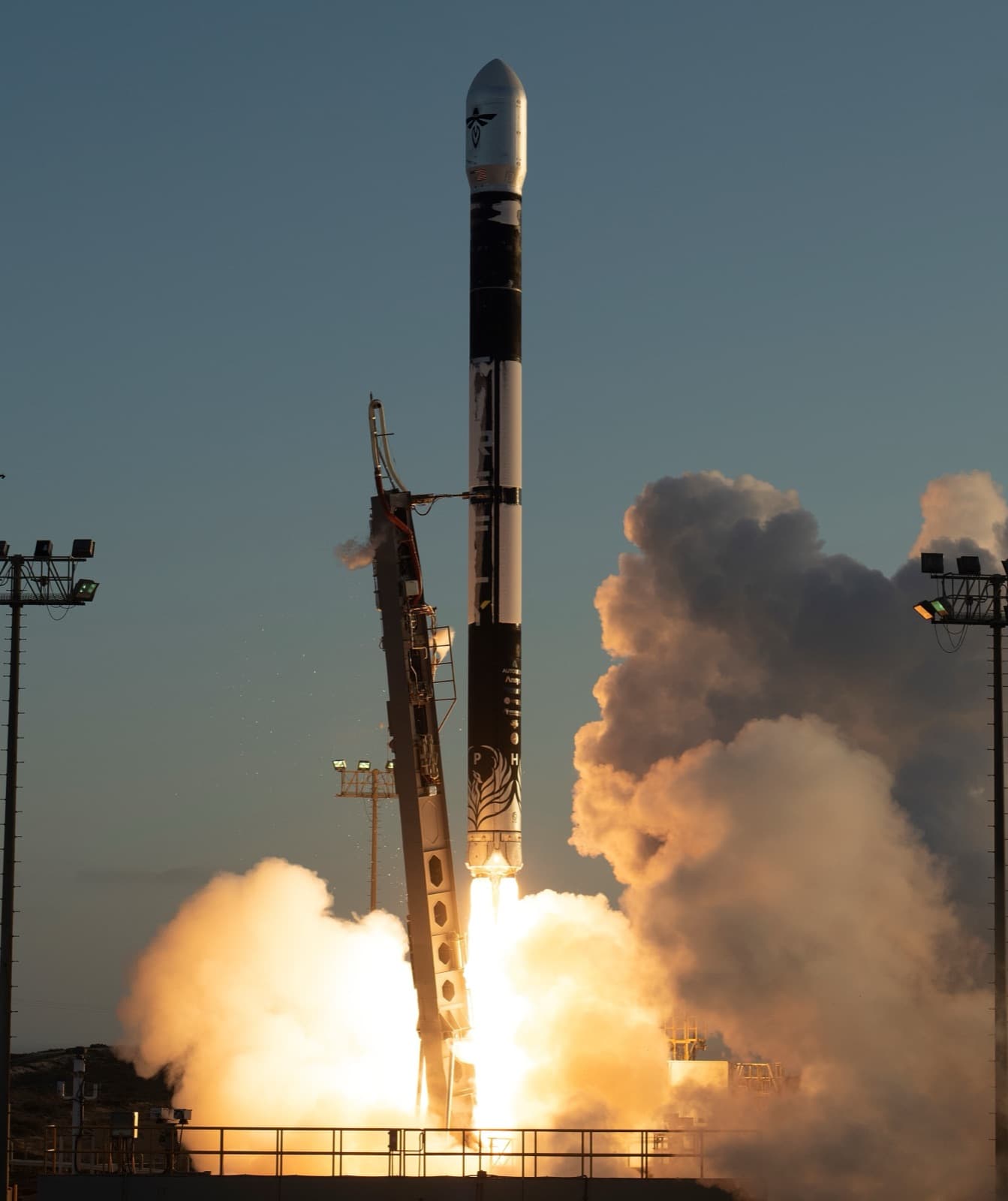
Alpha
Small-lift two-stage orbital launch vehicle for dedicated commercial, civil, and national-security missions.
 Firefly Aerospace
In Development
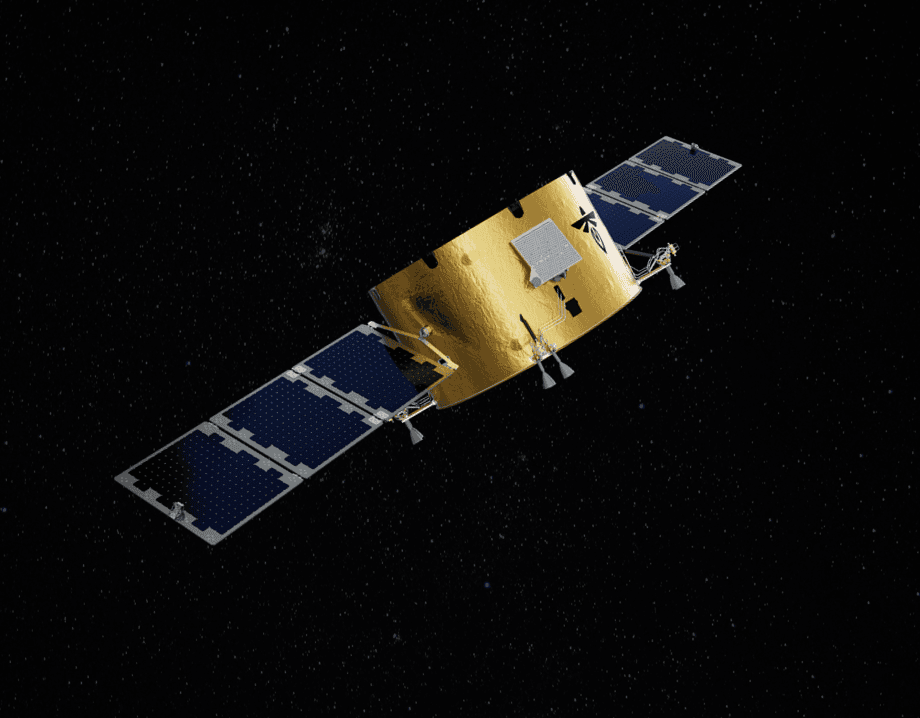
Family of orbital transfer and on-orbit service vehicles (Dawn, Dusk, Dark) providing in-space maneuvering, payload delivery and hosting, communications relay, and space domain awareness from LEO through cislunar space. Elytra Dark also carries Firefly's Ocula lunar imaging service.
Latest update Sep 9, 2026
01
First flight vehicle is Elytra Dark on Blue Ghost Mission 2, which delivers the lander and ESA's Lunar Pathfinder to lunar orbit before staying on station for communications and Ocula imaging. That mission is now targeted no earlier than 2027. A separate Elytra mission for the Defense Innovation Unit's Sinequone Project is also set to launch no earlier than 2027.
02
03
Announced next steps from Firefly Aerospace that mention Elytra.
2026-2027
With the new ISO Class 8 cleanroom complete as of September 22, 2026, Firefly said the two Cedar Park cleanrooms can support up to 12 Blue Ghost landers and Elytra orbital vehicles at once. Watch whether that capacity shows up as a faster Blue Ghost Mission 2 integration cadence and more simultaneous CLPS and DIU spacecraft in work.
By end of 2026
Finish the preliminary design review for an Elytra-based satellite deorbit mission under the Defense Innovation Unit and Space Development Agency's Deorbit-as-a-Service program, part of an $8.4M award shared with D-Orbit and Katalyst Space Technologies. Completing the PDR makes Firefly eligible to compete for the follow-on phase covering launch and on-orbit deorbit operations. As of September 17, 2026 Firefly had posted no PDR-complete update since the August 13 award; the target remains by end of 2026.
NET 2027
Execute the far-side lunar mission with Blue Ghost and Elytra Dark - delivering ESA's Lunar Pathfinder satellite to lunar orbit before Blue Ghost touches down on the far side for at least 10 days of surface operations - then keep Elytra in lunar orbit for communications, calibration, and Firefly's Ocula imaging service. Firefly's mission page now dates the launch no earlier than 2027, after the prior NET December 2026 window slipped. Kim said on the Aug 11, 2026 Q2 call that the lander's main structural and fluid components are assembled and avionics and payloads are still being integrated, pending delivery to Florida and a confirmed Falcon 9 window.
04
Firefly Aerospace said on September 30, 2026 it signed a commercial payload agreement to fly Starcloud's SC-1L AI compute payload on an Elytra orbital vehicle. Starcloud is being added to Firefly's third lunar mission, targeted no earlier than 2028, where Elytra will first relay for a Blue Ghost CLPS landing at the Gruithuisen Domes and then remain in lunar orbit for five years. Firefly did not disclose the contract value.
Firefly Aerospace said September 22 it completed a new ISO Class 8 cleanroom at its 144,000-square-foot Cedar Park, Texas campus, four times the size of the existing room, after a ribbon-cutting with the Texas Space Commission and NASA Moon Base and CLPS officials. Combined, the two cleanrooms can assemble, integrate and test up to 12 Blue Ghost landers and Elytra orbital vehicles at once. Firefly said the expansion, backed by a Texas Space Commission grant, is meant to raise spacecraft throughput as lunar and in-space demand grows.
The Defense Innovation Unit and Space Development Agency awarded Firefly Aerospace a contract on August 13 to complete a preliminary design review for a satellite deorbit mission using its Elytra spacecraft, part of an $8.4 million combined Deorbit-as-a-Service award split with D-Orbit and Katalyst Space Technologies. Completing the design review, due by year-end, makes Firefly eligible to compete for the follow-on phase covering launch and on-orbit deorbit operations; Elytra draws on avionics, structures and propulsion already flight-proven on Firefly's Alpha rocket and Blue Ghost lunar lander.
The U.S. Space Force named Firefly Aerospace one of 15 companies eligible for task orders under NITE-STAR, a new indefinite-delivery/indefinite-quantity contract vehicle worth up to $981 million across two five-year periods through July 2032. The program funds modernized space test and training infrastructure, including adversary-mimicking satellites and ground systems that reproduce cyberattacks and electronic warfare, adding to Firefly's growing national-security business alongside its Alpha launch, Blue Ghost lunar, and Elytra orbital-transfer lines.
Firefly Aerospace announced on June 25 the acquisition of Space-ng, a developer of AI-powered vision navigation and autonomous guidance software and camera hardware. Space-ng's vision navigation flew on Firefly's Blue Ghost Mission 1, where it helped detect hazardous lunar terrain and autonomously redirect the lander to a safe touchdown in Mare Crisium; the technology will support Firefly's Blue Ghost landers and Elytra orbital vehicles. Space-ng co-founder and CEO Ethan Rublee joins Firefly as chief engineer of software; financial terms were not disclosed.
Firefly Aerospace announced on May 26 that NASA's Jet Propulsion Laboratory has awarded it a $75M subcontract to deliver four drones to the Moon's south pole on the MoonFall mission, targeted to launch no earlier than 2028. Firefly's Elytra transfer vehicle will carry the drones over a 45-day transit, enter lunar orbit, then deploy them about 50 km above the surface to survey terrain including permanently shadowed regions - an early operational piece of NASA's Moon Base initiative - as Firefly simultaneously launched a public stock offering the same day.
05
Small-lift two-stage orbital launch vehicle for dedicated commercial, civil, and national-security missions.
Reusable medium-lift launch vehicle co-developed with Northrop Grumman for commercial, civil, and national-security missions, launching from Virginia's Mid-Atlantic Regional Spaceport.
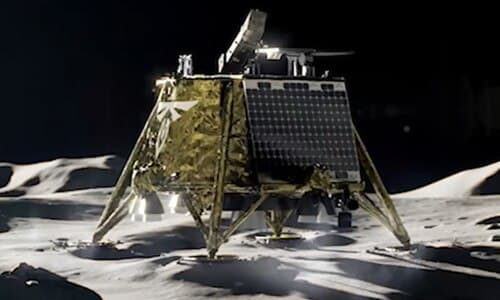
Lunar lander platform for NASA CLPS missions and commercial payload delivery anywhere on the lunar surface.
06
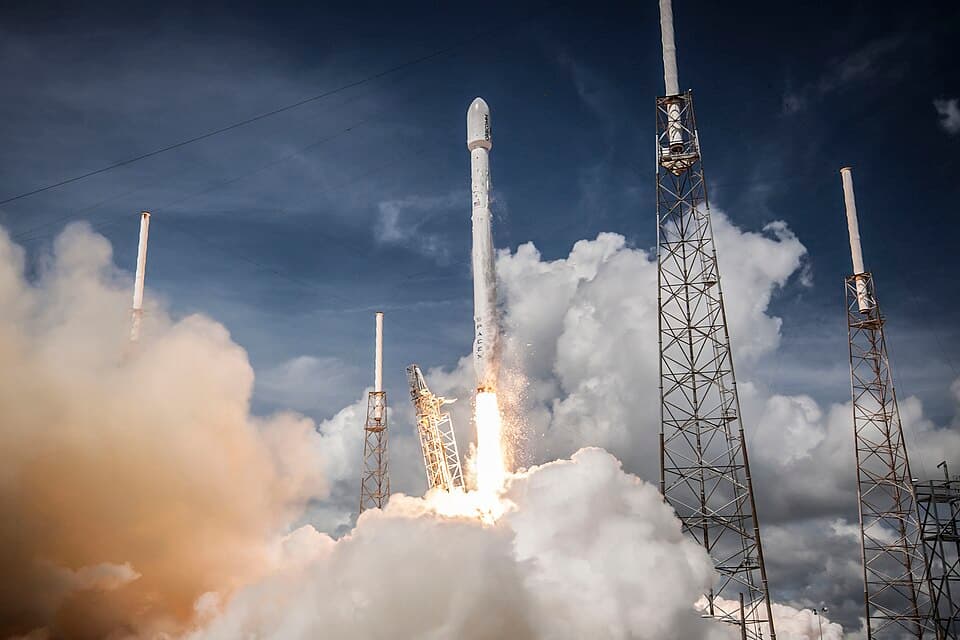
SpaceX
Partially reusable two-stage medium-lift launch vehicle. The world's most frequently launched orbital rocket.
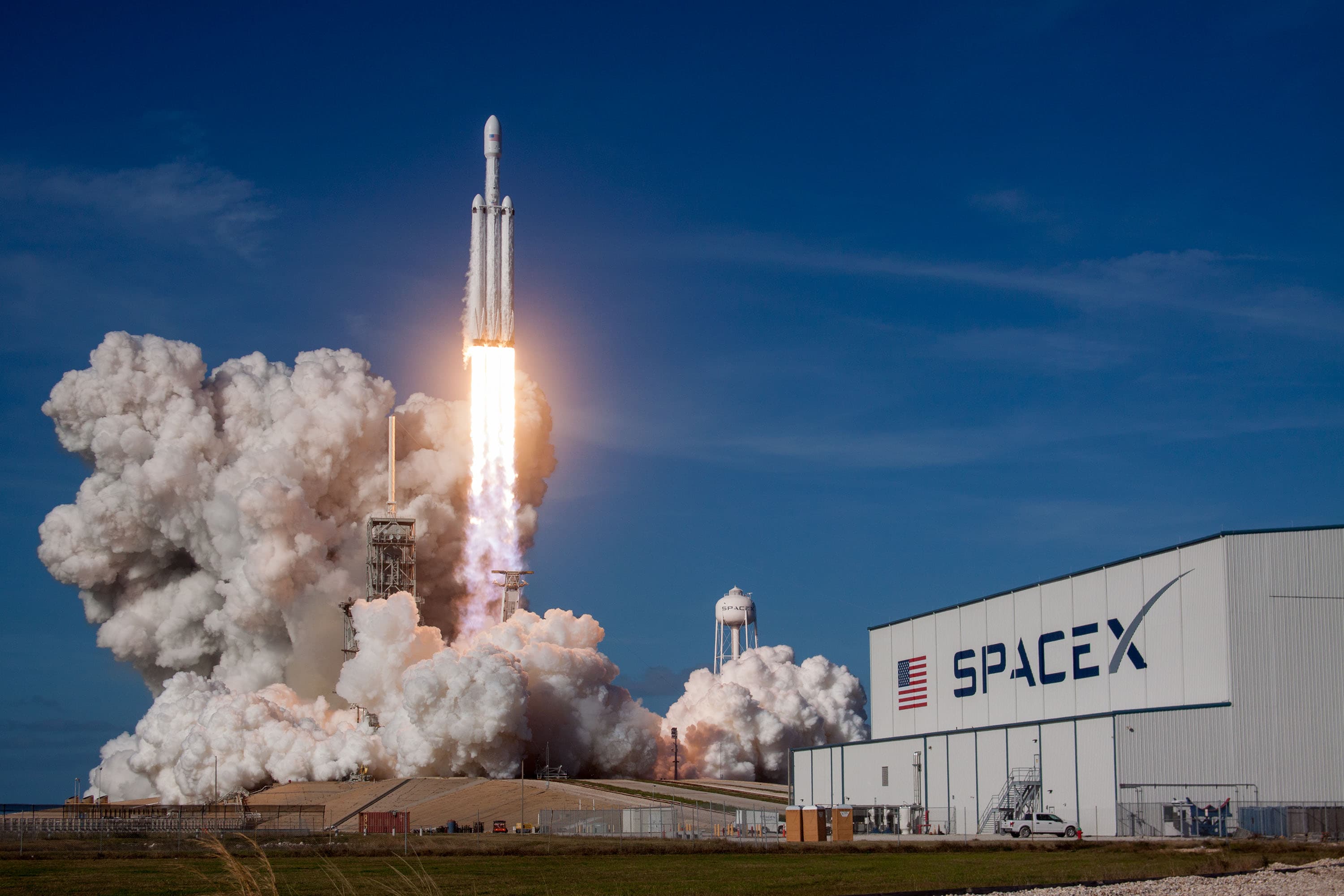
SpaceX
Heavy-lift launch vehicle consisting of a strengthened Falcon 9 core with two additional boosters.
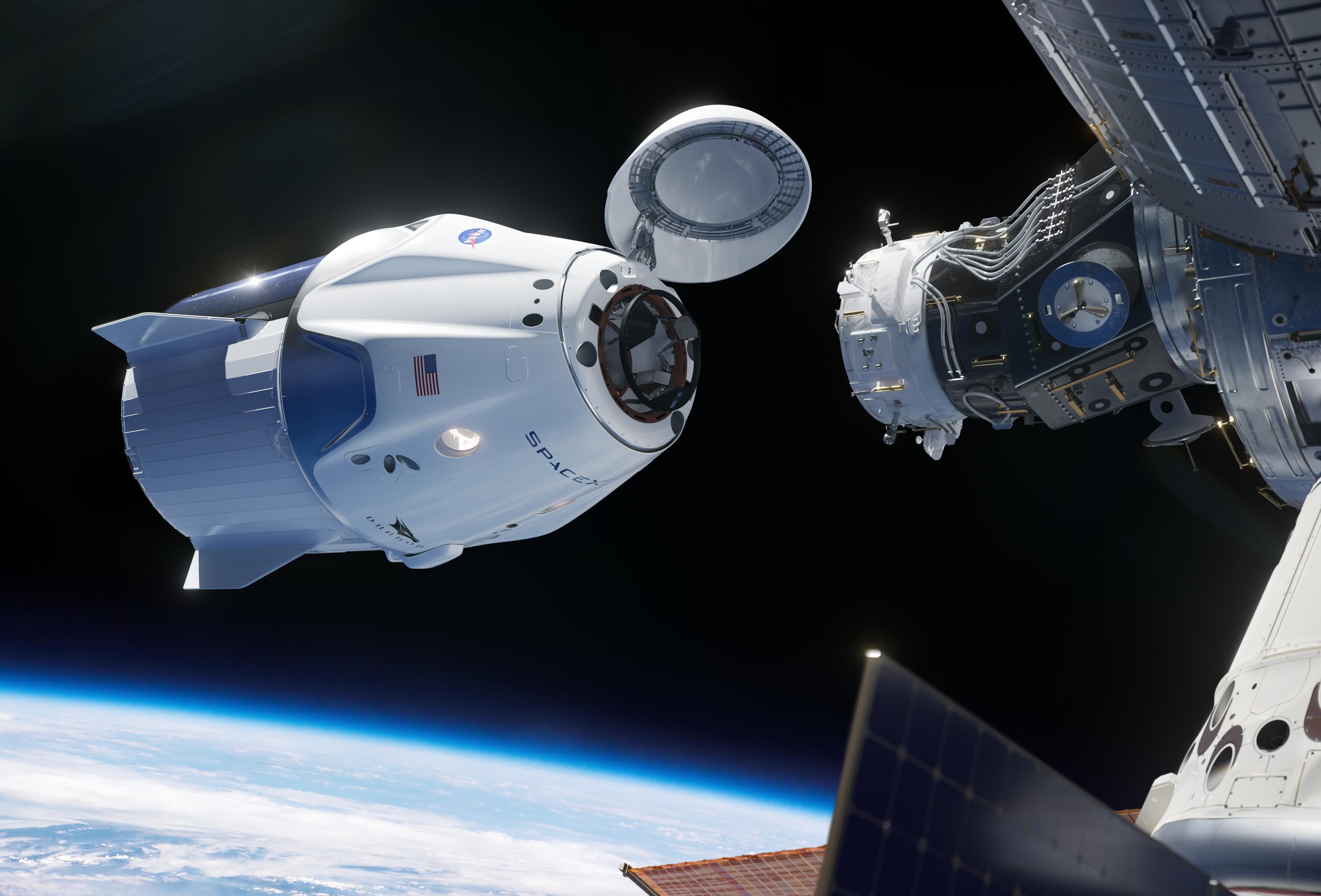
SpaceX
Reusable spacecraft for cargo and crew transport to the International Space Station.
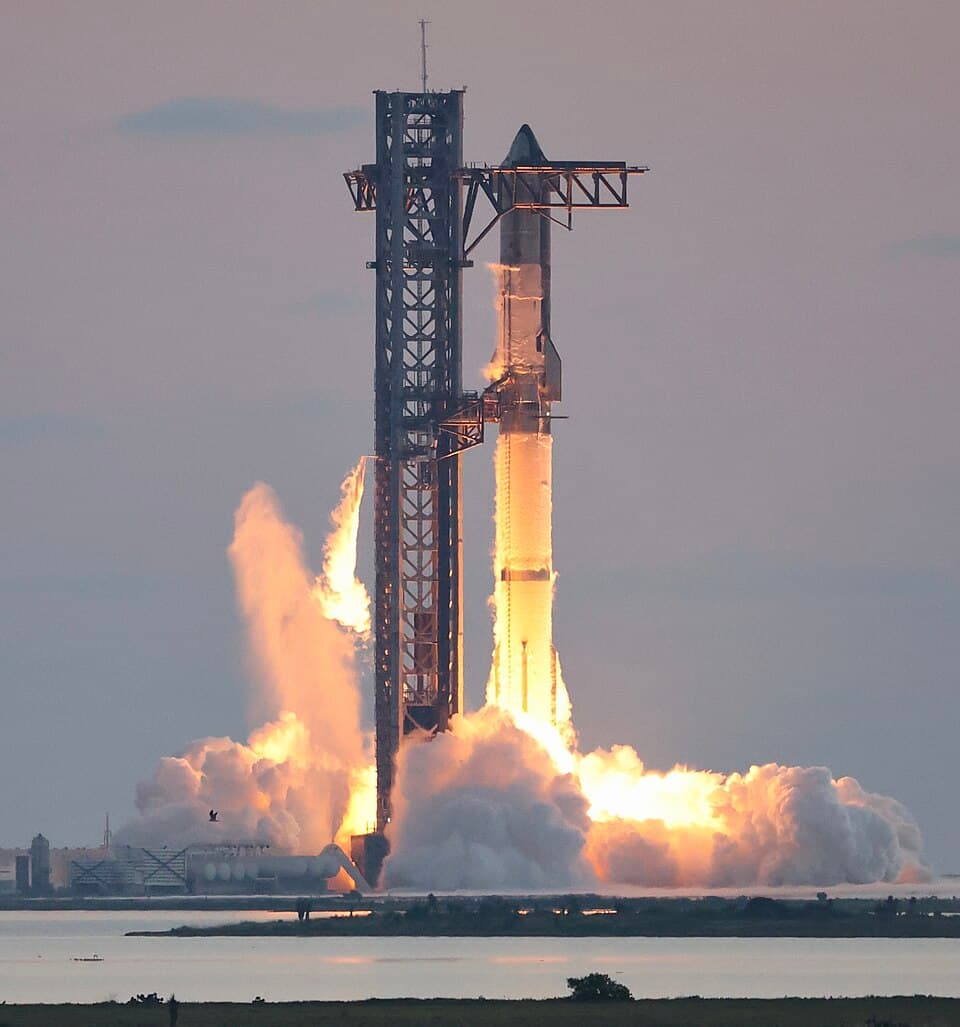
SpaceX
Fully reusable super-heavy-lift launch system designed for missions to the Moon, Mars, and beyond. V3 (Block 3) variant with Raptor 3 engines is the production version.