In Development
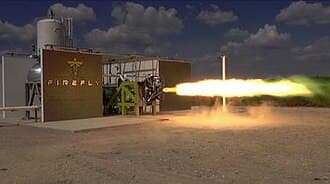
Eclipse
Reusable medium-lift launch vehicle co-developed with Northrop Grumman for commercial, civil, and national-security missions, launching from Virginia's Mid-Atlantic Regional Spaceport.
 Firefly Aerospace
Active
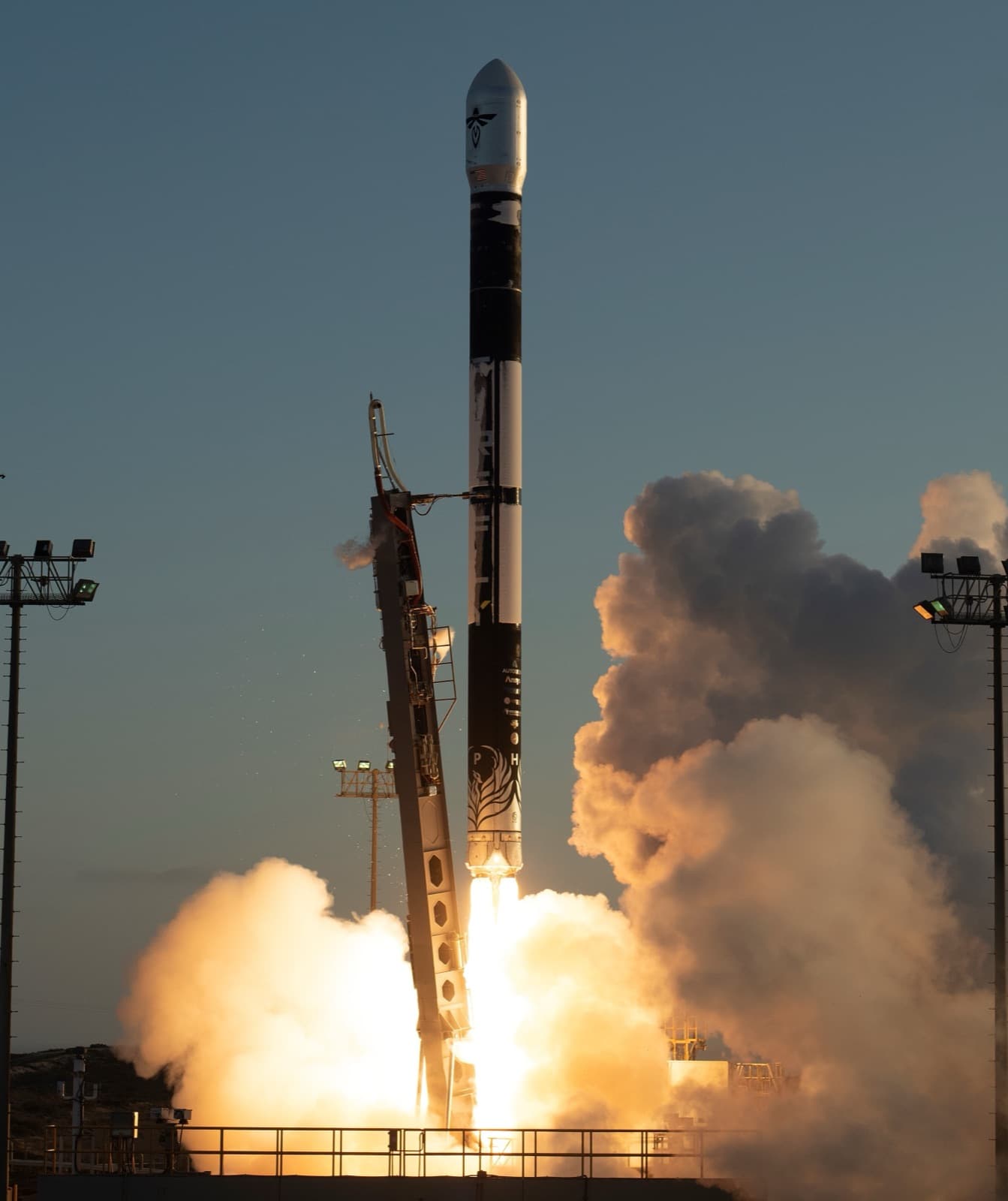
Small-lift two-stage orbital launch vehicle for dedicated commercial, civil, and national-security missions.
Latest update Sep 17, 2026
01
Operational since reaching orbit in 2022 and successfully returned to flight on March 11, 2026 with Alpha Flight 7. The first full Block II vehicle remains targeted for Flight 8 in Q4 2026; Firefly's product page now lists the Block II advertised length of 31.7 m (104 ft).
02
03
Announced next steps from Firefly Aerospace that mention Alpha.
Q4 2026
Fly the first full Alpha Block II configuration - with a 7-foot fuselage extension, in-house consolidated avionics, upgraded thermal protection, and stronger carbon composite structures - after Flight 7 validated key avionics and thermal upgrades. On its August 11, 2026 Q2 earnings call, CEO Jason Kim said the next two Alpha launches, including the Block II debut, have slipped from the originally targeted late-summer window to Q4 2026, with Firefly now targeting a total of three Alpha missions by year-end and rockets for Flights 10 and 11 already moving through the production line. As of September 17, 2026 Firefly had posted no new launch-date update since that call and no Flight 8 launch; the Q4 2026 window still has more than two months remaining.
NET 2028
Firefly and SSC Space signed a September 9, 2026 contract for two Alpha launches from Esrange Space Center in Kiruna, Sweden, targeted no earlier than 2028. The missions would be Alpha's first flights from continental Europe, using the pad Firefly inaugurated at Esrange on June 30, 2026.
04
Firefly Aerospace signed a multi-launch contract with SSC Space on September 9, 2026 for two Alpha missions from Esrange Space Center in Kiruna, Sweden, targeted no earlier than 2028. The flights will carry Swedish national-security payloads and commercial rideshare customers, with SSC Space holding full payload capacity on both. Firefly said launch-control, payload-processing and vehicle-integration buildings are complete, with pad work at Launch Complex 3C still underway.
The Defense Innovation Unit and Space Development Agency awarded Firefly Aerospace a contract on August 13 to complete a preliminary design review for a satellite deorbit mission using its Elytra spacecraft, part of an $8.4 million combined Deorbit-as-a-Service award split with D-Orbit and Katalyst Space Technologies. Completing the design review, due by year-end, makes Firefly eligible to compete for the follow-on phase covering launch and on-orbit deorbit operations; Elytra draws on avionics, structures and propulsion already flight-proven on Firefly's Alpha rocket and Blue Ghost lunar lander.
Firefly Aerospace announced on August 11 a two-year extension of its multi-launch agreement with Lockheed Martin, covering up to 25 Alpha Block II launches through 2031, the same maximum launch count as the original 2024 deal now stretched over a longer window. The companies are also working with Seagate Space on sea-based launch concepts using Firefly's Alpha vehicle from an offshore platform.
Firefly Aerospace reported record Q2 2026 revenue of $117.7 million on August 11, up 659% year over year and its first quarter above $100 million, with backlog around $1.5 billion and a net loss of $92.3 million. On the same call CEO Jason Kim said the next two Alpha launches, including the debut of the upgraded Block 2 configuration, have slipped from a late-summer target to the fourth quarter of 2026; the company reaffirmed full-year revenue guidance of $420-450 million.
The U.S. Space Force named Firefly Aerospace one of 15 companies eligible for task orders under NITE-STAR, a new indefinite-delivery/indefinite-quantity contract vehicle worth up to $981 million across two five-year periods through July 2032. The program funds modernized space test and training infrastructure, including adversary-mimicking satellites and ground systems that reproduce cyberattacks and electronic warfare, adding to Firefly's growing national-security business alongside its Alpha launch, Blue Ghost lunar, and Elytra orbital-transfer lines.
Firefly Aerospace and Swedish Space Corporation announced on June 30 that they completed critical milestones toward orbital Alpha launches from Esrange Space Center, including finishing the launch control center, payload processing facility and vehicle integration building, with the launch pad now in final construction. The effort is underpinned by a U.S.-Sweden Technology Safeguards Agreement that makes Sweden only the sixth country with such a pact. First orbital launch from the site is targeted for 2028.
05
Reusable medium-lift launch vehicle co-developed with Northrop Grumman for commercial, civil, and national-security missions, launching from Virginia's Mid-Atlantic Regional Spaceport.
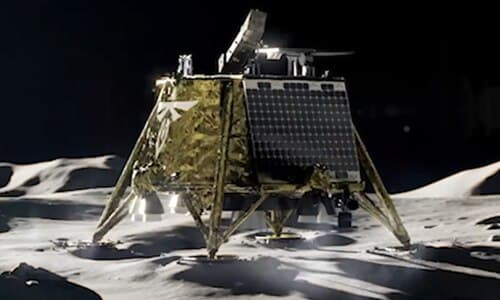
Lunar lander platform for NASA CLPS missions and commercial payload delivery anywhere on the lunar surface.
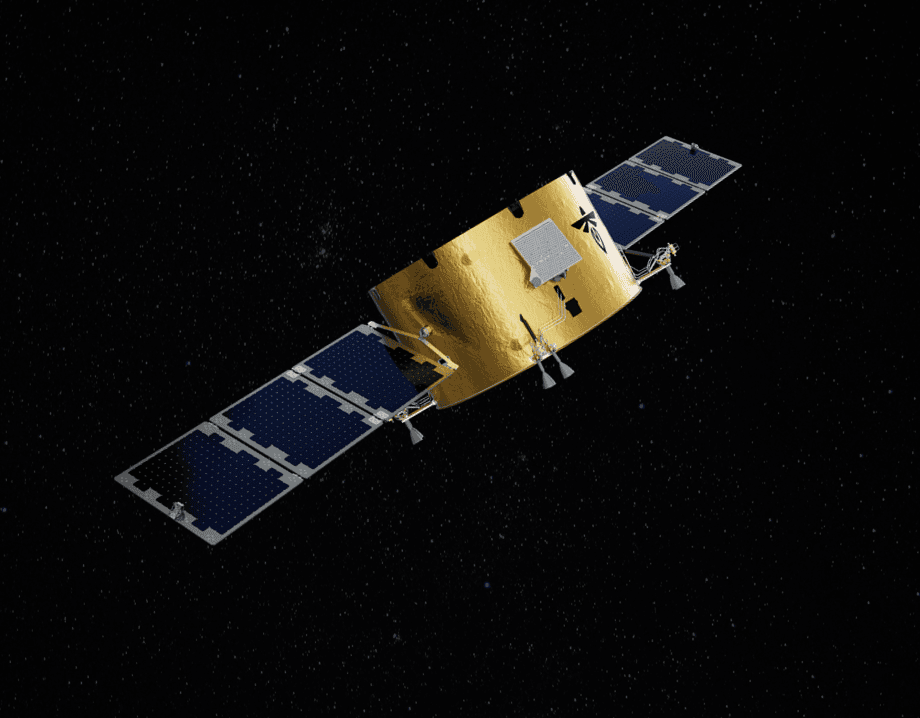
Family of orbital transfer and on-orbit service vehicles (Dawn, Dusk, Dark) providing in-space maneuvering, payload delivery and hosting, communications relay, and space domain awareness from LEO through cislunar space. Elytra Dark also carries Firefly's Ocula lunar imaging service.
06
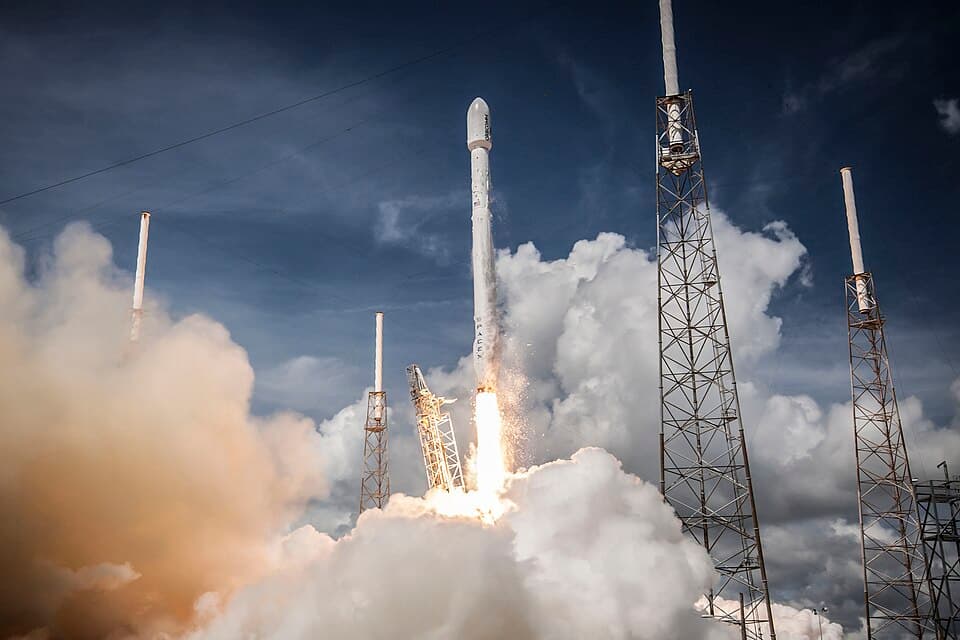
SpaceX
Partially reusable two-stage medium-lift launch vehicle. The world's most frequently launched orbital rocket.
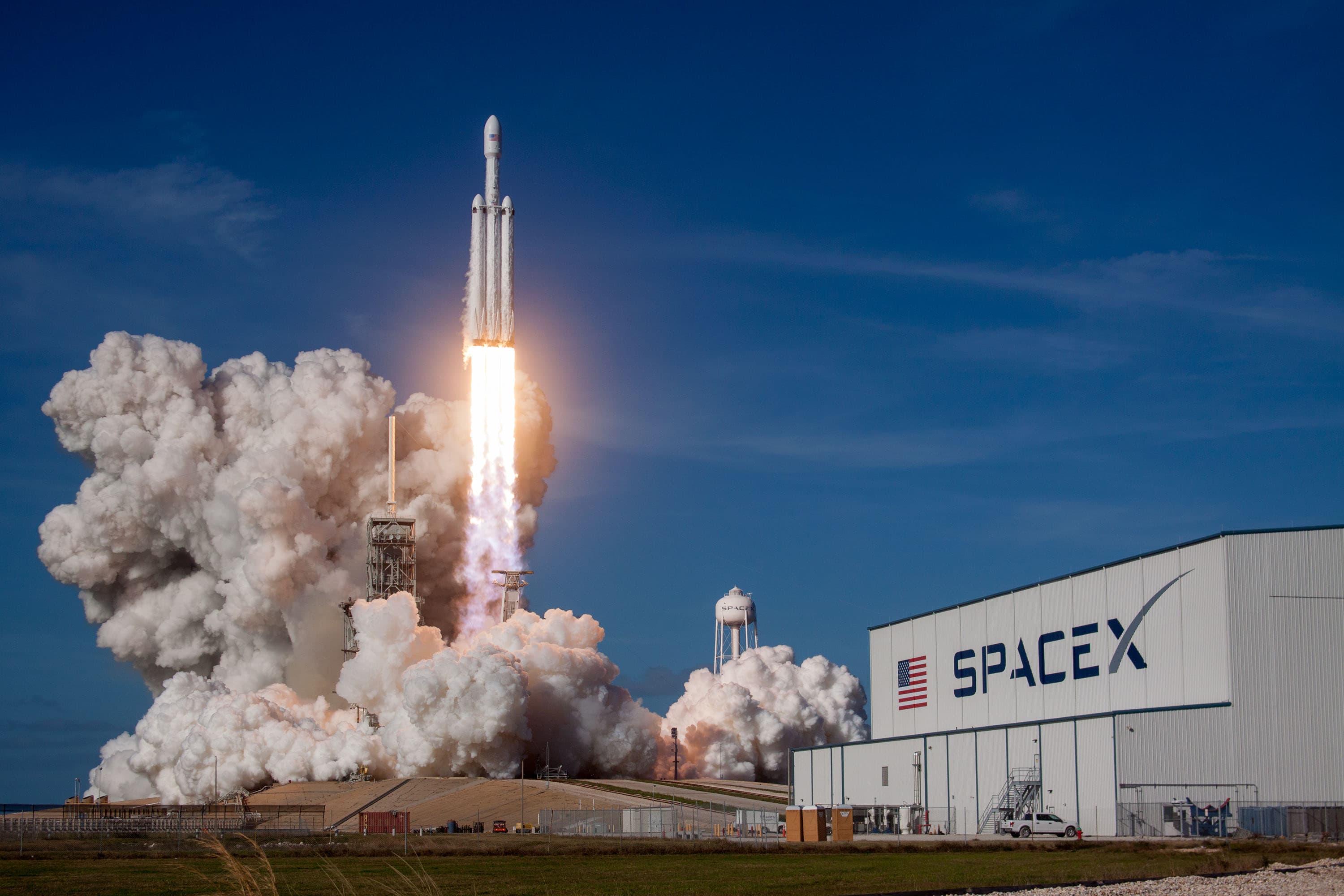
SpaceX
Heavy-lift launch vehicle consisting of a strengthened Falcon 9 core with two additional boosters.
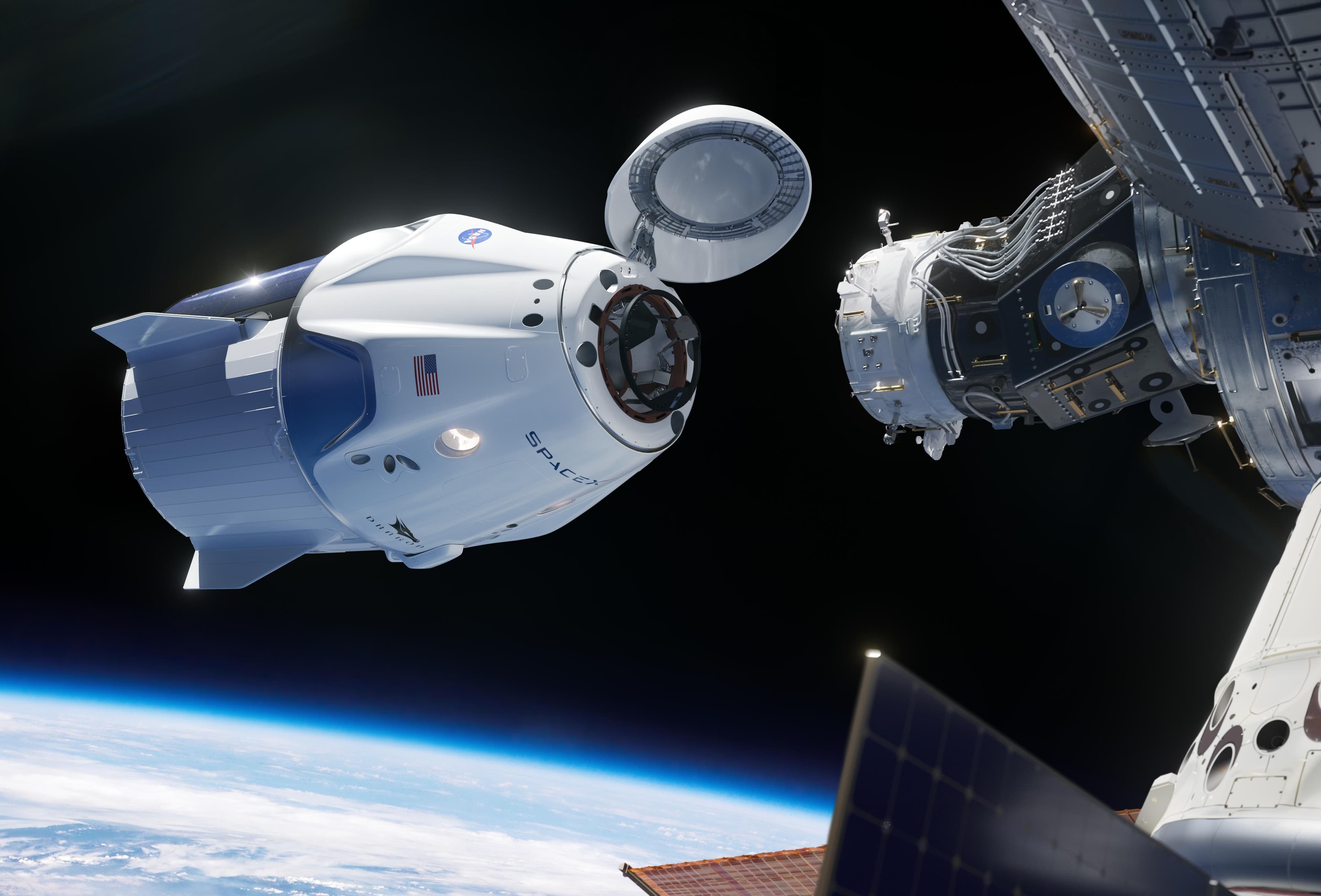
SpaceX
Reusable spacecraft for cargo and crew transport to the International Space Station.
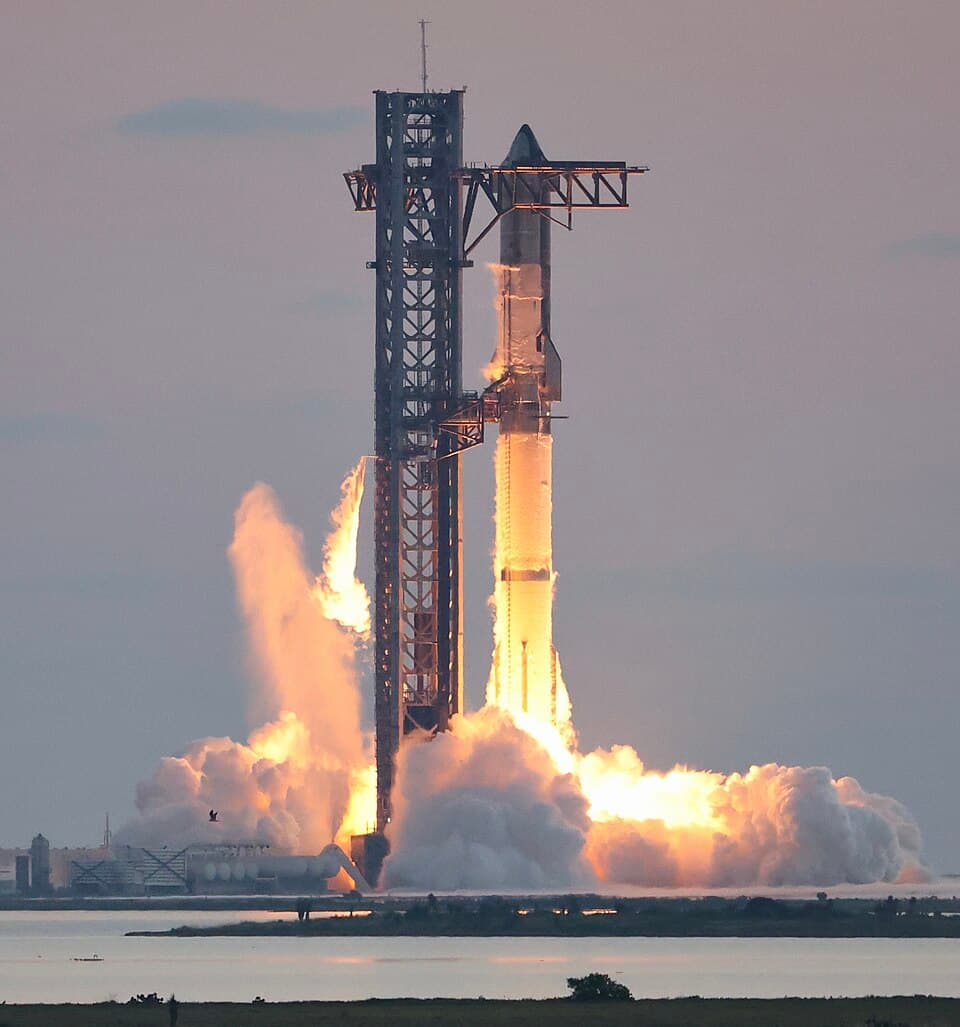
SpaceX
Fully reusable super-heavy-lift launch system designed for missions to the Moon, Mars, and beyond. V3 (Block 3) variant with Raptor 3 engines is the production version.