
Retired
Terran 1
Relativity's pathfinder vehicle, a two-stage small-lift rocket used to validate the company's propulsion, software, and additive-manufacturing approach before the program was retired.
 Relativity Space
In Development
A two-stage reusable medium-to-heavy-lift rocket designed for constellation deployment, large satellite missions, and higher-cadence commercial and government launch operations.
Latest update Oct 14, 2026

01
As of the 12 October 2026 September company update, all 13 Flight 1 Aeon R engines are installed on the thrust structure and gimbal testing is underway. Stage 2 rolled onto NASA Stennis A2 with the Aeon V installed, completed a test readiness review and a wet dress rehearsal, and has not yet hot-fired. The Terran R page still says first launch from LC-16 starts in late 2026. No Terran R FAA vehicle operator license has been identified; VOL 23-127 covers Terran 1.
02
03
Announced next steps from Relativity Space that mention Terran R.
2026
Finish outfitting the Horizontal Integration Facility, launch mount, and transporter-erector so Cape Canaveral operations are ready for first flight. The July 2026 company update said the HIF had been energized, a 270,000-pound assembly-room crane had completed its first proof-load test, and the transporter-erector upper strongback had arrived on site. As of September 11, 2026 Relativity has not posted a later pad-complete milestone.
Late 2026
TargetLate 2026 (company); observers now expect 2027
Complete integrated vehicle testing (including first-stage hot-fire at NASA Stennis) and launch Terran R from LC-16 at Cape Canaveral, proving the vehicle and beginning execution against a more than $3B launch backlog. Relativity's Terran R page still targets late 2026. As of September 11, 2026 no stage hot-fire or stacked-vehicle campaign has been publicly reported since the mid-August engine-install update, and September 10 reporting said industry observers now expect the debut in 2027. Relativity has not issued a public schedule revision. NASA's September 9 NLS II on-ramp makes Terran R eligible to bid on agency missions once it has a flight record.
2028
Under a June 2026 NASA Space Act Agreement, Relativity privately develops the spacecraft, supplies Terran R, and runs cruise operations for the Aeolus Mars atmospheric-science orbiter, targeting a 2028 launch. NASA Ames provides the four-instrument payload and will support instrument operations for at least one Martian year. The mission is not an NLS II task order; NASA's September 9, 2026 NLS II on-ramp is a separate bidding path for future agency launches. The spacecraft work is gated on Terran R flying, which Relativity still targets for late 2026 while industry observers now expect 2027.
Date not announced
TargetFAA vehicle operator license still pending after FONSI
Date not announced
TargetHot fire still unreported after the September wet dress; no date posted
04
The FAA signed a Finding of No Significant Impact and Record of Decision on September 17, 2026 for Relativity Space Terran R launch operations at SLC-16 at Cape Canaveral Space Force Station. The decision adopts the 2024 Space Force supplemental environmental assessment and supports issuing a vehicle operator license; it is not itself that license. The analysis covers a maximum of 24 launches a year, with first launch still described as 2026 in the FAA document.
NASA on September 9, 2026 added Relativity Space's still-unflown Terran R rocket to the NASA Launch Services II contract under the program's annual on-ramp, making the vehicle eligible to compete for future agency launch task orders. NLS II is a multiple-award indefinite-delivery contract with an ordering period through June 2030 and performance through December 2032, and NASA can also use it for other agencies such as NOAA. The award does not assign a specific mission. Aviation Week noted the listing does not guarantee business.
Relativity Space has begun installing the first Aeon R engines onto Terran R's first-stage thrust structure, which is built to hold 13 of the 3D-printed, LOX-methane engines for a combined liftoff thrust of about 3.5 million lbf. Every engine completed acceptance testing before installation; once the fully assembled thrust structure is mated to the rest of Stage 1 at Relativity's Long Beach facility, the integrated booster will ship to NASA's Stennis Space Center for hot-fire testing ahead of Terran R's targeted debut later this year.
Space Florida said on July 21 it signed an agreement to help finance a new Terran R production facility for Relativity Space near Cape Canaveral, making the company eligible for up to $134 million from the Florida Department of Transportation's Spaceport Improvement Program. Relativity is evaluating a site at Space Coast Regional Airport in Titusville for a manufacturing and research campus that could grow to $350 million and create thousands of jobs through 2034, alongside a commitment to expand test and launch infrastructure at Kennedy Space Center and Cape Canaveral Space Force Station. The expansion backs Relativity's reusable Terran R rocket, which is in the middle of a qualification testing campaign ahead of its debut launch.
The U.S. Space Force on July 7 onboarded Relativity Space's Relativity Federal subsidiary to the National Security Space Launch (NSSL) Phase 3, Lane 1 program, letting the company compete for task orders on lower-priority, less-demanding national-security missions. Relativity received an initial $5 million task order for risk and capability assessments, joining Impulse Space as the newest additions to the on-ramping launch pool. The award backs Relativity's partially reusable Terran R rocket - an 87-meter vehicle powered by 13 3D-printed Aeon R engines and rated for about 23,500 kg to low Earth orbit - which is targeting a first flight no earlier than late 2026.
Relativity Space said the second stage for the first flight-ready Terran R has completed integration and shipped to NASA's Stennis Space Center for testing, with the stage's Aeon V vacuum engine having finished its qualification campaign, according to a June 26 update. The first-stage qualification article is complete and the flight article is advancing through tank and thrust-structure integration, while the Horizontal Integration Facility where stages will be mated is now structurally complete. The Eric Schmidt-backed company is targeting Terran R's debut by the end of 2026 against a backlog of roughly $3 billion in launch contracts.
NASA Administrator Jared Isaacman announced a public-private partnership on June 17 under which Relativity Space will privately develop a Mars orbiter mission, with NASA supplying its Aeolus atmospheric-science instrument suite - four instruments, including a Doppler Wind and Temperature Sounder and a Thermal Limb Sounder, built and integrated at NASA's Ames Research Center - while Relativity provides the spacecraft, its Terran R rocket, and cruise operations to deliver them to Mars. The mission is targeted to launch in 2028, and Isaacman framed the arrangement as a model for future privately funded science missions. It hands the Eric Schmidt-backed launch startup a high-profile commercial-science role ahead of Terran R's debut.
05
06
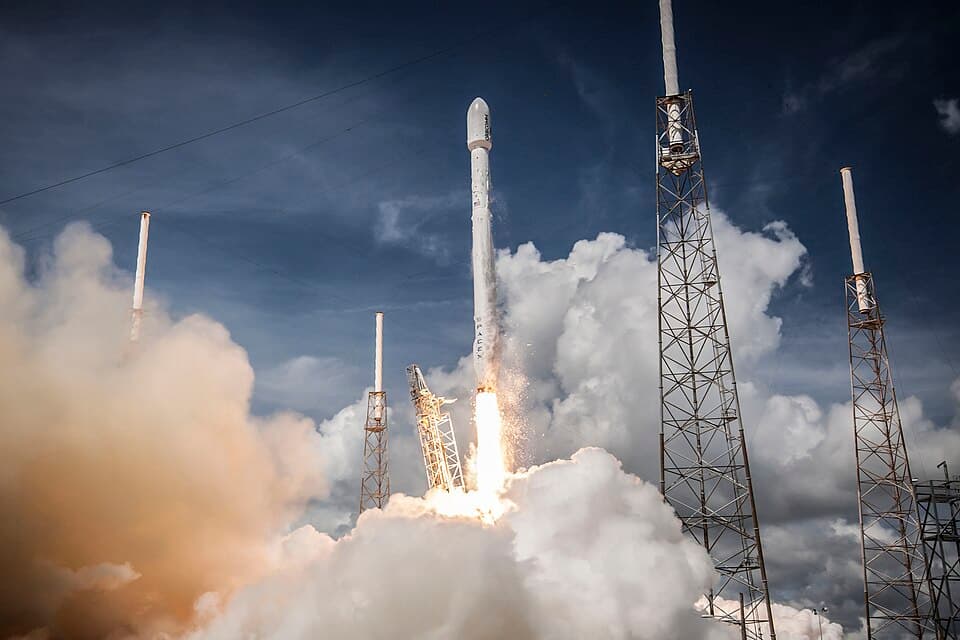
SpaceX
Partially reusable two-stage medium-lift launch vehicle. The world's most frequently launched orbital rocket.
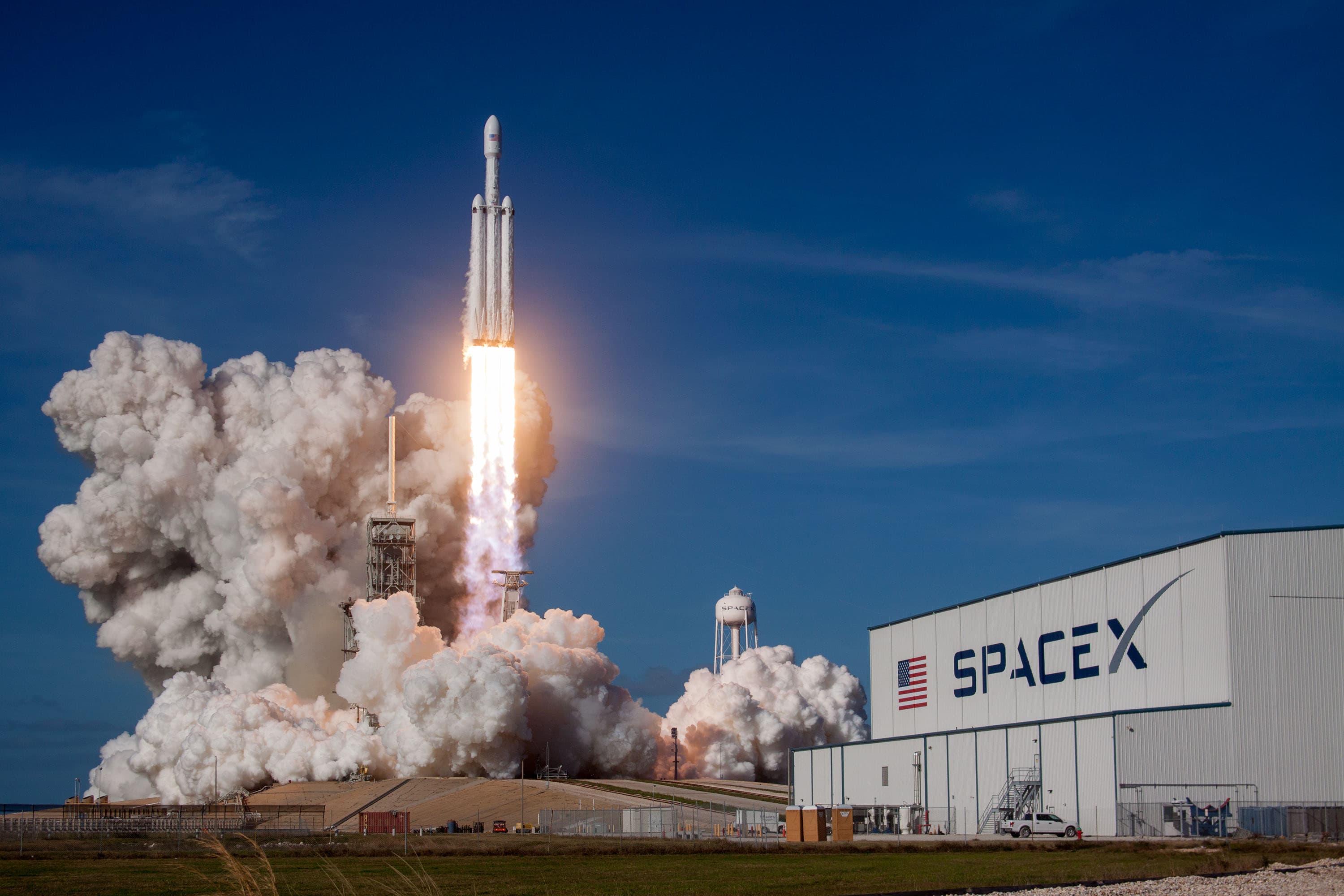
SpaceX
Heavy-lift launch vehicle consisting of a strengthened Falcon 9 core with two additional boosters.
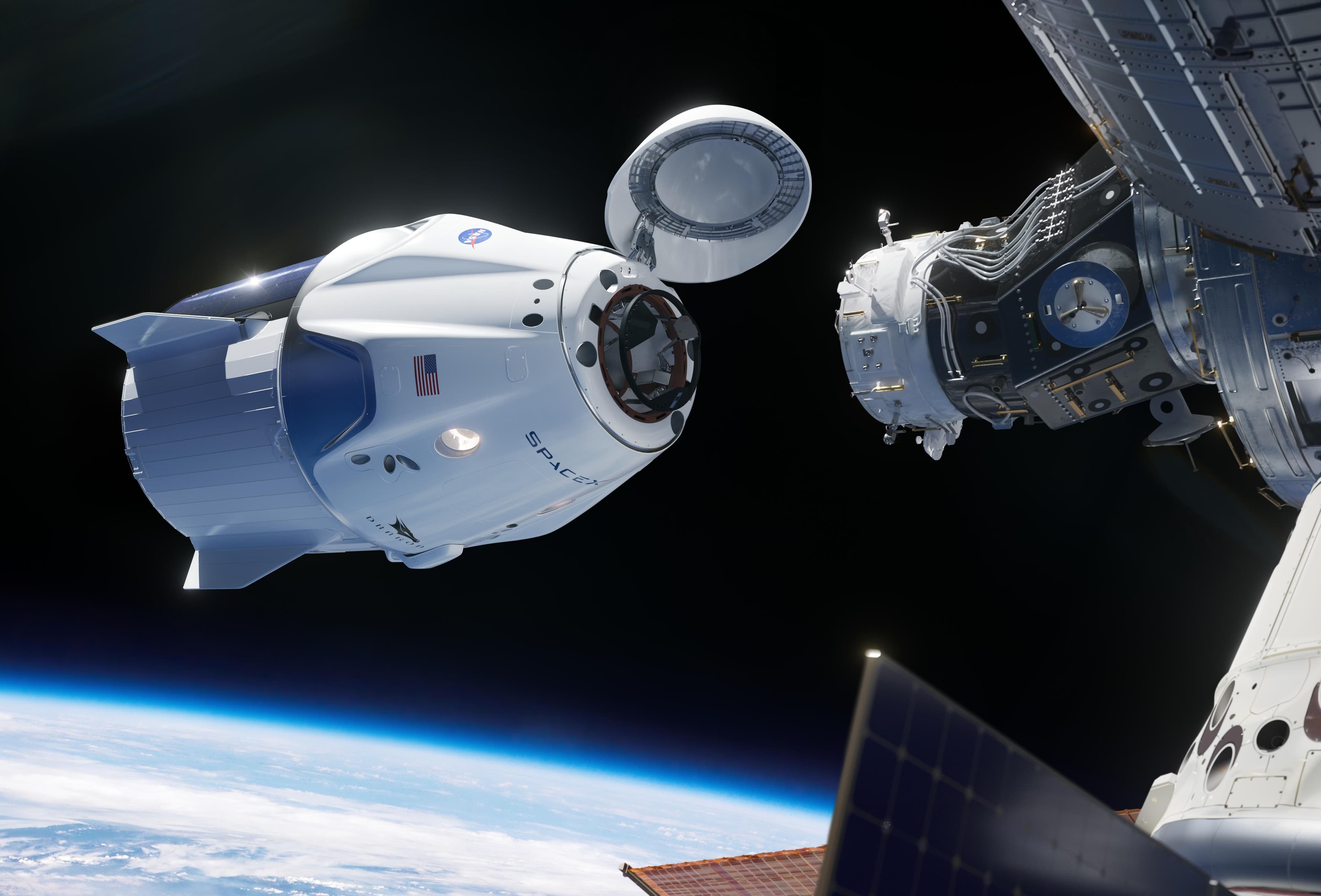
SpaceX
Reusable spacecraft for cargo and crew transport to the International Space Station.
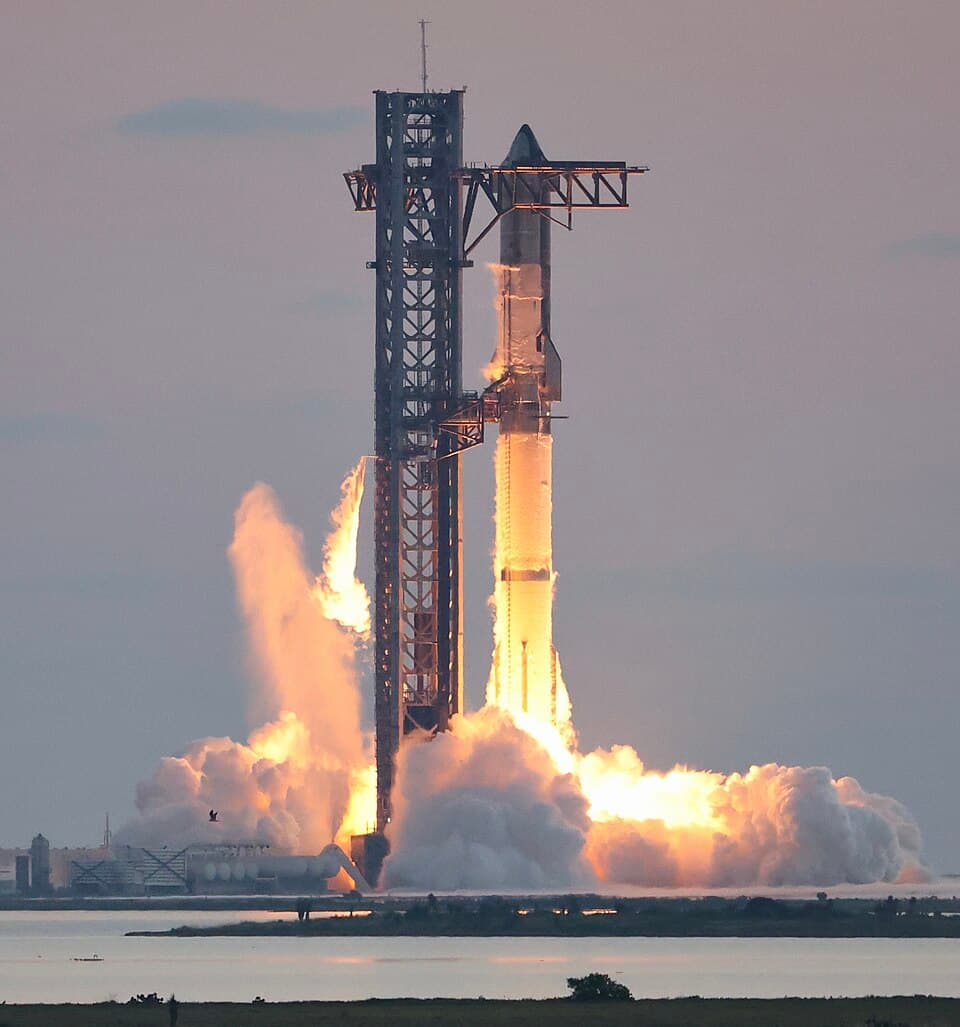
SpaceX
Fully reusable super-heavy-lift launch system designed for missions to the Moon, Mars, and beyond. V3 (Block 3) variant with Raptor 3 engines is the production version.