CATL
Robin Zeng (Zeng Yuqun)
Data verified as of Jul 27, 2026
Summary
Contemporary Amperex Technology Co. Limited (CATL), founded in Ningde, Fujian in 2011 by Robin Zeng and Huang Shilin, is the largest battery manufacturer on Earth and the single most important company in the electrification of transport and the grid. It took 40.2% of global EV battery installations between January and May 2026, roughly three times its nearest rival, and has ranked first worldwide in energy-storage battery shipments for five consecutive years, shipping 121 GWh of storage cells in 2025. FY2025 revenue reached RMB423.7B (about $61B) with net profit up 42% to RMB72.2B, and H1 2026 accelerated hard: revenue of RMB276.9B (up 54.8%) and net profit of RMB43.3B (up 42.0%), with grid storage now nearly a fifth of the business at RMB53.2B. The product line spans the Shenxing superfast-charging LFP battery (third generation charges 10-80% in 3 minutes 44 seconds), the Qilin and Qilin Condensed high-density packs, the Freevoy hybrid battery, the Naxtra sodium-ion battery entering full mass production by the end of 2026, and the TENER grid-storage family, whose sodium-ion variant launched in June 2026. CATL raised $5.2B in a May 2025 Hong Kong listing, the largest IPO in the world that year, and is spending it on a European build-out: a 40 GWh cell plant in Debrecen, Hungary and a 50 GWh LFP joint venture with Stellantis in Zaragoza, Spain. Its technology now reaches the US indirectly through licensing, with Ford's BlueOval Battery Park Michigan starting operations on CATL-licensed LFP chemistry in June 2026, even as CATL itself remains on the Pentagon's Section 1260H list of Chinese military companies.
Main Products

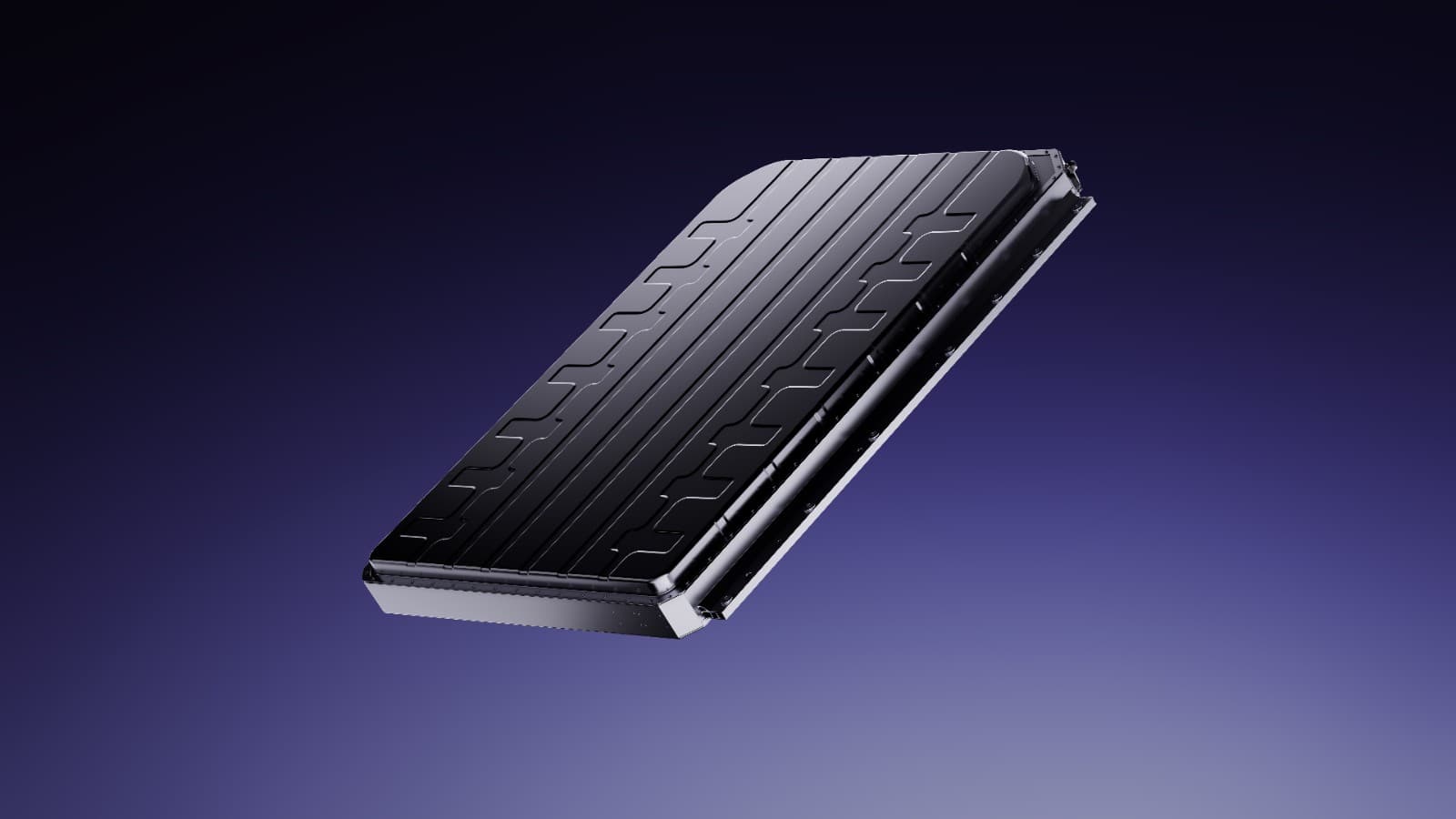
The LFP fast-charging platform that made four-minute charging a mainstream expectation. The third generation, launched in April 2026, peaks at a 15C charging rate and takes a pack from 10% to 80% state of charge in 3 minutes 44 seconds, holds above 90% capacity retention after 1,000 full cycles, and still charges from 20% to 98% in around nine minutes at -30C.
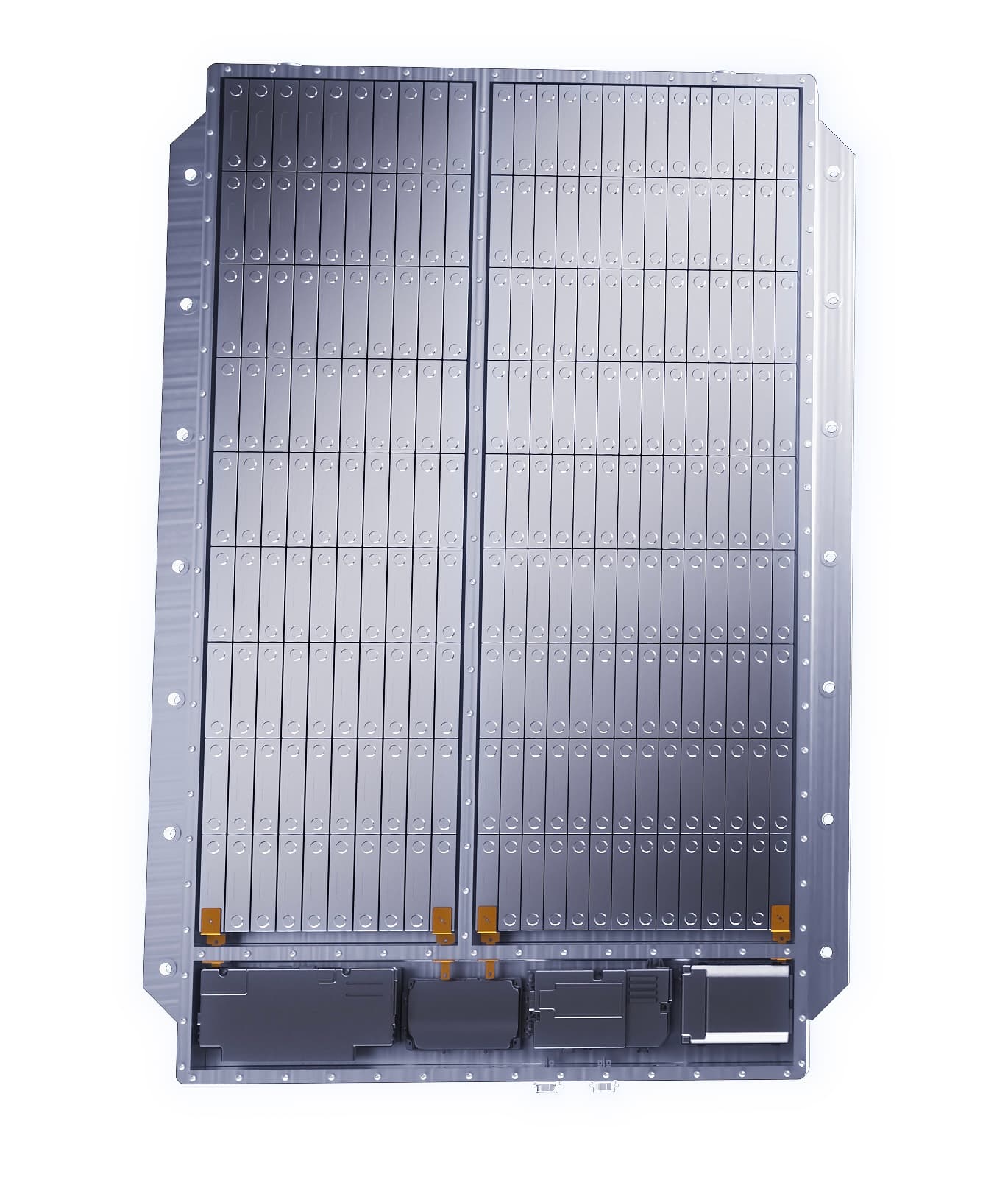
Third generation launched April 2026 and rolling out across Chinese automaker platforms

CATL's bet that the cheapest path past lithium is table salt. Naxtra reaches 175 Wh/kg, effectively matching LFP energy density while using no lithium, nickel or cobalt, and performs far better in extreme cold. CATL has said sodium-ion could eventually displace 30% to 40% of the existing battery market, and is deploying it across battery swapping, passenger cars, commercial vehicles and grid storage. The first mass-produced sodium-ion passenger EV, the Changan Nevo A06, was shown in February 2026.
At GWh-scale industrialisation as of April 2026; full-scale mass production targeted by the end of 2026

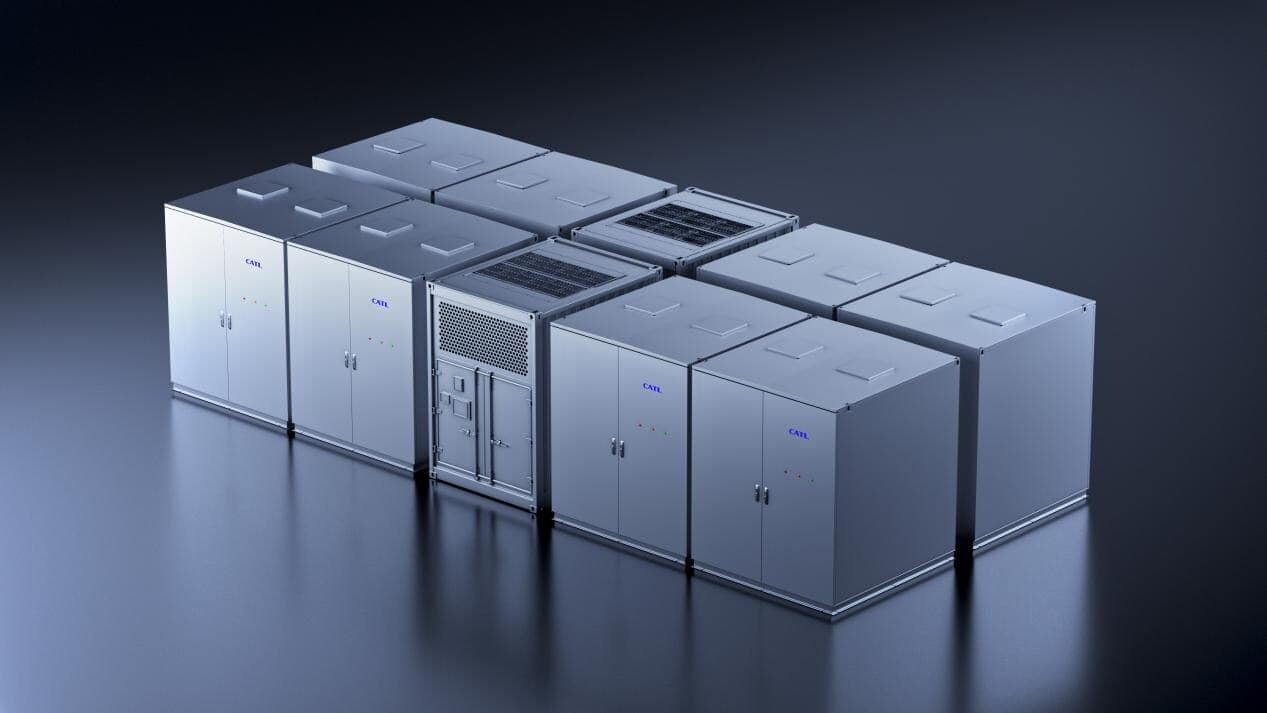
CATL's grid-scale storage family and the product behind its five-year run as the world's largest storage battery supplier. The original TENER packs 6.25 MWh into a 20-foot container with claimed zero degradation across its first five years; the TENER Stack raised that to 9 MWh in May 2025. TENER Sodium, launched June 22, 2026, is billed as the first field-validated sodium-ion grid storage system, rated above 30 MWh per system with 15,000 cycles to 70% state of health, roughly 25 to 30 years of service.
Shipping at scale (121 GWh of storage cells in 2025); TENER Sodium deliveries start in China in September 2026
What's Next
Take Naxtra sodium-ion to full-scale mass production
CATL says Naxtra reaches full mass production by the end of 2026 after clearing four manufacturing bottlenecks in 2026: extreme water control, gas generation in hard carbon, aluminium foil adhesion, and self-forming anode systems. Success would put a lithium-free chemistry into volume cars and grid projects at once.
Start cell production at the 40 GWh Debrecen plant in Hungary
CATL's first greenfield European cell factory has finished construction with its 40 GWh initial capacity already fully booked, but cell production has slipped past the March/April 2026 target and modules assembled in Debrecen are still fed by cells shipped from other CATL plants. Roughly 90% of the Hong Kong IPO proceeds were earmarked for this site.
Bring the 50 GWh Stellantis joint venture in Spain online
The 50:50 LFP cell and module plant in Zaragoza, worth up to EUR4.1B and running entirely on renewable power, is scheduled to begin production by the end of 2026 and would be Spain's largest battery factory, supplying Stellantis brands across Europe.
Ship 1 GWh of TENER Sodium by the end of 2026
First deliveries of the sodium-ion grid storage system begin in China in September 2026, with roughly 1 GWh targeted by year end. It is the first real-world test of whether sodium chemistry can compete on cost and lifetime against the LFP containers that dominate grid storage.
Reach 4,000 combined supercharging and swap stations
CATL plans to operate 4,000 integrated supercharging and battery-swap stations across 190 Chinese cities by the end of 2026, up from 1,470 Choco-Swap stations in 99 cities in April 2026, turning its swap standard into infrastructure rather than a product feature.
Begin small-batch all-solid-state production
CATL targets small-scale all-solid-state manufacturing in 2027 at roughly 5 GWh of capacity. Chairman Robin Zeng has been pointedly cautious about what follows: the technology sits at level four of nine on the readiness scale, early applications will be limited to cars priced above RMB250,000, and he puts the odds of million-vehicle solid-state installations before 2030 as very small.
Track Record
2 of 3 announced dates hit · 1 slipped
Start battery cell production at the Debrecen plant by early 2026
Target Early 2026 · Resolved May 13, 2026
Construction finished and the plant's 40 GWh of capacity was fully booked, but cell production did not begin in the first months of 2026. By May 2026 CATL had missed its own March/April target for series production and was still supplying the Debrecen module lines with cells trucked in from other CATL factories, with cell output pushed later into 2026.
Complete a Hong Kong secondary listing in 2025
Target 2025 · Resolved May 20, 2025
CATL debuted on the Hong Kong Stock Exchange on May 20, 2025, closing 16.4% above its offer price. Proceeds reached $5.2B after the overallotment was exercised, making it the largest initial public offering anywhere in 2025 and returning Hong Kong to the top of global fundraising rankings.
Operations & Revenue
CATL is the rare frontier-technology company that is both dominant and highly profitable: RMB72.2B of net profit in 2025 and RMB43.3B in the first half of 2026 alone. The mix is shifting fast. With Chinese EV demand cooling as purchase incentives taper, energy storage revenue grew about 88% year over year in H1 2026 to nearly a fifth of sales, and CATL was number one in global BESS battery shipments for the first half. Margins are the soft spot: overall gross margin slipped to 23.93% in H1 2026 from 25.02% a year earlier, with storage at 23.96% and EV battery systems at 20.63%, the price of holding share in a saturated Chinese market. The other pressure is geopolitical. CATL remains on the US Department of Defense Section 1260H list of Chinese military companies after the June 2026 update, which from June 30, 2026 bars the Pentagon from contracting with listed entities, and its route into the American market now runs through licensing deals such as Ford's rather than its own factories.
Revenue Streams
Cells, modules and packs for passenger cars, buses and commercial vehicles, supplied to BMW, Ford, Tesla, Volkswagen, Honda, Toyota and most Chinese automakers. Still the majority of revenue, at a 20.63% gross margin in H1 2026.
Energy storage battery systems
Grid-scale and commercial storage built around the TENER family. RMB53.2B in H1 2026, up about 88% year over year, and the fastest-growing part of the company at 19.2% of revenue.
Battery materials and recycling
Cathode and anode materials plus closed-loop recycling through subsidiary Brunp, extended in 2025 into an integrated Indonesian value chain covering nickel mining, processing, materials and recycling.
Licensing chemistry, cell design and manufacturing processes to partners who build and own the plants. Ford's BlueOval Battery Park Michigan, which began operations on June 30, 2026, is the flagship example and CATL's main route into a US market closed to its own factories.
Key Metrics
Timeline
On April 21, 2026 CATL unveils the third-generation Shenxing (peak 15C, 10-80% in 3 minutes 44 seconds), the third-generation Qilin (280 Wh/kg, 1,000 km range), the Qilin Condensed battery (350 Wh/kg, 760 Wh/L), the second-generation Freevoy hybrid battery, the Naxtra sodium-ion battery at GWh-scale industrialisation, and a plan for 4,000 combined supercharging and swap stations by the end of 2026.
BlueOval Battery Park Michigan, wholly owned by Ford but built on CATL-licensed chemistry, product design and manufacturing processes, is completed and begins operations on June 30, 2026, the first LFP cell plant of its kind in the United States.
First-half revenue reaches RMB276.9B (up 54.8%) with net profit of RMB43.3B (up 42.0%). Energy storage contributes RMB53.2B, or 19.2% of revenue, up from 15.9% a year earlier, as Chinese EV demand cools and grid storage takes over as the growth engine.
CATL and partners break ground on a roughly $6B full-value-chain battery project in Indonesia in July 2025, spanning nickel, materials, recycling and a 6.9 GWh first-phase plant in Karawang. In November it starts construction with Stellantis on a 50 GWh LFP plant in Zaragoza, Spain, a 50:50 joint venture worth up to EUR4.1B.