Active
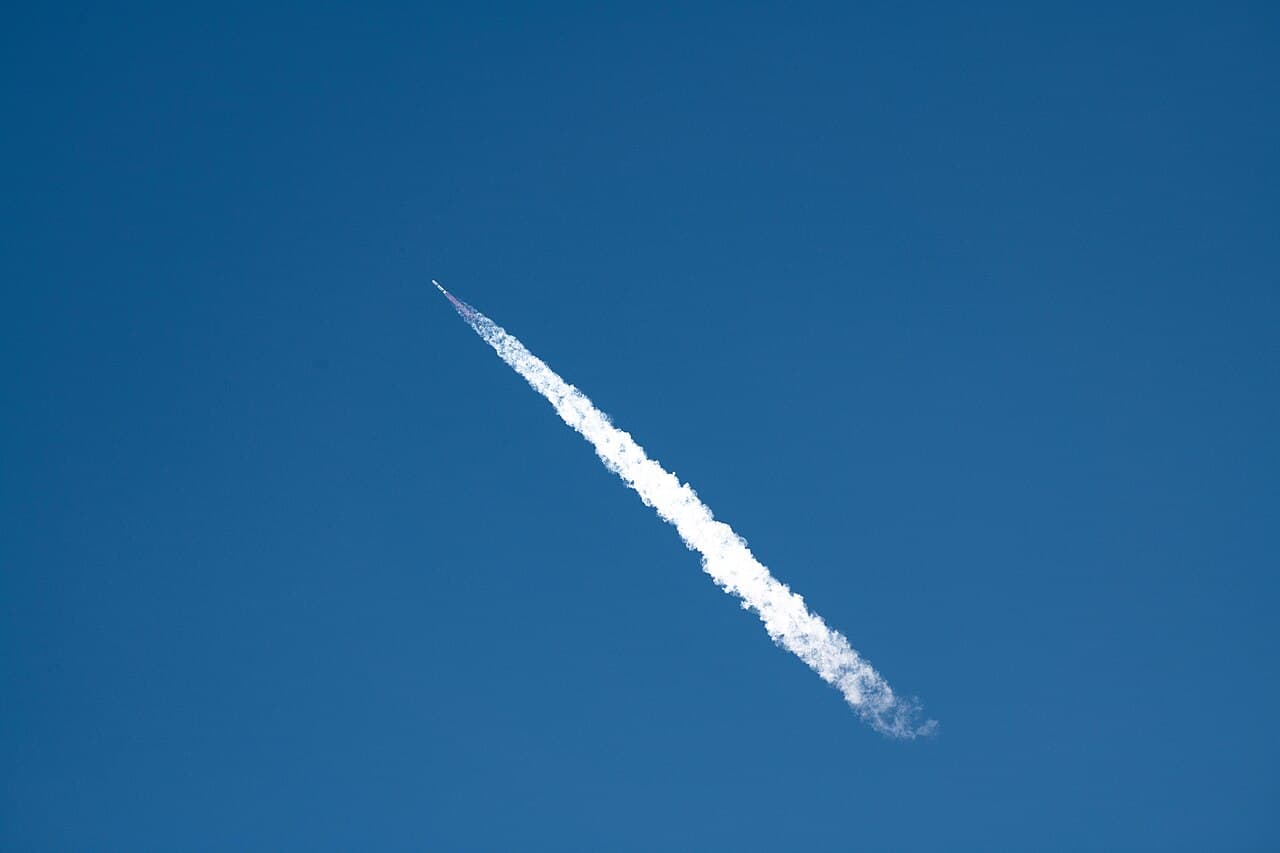
New Glenn
Heavy-lift orbital launch vehicle with a reusable first stage, designed for commercial, civil, and national security missions.
 Blue Origin
Active
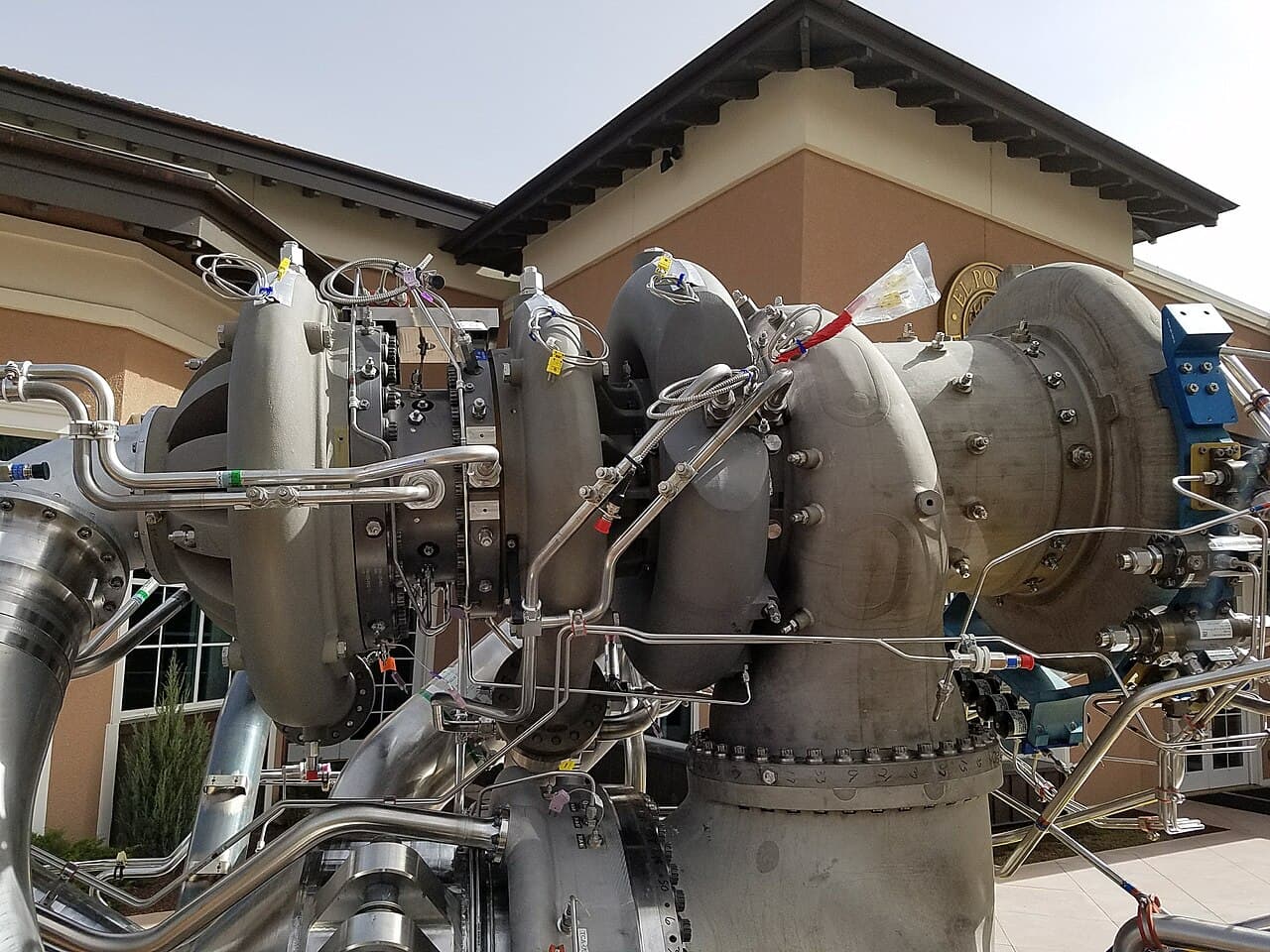
Liquid oxygen/liquefied natural gas (methane) rocket engine - the first American-made oxygen-rich staged combustion engine. Powers New Glenn and ULA Vulcan Centaur.
Latest update Aug 28, 2026
01
BE-4 is in full-rate production in Huntsville and powers both the seven-engine New Glenn booster and ULA's two-engine Vulcan first stage. After tracing the May 28, 2026 New Glenn pad explosion to a main oxygen valve fault, Blue Origin is retrofitting a modified valve into existing BE-4 engines - including units already at ULA's Decatur, Alabama plant and Cape Canaveral - with updated hardware targeted for end of August 2026.
02
03
Heavy-lift orbital launch vehicle with a reusable first stage, designed for commercial, civil, and national security missions.
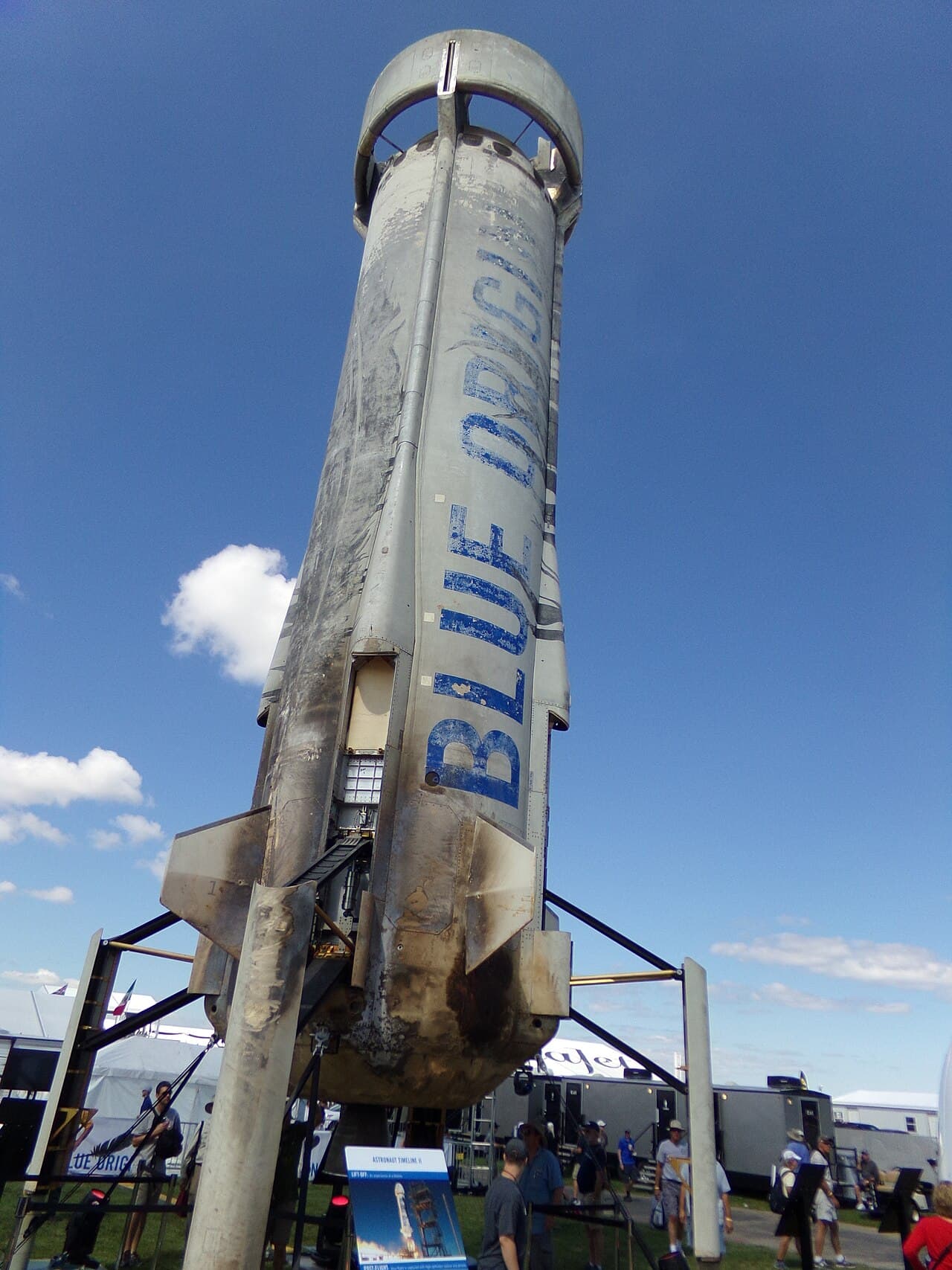
Suborbital launch vehicle for space tourism and research, capable of fully autonomous vertical landing and reuse.
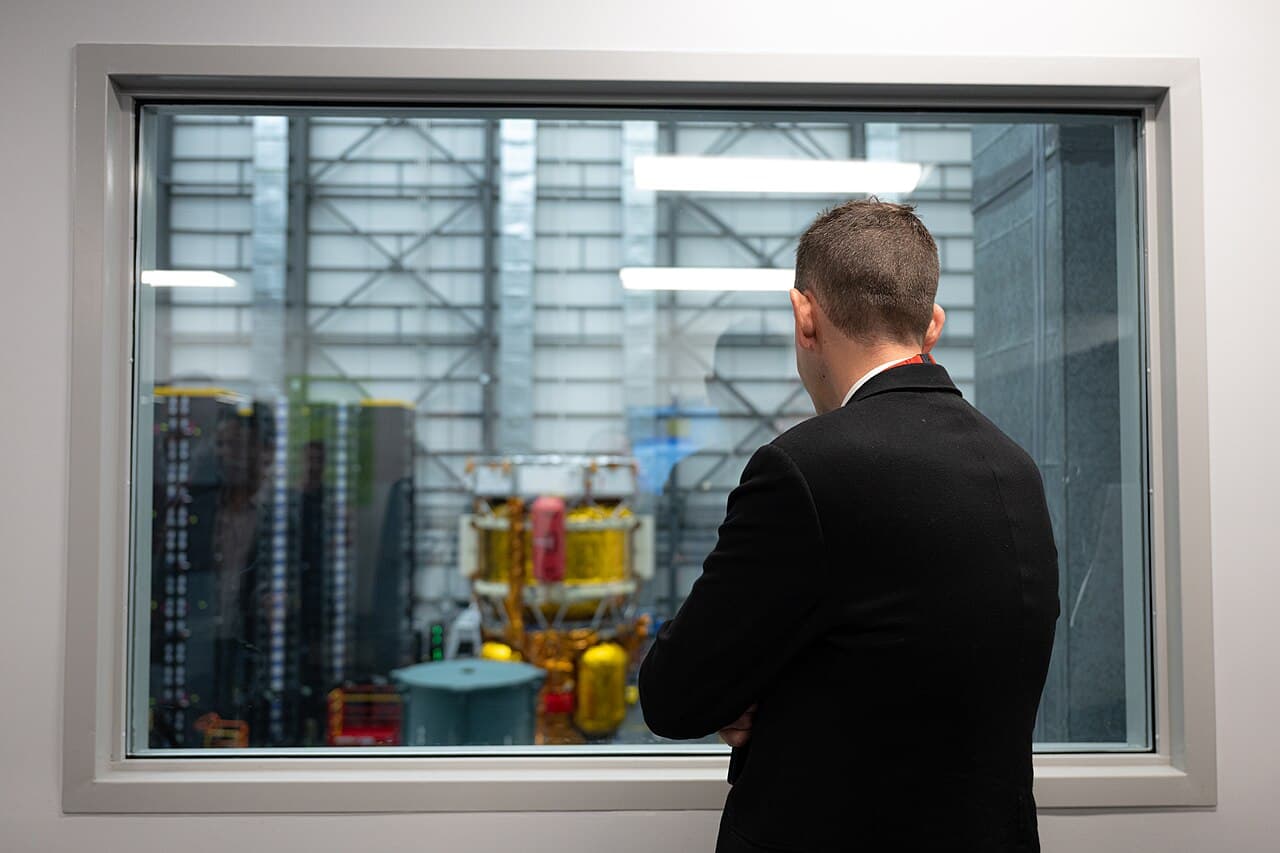
Lunar landing system family with a cargo-focused Mark 1 variant and a crew-capable Mark 2 variant being developed for NASA's Artemis program.
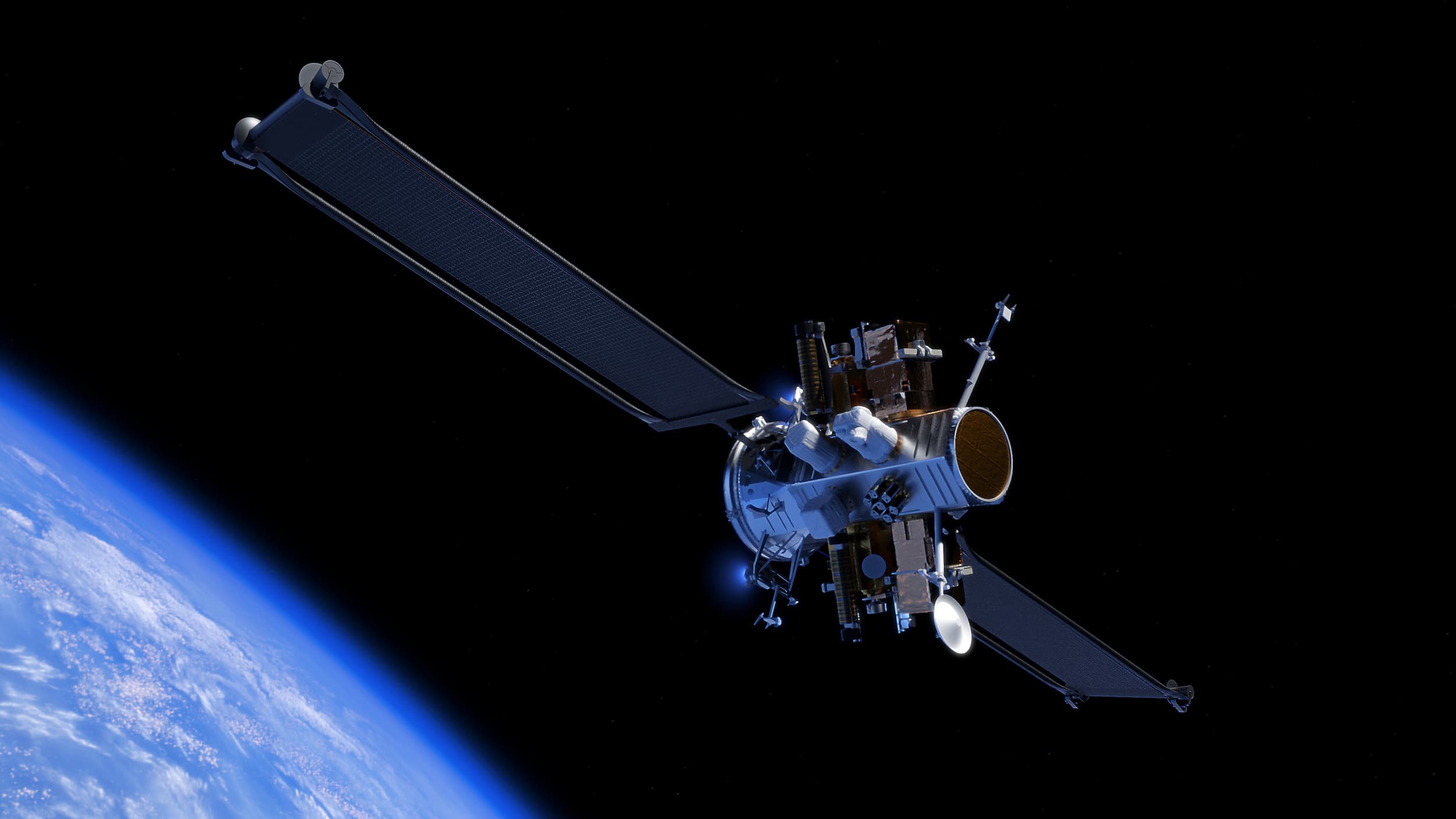
Multi-mission in-space transport platform with hybrid chemical and solar-electric propulsion, providing hosting, transportation, refueling, data relay, and in-space cloud computing services.
Enterprise broadband satellite constellation with 5,408 optically interconnected satellites across LEO and MEO, delivering up to 6 Tbps symmetrical data speeds for enterprise, data center, and government customers.
Commercial space station project co-led by Blue Origin and Sierra Space, with partners, as a mixed-use 'business park in space' for research, industrial, international, and commercial customers in low Earth orbit, built around Sierra Space's inflatable LIFE habitat. It is the slowest-advancing of the four major US commercial-station programs and remains Blue Origin's bid for NASA's Commercial LEO Destinations Phase 2 competition (draft RFP released July 6, 2026).
Ground-station-as-a-service network providing communications, tracking, and telemetry (TT&C) access for satellite operators, built with partner RBC Signals.
LOX/LNG reusable booster engine. Blue Origin's Nov. 5, 2026 post rates it at 715,000 pounds of thrust, 30 percent less mass and half the parts of BE-4, with more than 65 percent produced by additive manufacturing, and says it joins BE-4. The post states no price and no first flight. Ars Technica quotes CEO Dave Limp the same day saying Northstar will eventually replace BE-4 on New Glenn and that Blue Origin believes it can be manufactured at 25 percent of a BE-4's cost. He said test firing has begun and that BE-4 production continues for ULA Vulcan. No first-flight vehicle or date was stated.
Third stage for New Glenn, announced Nov. 5, 2026. Blue Origin says it is already under contract for a cislunar mission with a government customer scheduled to launch in 2028. The agency is not named. It uses the BE-7 engine at better than 460 seconds of vacuum specific impulse and can deliver up to 14 metric tons to GEO and 20 metric tons to trans-lunar injection on the 9x4 vehicle, or up to 8 metric tons to GEO and 10 metric tons to trans-lunar injection on the 7x2. Ars Technica quotes Dave Limp saying one cislunar customer is signed for 2028.
04
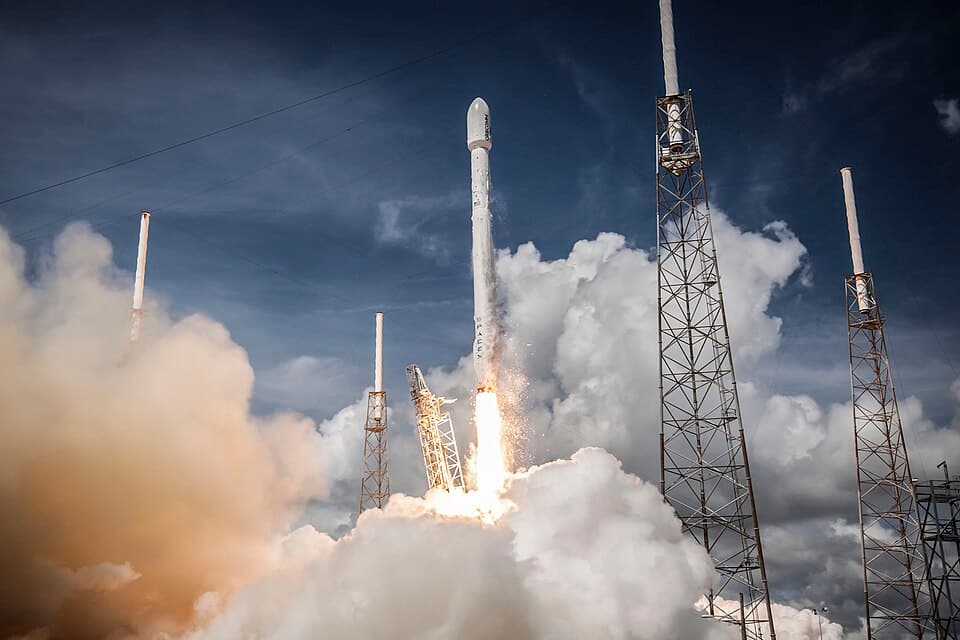
SpaceX
Partially reusable two-stage medium-lift launch vehicle. The world's most frequently launched orbital rocket.
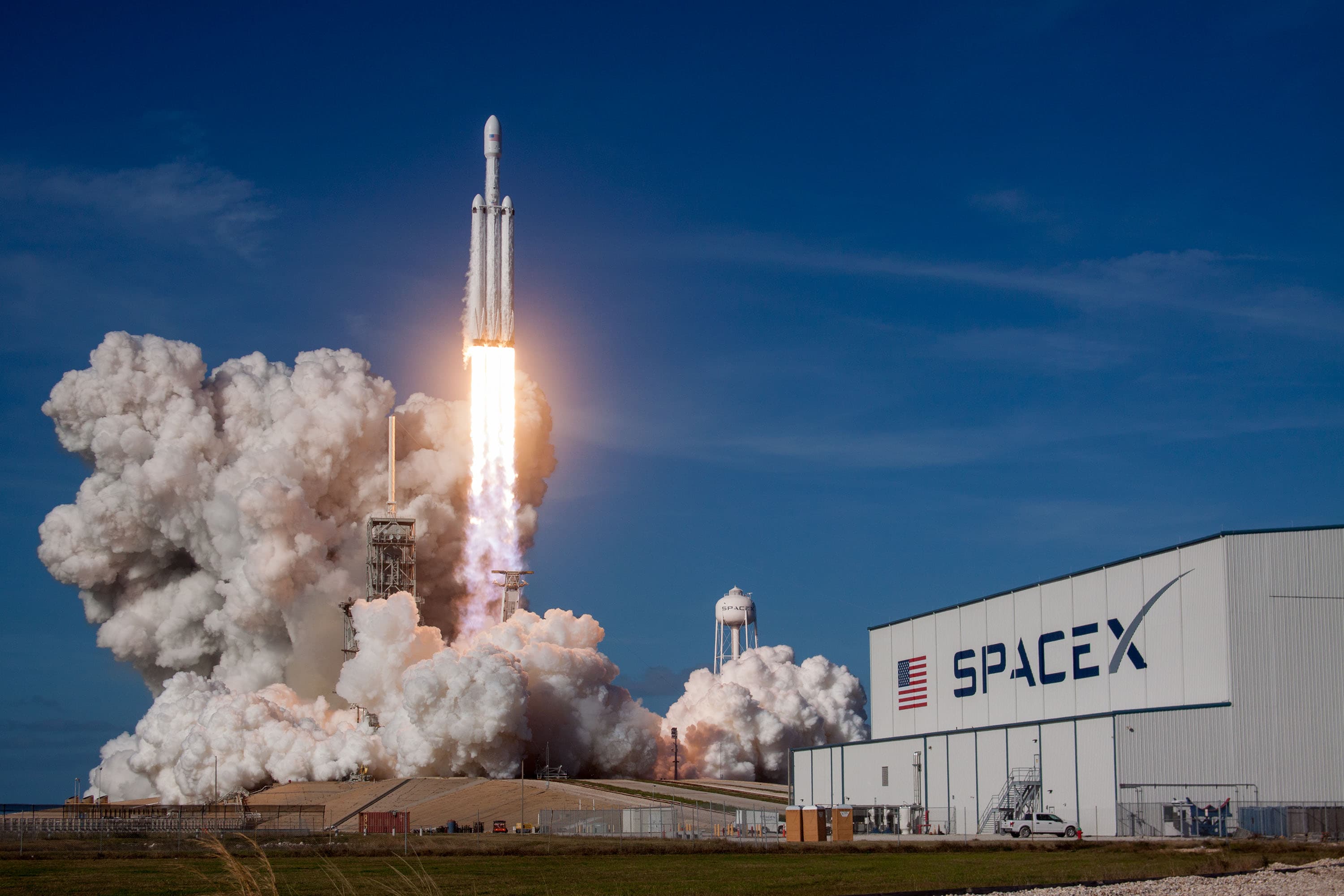
SpaceX
Heavy-lift launch vehicle consisting of a strengthened Falcon 9 core with two additional boosters.
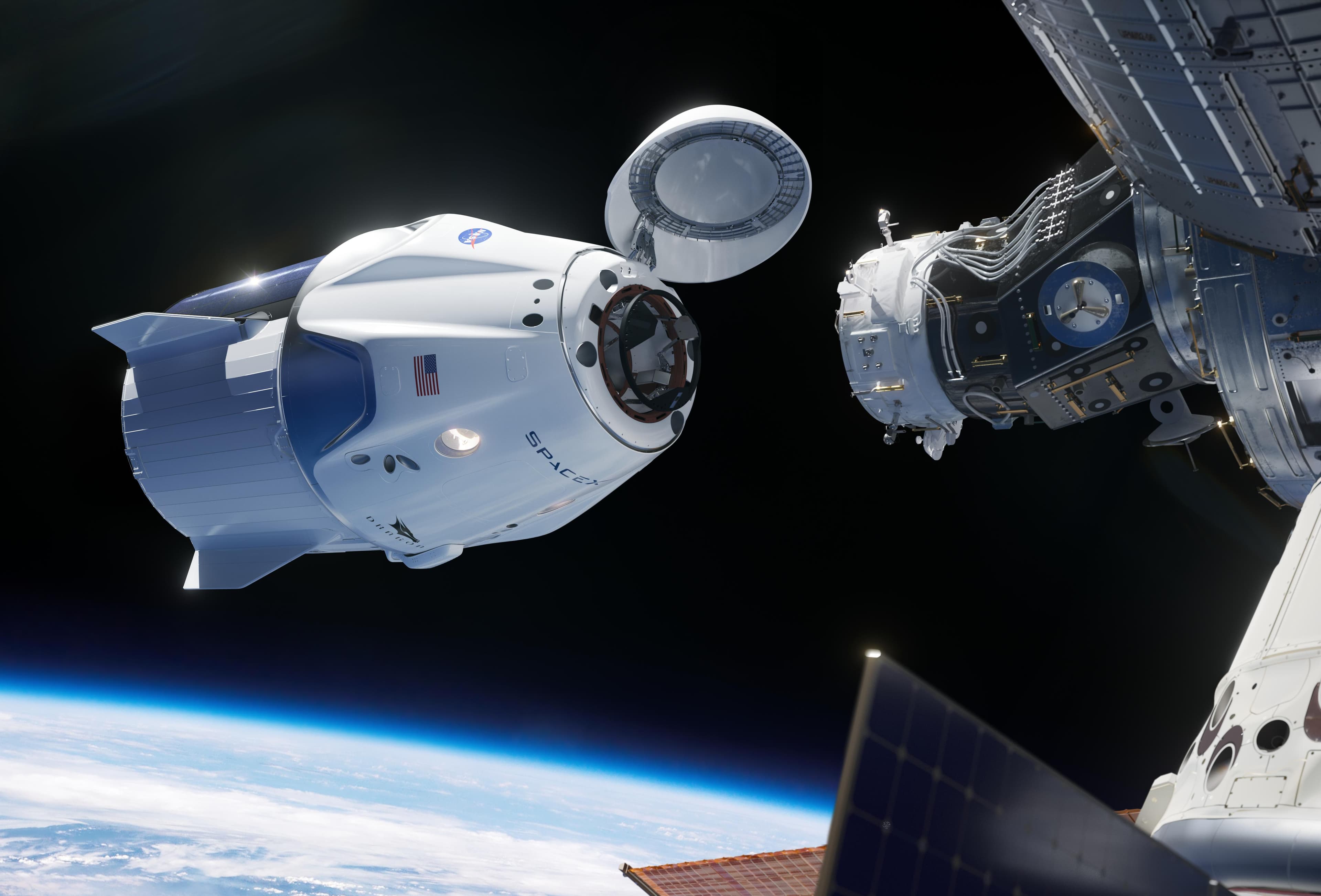
SpaceX
Reusable spacecraft for cargo and crew transport to the International Space Station.
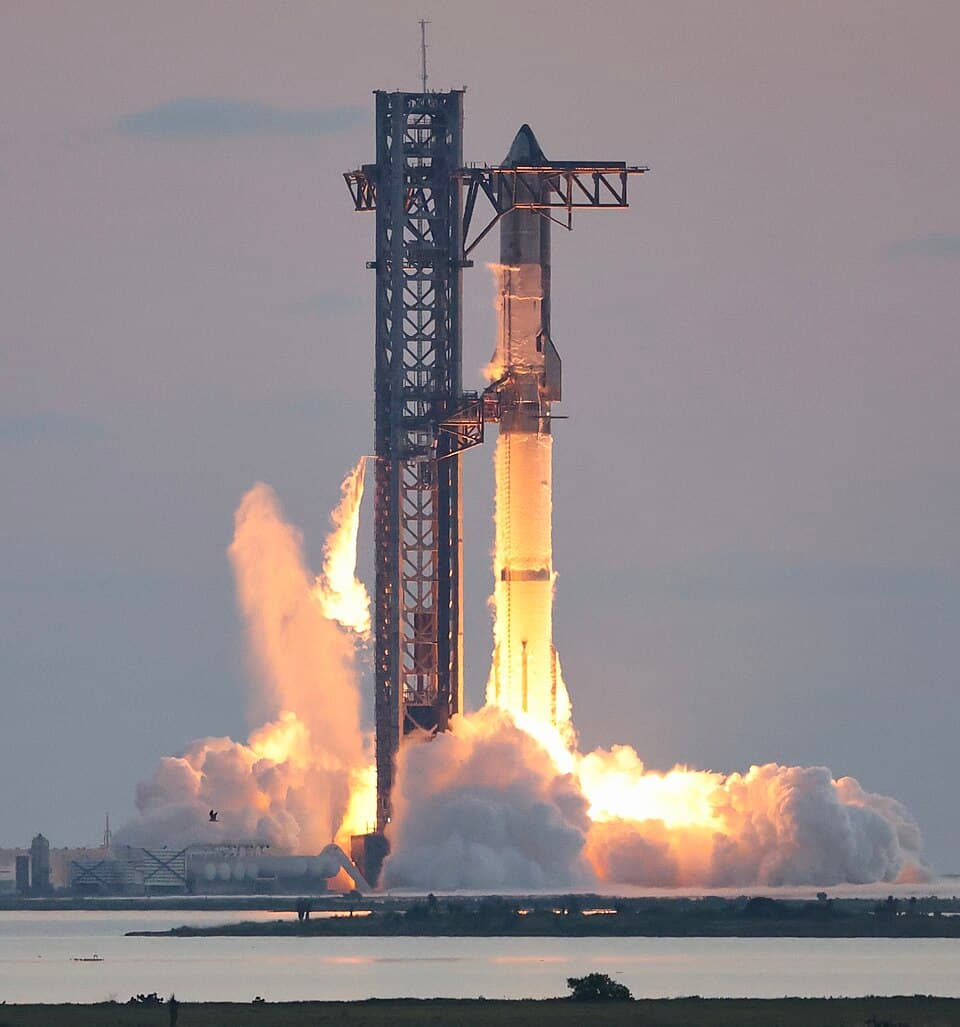
SpaceX
Fully reusable super-heavy-lift launch system designed for missions to the Moon, Mars, and beyond. V3 (Block 3) variant with Raptor 3 engines is the production version.