Active
New Glenn
Heavy-lift orbital launch vehicle with a reusable first stage, designed for commercial, civil, and national security missions.
 Blue Origin
In Development
Commercial space station project co-led by Blue Origin and Sierra Space, with partners, as a mixed-use 'business park in space' for research, industrial, international, and commercial customers in low Earth orbit, built around Sierra Space's inflatable LIFE habitat. It is the slowest-advancing of the four major US commercial-station programs and remains Blue Origin's bid for NASA's Commercial LEO Destinations Phase 2 competition (draft RFP released July 6, 2026).
Latest update Sep 13, 2026
01
System Definition Review with NASA complete; design-development progress continues, but overall pace lags Axiom, Vast, and Starlab. NASA's CLDC Phase 2 final RFP is now expected at the end of September 2026, with proposals due 60 days later and award targeted for spring 2027. A late-2026 standalone LIFE pathfinder launch could not be re-confirmed.
02
03
Announced next steps from Blue Origin that mention Orbital Reef.
Mar to May 2027
Orbital Reef, co-led with Sierra Space and founding partner Boeing (which is contributing a science module and plans to ferry crew via Starliner), is Blue Origin's bid for NASA's Commercial LEO Destinations Phase 2 award against Axiom, Vast, and Starlab. NASA posted a CLDC presolicitation on September 4, 2026 saying the final Phase 2 RFP is now anticipated at the end of September 2026, with offers due 60 days after release and award still targeted for spring 2027. A standalone Sierra Space LIFE pathfinder launch in late 2026 could not be re-confirmed; the near-term gate for Orbital Reef is the Phase 2 bid, not a dated inflatable demo. Watch for the final RFP drop.
04
Blue Origin told Aviation Week on Nov. 13 that it will not bid in NASA's Commercial LEO Destinations Phase 2 competition, with proposals due Dec. 8, 2026, and that it is focusing resources on lunar projects. Aviation Week's caption calls that a shelving of Orbital Reef, the station NASA selected with Sierra Space in 2021, but the emailed statement does not say the Phase 1 work is cancelled. SpaceNews separately reported that Blue Origin will not bid.
05
Heavy-lift orbital launch vehicle with a reusable first stage, designed for commercial, civil, and national security missions.
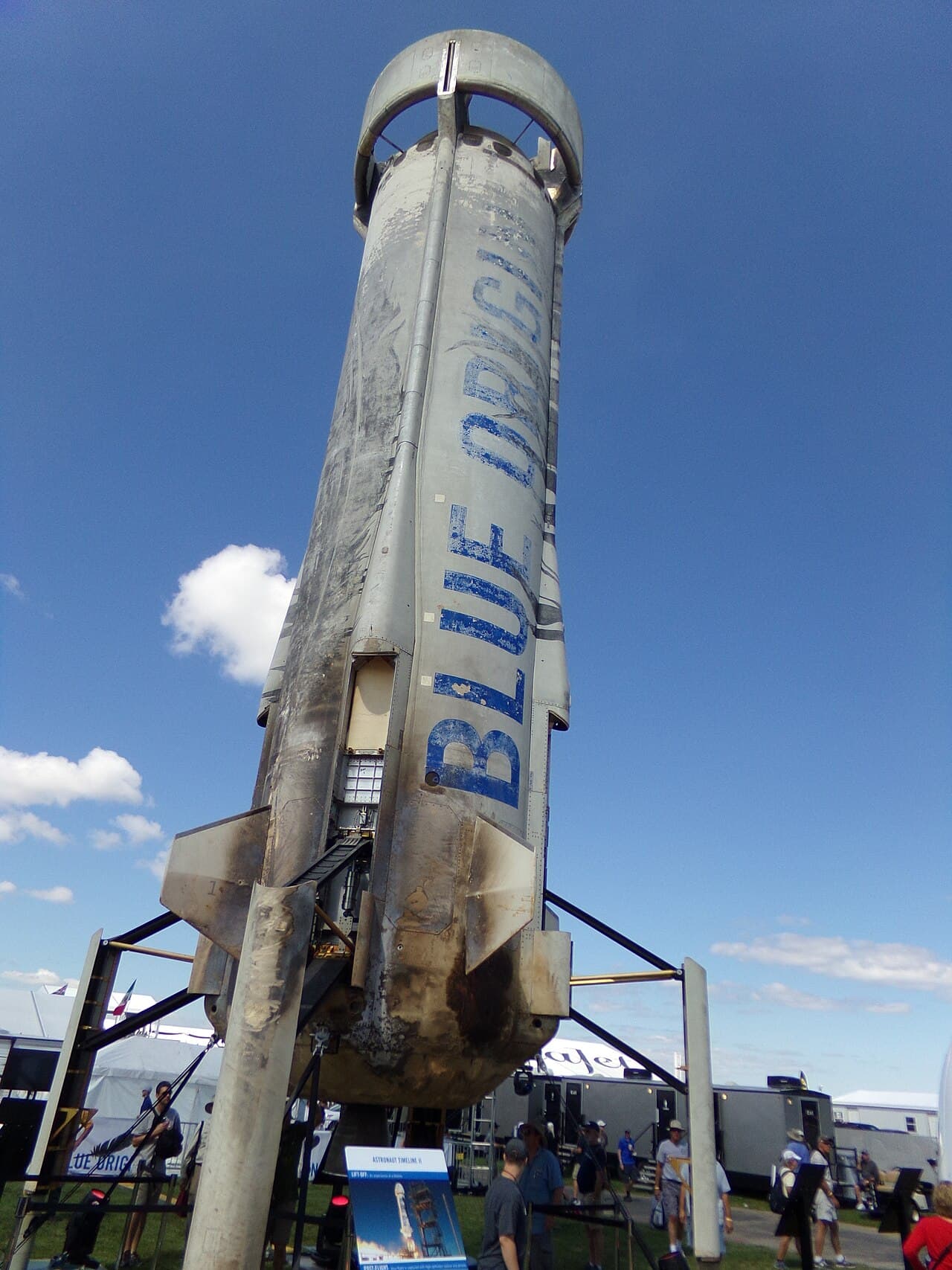
Suborbital launch vehicle for space tourism and research, capable of fully autonomous vertical landing and reuse.
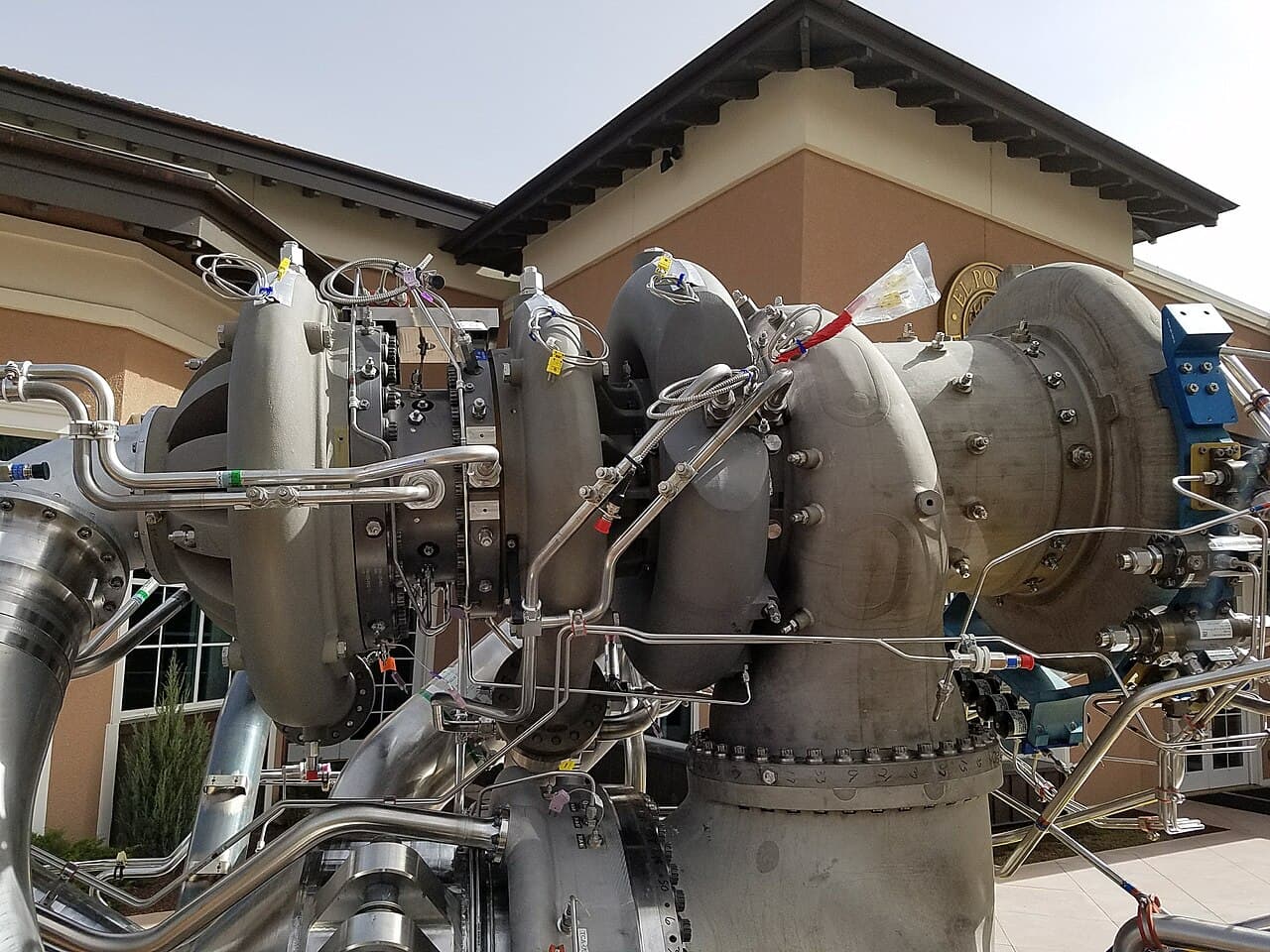
Liquid oxygen/liquefied natural gas (methane) rocket engine - the first American-made oxygen-rich staged combustion engine. Powers New Glenn and ULA Vulcan Centaur.
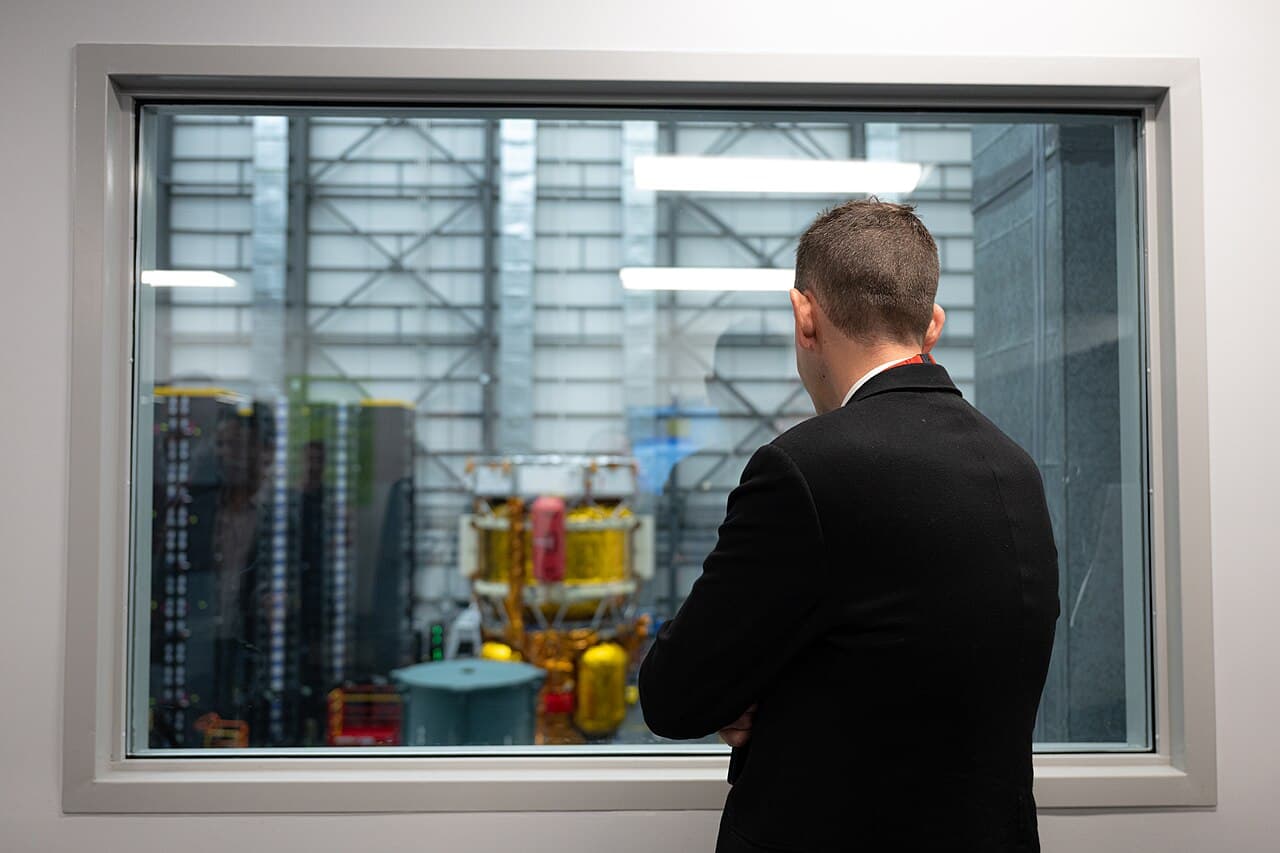
Lunar landing system family with a cargo-focused Mark 1 variant and a crew-capable Mark 2 variant being developed for NASA's Artemis program.
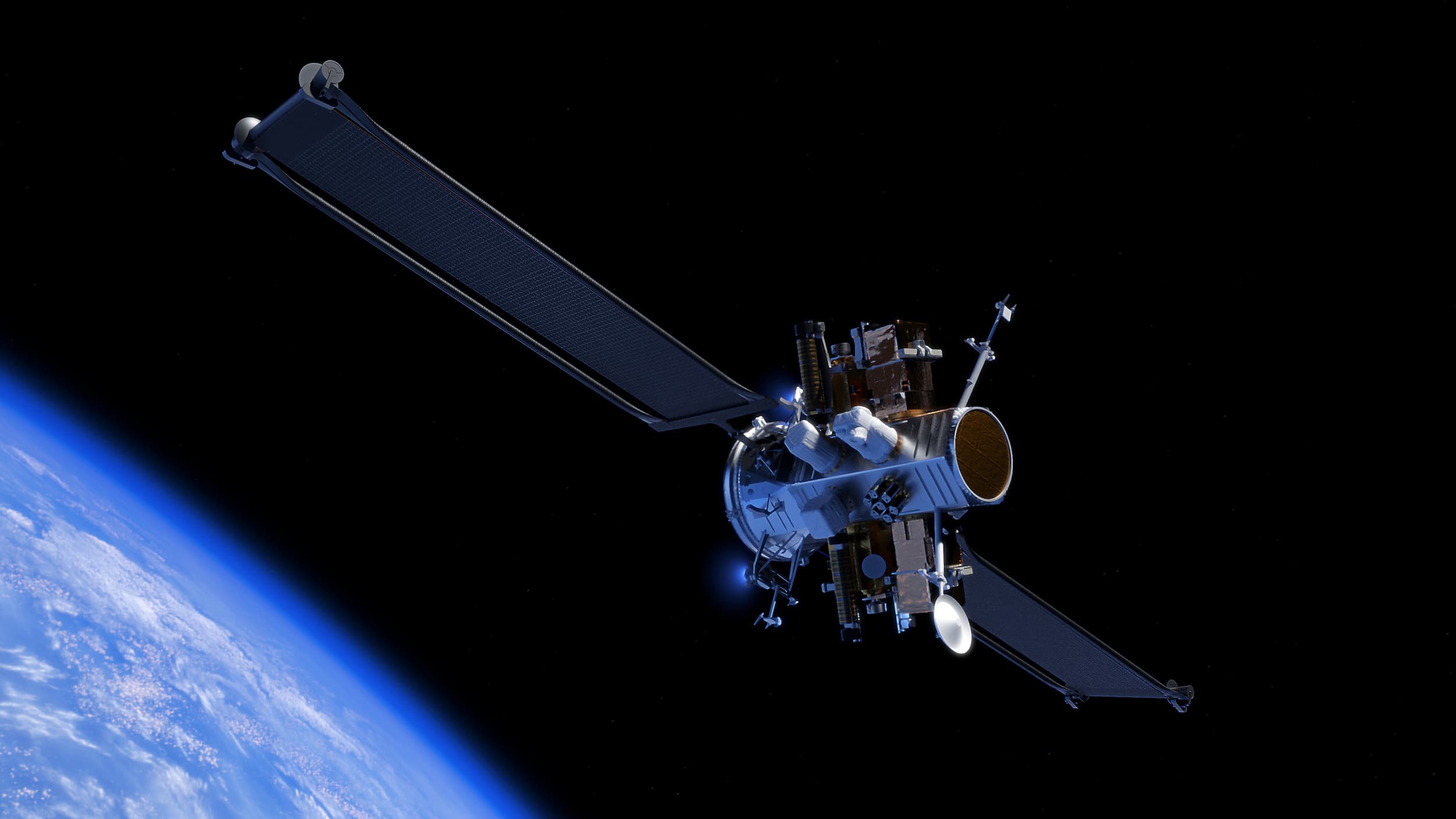
Multi-mission in-space transport platform with hybrid chemical and solar-electric propulsion, providing hosting, transportation, refueling, data relay, and in-space cloud computing services.
Enterprise broadband satellite constellation with 5,408 optically interconnected satellites across LEO and MEO, delivering up to 6 Tbps symmetrical data speeds for enterprise, data center, and government customers.
Ground-station-as-a-service network providing communications, tracking, and telemetry (TT&C) access for satellite operators, built with partner RBC Signals.
LOX/LNG reusable booster engine. Blue Origin's Nov. 5, 2026 post rates it at 715,000 pounds of thrust, 30 percent less mass and half the parts of BE-4, with more than 65 percent produced by additive manufacturing, and says it joins BE-4. The post states no price and no first flight. Ars Technica quotes CEO Dave Limp the same day saying Northstar will eventually replace BE-4 on New Glenn and that Blue Origin believes it can be manufactured at 25 percent of a BE-4's cost. He said test firing has begun and that BE-4 production continues for ULA Vulcan. No first-flight vehicle or date was stated.
Third stage for New Glenn, announced Nov. 5, 2026. Blue Origin says it is already under contract for a cislunar mission with a government customer scheduled to launch in 2028. The agency is not named. It uses the BE-7 engine at better than 460 seconds of vacuum specific impulse and can deliver up to 14 metric tons to GEO and 20 metric tons to trans-lunar injection on the 9x4 vehicle, or up to 8 metric tons to GEO and 10 metric tons to trans-lunar injection on the 7x2. Ars Technica quotes Dave Limp saying one cislunar customer is signed for 2028.
06
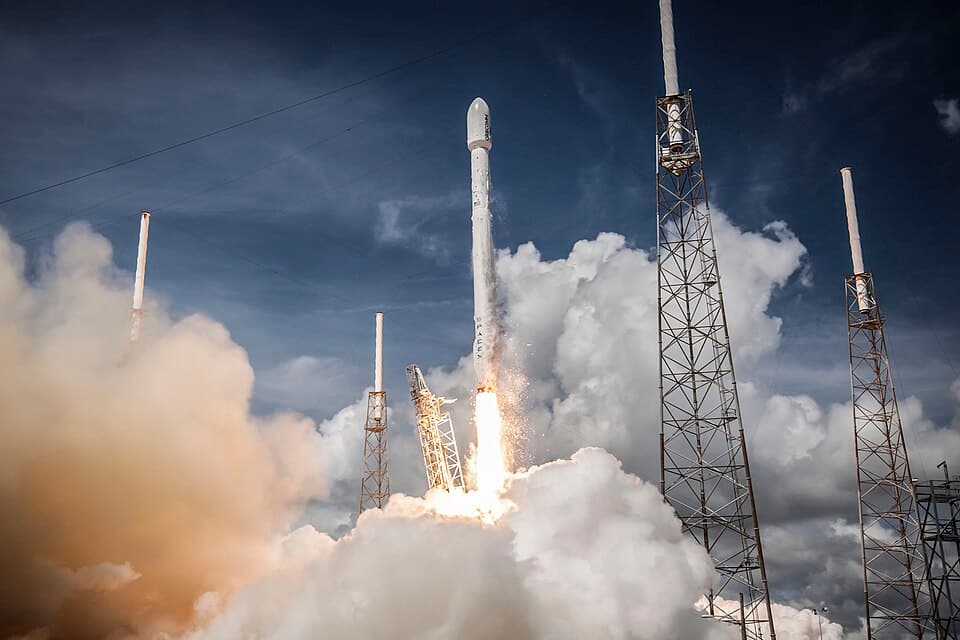
SpaceX
Partially reusable two-stage medium-lift launch vehicle. The world's most frequently launched orbital rocket.
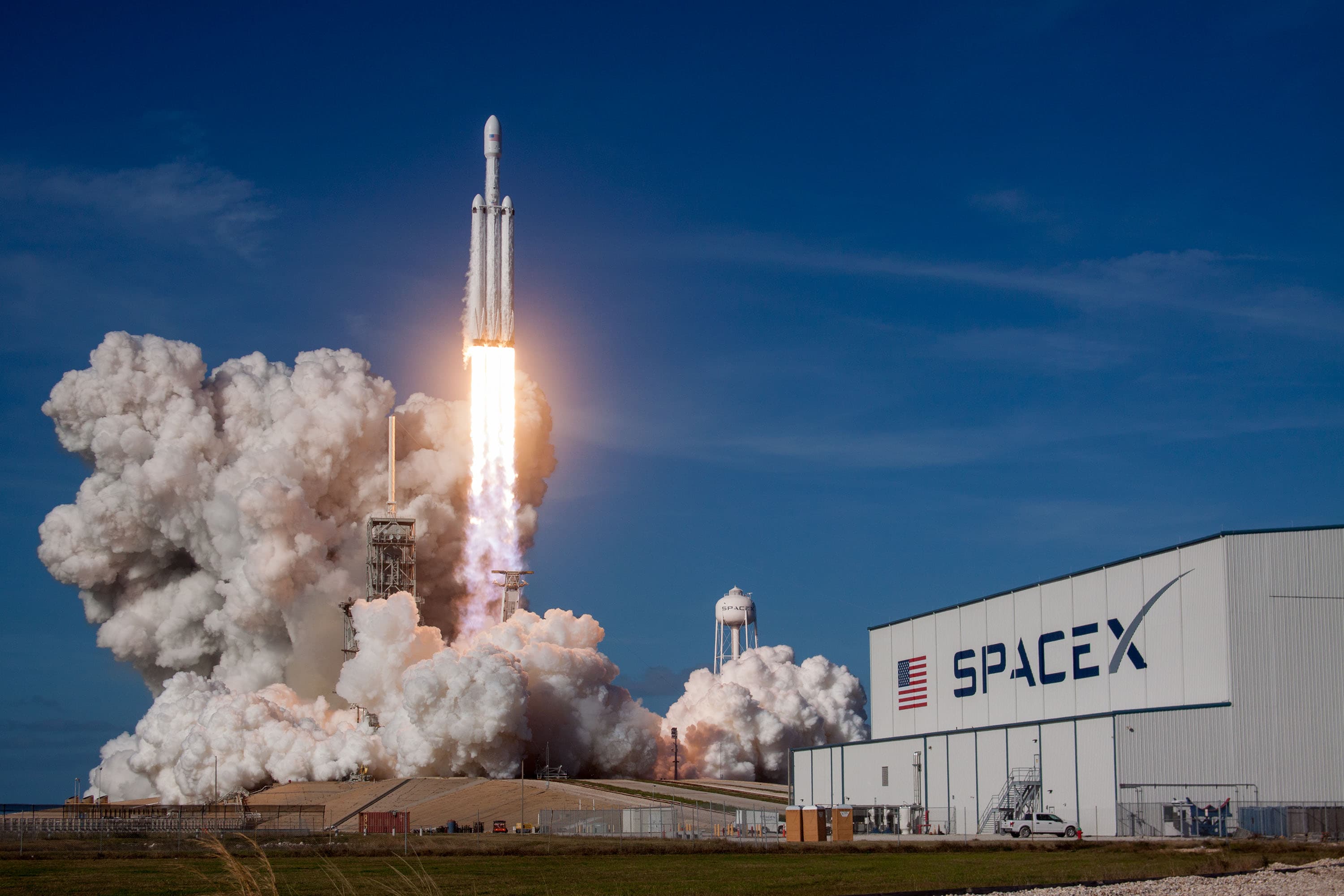
SpaceX
Heavy-lift launch vehicle consisting of a strengthened Falcon 9 core with two additional boosters.
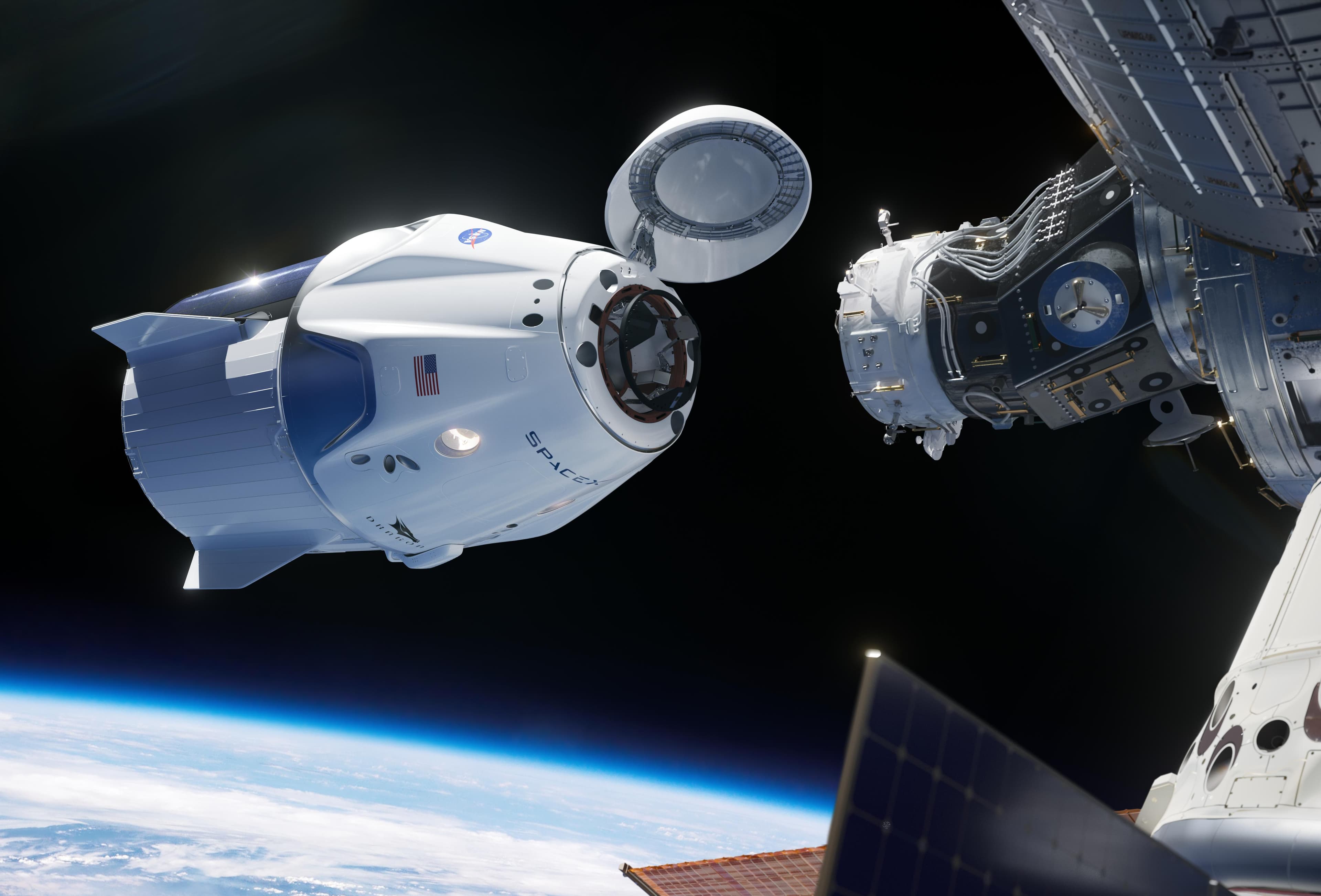
SpaceX
Reusable spacecraft for cargo and crew transport to the International Space Station.
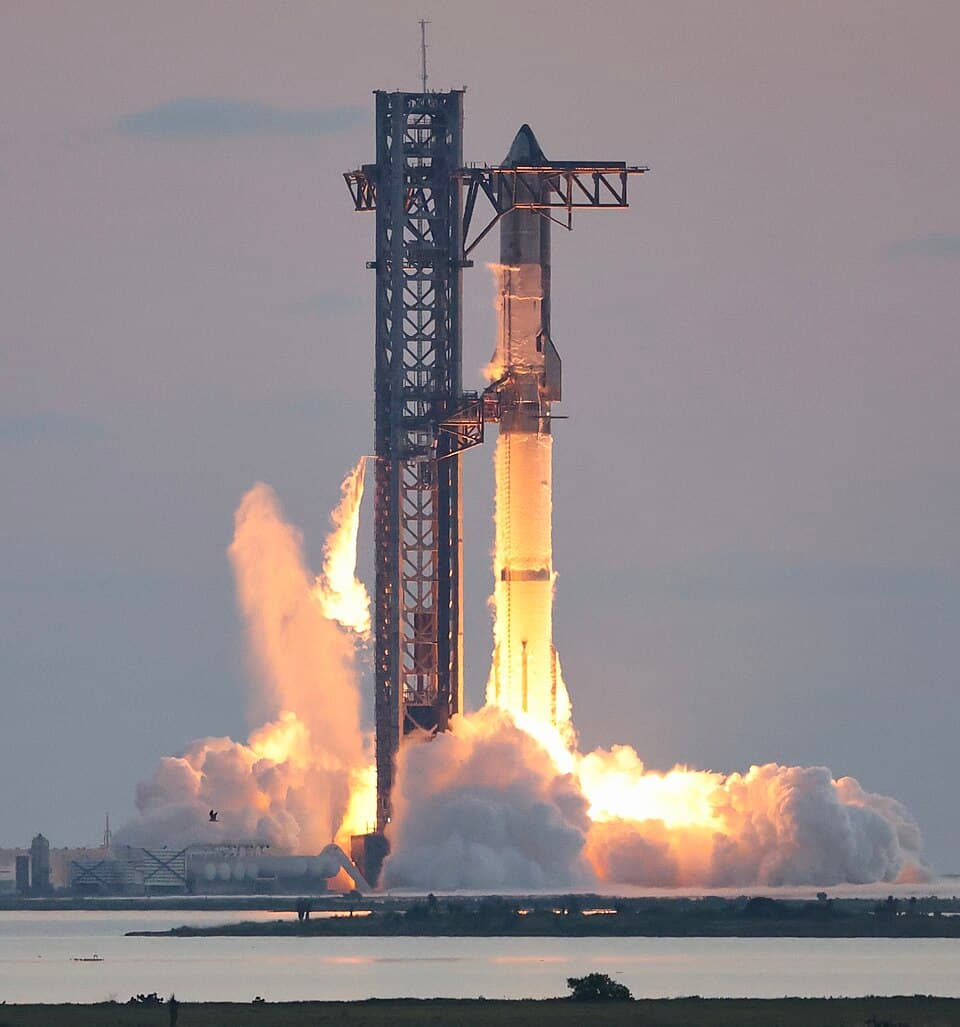
SpaceX
Fully reusable super-heavy-lift launch system designed for missions to the Moon, Mars, and beyond. V3 (Block 3) variant with Raptor 3 engines is the production version.