Active
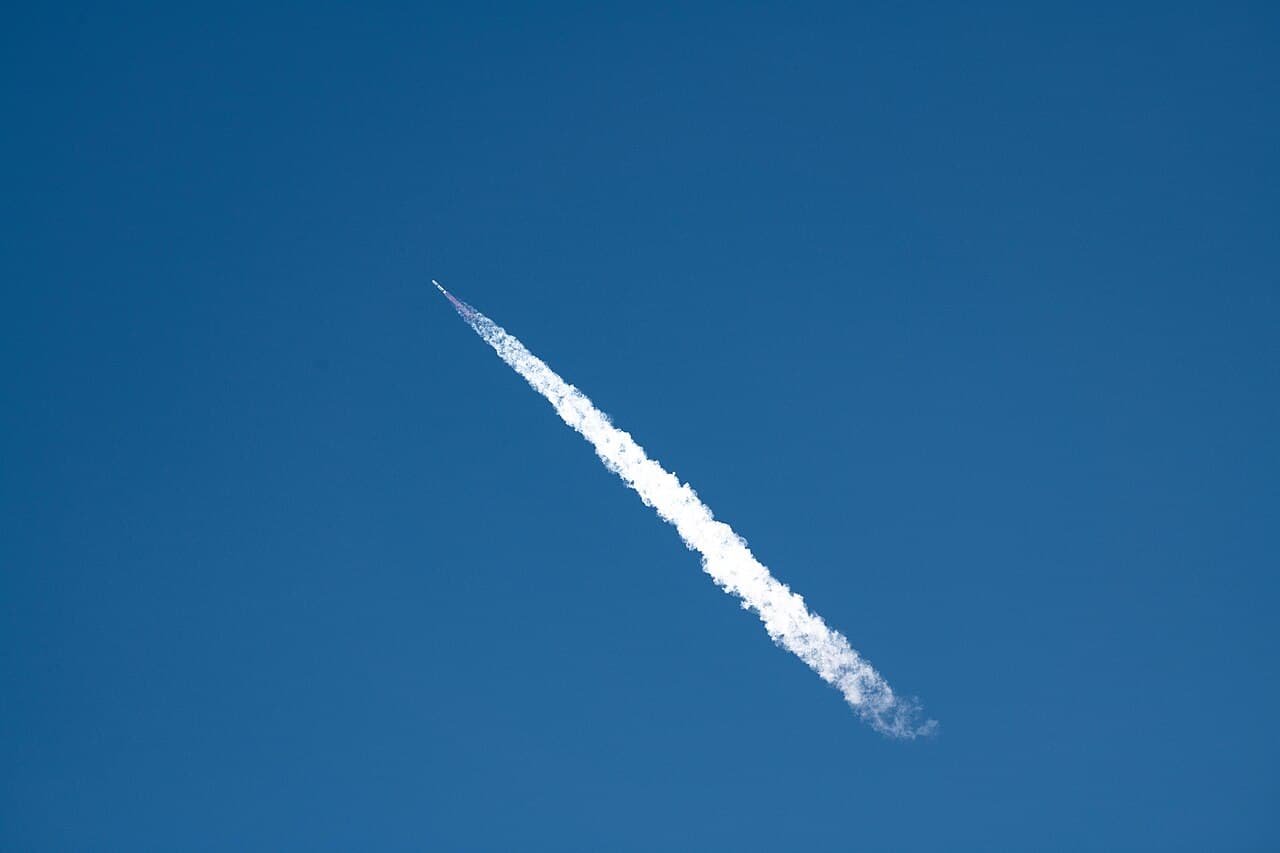
New Glenn
Heavy-lift orbital launch vehicle with a reusable first stage, designed for commercial, civil, and national security missions.
 Blue Origin
In Development
Enterprise broadband satellite constellation with 5,408 optically interconnected satellites across LEO and MEO, delivering up to 6 Tbps symmetrical data speeds for enterprise, data center, and government customers.
Latest update Oct 10, 2026
01
Blue Origin introduced TeraWave in January 2026 as a multi-orbit network for enterprise, data center, and government customers. Constellation deployment is slated to begin in Q4 2027. On Oct. 8, 2026 the company said Constellation Park in Hutto, Texas, will support TeraWave manufacturing. Construction start and occupancy dates were not published.
02
03
Announced next steps from Blue Origin that mention TeraWave.
Q4 2027
Begin deploying the 5,408-satellite TeraWave broadband network (5,280 LEO + 128 MEO satellites in Q/V-band) on New Glenn rockets, delivering up to 144 Gbps LEO and 6 Tbps MEO optical capacity for enterprise, data center, and government customers worldwide. Blue Origin's roadmap ties TeraWave's larger satellite batches to the upgraded New Glenn 9x4 variant rather than the current 7x2 vehicle. Blue Origin's FCC application (filed January 2026) remains in regulatory review; reverified in late August 2026, the Q4 2027 deployment start is unchanged. Bloomberg reported September 3, 2026 that Blue Origin has hired at least 47 Amazon Leo veterans over the past year - including a director of recruiting and two vice presidents since March - to build out the TeraWave team, a sign of ramping investment ahead of deployment.
04
Bloomberg reported September 3, 2026 that Blue Origin has hired at least 47 veterans of Amazon's Leo satellite venture over the past year, many now working on TeraWave, Blue Origin's planned enterprise-focused constellation. Recruits include satellite-testing, networking, avionics, radio, optical and software engineers, plus a TeraWave recruiting director and at least two vice presidents who left Amazon Leo since March. Neither company commented. TeraWave is seeking FCC authority for thousands of satellites, with first deployments targeted around late 2027.
05
Heavy-lift orbital launch vehicle with a reusable first stage, designed for commercial, civil, and national security missions.
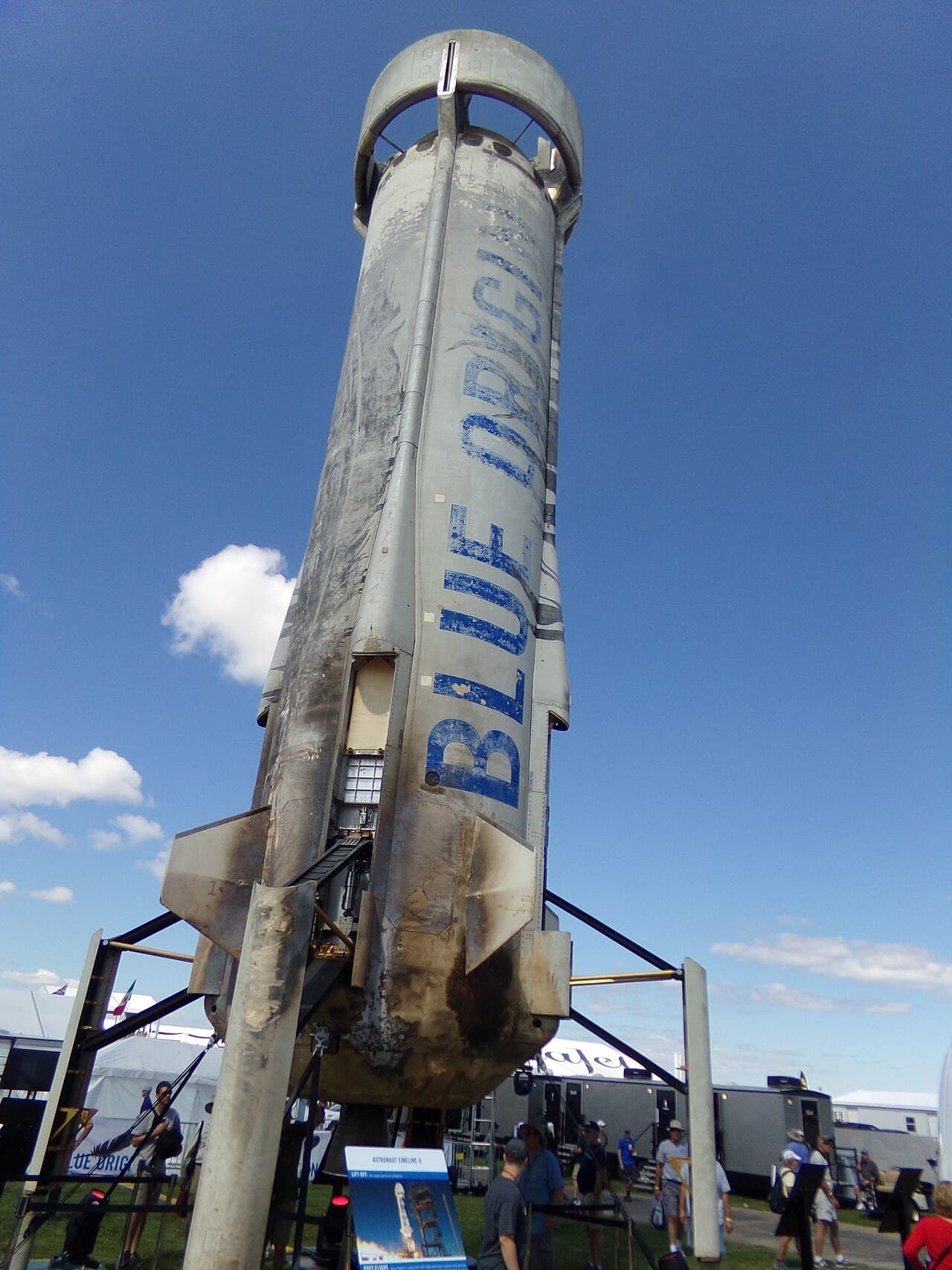
Suborbital launch vehicle for space tourism and research, capable of fully autonomous vertical landing and reuse.
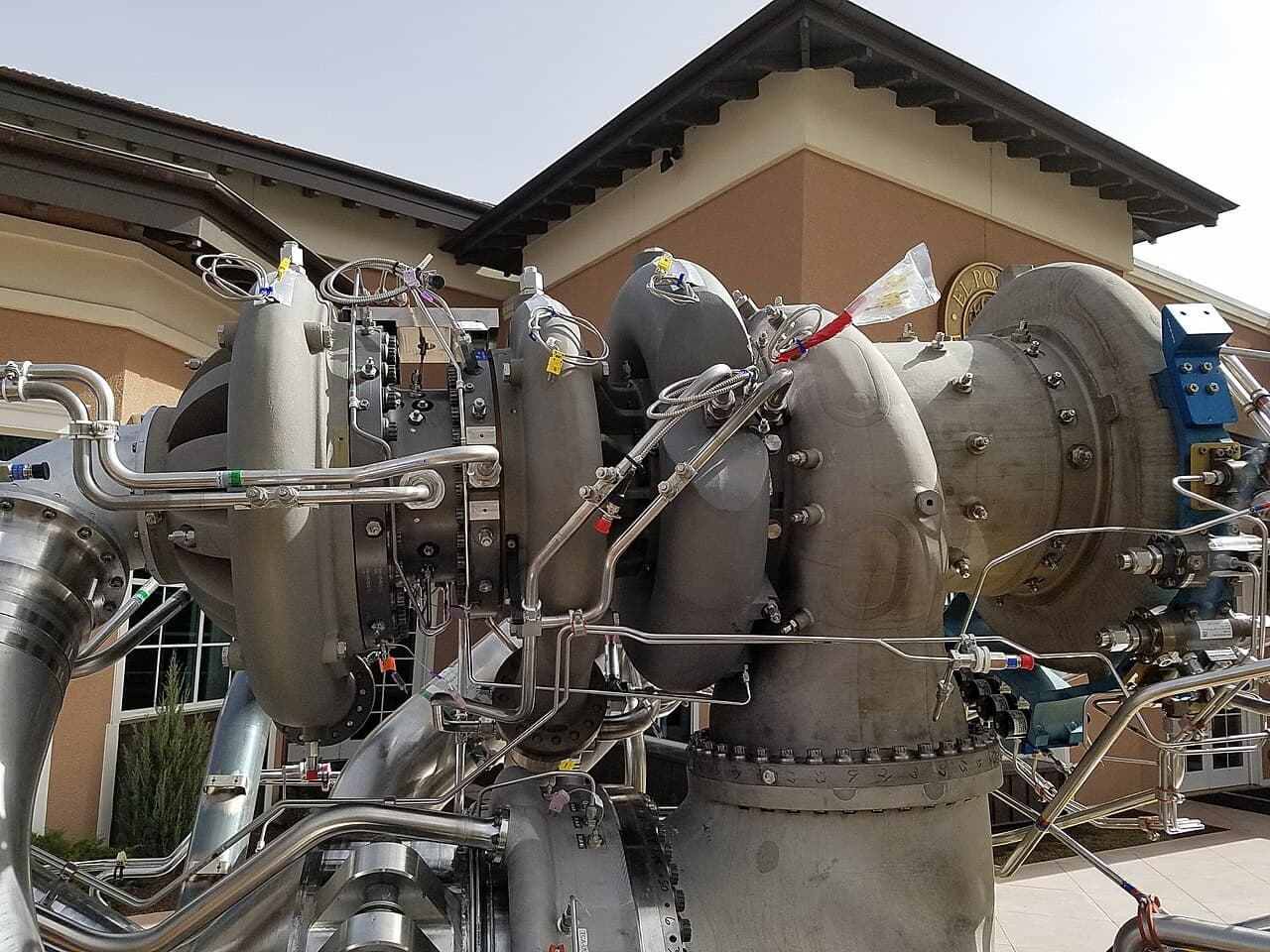
Liquid oxygen/liquefied natural gas (methane) rocket engine - the first American-made oxygen-rich staged combustion engine. Powers New Glenn and ULA Vulcan Centaur.
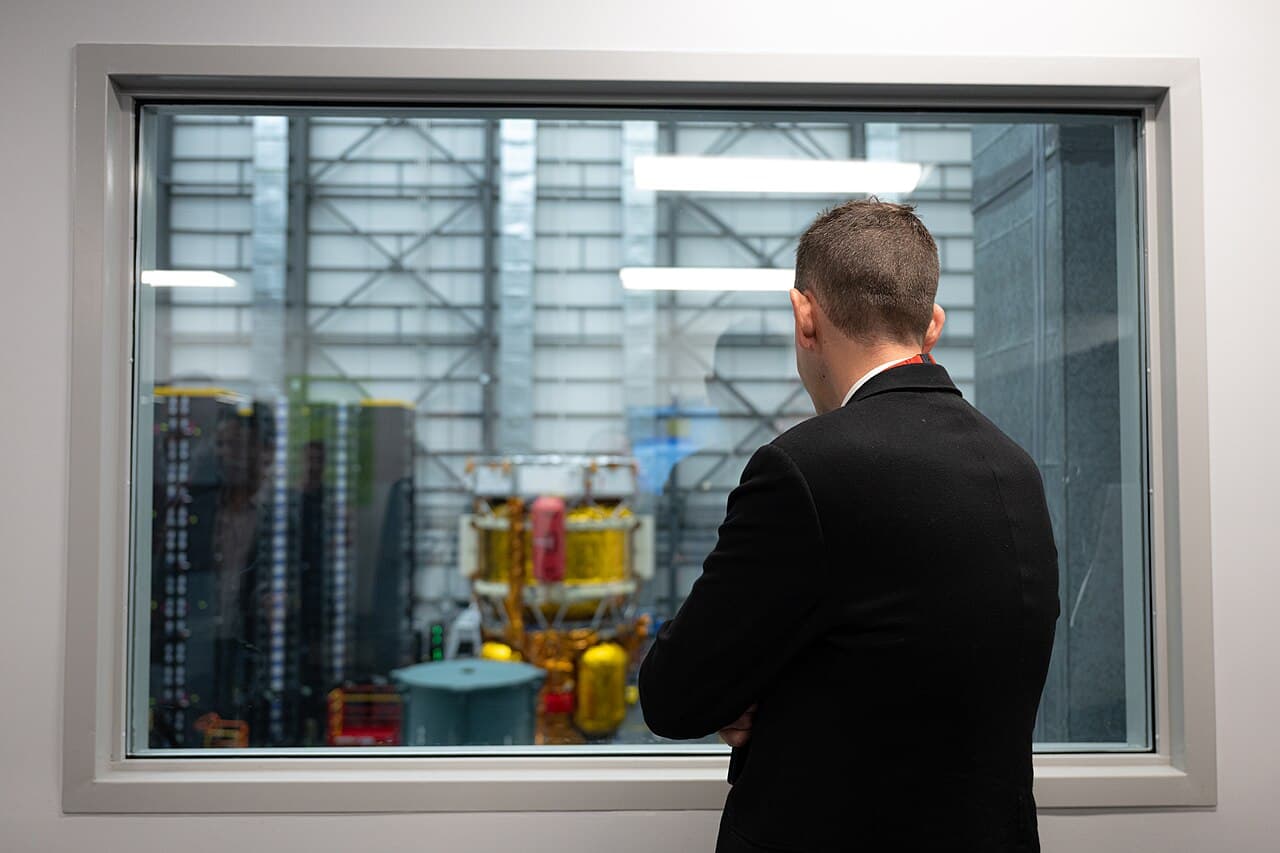
Lunar landing system family with a cargo-focused Mark 1 variant and a crew-capable Mark 2 variant being developed for NASA's Artemis program.
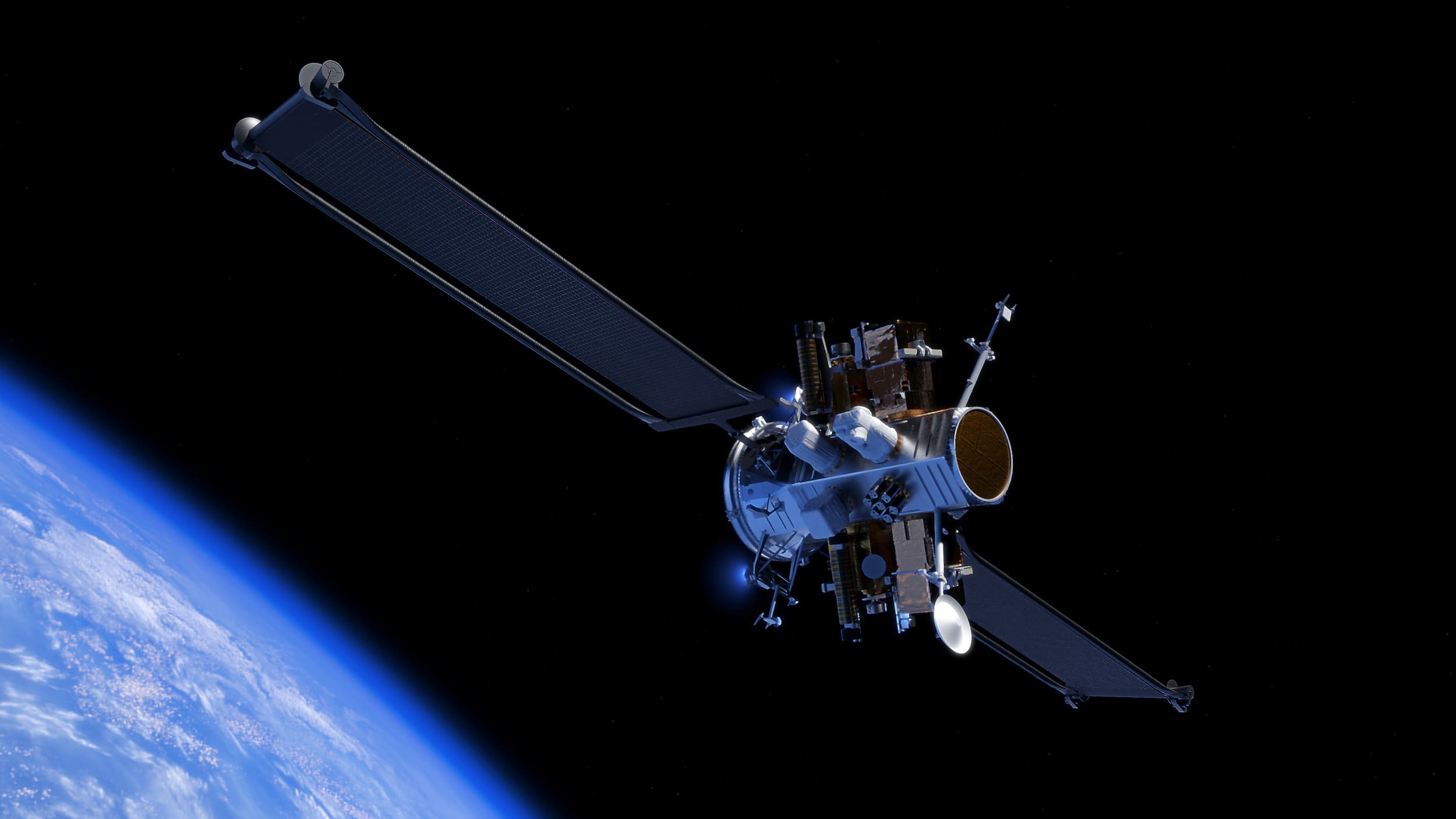
Multi-mission in-space transport platform with hybrid chemical and solar-electric propulsion, providing hosting, transportation, refueling, data relay, and in-space cloud computing services.
Commercial space station project co-led by Blue Origin and Sierra Space, with partners, as a mixed-use 'business park in space' for research, industrial, international, and commercial customers in low Earth orbit, built around Sierra Space's inflatable LIFE habitat. It is the slowest-advancing of the four major US commercial-station programs and remains Blue Origin's bid for NASA's Commercial LEO Destinations Phase 2 competition (draft RFP released July 6, 2026).
Ground-station-as-a-service network providing communications, tracking, and telemetry (TT&C) access for satellite operators, built with partner RBC Signals.
06
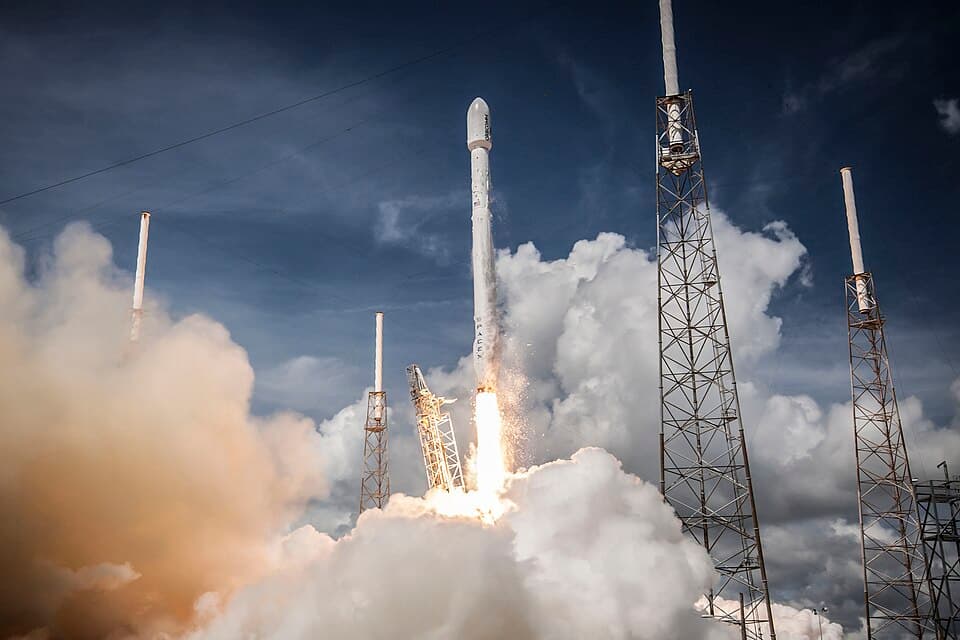
SpaceX
Partially reusable two-stage medium-lift launch vehicle. The world's most frequently launched orbital rocket.
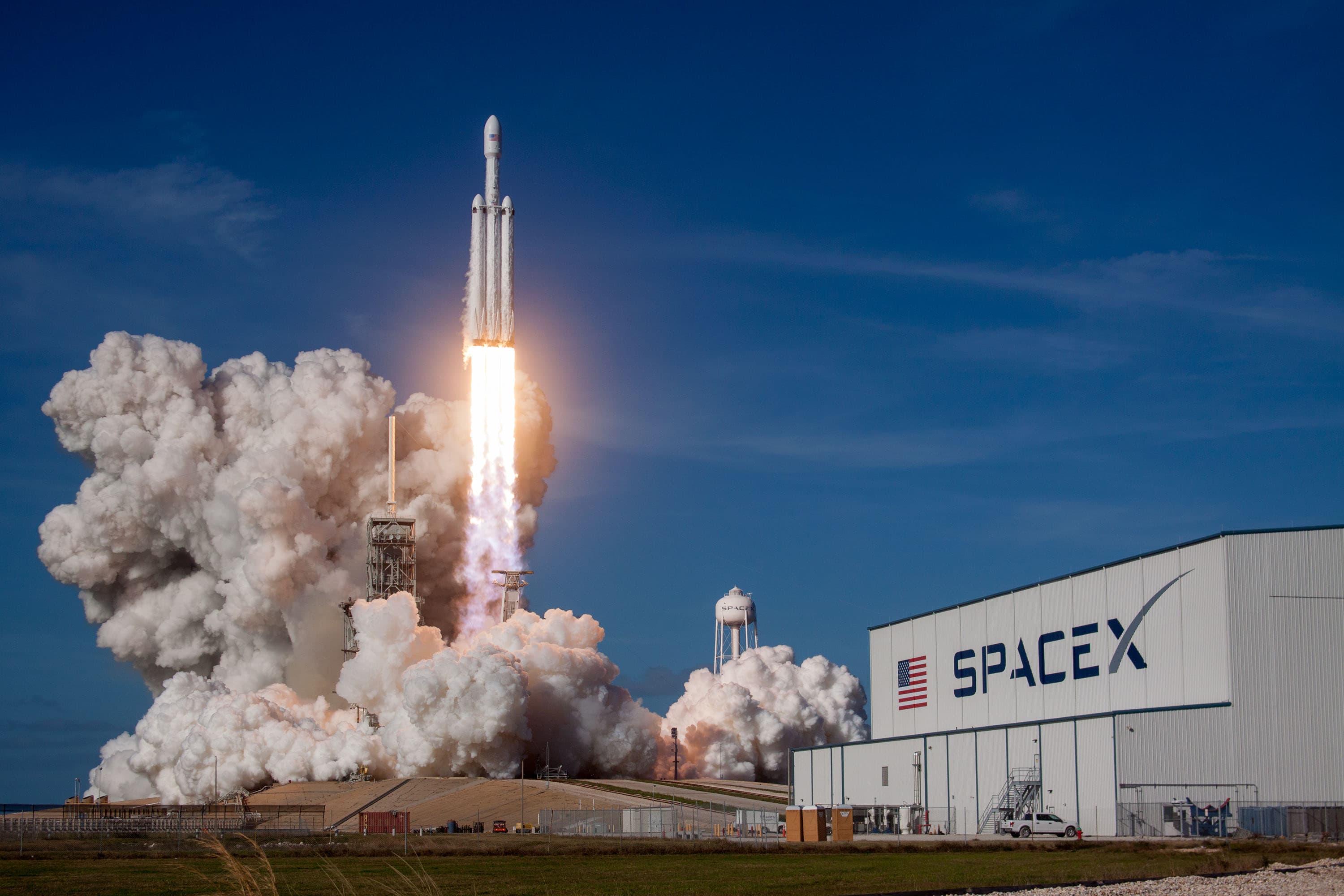
SpaceX
Heavy-lift launch vehicle consisting of a strengthened Falcon 9 core with two additional boosters.
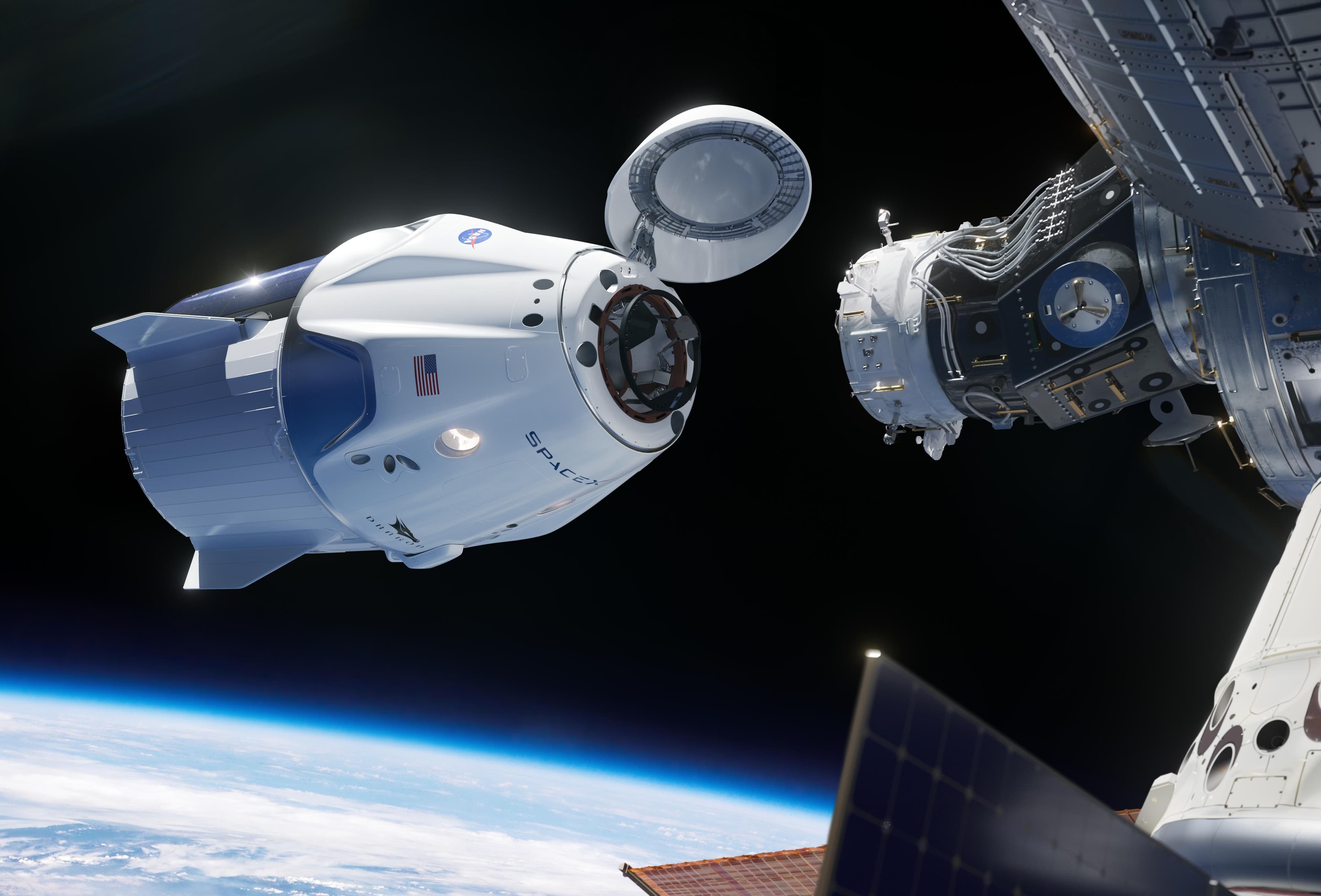
SpaceX
Reusable spacecraft for cargo and crew transport to the International Space Station.
SpaceX
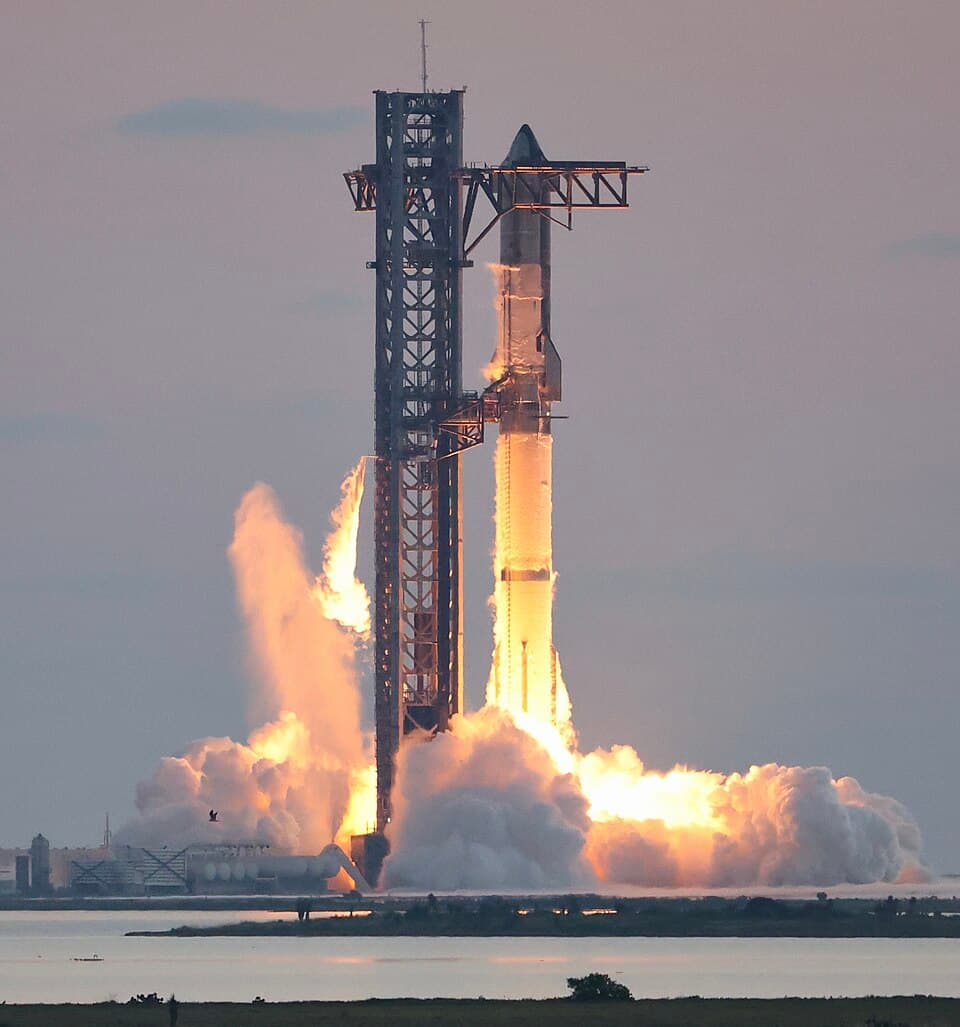
Fully reusable super-heavy-lift launch system designed for missions to the Moon, Mars, and beyond. V3 (Block 3) variant with Raptor 3 engines is the production version.