Active
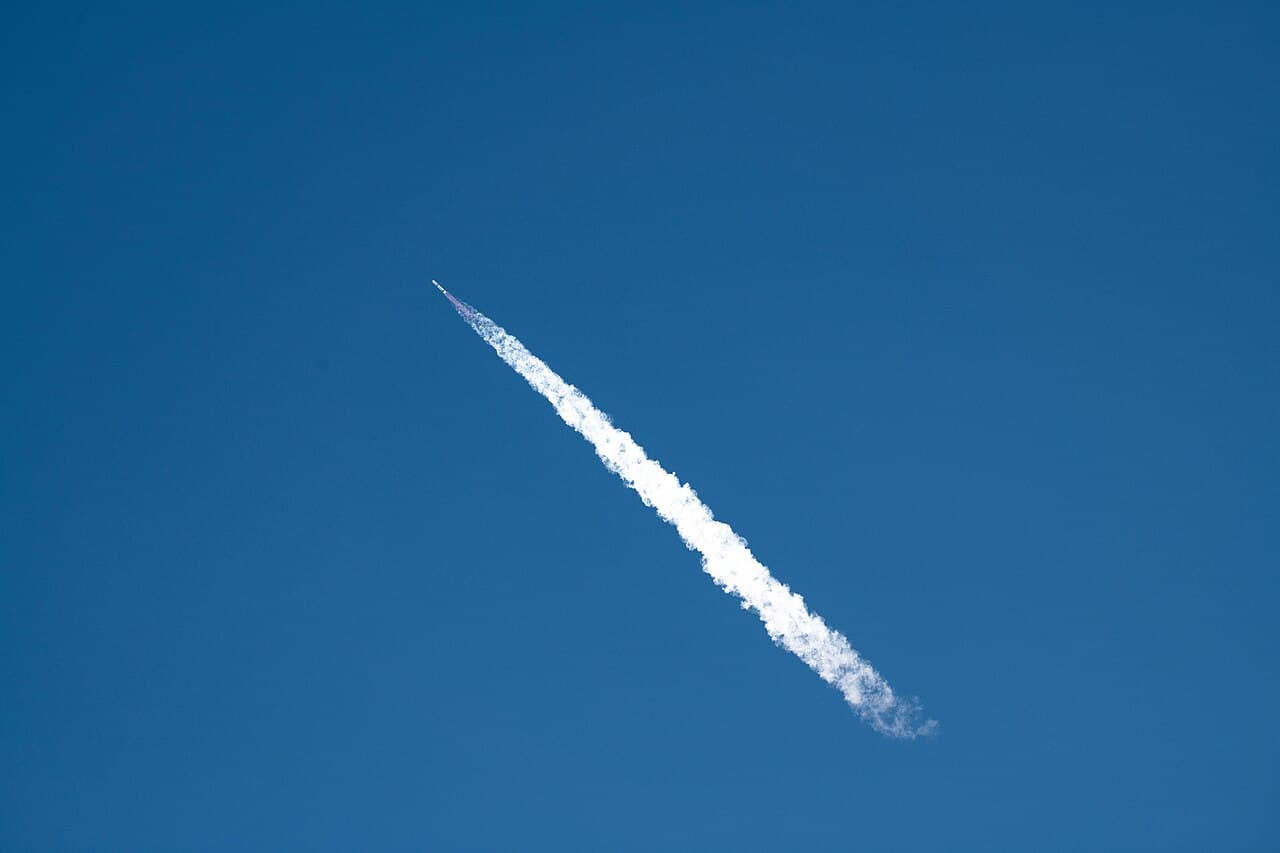
New Glenn
Heavy-lift orbital launch vehicle with a reusable first stage, designed for commercial, civil, and national security missions.
 Blue Origin
In Development
Lunar landing system family with a cargo-focused Mark 1 variant and a crew-capable Mark 2 variant being developed for NASA's Artemis program.
Latest update Aug 28, 2026
01
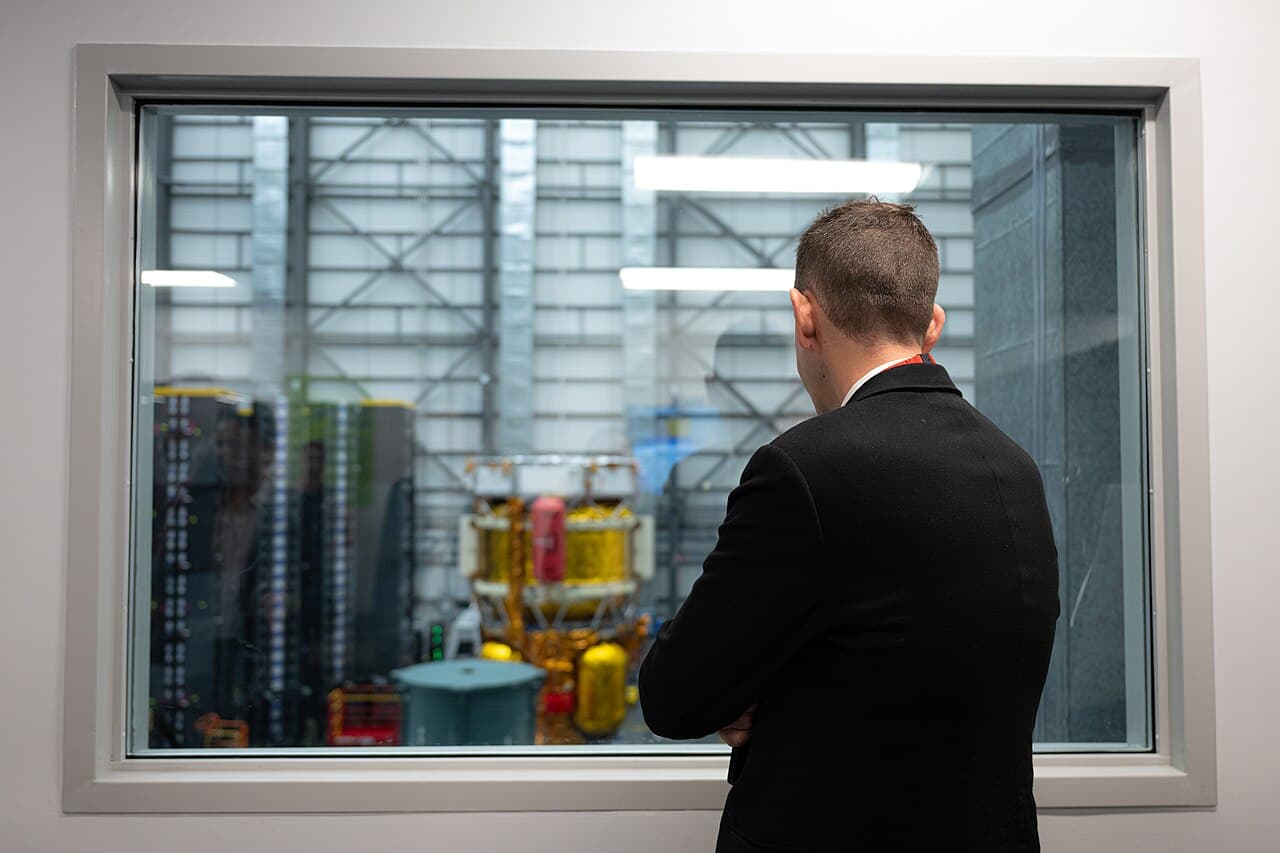
The first Blue Moon MK1 'Endurance' completed environmental testing inside NASA Johnson Space Center's Thermal Vacuum Chamber A in May 2026 and moved into radio-frequency compatibility testing at Lunar Plant 1 in Florida, ahead of a launch to the lunar south pole on New Glenn under NASA's CLPS program. A NASA Moon Base program update on August 4, 2026 said Endurance has since also cleared communications checkouts with the Tracking and Data Relay Satellite System and the Deep Space Network, with cryogenic (LOX/LH2) propellant-loading tests of the BE-7-powered lander next before final launch integration; that same August 4, 2026 update is the first NASA material to explicitly cite a first-quarter-2027 target, reconciling the earlier gap between NASA's older 'no earlier than fall 2026' language and trade-press reporting of a slip tied to New Glenn's grounding since the May 28, 2026 LC-36 explosion. NASA's February 2026 Artemis architecture overhaul reassigned MK2: it will first fly an uncrewed/prototype docking demo with Orion in low Earth orbit on the restructured Artemis III (targeted 2027, crew named June 9, 2026), then compete with SpaceX's Starship HLS for the program's first crewed Moon landing, now targeted for Artemis IV as soon as early 2028 (Artemis V, a second landing, as soon as late 2028) - NASA has not yet decided which lander flies first.
02
03
Announced next steps from Blue Origin that mention Blue Moon.
NET Q1 2027
Fly the first Blue Moon Mark 1 cargo lander ('Endurance') to the Moon's south pole (Shackleton Connecting Ridge), validating up to 3-tonne cargo delivery, cryogenic propulsion, and autonomous GN&C. The lander has cleared thermal vacuum testing at NASA Johnson, radio-frequency compatibility testing at Lunar Plant 1, and (per an August 4, 2026 NASA Moon Base update) communications checkouts with TDRSS and the Deep Space Network; cryogenic propellant-loading tests are the next step before final launch integration. That same August 4, 2026 NASA Moon Base update is the first NASA material to explicitly confirm a first-quarter-2027 target for the mission. Reverified September 12, 2026: Blue Origin's newsroom still has no newer Endurance date, and the mission remains gated on New Glenn's return to flight.
2027
Target2027 (Artemis III LEO docking test); NET early 2028 (first crewed landing, lander TBD)
NASA's February 27, 2026 Artemis architecture overhaul restructured Blue Origin's original 2023 HLS award: Artemis III is no longer a lunar landing but a crewed low-Earth-orbit test flight in which Orion will dock in turn with prototypes of Blue Origin's Blue Moon Mark 2 and SpaceX's Starship HLS (crew named June 9, 2026 at Johnson Space Center), targeted for 2027. NASA has pushed the program's first crewed lunar landing to Artemis IV, targeted as soon as early 2028, with a second landing (Artemis V, starting lunar-base construction) as soon as late 2028 - and has left open which of the two landers, Blue Moon or Starship, flies the first landing, to be decided based on Artemis III performance. Blue Origin's original $3.4B NASA award still underwrites Mark 2 development regardless of mission order. NASA Administrator Jared Isaacman reaffirmed the 2027 Artemis III / early-2028 Artemis IV framework on August 14, 2026, tying it to SpaceX's Starship flight cadence rather than to any change on Blue Origin's side. Reverified September 12, 2026: no later NASA or Blue Origin announcement has moved those dates.
04
NASA on June 9 named the four astronauts for Artemis III - commander Randy Bresnik, pilot Luca Parmitano (ESA), and mission specialists Frank Rubio and Andre Douglas - for a roughly two-week flight that will stay in low-Earth orbit to rendezvous and dock with both human landing systems before any crewed lunar landing. Administrator Jared Isaacman said Orion will link up with Blue Origin's Blue Moon and SpaceX's Starship landers to evaluate life support and other critical systems, with launch targeted as soon as late 2027. The plan turns the crewed test directly on the two companies' lander programs, both of which face hurdles - Blue Origin after the May 28 New Glenn pad explosion and SpaceX as it works to ready Starship for an orbital lander test.
Blue Origin CEO Dave Limp said on June 2 that New Glenn will return to flight before the end of 2026 despite the May 28 hotfire explosion that wrecked the transporter-erector at LC-36, citing better-than-expected damage to the propellant farm, water tower, an additional flight-ready booster, and three upper stages staged nearby. Limp said the company will shift to an alternative vertical assembly path rather than wait for a new transporter-erector and ruled out skipping straight to the larger 9x4 New Glenn variant - keeping Blue Moon MK1 'Endurance' and the Amazon Leo NG-2 manifest within reach for 2026.
05
Heavy-lift orbital launch vehicle with a reusable first stage, designed for commercial, civil, and national security missions.
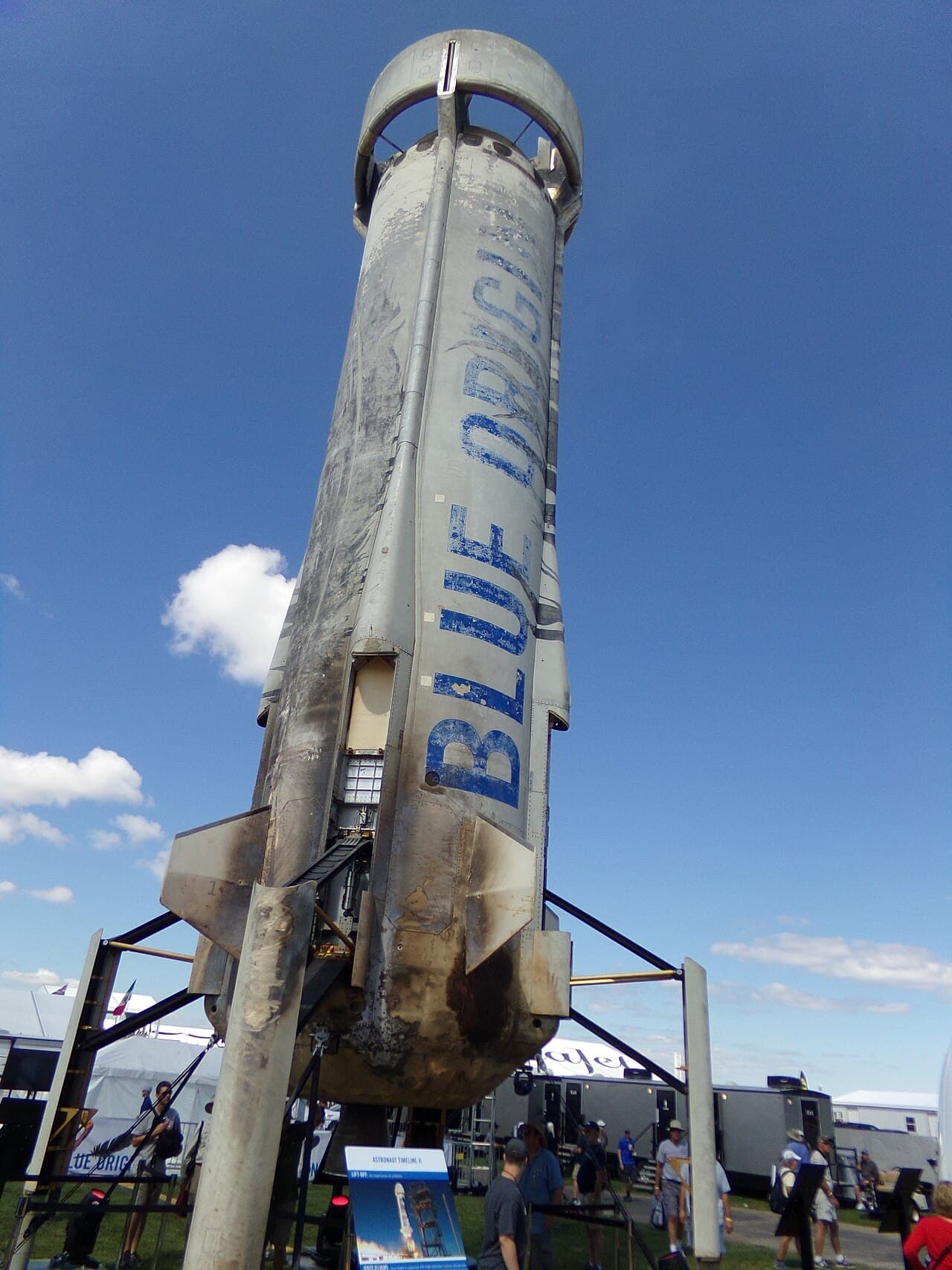
Suborbital launch vehicle for space tourism and research, capable of fully autonomous vertical landing and reuse.
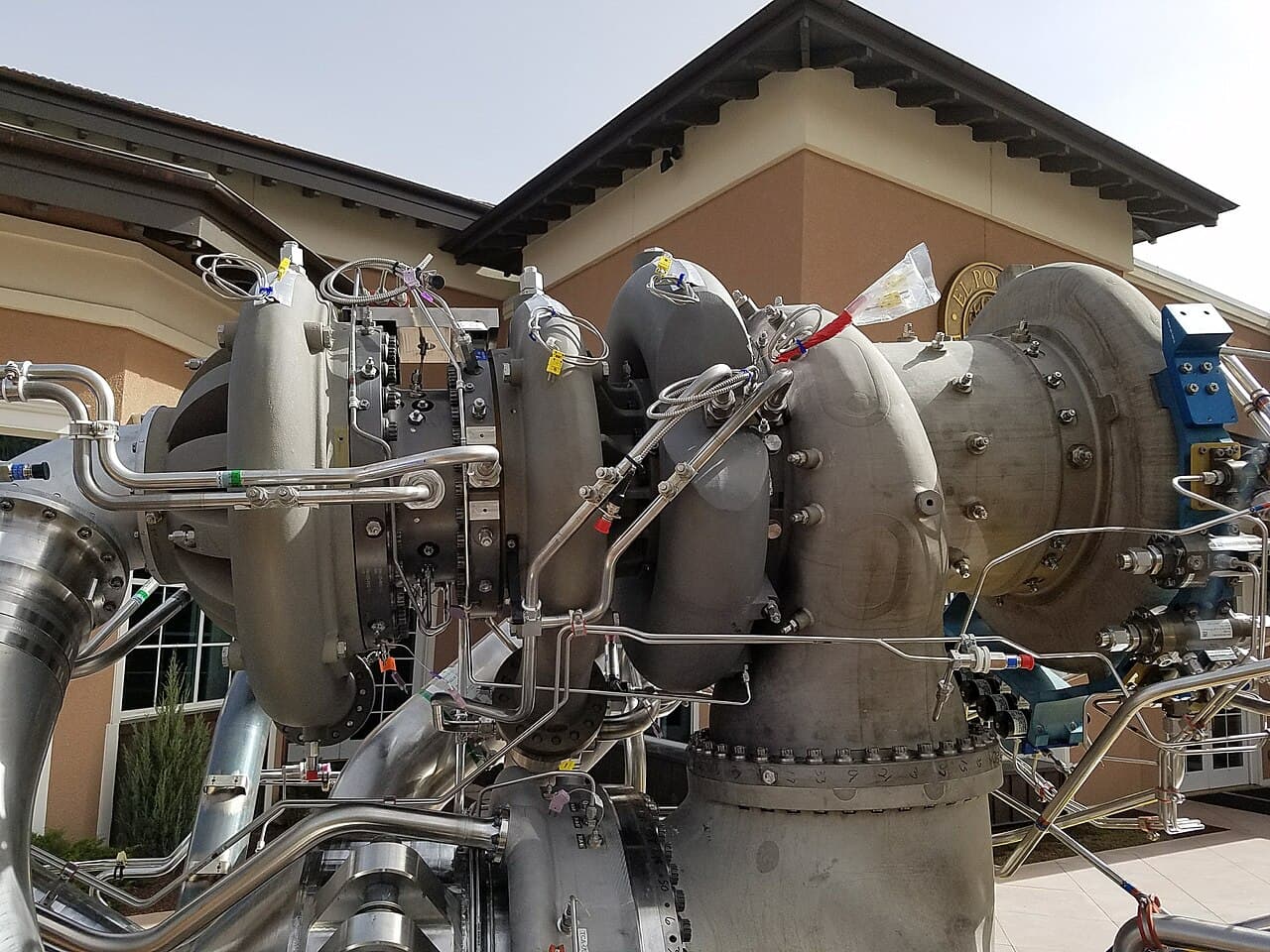
Liquid oxygen/liquefied natural gas (methane) rocket engine - the first American-made oxygen-rich staged combustion engine. Powers New Glenn and ULA Vulcan Centaur.
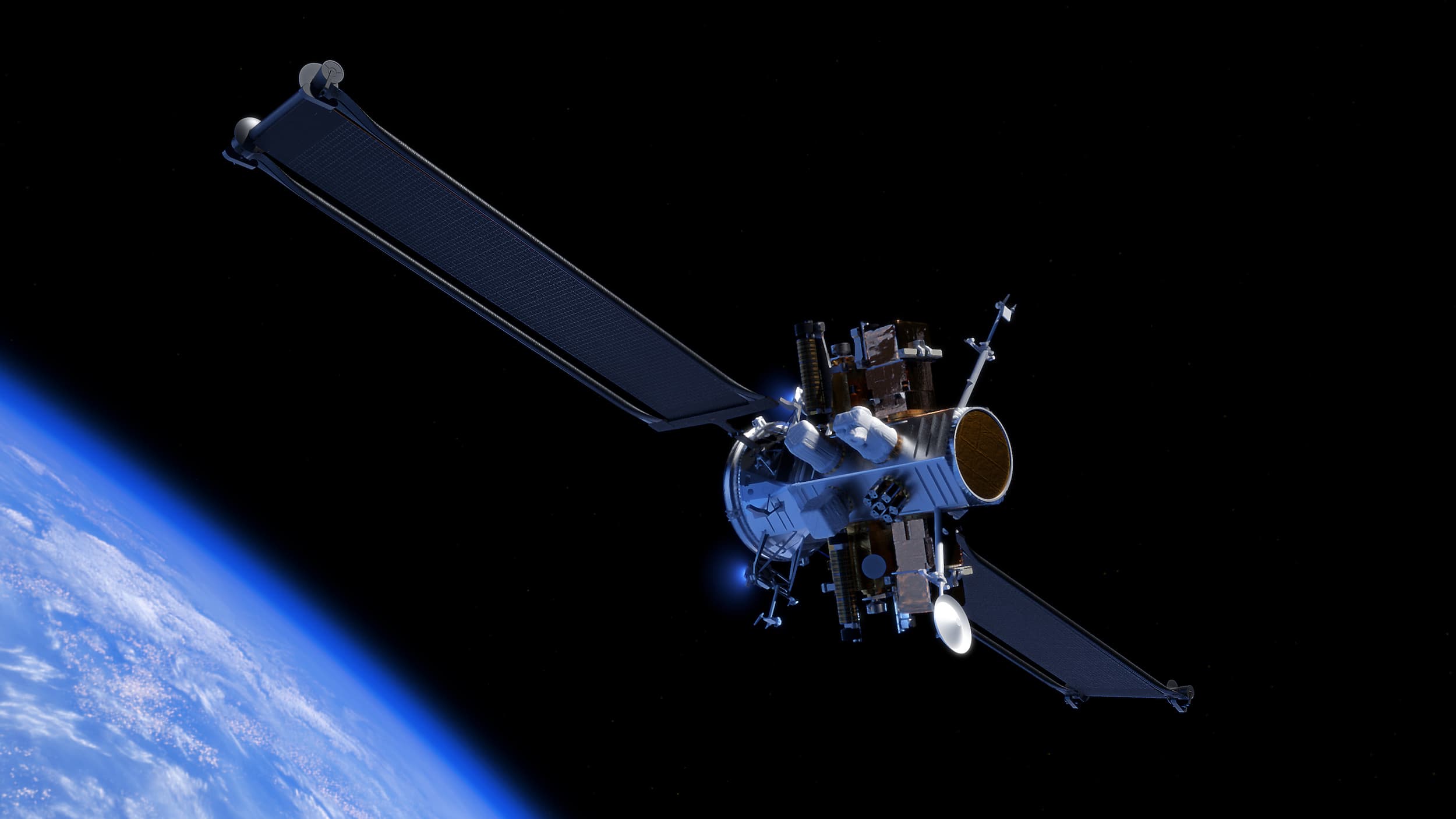
Multi-mission in-space transport platform with hybrid chemical and solar-electric propulsion, providing hosting, transportation, refueling, data relay, and in-space cloud computing services.
Enterprise broadband satellite constellation with 5,408 optically interconnected satellites across LEO and MEO, delivering up to 6 Tbps symmetrical data speeds for enterprise, data center, and government customers.
Commercial space station project co-led by Blue Origin and Sierra Space, with partners, as a mixed-use 'business park in space' for research, industrial, international, and commercial customers in low Earth orbit, built around Sierra Space's inflatable LIFE habitat. It is the slowest-advancing of the four major US commercial-station programs and remains Blue Origin's bid for NASA's Commercial LEO Destinations Phase 2 competition (draft RFP released July 6, 2026).
Ground-station-as-a-service network providing communications, tracking, and telemetry (TT&C) access for satellite operators, built with partner RBC Signals.
06
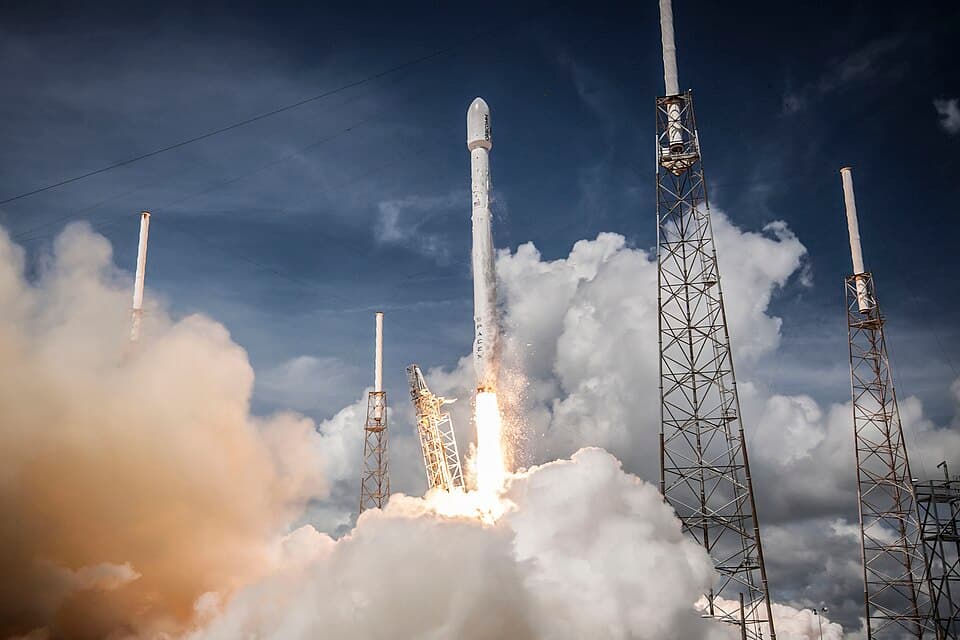
SpaceX
Partially reusable two-stage medium-lift launch vehicle. The world's most frequently launched orbital rocket.
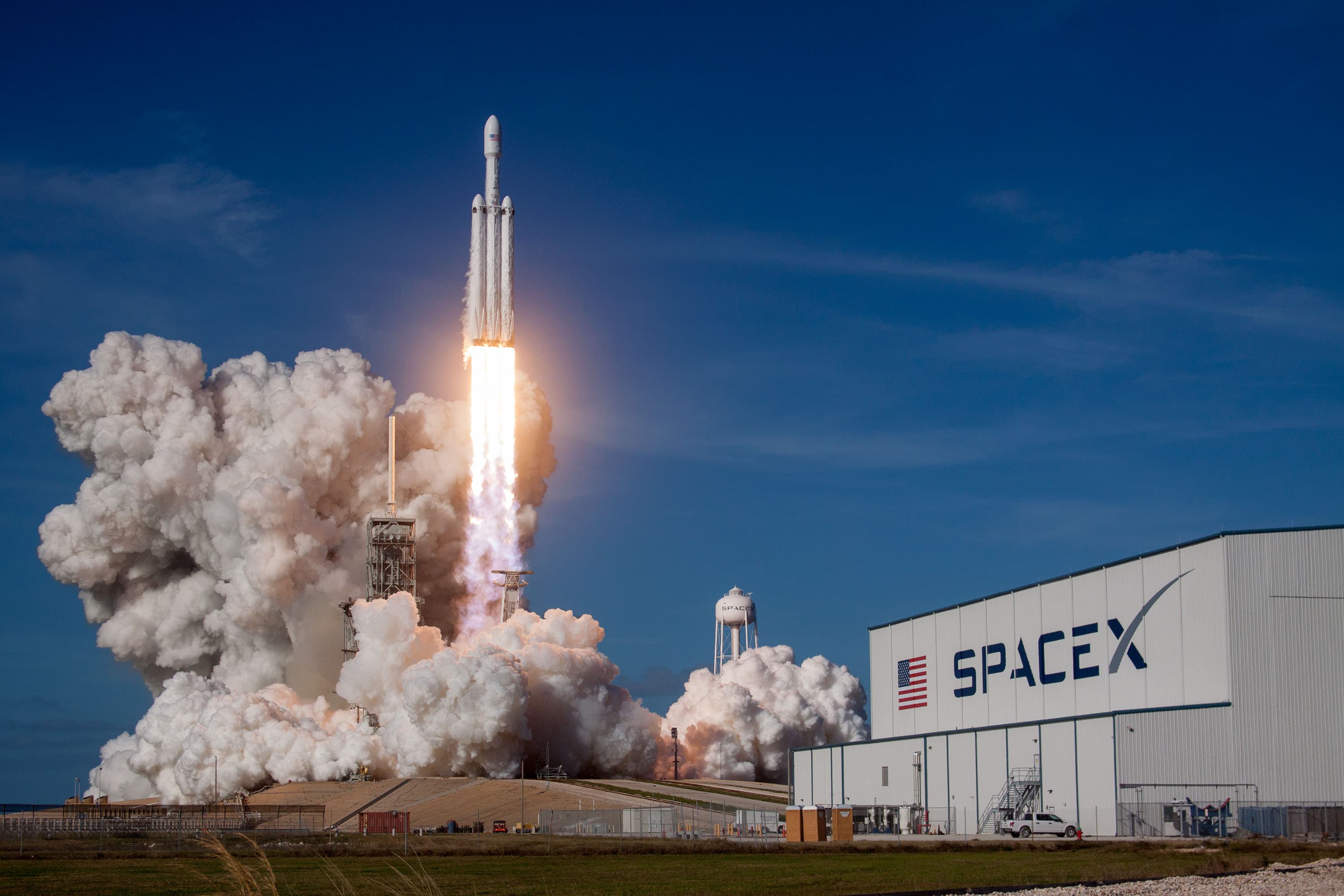
SpaceX
Heavy-lift launch vehicle consisting of a strengthened Falcon 9 core with two additional boosters.
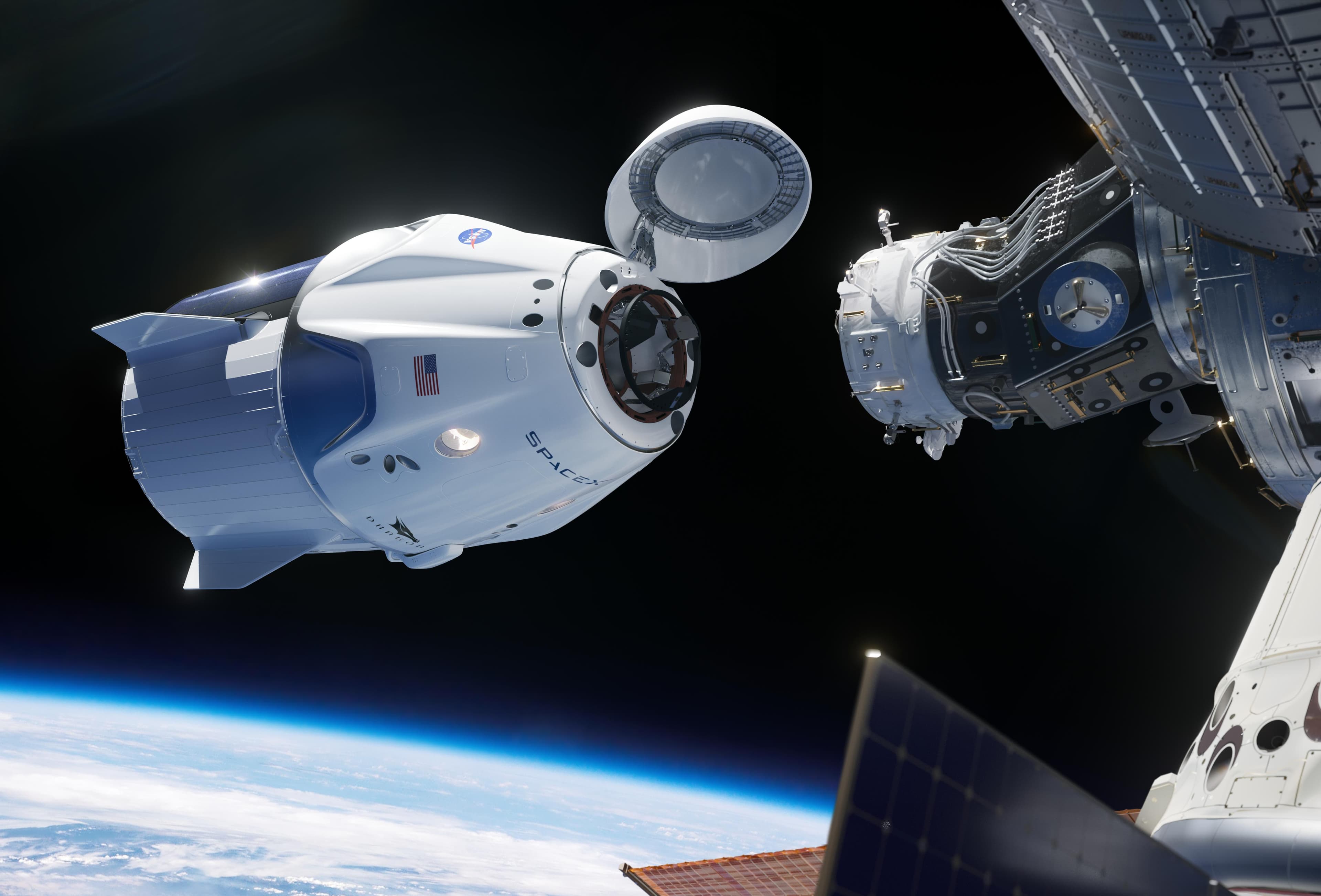
SpaceX
Reusable spacecraft for cargo and crew transport to the International Space Station.
SpaceX
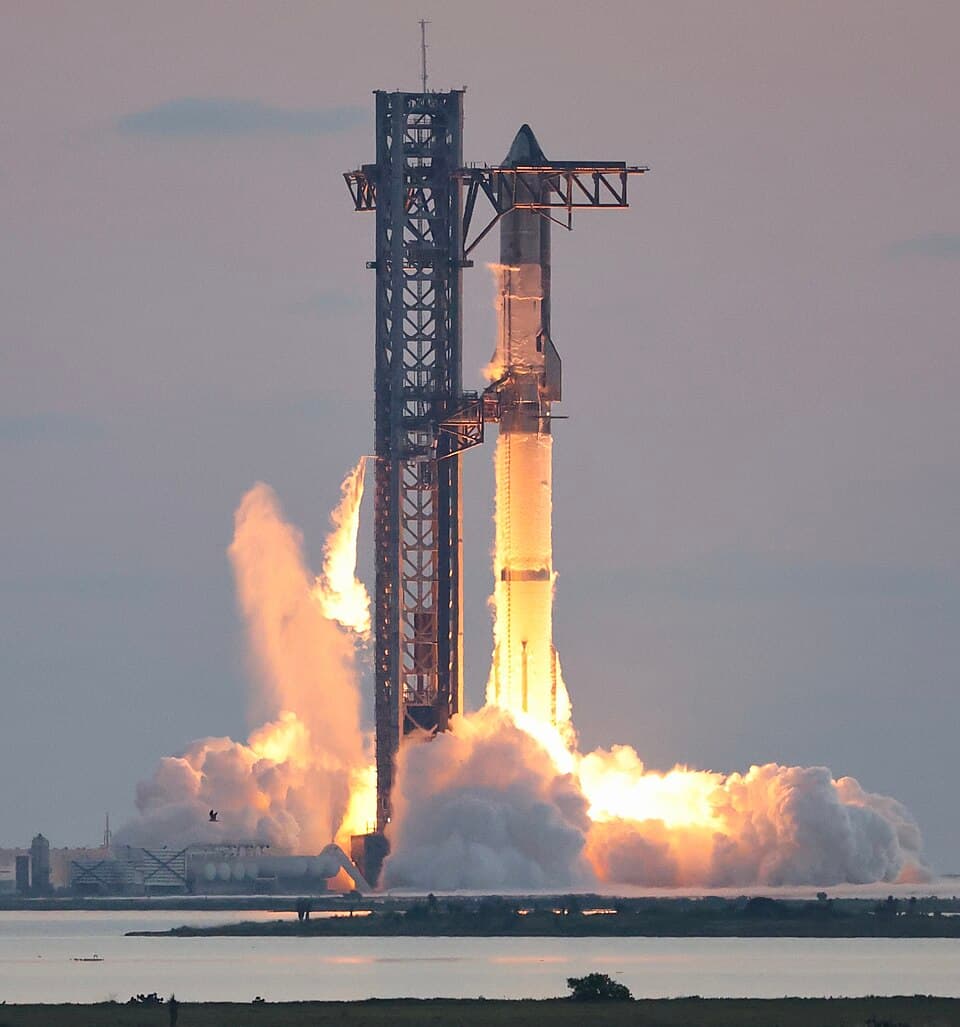
Fully reusable super-heavy-lift launch system designed for missions to the Moon, Mars, and beyond. V3 (Block 3) variant with Raptor 3 engines is the production version.