Active
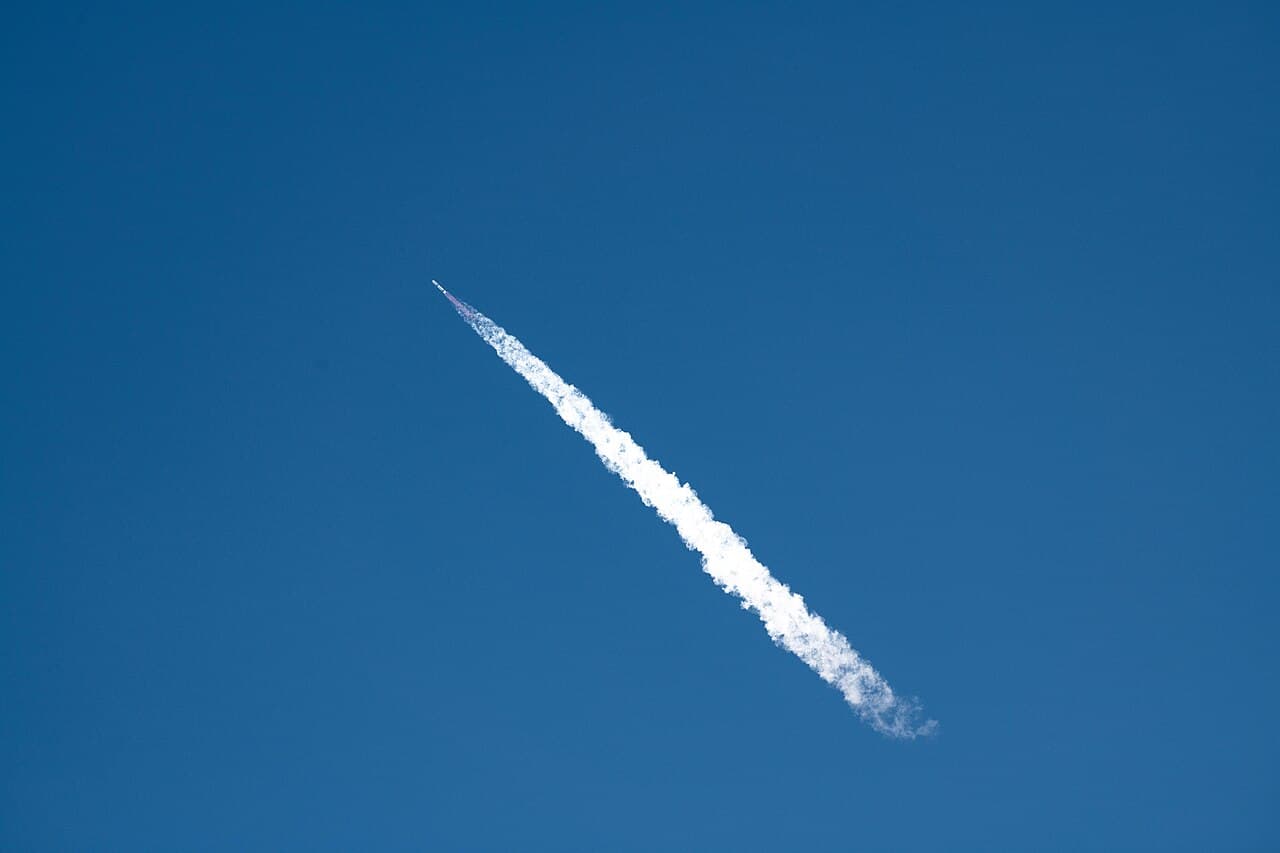
New Glenn
Heavy-lift orbital launch vehicle with a reusable first stage, designed for commercial, civil, and national security missions.
 Blue Origin
Active
Ground-station-as-a-service network providing communications, tracking, and telemetry (TT&C) access for satellite operators, built with partner RBC Signals.
Latest update Oct 10, 2026
01
Launched August 13, 2026 with the first three 3.7-meter S-band/X-band antennas installed and tested in Bermuda, New Zealand, and Australia, as part of a nine-site global buildout planned by the end of 2026. On Oct. 8, 2026 Blue Origin said Constellation Park in Hutto will expand Quartz production. Construction start and occupancy dates were not published.
02
03
Announced next steps from Blue Origin that mention Quartz.
Q4 2026
Due now
Grow the newly launched Quartz ground-station-as-a-service network from its first three live sites (Bermuda, New Zealand, Australia) to nine sites worldwide by the end of 2026, adding larger 9-meter L/S/X/Ka-band antennas at later sites to support GTO, GEO, and cislunar missions alongside the initial 3.7-meter S/X-band stations. Built with partner RBC Signals, which is supporting site surveys, antenna procurement, deployment, and hosting. Reverified September 12, 2026: Blue Origin has not announced a fourth live site, so the count remains three of nine.
04
Blue Origin said August 13 it has begun a global rollout of Quartz, a new ground-station network for satellite communications, tracking and telemetry, with its first three 3.7-meter S-band and X-band antennas installed and tested in Bermuda, New Zealand and Australia as part of a nine-site buildout planned by year-end. The company built the network with partner RBC Signals, whose existing ground-station business will host the new sites and resell unused capacity to other satellite operators, giving Blue Origin a new infrastructure business alongside its rockets, landers and satellite programs.
05
Heavy-lift orbital launch vehicle with a reusable first stage, designed for commercial, civil, and national security missions.
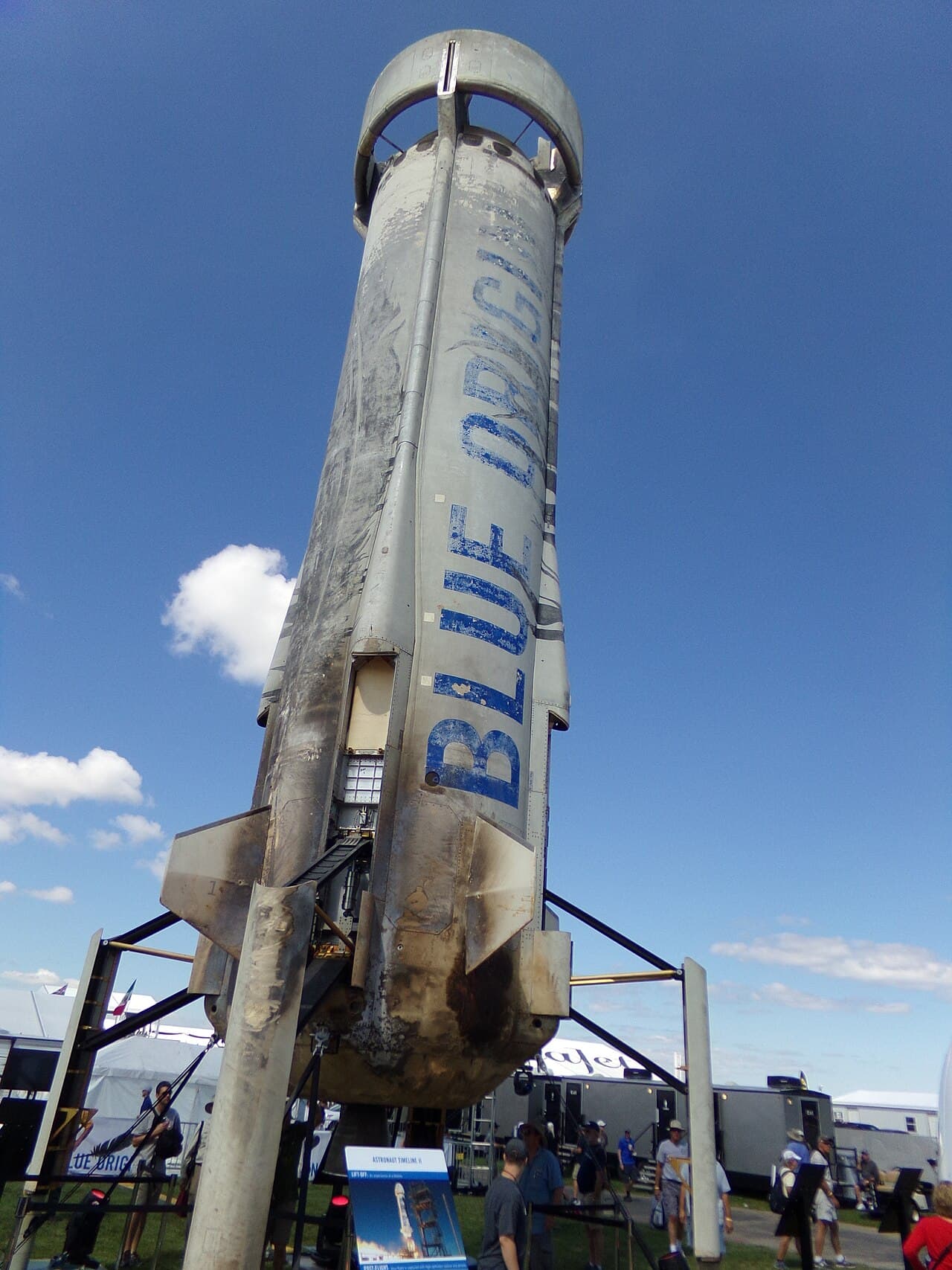
Suborbital launch vehicle for space tourism and research, capable of fully autonomous vertical landing and reuse.
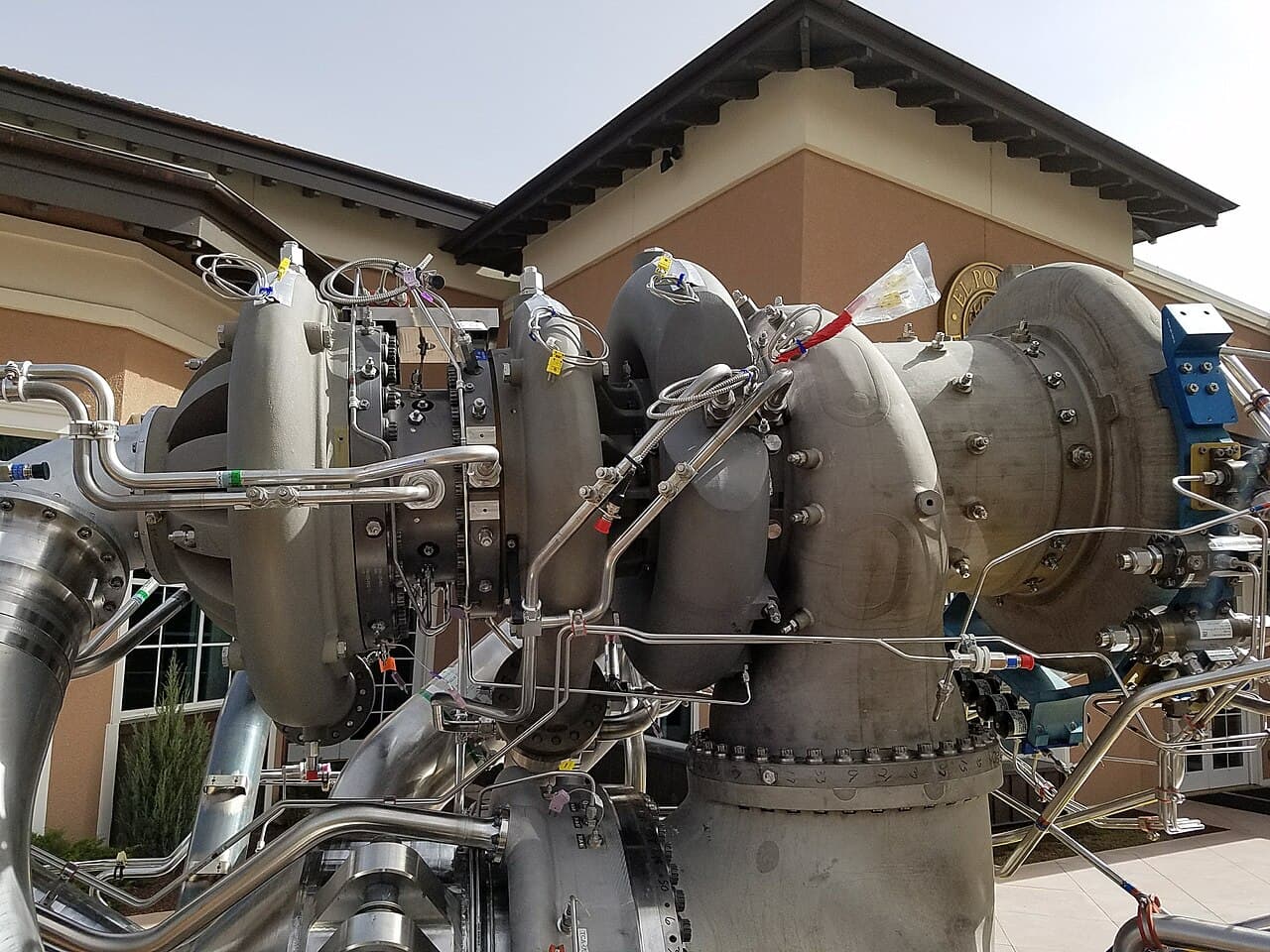
Liquid oxygen/liquefied natural gas (methane) rocket engine - the first American-made oxygen-rich staged combustion engine. Powers New Glenn and ULA Vulcan Centaur.
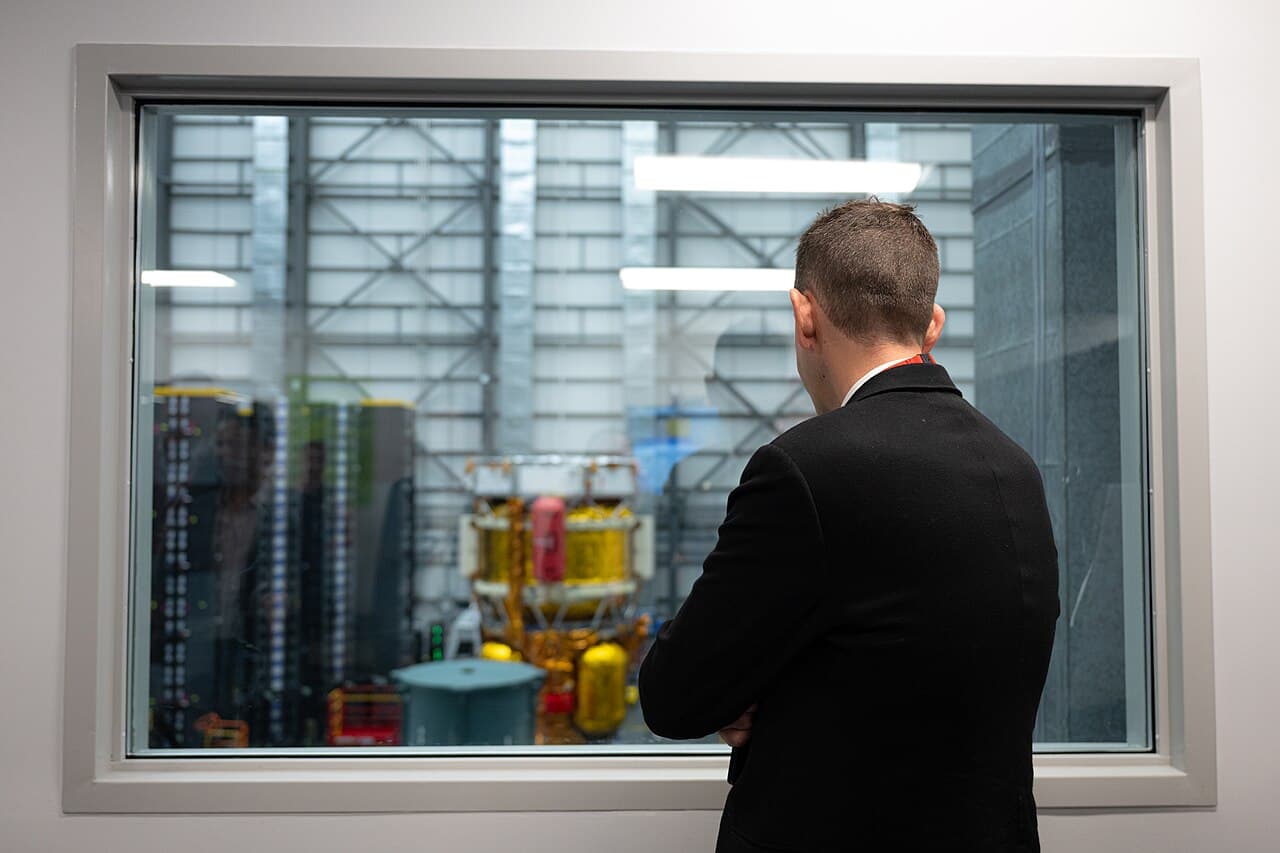
Lunar landing system family with a cargo-focused Mark 1 variant and a crew-capable Mark 2 variant being developed for NASA's Artemis program.
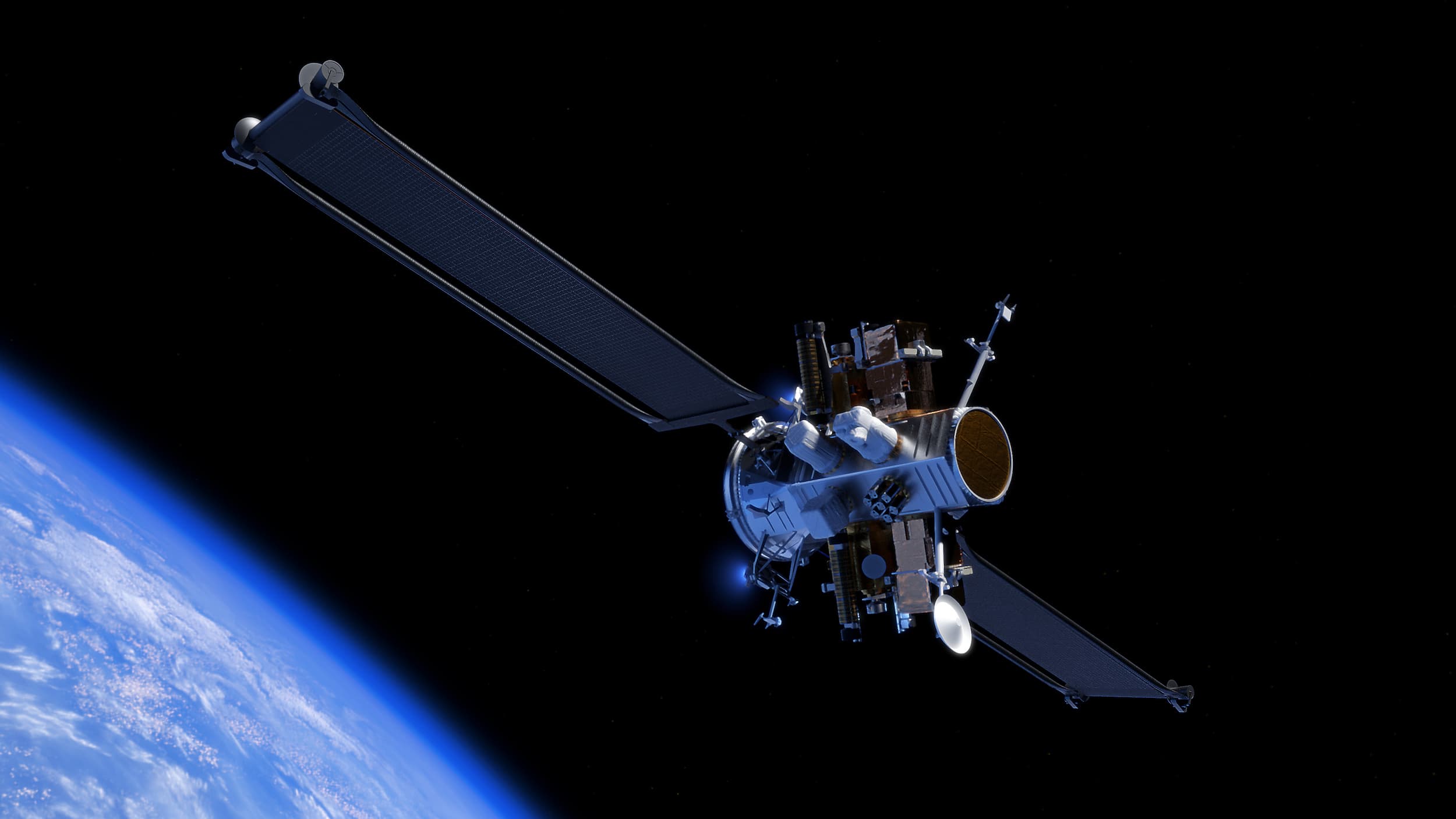
Multi-mission in-space transport platform with hybrid chemical and solar-electric propulsion, providing hosting, transportation, refueling, data relay, and in-space cloud computing services.
Enterprise broadband satellite constellation with 5,408 optically interconnected satellites across LEO and MEO, delivering up to 6 Tbps symmetrical data speeds for enterprise, data center, and government customers.
Commercial station co-led with Sierra Space. On Nov. 13, 2026 Aviation Week reported a Blue Origin statement, emailed the day before, that the company will not bid in NASA's Commercial LEO Destinations Phase 2 and is focusing on lunar projects. The statement does not say Phase 1 is cancelled. Sierra Space's Orbital Reef page still describes a station led with Blue Origin and aimed at the end of this decade, and it does not mention the Phase 2 decision.
LOX/LNG reusable booster engine. Blue Origin's Nov. 5, 2026 post rates it at 715,000 pounds of thrust, 30 percent less mass and half the parts of BE-4, with more than 65 percent produced by additive manufacturing, and says it joins BE-4. The post states no price and no first flight. Ars Technica quotes CEO Dave Limp the same day saying Northstar will eventually replace BE-4 on New Glenn and that Blue Origin believes it can be manufactured at 25 percent of a BE-4's cost. He said test firing has begun and that BE-4 production continues for ULA Vulcan. No first-flight vehicle or date was stated.
Third stage for New Glenn, announced Nov. 5, 2026. Blue Origin says it is already under contract for a cislunar mission with a government customer scheduled to launch in 2028. The agency is not named. It uses the BE-7 engine at better than 460 seconds of vacuum specific impulse and can deliver up to 14 metric tons to GEO and 20 metric tons to trans-lunar injection on the 9x4 vehicle, or up to 8 metric tons to GEO and 10 metric tons to trans-lunar injection on the 7x2. Ars Technica quotes Dave Limp saying one cislunar customer is signed for 2028.
06
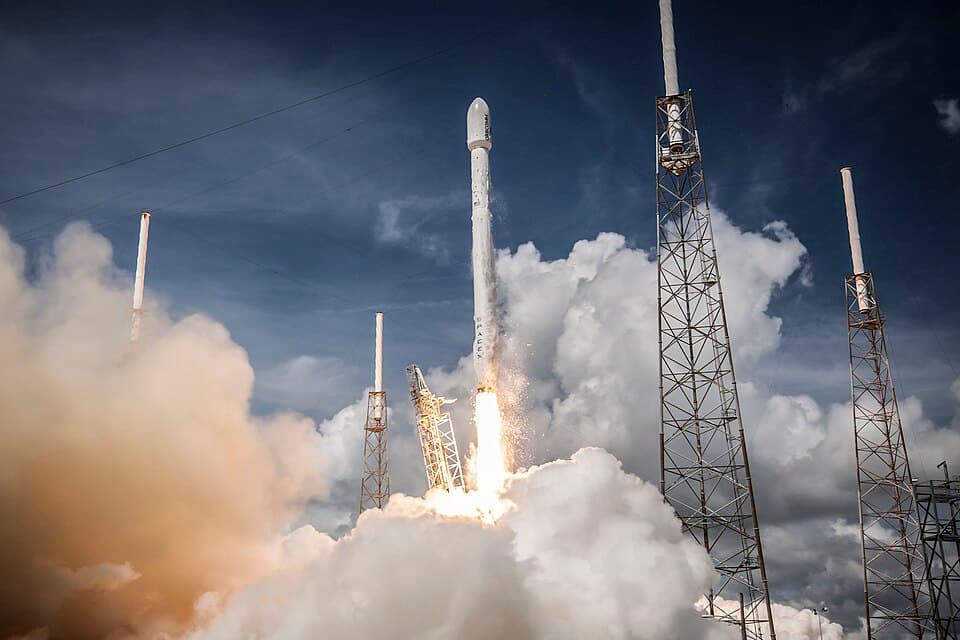
SpaceX
Partially reusable two-stage medium-lift launch vehicle. The world's most frequently launched orbital rocket.
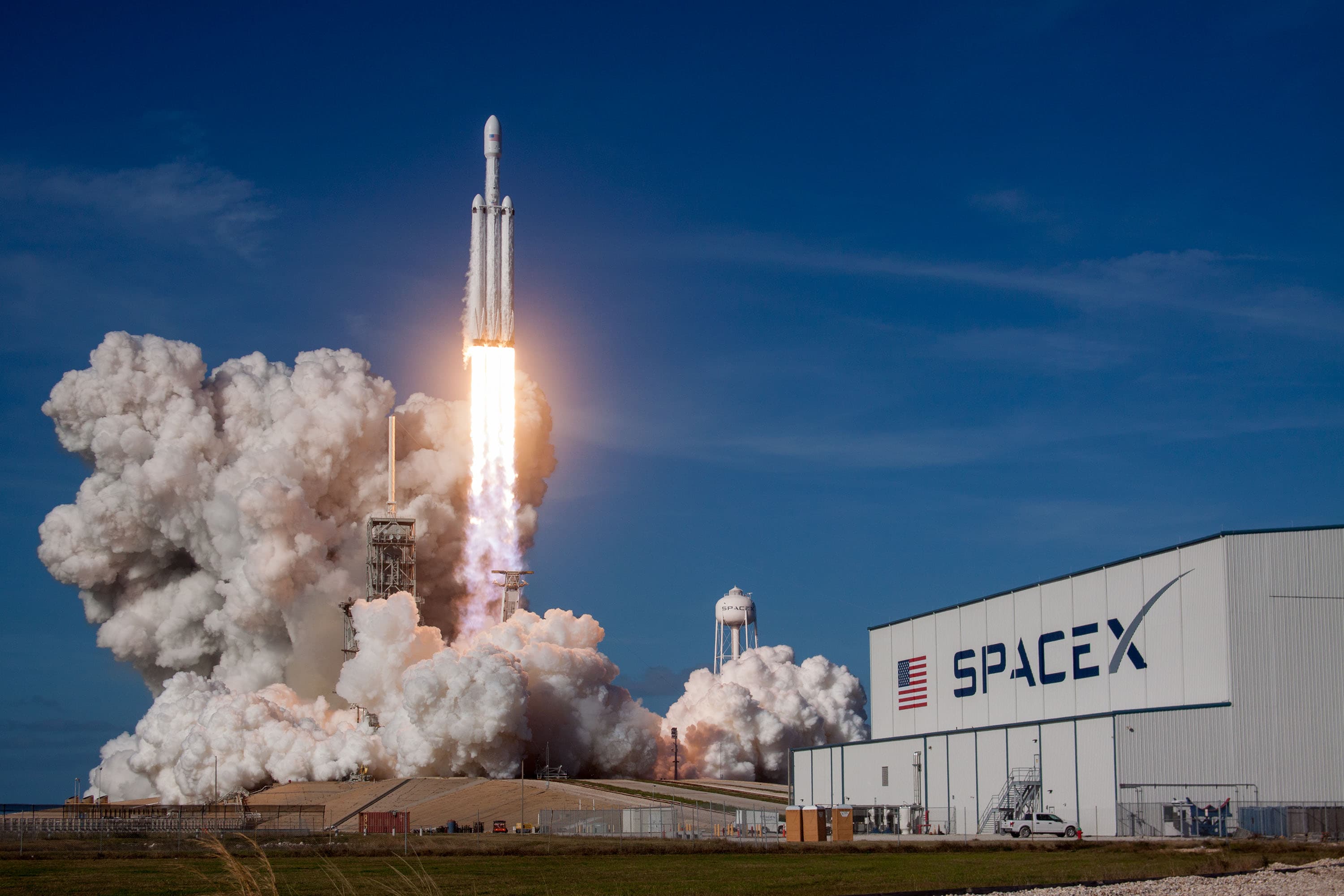
SpaceX
Heavy-lift launch vehicle consisting of a strengthened Falcon 9 core with two additional boosters.
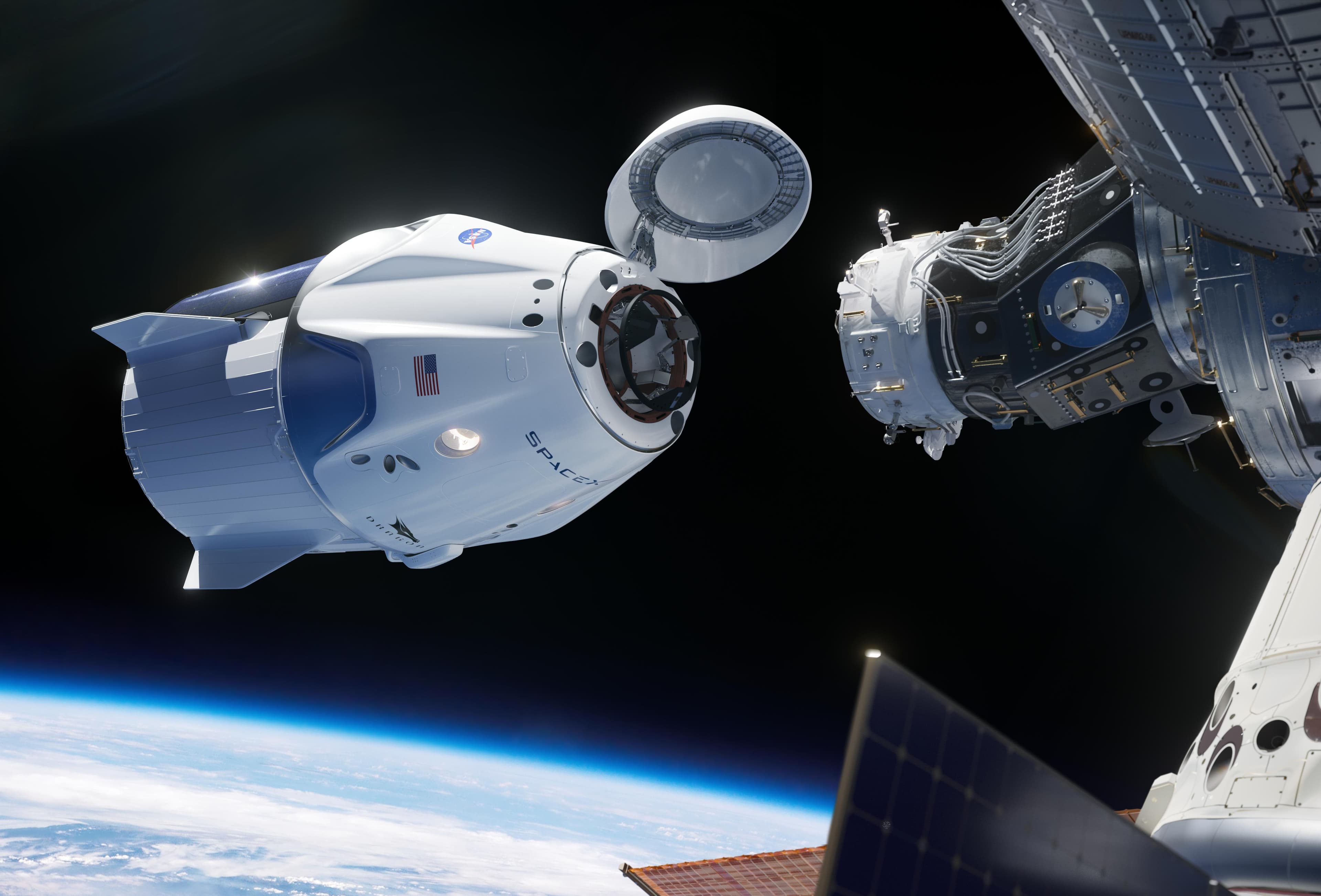
SpaceX
Reusable spacecraft for cargo and crew transport to the International Space Station.
SpaceX
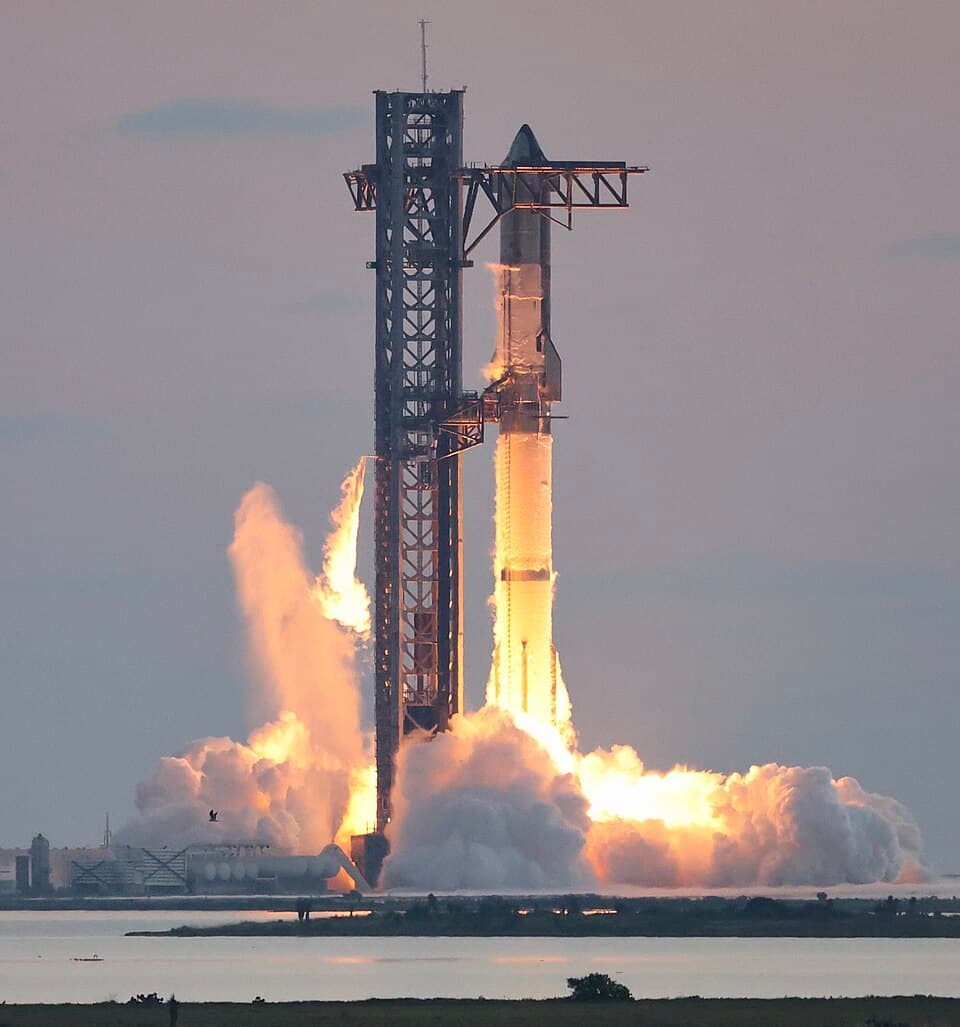
Fully reusable super-heavy-lift launch system designed for missions to the Moon, Mars, and beyond. V3 (Block 3) variant with Raptor 3 engines is the production version.