Active
New Glenn
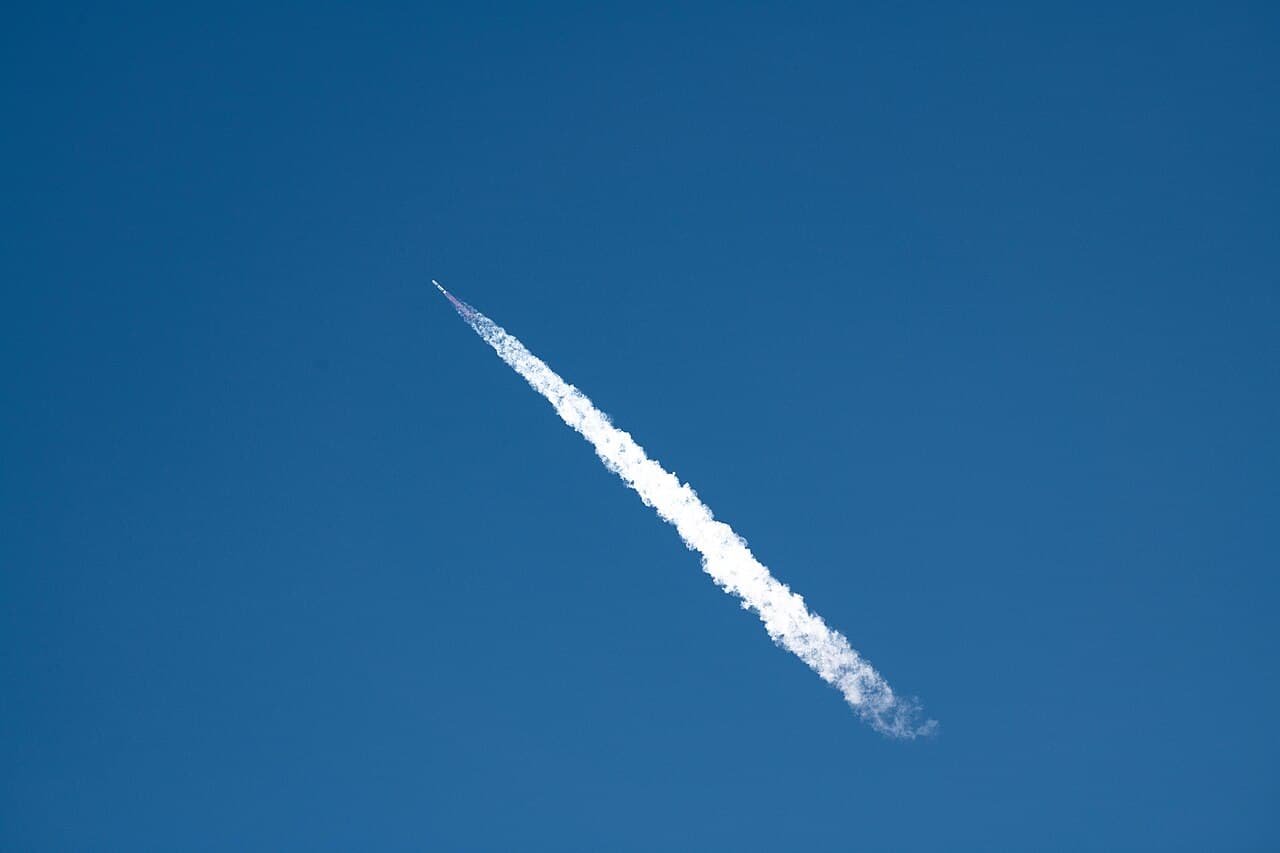
Heavy-lift orbital launch vehicle with a reusable first stage, designed for commercial, civil, and national security missions.
 Blue Origin
In Development
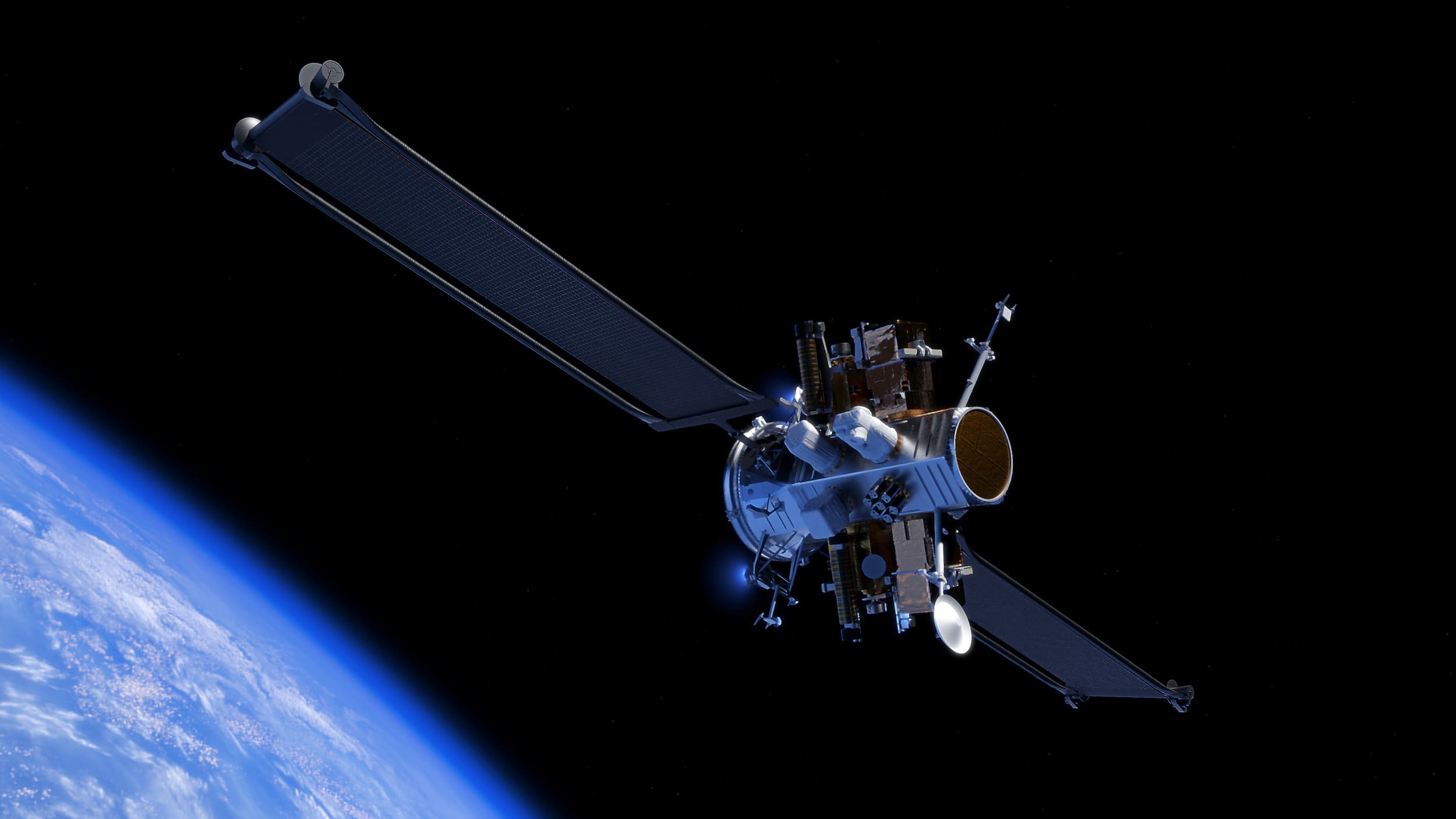
Multi-mission in-space transport platform with hybrid chemical and solar-electric propulsion, providing hosting, transportation, refueling, data relay, and in-space cloud computing services.
Latest update Sep 5, 2026
01
A Blue Ring pathfinder payload flew on NG-1 in January 2025. Blue Origin is targeting the first full Blue Ring mission - expected to become the first fully commercial GEO space-domain-awareness mission - carrying Optimum Technologies' Caracal optical payload alongside Scout Space's Owl sensor and internally developed payloads. Blue Origin has integrated the flight vehicle's primary structure, internal harnessing, and core propulsion module; launch timing remains gated by New Glenn's return to flight after the May 28, 2026 LC-36 explosion, and reverified in early September 2026, no firmer date has been reported beyond the standing 2026-2027 window.
02
03
Announced next steps from Blue Origin that mention Blue Ring.
2026-2027
Launch the first full Blue Ring mission, expected to become the first fully commercial GEO space-domain-awareness mission, carrying Optimum Technologies' Caracal sensor with Scout Space's Owl payload and internal payloads. Blue Origin has integrated the flight vehicle's primary structure, internal harnessing, and core propulsion module, but launch timing remains gated by New Glenn's return to flight after the LC-36 explosion; reverified September 12, 2026, no firmer date has been reported, though NASA's Sept 1 award of a Blue Ring-based Mars Telecommunications Orbiter (delivery by Dec 31, 2028) adds a second Blue Ring-derived flight in the same window.
Mid-December 2026
NASA has suspended performance of the roughly $700 million Mars Telecommunications Network contract after Rocket Lab's September 11, 2026 Government Accountability Office protest. Federal bid-protest rules give GAO up to 100 days to rule, putting a decision around mid-December 2026. Until then Blue Origin cannot proceed on the Blue Ring-based Mars Telecommunications Orbiter that NASA still wants delivered by December 31, 2028.
Dec 31, 2028
TargetBy Dec 31, 2028 (delivery); operational at Mars by 2030
Following NASA's ~$700M contract award, design, build, integrate, and launch a Mars Telecommunications Orbiter built on the Blue Ring platform, delivering it to NASA no later than December 31, 2028, with the relay network expected operational at Mars by 2030. This adds a deep-space communications line to Blue Origin's in-space services business alongside Blue Ring's national-security missions. On September 11, 2026 Rocket Lab filed a Government Accountability Office protest of the award, and federal bid-protest rules then stayed contract performance pending a ruling around mid-December 2026. The December 31, 2028 delivery date stands unless the protest changes the outcome.
04
Rocket Lab said on September 11, 2026 it filed a Government Accountability Office protest of NASA's roughly $700 million Mars Telecommunications Network award to Blue Origin. The company argued the decision looks inconsistent with eligibility rules set by Congress and that NASA's review of Rocket Lab's technical volume made incorrect assertions. NASA selected Blue Origin on September 1 to deliver a Blue Ring-based Mars orbiter by December 31, 2028, with operations targeted for 2030.
NASA awarded Blue Origin a firm-fixed-price contract on September 1, 2026 with a maximum potential value of about $700 million to design, develop, launch, and operate the agency's Mars Telecommunications Network. Blue Origin must deliver a high-performance Mars telecommunications orbiter, built on its Blue Ring platform, no later than December 31, 2028, with the relay network expected to be operational at Mars by 2030 to carry science data, imagery, navigation, and mission communications for spacecraft on and around the planet.
05
Heavy-lift orbital launch vehicle with a reusable first stage, designed for commercial, civil, and national security missions.
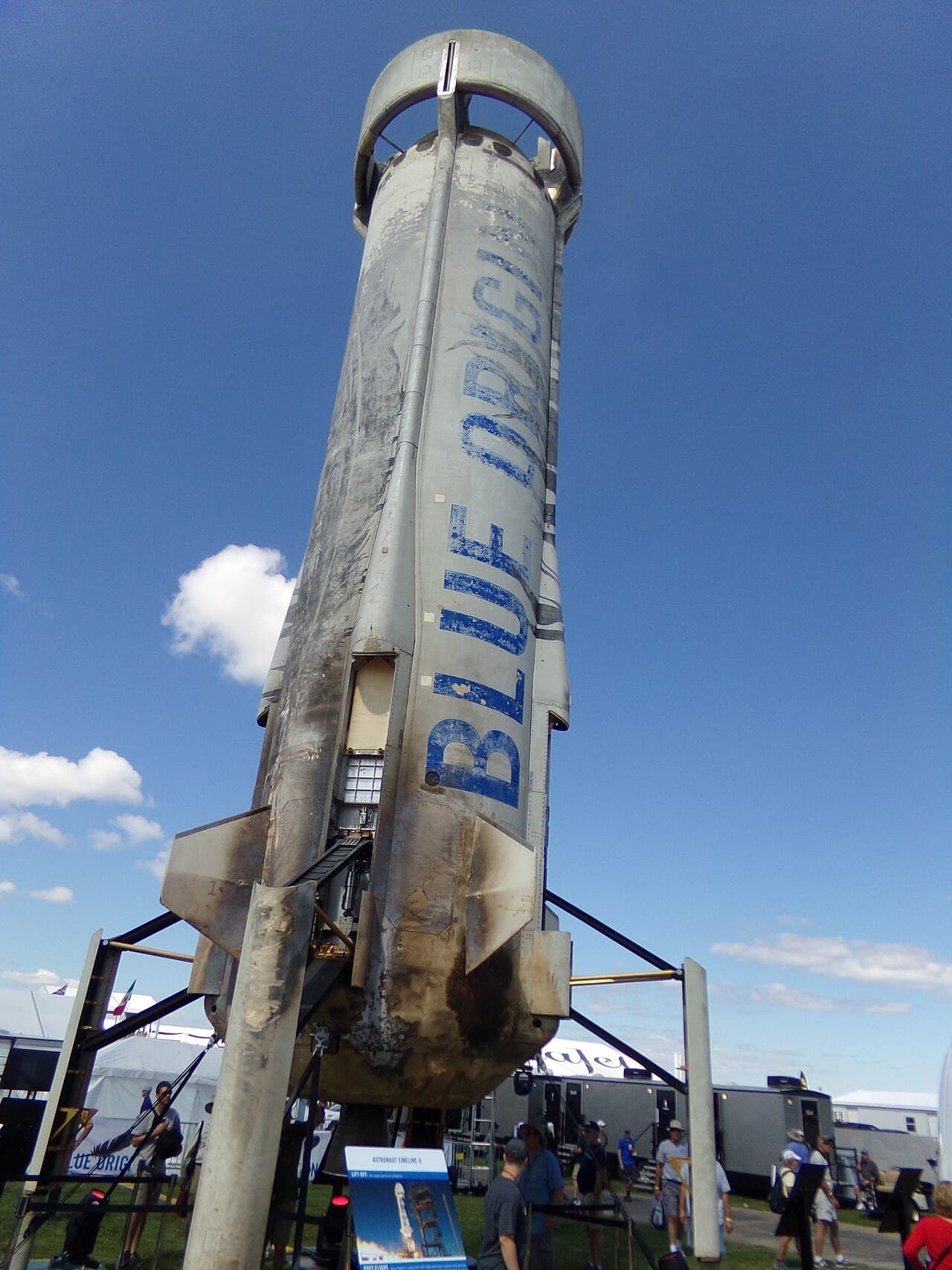
Suborbital launch vehicle for space tourism and research, capable of fully autonomous vertical landing and reuse.
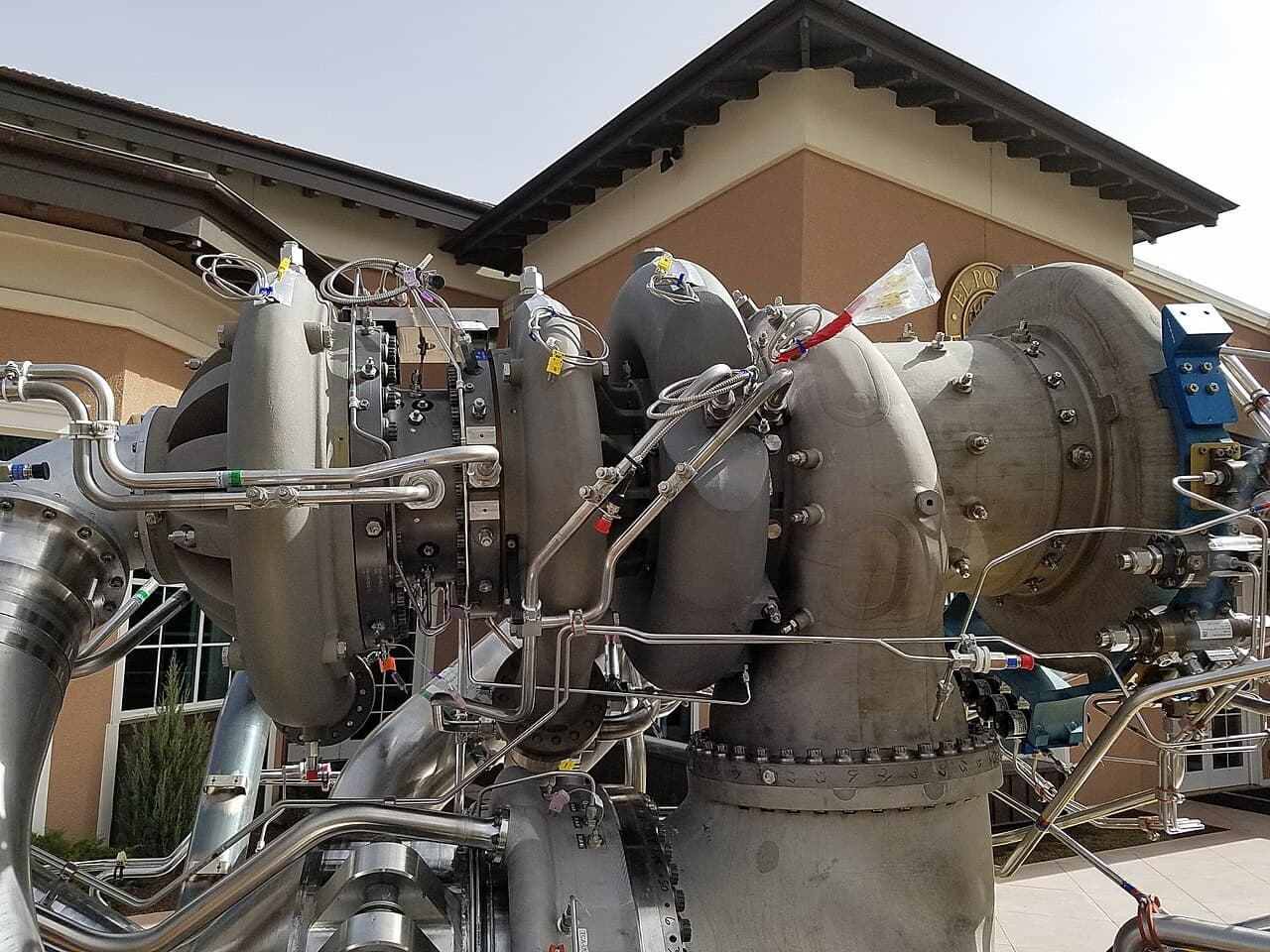
Liquid oxygen/liquefied natural gas (methane) rocket engine - the first American-made oxygen-rich staged combustion engine. Powers New Glenn and ULA Vulcan Centaur.
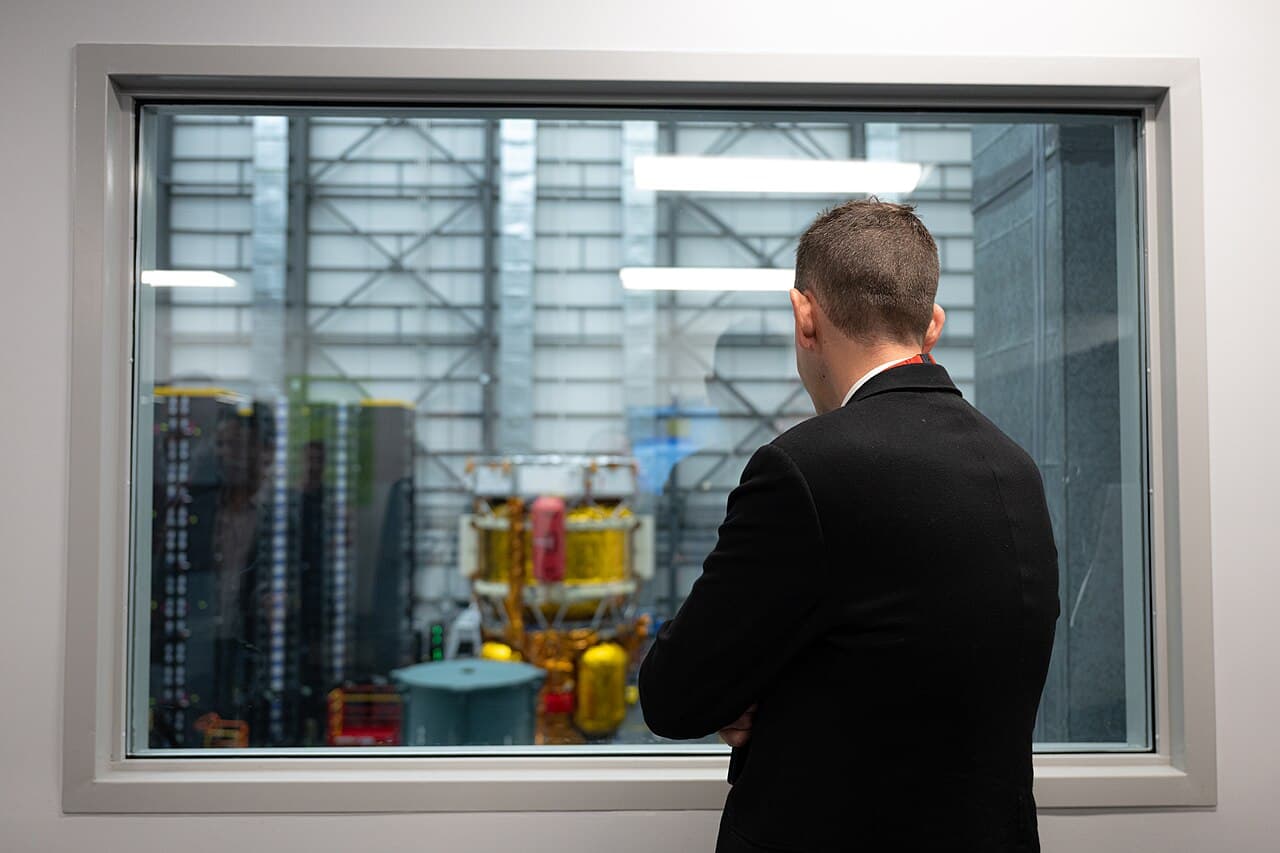
Lunar landing system family with a cargo-focused Mark 1 variant and a crew-capable Mark 2 variant being developed for NASA's Artemis program.
Enterprise broadband satellite constellation with 5,408 optically interconnected satellites across LEO and MEO, delivering up to 6 Tbps symmetrical data speeds for enterprise, data center, and government customers.
Commercial space station project co-led by Blue Origin and Sierra Space, with partners, as a mixed-use 'business park in space' for research, industrial, international, and commercial customers in low Earth orbit, built around Sierra Space's inflatable LIFE habitat. It is the slowest-advancing of the four major US commercial-station programs and remains Blue Origin's bid for NASA's Commercial LEO Destinations Phase 2 competition (draft RFP released July 6, 2026).
Ground-station-as-a-service network providing communications, tracking, and telemetry (TT&C) access for satellite operators, built with partner RBC Signals.
06
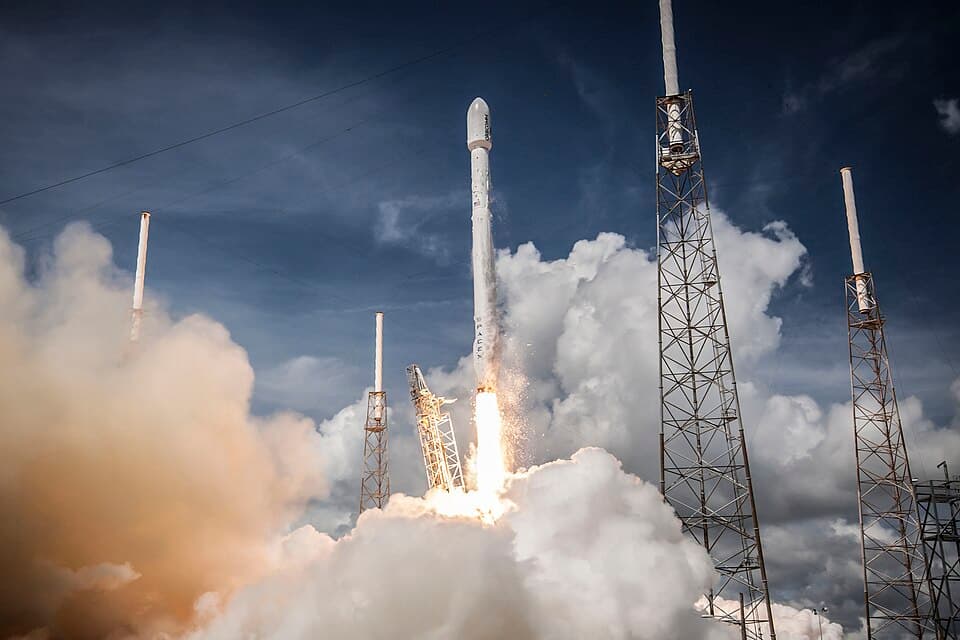
SpaceX
Partially reusable two-stage medium-lift launch vehicle. The world's most frequently launched orbital rocket.
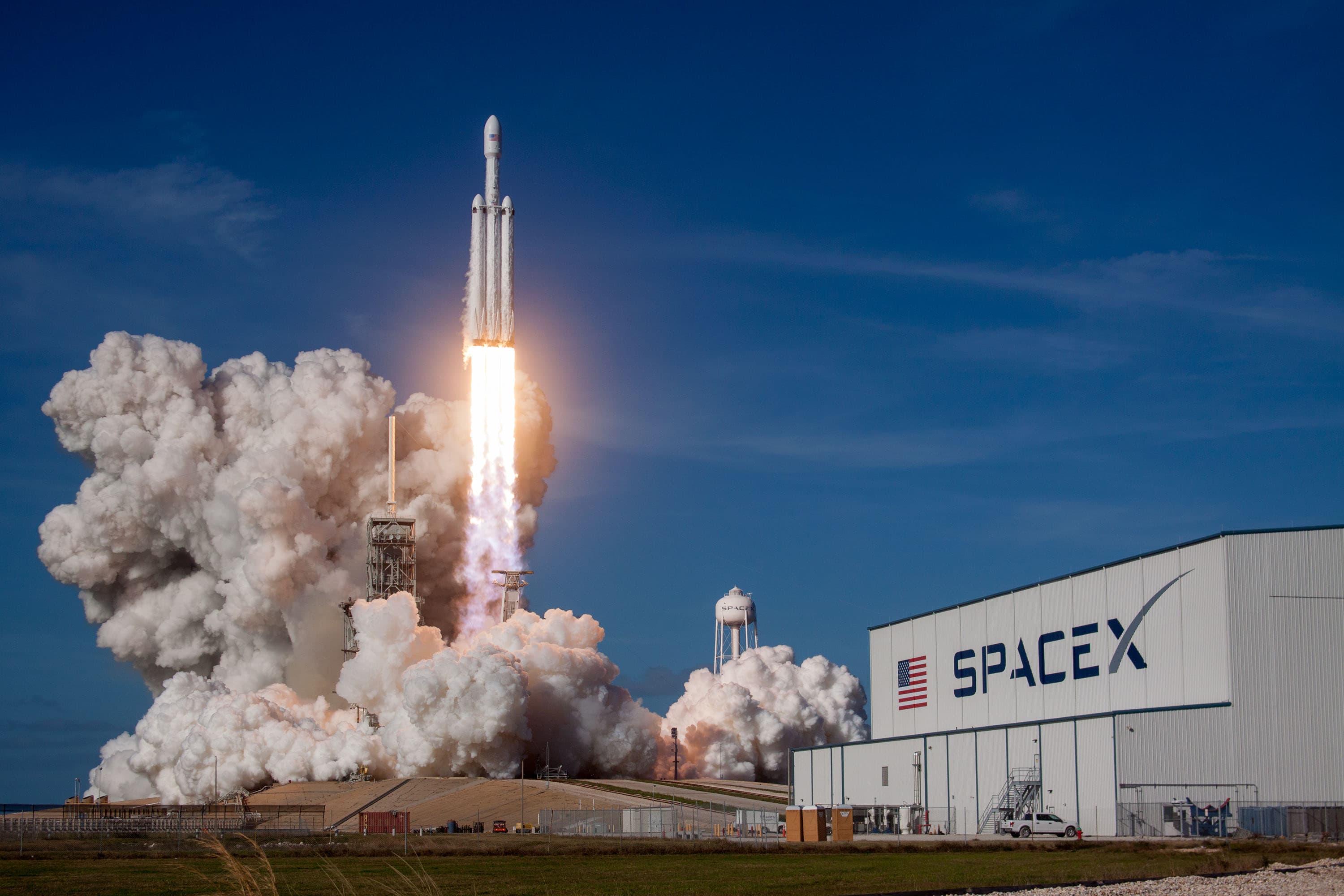
SpaceX
Heavy-lift launch vehicle consisting of a strengthened Falcon 9 core with two additional boosters.
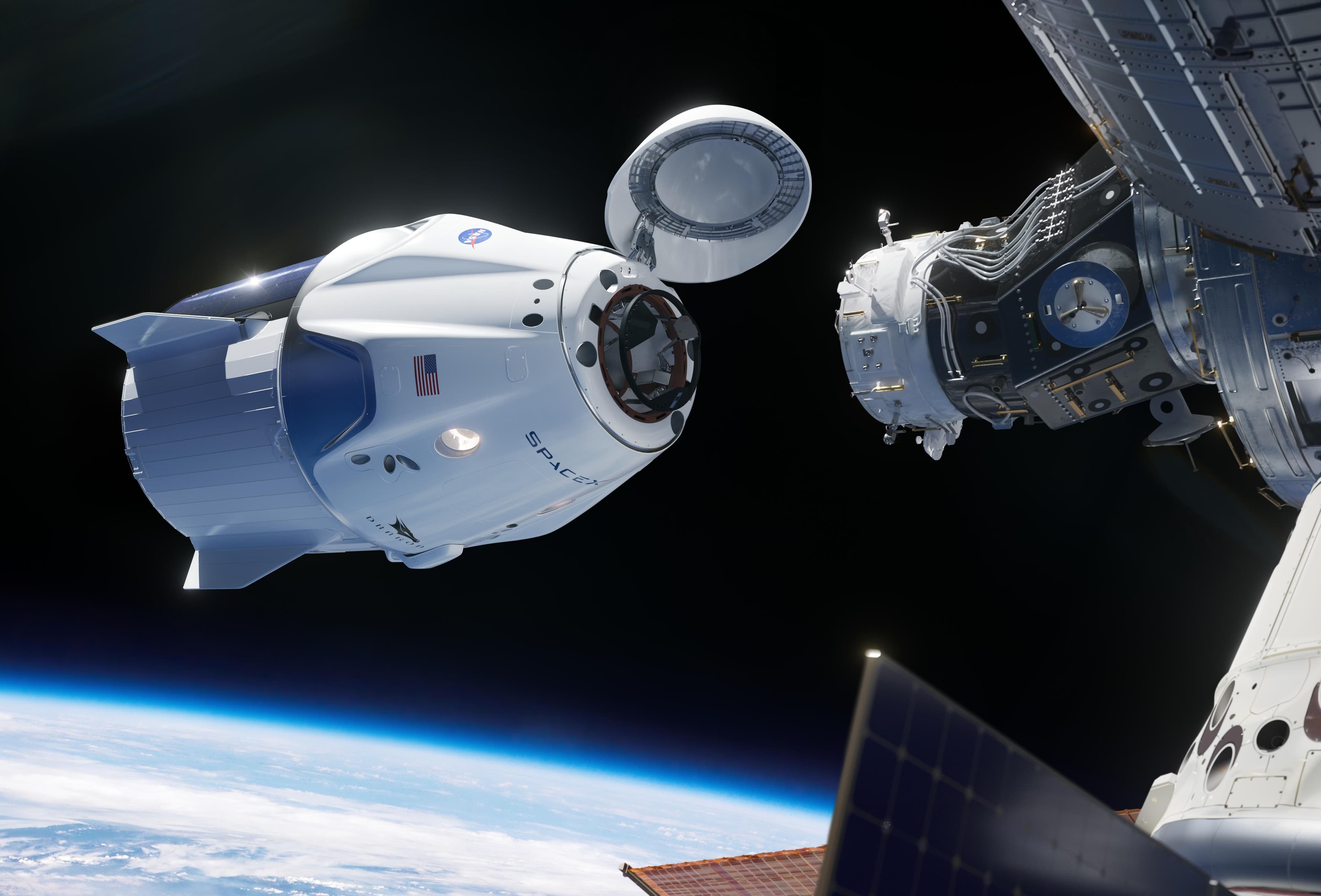
SpaceX
Reusable spacecraft for cargo and crew transport to the International Space Station.
SpaceX
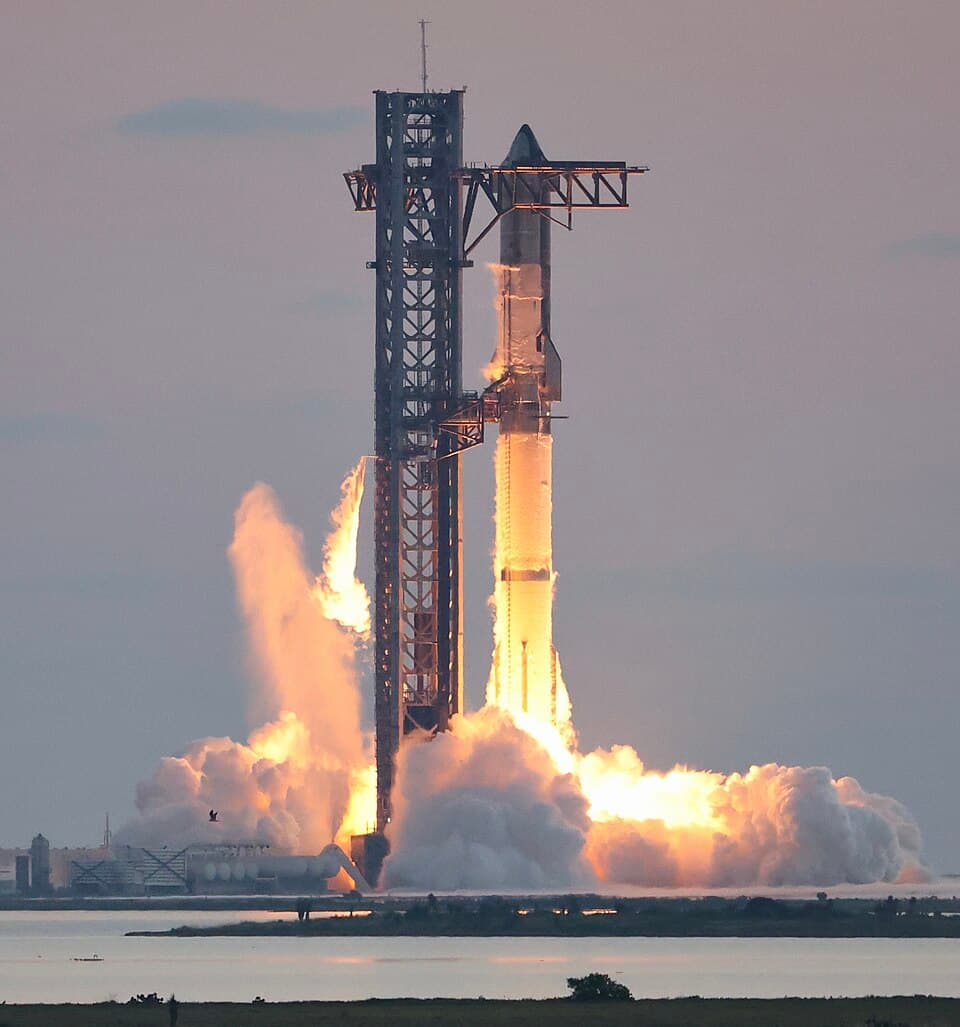
Fully reusable super-heavy-lift launch system designed for missions to the Moon, Mars, and beyond. V3 (Block 3) variant with Raptor 3 engines is the production version.