After building its final Model S and Model X on May 10, 2026 and converting that Fremont line to Optimus, it now manufactures three consumer vehicles (Model 3, Model Y, Cybertruck), sells Full Self-Driving (Supervised) software, operates energy storage and solar businesses, runs an unsupervised Robotaxi service across six US metros (Austin, Dallas, Houston, Miami, Orlando, and Tampa), plus a supervised Bay Area pilot, and is ramping Cybercab, Tesla Semi, and Optimus. Commercial Cybercab rides began in Austin on 3 September 2026, the same day NHTSA opened audit AQ26002; on 10 September the agency issued a Special Order requiring sworn answers by 30 September. As of 02:00 UTC on 30 September the AQ26002 resume remained an open Audit Query with no public Tesla answers attached; U.S. markets were still 29 September evening, so the Washington deadline day had not closed. tesla.com/robotaxi returned no city list and did not show Las Vegas or overnight hours. Tesla opened the dedicated Sparks, Nevada Semi factory on 24 September 2026. Priestley said the plant is planned for 50,000 trucks a year (about 1,000 per week) and more than 3,000 jobs during the ramp; that is nameplate capacity, not current output. Tesla has not disclosed a 2026 Semi production or delivery count. TechCrunch, citing a person familiar, said customers can take delivery when ready, with charging still a hurdle. On 22 September ZET SCALE selected Tesla as primary OEM for an initial 2,500 battery-electric Class 8 trucks, with Kenworth, RIDE, and Volvo as secondary OEMs; that award is not a named Tesla Semi unit count. The Information, as reported by Electrek on 25 September, said Fremont Optimus output rose from a few dozen units a week in Q2 2026 to several hundred a week in August, with an internal aim of more than 1,000 a week by year-end, while most units stay internal and the V3 public reveal still has not happened. Tesla has not published a weekly Optimus count. Its last official Q2 language was that first-generation lines were being installed, production was anticipated in 2026, and first builds were for Optimus Academy. Tesla China said the Huamao Beijing Cybercab static exhibit ran 17-27 September and Shanghai HKRI Taikoo Hui ran 17-21 September, with no China sale and no driverless ride-hailing. RTA said Tesla vehicles and autonomous-driving technologies have already been trialled at Dubai Mobility Labs, without naming a Tesla vehicle, Robotaxi, unsupervised FSD, or dates; Tesla has not confirmed the trials. On October 2, 2026 Tesla reported Q3 2026 production of 464,391 vehicles, deliveries of 486,532, and 13.7 GWh of energy storage deployed (Model 3/Y 457,387 produced and 478,237 delivered; Other Models 7,004 produced and 8,295 delivered; about 1% of deliveries subject to operating lease accounting). Tesla said those unit figures should not be relied on as quarterly financial results, which it scheduled after market close on October 21, 2026. On September 29, 2026 Tesla closed $30.0 billion of senior unsecured credit facilities that were undrawn at close, replaced a $5.0 billion revolver, and said it does not currently plan to draw in 2026. The Credit Agreements require at least $5.0 billion of consolidated liquidity; the full agreements are to be filed with the Q3 2026 Form 10-Q. TSLA closed 29 September 2026 at $352.84, a market cap of about $1.394T.
Win Texas governor approval and pick the Crystal Sun site
Lamar CISD voted 7-0 on September 15, 2026 to advance Tesla's $10.1 billion Project Crystal Sun JETI application for a Fort Bend County solar-cell and module factory. Construction is targeted for 2026-2028 with commercial operations in Q1 2029 if Texas wins. Watch whether the governor signs on, whether Tesla picks Fort Bend over the unnamed out-of-state alternative, and whether the 10-year school-district tax limitation actually closes.
Open Tesla Motors Vietnam into commercial auto sales
Tesla Motors Vietnam LLC was registered September 11, 2026 in Ho Chi Minh City with about $3 million of charter capital for auto wholesale, retail, import and distribution. Tesla has not commented and has not set a sales-start date, showroom plan, or model lineup. The watch item is whether the entity becomes a live importer and retailer versus remaining a paper registration.
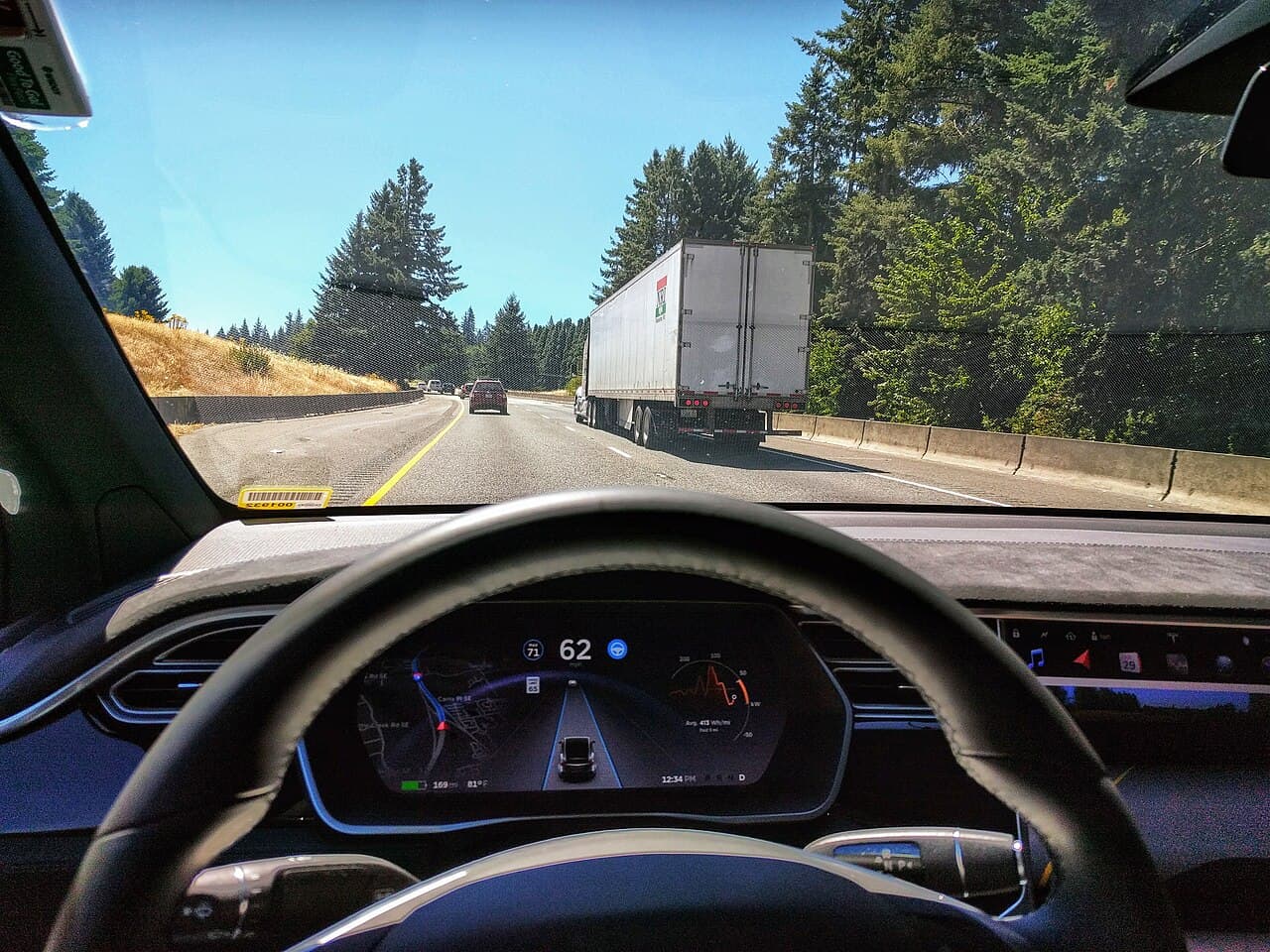
Active FSD subscriptions reached 1.48M in Q2 2026, up 56% year over year and the largest quarterly add in Tesla's history, generating roughly $791M of annualized software revenue with over 55% of new North American deliveries attaching FSD at purchase. FSD (Supervised) is now cleared in six EU markets after Slovenia approved the system on September 8, 2026 (Netherlands, Lithuania, Estonia, Denmark, Belgium, Slovenia); Tesla Europe said the Slovenian rollout will begin soon. Italy has filed to adopt the Dutch approval, while Germany, France, Spain, and the Czech Republic are holding out for a coordinated EU-wide decision rather than a national clearance Brussels could later overturn. Germany's KBA is not relying solely on the Dutch paperwork and received a dedicated Tesla vehicle in July 2026 for its own independent evaluation, with the Autobahn speed offset a specific sticking point. The next qualified-majority TCMV vote is still preliminarily expected around October 6, 2026, though industry trackers warn continued disagreement over specifics like the speed offset could push a final decision into late 2026 or 2027; separately, reporting around August 6 indicated Dutch approval authority RDW is withholding the underlying FSD safety and evaluation documentation from public view at Tesla's request, adding controversy ahead of the vote. In the United States, Representative Raja Krishnamoorthi wrote Transportation Secretary Sean Duffy on September 9 asking what NHTSA is doing about Autopilot and FSD after 43 publicly posted sleeping-driver videos, citing engineering analysis EA26002 on about 3.2 million vehicles and setting a September 30 reply deadline. The next step is sustaining subscription growth, winning that EU-wide vote, answering the US safety questions, and turning the same AI stack into Robotaxi revenue.
Tesla's paid Robotaxi network currently runs 6 a.m. to 10 p.m. across Austin, Dallas, Houston, Miami, Orlando, and Tampa. AI lead Ashok Elluswamy said on September 4, 2026 that round-the-clock service could arrive in about a month once the next Full Self-Driving v15-plan technology merges. He did not name cities or say whether overnight hours would cover Cybercab, Model Y, or both. Las Vegas is still not listed on tesla.com/robotaxi.
Scale Optimus past pilot output and hold the V3 public reveal
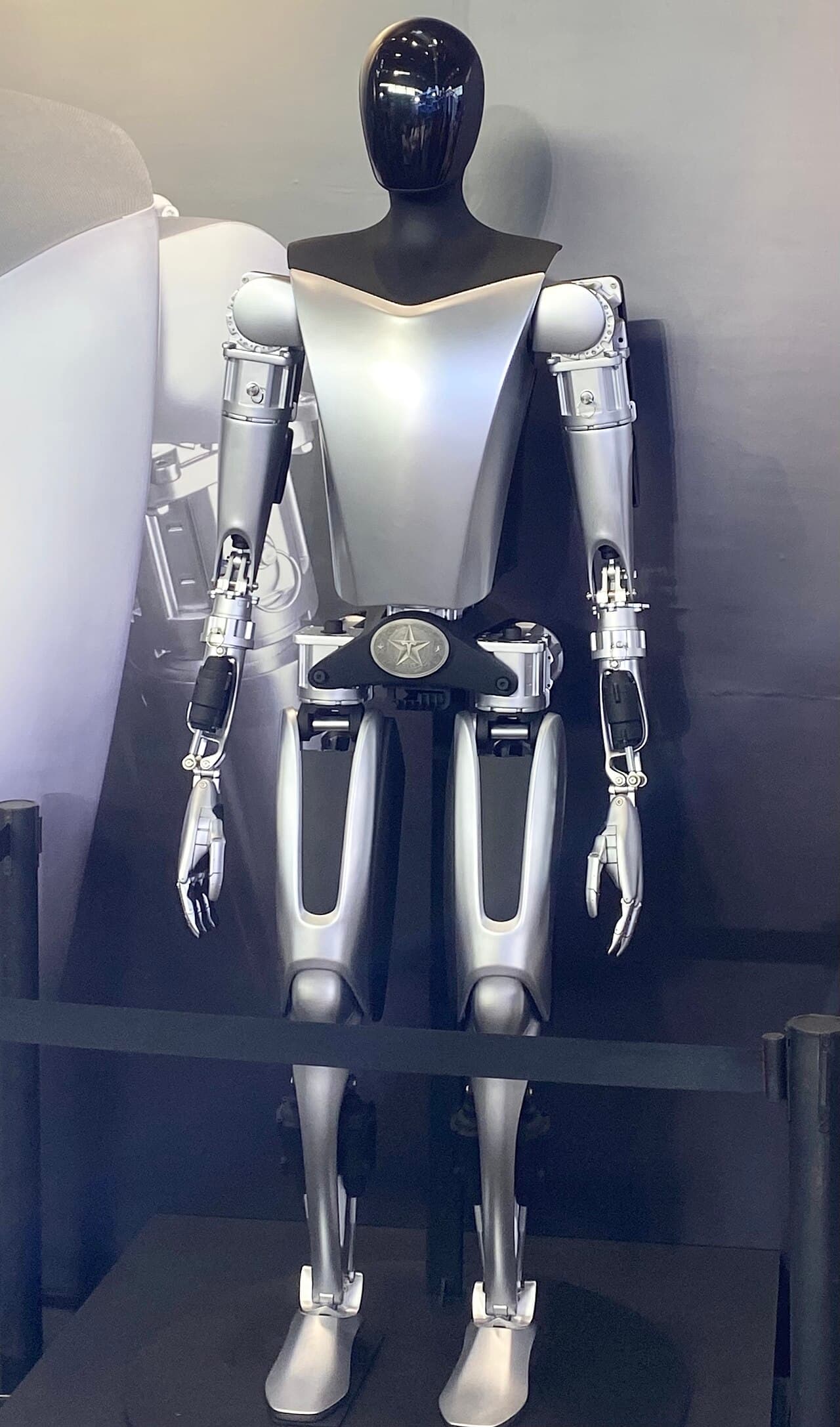
With production started on the Fremont Gen-1 line (confirmed in reporting dated August 27-28, 2026), the next milestones are volume and disclosure. Output is starting deliberately slow - Musk has called the initial S-curve 'flat and long' - and the first robots are earmarked for Tesla's internal 'Optimus Academy' training and data-collection program rather than sale; independent reporting frames external/commercial Optimus sales as realistic starting in 2H 2027, with the Fremont line's long-term design capacity around 1M units/year and a second-generation Giga Texas line planned for up to 10M units/year. Chinese media said a Tesla team arrived in Ningbo around September 16 to audit Sanhua, Joyson and Tuopu ahead of an Optimus ramp. Tuopu and Sanhua told Yicai on September 18 they had not been notified of a new inspection, while confirming ongoing robotics work (Tuopu on linear, rotary and dexterous-hand actuators; Sanhua on joint actuators for a major client). Tesla has not confirmed the visits or a 2026 unit target. The Optimus V3 public reveal remains undated as of September 20, 2026; Tesla has not shown V3 publicly since the July 22 earnings call. Tesla's AI5 chip has taped out and begun production at Samsung's Taylor, TX fab (2nm) and TSMC (3nm), though Musk says volume AI5 output for vehicles and robots is not expected until mid-2027.
Stand up Megablock production at the Houston/Brookshire Megafactory
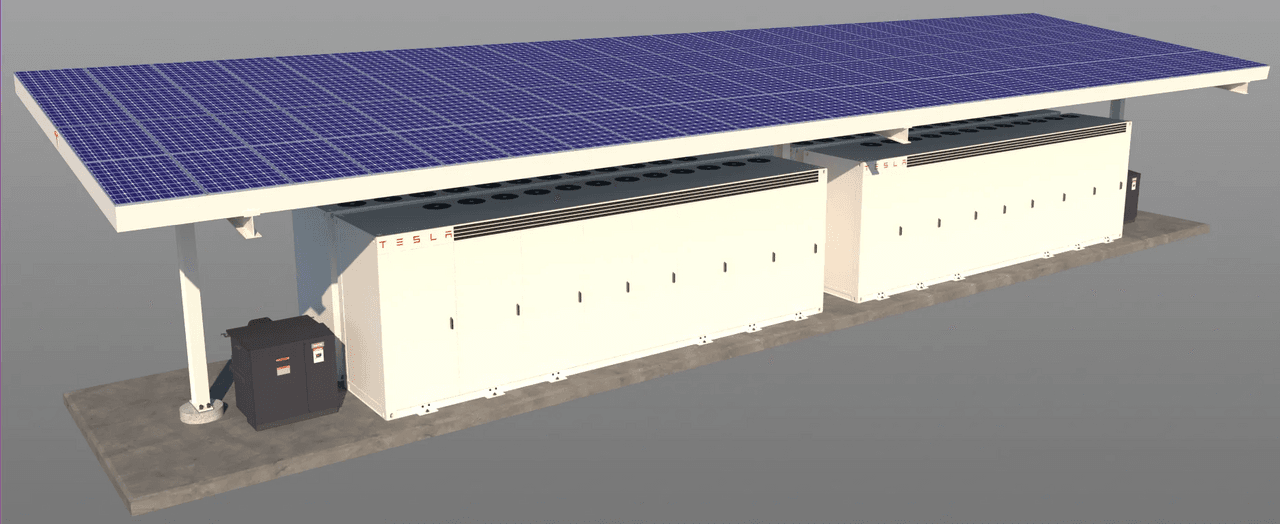
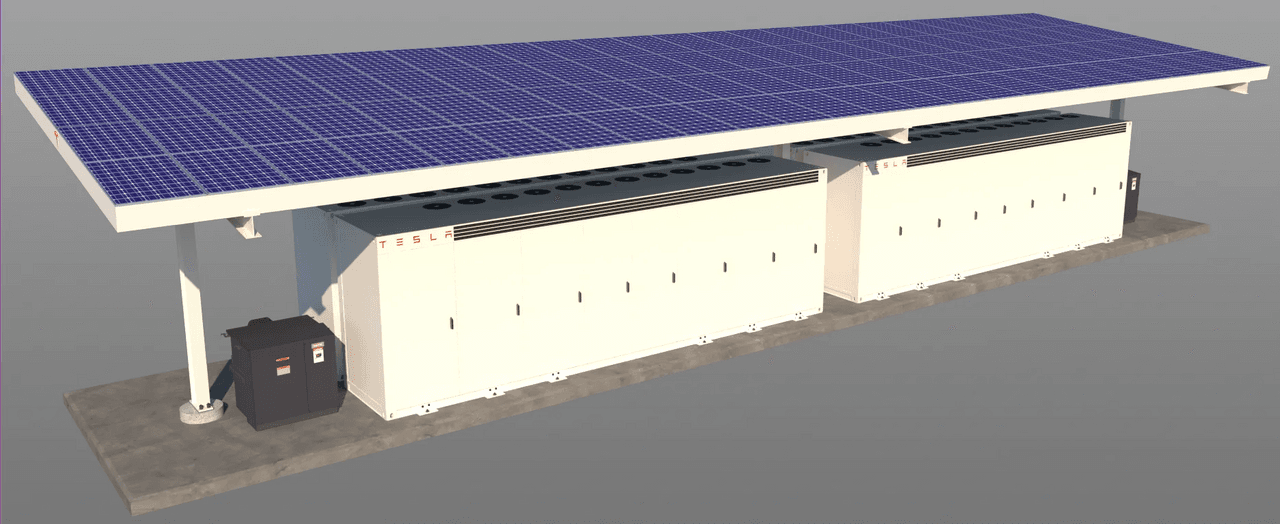
Megapack 3 production began at the Brookshire/Houston Megafactory on August 6, 2026, about 16 months after groundbreaking and ahead of Tesla's late-2026 target, with the plant designed for 50 GWh/year of Megapack 3 output. Energy-Storage.News reporting dated September 4, 2026 still says Megapack 3 customer deliveries are expected toward the end of 2026 and treats Megablock as the pre-engineered four-pack configuration (about 20 MWh with transformer and switchgear), not as a separate line that has started production. Tesla has not given an updated Megablock production date beyond its prior late-2026 target.
Expand Robotaxi geography and grow the unsupervised fleet
Tesla's official robotaxi page lists unsupervised rides in six US metros - Austin, Dallas, Houston, Miami, Orlando, and Tampa - plus a San Francisco Bay Area service that still uses a safety monitor. tesla.com/robotaxi now treats Cybercab as a live fleet vehicle alongside Model Y and is soliciting fleet-operator interest. Las Vegas is not listed: the August 20 Nevada permit still allows up to 5,000 driverless vehicles in Clark County, with Tesla's ~30-day commercial-start comment pointing to mid-to-late September and a 120-day commence-by deadline around December 18, 2026, but paid rides have not started. Tesla AI lead Ashok Elluswamy said on September 4 that 24-hour service could arrive 'next month or so' once the next v15-plan tech merges (paid hours today run 6 a.m. to 10 p.m.). The Cybercab Asia display tour is underway as a static showcase: Japan opened in Tokyo on September 11, Hong Kong displayed on September 9, Beijing runs September 17-27, and Shanghai runs September 17-21. The central watch items are whether Las Vegas rides go live inside the permit window, whether overnight hours actually start around October, and whether the Asia tour stays display-only.
After the September 15, 2026 IAA debut, Tesla program lead Dan Priestley said Tesla has not opened a European Semi order book. The next steps are demonstration programs with prospective customers in the first half of 2027 and customer deliveries by the end of 2027, with trucks built at the Reno, Nevada plant. Tesla mapped an initial dedicated charging network of at least 22 megawatt sites for 2027, competing with the Milence joint venture. Pricing has not been published, and Priestley has not ruled out a later European truck assembly plant.
Ramp Tesla Semi out of the new Nevada high-volume line
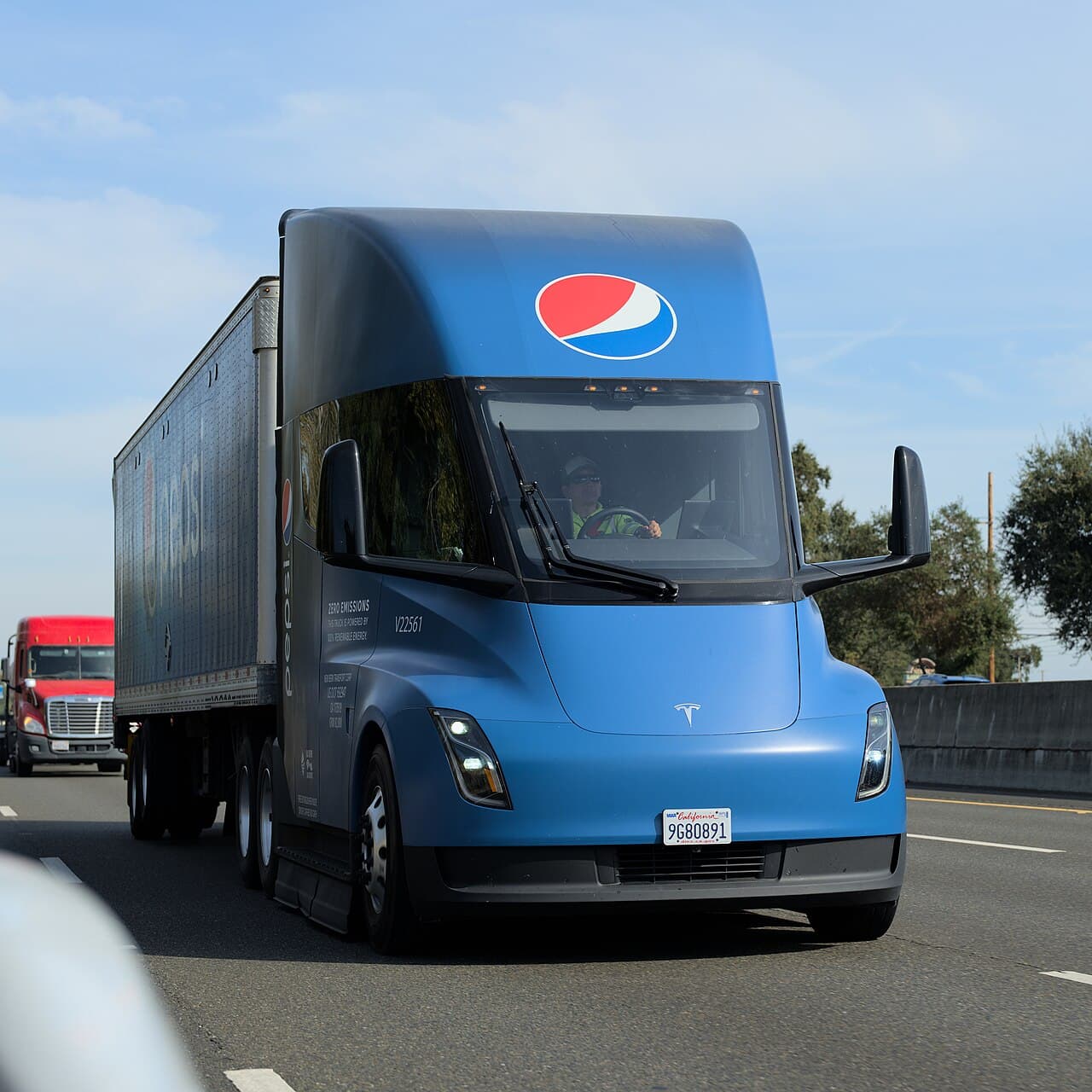
Now that the first truck has come off the dedicated Nevada Semi factory line (Apr 29, 2026), the next milestone is converting the ~1,095 HVIP-reserved trucks, the 500-unit Einride order (announced Aug 18, 2026, phased in over 24 months from September 2026), and other fleet orders (Walmart, Sysco, DHL, PepsiCo) into deliveries. Tesla had targeted reaching the line's full 50,000-unit/year run rate by the end of June 2026, but its own July 22, 2026 Q2 update listed the Nevada line's status as 'Commissioning' rather than high-volume production, and Musk indicated on the earnings call that software readiness for a full scale-up leans more into 2027. The invite-only Sparks inauguration remains scheduled for September 24, 2026, with creator invites still arriving as of September 7-8; a Tesla program director has said the line 'is now ramping' post-April launch, while analysts estimate only about 5,000-15,000 Semis will actually be delivered in 2026, well under the plant's 50,000-unit nameplate capacity. The line remaining in commissioning past its original June 2026 target is a real slip; the key watch items are whether high-volume output begins in 2027 and how the September 24 event characterizes ramp status.
Bring LG Energy Solution's Lansing, Michigan LFP cells online for Megapack 3
A $4.3B, three-year supply agreement confirmed by the US government in March 2026 has LG Energy Solution build a new plant in Lansing, Michigan to supply LFP prismatic cells for Megapack 3, diversifying Tesla's cell sourcing away from CATL and BYD toward domestic, non-Chinese supply as the Houston Megafactory's Megapack 3 line ramps. LG Energy Solution began production at the Lansing plant on August 18, 2026 - a former GM Ultium Cells joint-venture site LG took full ownership of in 2025 - but the dedicated Megapack 3 LFP-cell deliveries under the Tesla supply agreement are still slated to run August 2027 through July 2030, so the plant opening is a step toward the target rather than its completion. No later public update has moved that August 2027 start as of mid-September 2026.
Build Terafab, a joint Tesla-SpaceX chip factory in Texas
Tesla and SpaceX confirmed on August 6, 2026 that their jointly developed Terafab semiconductor factory will be sited in Grimes County, Texas (Gibbons Creek Reservoir, outside College Station), with an initial investment phase of $16.8 billion and at least 3,000 jobs planned. The vertically integrated, roughly 100-million-square-foot plant, to be operated by SpaceX as the high-volume production site, is designed to make, package and test advanced logic and memory chips, supplying Optimus and Cybercab compute alongside SpaceX's space-based AI data center needs; total investment could reach $119 billion if further phases are built out. Intel joined the project in April 2026 as its named foundry partner, committing its next-generation 14A process node to the effort - Intel's first major external 14A customer, and a validation its foundry business had publicly said it needed. Tesla separately runs a smaller 'Advanced Technology Fabrication' R&D pilot line at Giga Texas in Austin, complementing existing AI5 chip production at Samsung's Taylor, TX fab and TSMC. The local tax incentives underpinning the Grimes County site cleared their remaining hurdles in July 2026, when the Iola and Anderson-Shiro Consolidated Independent School Districts approved a combined $1.66 billion in property-tax abatements under the Texas JETI program, following Grimes County commissioners' earlier 4-1 vote for a reinvestment zone and 100% county tax abatement; SpaceX has said it is ready to begin construction now that the incentive package is in place, though no groundbreaking date, completion date, or first-output target has been formally announced by either company.
Show Cybercab in Beijing, Shanghai and other Asian cities
The Asia display tour is underway as a static showcase, not a sale or a robotaxi launch. Tesla Japan opened the Cybercab Japan Tour in Tokyo on September 11, 2026 (Aoyama through Sept 14), with later stops in Osaka (Sept 17-20), Nagoya (Sept 22-23), and Tokyo Shinjuku (Sept 26-28). Hong Kong displayed Cybercab on September 9. Beijing runs September 17-27 at the Huamao Tesla Experience Center and Shanghai runs September 17-21 at HKRI Taikoo Hui. Tesla has said the tour does not mean Cybercab will be sold in those markets or that commercial robotaxi service will start there.
Reveal European Tesla Semi specs and launch plans at IAA Transportation
Tesla showed a European-homologated Semi at IAA Transportation in Hannover on September 15, 2026. Specs match the September 11 Europe post: up to 550 km at 40 tonnes, about 1 kWh/km, 800 kW Megacharger charging, under 9,100 kg curb weight, ePTO up to 25 kW. Program lead Dan Priestley said European trucks will be built in Nevada from the North American standard-range platform, with lighting, mirrors, trailer interfaces and tachographs changed for EU rules. Tesla did not publish a euro price or open an order book at the show. The remaining IAA-week watch item is whether any of those gaps close before the show ends September 20, ahead of the September 24 Nevada factory inauguration.
Host the Tesla Semi factory inauguration event in Nevada
Tesla is still pointing to an invite-only Semi Rollout on September 24, 2026 at the dedicated ~1.7M-square-foot Semi factory in Sparks, Nevada, with factory tours and ride-alongs. Creator invites were still landing as of September 7-8, 2026, and no postponement has been announced. RSVPs were due September 2; attendees must be 21+ with ID checked. The event is ceremonial rather than the start of manufacturing - the first truck left the line on April 29, 2026 - and it is not clear whether Tesla will livestream it after the muted September 3 Cybercab event.
Respond to NHTSA Cybercab Special Order and expand paid service
TargetSeptember 30, 2026 (Special Order answers); 2026-2027 (service expansion)
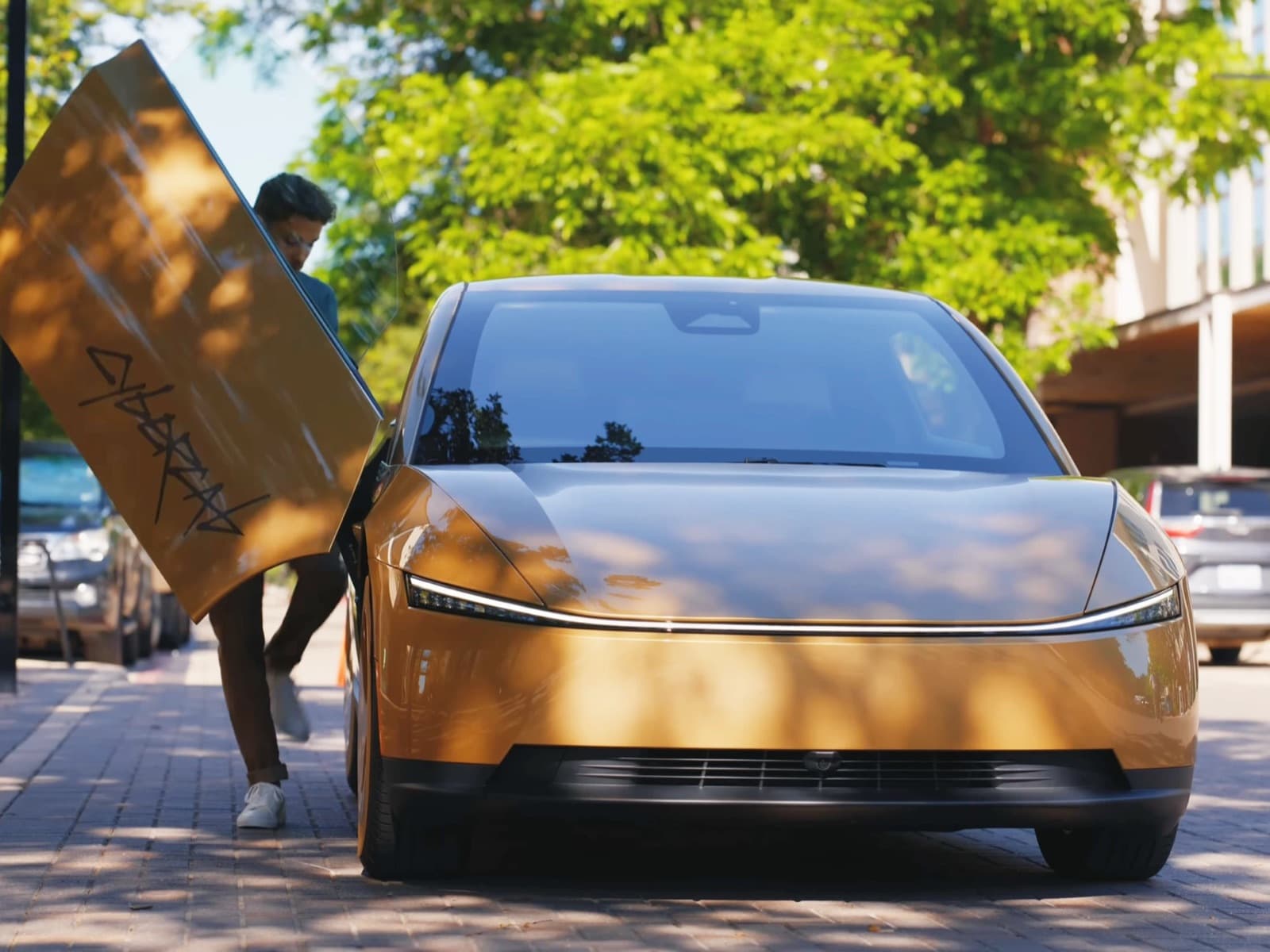
Commercial Cybercab rides started in Austin on September 3, 2026 via the paid Robotaxi app. NHTSA opened Open Audit Query AQ26002 the same day, then on September 10 issued a Special Order requiring sworn answers by September 30 on temporary driver controls, occupant touchscreen controls, speed and geofence limits, and how Tesla self-certified a vehicle with no foot brake against still-in-force FMVSS. Tesla has no Part 555 exemption of the kind NHTSA granted Zoox in July. MotorTrend's September 8 first-ride report said the app opened Cybercab hails to the public on September 4 in Austin only. The next watch items are Tesla's sworn reply and whether paid Cybercab rides leave Austin.
Unveil the next-generation Roadster with SpaceX cold-gas thrusters
Tesla set an official reveal date of October 1, 2026 after posting a Go for launch teaser with a 10.01 date on September 12 and starting a countdown on the Roadster page; Elon Musk replied that it is a New Tesla Roadster Unveil. Earlier McGregor and August targets were missed. Reporting still says a limited-edition SpaceX version would use cold-gas thrusters for a remote hover with nobody inside. Production remains slated for 2027 or 2028, and Tesla has not published price or a production start.
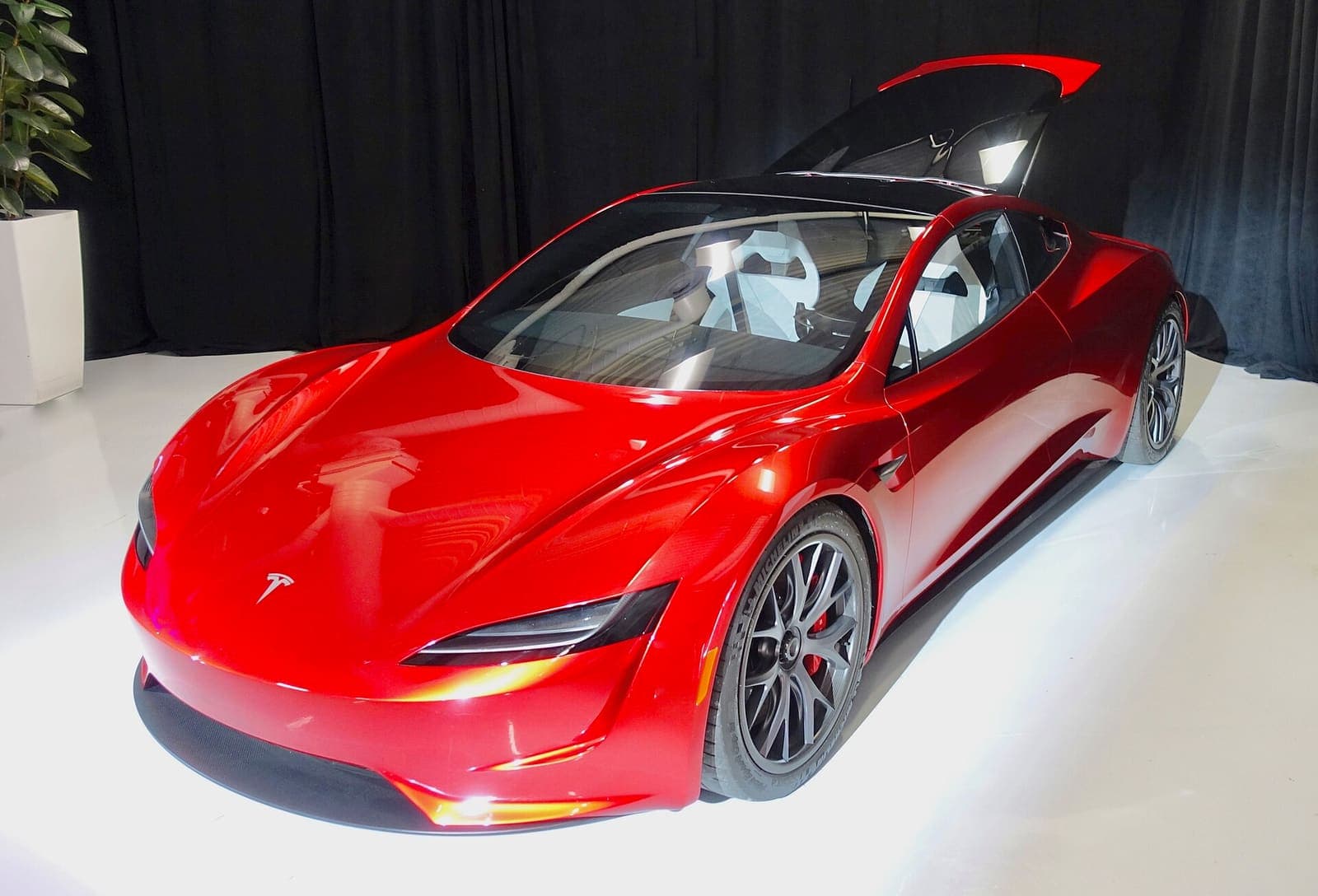
On Oct. 15, 2026 Tesla revealed a redesigned Roadster at a SpaceX test site in McGregor, Texas, and Elon Musk said production would begin in 2028 without naming a purchase price. Tesla's page lists a two-seat road-ready trim, a rear-thruster trim it says reaches 0-60 mph in under one second, and an invite-only Rocket trim that the page says can fly and is not approved for public road use. The U.S. reservation page lists $5,000 due now and $45,000 within 10 days, TechCrunch reported a $250,000 thruster-trim reservation, and CNBC said $50,000 deposits had reopened in recent weeks.
The Tesla Robotaxi account said on Oct. 10, 2026 that more than 300 Cybercabs were serving Austin, an eightfold increase in 30 days after public rides opened Sept. 4. AI software head Ashok Elluswamy named Dallas as the next city for public Cybercab rides, without a date. Texas AV tracker showed 319 registered Cybercabs after a 150-vehicle add, while a community tracker counted 105 Cybercabs in unsupervised Austin service; NHTSA Cybercab audit query remains open.
Tesla European product pages now sell the supervised driver-assistance package as Tesla Assisted Driving instead of Full Self-Driving (Supervised). Germany Federal Ministry of Transport said on Oct. 6 that the FSD name was misleading, that Tesla offered the new name in September talks, that the driver remains fully responsible, and that Germany will back EU approval with a speed-limit overshoot of at most 10 percent. Electrek reported eight EU countries listed as approved, not including Germany, while tesla.com/fsd still used the U.S. FSD name.
Elon Musk said on Oct. 7 that Tesla and SpaceX will build and run the planned Terafab AI chip complex in Texas, writing that TSMC might sublease part of the site but nothing more than that. Reuters reported the posts after Musk called weekend TSMC talks just discussions. Intel CEO Lip-Bu Tan told Bloomberg the same day that Intel remains involved as a partner on the project, which is planned around Intel's 14A process. TSMC and Intel did not immediately comment to Reuters. A TSMC sublease is not a signed agreement.
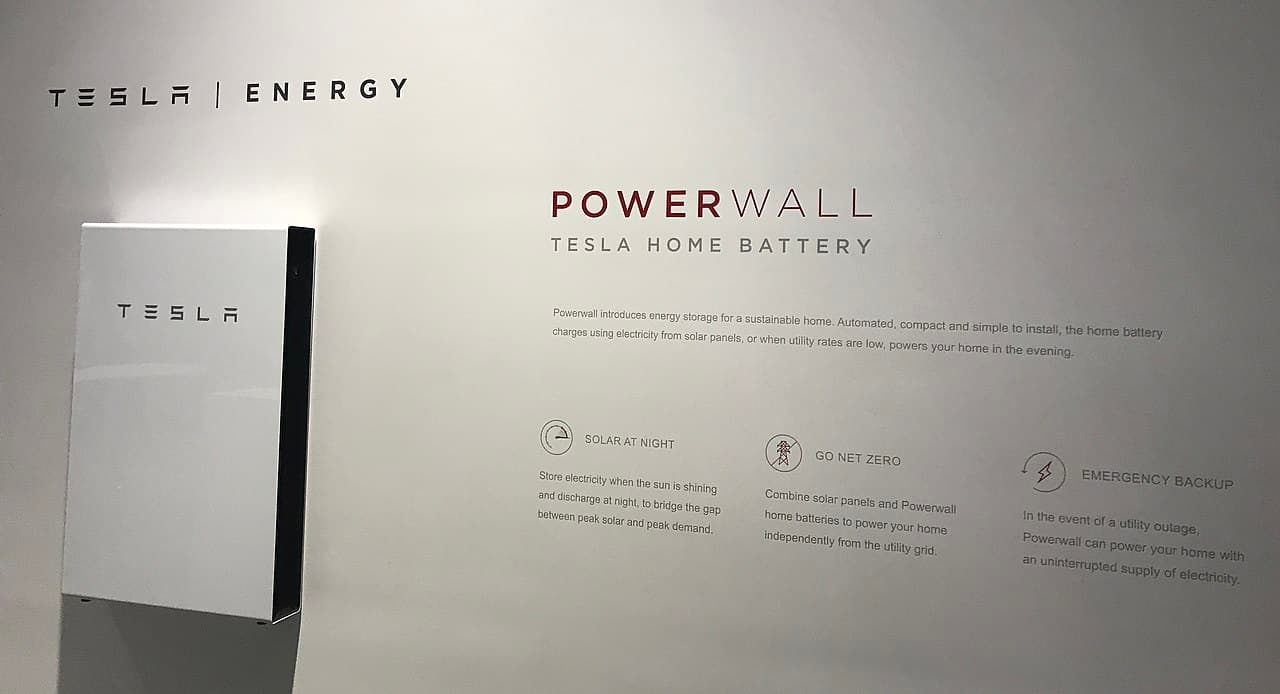
Tesla's Powershare page now says Home Backup is available for new Model 3 and Model Y vehicles ordered in the U.S. and Puerto Rico on or after Oct. 1, 2026, not only Cybertruck. With Powerwall 3 and a Wall Connector, the cars can extend home backup by more than two days at 30 kWh per day; Tesla says some older Model 3 and Model Y vehicles have the hardware, Powerwall 2 and Powerwall+ support is still coming, and Model 3 and Model Y cannot sell power to the grid.
Tesla produced 464,391 vehicles and delivered 486,532 in the third quarter of 2026, according to its Oct. 2 production bulletin furnished to the SEC. Deliveries were 2.1% below the 497,099 vehicles of Q3 2025 and above the 480,126 of Q2; Model 3/Y accounted for 478,237 deliveries and other models 8,295. Tesla deployed 13.7 GWh of energy storage and said it will post Q3 financial results after the close on Oct. 21.
Tesla enabled Emergency Drive Away in software 2026.38.3, letting supported vehicles shift into Drive while still plugged into a U.S. Supercharger. Tesla Charging said the feature is for emergencies only, will damage the car and charger, and that pre-2021 Model S and Model X are unsupported. TeslaNorth reported Tesla Charging later put repair costs as high as $25,000 and said a charge-port service visit is mandatory after use.
Tesla's September 29, 2026 Form 8-K says it closed $30.0 billion of senior unsecured facilities: a $20.0 billion three-year delayed-draw term loan with Citibank as agent, an $8.0 billion five-year revolver and a $2.0 billion 364-day revolver with Wells Fargo as agent. No loans were outstanding, Tesla said it does not currently plan to draw in 2026, and it terminated its prior $5.0 billion revolver without penalties. Term-loan commitments step down to $10.0 billion after one year and $5.0 billion after 15 months; the revolving facilities can be increased by up to $4.0 billion. These are committed credit lines, not equity raised or drawn debt.
Dubai's Roads and Transport Authority and the Dubai Integrated Economic Zones Authority inaugurated Dubai Mobility Labs at Dubai Silicon Oasis on 27 September 2026. The facility has 248 test scenarios across controlled tracks and public roads toward Al Qudra, and RTA said it has already hosted trials of vehicles and autonomous-driving systems from WeRide, Pony.ai and Tesla. German testing firm DEKRA will operate the labs for the first three years under Dubai's plan to make 25 percent of journeys autonomous by 2030.
Catalyst Mobility and the Smart Freight Centre said on September 22 that ZET SCALE selected Tesla as primary OEM for an initial order of 2,500 battery-electric Class 8 trucks, which they called the largest U.S. electric truck order to date. Kenworth, RIDE, and Volvo are named as secondary OEMs that carriers may use; FreightWaves reported that Catalyst did not say how many of the 2,500 trucks will be Tesla Semis. ZET Financial is issuing the purchase order and leasing the trucks, with first-round deployments aimed at 10 U.S. freight hubs including Los Angeles, Houston, Dallas, Chicago, Atlanta, and the Newark-New York area.
Tesla opened its dedicated Semi factory next to Gigafactory Nevada in Sparks on September 24, 2026 and said first deliveries from the volume line started that week. Executives reiterated a 50,000-truck-a-year nameplate, about 1,000 a week, and more than 3,000 jobs during the ramp, without disclosing price or 2026 output. Customers including PepsiCo, DHL and US Foods appeared at the event. Separately, the ZET SCALE shipper alliance named Tesla the primary OEM for an initial 2,500 battery-electric Class 8 order, with Kenworth, Volvo and RIDE as secondary options.
Tesla's Robotaxi account said on September 23 that the company built its first Cybercab using cathode material from what it called the first cathode plant in the Americas, at Giga Texas. Tesla North America said in August that the large-scale cathode line was already operating as part of 4680 cell production. Tesla did not publish a production rate or say how many Cybercabs will use in-house cathode; the first-vehicle claim is company-only.
Lamar Consolidated ISD trustees voted 7-0 on September 15 to move Tesla's $10.1 billion Project Crystal Sun JETI application forward, a proposed solar-cell and module factory on about 3,050 acres in Fort Bend County. The plant is projected to create 9,712 full-time jobs, with construction from 2026 to 2028 and commercial operations in the first quarter of 2029 if Tesla picks the Texas site. The application still needs the Texas governor's approval, and Tesla has not yet chosen Fort Bend over an out-of-state alternative.
Forum Mobility said on September 17 that Tesla will operate public Megacharging sites at three of its new California electric-truck depots, FM Francis in Ontario plus FM Adeline and FM Coliseum in Oakland, adding 30 megawatts of heavy-vehicle charging capacity across northern and southern California. The depots pair Tesla's Megawatt Charging System with CCS ports and pull-through lanes, and Forum added two more MCS Megachargers at FM Harbor, its Port of Long Beach site that has been operating since December 2024. Forum said its Santa Fe depot in Rancho Dominguez already carries fleet commitments covering more than 330 Tesla Semi trucks, and the buildout lands as Tesla prepares to take the Semi to Europe next year.
The U.S. National Highway Traffic Safety Administration said on September 15 that Tesla must answer by September 30 whether it properly self-certified the steering-wheel-free Cybercab against federal motor vehicle safety standards. Electrek reported the agency issued a Special Order on September 10 requiring sworn answers on temporary driver controls, occupant touchscreen controls, speed and geofence limits, and how Tesla certified a vehicle with no foot brake. NHTSA approved a Part 555 exemption for Amazon's Zoox in July; Tesla has no such exemption and began paid Austin Cybercab rides on September 3.
(record, +26% YoY); $22.4B in Q1 2026; $94.8B in FY2025. Still the latest official quarter as of Sept 12, 2026.
Q2 2026 Revenue
$28.24B
(+26% YoY; record, but operating income -57% to $398M, 1.4% margin). By segment: automotive $20.52B (+23%), energy generation & storage $3.14B (+13%), services & other $4.58B (+50%, record margin). Still the latest official quarter as of Sept 13, 2026; Q3 earnings have not been reported.
Q1 2026 Revenue
$22.4B
Still the latest official Q1 figure as of Sept 13, 2026; Q3 results have not been reported.
2025 Vehicles Delivered
1,636,129
Still the latest official full-year figure as of Sept 13, 2026.
Q1 2026 Vehicles Delivered
358,023
Still the latest official Q1 figure as of Sept 13, 2026.
Q2 2026 Vehicles Delivered
480,126
(+25% YoY; best-ever Q2, produced 450,000+). Still the latest official quarter as of Sept 13, 2026; Q3 deliveries have not been reported.
June 2026 China Deliveries (Giga Shanghai)
89,091
(+24.4% YoY, then a 2026 monthly high, topping May's 85,982); Q2 China wholesale 254,551 (+32.8% YoY). Later CPCA months superseded the monthly high: July wholesale 93,579, August wholesale 86,166.
July 2026 China Sales (Giga Shanghai)
Domestic
(retail) deliveries fell to 27,249 (-32.9% YoY, -48.5% MoM), while total wholesale incl. exports rose to a 2026-high 93,579 (+37.9% YoY) on record exports of 66,330 (+143% YoY)
August 2026 China Wholesale Sales (Giga Shanghai)
Wholesale 86,166
(+3.57% YoY, -7.92% MoM). Retail 50,047 (-12.43% YoY, +83.67% MoM); exports 36,119 (+38.71% YoY, -45.55% MoM). Model Y China retail 29,260 (-25.76% YoY). 8-month 2026 wholesale total: 647,694 (+25.63% YoY)
Energy Storage Deployed (2025)
46.7 GWh
8.8 GWh in Q1 2026; 13.5 GWh in Q2 2026 (2nd-best quarter ever, behind Q4 2025's 14.2 GWh). Still the latest official storage figures as of Sept 13, 2026.
Active FSD Subscriptions
1.48M
(Q2 2026, +56% YoY, +200K from Q1; ~$791M annualized software revenue). Still the latest official figure as of Sept 12, 2026; Q3 results have not been reported.
Supercharger Stations
8,704 stations / 82,357 connectors
(Q2 2026, +18%/+17% YoY). Still the latest official figure as of Sept 12, 2026.
Employees Worldwide
134,785
end of 2025; latest official disclosure - Tesla's 2026 quarterly filings have not restated headcount
Cash, Cash Equivalents and Investments
$43.52B
(Q2 2026, down from $44.74B in Q1). Still the latest official figure as of Sept 12, 2026.
FY2026 Capital Expenditure Guidance
Over $25B for the full year
CFO Vaibhav Taneja, on the July 22 Q2 call, citing Robotaxi fleet expansion, Optimus production capacity, the semiconductor fab, solar manufacturing capacity, and AI compute infrastructure; Q2 alone came in at $5.79B, up 142% YoY
Market Cap
~$1.44T
TSLA $364.27 close Sept. 18, 2026; 3.95B shares
SpaceX equity investment
$2.00B cash invested in March 2026
(less than 1% of SpaceX); carrying value $3.007B at June 30, 2026 after a $1.00B Q2 mark-to-market gain
Market Cap
About $1.47T
(TSLA $372.11 close 25 September 2026; 3.95B shares), versus about $1.44T on the 18 September close.
Nevada Semi factory planned capacity
50,000 trucks a year
(about 1,000 per week) and more than 3,000 jobs during the ramp, per Dan Priestley at the 24 September 2026 Sparks opening.
Market cap
About $1.394T
(TSLA $352.84 close 29 September 2026).
Optimus weekly output
The Information, as reported by Electrek on 25 September 2026, said Fremont output rose from a few dozen units a week in Q2 to several hundred a week in August, with an internal aim of more than 1,000 a week by year-end; most units stay internal for testing and data collection.
Senior unsecured credit facilities
$30.0 billion committed and undrawn as of September 29, 2026 ($20.0B delayed-draw term loan due 2029; $8.0B five-year revolver due 2031; $2.0B 364-day revolver due 2027).
Q3 2026 Vehicles Delivered
486,532
(Model 3/Y 478,237; Other Models 8,295; about 1% subject to operating lease accounting). Produced 464,391 (Model 3/Y 457,387; Other Models 7,004).
Q3 2026 Energy Storage Deployed
13.7 GWh
Market Cap
About $1.496T
(TSLA $378.73 close 5 October 2026).
Austin Cybercab fleet
Company-reported 300-plus Cybercabs serving Austin as of Oct. 10, 2026; Texas AV Tracker 319 registered Cybercabs after a 150-vehicle add
06
Operations & revenue
Operating status
Operational; Roadster unveiled 15 Oct 2026; Q3 results 21 Oct
On 15 October 2026 Tesla unveiled the next-generation Roadster at a SpaceX test site near Waco. Musk said production in 2028 and did not announce a purchase price. tesla.com/robotaxi lists rides in Austin, Dallas, Houston, Miami, Orlando, and Tampa. It does not list Las Vegas or hours, and it does not split Cybercab cities from Model Y cities. The Powershare page still gives no share of pre-October 1 Model 3 and Model Y vehicles, says Powerwall 2 and Powerwall+ are coming soon with no date, and says Grid Support is not available for Model 3 or Model Y. EDGAR's latest 10-Q remains the 23 July 2026 filing. The 29 September AQ26002 memo was not opened on nhtsa.gov, so the 30 September sworn-answer step was not redated.
Revenue streams
Automotive Sales
Vehicle sales and leasing across Model 3, Model Y, Cybertruck, and Semi deliveries (Model S and Model X ended production May 10, 2026). Total automotive revenue was $69.5B in 2025, with Model 3/Y accounting for 1,585,279 deliveries; Q2 2026 automotive revenue was $20.52B, up 23% year over year.
Energy Generation & Storage
Megapack, Powerwall, and solar panels (Solar Roof tiles discontinued August 2026). Energy generation and storage revenue reached $12.8B in 2025, up 27% year over year, with 46.7 GWh of storage deployed; Q2 2026 energy revenue was $3.14B, up 13% year over year, on 13.5 GWh deployed.
Services & Other
Used vehicle sales, non-warranty maintenance and collision, paid Supercharging, insurance, parts sales, and retail merchandise. Services and other revenue reached $12.5B in 2025; Q2 2026 services and other revenue rose 50% year over year to $4.58B, with record gross profit and margin.
Automotive Regulatory Credits
Revenue from selling regulatory credits to other automakers. Tesla reported $2.0B of automotive regulatory credit revenue in 2025, down 28% year over year.
FSD Software & Licensing
Full Self-Driving (Supervised) subscriptions and Robotaxi service revenue. Active FSD subscriptions reached 1.48M in Q2 2026 (up 56% year over year, the largest single-quarter subscriber add in Tesla's history), generating roughly $791M of annualized software revenue at the current take rate, as Tesla continues transitioning FSD access to monthly subscriptions only.
07
Track record
How past announced dates turned out.
4/4announced dates hit on time
4 Hit
0 Slipped
0 Missed
Hit
Unveil the next-generation Roadster at the rescheduled outdoor event
Target October 15, 2026 · Resolved Oct 15, 2026
Tesla held the outdoor event on 15 October 2026 at a SpaceX test site near Waco. Musk said production in 2028 and did not announce a purchase price. The Tesla page lists a road-ready two-seat configuration, a limited-release two-seat configuration with rear cold-gas thrusters and 0-60 in under 1 second, and an invite-only one-seat Rocket trim that the page says can fly and is not approved for public road use.
Tesla began commercial Cybercab rides in Austin on September 3, 2026, folding the purpose-built two-seater into the paid Robotaxi app alongside Model Ys. NHTSA opened Open Audit Query AQ26002 the same day covering an estimated 1,000 Cybercabs and asking how Tesla self-certified the steering-wheel-free design against FMVSS rules written for conventional controls.
Stand up the Fremont Gen-1 Optimus line and start production
Target Late 2026 · Resolved Aug 27, 2026
Optimus entered production on Fremont's newly converted first-generation line, confirmed in reporting dated August 27-28, 2026, months after the space stopped building Model S/X (final units May 10, 2026) and about four months after the line teardown began. The milestone was simply to start production, which happened; initial units go to Tesla's internal 'Optimus Academy' training program rather than customers, and Musk continues to describe the ramp as a slow, flat start before scaling toward the line's roughly 1M-unit/year design capacity. The V3 public reveal remains undated.
Stand up Megapack 3 production at the Houston/Brookshire Megafactory
Target Late 2026 · Resolved Aug 6, 2026
Tesla's new Megafactory in Brookshire, Texas began producing Megapack 3 batteries on August 6, 2026, about 16 months after groundbreaking. The plant is designed for 50 GWh/year of Megapack 3 capacity, with each unit storing about 5 MWh, roughly 28% more than the prior Megapack 2 XL, ahead of the late-2026 target Tesla had been citing.
On 16 October 2026 tesla.com/robotaxi returned usable text. It says autonomous Robotaxi rides are offered in Austin, Dallas, Houston, Miami, Orlando, and Tampa. It describes a two-passenger vehicle without a steering wheel or pedals, a four-passenger vehicle, and a large-group microtransit vehicle as arriving soon. The page does not list Las Vegas, does not state hours, and does not say which cities have paid Cybercab rides.
Unveils the next-generation Roadster
On 15 October 2026 Tesla showed the next-generation Roadster at a SpaceX test site in McGregor, Texas, near Waco, with the livestream starting at 7:55 p.m. local time. Musk said production would begin in 2028 and did not announce a purchase price. Tesla's page lists a road-ready two-seat configuration, a limited-release two-seat configuration with rear cold-gas thrusters and a 0-60 time under 1 second, and an invite-only one-seat Rocket trim with perimeter thrusters. The page says that Rocket trim can fly and is not approved for public road use. CNBC said reservations reopened with $50,000 deposits. TechCrunch said the site showed $50,000 for the road-ready trim and $250,000 for the thruster trim.
Reports 300-plus Austin Cybercabs and names Dallas next
On Oct. 10, 2026 the Tesla Robotaxi account said more than 300 Cybercabs were serving Austin, an eightfold increase in 30 days after public rides opened Sept. 4. AI software head Ashok Elluswamy named Dallas as the next city without a date. Texas AV Tracker showed 319 registered Cybercabs after a 150-vehicle add; a community tracker counted 105 Cybercabs in unsupervised Austin service that day.
Offers Tesla Assisted Driving name in Europe after German talks
Germany's Federal Ministry of Transport said on 6 October 2026 that Tesla offered to rename Full Self-Driving (Supervised) to Tesla Assisted Driving, that the old name is somewhat misleading because the system does not take over the full driving task, that the driver remains 100 percent responsible, and that the sides agreed the assistance system may exceed the posted speed limit by at most 10 percent. Minister Steffen Bilger said he would push for timely EU-wide approval. heise, citing dpa on 10 October, said Tesla websites in Germany and other European countries now use Tesla Assisted Driving, while the US site still says Full Self-Driving (Supervised). tesla.com Europe pages returned 403 in this check.
Musk says Tesla and SpaceX will run Terafab
On Oct. 7, 2026 Elon Musk said Tesla and SpaceX will build and run the planned Terafab AI chip complex in Texas, writing that TSMC might sublease part of the site but would not own or operate the fab. Reuters reported Intel CEO Lip-Bu Tan told Bloomberg the same day that Intel remains involved as a partner. TSMC and Intel did not immediately comment. A TSMC sublease is not a signed agreement.
Enables Powershare Home Backup on new Model 3 and Model Y
On Oct. 6, 2026 Tesla's Powershare page listed Home Backup for all new Model 3 and Model Y vehicles ordered in the U.S. and Puerto Rico on or after Oct. 1, 2026, plus all Cybertruck vehicles. With Powerwall 3 and a Wall Connector, Model 3 and Model Y can extend backup by over two days on a 30 kWh/day home; Tesla says some but not all earlier Model 3 and Model Y cars have the hardware, Powerwall 2 and Powerwall+ support is coming, and Grid Support is not available for Model 3 or Model Y.
Delays next-generation Roadster outdoor event to October 15
On September 28, 2026 Tesla said on X that the next-generation Roadster event, previously set for October 1, was rescheduled to October 15 because of severe weather and because the event can only be held outdoors. TechCrunch and Kelley Blue Book quoted that post. tesla.com/roadster timed out on this run, so the countdown page was not independently opened.
Austin Robotaxi hours move to 11 p.m., not 24/7
Electrek reported on 3 October 2026 that Tesla's Robotaxi account said Austin service is now available until 11 p.m., up from 10 p.m. Elon Musk restated the post the same day and said the remaining night-hours constraint is seeing pets in the dark. This is not 24/7 service and is not a Las Vegas launch.
2026
Texas DMV count rises to 169 commercial Cybercabs; NHTSA extends Special Order
CNBC reported on 3 October 2026, citing Texas Department of Motor Vehicles public records as of Friday 2 October, that Tesla had 169 Cybercabs authorized for commercial use in Texas, up from 45 at the 3 September Austin unveiling, plus 420 Model Y robotaxis in the state. Austin remained the only city with paid Cybercab hails. The same article said an NHTSA spokesperson told CNBC by email that Tesla obtained an extension of the AQ26002 Special Order that had required sworn Cybercab FMVSS answers by 30 September. CNBC did not publish the new deadline, and Tesla's answers were not released. This is CNBC citing TxDMV and an unnamed agency spokesperson, not a Tesla or NHTSA document.
Reports Q3 2026 production, deliveries and storage deployments
On October 2, 2026 Tesla furnished an Item 2.02 Form 8-K with its Q3 2026 production, deliveries and deployments press release. Tesla produced 464,391 vehicles and delivered 486,532 (Model 3/Y 457,387 produced and 478,237 delivered; Other Models 7,004 produced and 8,295 delivered). About 1% of deliveries were subject to operating lease accounting. Energy storage deployments were 13.7 GWh. Tesla said vehicle deliveries and storage deployments are not an indicator of quarterly financial results, and scheduled Q3 2026 financial results and a Q&A webcast after market close on October 21, 2026.
Enables Emergency Drive Away at U.S. Superchargers
On Oct. 1, 2026 Tesla Charging said Emergency Drive Away lets supported vehicles shift into Drive while still plugged into a U.S. Supercharger. The feature needs software 2026.38.3, excludes pre-2021 Model S and Model X, is labeled emergency-only, and Tesla said using it will damage the vehicle and charger. TeslaNorth reported later posts putting Supercharger repair costs as high as $25,000 and requiring a charge-port service visit.
Closes $30B undrawn senior credit facilities
On September 29, 2026 Tesla entered a $20.0 billion three-year delayed-draw term loan with Citibank as administrative agent, an $8.0 billion five-year revolving credit facility and a $2.0 billion 364-day revolver with Wells Fargo as administrative agent. The 8-K says no loans were outstanding, Tesla does not currently plan to draw in 2026, and it terminated its prior $5.0 billion revolver without penalties. Term-loan undrawn commitments step down to $10.0 billion after one year and $5.0 billion after 15 months. Proceeds may be used for general corporate purposes. This is committed credit, not equity or drawn debt.
Tesla inaugurated the dedicated Semi factory in Sparks, Nevada, on September 24, 2026. Executives said deliveries to a first set of customers start this week and restated plans to build 50,000 Semis a year. Tesla did not disclose production volume or pricing. Dan Priestley said the long-range variant, loaded, can drive 500 miles, with a 325-mile standard variant. On September 22 Catalyst Mobility named Tesla primary OEM on ZET SCALE's 2,500-truck Class 8 order, with Kenworth, RIDE and Volvo as secondary options. That is a primary-supplier award, not 2,500 named Semis.
Named in Dubai Mobility Labs autonomous trials
On 27 September 2026 Dubai's RTA and DIEZ opened Dubai Mobility Labs at Dubai Silicon Oasis. RTA said the facility has already hosted trials of autonomous-driving technologies and vehicles from Tesla, WeRide and Pony.ai. Tesla has not issued a matching company statement identifying which vehicles or software stack were tested.
ZET SCALE names Tesla primary OEM for 2,500-truck Class 8 order
On 22 September 2026 Catalyst Mobility (formerly CALSTART) and the Smart Freight Centre said ZET SCALE selected Tesla as primary OEM for an initial 2,500 battery-electric Class 8 trucks after an independent RFP on price, range, charging, and production capacity. Kenworth, RIDE, and Volvo were named secondary OEMs that carriers can choose. Founding shippers include Microsoft and PepsiCo; ZET Financial is issuing the purchase order and leasing trucks to carriers. Catalyst did not split the 2,500 by OEM, so this is not a confirmed 2,500-unit Tesla Semi order. Dan Priestley said Tesla was proud to be the primary selection.
Opens Sparks Semi factory and starts volume-line deliveries
On September 24, 2026 Tesla held a webcast at its dedicated Semi plant next to Gigafactory Nevada in Sparks. Executives said first deliveries from the volume line started that week and reiterated a 50,000-unit/year, about 1,000-per-week nameplate plus more than 3,000 jobs during the ramp, without disclosing price or 2026 volume. PepsiCo, DHL and US Foods were among customers presented. Musk appeared only by recorded video.
First Cybercab built with in-house Giga Texas cathode
On September 23, 2026 Tesla's Robotaxi account said the company built its first Cybercab using cathode material from what it called the first cathode plant in the Americas, at Giga Texas. Tesla North America said in August that the large-scale cathode line was operating as part of 4680 cell production. Tesla did not publish a production rate or say how many Cybercabs will use in-house cathode; the first-vehicle claim is company-only.
Invests $2.00B in SpaceX common stock
Tesla's Q2 2026 Form 10-Q states that after regulatory approvals the company invested $2.00 billion in SpaceX common stock in March 2026 (formerly a preferred-share investment in xAI), for less than 1% ownership. The cash outflow was $2,002 million. Tesla accounts for the stake under the equity method with a fair-value option. At June 30, 2026 the carrying value was $3,007 million, and Tesla recorded a $1.00 billion net gain in Q2 2026. Sales restrictions tied to a SpaceX IPO expire in December 2026.
Begins auditing Chinese suppliers for Optimus ramp
On September 18, 2026 the South China Morning Post reported Tesla officials and engineers had begun auditing part of the company's Chinese supply chain as it aims to ramp Optimus after a later-2026 release. Named suppliers included Zhejiang Sanhua Intelligent Controls, Ningbo Joyson Electronic, and Tuopu Group, all existing Tesla auto-parts vendors in Zhejiang. Tesla has not itself confirmed a 2026 Optimus volume target or named those suppliers.
Lamar CISD advances $10.1B Project Crystal Sun JETI application
On September 15, 2026 Lamar Consolidated ISD trustees voted 7-0 to move Tesla's Jobs, Energy, Technology and Innovation Act application forward for Project Crystal Sun, a proposed $10.1 billion vertically integrated solar-cell and module factory on about 3,050 acres near Richmond in Fort Bend County. The filing projects 9,712 permanent jobs, construction from 2026 through 2028, and commercial operations in the first quarter of 2029. The 10-year school-district maintenance-and-operations tax limitation still needs the Texas governor's approval, and Tesla has not yet chosen Fort Bend over a competing out-of-state site.
NHTSA issues Special Order on Cybercab FMVSS certification
NHTSA said on September 15, 2026 that Tesla must answer by September 30 whether it properly self-certified the steering-wheel-free Cybercab against federal motor vehicle safety standards that assume a steering wheel, pedals and mirrors. Electrek reported the agency issued a Special Order on September 10 requiring sworn answers on temporary driver controls, occupant touchscreen controls, speed and geofence limits, and how Tesla certified a vehicle with no foot-activated service brake. Tesla has no Part 555 exemption of the kind NHTSA granted Amazon's Zoox in July; paid Austin Cybercab rides began September 3 under still-open audit AQ26002.
Registers Tesla Motors Vietnam LLC in Ho Chi Minh City
A business registration published around September 14, 2026 showed Tesla Motors Vietnam Limited Liability Company was established September 11 in Ho Chi Minh City with charter capital of 77.667 billion dong (about $3 million). The unit is authorized for wholesale and retail autos and parts plus import, export and distribution, with headquarters at Me Linh Point Tower, 2 Ngo Duc Ke, Sai Gon Ward. David Jon Feinstein of Austin is listed as chairman and Isabel Ching Fan as general director. Tesla did not immediately comment, and the filing does not set a vehicle sales-start date.
Sets October 1 next-generation Roadster reveal
On September 12, 2026 Tesla posted a Go for launch graphic with a 10.01 date and started a countdown on the official Roadster page. Elon Musk replied that it is a New Tesla Roadster Unveil. The next-generation sports car was first shown in 2017 and has slipped repeatedly; production remains slated for 2027 or 2028. Reporting still says any SpaceX-thruster hover would be remote with no one in the car.
Congressman presses DOT over sleeping-driver FSD videos
On September 9, 2026 Representative Raja Krishnamoorthi wrote Transportation Secretary Sean Duffy asking what NHTSA is doing about Autopilot and Full Self-Driving after an NBC News review found 43 videos of drivers who appear asleep in moving Teslas, 17 posted this year. The letter cites engineering analysis EA26002 covering about 3.2 million FSD-equipped vehicles, questions a cabin prompt that tells drowsy drivers to stay focused with FSD, and gives Duffy until September 30 to answer.
Cybertruck Powershare plus Powerwall 3 home backup
On September 10, 2026 Tesla Energy opened Powerwall 3 orders for Cybertruck owners and said pairing the truck's 123 kWh pack with a home Powerwall 3 via Powershare adds more than three days of backup, equivalent to about nine extra Powerwalls. The bidirectional home-backup feature was first promised for 2025 and slipped to mid-2026. Cybertruck owners must add a $1,500 Powershare adapter and a $1,200 wall connector plus a licensed installer.
Tesla China launches refreshed Model Y Performance
On September 11, 2026 Tesla China launched the refreshed Model Y Performance at 369,000 yuan, with a 3.5-second 0-100 km/h time, 250 km/h top speed, 659 km CLTC range, and a 2-6 week delivery window. The trim returns to the China lineup after a year-long gap and is the highest-priced Model Y on Tesla's China configurator, arriving after three straight months of year-over-year Model Y sales declines in China.
August China split: retail rebounds, exports fall from July record
CPCA data compiled by CnEVPost on September 9, 2026 show Tesla's China domestic retail deliveries at 50,047 in August, down 12.43% year over year but up 83.67% from July's 27,249. Giga Shanghai exports fell to 36,119 from July's record 66,330, still up 38.71% year over year. Combined wholesale was 86,166 (+3.57% YoY). Model Y China retail of 29,260 was down 25.76% year over year for a third straight monthly decline, while Model 3 retail rose 17.18% to 20,787.
Tesla to run public Megachargers at Forum Mobility depots
Forum Mobility said on September 17, 2026 that Tesla will operate public Megacharging sites at three of its new California electric-truck depots - FM Francis in Ontario plus FM Adeline and FM Coliseum in Oakland - adding 30 megawatts of heavy-vehicle charging capacity across northern and southern California. The depots combine Tesla's Megawatt Charging System with CCS ports and pull-through lanes, and Forum added two more MCS Megachargers at FM Harbor, its Port of Long Beach site operating since December 2024. Forum said its Santa Fe depot in Rancho Dominguez already holds fleet commitments covering more than 330 Tesla Semi trucks and will be open to other commercial trucking customers.
Publishes European Tesla Semi specifications
On September 11, 2026 Tesla Europe posted European Tesla Semi figures: up to 550 km of range at a fully loaded 40-tonne gross combination weight, about 1 kWh/km, Megacharger charging at up to 800 kW recovering roughly 60 percent of range in 30 minutes, a 9,100 kg curb weight, and ePTO up to 25 kW. The post comes days before IAA Transportation in Hannover (September 15-20), where Tesla is set to show the truck. European pricing and an order date remain unpublished.
MotorTrend first rides confirm public Cybercab service in Austin
MotorTrend published a first-ride report on September 8, 2026 after hailing five paid Cybercab trips in Austin (11.5 miles, $33.72, about $2.93 per mile). The outlet said the Robotaxi app opened Cybercab rides to the public on September 4, that Texas DMV records still listed 45 Cybercabs in the Austin area, and that the cars stay on surface streets, do not yet serve Austin-Bergstrom Airport, and sometimes drop riders a few minutes' walk from the pin. tesla.com/robotaxi still lists Cybercab alongside Model Y for unsupervised rides in Austin, Dallas, Houston, Miami, Orlando, and Tampa, with Robovan marked arriving soon.
Slovenia clears FSD Supervised as sixth EU market
On September 8, 2026 Reuters reported that Slovenia approved Tesla's FSD Supervised system for public roads, becoming the sixth European country to do so after the Netherlands, Lithuania, Estonia, Denmark and Belgium. Tesla Europe said rollout will begin soon, and the Slovenian Traffic Safety Agency confirmed the temporary type approval. Tesla has said an EU-wide TCMV vote could come as soon as October 6, 2026.
Tesla China launches quarter-end inventory cash incentives
On September 7, 2026 Tesla China said inventory Model 3 vehicles ordered and delivered by September 30 would receive a 5,000 yuan cash incentive and inventory Model Y vehicles a 10,000 yuan cash incentive, covering the full lineups including Performance and Model Y L. Some Model 3 trims can also apply for an 8,000 yuan insurance subsidy. After the listed benefits, Tesla said Model 3 starts at 222,500 yuan and Model Y at 253,500 yuan.
Tesla sets Beijing and Shanghai Cybercab display windows
Tesla confirmed Cybercab will go on static public display in Beijing from September 17 to 27, 2026 at the Huamao Tesla Experience Center and in Shanghai from September 17 to 21 at HKRI Taikoo Hui. The stops are display-only: Tesla is not selling Cybercab in China and is not launching commercial Robotaxi service there with these shows.
Cybercab Japan Tour opens in Tokyo
Tesla Japan opened the Cybercab Japan Tour on September 11, 2026 at OMAKASE Aoyama Garden in Tokyo, the first public showing of the steering-wheel-free robotaxi in Japan. Later stops are Osaka (Sept 17-20), Nagoya (Sept 22-23), and Tokyo Shinjuku (Sept 26-28). Hong Kong displayed Cybercab on September 9. Tesla said the Asia tour is a design and technology showcase, not a China or Japan sale and not a robotaxi launch.
Tesla China schedules mid-September Cybercab display tour
Tesla China said Cybercab will go on display in Beijing, Shanghai, and other cities from mid-September 2026 to show design and technology. The company said the tour does not mean Cybercab will be sold in China or that Tesla robotaxi service will operate there.
Settles fatal Autopilot fire-truck lawsuit before trial
Tesla settled Caleb Mendoza et al. v. Tesla, Inc. (No. 24-cv-08738-VC) in the Northern District of California, Electrek reported September 2, 2026, avoiding an October 26 trial over a February 18, 2023 crash in which a 2014 Model S on Autopilot hit a parked fire truck on Interstate 680, killing driver Genesis Giovanni Mendoza Martinez. Judge Vince Chhabria had allowed fraudulent-misrepresentation claims to proceed, finding the Autopilot name plausibly misleading. Terms were not disclosed.
Tesla began commercial Cybercab rides in Austin on September 3, 2026, adding the steering-wheel-free two-seater to its paid Robotaxi app alongside Model Ys and saying it would expand the service gradually. The same day NHTSA opened Open Audit Query AQ26002 covering an estimated 1,000 Cybercabs, asking how Tesla self-certified the vehicle against federal safety standards that assume a steering wheel, pedals and mirrors.
Texas authorizes 420 Tesla robotaxis, including 45 Cybercabs, ahead of Austin launch
Public Texas Department of Motor Vehicles records showed 420 Tesla vehicles registered for driverless operations in the state as of September 2, 2026, including 45 Cybercabs authorized for unsupervised running, CNBC reported the morning of Tesla's invite-only Austin Cybercab launch event. The Cybercab count is up from two registered units in May 2026 filings. Tesla has not said when the purpose-built two-seaters will enter the paid Robotaxi app after the September 3 event.
August China wholesale sales dip from July's high but mark a 10th straight YoY gain
CPCA data released September 2, 2026 show Giga Shanghai's wholesale sales (including exports) at 86,166 units in August 2026, up 3.57% year over year but down 7.92% from July's 2026-high of 93,579. It was Tesla China's tenth consecutive month of year-over-year growth and its second-highest August on record, trailing only August 2024's 86,697. Wholesale volume for the first eight months of 2026 reached 647,694 units, up 25.63% year over year, even as domestic challenger Leapmotor outsold Tesla China's wholesale total for a third straight month.
Optimus enters production at the converted Fremont line
Reporting around August 27-28, 2026 confirmed Optimus has entered production on the newly converted first-generation line at Fremont - the same space that built its final Model S and Model X on May 10, 2026 and was torn down in roughly 46 days to make way for the robot line. Initial output is for internal use only: the first units feed Tesla's 'Optimus Academy' training and data-collection program and factory-floor tasks rather than commercial sale, and Musk has said the ramp will start slow and flat before scaling. The milestone lands close to, but slightly ahead of, the 'later this year' timeline Tesla gave on its July 22 Q2 earnings call after missing its original late-July/August target.
Model 3 Standard order backlog stretches to Q1 2027
By late August 2026 Tesla's online configurator showed new US orders for the $36,990 Model 3 Standard with a delivery window of January-March 2027, up from 4-5 weeks in late July, as new Model 3 and Model Y inventory disappeared from Tesla's inventory pages. The surge coincided with California's new MyFirstEV program (signed into law July 13, 2026), a $3,500 point-of-sale rebate for first-time EV buyers on vehicles under a $50,000 cap, which Tesla said exhausted its allocation within five days of the program's August 3-7 window; the entry-level Standard trim, as the cheapest qualifying Tesla, absorbed most of the resulting demand.
LG Energy Solution starts production at Lansing plant feeding Megapack 3
LG Energy Solution began production on August 18, 2026 at its new Lansing, Michigan plant - a former GM Ultium Cells joint-venture site LG took full ownership of in 2025 and repurposed for stationary storage and EV cells. The plant is the source of the LFP prismatic cells covered by Tesla's $4.3B supply agreement for Megapack 3, though that contract's dedicated Megapack deliveries are set to run August 2027 through July 2030; the plant is targeting more than 35 GWh of annual capacity at full scale.
NHTSA opens suspension-failure investigation into 1.2M Model 3/Y
On July 31, 2026 NHTSA's Office of Defects Investigation opened a Preliminary Evaluation (PE26-006) into an estimated 1,198,300 Tesla vehicles - 2018-2020 Model 3 and 2021-2023 Model Y - after 156 complaints alleged the front lower lateral link detached, in most cases with no advance warning, leaving the vehicle undriveable. NHTSA said the reports fall outside the scope of Tesla's two prior lateral-link recalls (2021 and 2023) and it is not aware of related crashes or injuries; the preliminary evaluation will assess the defect's cause, scope, and severity.
Recalls nearly 3 million vehicles in China over door handles
China's State Administration for Market Regulation said on August 21, 2026 that Tesla will recall roughly 2.98 million imported and locally produced Model 3, Model Y, Model X and Model S vehicles because electrically controlled door handles can stop working in a crash, hindering occupants from escaping and rescuers from reaching them. The recall is part of a China-wide crackdown covering nine manufacturers after regulators banned hidden door handles on new models starting in 2027; Tesla will install warning labels marking emergency releases and update software to auto-lower windows after a crash.
Nevada approves full 5,000-vehicle Robotaxi permit for Clark County
On August 20, 2026 the Nevada Transportation Authority approved Tesla's Autonomous Vehicle Network Company permit during a four-hour general session, replacing the interim order that had capped Tesla at 10 robotaxis on a narrow stretch of the Las Vegas Strip and clearing deployment of up to 5,000 driverless vehicles across all of Clark County over the next 12 months. Tesla representatives said they have no intention of putting 5,000 cars on the road right away, calling that figure a ceiling and roughly 2,500 Nevada robotaxis within a year a strong result; commercial rides are expected to start within about 30 days pending vehicle inspections, insurance filings and fare approval. Uber and Waymo received their own Nevada robotaxi approvals in the same session.
Einride orders 500 Tesla Semis, largest deployment to date
On August 18, 2026 Swedish freight-tech firm Einride announced it will deploy 500 Tesla Semis across North America, which both companies call the largest Tesla Semi deployment announced to date. The rollout runs in phases over 24 months starting September 2026, is fully third-party financed, and serves Amazon and other customers along freight corridors in California, Texas, New Jersey, Illinois and Georgia. The order roughly triples Einride's deployed electric fleet from about 250 trucks toward 750 and pairs the vehicles with Tesla's 1.2 MW charging.
Recalls 20,349 Model 3/Y for headlights exceeding brightness limits
Tesla submitted a recall report to NHTSA on August 4, 2026 covering 20,349 US vehicles (18,735 Model Y, model years 2020-2023, and 1,614 Model 3, model years 2017-2023) after tests found low-beam headlight output at the outer, upper edge of the beam reached up to 230.1 candela against a 125 candela regulatory limit. NHTSA had rejected an earlier Tesla request for an exemption from a full recall. No crashes or injuries were reported; notification letters are scheduled to mail September 15, 2026.
Sweden's IF Metall ends its nearly three-year strike against Tesla
On August 13, 2026 Swedish union IF Metall called off its industrial action against Tesla, effective August 19, after Tesla bought out the union's remaining striking members at its Swedish service operations. The dispute began in October 2023 when mechanics struck demanding a collective bargaining agreement, and ran roughly 1,021 days, the longest labor conflict in modern Swedish history, without Tesla ever signing one. The union said the buyout meant the strike 'no longer has any effect,' framing the outcome as evidence of Tesla's continued opposition to collective agreements rather than a resolution of the underlying dispute.
Files $10.1B 'Project Crystal Sun' solar cell factory application in Texas
On August 11-12, 2026 Tesla filed for state tax incentives on a proposed $10.1 billion (about $1.5B real property, $8.6B equipment) vertically integrated solar cell factory in Fort Bend County, Texas, near Richmond - its first ground-up US solar manufacturing plant. Dubbed 'Project Crystal Sun,' the roughly 3,050-acre facility would take raw polysilicon through ingot, wafer, cell, and module production, is projected to create 9,712 permanent jobs, and would be built across 2026-2028 with commercial operations targeted for Q1 2029. Tesla requested a 10-year property tax limit under the Texas JETI Act and said it is also weighing an out-of-state site, so Texas has not yet been confirmed as the winning location.
July China deliveries: domestic sales soften as exports hit a record
CPCA data released in early August 2026 show Tesla's China domestic (retail) deliveries fell to 27,249 units in July, down 32.9% year over year and 48.5% from June, led by a 78.8% year-over-year collapse in Model 3 deliveries. Total wholesale volume out of Giga Shanghai, which includes exports, instead rose to 93,579 units - a 2026 high, up 37.9% year over year - as exports jumped 143% to a record 66,330 vehicles, underscoring that Shanghai's growth is increasingly coming from overseas shipments rather than the domestic market.
China deliveries set a new 2026 high in June
Giga Shanghai delivered 89,091 Model 3/Y units in June 2026, up 24.4% year over year and topping May's prior 2026 monthly record of 85,982, marking an eighth consecutive month of year-over-year growth for China-built Tesla EVs. Q2 2026 wholesale volume out of China totaled 254,551 units, up 32.8% year over year, reinforcing the demand rebound Tesla flagged after a soft start to the year.
Samsung's Taylor, Texas fab begins AI5 chip production on 2nm
Samsung completed tape-out of Tesla's AI5 compute chip and began production at its Taylor, Texas fab on a 2nm-class process around July 13, 2026, splitting AI5 manufacturing between Samsung (2nm) and TSMC (3nm) so Tesla is not single-sourced. AI5 is designed to power both next-generation vehicle autonomy compute and Optimus, targeting roughly 3x the power efficiency of Nvidia's Blackwell at under 10% of the cost, but Musk has said Tesla needs several hundred thousand completed AI5 boards line-side before switching vehicle production over, with volume not expected until mid-2027.
Q2 2026 earnings: record $28.24B revenue, sharp margin compression
On July 22, 2026 Tesla reported Q2 2026 revenue of $28.24B (+26% YoY, a record) alongside GAAP operating income down 57% YoY to $398M (1.4% operating margin, from 4.1% a year earlier), 16.8% gross margin, and non-GAAP EPS of $0.33 that missed estimates, as operating expenses rose 47% on AI, Optimus, and Robotaxi program spending and regulatory-credit revenue fell 67% to $146M. By segment, automotive revenue rose 23% to $20.52B, energy generation and storage rose 13% to $3.14B, and services and other rose 50% to $4.58B with record gross profit and margin. Cash and short-term investments fell to $43.52B from $44.74B in Q1, and free cash flow turned negative $1.09B as capex more than doubled to $5.79B. Active FSD subscriptions hit 1.48M (+56% YoY) and the Supercharger network grew to 8,704 stations / 82,357 connectors.
Cybercab fleet swells to 245+; autonomous employee rides begin at Giga Texas
Tesla began giving employees driverless rides around the Giga Texas campus on July 10, 2026, and by July 19 more than 245 Cybercabs had been staged in the factory's outbound lots - hitting one tracker's 200-unit call about ten weeks early - with installed annual production capacity now listed above 125,000 units. The program remains confined to the private campus rather than public roads or the paid Robotaxi network.
Six-seat Model Y L launches in the US at $61,990
In early July 2026 Tesla began US and Puerto Rico sales of the Model Y L, a longer-wheelbase, six-seat version of its best-selling SUV, offered first as a $61,990 Launch Series. The three-row model carries an EPA-estimated 325 miles of range and a 0-60 mph time of 4.4 seconds, with second-row captain's chairs and a heated, power-reclining third row; the Launch Series bundles a year each of Full Self-Driving (Supervised), free Supercharging and Premium Connectivity. Deliveries are expected to begin between September and October 2026.
Final Model S and Model X built at Fremont; line pivots to Optimus
On May 10, 2026 Tesla built its final Model S and Model X units at the Fremont factory, ending 14 years of Model S and 11 years of Model X production after roughly 750,000 combined lifetime sales. The last units were a 350-unit limited run priced at $160,000 each that sold out in under a week. The freed-up assembly space is being converted into Tesla's first-generation Optimus production line, and Tesla's consumer lineup narrows to Model 3, Model Y, and Cybertruck.
Robotaxi expands to Orlando and Tampa; network reaches seven metros
On July 21, 2026 Tesla launched unsupervised, driverless Robotaxi service in Orlando and Tampa, extending its Florida footprint to three metros in under three weeks after the July 3 Miami debut. The additions bring the network to seven U.S. markets - Austin, Dallas, Houston, Miami, Orlando and Tampa running driverless Model Ys, plus the San Francisco Bay Area operating with an in-car safety monitor - even as the flagship Austin unsupervised fleet has stayed small. The expansion landed a day before Tesla's Q2 2026 earnings report.
Robotaxi launches in Miami, first market outside Texas and California
On July 3, 2026 Tesla launched its unsupervised Robotaxi service in Miami - its first market outside Texas and California - running Model Y vehicles with no safety driver from day one. The geofenced launch zone spans roughly 10 to 14 square miles of western Miami-Dade County, including West Miami, Doral and Coral Gables, and covers Miami International Airport but not downtown Miami or Miami Beach. Tesla named Orlando, Tampa, Phoenix and Las Vegas as future targets.
Record Q2 deliveries of 480,126 end two-year sales slide
On July 2, 2026 Tesla reported second-quarter deliveries of 480,126 vehicles - up about 25% year over year and roughly 74,000 above Wall Street consensus - its best-ever second quarter and the end of two years of declining deliveries. Production topped 450,000 vehicles (Model 3/Y made up 467,762 of deliveries and other models 12,364), and energy storage deployments reached 13.5 GWh. Full Q2 financial results are due after the close on July 22.
Tesla, Sunrun and Renew Home form 16+ GW distributed power plant
On June 24, 2026 Tesla joined Sunrun and Renew Home in a framework to aggregate more than 16 gigawatts of fast, flexible capacity for hyperscalers, data centers and utilities - billed as the largest distributed power plant in the U.S. It pools dispatchable output from hundreds of thousands of home batteries operated by Sunrun and Tesla with flexible peak load from 8M+ smart thermostats and devices managed by Renew Home, deepening Tesla Energy's grid-services role.
Musk exercises 2018 pay package, locking in ~$116B gain
An SEC Form 4 filed June 17, 2026 disclosed that Elon Musk exercised all 303,960,630 stock options from his 2018 performance award at a split-adjusted strike of $23.34 against a $404.66 close - roughly a $116 billion paper gain - after the Delaware Supreme Court reversed the award's cancellation in December 2025 and Tesla's board signed an implementation agreement in April 2026. Tesla withheld about 17.5 million shares to cover the exercise through net settlement, so Musk paid nothing out of pocket and reported no open-market sales, raising his stake to roughly 1.12 billion shares and his voting power toward about 19.9%.
Tesla files for a 5,000-vehicle Nevada Robotaxi permit
On June 5, 2026 Tesla Robotaxi, LLC applied to the Nevada Transportation Authority for an Autonomous Vehicle Network Company (AVNC) permit covering Clark County - including service to Harry Reid International and Henderson Executive airports - that would let it deploy up to 5,000 vehicles in the first year after approval, with objections or comments due by July 5, 2026. The filing is Tesla's largest single robotaxi expansion request to date even though its actual unsupervised fleet remained only about 20 vehicles in Austin plus a handful in Dallas and Houston, and was paired with a 'Robotaxi First Responder Interaction Plan' filed for a planned Arizona (Phoenix-area) launch.
Giga Shanghai posts 2026 monthly delivery record
CPCA data released June 2, 2026 show Tesla's Shanghai plant delivered 85,982 vehicles in May 2026 - its best month of the year, up 39.4% year over year and 8.2% from April - bringing January-May Giga Shanghai deliveries to 378,858 and signaling a China demand rebound after a soft start to the year.
Robotaxi geofence covers entire Austin metro
On June 3, 2026 Tesla expanded its unsupervised Robotaxi service area to the full Austin metropolitan region - more than doubling the previous geofence to include Pflugerville, Manor and adjacent suburbs and opening service on I-35. It is the fifth Austin expansion since launch, even as the active driverless fleet stays at about 20 vehicles and Dallas (3) and Houston (6) remain stuck at their launch sizes.
First Tesla Semi off the new Nevada high-volume line
On April 29, 2026 the first Tesla Semi rolls off the new high-volume production line at the dedicated 1.7M-square-foot Semi factory adjacent to Gigafactory Nevada, moving Semi out of pilot builds and toward a long-term 50,000-unit/year target.
Robotaxi expands to Dallas and Houston
Tesla expands its unsupervised Robotaxi service to Dallas and Houston in April 2026, bringing the live unsupervised network to three Texas cities. Austin's geofence grows to match the full city's service area, although the active driverless fleet stays below 30 vehicles.
First Cybercab rolls off Giga Texas line
The first production Cybercab - Tesla's purpose-built two-seat autonomous vehicle with no steering wheel or pedals - rolls off the line at Gigafactory Texas on February 17, 2026, with continuous production beginning in April and 50+ units spotted on campus shortly after.
Q1 FSD and charging metrics rise
Tesla reports Q1 2026 revenue of $22.4B, 358,023 vehicle deliveries, 1.28M active FSD subscriptions, 8.8 GWh of storage deployed, and 8,463 Supercharger stations.
2025
Shareholders approve Musk's ~$1T pay package
At Tesla's November 6, 2025 annual meeting, shareholders approved Elon Musk's performance-based compensation plan with more than 75% in favor. The package pays no salary but unlocks up to ~423.7M shares (worth roughly $1 trillion) over a decade if Tesla hits paired market-cap and operational targets - including an $8.5T market cap, 20M vehicle deliveries, 10M FSD subscriptions, 1M Optimus robots delivered, and 1M robotaxis in commercial operation - tying Musk to the company and anchoring its robotics and autonomy roadmap.
Robotaxi launches; new Model Y rolls out globally
Launches its Robotaxi service in June using Model Y vehicles, completes the refreshed Model Y rollout with additional variants, delivers 1,636,129 vehicles for the year, deploys 46.7 GWh of energy storage, and reports $94.8B in revenue. Tesla also ends 2025 with 1.1M active FSD subscriptions and 8,182 Supercharger stations.
Rolls out FSD (Supervised) v12 - the first end-to-end neural network driving system - globally. Unveils the Cybercab purpose-built robotaxi and Robovan at the 'We, Robot' event. Optimus robots begin performing tasks at Tesla factories. Delivers 1.79M vehicles and deploys 31.4 GWh of energy storage (up 113% YoY). Headcount drops to ~125,000 after 10% layoff in April.
2023
Model Y becomes world's best-selling car; Cybertruck begins deliveries
Model Y becomes the best-selling car globally across all powertrains - a first for an EV. Tesla delivers 1.81 million vehicles total. Begins Cybertruck deliveries in November from Gigafactory Texas.
2022
Giga Texas and Berlin open; 1.31M vehicles delivered
Opens Gigafactory Texas (Austin) and Gigafactory Berlin-Brandenburg, bringing global factory count to four. Delivers 1.31 million vehicles for the year, a 40% increase YoY.
2020
Model Y launch; world's most valuable automaker
Begins Model Y deliveries - the compact SUV that will become the best-selling car in the world by 2023. Tesla surpasses Toyota to become the world's most valuable automaker by market capitalization. Delivers 499,550 vehicles for the year and achieves first full year of GAAP profitability.
2017
Model 3 - mass-market EV breakthrough
Launches Model 3, a mass-market sedan starting at $35,000, after receiving nearly 500,000 pre-orders. Becomes the catalyst for Tesla's transformation from niche luxury maker to high-volume manufacturer.
2012
Model S launches
Begins deliveries of Model S, a full-size luxury sedan with up to 265 miles of range. Named Motor Trend's Car of the Year and Consumer Reports' top-scoring car ever at the time.
2010
IPO on NASDAQ
Tesla goes public on NASDAQ at $17/share, raising $226M - the first American automaker IPO since Ford in 1956.
2008
Roadster - first highway-legal EV with Li-ion battery
Tesla begins deliveries of the original Roadster, the first highway-legal serial production all-electric car to use lithium-ion battery cells. Approximately 2,450 units sold across 31 countries.
2003
Founded
Martin Eberhard and Marc Tarpenning incorporate Tesla Motors in Delaware, named after inventor Nikola Tesla. Elon Musk leads the $7.5M Series A round in February 2004 and becomes chairman of the board.
09
Funding
$47Bdisclosed across 6 rounds with a stated amount
Cumulative disclosed raise · dated rounds
RoundAmountInvestors
Series A
February 2004
$7.5M
Elon Musk (lead), J.B. Straubel, others
Series B–E
2006–2009
~$300M total
Elon Musk, Technology Partners, VantagePoint, Daimler AG, Abu Dhabi government
IPO
June 2010
$226M
Public offering (NASDAQ: TSLA)
DOE Loan
January 2010
$465M
U.S. Department of Energy (ATVM loan, fully repaid in 2013)
Secondary Offerings
2012–2020
~$16B total
Public markets (multiple follow-on equity offerings)